


Europe › Iceland › Vatnajökull National Park

Vatnajökull National Park

Scroll
Glaciers, Volcanoes and Ice Caves

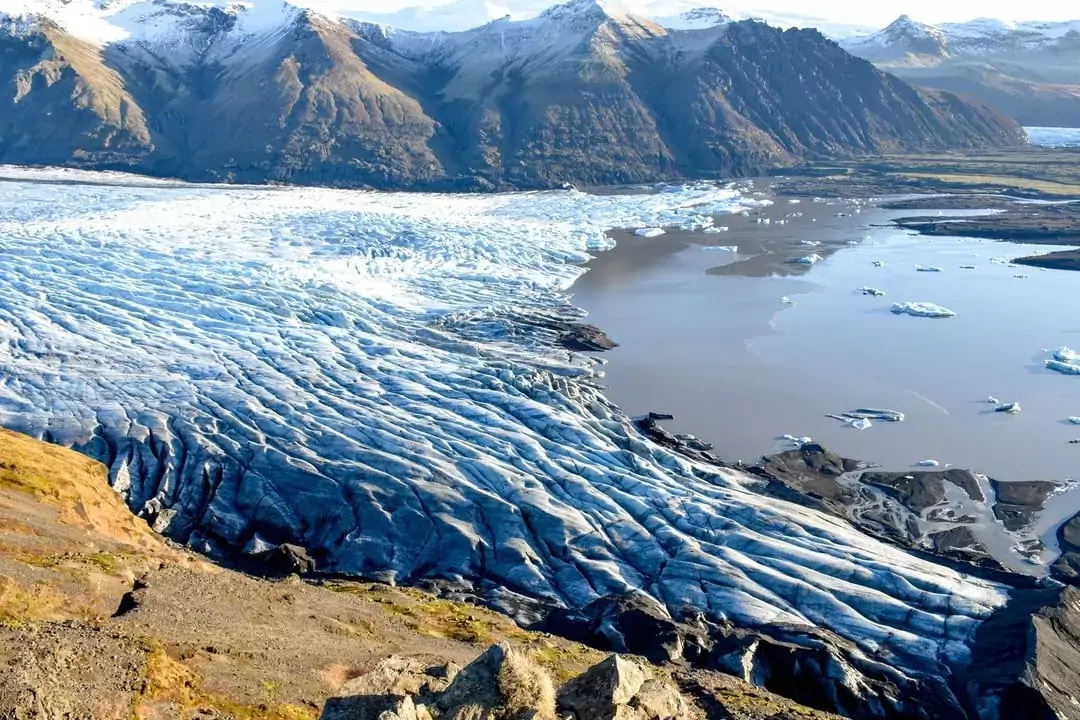
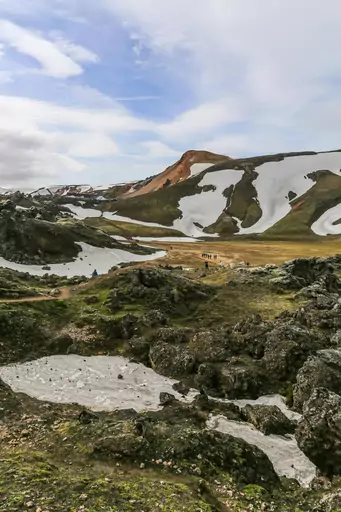
Vatnajökull National Park covers Europe’s largest glacier, stretching across a vast area of southeastern Iceland. The landscape features towering ice formations, deep blue crevasses and volcanic plains shaped by fire and ice over time. Visitors can see glaciers meeting lava fields, rivers flowing from the ice and remote valleys surrounded by rugged mountains. Wildlife includes Arctic foxes and migratory birds that adapt to harsh conditions. Hiking trails allow exploration of unique terrain while respecting fragile ecosystems in this protected area.

National Park in Iceland
Climate zone: Tundra

Tundra: Polar climates where warmest month remains cool, allowing only low-growing vegetation above permafrost or seasonally frozen ground.

See climate table
Price level: $$$+
$Cheap
$$Medium
$$$Expensive, upscale
$$$+Very expensive, luxury
See price details
Safety: 7.6
General Safety:8
Health & medical:7
Accessibility:4
Tap water:10
Read details
Tourist English: 5/5
English is widely spoken, especially in tourist areas and by guides. Most signage is in Icelandic and English, making it easy to navigate and communicate.
Last update: 12 Oct 2026
* We earn a commission from some links on this page.
Vatnajökull National Park Summary

These place ratings give you a quick overview of how well a destination matches different types of trips.

‘Best for’ scores:
The specific interest scores show where this place really shines – whether it's ideal for hiking, food & drink experiences, museums or other activities. These highlights help you understand what makes the destination special at a glance.

‘Your personal’ scores:
This reflects how well a place matches your personal preferences. You can adjust the importances of travel topics or other personal requirements categories in your account settings.

‘Suited for’ badges:
These give you a quick overview of how well a destination suits specific types of travellers, to help you find the places that match your lifestyle, preferences or travel situation.

Read how our scores work
World-class for glaciers and dramatic nature. Hike glacier trails, explore ice caves, photograph waterfalls and visit volcanic landscapes.
Place score
8.3
Best at:
Natural sites
10
Glaciers
10
Spotless
9
Hiking
9
Snow
8
Personal score
?
Log in to see how this place matches your personal travel interests.
Suited for
👶 7
Families
🧓 5
Seniors
♻️ 10
Sustainability
❤️ 8
Couples
Iceland – Quick facts
Power Grid: 230 V, 50 Hz
Plug: Type F
Type F:
Diagram of a Type F power plug

Read about power adapters
Currency: Icelandic Króna (ISK)
£1 ≈ ISK 163
Cashless info: Rating 5/5
Cashless payments are highly common in Iceland, especially in cities. Most businesses accept credit and debit cards, including smaller establishments. Mobile payment options like Apple Pay and Google Pay are popular.

Save with a travel credit card
eSIM providers: Best value: Saily
Flexibility: Airalo
Read our in-depth comparison
Tipping: Tipping is not common in Iceland and not expected in restaurants. A service charge is usually included in the bill. Tipping taxi drivers or hotel staff is appreciated but not necessary.
Public drinking: Public drinking is allowed, especially in designated areas during festivals or outdoor events. Alcohol is also available at licensed venues.
Public smoking: Smoking is prohibited in indoor public spaces and on public transport. Designated smoking areas are available outside of many restaurants and public buildings.
Icelandic National Day
(June)
Expect parades and celebrations throughout the country. Hotels and tourist spots can get busy.
Christmas
(December)
Christmas is widely celebrated, and it’s a great time to visit for festive markets, but accommodation can be more expensive.
Þorrablót Festival
(January)
A festival celebrating Icelandic cuisine, it’s a popular time to visit, though some businesses may have reduced hours.
Emergency contact: Emergency Number: 112 (Police, Fire, Ambulance)
Taxi apps: Hreyfill, Reykjavik Taxi
Other: Iceland's weather can be unpredictable, so it’s important to prepare for sudden changes in climate. Always check weather forecasts before venturing into nature.
Best times to travel

The best times to travel section shows how the months compare for a visit, so you can find the time of year that fits what you want to do.

Background colours of the months:
The colour shows the typical temperature: yellow (hot), green (mild) and blue (cold). How strong the colour is shows the travel season: full colour means high season, soft colour means shoulder season and soft-striped means off season.

Weather symbols:
Each month has one symbol showing what the weather is typically like, such as hot and sunny, freezing or a rainy or snowy season. Use them to quickly spot months that match the weather you want, or to avoid the ones that don't.

Crowdedness:
The people icon shows how busy the place usually is. The more people, the more crowded it gets.

Additional notes:
The grey info boxes point out special things worth knowing, like recurring weather issues or seasonal events.

for Vatnajökull National Park, Iceland
🌨️
Jan
🌧️
Feb
🌨️
Mar
🌧️
Apr
🌥️
May
🌥️
Jun
🌥️
Jul
🌥️
Aug
🌧️
Sep
🌧️
Oct
🌧️
Nov
🌨️
Dec
High season: June - Aug.
Shoulder season: Jan. - March, May, Sep., Nov. - Dec.
Crowdedness: 7 (Many tourists)
Tap on a month for more info Hover over a month for more info
Ice cave tours only November to March, caves are unsafe at other times
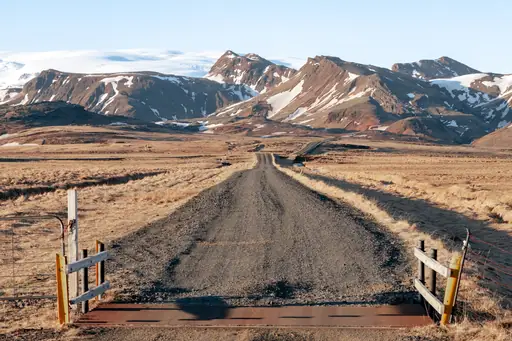
Highland roads (F-roads) to Askja and Kverkfjöll usually open late June to September
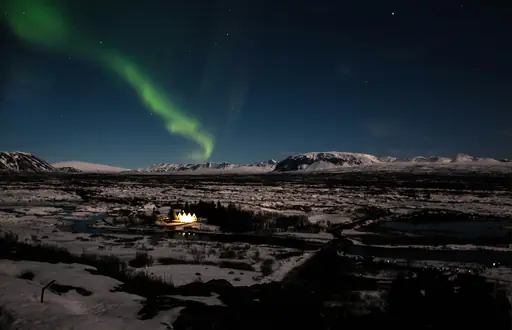
Northern lights chances late August to mid April, best on dark clear nights

Why travel to Vatnajökull National Park?

This park is a paradise for those who love raw, dramatic landscapes. Massive glaciers, black sand deserts, lava fields and geothermal activity make it one of the most unique places on Earth. You can explore stunning ice caves, hike to breathtaking viewpoints or witness powerful waterfalls crashing into deep canyons. It’s also one of the best places to experience the Northern Lights in winter.

🏯Places worth seeing
  • 1 Hoffellsjökull
  • 2 Öræfajökull
🎡Places for activities
  • 1 Hólmsárfoss
  • 2 Hvannadalshnúkur
  • 3 Skaftafellsjökull
🏞️Natural landmarks
  • 1 Grjótagjá
    Explore Vatnajökull National Park's glacial landscapes, including the dramatic Gjáta glacier and surrounding valleys. Hike through ice caves, witness towering waterfalls and observe diverse wildlife in this remote Icelandic wilderness.
  • 2 Jökulsárlón
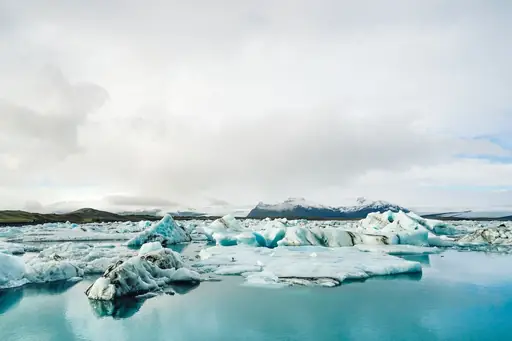
    A vast, glacial landscape where icebergs drift from Vatnajökull into Jokulsárlón's black sand waters. The park offers dramatic views of glaciers and a serene atmosphere perfect for nature lovers seeking Iceland's raw beauty.
  • 3 Breiðamerkurjökull
  • 4 Diamond Beach
  • 5 Grímsvötn
  • 6 Svartifoss
  • 7 Vatnajökull
🎈Events
  • Fire and Ice Ultra Marathon (July)
  • Aurora Borealis Viewing Season (September-March)
  • Glacier and Volcano Photography Workshops
  • Reykjavík International Film Festival (Nearby, September)
  • Winter Lights Festival (February, in Reykjavík)
  • Iceland Airwaves Music Festival (November, in Reykjavík)

Knowledge before you go

  • Never walk on glaciers or into ice caves unguided.
  • Weather shifts fast; pack waterproof layers, warm hat and gloves even in summer.
  • Start at Skaftafell visitor centre for trail updates, closures and current safety conditions.
  • For Jökulsárlón, arrive early or late; midday crowds peak and parking fills quickly.

How to travel to Vatnajökull National Park

Most travelers arrive via Keflavík International Airport (KEF) in Reykjavík, then drive 4-6 hours along the Ring Road. Domestic flights to Höfn Airport shorten the journey and some guided tours operate from Reykjavík.

Access summary

  • From Höfn Airport: Drive along Route 1 to Skaftafell area, about 1.5–2 hours.
  • From Reykjavík: Self-drive Ring Road to Skaftafell/Jökulsárlón, typically 4.5–6 hours.
  • Many visitors join multi-day South Coast tours including Skaftafell and Jökulsárlón stops.

Where to stay in Vatnajökull National Park

Accommodation is limited, with guesthouses, small hotels and camping options available. Most visitors stay in Skaftafell, Höfn or Kirkjubæjarklaustur. Booking in advance is essential, especially in summer.

How to get around Vatnajökull National Park

A rental car is the best way to explore, as public transport is very limited. The Ring Road (Route 1) provides access to major sites, but some areas require a 4x4. Guided tours are available for glacier hikes and ice caves.
Budget snapshot
Costs compared to home

We calculate the average costs when travelling to destinations and compare those with the living costs at your home. With this you can get an estimate of how expensive or cheap the destination is for you.

To customise this, you can set up which location and price level are used for the calculations in your account settings.

+59 %
Daily expenses in the region are around 59% higher than the average across United States. That means you'll spend a lot more on meals and getting around.
Exchange rate trend

The exchange rate price factor shows how expensive or cheap a currency currently is compared to its historical average. It's a quick way to see if a country is currently more or less affordable due to exchange rate changes.

+6 %
Your exchange rate (GBP to ISK) is 6% worse than in recent years. That means travelling now costs around the same compared to the past.

Travel costs

To help you plan your trip, we provide estimated daily costs per person (when travelling as a pair) for different travel styles. These numbers give you an idea of what you might spend each day at this destination, including accommodation, food, transport and activities.

Additionally, we also provide average hotel costs for different travel styles to give you an estimate for the accommodation only.

Please note that these are only estimates. The real costs depend on booking times, season and other factors.

Daily cost summary

Travel style categories explained:

Backpacker:
Staying in hostels or budget hotels, cooking your own meals or eating cheap and choosing low-cost activities.

Mid-range:
Staying in mid-range hotels, eating at a mix of restaurants and casual spots and enjoying a variety of activities.

Luxury:
Staying in luxury hotels, dining out at high-end restaurants and enjoying premium experiences without worrying about the price.

Backpacker Mid-range Luxury
💵 Total costs per day, including accommodation
£87
£204
£547
🏨 Accommodation per night, per person
£26
£75
£165
🍝 Food per day
£47
£114
£336
🚕 Transportation per day
£14
£15
£46
Food & Drink
🍽️ Restaurant Dinner, per person
£49
🍛 Lunch Set, per person
£19
🍟 Fast food combo
£15
🍝 Preparing your own food, per day
£16
☕ Cappuccino
£3.70
🍺 Beer in a restaurant, 0.5 l
£8.50
Transportation
🚌 Public transport ticket
£3.50
🚕 Taxi Ride, 10 km / 6 mi
£26
⛽ Petrol, 1 l
£2
Other
🎞️ Cinema ticket
£11.50
👩‍⚕️ Doctor's consult
£70
🤧 Cold medication
£9.50
💇 Basic haircut
£34

Safety information overview

General safety
8
Overall very safe, but nature here is extreme. Be cautious of unpredictable weather, strong winds and crevasses on glaciers. Always check conditions before venturing out and consider hiring a guide.
Health & Medical
7
Medical facilities are sparse, with the nearest hospital in Höfn. Emergency services are available, but response times in remote areas can be long. Bring a first aid kit and travel insurance covering outdoor activities.
Accessi­bility
4
Some viewpoints and visitor centers are accessible, but glacier hikes and ice cave tours require physical fitness. Many trails are rough and not wheelchair-friendly.
Tap water
10
Tap water is pure and safe to drink, sourced from glacial springs. Bring a refillable bottle, as water is available in most public places.

Looking for inspiration?

Discover
Stunning national parks and wilderness areas
National parks exist because someone decided that certain landscapes were too important to lose. The best of them protect ecosystems, wildlife and natural processes that would…
Read more
Discover
Top adventure destinations and outdoor activities
Adventure travel covers an enormous range of activities and risk tolerances, from multi-day wilderness trekking and white water rafting to technical climbing, polar expeditions and…
Read more
Discover
Best travel destinations for food allergies in Europe
Europe is one of the more manageable continents for allergy conscious travelers, thanks to strict food labeling rules that apply across the entire European Union. Restaurants…
Read more
Discover
Stunning national parks and wilderness areas in Europe
Read more
Discover
Best hiking destinations in Europe
Europe has one of the most developed long distance hiking cultures in the world, with a network of waymarked trails covering everything from high alpine routes and coastal paths to…
Read more
Discover
Best travel destinations for food allergies
Travelling with a food allergy adds a layer of planning most people never have to think about and the right destination can make that planning a lot easier. Some travellers…
Read more
Discover
Best stargazing destinations in Europe
Europe's dark sky locations are harder won than in less densely populated parts of the world, but genuinely dark sites exist in the continent's more remote corners. Atlantic island…
Read more
Discover
Best adventure destinations in Europe
Europe's adventure offer is built around the accessibility of its mountain ranges, white water rivers and coastal environments, with a well-regulated outdoor industry and dense…
Read more
Discover
Best glacier destinations in Europe
Europe's glacial environments are concentrated in the Alpine arc, Scandinavian mountain ranges and the Icelandic ice fields, with the continent's most accessible and dramatic ice…
Read more
Discover
Best geothermal destinations in Europe
Europe's geothermal offer is concentrated in its volcanically active zones, with Iceland, the Italian peninsula and the Carpathian basin containing the most significant thermal…
Read more
Discover
Top photography destinations and scenic landscapes
A genuinely photogenic destination offers more than one good shot: it has the light, the composition and enough variety of conditions to reward repeat visits at different times of…
Read more
Discover
Best destinations to visit in February in Europe
Europe stays firmly in winter through February, though the month also brings its own set of traditions that set it apart from January. Alpine regions remain deep into ski…
Read more
Discover
Top digital nomad destinations and remote work hubs in Europe
Europe offers remote workers a level of infrastructure that is hard to beat, along with enough cultural variety to keep even a long stay interesting. City based nomads can hop…
Read more
Discover
Top hiking destinations and famous trails
Hiking at its best is one of the most direct ways to engage with a landscape. The pace forces a relationship with terrain, weather and distance that faster forms of travel rarely…
Read more
Discover
Best rural retreat destinations in Europe
Europe's rural landscapes offer some of the most accessible and varied retreat experiences in the world, with working agricultural regions, coastal hinterlands and forested uplands…
Read more
Was this page helpful?
Feedback
