






Was this page helpful?

These place ratings give you a quick overview of how well a destination matches different types of trips.
‘Best for’ scores:
The specific interest scores show where this place really shines – whether it's ideal for hiking, food & drink experiences, museums or other activities. These highlights help you understand what makes the destination special at a glance.
‘Your personal’ scores:
This reflects how well a place matches your personal preferences. You can adjust the importances of travel topics or other personal requirements categories in your account settings.
‘Suited for’ badges:
These give you a quick overview of how well a destination suits specific types of travellers, to help you find the places that match your lifestyle, preferences or travel situation.
| Power Grid: |
230 V, 50 Hz Plug: Type C , Type D
Type C:
  Read about power adapters |
|---|---|
| Currency: |
Nepalese Rupee (NPR) £1 ≈ NPR 202.52 |
| Cashless info: |
Rating 3/5
Cashless payments are becoming more common in Nepal, particularly in Kathmandu and Pokhara. Credit cards are accepted in many larger establishments.
Save with a travel credit card |
| eSIM providers: |
Best value: Saily Flexibility: Airalo Read our in-depth comparison |
| Tipping: | Tipping is common in Nepal, with 10% being the usual amount in restaurants. Taxis and hotel staff appreciate small tips. |
|---|---|
| Public drinking: | Public drinking is not generally allowed in Nepal, and alcohol should be consumed in licensed venues. |
| Public smoking: | Smoking is allowed in designated areas, though many places have non-smoking zones. |
| Dashain (September-October) |
The biggest Hindu festival in Nepal |
|---|---|
| Tihar (October-November) |
A celebration of lights, similar to Diwali |
| Emergency contact: | Emergency Number: 100 (Police), 102 (Ambulance) |
|---|---|
| Taxi apps: | Pathao |
| Other: | Nepal is famous for its cultural heritage and natural beauty, including the Himalayas and UNESCO World Heritage sites. |
The best times to travel section shows how the months compare for a visit, so you can find the time of year that fits what you want to do.
Background colours of the months:
The colour shows the typical temperature: yellow (hot), green (mild) and blue (cold). How strong the colour is shows the travel season: full colour means high season, soft colour means shoulder season and soft-striped means off season.
Weather symbols:
Each month has one symbol showing what the weather is typically like, such as hot and sunny, freezing or a rainy or snowy season. Use them to quickly spot months that match the weather you want, or to avoid the ones that don't.
Crowdedness:
The people icon shows how busy the place usually is. The more people, the more crowded it gets.
Additional notes:
The grey info boxes point out special things worth knowing, like recurring weather issues or seasonal events.
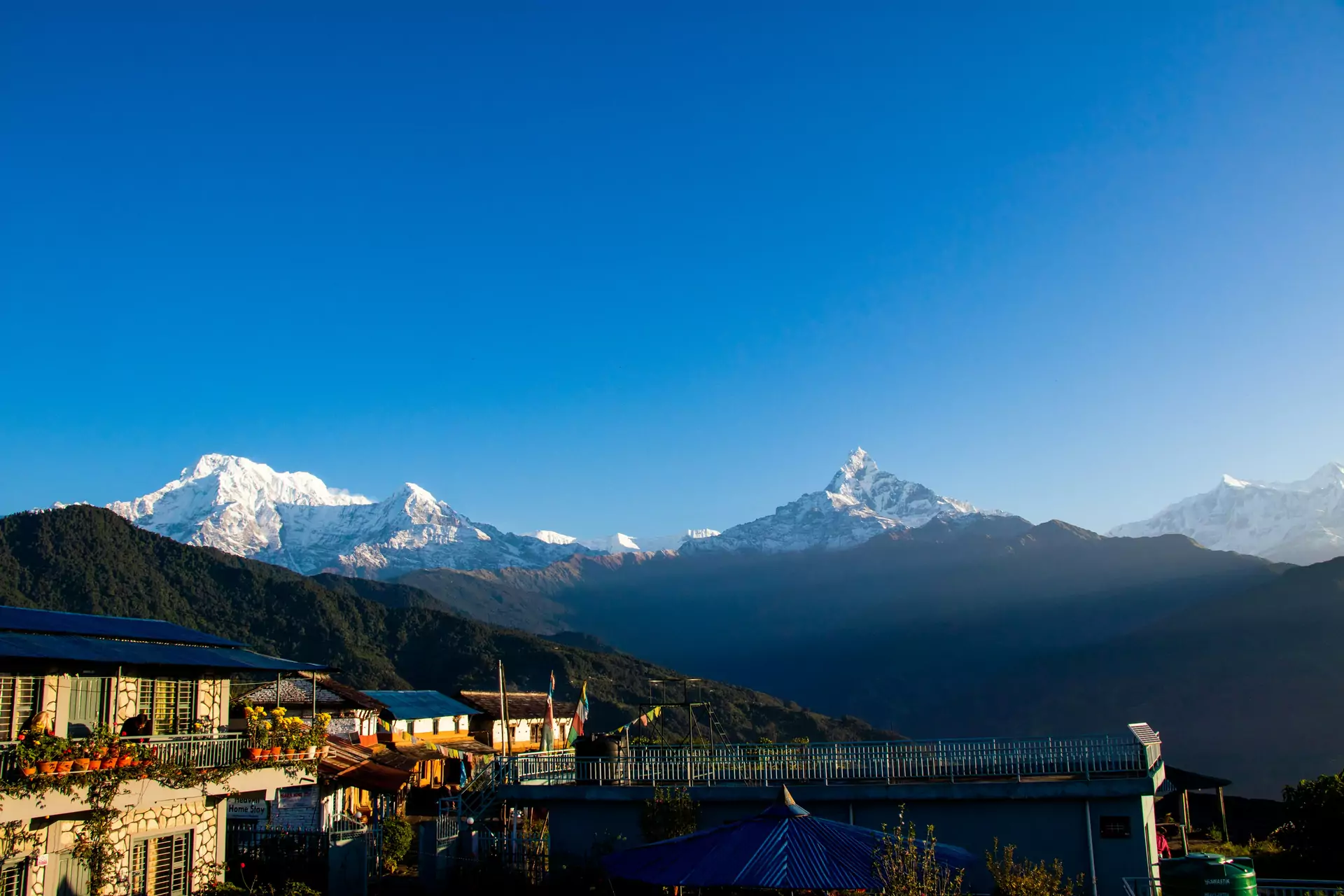
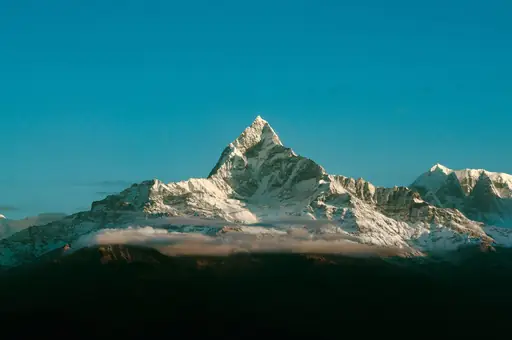
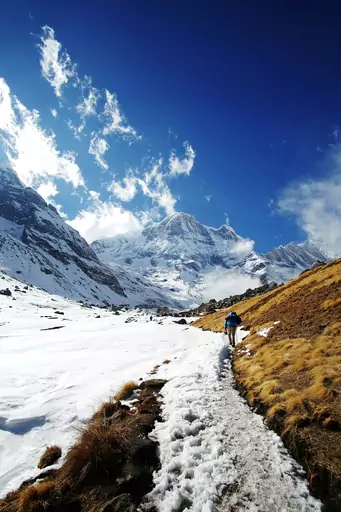
The Annapurna Region offers what many consider the perfect trekking experience, combining spectacular mountain scenery with incredible cultural diversity. Unlike other trekking destinations, you'll pass through a remarkable variety of landscapes and climate zones in a relatively short distance - from lush rice paddies and rhododendron forests to alpine meadows and high-altitude desert plateaus. The cultural aspect is equally compelling, with opportunities to interact with diverse ethnic communities including the business-savvy Thakali people known for their excellent cuisine. The region's crown jewel, the Annapurna Circuit, is often called one of the world's greatest treks, taking you around the entire Annapurna massif and crossing the challenging Thorong La Pass at 5,416 meters. However, trekking in the Annapurna Region does come with challenges. The weather can be extremely unpredictable, with temperatures ranging from 25°C during the day to below -20°C at night at higher elevations. Altitude sickness is a real concern when crossing high passes like Thorong La, which can sometimes close for days due to heavy snow in winter. While the northern parts of the circuit lie in a rain shadow, the southern portions can get quite wet during the monsoon season (June-September). The physical demands are significant, with treks lasting anywhere from 10 to 22 days and covering distances of 160-230km, often with challenging ascents and descents.
Most journeys to the Annapurna Region begin in Kathmandu or Pokhara. From Kathmandu, you can take a 6-7 hour bus ride to Pokhara, which serves as the gateway to the Annapurna treks. Alternatively, there are short 25-minute flights between Kathmandu and Pokhara. For the Annapurna Circuit, travelers typically take a bus from Pokhara to Besisahar to start the trek. For shorter treks like Poon Hill, you can begin from Nayapul, which is about an hour's drive from Pokhara. All trekkers need to obtain TIMS (Trekkers' Information Management System) cards and Annapurna Conservation Area permits before starting their trek.
Accommodation along the Annapurna treks consists primarily of teahouses - simple lodges run by local families that provide basic rooms and home-cooked meals. These range from very basic in remote areas to more comfortable options in popular stops like Manang and Jomsom. Most rooms are twin-share with shared bathrooms, though some newer teahouses offer private facilities. Before and after your trek, Pokhara offers a wide range of accommodation from budget hostels to luxury hotels. During peak trekking seasons (October-November and April-May), teahouses on popular routes can fill up quickly.



We calculate the average costs when travelling to destinations and compare those with the living costs at your home. With this you can get an estimate of how expensive or cheap the destination is for you.
To customise this, you can set up which location and price level are used for the calculations in your account settings.
The exchange rate price factor shows how expensive or cheap a currency currently is compared to its historical average. It's a quick way to see if a country is currently more or less affordable due to exchange rate changes.
To help you plan your trip, we provide estimated daily costs per person (when travelling as a pair) for different travel styles. These numbers give you an idea of what you might spend each day at this destination, including accommodation, food, transport and activities.
Additionally, we also provide average hotel costs for different travel styles to give you an estimate for the accommodation only.
Please note that these are only estimates. The real costs depend on booking times, season and other factors.
Travel style categories explained:
Backpacker:
Staying in hostels or budget hotels, cooking your own meals or eating cheap and choosing low-cost activities.
Mid-range:
Staying in mid-range hotels, eating at a mix of restaurants and casual spots and enjoying a variety of activities.
Luxury:
Staying in luxury hotels, dining out at high-end restaurants and enjoying premium experiences without worrying about the price.
| Backpacker | Mid-range | Luxury | |
|---|---|---|---|
| 💵 Total costs per day, including accommodation | |||
| 🏨 Accommodation per night, per person | |||
| 🍝 Food per day | |||
| 🚕 Transportation per day |
| 🍽️ Restaurant Dinner, per person | |
|---|---|
| 🍛 Lunch Set, per person | |
| 🍟 Fast food combo | |
| 🍝 Preparing your own food, per day | |
| ☕ Cappuccino | |
| 🍺 Beer in a restaurant, 0.5 l |
| 🚌 Public transport ticket | |
|---|---|
| 🚕 Taxi Ride, 10 km / 6 mi | |
| ⛽ Petrol, 1 l |
| 🎞️ Cinema ticket | |
|---|---|
| 👩⚕️ Doctor's consult | |
| 🤧 Cold medication | |
| 💇 Basic haircut |
Log in to add this place to a travel list and get a summary of all recommended items for your whole trip.
