












Was this page helpful?

These place ratings give you a quick overview of how well a destination matches different types of trips.
‘Best for’ scores:
The specific interest scores show where this place really shines – whether it's ideal for hiking, food & drink experiences, museums or other activities. These highlights help you understand what makes the destination special at a glance.
‘Your personal’ scores:
This reflects how well a place matches your personal preferences. You can adjust the importances of travel topics or other personal requirements categories in your account settings.
‘Suited for’ badges:
These give you a quick overview of how well a destination suits specific types of travellers, to help you find the places that match your lifestyle, preferences or travel situation.
| Power Grid: |
100 V, 50 Hz Plug: Type A
Type A:
 Read about power adapters |
|---|---|
| Currency: |
Japanese Yen (JPY) £1 ≈ JP¥210 |
| Cashless info: |
Rating 4/5
Cashless payments are becoming more common, especially in cities, with some shops still preferring cash. Be prepared for occasional cash-only situations in rural areas.
Save with a travel credit card |
| eSIM providers: |
Best value: Saily Flexibility: Airalo Read our in-depth comparison |
| Tipping: | Tipping is not customary in Japan and can be considered rude. Excellent service is the norm, and tipping is unnecessary in most places. |
|---|---|
| Public drinking: | Public drinking is legal and commonly accepted, particularly during festivals and events. |
| Public smoking: | Smoking is prohibited in indoor public places but allowed in designated outdoor areas. Some restaurants may have smoking sections. |
| New Year (January) |
One of the most important holidays, expect crowded temples and high prices. Plan ahead. |
|---|---|
| Golden Week (April-May) |
The busiest travel time, expect high demand for accommodation and transport. |
| Obon (August) |
A time to honour ancestors, many businesses close, and transport can be crowded. |
| Emergency contact: | Emergency Number: 110 (Police), 119 (Fire & Ambulance) |
|---|---|
| Taxi apps: | Uber, JapanTaxi, DiDi |
| Other: | Japan is a country of respect, so understanding local customs and etiquette is important. Public transport is efficient, but can be crowded during peak hours. |
The best times to travel section shows how the months compare for a visit, so you can find the time of year that fits what you want to do.
Background colours of the months:
The colour shows the typical temperature: yellow (hot), green (mild) and blue (cold). How strong the colour is shows the travel season: full colour means high season, soft colour means shoulder season and soft-striped means off season.
Weather symbols:
Each month has one symbol showing what the weather is typically like, such as hot and sunny, freezing or a rainy or snowy season. Use them to quickly spot months that match the weather you want, or to avoid the ones that don't.
Crowdedness:
The people icon shows how busy the place usually is. The more people, the more crowded it gets.
Additional notes:
The grey info boxes point out special things worth knowing, like recurring weather issues or seasonal events.
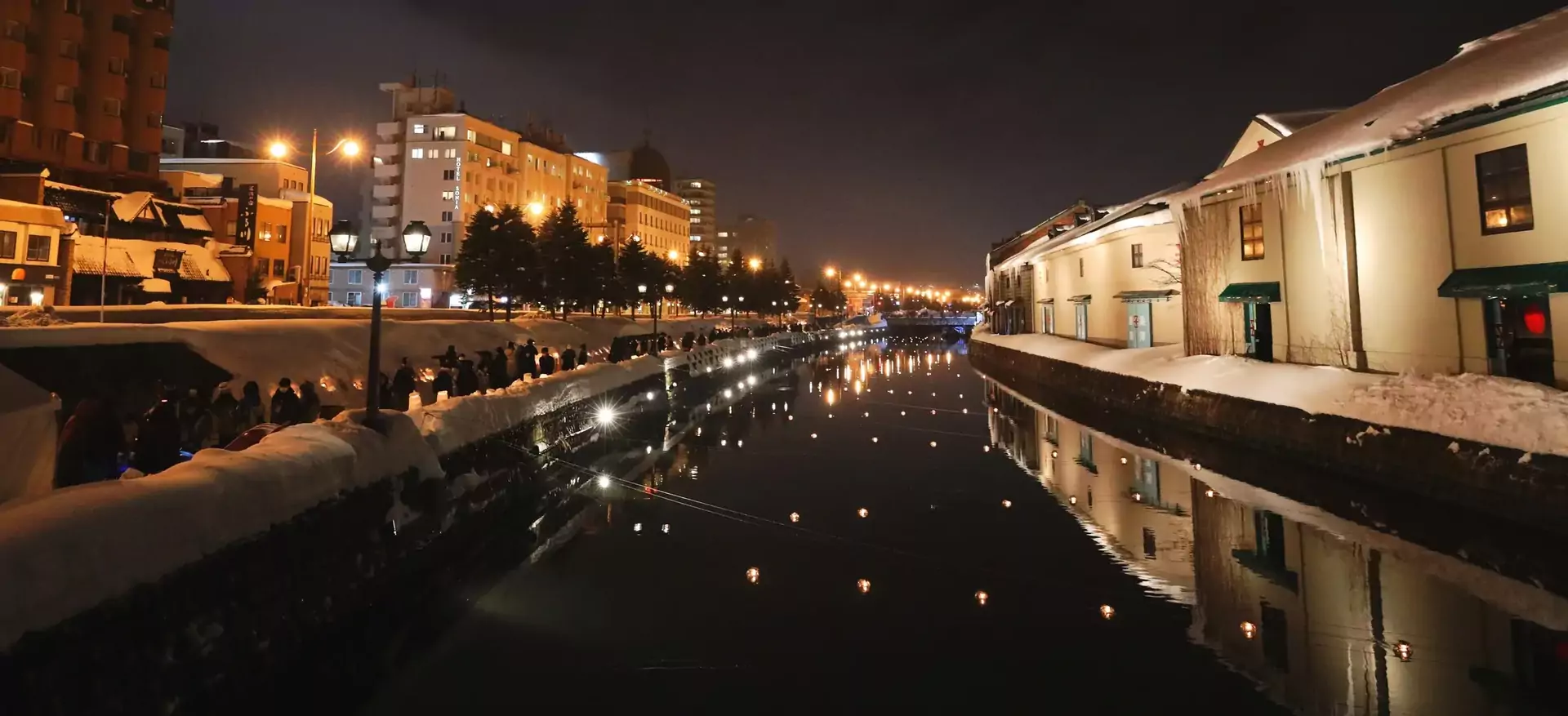
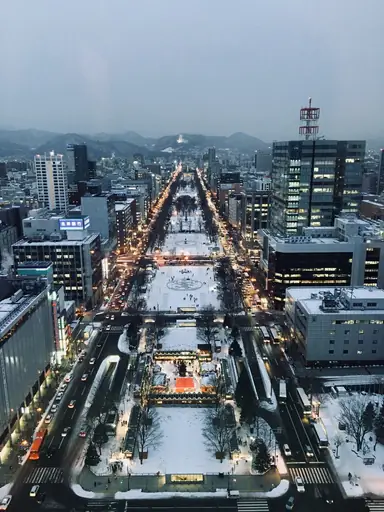
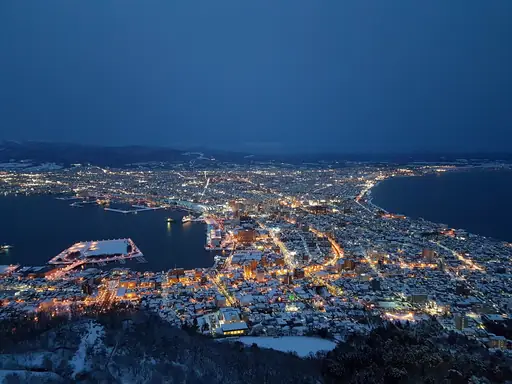
The canal in Otaru is lined with stone warehouses from the days when the city grew rich as a herring-fishing and trading port. That wealth earned it the nickname Wall Street of the North for its banks and trading firms. Gas lamps along the water are lit after dark. A few streets inland, Sakaimachi Street is lined with old merchant buildings that now hold glass studios, music box shops, sweets makers and cafes. The glassmaking goes back to the floats and lamps used by the herring fleet. Some studios offer short glassblowing sessions by reservation. Seafood is the other reason to come, with more than 100 sushi restaurants serving fish from the Sea of Japan coast. Sushiya-dori, a street about 200 m long near the canal, has a number of long-established sushi shops. For a view, the Tenguyama ropeway goes up to a 532 m summit in about four minutes. The night view from the top is counted among the three best in Hokkaido alongside Hakodate and Sapporo's Mt. Moiwa. From Sapporo it works as a day trip and the central sights fill half a day to a full day. Staying a night lets you see the canal lit up after dark and leaves time to add the Nikka whisky distillery in nearby Yoichi or the hot spring district of Asarigawa Onsen. In winter the Snow Light Path in early February fills the canal and the old railway line with candles and snow lanterns.
Trains from Sapporo are the easiest way to reach Otaru. JR rapid services take about 35 minutes to Otaru Station and run throughout the day. From New Chitose Airport (CTS) the Rapid Airport train takes about 75 to 80 minutes. Some run straight through to Otaru and others need a change at Sapporo. Flights from Tokyo to the airport take about an hour and a half. Highway buses from Sapporo Station Bus Terminal take roughly 55 to 70 minutes and stop in front of Otaru Station. By car, the Sasson Expressway links Sapporo and Otaru over about 37 km, with Otaru IC a few minutes from the canal district. New Chitose Airport is about 1.5 hours away by road. Ferries are the slow option since Shin Nihonkai Ferry takes about 21 hours from Otaru to Maizuru in Kyoto Prefecture and also sails to Niigata. The terminal is about 10 minutes from Otaru Station by taxi.
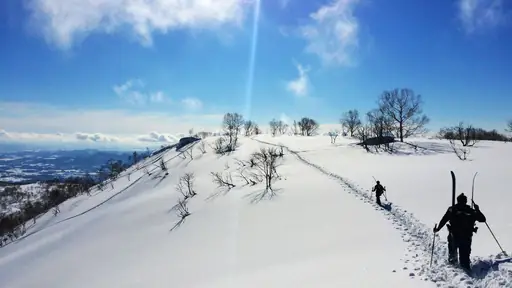
Most visitors stay in the streets around the station and the canal, where business hotels, canal-side hotels and small guesthouses put the main sights within walking distance. Some hotels here have their own hot spring baths. Otaru-Chikko, the bayfront district, has larger hotels and shopping and is near the ferry terminal. Asarigawa Onsen is a quieter hot spring district in the hills about 7 km from the centre. It has ryokan and resort hotels and a couple of ski areas in winter. A bus or taxi takes about 20 minutes to reach the centre. Some hotels run shuttles for guests, though without a car the centre is the easiest base. Rooms across the region fill up when the Snow Light Path in February overlaps the Sapporo Snow Festival, so book several weeks ahead. Staying in Sapporo is also an option. The city has far more rooms and is a 35 minute train ride away, though you'll miss the canal after dark.
Central Otaru is compact enough to cover on foot. The canal is about 10 minutes downhill from JR Otaru Station. Sakaimachi Street, the sushi street and most museums are within a few blocks of it. Buses and taxis cover the hills and the coast.
Buses:
Hokkaido Chuo Bus runs the city buses from the terminal outside Otaru Station. Route 9 reaches the Tenguyama ropeway in about 17 minutes and route 13 goes up to Asarigawa Onsen. Buses from the same terminal also serve Yoichi, Shakotan and Niseko. The Nikka distillery in Yoichi is about 40 minutes away by bus.
Taxis:
Taxis are easy to find at the station and work well for the hills, the ferry terminal and the onsen hotels.
Car:
You don't need a car for the centre. It helps if you want to reach the Shakotan coast or fit several sights into one day.
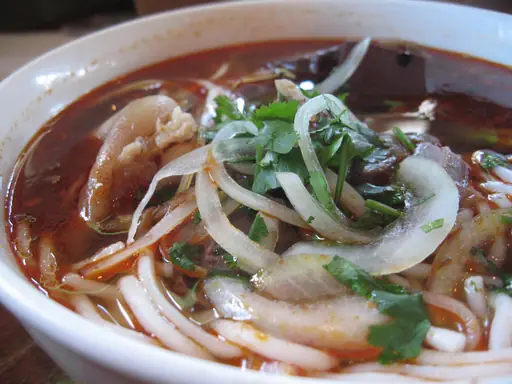
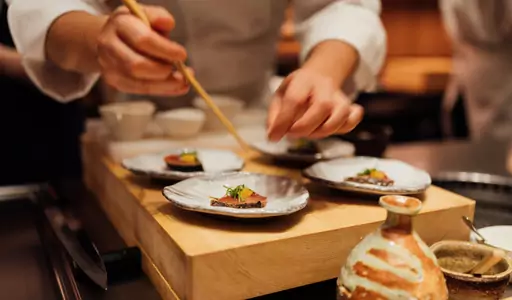
Otaru is a seafood town first, with sushi and seafood rice bowls as the staples.
Sushi:
Otaru has more than 100 sushi restaurants, including a cluster of long-established ones on Sushiya-dori near the canal. The fish is caught locally.
Kaisendon:
Seafood rice bowls topped with salmon roe, sea urchin or crab. Sankaku Market next to the station sells them from small stalls along a narrow passage.
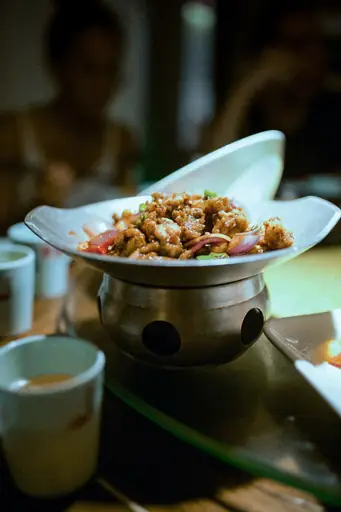
Two local dishes outside the seafood line are worth looking out for. Ankake yakisoba is crisp fried noodles under a thick seafood and vegetable sauce and hanmiage is deep-fried chicken that was created in Otaru. Denuki Koji, a lane of food stalls by the canal, is a handy place to try several things at once. The city also brews its own beer in a canal-side warehouse and has plenty of cafes and sweets shops along Sakaimachi Street. Vegetarians will find the choices limited since most local specialities are built around seafood.
We calculate the average costs when travelling to destinations and compare those with the living costs at your home. With this you can get an estimate of how expensive or cheap the destination is for you.
To customise this, you can set up which location and price level are used for the calculations in your account settings.
The exchange rate price factor shows how expensive or cheap a currency currently is compared to its historical average. It's a quick way to see if a country is currently more or less affordable due to exchange rate changes.
To help you plan your trip, we provide estimated daily costs per person (when travelling as a pair) for different travel styles. These numbers give you an idea of what you might spend each day at this destination, including accommodation, food, transport and activities.
Additionally, we also provide average hotel costs for different travel styles to give you an estimate for the accommodation only.
Please note that these are only estimates. The real costs depend on booking times, season and other factors.
Travel style categories explained:
Backpacker:
Staying in hostels or budget hotels, cooking your own meals or eating cheap and choosing low-cost activities.
Mid-range:
Staying in mid-range hotels, eating at a mix of restaurants and casual spots and enjoying a variety of activities.
Luxury:
Staying in luxury hotels, dining out at high-end restaurants and enjoying premium experiences without worrying about the price.
| Backpacker | Mid-range | Luxury | |
|---|---|---|---|
| 💵 Total costs per day, including accommodation | |||
| 🏨 Accommodation per night, per person | |||
| 🍝 Food per day | |||
| 🚕 Transportation per day |
| 🍽️ Restaurant Dinner, per person | |
|---|---|
| 🍛 Lunch Set, per person | |
| 🍟 Fast food combo | |
| 🍝 Preparing your own food, per day | |
| ☕ Cappuccino | |
| 🍺 Beer in a restaurant, 0.5 l |
| 🚌 Public transport ticket | |
|---|---|
| 🚕 Taxi Ride, 10 km / 6 mi | |
| ⛽ Petrol, 1 l |
| 🎞️ Cinema ticket | |
|---|---|
| 👩⚕️ Doctor's consult | |
| 🤧 Cold medication | |
| 💇 Basic haircut |
Log in to add this place to a travel list and get a summary of all recommended items for your whole trip.
