
Jkinsocal, CC BY-SA 3.0, via Wikimedia Commons
Asia › Japan › Aomori

Aomori

Scroll
Apples, giant lantern floats and beech forests

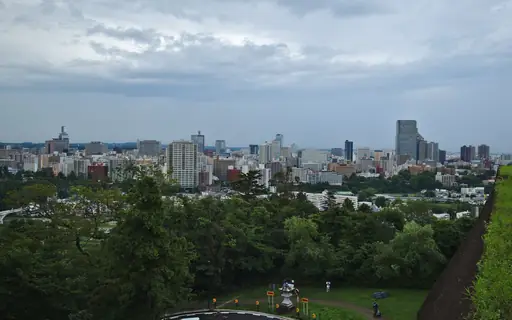
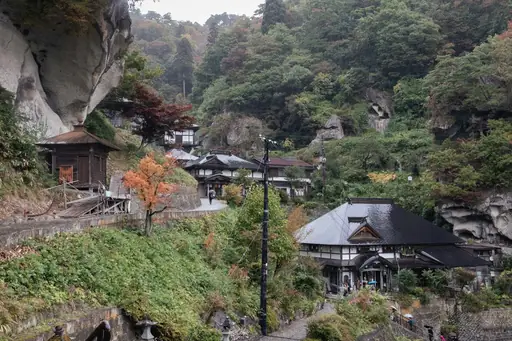
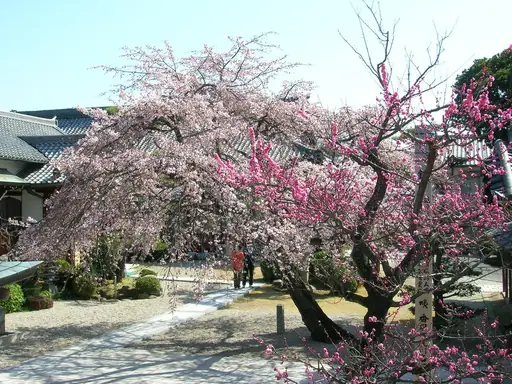
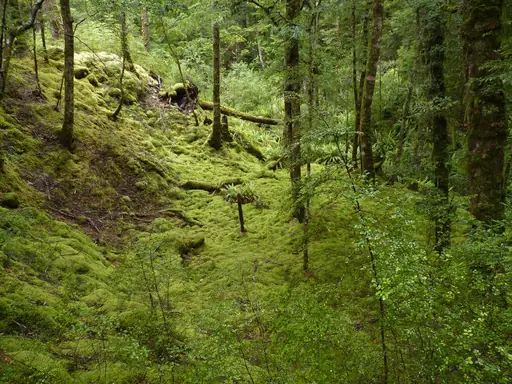
Aomori is the northernmost prefecture on Honshu and is known for the huge lit Nebuta floats that roll through the streets of Aomori City each August. Visitors can also see cherry blossoms around Hirosaki Castle in late April, hike the beech forests of Shirakami-Sanchi or follow the Oirase Stream to Lake Towada. The Shimokita Peninsula adds a sacred volcanic site at Osorezan. Aomori City is on the bay, with Hirosaki to the southwest and Hachinohe on the Pacific side. Public transport thins out away from the main cities, so plan around a base or two and consider a rental car for the lakes and peninsulas.

State/Prefecture in Japan
Climate zone: Humid subtropical

Humid subtropical: Warm temperate climates with hot, humid summers, mild winters and evenly distributed rainfall, common on eastern continental margins.

See climate table
Price level: $$$
$Cheap
$$Medium
$$$Expensive, upscale
$$$+Very expensive, luxury
See price details
Safety: 8.2
General Safety:9
Health & medical:7
Accessibility:5
Tap water:10
Read details
Tourist English: 2/5
English is spoken at major hotels, museums, and tourist centers, but less so in rural areas and small restaurants. Most signage at attractions is bilingual. A translation app is helpful for deeper exploration.
Last update: Oct 19, 2026
* We earn a commission from some links on this page.
Aomori Summary

These place ratings give you a quick overview of how well a destination matches different types of trips.

"Best for" scores:
The specific interest scores show where this place really shines – whether it's ideal for hiking, food & drink experiences, museums or other activities. These highlights help you understand what makes the destination special at a glance.

"Your personal" scores:
This reflects how well a place matches your personal preferences. You can adjust the importances of travel topics or other personal requirements categories in your account settings.

"Suited for" badges:
These give you a quick overview of how well a destination suits specific types of travelers, to help you find the places that match your lifestyle, preferences or travel situation.

Read how our scores work
Great for festivals and northern nature. Experience the famous Nebuta festival, visit castles and museums and explore forests and lakes.
Place score
7.9
Best at:
Cherry blossoms
10
Festivals
10
Forests
9
Snow
9
Spotless
9
Personal score
?
Log in to see how this place matches your personal travel interests.
Suited for
👶 7
Families
🧓 6
Seniors
🛡️ 7
Travel Beginners
👩 7
Solo
Japan – Quick facts
Power Grid: 100 V, 50 Hz
Plug: Type A
Type A:
Diagram of a Type A power plug

Read about power adapters
Currency: Japanese Yen (JPY)
$1 ≈ ¥158
Cashless info: Rating 4/5
Cashless payments are becoming more common, especially in cities, with some shops still preferring cash. Be prepared for occasional cash-only situations in rural areas.

Save with a travel credit card
eSIM providers: Best value: Saily
Flexibility: Airalo
Read our in-depth comparison
Tipping: Tipping is not customary in Japan and can be considered rude. Excellent service is the norm, and tipping is unnecessary in most places.
Public drinking: Public drinking is legal and commonly accepted, particularly during festivals and events.
Public smoking: Smoking is prohibited in indoor public places but allowed in designated outdoor areas. Some restaurants may have smoking sections.
New Year
(January)
One of the most important holidays, expect crowded temples and high prices. Plan ahead.
Golden Week
(April-May)
The busiest travel time, expect high demand for accommodation and transportation.
Obon
(August)
A time to honor ancestors, many businesses close, and transportation can be crowded.
Emergency contact: Emergency Number: 110 (Police), 119 (Fire & Ambulance)
Taxi apps: Uber, JapanTaxi, DiDi
Other: Japan is a country of respect, so understanding local customs and etiquette is important. Public transportation is efficient, but can be crowded during peak hours.
Best times to travel

The best times to travel section shows how the months compare for a visit, so you can find the time of year that fits what you want to do.

Background colors of the months:
The color shows the typical temperature: yellow (hot), green (mild) and blue (cold). How strong the color is shows the travel season: full color means high season, soft color means shoulder season and soft-striped means off season.

Weather symbols:
Each month has one symbol showing what the weather is typically like, such as hot and sunny, freezing or a rainy or snowy season. Use them to quickly spot months that match the weather you want, or to avoid the ones that don't.

Crowdedness:
The people icon shows how busy the place usually is. The more people, the more crowded it gets.

Additional notes:
The gray info boxes point out special things worth knowing, like recurring weather issues or seasonal events.

for Aomori, Japan
🌦️
Jan
🌦️
Feb
🌦️
Mar
🌤️
Apr
🌤️
May
🌤️
Jun
🌦️
Jul
🌦️
Aug
🌦️
Sep
🌦️
Oct
🌦️
Nov
🌦️
Dec
High season: Aug., Oct.
Shoulder season: Jan. - Feb., April - July, Sep.
Crowdedness: 4 (Moderate tourist numbers)
Tap on a month for more info Hover over a month for more info
Nebuta Festival August 2 to 7, hotels book out months ahead
Hakkoda snow monsters best late January to February; some mountain roads close in winter

Why travel to Aomori?

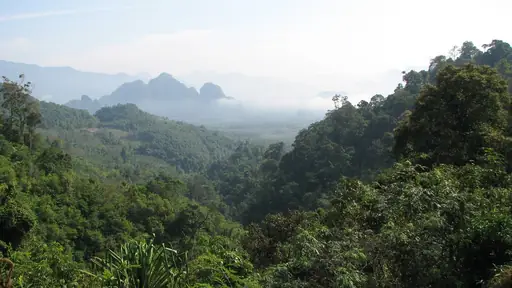
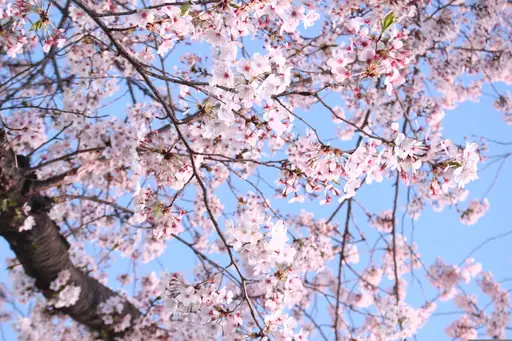
Early August brings the Nebuta Festival to Aomori City from August 2 to 7. More than twenty huge lantern floats based on kabuki or mythical stories roll through the streets with dancers, flutists and drummers. On August 7 the floats are placed on boats around Aomori Bay while fireworks light the sky. Hirosaki holds its own Neputa Festival from August 1 to 7. In spring the cherry blossoms at Hirosaki Castle are the draw, with about 2,600 trees blooming in the park. Apples are the local pride too. The prefecture grows about 60 percent of Japan's apples and apple pies are a popular souvenir. Inland the scenery changes completely. Lake Towada is a double crater lake and the 8.5 mi Oirase Stream below it has waterfalls and mossy banks you can hike in part or in full. Mount Hakkoda is known for backcountry powder and winter snow monsters, trees coated in thick snow. Shirakami-Sanchi on the border with Akita is a World Natural Heritage site with one of East Asia's largest pristine beech forests. In Aomori City the Sannai-Maruyama site is part of the Jomon Prehistoric Sites in Northern Japan, inscribed by UNESCO in 2021. To the north the Shimokita Peninsula has Osorezan, a sacred volcanic site with sulfur springs. Two or three days cover Aomori City, Hirosaki and a day around Towada. Shirakami and Shimokita each need a car or a long day.

🏯Places worth seeing
  • 1 Munakata Shiko Memorial Museum of Art
  • 2 Hirosaki Castle
  • 3 Nebuta Museum Wa Rasse
  • 4 Sannai Maruyama Archaeological Site
🎡Places for activities
  • 1 Hakkoda Ropeway
  • 2 Sukayu Onsen
  • 3 Hirosaki Park
🏞️Natural landmarks
  • 1 Aomori Bay Bridge
  • 2 Lake Towada
  • 3 Shirakami-Sanchi
  • 4 Hotokegaura 仏ヶ浦
  • 5 Mt. Osore
  • 6 Mt. Iwaki
🛍️Shopping
  • 1 A-FACTORY
  • 2 Hasshoku Center
  • 3 Hachinohe Yatai-Mura Miroku Yokocho
  • 4 Hirosaki Apple Park
🍽️Eat & Drink
  • 1 Aomori Gyosai Center / Furukawa Fish Market
    Aomori Gyosai Center is known for nokke-don: visitors buy a bowl of rice and choose individual toppings from market vendors, including tuna, salmon, scallops and roe. It is at 1-11-16 Furukawa, about five minutes on foot from Aomori Station.
  • 2 Aji no Sapporo Onishi
    Onishi is a leading shop for Aomori miso curry milk ramen, combining miso broth, curry, milk, butter and wavy noodles. It is at 1-15-6 Furukawa in central Aomori, roughly eight minutes on foot from Aomori Station.
  • 3 Sapporo-kan
    Sapporo-kan serves Aomori’s miso curry milk ramen, a rich local specialty topped with butter, bean sprouts and seaweed. It is at 56-3 Ishie Okabe, west of central Aomori near Shin-Aomori Station.
  • 4 Nagao Chuka Soba Aomori Station Branch
    Nagao serves Tsugaru niboshi ramen, built on a strong dried-sardine broth, with several intensity levels available. Its Aomori Station branch is at 1-3-7 Yasukata, immediately near the station and the waterfront A-FACTORY complex.
  • 5 Osanai Shokudo
    Osanai Shokudo serves grilled scallops with miso, scallop sashimi and local seafood set meals. It is at 1-1-17 Shinmachi, about two minutes on foot from Aomori Station in the city-centre shopping district.
  • 6 Mitsuishi
    Mitsuishi serves seasonal Aomori seafood, sake and regional dishes such as kaiyaki-miso, scallop cooked with egg and miso in its shell. It is at 2-11-17 Honcho, around seven minutes by taxi from Aomori Station in the central nightlife district.
  • 7 Aomori Kitchen Pope
    Aomori Kitchen Pope serves seafood rice bowls, grilled scallop dishes and casual meals using local ingredients. It is inside the Aomori Station-area complex near the waterfront, a short walk from A-FACTORY and Nebuta Museum WA RASSE.
  • 8 A-FACTORY
    A-FACTORY is a cider-focused food hall with apple desserts, drinks and an in-house cider operation showcasing Aomori-grown apples. It is beside Aomori Station on the bayfront, adjacent to Nebuta Museum WA RASSE.
  • 9 Akaneya Aomori Station Branch
    Akaneya serves izakaya dishes representing Aomori Prefecture, including seafood and regional dishes from Hachinohe, Mutsu and Tsugaru. It is in front of Aomori Station, convenient for dinner after exploring the city centre.
  • 10 Kudō Pan
    Kudō Pan is a long-established Aomori bakery known for English Toast, a soft sliced bread snack spread with margarine and sugar. Its main shop is in the Aomori area, while products are widely sold in convenience stores and supermarkets across the prefecture.
🎈Events
  • Hirosaki Neputa Festival (August)
  • Goshogawara Tachineputa Festival (August)
  • Hirosaki Cherry Blossom Festival (April-May)
  • Aomori Nebuta Halloween (October)
  • Winter Stove Train Season (December-March)
  • Hakkoda Snow Monster Festival (February)
  • Apple Harvest Festivals (September-November)
  • Hirosaki Castle Snow Lantern Festival (February)
  • Hachinohe Sansha Taisai (July–Aug)
  • Oirase Gorge Icefall Festival (Winter)
  • Hirosaki Autumn Foliage Festival (Oct–Nov)
  • Asamushi Onsen Nebuta Festival (July–Aug)

Knowledge before you go

  • Reserve Nebuta parade seats in late June or watch from free spots.
  • Rent a haneto costume for about ¥4,000 ($25.24) plus accessories and you can dance in the Nebuta parade.
  • Hirosaki's cherry blossoms usually peak from late April to early May but timing shifts each year.
  • In winter the Hakkoda-go bus from Aomori to Sukayu Onsen needs a reservation made online in advance.

How to travel to Aomori

The Tohoku Shinkansen is the easiest way in. It takes just over 3 hours from Tokyo to Shin-Aomori and stops at Hachinohe after about 2 hours 45 minutes. Shichinohe-Towada and Okutsugaru-Imabetsu are the other stations in the prefecture. The Hokkaido Shinkansen connects Hakodate and Aomori in about an hour. Flying is quicker from farther away. Aomori Airport (AOJ) has flights from Tokyo Haneda in about 1 hour 20 minutes plus routes to Sapporo, Osaka and other cities as well as some international flights from East Asia. A bus takes about 40 minutes to Aomori Station. Misawa Airport (MSJ) also has flights from Haneda and a bus of about 55 minutes to central Hachinohe. Overnight highway buses from Tokyo take 8 to 10 hours. A car helps for Shimokita and the Tsugaru area.

Access summary

  • From Aomori Airport (AOJ): Limousine bus to Aomori city, about 30–40 minutes.
  • From Tokyo: Tohoku Shinkansen to Shin-Aomori, roughly 3–3.5 hours.
  • From Hakodate (Hokkaido): Tsugaru Kaikyo car ferry to Aomori, around 3.5–4 hours.

Where to stay in Aomori

The prefecture works best from a handful of bases. Aomori City around the station suits Nebuta week and the bay sights and has the most hotels. Hirosaki is the better base for the castle park and Shirakami and tends to book up early in cherry blossom season. Hachinohe on the Pacific side is handy for the Shinkansen and the coast. Lake Towada and the Oirase Stream deserve a night since bus rides from the cities take close to three hours each way. Ryokan and onsen lodgings around the lake, along the stream and in the Hakkoda foothills are the usual choice. Mutsu is the practical base for the Shimokita Peninsula. Nebuta week from August 1 to 7 and Hirosaki's cherry blossom weeks fill rooms early so book ahead.

How to get around Aomori

Aomori is a large prefecture and the main sights are far apart, so what works best depends on where you're going. Hirosaki is southwest of Aomori City and Hachinohe is across the prefecture on the Pacific coast. Trains cover the links between the cities. The lakes, the Shimokita Peninsula and the Shirakami area are easier by bus or car.

Trains:
The JR Ou Line links Aomori Station and Hirosaki in under an hour.
The Aoimori Railway links Aomori with Hachinohe. Hirosaki Castle park is about a 30-minute walk from the station. The Resort Shirakami scenic train runs along the Gono Line between Aomori and Akita.

Buses:
Lake Towada and the Oirase Stream have no train.
JR Bus Tohoku runs the Mizuumi-go from Aomori and Shin-Aomori stations in about 2 hours 45 minutes to 3 hours 10 minutes. The Oirase-go from Hachinohe takes about 2 hours 20 minutes. Both run only in season.

Car:
A car is far easier for the Shimokita Peninsula and the Shirakami region.
Driving from Mutsu to Aomori City takes about 2 hours. Some roads close in winter.

Food in Aomori

Food in Aomori Prefecture centers on seafood from two coasts and the apples that grow inland. Scallops, squid and tuna are all local and Oma tuna has a high reputation. Apples show up in juice, sweets and pies. The cities have izakaya and restaurants around the main stations. The countryside has far fewer, so plan meals around your lodging.

Ichigo-ni:
Hachinohe is known for ichigo-ni, a soup of sea urchin and abalone traditionally served at celebrations.
The sea urchin in the bowl is said to look like wild strawberries, which gives the dish its name.

Kaiyaki-miso:
Scallops are grilled in the shell with egg and miso.
It's a simple way to try the local scallops.

Shoga miso oden:
Oden is a dish of simmered fish cakes and other items.
In Aomori it's served with a ginger miso sauce.

Kenojiru and jappajiru:
Kenojiru is a hearty vegetable soup and jappajiru is a miso-based fish soup.
Both are warming dishes that suit the cold months.

Budget snapshot
Costs compared to home

We calculate the average costs when traveling to destinations and compare those with the living costs at your home. With this you can get an estimate of how expensive or cheap the destination is for you.

To customize this, you can set up which location and price level are used for the calculations in your account settings.

-37 %
Daily expenses in Aomori are around 37% lower than the average across United States. That means you'll spend considerably less on meals and getting around.
Exchange rate trend

The exchange rate price factor shows how expensive or cheap a currency currently is compared to its historical average. It's a quick way to see if a country is currently more or less affordable due to exchange rate changes.

-17 %
Your exchange rate (USD to JPY) is 17% better than in recent years. That means traveling now is considerably cheaper compared to the past.

Travel costs

To help you plan your trip, we provide estimated daily costs per person (when traveling as a pair) for different travel styles. These numbers give you an idea of what you might spend each day at this destination, including accommodation, food, transport and activities.

Additionally, we also provide average hotel costs for different travel styles to give you an estimate for the accommodation only.

Please note that these are only estimates. The real costs depend on booking times, season and other factors.

Daily cost summary

Travel style categories explained:

Backpacker:
Staying in hostels or budget hotels, cooking your own meals or eating cheap and choosing low-cost activities.

Mid-range:
Staying in mid-range hotels, eating at a mix of restaurants and casual spots and enjoying a variety of activities.

Luxury:
Staying in luxury hotels, dining out at high-end restaurants and enjoying premium experiences without worrying about the price.

Backpacker Mid-range Luxury
💵 Total costs per day, including accommodation
$74
$181
$462
🏨 Accommodation per night, per person
$45
$120
$250
🍝 Food per day
$23
$52
$171
🚕 Transportation per day
$6
$9
$42
Food & Drink
🍽️ Restaurant Dinner, per person
$21
🍛 Lunch Set, per person
$5
🍟 Fast food combo
$4.90
🍝 Preparing your own food, per day
$9
☕ Cappuccino
$3.50
🍺 Beer in a restaurant, 0.5 l / 16 oz
$4.80
Transportation
🚌 Public transport ticket
$1.30
🚕 Taxi Ride, 10 km / 6 mi
$26
⛽ Gas, 1 l / ¼ gal
$1.05
Other
🎞️ Movie ticket
$11
👩‍⚕️ Doctor's consult
$41
🤧 Cold medication
$11
💇 Basic haircut
$17

Safety information overview

General safety
9
Aomori is very safe and crime against visitors is rare. Black bears live in the mountain forests so use a bell and follow local warnings. Winter brings heavy snow and icy roads. Hakkoda's backcountry carries avalanche risk. Stay on the paths near volcanic vents.
Health & Medical
7
Aomori City, Hirosaki and Hachinohe have large hospitals. Rural areas such as Shimokita and the Shirakami region have only small clinics, so help can be far away. English-speaking care is limited. Winters are cold and icy so dress warmly.
Accessi­bility
5
Shinkansen stations have lifts and the main cities are manageable. Rural trains and buses are harder. The Oirase Stream walk runs beside a bus route so you can do only part of it. Shirakami trails and Osorezan's volcanic paths are uneven.
Tap water
10
Tap water in Aomori is safe to drink, as in the rest of Japan. Carry water on hikes in Shirakami and Hakkoda and treat any stream water before drinking. Shops and vending machines sell bottled water and tea.

Packing recommendations for Aomori

Log in to add this place to a travel list and get a summary of all recommended items for your whole trip.

Looking for inspiration?

Discover
Best forest destinations in Asia
Asia's forest environments range from the ancient temperate rainforests of the far north and the cedar and beech forests of the eastern mountain zones to the cloud forests of the…
Read more
Discover
Best cherry blossom destinations in Asia
Cherry blossom season turns parts of Asia into a completely different place for a few short weeks each year, drawing travelers who plan their entire trip around a single bloom.…
Read more
Discover
Best couple vacation destinations in Asia
Asia is perfect for couples who want their holiday to feel like a shared adventure rather than just a change of scenery. Few continents offer so many ways to be amazed together.…
Read more
Discover
Top fall foliage destinations and autumn colors
Few natural spectacles are as season-specific and location-dependent as autumn foliage, where the combination of tree species composition, temperature drop and daylight reduction…
Read more
Discover
Top cherry blossom destinations and spring blooms
Cherry blossom season is brief and weather-dependent almost everywhere it happens, which is part of why it draws so much dedicated travel. The bloom typically lasts only a week or…
Read more
Discover
Best natural wonder destinations in Asia
Asia contains some of the most extraordinary natural wonders on earth, shaped by the collision of tectonic plates, vast river systems, volcanic activity and climatic extremes that…
Read more
Discover
Best destinations for first-time travelers in Asia
Asia has one of the best established beginner travel routes anywhere, largely because so many first time travelers have worn the path before you. Southeast Asia in particular…
Read more
Discover
Top forest destinations and woodland landscapes
Forest travel encompasses some of the world's most biodiverse and ecologically significant environments, with the great tropical rainforests, temperate old growth systems and…
Read more
Discover
Best rural retreat destinations in Asia
Rural retreat travel is defined by the deliberate removal from urban pace and density, with landscape immersion, slower rhythms and direct engagement with food, nature and local…
Read more
Discover
Best solo travel destinations in Asia
Asia is where most solo travelers figure out they can actually do this. The backpacker trails through Southeast Asia have been running for decades, and the infrastructure along…
Read more
Discover
Top solo travel destinations and safe hubs
Traveling alone sounds like a bigger deal than it is. The first day feels strange – eating dinner by yourself, navigating without someone to double-check the map with, making every…
Read more
Discover
Best couple vacation destinations
Travelling as a couple sounds simple enough, yet the best couple vacation destinations mean something different to almost every pair. What feels romantic to one couple can feel…
Read more
Discover
Best travel destinations for seniors in Asia
Asia offers some of the most senior friendly infrastructure anywhere, alongside destinations that still call for a bit more independence and stamina. Japan in particular stands…
Read more
Discover
Best destinations for first-time travelers
A first trip abroad works best somewhere that eases you in, rather than throwing every possible culture shock and logistical headache at you at once. Some first-time travelers…
Read more
Discover
Top rural retreat destinations and countryside getaways
Rural retreat travel is defined by the deliberate removal from urban pace and density, with landscape immersion, slower rhythms and direct engagement with food, nature and local…
Read more
Feedback