
Best rural retreat destinations in Asia
Best rural retreat destinations in Asia
Quiet mountain villages and historic terraced valleys in Asia
Rural retreat travel is defined by the deliberate removal from urban pace and density, with landscape immersion, slower rhythms and direct engagement with food, nature and local culture replacing the itinerary-driven momentum of most tourism. The most rewarding rural destinations combine genuine countryside character with enough comfort and accessibility to make an extended stay practical, without the degree of development that turns rural areas into theme park versions of themselves.
Working agricultural landscapes, coastal hinterlands and forested upland regions provide the most compelling rural retreat settings, where the seasonal rhythms of farming, fishing and land management give places a life and purpose independent of tourism. Food provenance and local produce are central to the rural retreat experience in the strongest destinations, with farm stays, market culture and producer relationships forming a core part of what makes extended rural stays rewarding.
Connectivity and transport access vary considerably and many of the most appealing rural retreat destinations require a hire car or acceptance of limited mobility as part of the experience. Shoulder and low season visits often deliver the most authentic experience as working landscapes operate on their own schedules regardless of tourist peaks. Advance booking at the most sought-after rural properties is essential as quality accommodation in genuinely rural settings is limited by definition.
Lists by region
National Park in Japan
Shiretoko National Park
Brown bears and drift ice in Hokkaido
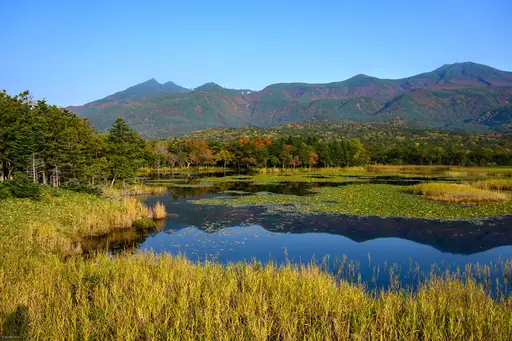
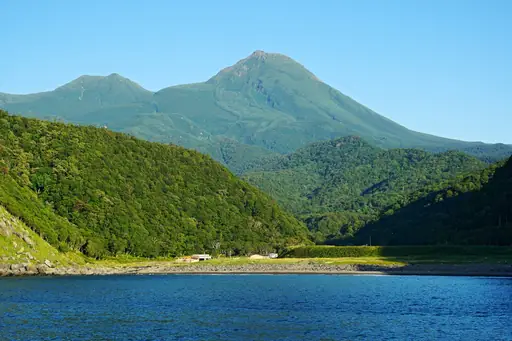
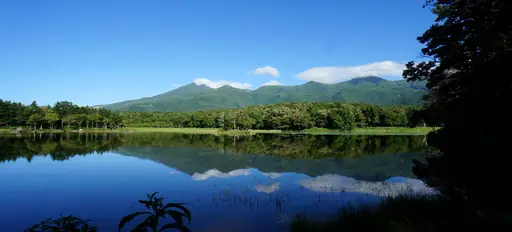
Unlike busier parks on Hokkaido, this one has no road past its far end. Brown bears roam the forests. At Kamuiwakka Falls, warm spring water runs down a stream in the hills. Winter brings drift ice that floats in from Russia. Boat trips follow the wild coast.
State/Prefecture in Japan
Aomori
Apples, giant lantern floats and beech forests
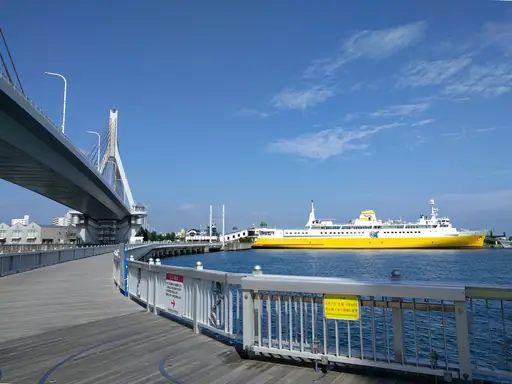
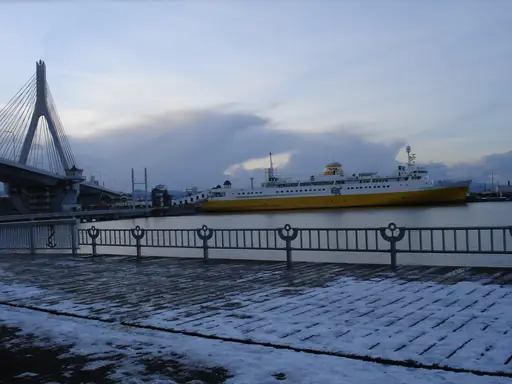
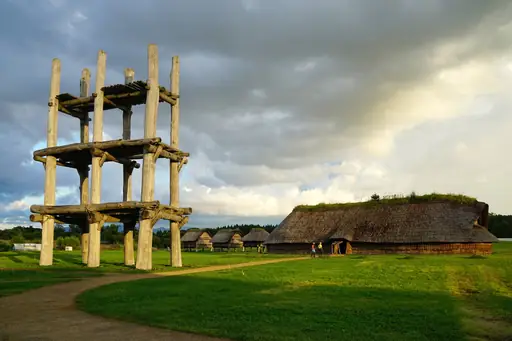
Apple orchards, beech forests and quiet hot spring villages fill this northern Honshu prefecture. Shirakami Sanchi is a UNESCO listed beech forest with hiking trails. Visitors can stay at rustic inns at Sukayu Onsen and see Lake Towada in autumn colors. The Hirosaki apple harvest and Nebuta festival show local rural culture.
National Park in Japan
Daisetsuzan National Park
Japan's largest national park, in Hokkaido
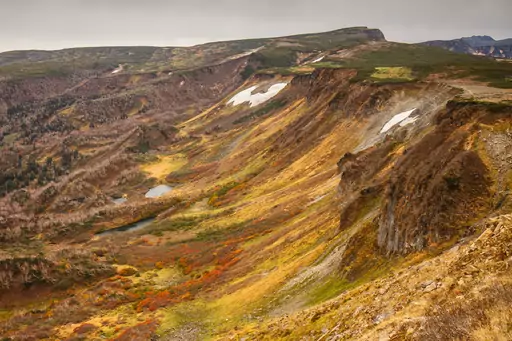
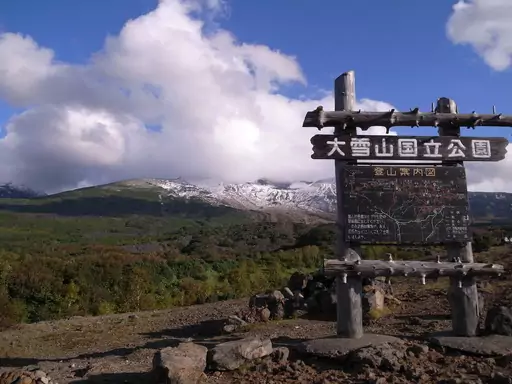
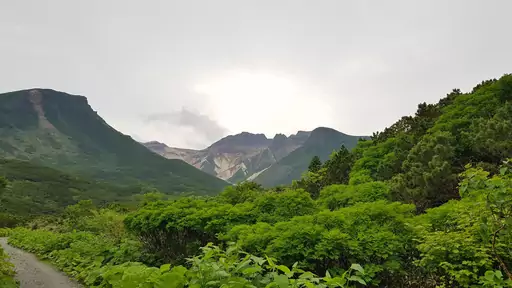
Japan's largest national park covers volcanic peaks, alpine meadows and hot springs in central Hokkaido. Asahidake and Kurodake have ropeways that lead to high trails. Visitors can see wildflowers in summer and early autumn colors. Brown bears and pika live in the high country and mountain huts offer quiet nights.
Town in Japan
Takachiho
Rowboat gorge and shrines of Japanese myth
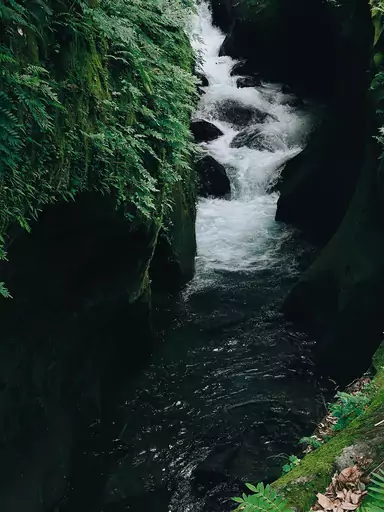
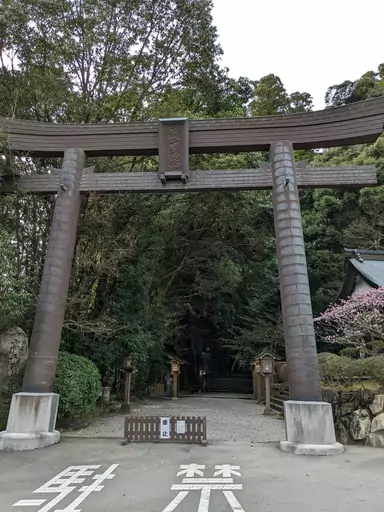
Japanese myth says the sun goddess Amaterasu hid in a cave near here and darkened the world. Each night a short kagura dance retells the tale at Takachiho Shrine. Boats glide below tall basalt cliffs and a waterfall in Takachiho Gorge. Farm stays serve local beef and fresh tea.
State/Prefecture in Japan
Hokkaido
Volcanoes, powder snow and fresh seafood
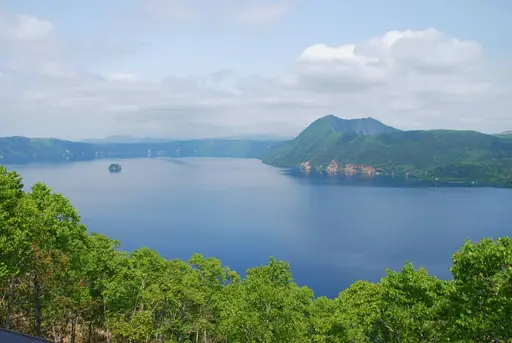
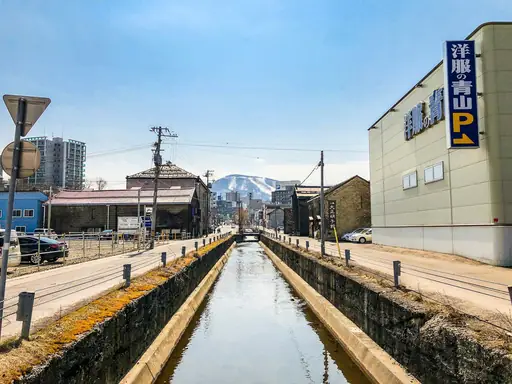
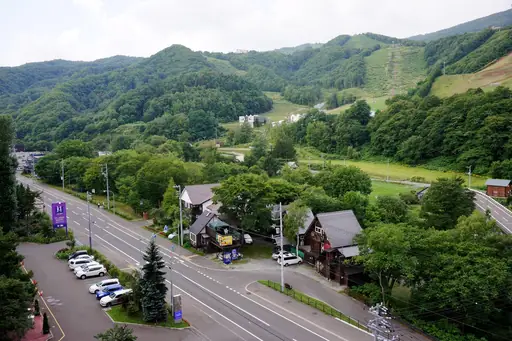
Wide farmland, volcanic mountains and wild coastlines fill Japan's northern island. Shiretoko and Daisetsuzan offer wildlife, hot springs and wilderness hikes. Visitors can see lavender fields, eat fresh seafood and dairy and ski powder snow. Small farm stays and onsen villages make quiet rural bases.
Region in Japan
Iya Valley
Vine bridges, deep gorges and mountain hot springs
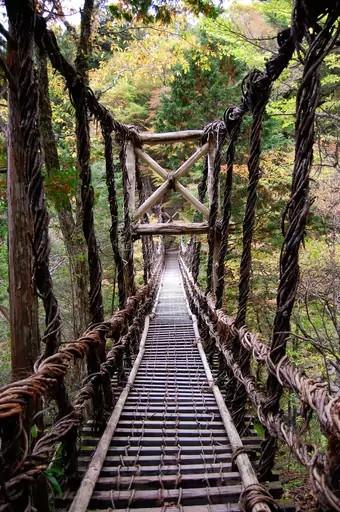
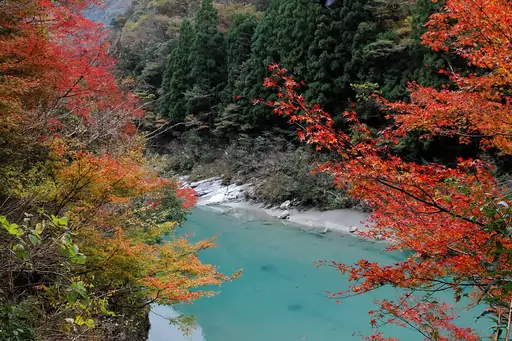
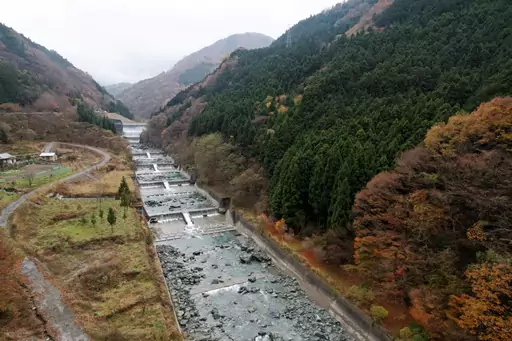
Steep forested gorges and thatched farmhouses hide in the mountains of Shikoku. Vine bridges hang over the Iya river and sway gently underfoot. Visitors can walk the Kazurabashi bridge, see the Oku Iya double vine bridges and stay in restored farmhouses. Small mountain villages keep old traditions alive.
National Park in Japan
Aso-Kuju National Park
Giant caldera, active volcano and highlands
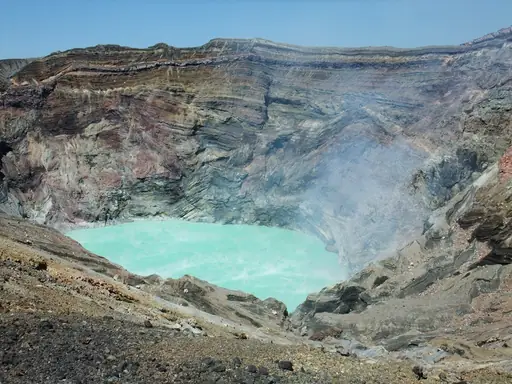
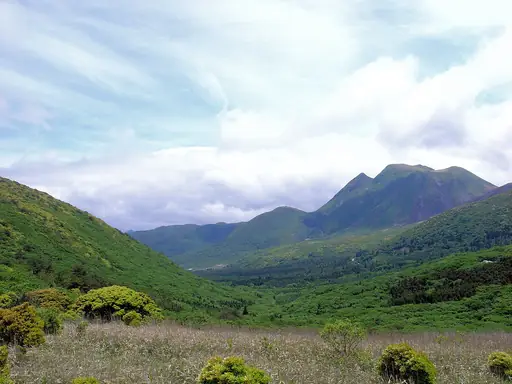
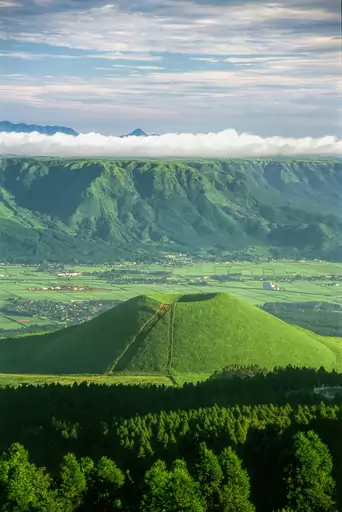
Daikanbo lookout shows the caldera rim and clouds that fill the basin like a sea. Aso is a volcanic crater about 25 kilometers wide with farms and villages inside. Kusasenri grassland has grazing horses. Farm inns serve akaushi, a lean red beef from local cattle.
Town in Japan
Karuizawa
Cool highland resort at the foot of Asama
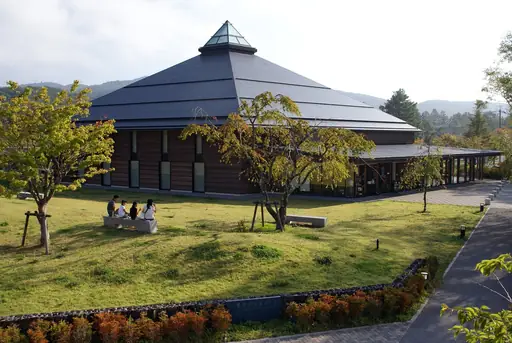
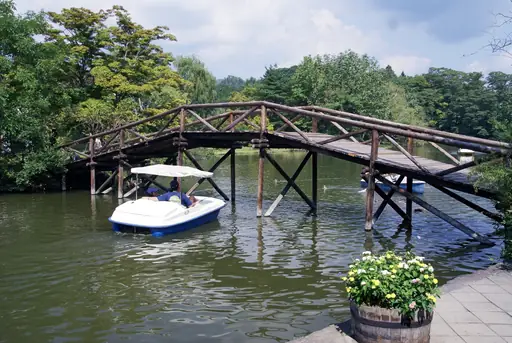
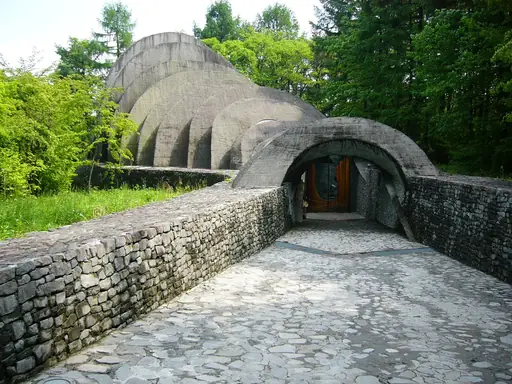
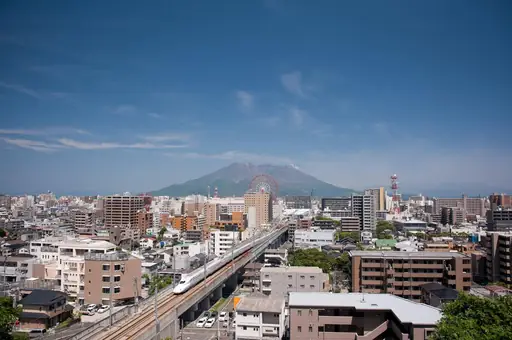
Pine forests, old villas and cool mountain air make this highland town a classic summer retreat near Tokyo. Kyu Karuizawa Ginza street and Shiraito Falls are popular sights. Visitors can cycle, shop at outlets and stay in small hotels. The area has hot springs and views of Mount Asama.
Island in Japan
Kyushu
Volcanoes, onsen and tonkotsu ramen
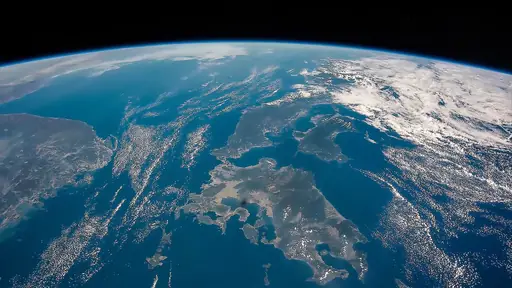
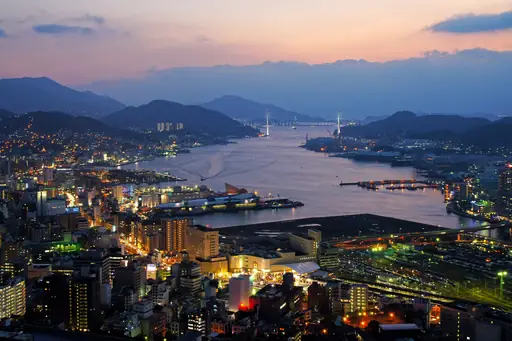
Volcanoes, hot springs and green farmland fill Japan's southwestern main island. Mount Aso has one of the world's largest calderas and Yufuin has lakeside onsen. Visitors can see Kurokawa onsen village and Yakushima cedar forests. Fukuoka ramen and Kagoshima black pork add local flavor to village meals.
Island in Japan
Yakushima
Ancient cedars, mossy forest and waterfalls
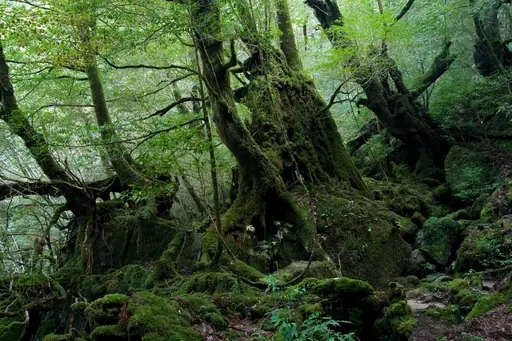
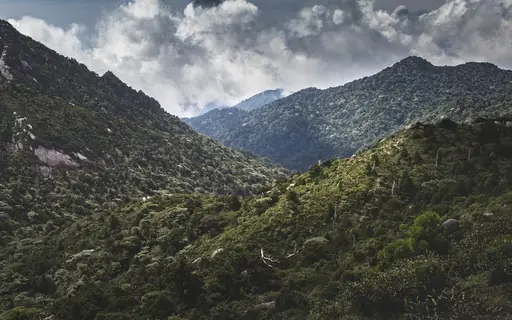
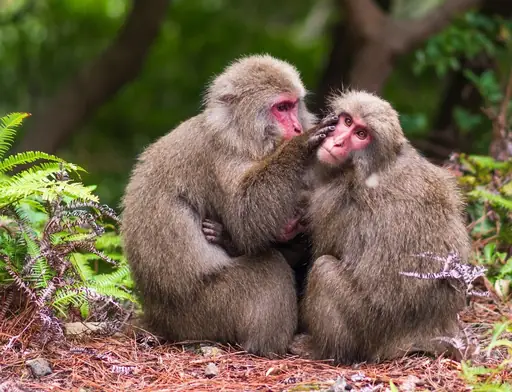
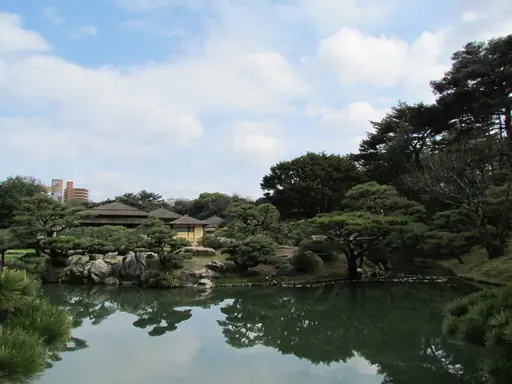
Late spring and early autumn bring good hiking weather, though rain can fall any day. Cedars called yakusugi grow here for over a thousand years. Jomon Sugi, the oldest, stands at the end of a trail of about ten hours round trip. Moss covers rocks and roots in the forest.
Island in Japan
Shikoku
Pilgrimage trail, gorges and hot springs
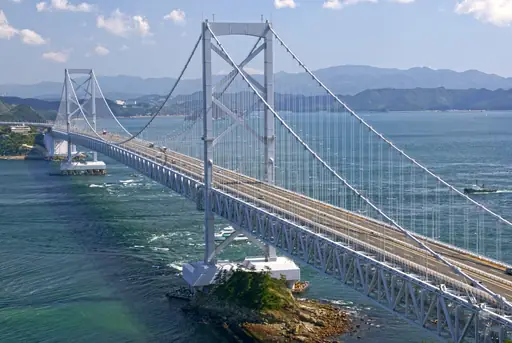
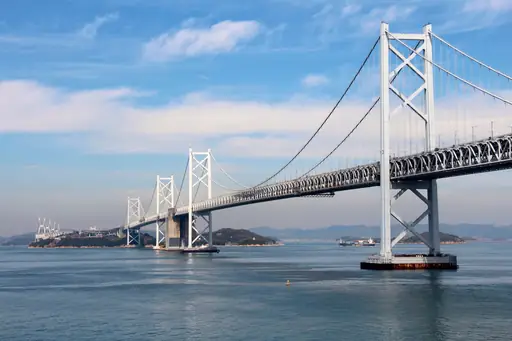
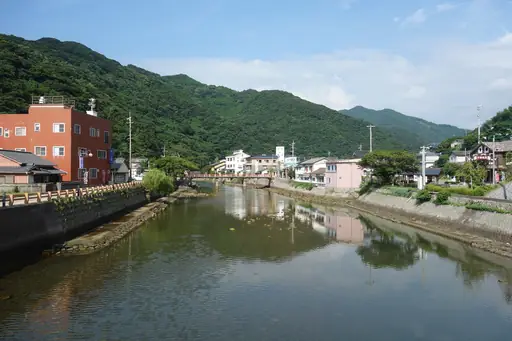
Spring and autumn bring the most walkers to the 1,200 kilometer pilgrim route past 88 temples. Locals hand out snacks and tea, called osettai, to walkers in white. In the Iya Valley, old vine bridges span deep green gorges. Thatched farmhouses there now take guests.
Island in Japan
Amakusa
Hidden Christian sites and wild dolphins
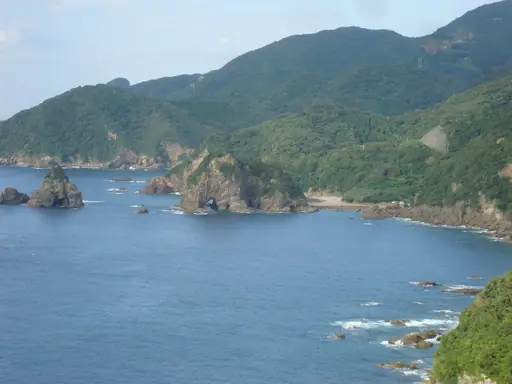
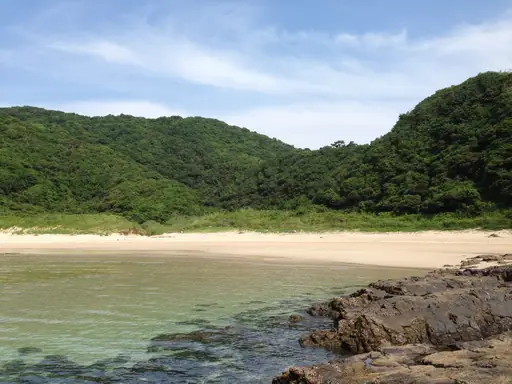
Over a hundred small islands scatter across the sea off western Kyushu. Wild dolphins live in the waters and boat tours often meet pods year round. Visitors can see hidden Christian churches such as Sakitsu and eat fresh sushi and seafood. Quiet fishing villages and island hot springs make a calm rural stay.
Town in Japan
Izu
Shuzenji hot springs, wasabi and Amagi hikes
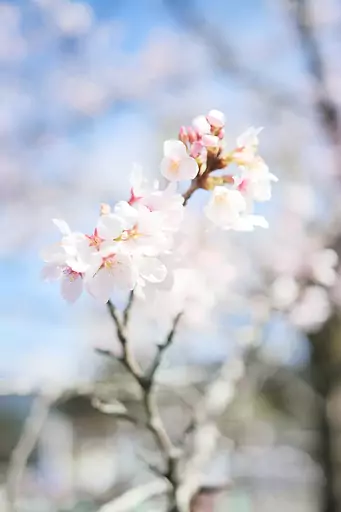
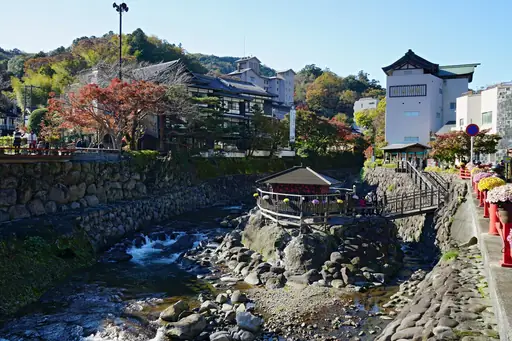
Hot spring towns, rugged coastline and quiet fishing villages fill this peninsula south of Tokyo. Shuzenji, Atami and Shimoda are favored onsen and coastal bases. Visitors can see Kawazu cherry blossoms in February and hike on Mount Omuro. Fresh seafood, wasabi and sea views suit slow countryside stays.
City in Japan
Fujiyoshida
Fuji's sacred trailhead with the pagoda view
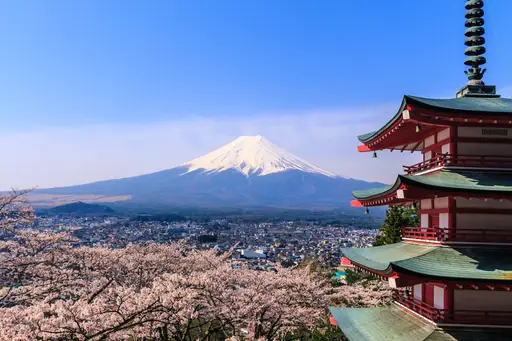
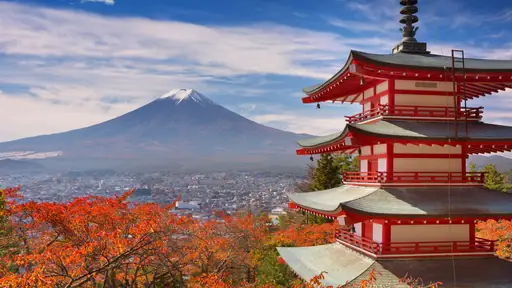
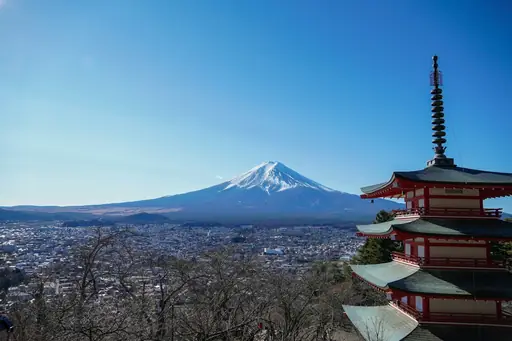
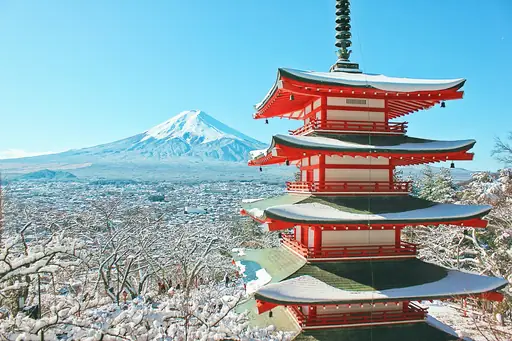
Old cedars line the path at Kitaguchi Hongu Fuji Sengen Shrine and the air smells cool and woody. The shrine marks the traditional start of the Fuji climb. Chureito Pagoda frames the mountain with cherry blossoms in April. Shops sell Yoshida udon, thick firm noodles with cabbage.
Town in Japan
Nikko
Tokugawa shrines, waterfalls and hot springs
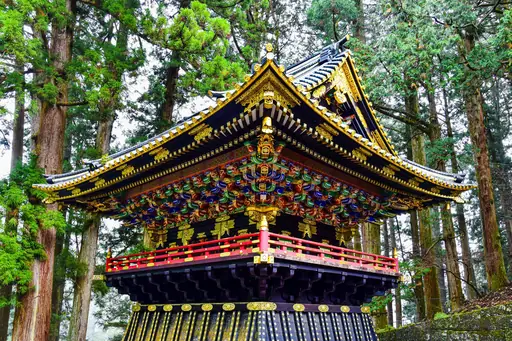
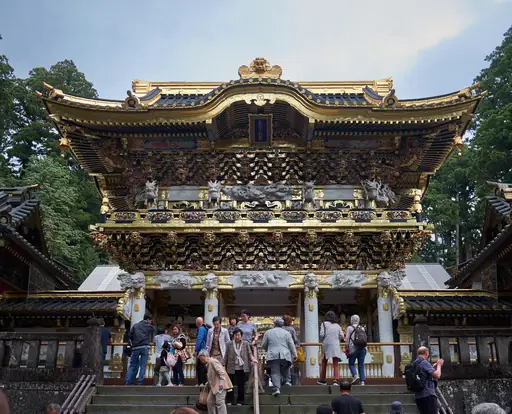
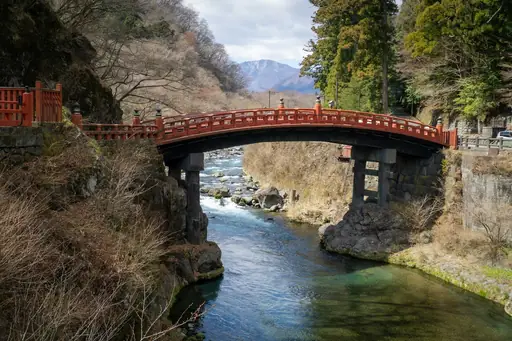
Autumn leaves turn red and gold in October around Lake Chuzenji. Kegon Falls drops 97 meters beside the lake. Nikko lies in mountains about two hours north of Tokyo by train. Quiet inns and trails sit well away from the shrines. Hikers cross the marsh at Senjogahara.
City in Japan
Furano
Lavender fields and powder snow in Hokkaido
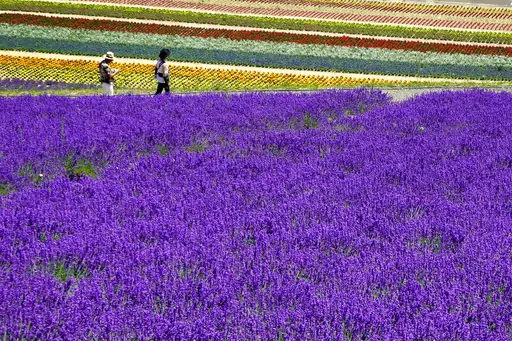
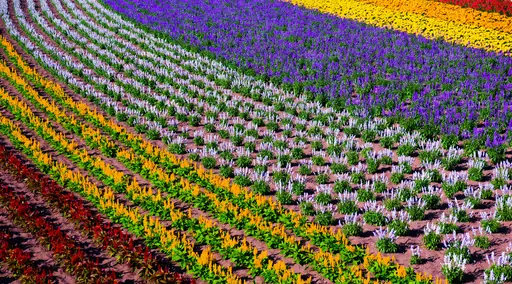
Purple lavender fields and rolling farmland fill this Hokkaido basin in July. Farm Tomita is the famous lavender farm with flower rows and views of the Tokachi peaks. Visitors can taste melon, cheese and wine and ski in winter. Quiet country lanes and small farm stays suit slow travel.

National Park in Japan
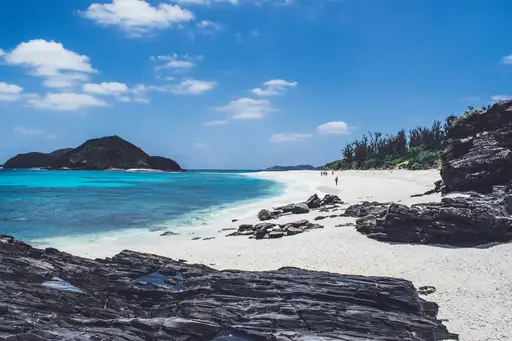
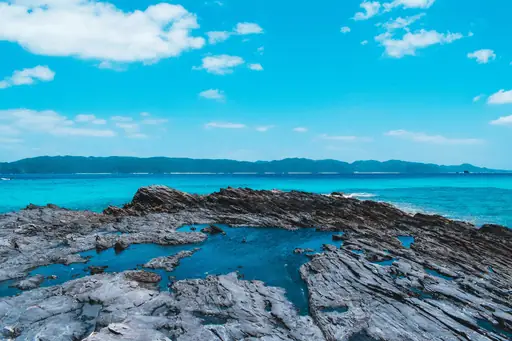
Kerama Shoto National Park
Kerama blue seas, coral and whales
Villages on Zamami and Tokashiki keep shisa, guardian lion statues, on their roofs to keep out bad luck. Ferries from Naha reach Zamami in about 50 minutes. The water around the islands is clear blue. Humpback whales pass the shore from January to March. Beaches see few crowds.

National Park in Japan
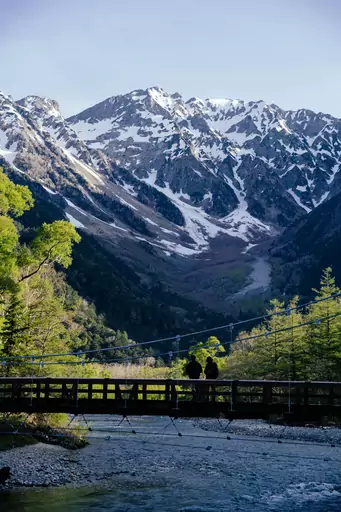
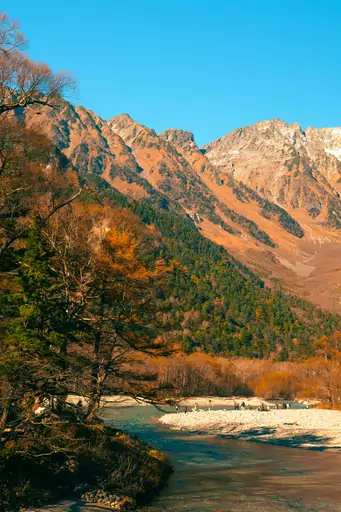
Kamikochi
Clear river valley beneath the Hotaka Range
A highland valley in the Japanese Alps lies beside the clear Azusa river. Taisho Pond and Kappa Bridge are the top sights with views of the Hotaka peaks. Visitors can hike gentle trails, stay in mountain lodges and see autumn leaves in October. The valley is closed to private cars and open in season.
City in Japan
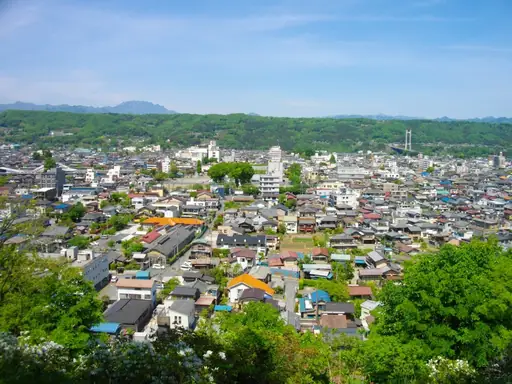
Chichibu
UNESCO float festival and mountain shrines
Forested mountains, small shrines and farming villages sit just outside Tokyo in Saitama. Chichibu Shrine hosts a famous December night festival with floats and fireworks. Visitors can see Mitsumine Shrine, shibazakura moss pink fields in spring and soak in onsen. Local soba and miso potato dishes suit the quiet countryside.
City in Japan
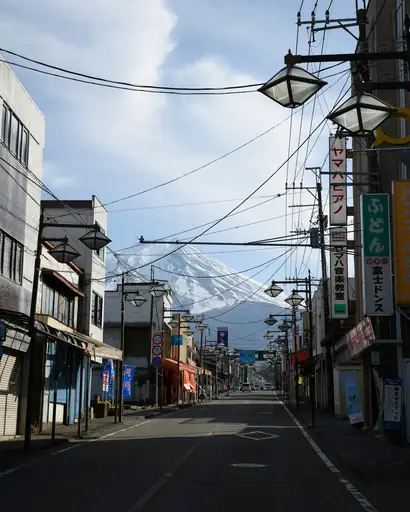
Fuji
Mountain views, paper mills and fresh shirasu
A perfect snow capped cone rises 3,776 meters above lakes and forests. Five lakes and Aokigahara forest circle the northern base. Visitors can climb in July and August or simply enjoy the view from lakeside inns. Shrines, lava caves and hot springs add quiet rural stays.
National Park in Japan
Chūbu-Sangaku National Park
Northern Alps peaks, snow walls and onsen
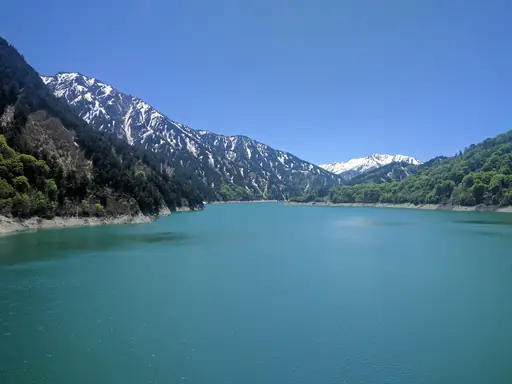
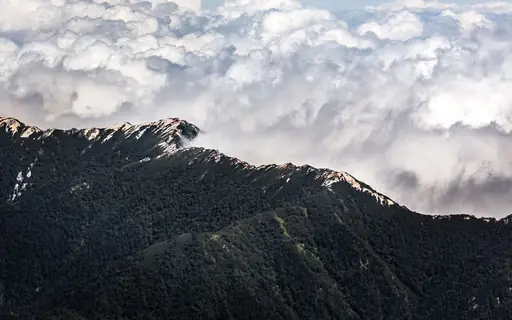
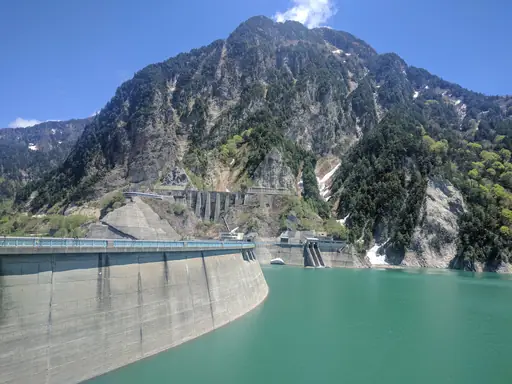
Unlike most mountain crossings, the Tateyama Kurobe Alpine Route links Toyama with Nagano by cable car, trolleybus and ropeway. Murodo plateau sits at 2,450 meters. In spring a road cut through the snow leaves walls several stories high. Trails lead to alpine ponds and hot spring huts.
Town in Japan
Hakone
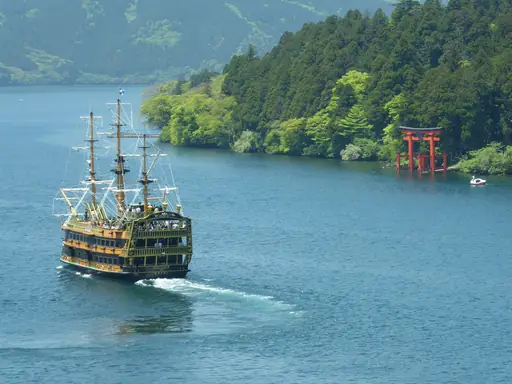
Onsen town with Fuji views and lake cruises
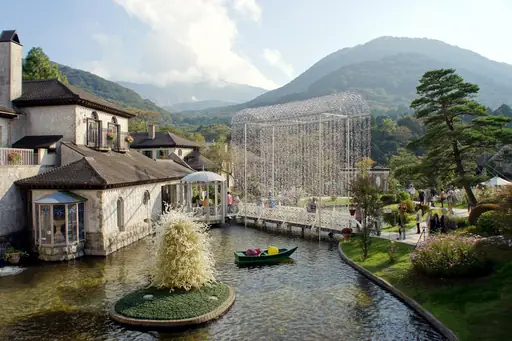
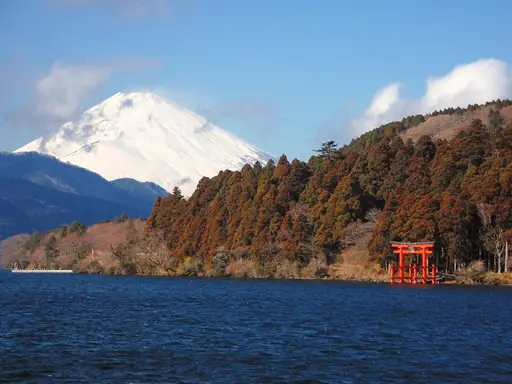
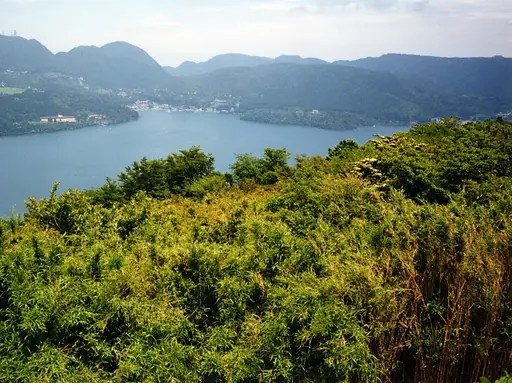
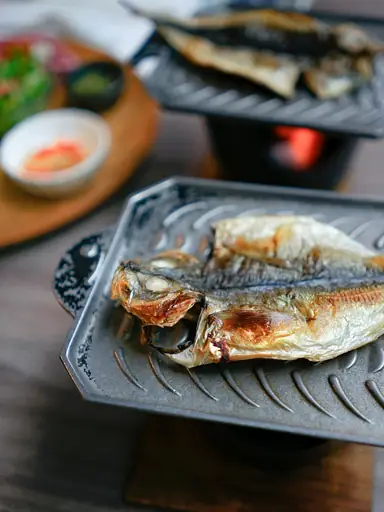
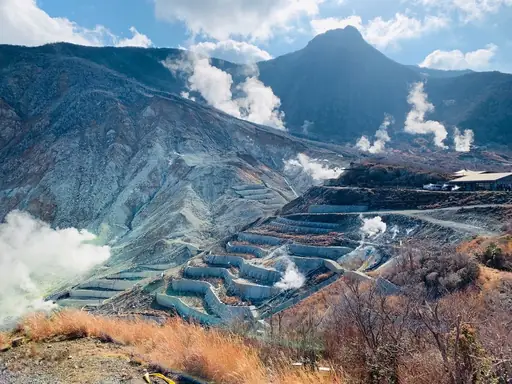
Hot springs, lakes and views of Mount Fuji make this mountain town a classic retreat near Tokyo. The Hakone Open Air Museum and Lake Ashi cruises are top sights. Visitors can ride the ropeway over Owakudani sulfur vents and stay in traditional ryokan. Black eggs boiled in the hot springs are a local snack.
Town in Japan
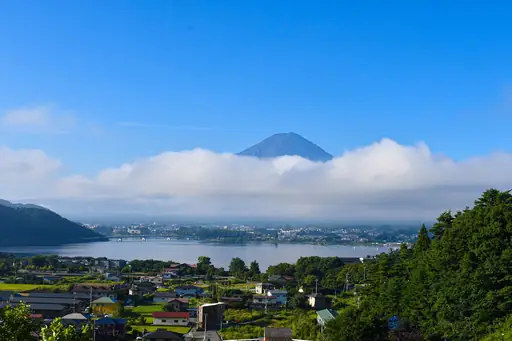
Fujikawaguchiko
Lake town with Mount Fuji views and onsen
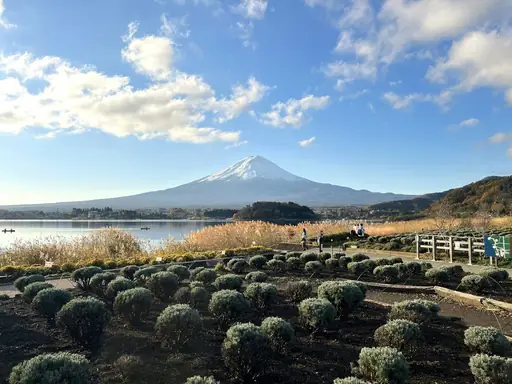
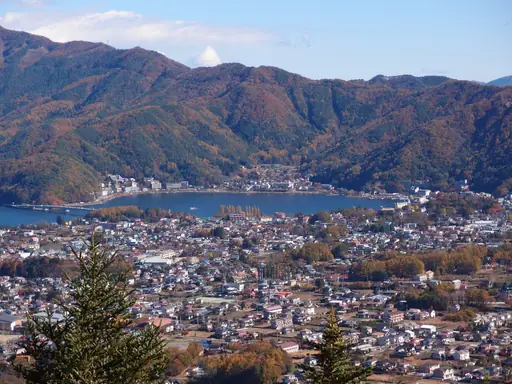
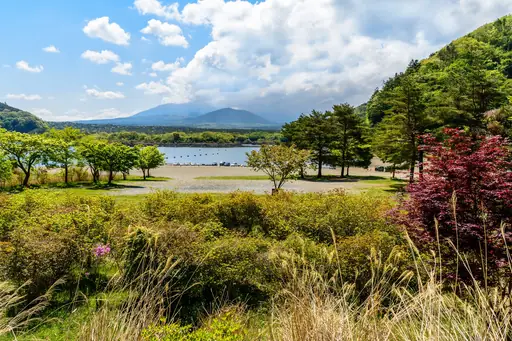
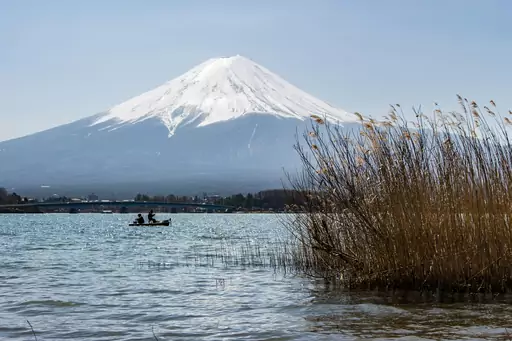
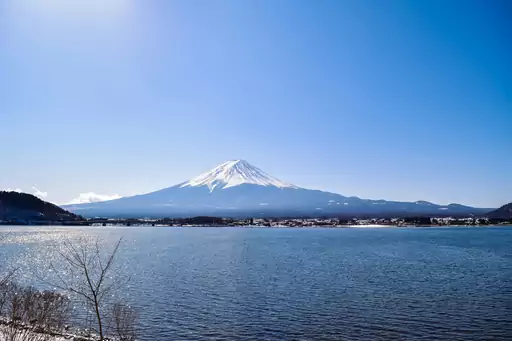
Lake Kawaguchi is one of five lakes around the north base of Mount Fuji. Lakeside inns look across the water at the peak. Oishi Park blooms with lavender from mid June to early July. Rent a bicycle or paddle a kayak at sunrise. Red maples frame the mountain in November.
Lake in Japan
Lake Kawaguchi
Mirror-like lake with the best Fuji views
Views of Mount Fuji reflect across the water of this northern lake. Lakeside paths, cycling routes and small museums line the shore. Visitors can ride the Kachi Kachi ropeway, see lavender in early summer and stay in lakeside ryokan. Hot spring baths with Fuji views end quiet days.
National Park in Japan
Fuji-Hakone-Izu National Park
Fuji, Hakone, Izu and volcanic islands
Volcanic peaks, lakes, hot springs and coastline form a large park south west of Tokyo. It covers Mount Fuji, Hakone, the Izu Peninsula and the Izu Islands. Visitors can hike, cycle, soak in onsen and see Fuji from many viewpoints. Small inns and farm villages offer calm rural stays.
Town in Japan
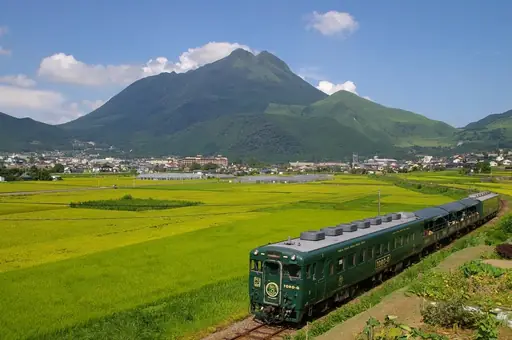
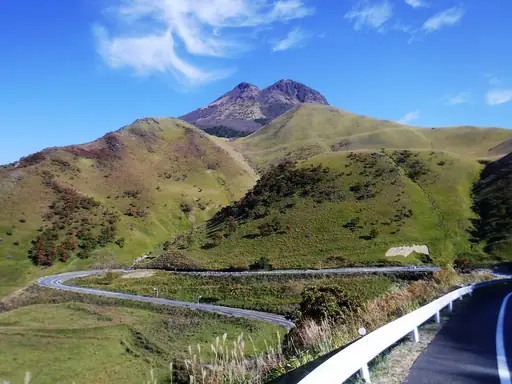
Yufuin Onsen
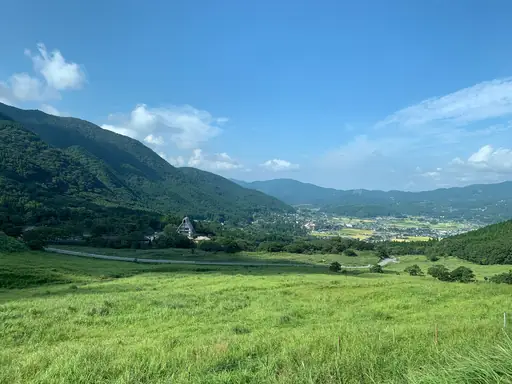
Lakeside onsen town below Mount Yufu
People have soaked in these hot springs for centuries, long before cafes and craft shops opened. Today small inns have private outdoor baths that guests book by the hour. Twin peaked Mount Yufu rises behind the basin. Morning mist floats over Lake Kinrin on cold days.
Village in Japan
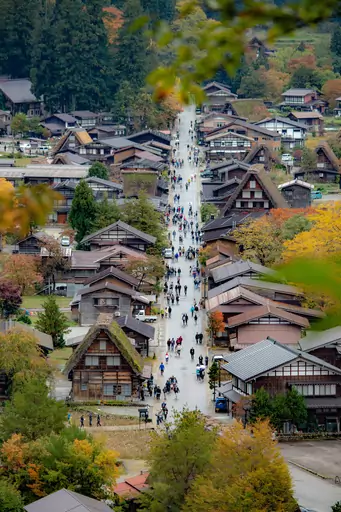
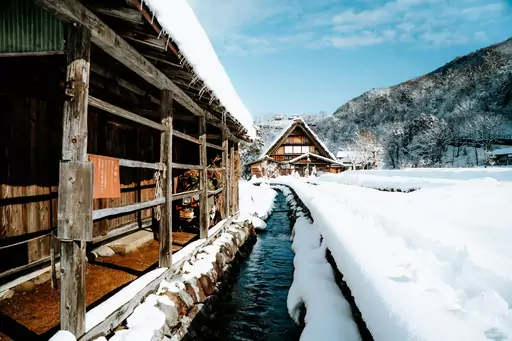
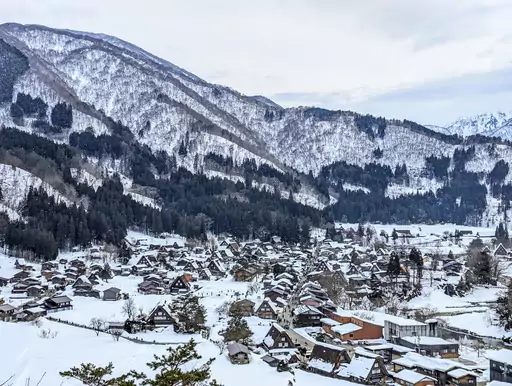
Shirakawa-go
Thatched gassho farmhouses in the Hida mountains
Neighbors in these villages still gather to re-thatch roofs, a shared task called yui. The steep roofs look like hands pressed in prayer and shed heavy snow. UNESCO lists the farmhouses as a world heritage site. Some serve as guesthouses with irori, sunken fire pits, plus mountain vegetable dinners.
Other lists you may like
Discover
Top rural retreat destinations and countryside getaways
Rural retreat travel is defined by the deliberate removal from urban pace and density, with landscape immersion, slower rhythms and direct engagement with food, nature and local…
Read more
Discover
Best rural retreat destinations in Africa
Africa's rural retreat offer ranges from the vineyard farmsteads and coastal agricultural hinterlands of the far south to the highland tea and coffee growing regions of east Africa…
Read more
Discover
Best rural retreat destinations in Europe
Europe's rural landscapes offer some of the most accessible and varied retreat experiences in the world, with working agricultural regions, coastal hinterlands and forested uplands…
Read more
Discover
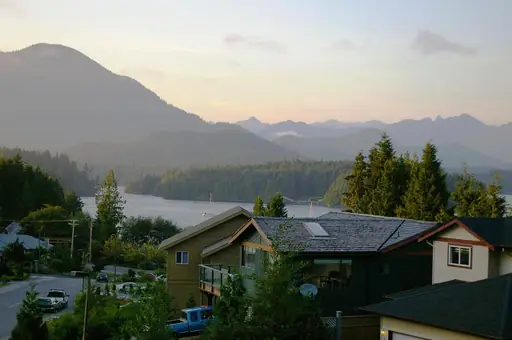
Best rural retreat destinations in North America
North America's rural retreat offer ranges from the vineyard valleys and coastal farmland of the Pacific coast to the forests and lake districts of the northeast, the ranching…
Read more
Discover
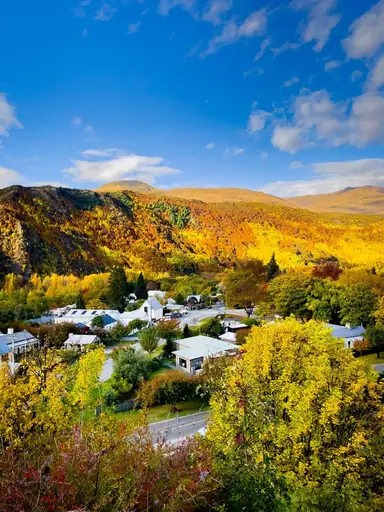
Best rural retreat destinations in Oceania
Oceania's rural retreat offer is anchored by the agricultural hinterlands, wine regions and coastal farmland of Australia and New Zealand, where a strong tradition of farm stays…
Read more
Discover
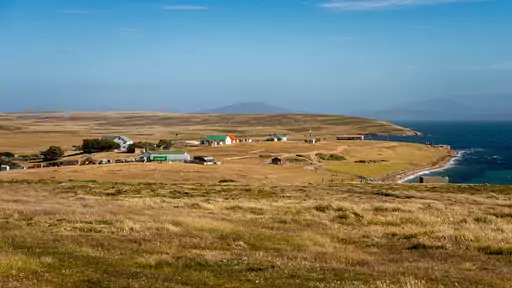
Best rural retreat destinations in South America
South America's rural retreat offer is shaped by the continent's extraordinary landscape diversity, with Andean valley farmsteads, Patagonian estancias, cloud forest lodges and…
Read more
What other users say about travelfilters
“travelfilters made it easy for me to find ski areas and compare what else they offer, so that I could find the best place for my personal travel style.”

Chris
Snowboarding & Onsen trip to Japan
“I love how transparent the data feels. There is no pushy upsell, just honest information and settings I can tune to my own travel style.”

Maria
After booking her 2027 winter escape
“The level of detail for each destination and how well those are displayed, make planning feel confident instead of overwhelming.”

Mina
Planned a week in New York City
“We used travelfilters for our planning from start to end. The trip turned out even better than expected, thanks to all their tools and customization options.”

Allan & Etienne
Trip to Japan to see autumn foliage
“Thanks to travelfilters, I found some hidden gems to see. Being able to filter for exactly your interests is a game changer for my travel planning.”

Michael
Tour through the old cities of Northern Italy
“The customizable filters helped me find a quiet beach town with good wifi and low season crowds in under five minutes.”

Diego
Weekend Escape to Llanes, Spain
“The airport connection map saved me hours by showing good flight options from my home airport to lesser-known cities.”

Nguyen
Planning a 2027 trip to France
“The website is clean, fast and focused on the search itself, which makes travelfilters feel more like a professional tool than an ad-heavy booking site.”

Hassan
Christmas Market trip, Germany
