
Best castle destinations in Asia
Best castle destinations in Asia
Ancient dynastic stone fortresses and imperial palaces across Asia
Asia's castle and fortress traditions produced structures of extraordinary ambition across multiple distinct architectural languages, with the hilltop citadels and walled palace complexes of South and Southeast Asia, the elaborate fortified compounds of the Indian subcontinent and the dramatically sited mountain fortresses of East Asia representing genuinely different responses to the same fundamental problem of defence and dynastic display.
Japan's castle towns offer the most developed fortress tourism infrastructure in the region, with surviving original structures and extensively restored complexes supported by good interpretation and accessible transport links. The Indian subcontinent's Rajput and Mughal fortresses represent a parallel tradition of equal ambition, with hilltop citadels and walled palace cities of considerable scale distributed across a well-established tourist circuit. Southeast Asian temple complexes blur the boundary between religious monument and fortified compound in ways that reward approaching them through both lenses.
Heat is a serious factor at most open-air fortress sites across the region and early morning visits are strongly advisable. Several of the most significant complexes require full days rather than hours to explore properly and guided visits deliver considerably more context than unaccompanied exploration at the most historically layered sites. Your money goes a long way across most of the continent making extended castle and fortress itineraries practical on modest budgets.
Lists by region
City in Japan
Hikone
Original castle town on Lake Biwa
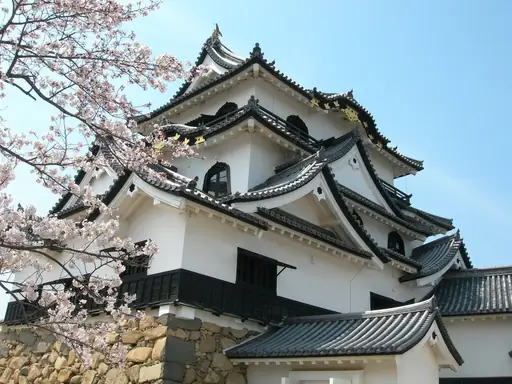
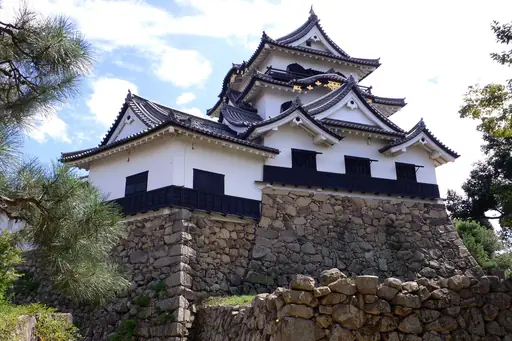
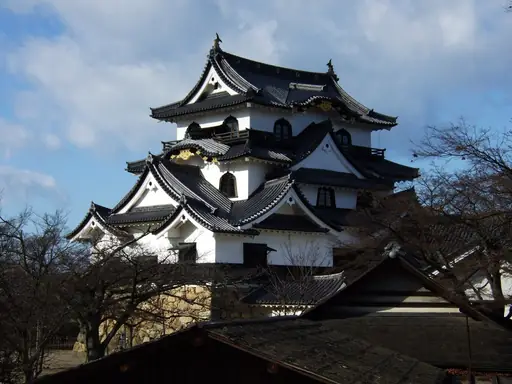
Hikone Castle overlooks Lake Biwa from a hill in Shiga. Its three story keep is one of five castle keeps in Japan listed as National Treasures. Construction ended in 1622. Genkyuen Garden below the keep has a pond and a tea house. Visitors meet Hikonyan, the castle's cat mascot, at scheduled appearances.
City in Japan
Himeji
Famed white castle and samurai gardens
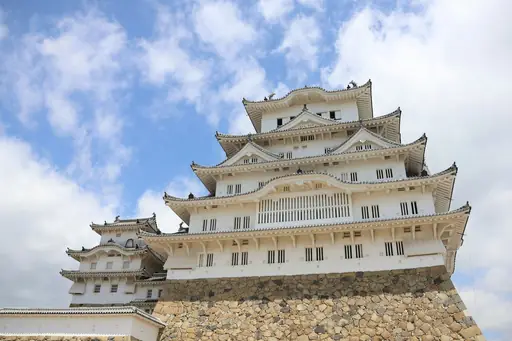
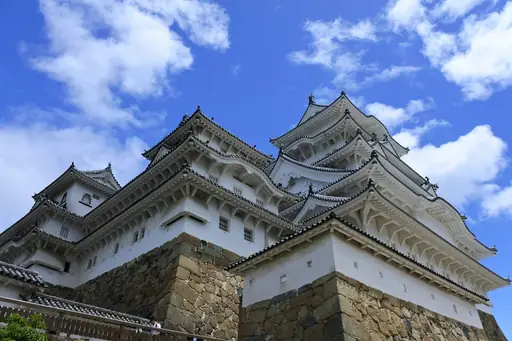
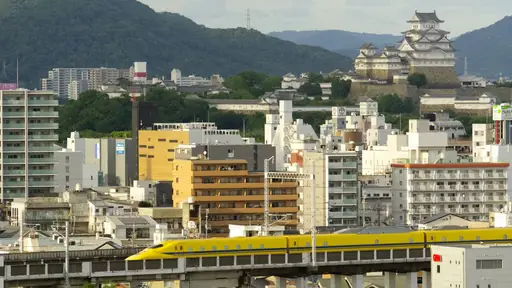
Late March and early April bring cherry blossoms to the grounds of Himeji Castle. The white keep dates from 1609 and has five stories outside and six floors inside. UNESCO listed it in 1993. Visitors follow a winding path through gates and walls built to slow attackers.
City in Japan
Gifu
Cormorant fishing, castle and old merchant lanes
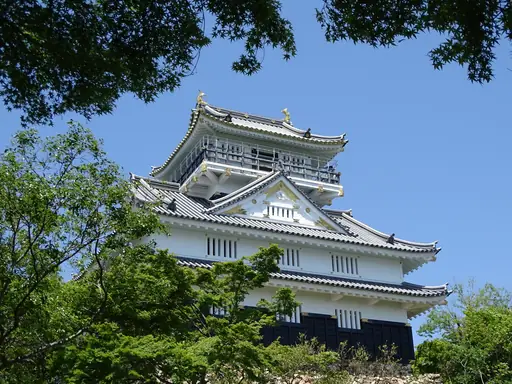
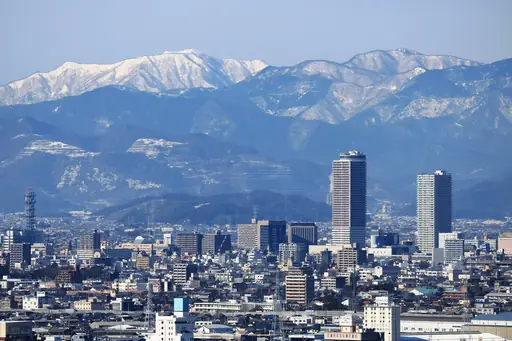
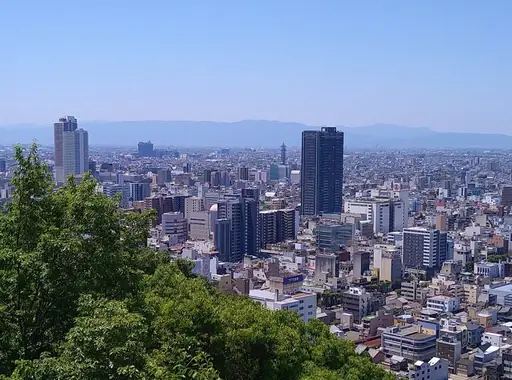
A ropeway rises through the trees on Mount Kinka to Gifu Castle, 329 metres above the Nagara River. Oda Nobunaga took the castle in 1567 and renamed the town Gifu. The keep has a small museum and a lookout. Cormorant fishing boats work the Nagara River at night from May to October.
City in Japan
Kanazawa
Samurai streets, gold leaf and Kenrokuen garden
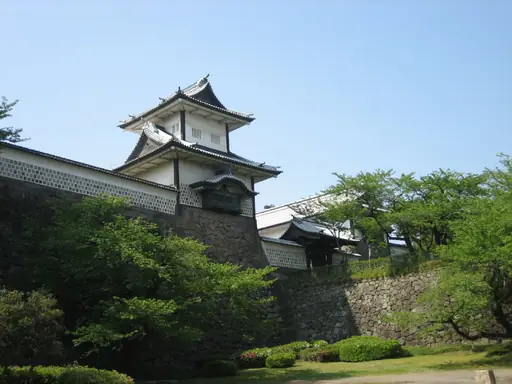
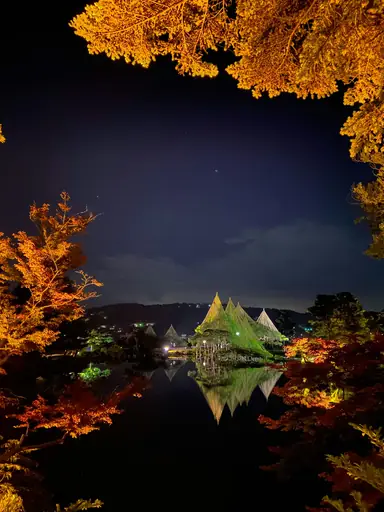
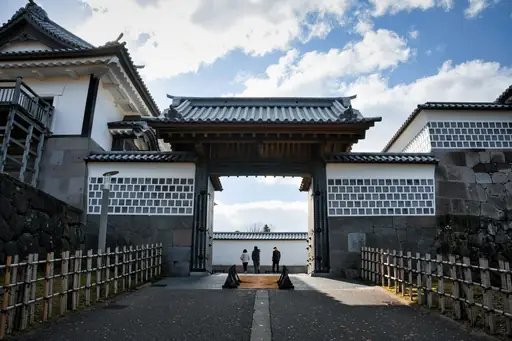
Ishikawa Gate leads into Kanazawa Castle Park. The Hishi Yagura turret and Gojikken Nagaya storehouse were rebuilt with traditional methods in 2001. The Maeda clan ruled from this castle for 14 generations. Kenrokuen Garden, one of Japan's three great gardens, is across the road. The park grounds are free to enter.
City in Japan
Matsumoto
Black castle town below the Alps
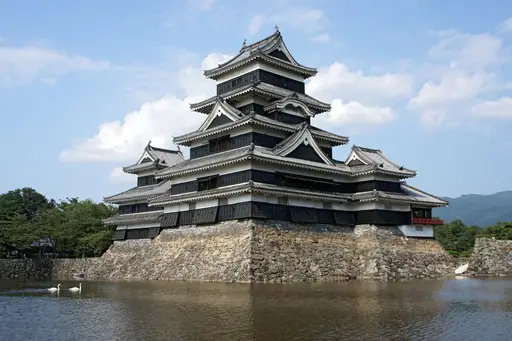
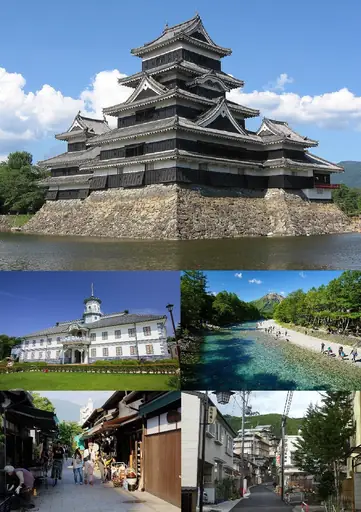
In early April cherry trees bloom around Matsumoto Castle, with snow still on the Japanese Alps behind it. The black keep is a National Treasure and dates from the 1590s. A moon viewing room was added in 1635. A red bridge crosses the moat beside the keep.
City in Japan
Matsuyama
A hilltop castle and Japan's oldest hot spring
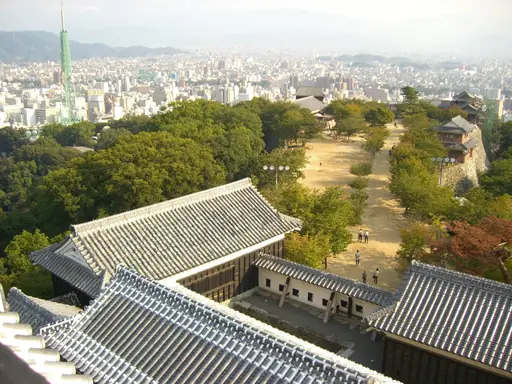
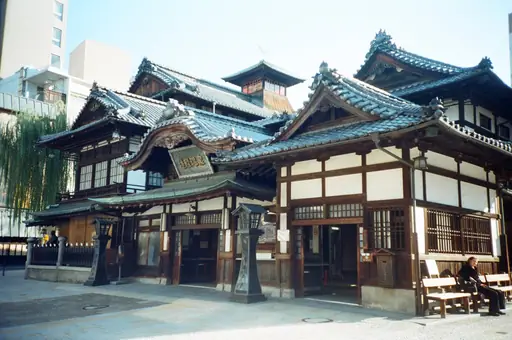
A chairlift and a ropeway climb Mount Katsuyama to Matsuyama Castle. The keep dates from 1854 and is one of 12 original keeps in Japan. The haiku poet Masaoka Shiki was born in the city. Haiku boxes in town collect visitors' poems. Dogo Onsen, an old bathhouse, is a tram ride away.


City in Japan
Iwakuni
Wooden arch bridge, castle and white snakes
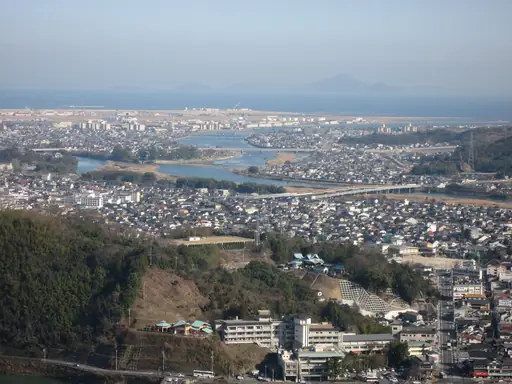
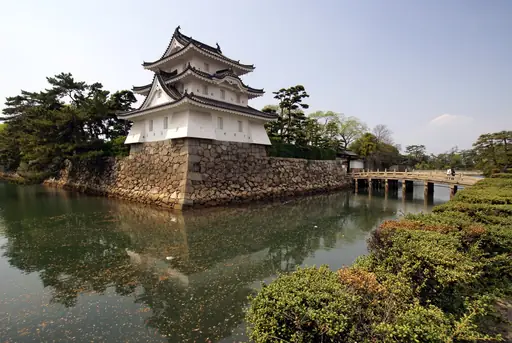
From June to September cormorant fishing boats work the Nishiki River below Kintai Bridge at night. The wooden bridge has five arches and was first built in 1673. A ropeway climbs Mount Yokoyama to Iwakuni Castle. The keep is a 1962 reconstruction with views of the Seto Inland Sea.
City in Japan
Okayama
A castle, a garden and Momotaro's legend
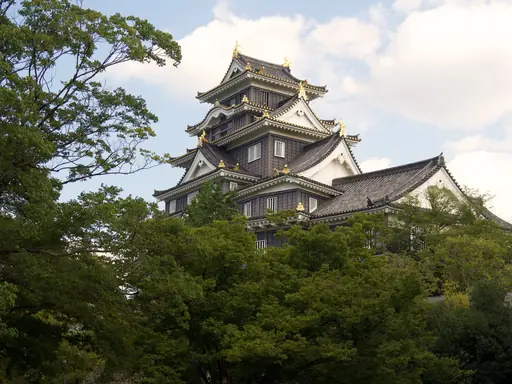
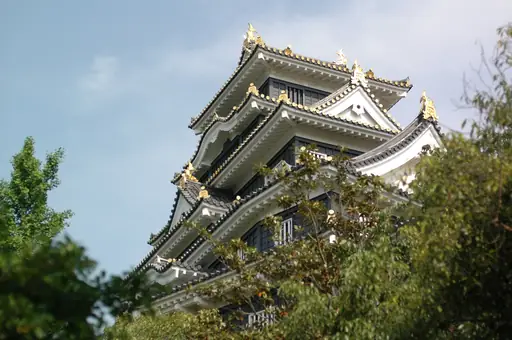
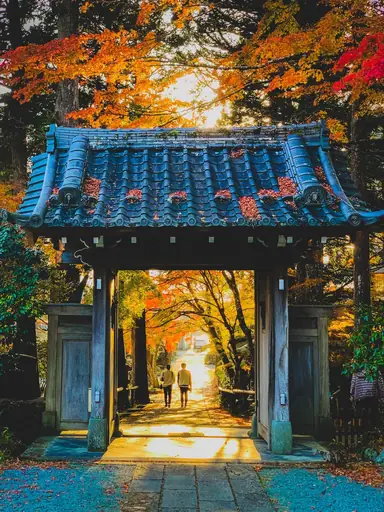
Ukita Hideie finished Okayama Castle in 1597 with black boards on its walls. Locals call it Crow Castle. An air raid burned the keep in 1945. The present keep dates from 1966. Korakuen Garden, completed in 1700, lies across the Asahi River. A footbridge links the two.
City in Japan
Nagoya
Castle, car makers and miso-rich food
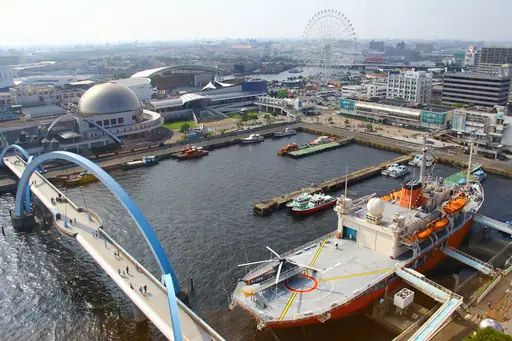
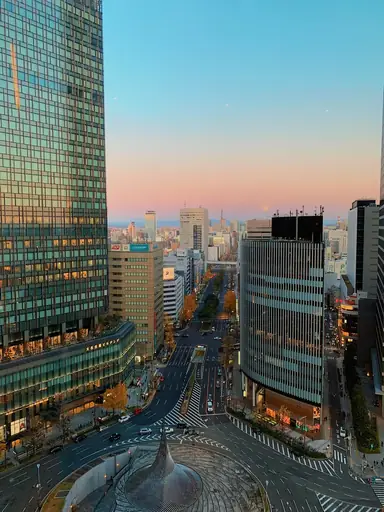
The keep is a 1959 concrete rebuild of the 1612 original, which burned in 1945. It has been closed since May 2018 for earthquake safety. Honmaru Palace, rebuilt by 2018, is open with reproduction painted sliding doors. A pair of gold shachihoko ornaments sit on the keep roof.
Town in Oman
Nizwa
Ancient Capital with Mountain Charm
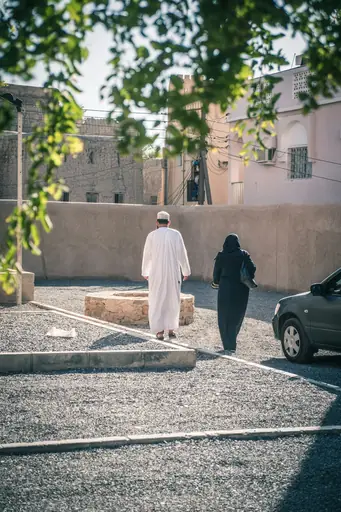
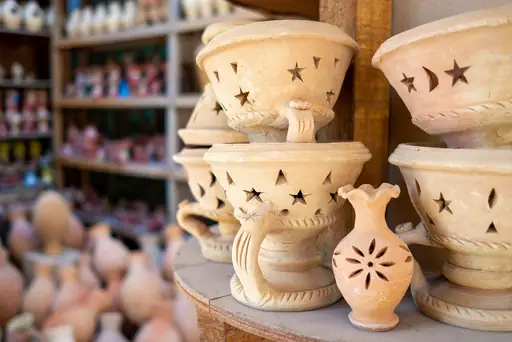
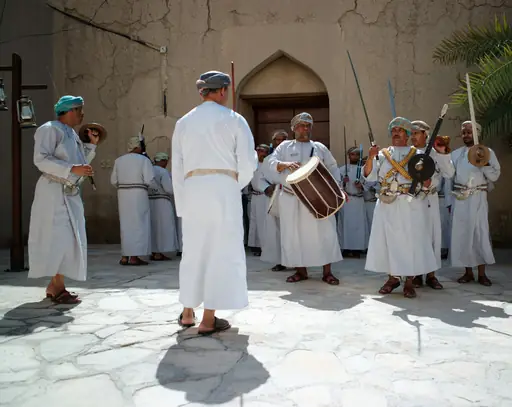
The round tower of Nizwa Fort was built by Imam Sultan bin Saif in the 17th century. Steep stairs lead to its roof. From the top you see date palm groves and the Hajar Mountains. The souq beside the fort has a livestock market on Friday mornings. Cannons on the roof point over the town.
City in Syria
Aleppo
Ancient Markets and Resilient Spirit
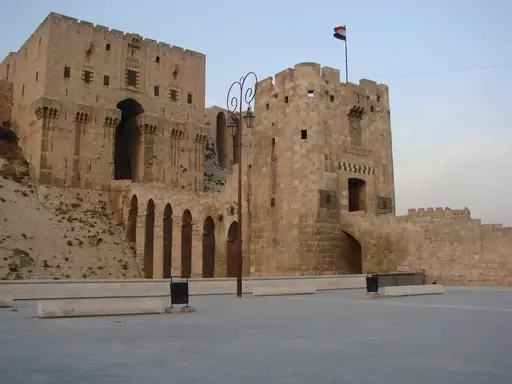
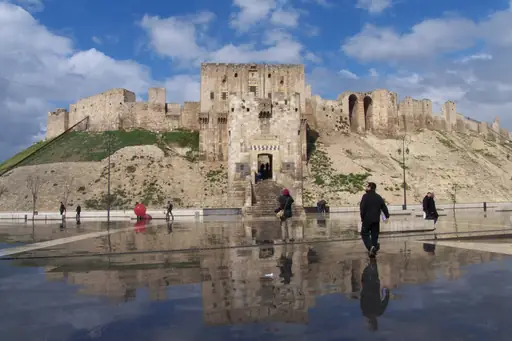
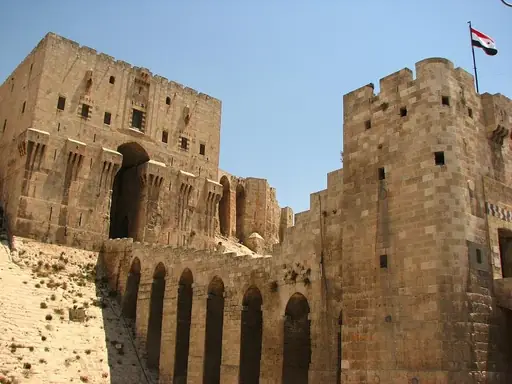
A stone bridge over a moat leads into the Citadel of Aleppo. The citadel stands on a mound about 50 metres high. Inside the gate a vaulted ramp turns six times. Shelling in 2012 and a tunnel bomb in 2015 damaged the walls. It reopened on 17 February 2024 after earthquake repairs.
City in Japan
Kitakyushu
Castle, retro port and steel heritage
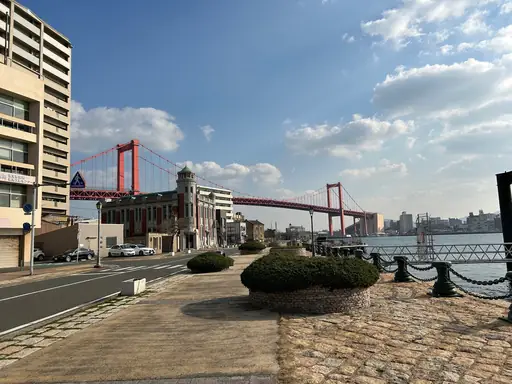
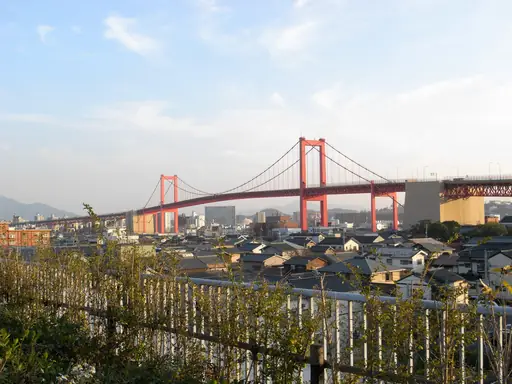
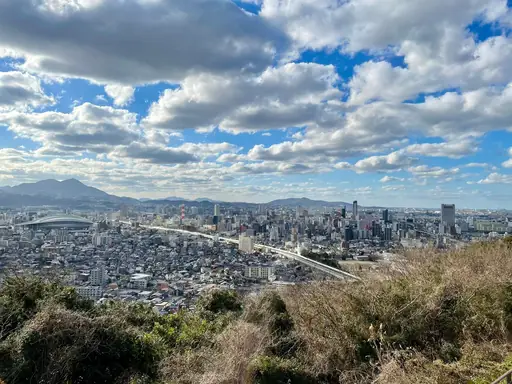
Hosokawa Tadaoki built Kokura Castle in 1602. Its keep has upper floors wider than the lower ones, a style called Kokura zukuri. Fire destroyed the keep in 1837 and the present one dates from 1959. The top floor has a lookout over Kitakyushu. The castle stands beside the Murasaki River.
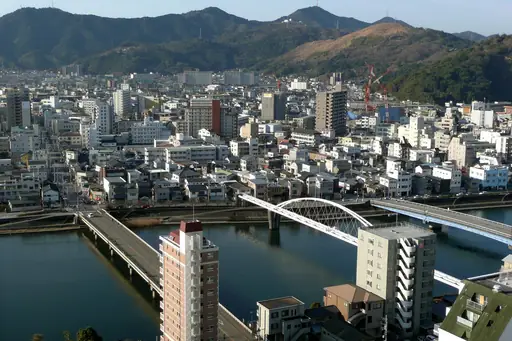
City in Japan
Kochi
Castle city with Sunday market and bonito
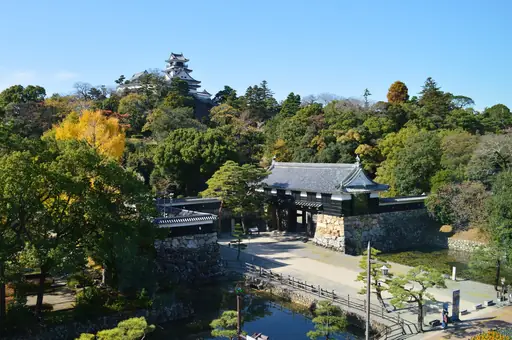
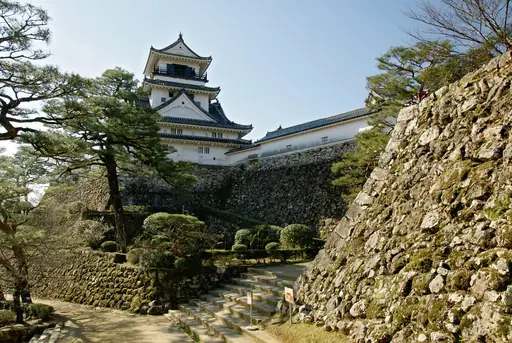
Steep wooden stairs lead up through the keep of Kochi Castle, rebuilt in 1749. It is one of 12 original keeps left in Japan. The honmaru palace beside it also survives. Yamauchi Kazutoyo began the castle in 1601. Kochi's Sunday market runs along the street to the castle gate.
City in India
Jaipur
The Pink City of Royal Splendor
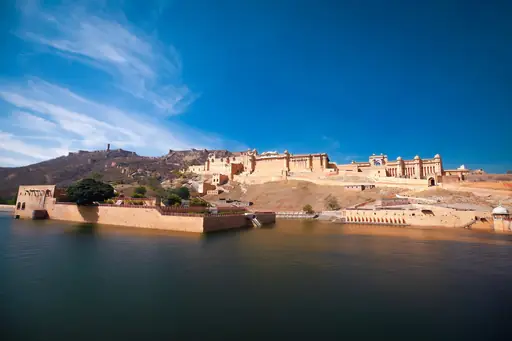
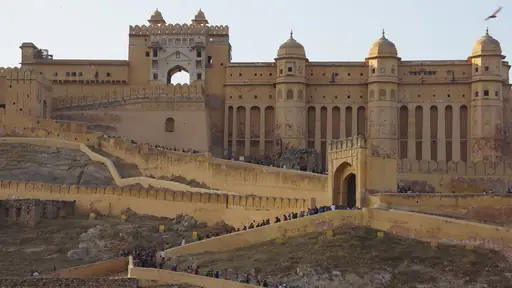
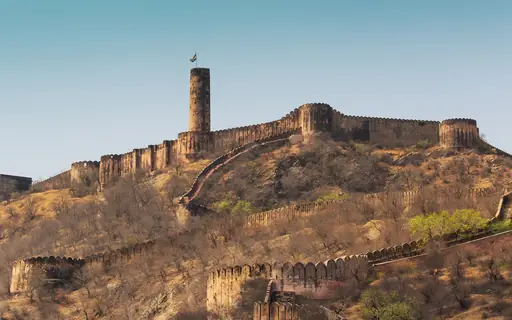
Amber Fort is older than the city of Jaipur. Raja Man Singh I began it in 1592. Jaipur was founded in 1727. Its Sheesh Mahal is a hall covered in mirror mosaics. The fort stands on a hill about 11 kilometres from central Jaipur. Nahargarh Fort on the next ridge is a popular sunset stop.
City in Japan
Kumamoto
Castle city with horse sashimi and Mt. Aso
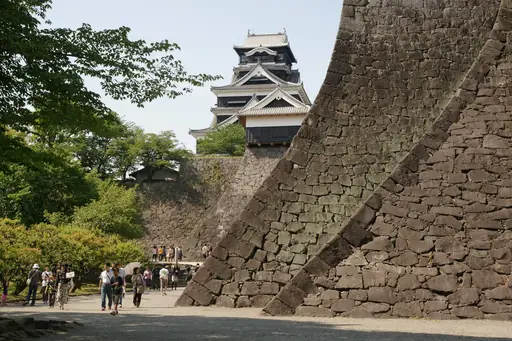
Kumamoto Castle covers a hill in the middle of Kumamoto city on Kyushu. Kato Kiyomasa expanded it from 1601 to 1607. Its curved stone walls rise steeply to stop attackers climbing. The 2016 earthquakes collapsed sections of wall and two turrets. Restoration is planned to run until 2052.
Historic Fortress in India
Mehrangarh Fort
Majestic sandstone citadel echoes centuries
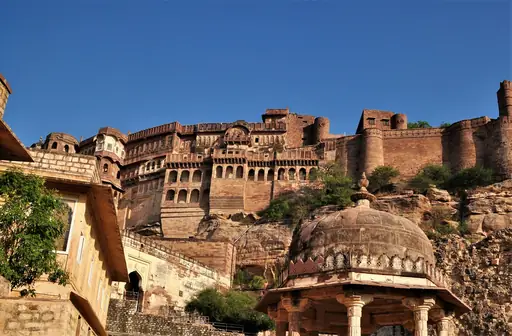
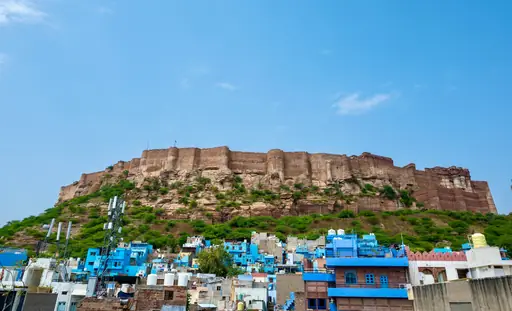
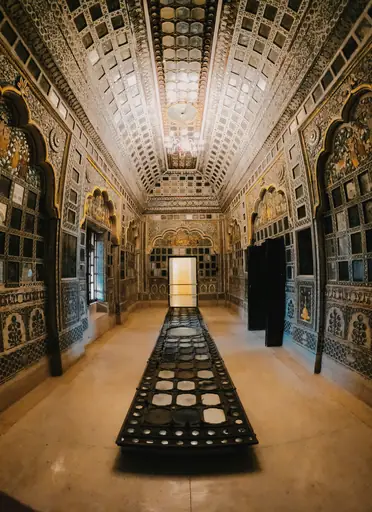
Rajasthani musicians play folk tunes near the gates of Mehrangarh Fort. Rao Jodha began the fort in 1459 on a cliff about 120 metres above Jodhpur. It has seven gates, including Jai Pol built in 1806. The blue painted houses of the old city spread below the walls.
Archaeological Site in Sri Lanka
Sigiriya
Majestic rock fortress echoes ancient glory
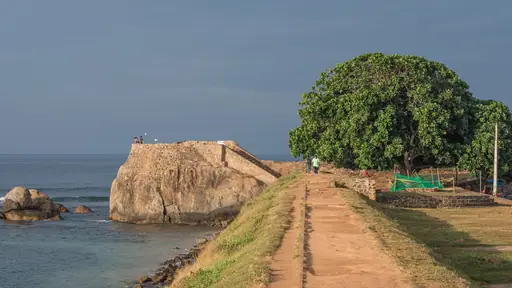
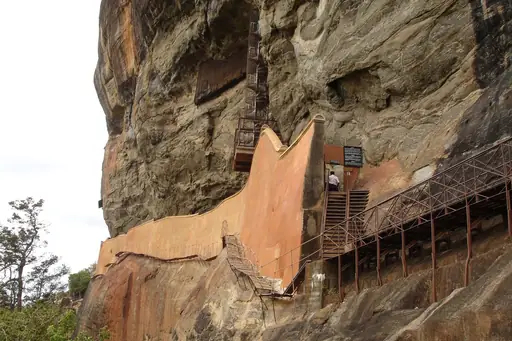
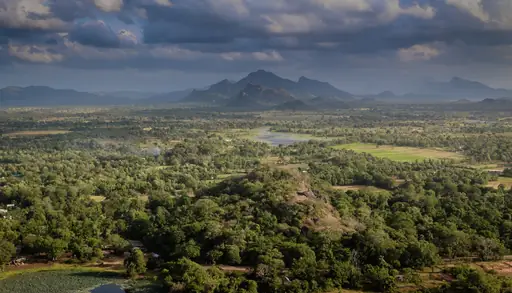
Stairs wind up Sigiriya Rock past the polished Mirror Wall. Frescoes of painted women are visible in a pocket of the rock face. Two huge lion paws flank the final stairs to the summit. King Kashyapa built his palace on top in the 5th century. The rock rises about 200 metres above the plain.
City in Turkey
Bodrum
Sun, Sea and Ancient Ruins
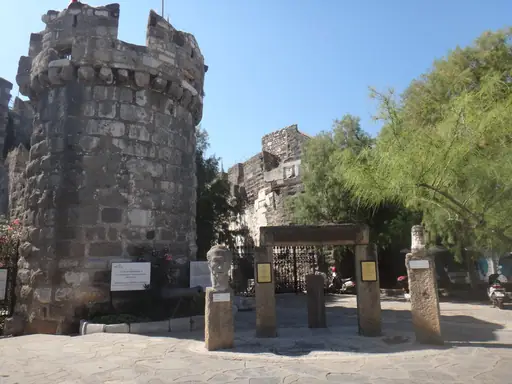
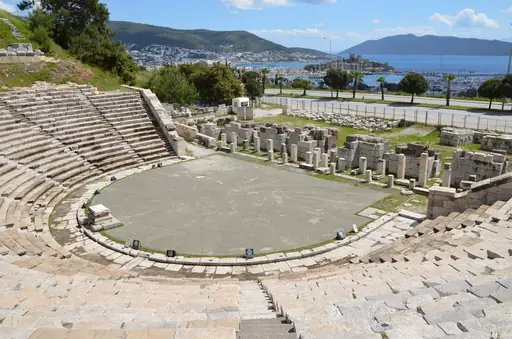
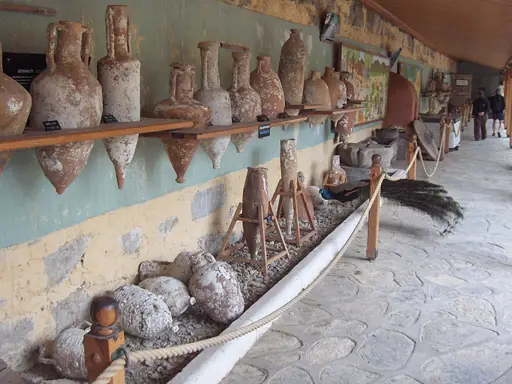
Knights Hospitaller began Bodrum Castle in 1406 and used stone from the ancient Mausoleum of Halicarnassus. Today the castle holds the Museum of Underwater Archaeology. Its rooms show amphorae and glass from shipwrecks found off the Turkish coast. The English Tower and French Tower guard the walls.
Castle in Kyoto
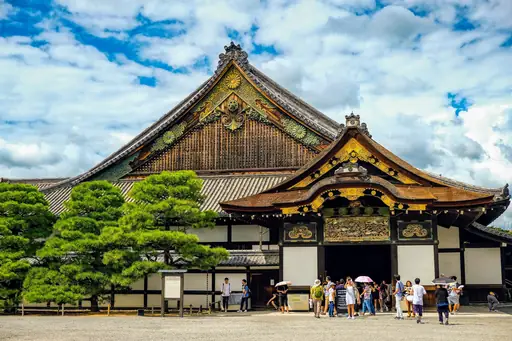
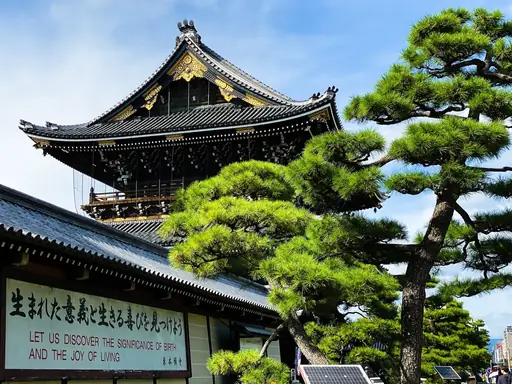
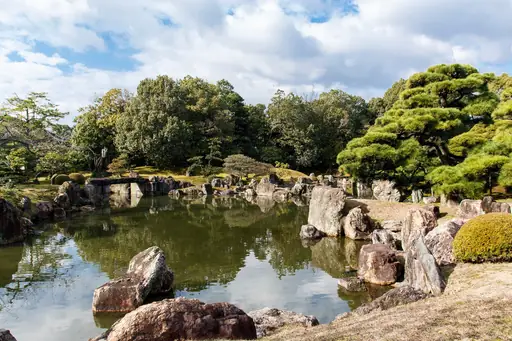
Nijō Castle
The Tokugawa shogun's Kyoto palace and gardens
Nijo Castle is in central Kyoto with a subway stop at its gate. Tokugawa Ieyasu had it built in 1603. Floors in the Ninomaru Palace squeak on purpose to warn of intruders. They are called nightingale floors. UNESCO listed the castle in 1994. The Ninomaru Garden was designed for an imperial visit in 1626.
Historic Fortress in Agra
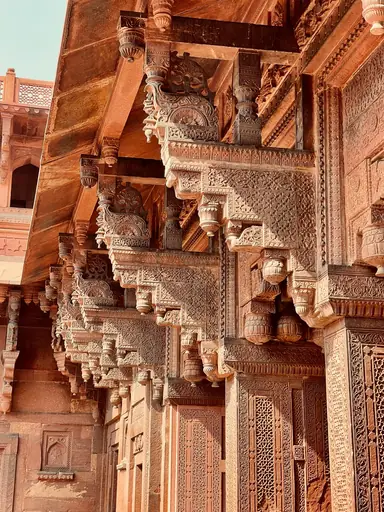
Agra Fort
Majestic sandstone citadel echoing timeless glory
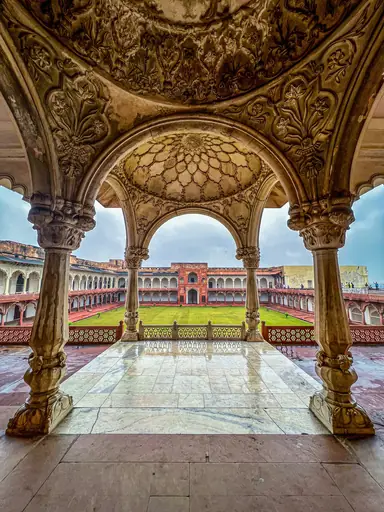
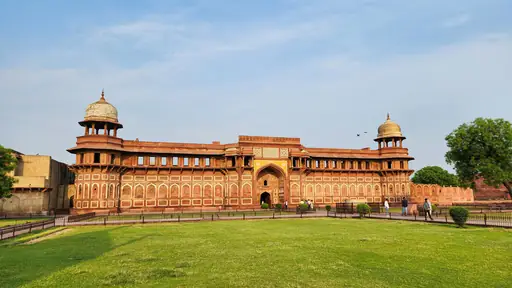
Go early to Agra Fort for views of the Taj Mahal across the Yamuna River. Akbar began the red sandstone fort in 1565. His grandson Shah Jahan was held prisoner in the Musamman Burj tower for his last years. UNESCO listed the fort in 1983. Its walls are about 2.5 kilometres long.
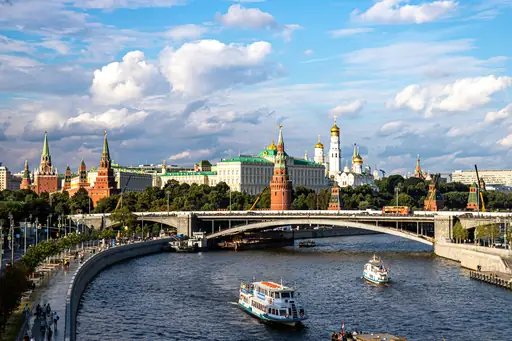
Historic Fortress in Moscow
The Moscow Kremlin
Majestic citadel echoing centuries of power
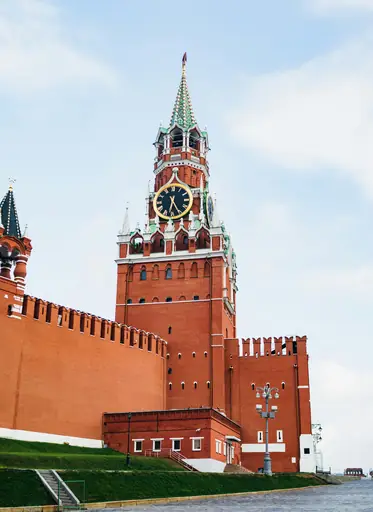
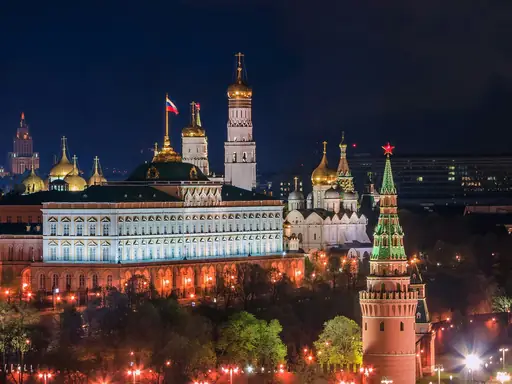
Cathedral Square holds the Dormition, Archangel and Annunciation cathedrals inside the Kremlin walls. The Ivan the Great Bell Tower rises 81 metres beside them. The red brick walls run about 2.2 kilometres with 20 towers. The Armory Chamber displays crowns and coronation carriages. Red Square lies just outside the eastern wall.
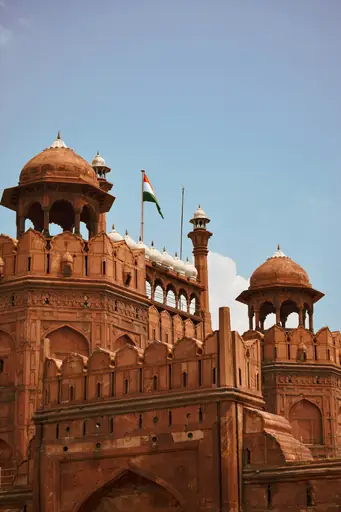
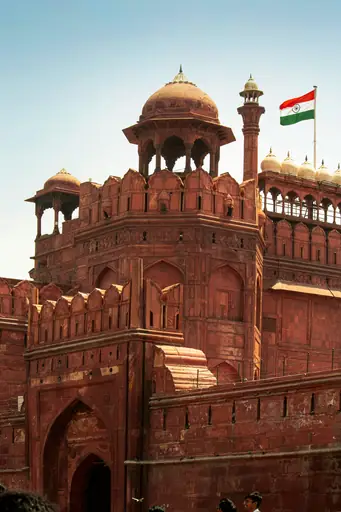
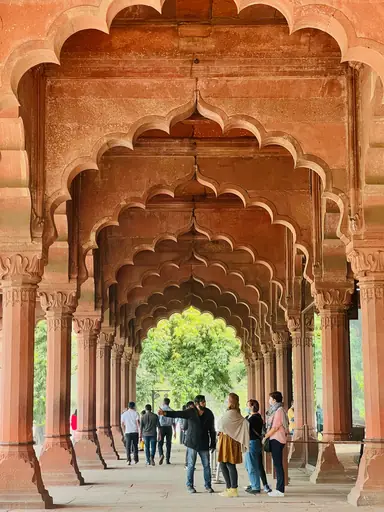
Historic Fortress in Delhi
Red Fort
Majestic sandstone walls echo centuries of power
Shah Jahan, who built the Taj Mahal, also built the Red Fort in Delhi between 1638 and 1648. Red sandstone walls run 2.4 kilometres. Visitors enter through Lahori Gate into the covered Chhatta Chowk bazaar. On 15 August the Prime Minister raises the flag above the gate. A speech follows from the ramparts.
Other lists you may like

Discover
Top castle destinations and historic fortresses
Castle travel spans an enormous range of surviving structures, from the intact hilltop fortresses and walled palace complexes that have been continuously inhabited or maintained to…
Read more
Discover
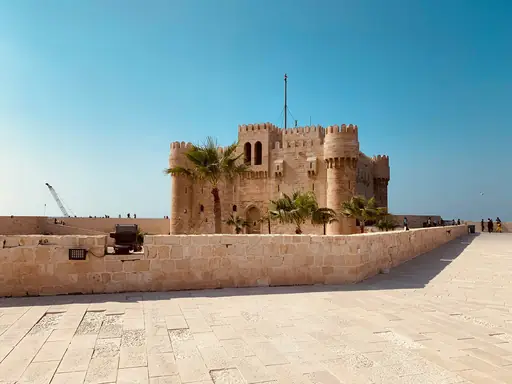
Best castle destinations in Africa
North Africa's fortified hilltop towns function much like castles elsewhere, built for defence along historic trade routes through the mountains. Southern Africa adds a different,…
Read more
Discover
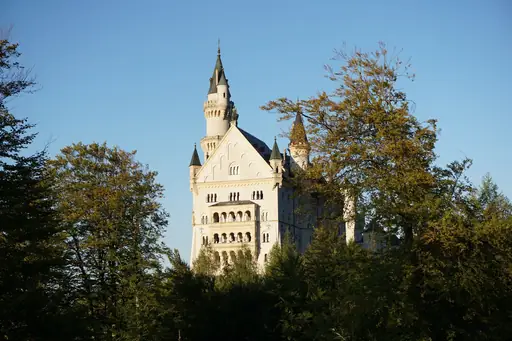
Best castle destinations in Europe
Europe contains the world's greatest concentration of castle and fortress architecture, with surviving structures ranging from the Norman tower keeps and Crusader citadels of the…
Read more
Discover
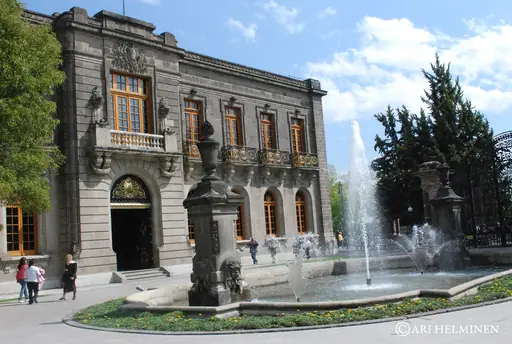
Best castle destinations in North America
North America's genuine historic castles are almost all fortifications rather than palaces, built for defense during the colonial and early national periods, with one notable…
Read more
Discover
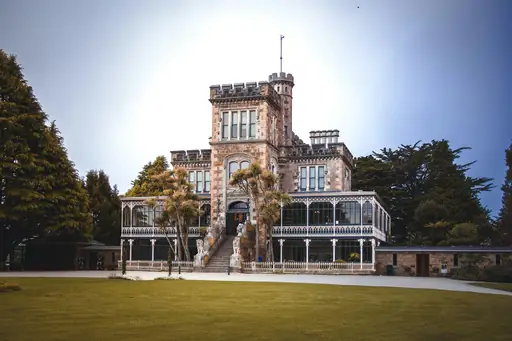
Best castle destinations in Oceania
Australia and New Zealand have no real castle tradition of their own, and the two sites that come closest earn the label for very different reasons. Larnach Castle in Dunedin,…
Read more
Discover
Best castle destinations in South America
South America holds a handful of European-style castles built by wealthy immigrants and industrialists rather than medieval rulers, reflecting a very different kind of…
Read more
What other users say about travelfilters
“travelfilters made it easy for me to find ski areas and compare what else they offer, so that I could find the best place for my personal travel style.”

Chris
Snowboarding & Onsen trip to Japan
“I love how transparent the data feels. There is no pushy upsell, just honest information and settings I can tune to my own travel style.”

Maria
After booking her 2027 winter escape
“The level of detail for each destination and how well those are displayed, make planning feel confident instead of overwhelming.”

Mina
Planned a week in New York City
“We used travelfilters for our planning from start to end. The trip turned out even better than expected, thanks to all their tools and customisation options.”

Allan & Etienne
Trip to Japan to see autumn foliage
“Thanks to travelfilters, I found some hidden gems to see. Being able to filter for exactly your interests is a game changer for my travel planning.”

Michael
Tour through the old cities of Northern Italy
“The customizable filters helped me find a quiet beach town with good wifi and low season crowds in under five minutes.”

Diego
Weekend Escape to Llanes, Spain
“The airport connection map saved me hours by showing good flight options from my home airport to lesser-known cities.”

Nguyen
Planning a 2027 trip to France
“The website is clean, fast and focused on the search itself, which makes travelfilters feel more like a professional tool than an ad-heavy booking site.”

Hassan
Christmas Market trip, Germany
