
Best hot springs destinations in Asia
Best hot springs destinations in Asia
Traditional thermal bath houses and open-air mineral pools in Asia
Asia's hot spring offer is defined by Japan's onsen culture, one of the world's most sophisticated and deeply embedded bathing traditions, where thousands of facilities ranging from rural outdoor pools to architecturally refined ryokan bathhouses have developed around a geothermal resource distributed across the entire country. The cultural significance of onsen extends well beyond bathing, with regional spring varieties, seasonal rituals and ryokan traditions rewarding dedicated exploration across multiple visits and regions.
Beyond Japan, significant hot spring bathing traditions and natural thermal landscapes exist across South Korea, Taiwan, China and the volcanic zones of Southeast Asia, each operating on distinct cultural terms with infrastructure and etiquette varying considerably by country. Several destinations combine hot spring bathing with broader volcanic and mountain landscapes that justify extended stays well beyond the bathing experience itself.
Onsen etiquette in Japan requires advance research as tattooing restrictions and bathing protocols vary by establishment and affect access for some visitors. Water temperatures across the region's natural sources vary considerably and checking before entering is essential. Your money goes a long way across most of the continent's hot spring destinations making extended onsen itineraries practical even when ryokan accommodation adds to overall costs.
Lists by region
National Park in Japan
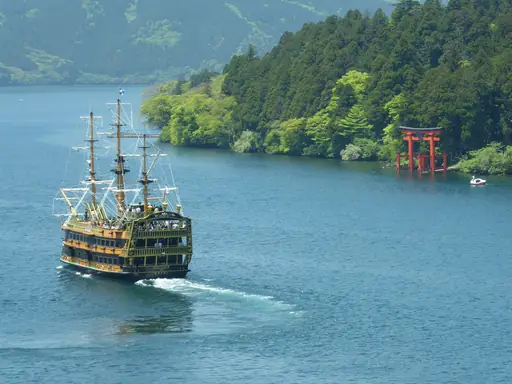
Fuji-Hakone-Izu National Park
Fuji, Hakone, Izu and volcanic islands
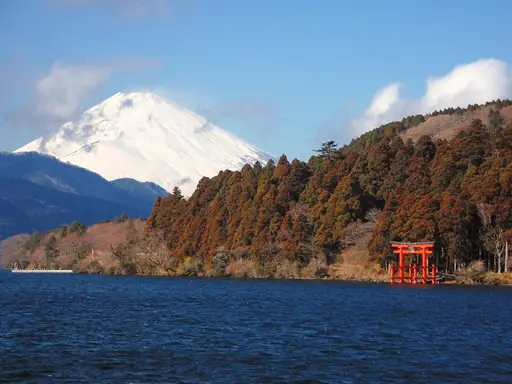
The smell of sulfur and the sight of Mount Fuji go together in this park. Hot springs dot the Hakone hills and the Izu coast. Many traditional inns called ryokan have outdoor baths with views of the peak. Cold mornings make the steam rise higher and thicker.
Town in Japan
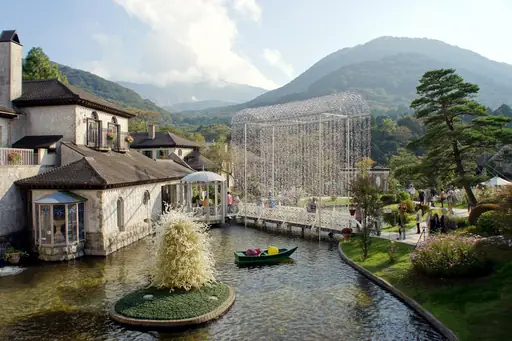
Hakone
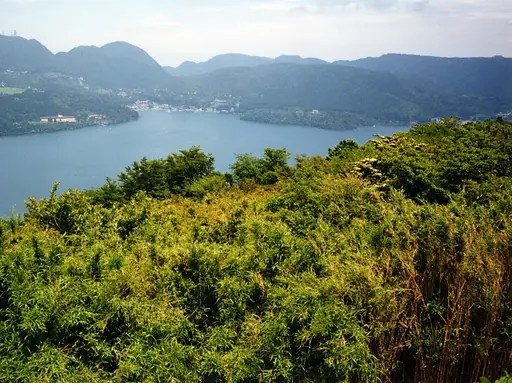
Onsen town with Fuji views and lake cruises
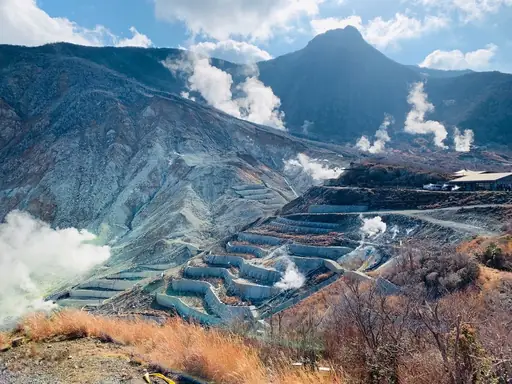
Autumn leaves turn red in November. Cold dry days give clear views of Mount Fuji from outdoor baths. At Owakudani, a steaming volcanic valley, eggs are boiled in the hot springs until the shells turn black. Eating one is said to add seven years to your life.
Island in Japan
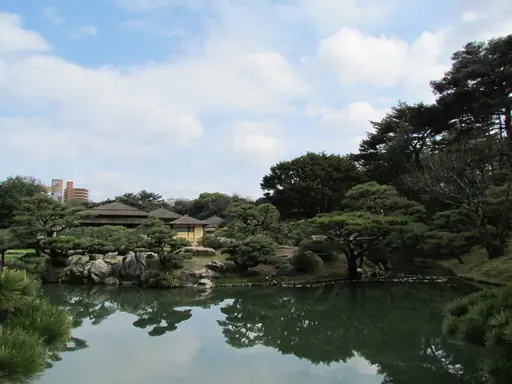
Shikoku
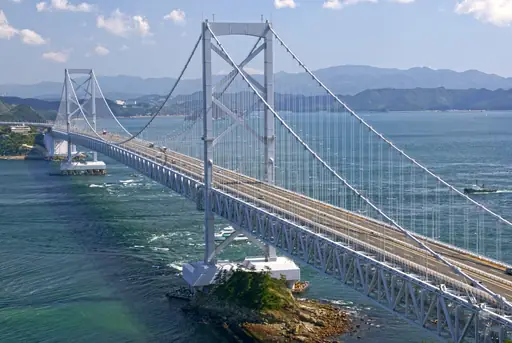
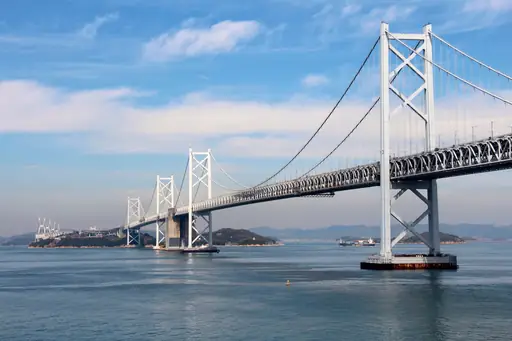
Pilgrimage trail, gorges and hot springs
Pilgrims in white clothes walk a 1,200 kilometer route past 88 temples on this island. Many end the day with a hot spring soak. In the Iya Valley, one inn has a cable car. It carries guests down to an outdoor bath beside the river.
City in Japan
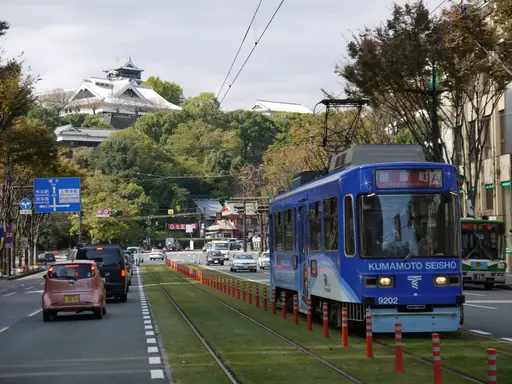
Kumamoto
Castle city with horse sashimi and Mt. Aso
In central Kyushu, this region has hot springs from the coast up to the rim of Mount Aso. Tamana Onsen is called a beauty bath since the water feels soft on the skin. Kumamoto Castle, with black walls, stands in the city center. Stay near Kurokawa or Aso for quiet village baths.
Village in Japan
Kurokawa Onsen
Riverside bath hopping in a Kumamoto valley
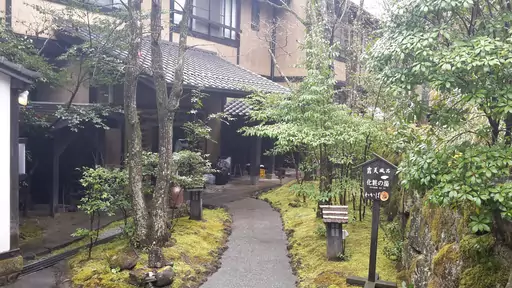
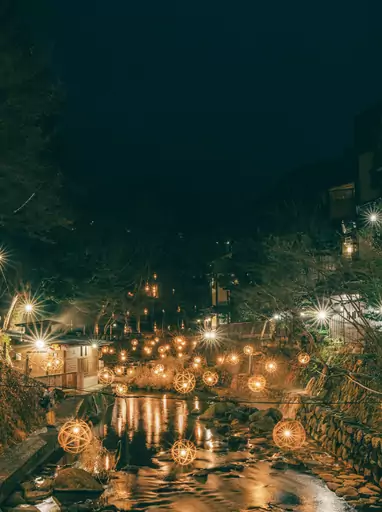
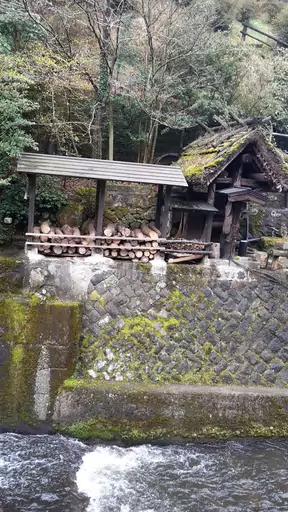
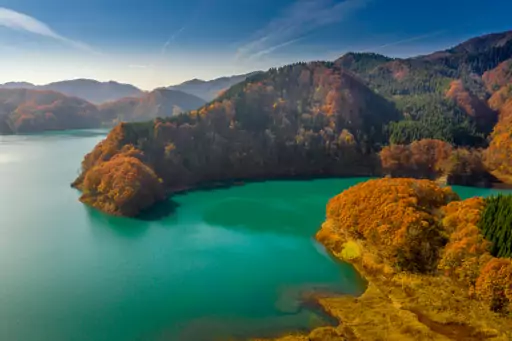
November turns the valley red and gold. A small wooden pass lets guests bathe at three of about thirty inns in the village. Stone paths and wooden bridges wind between small inns along the river. The town is built to look like a quiet mountain village.
Town in Japan
Nyuto Onsen
Seven secluded onsen inns in beech forest
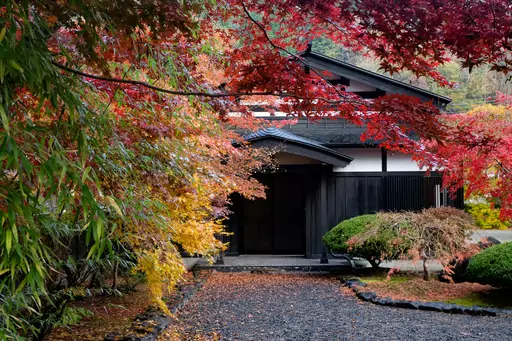
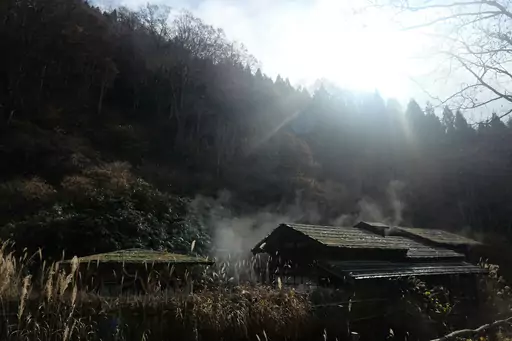
Milky white water steams beside thatched roof cottages in a beech forest. Nyuto Onsen is a group of old inns deep in the mountains of Akita. Tsurunoyu dates to the 1600s and has four kinds of springs. Snow can pile up taller than a person in winter.
City in Japan
Gero
One of Japan's three great hot springs
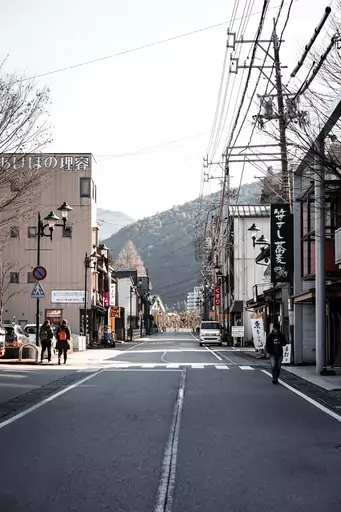
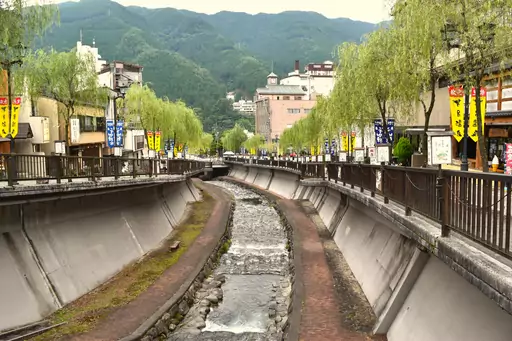
On the banks of the Hida River in Gifu, the town has smooth alkaline water that leaves skin silky. A scholar in the Edo period ranked it among Japan's three famous hot springs. Many inns have open air baths facing the river. Gero Onsen Gassho Village, an open air museum of farmhouses, is nearby.
City in Japan
Oita
Monkeys, hot springs and Otomo history
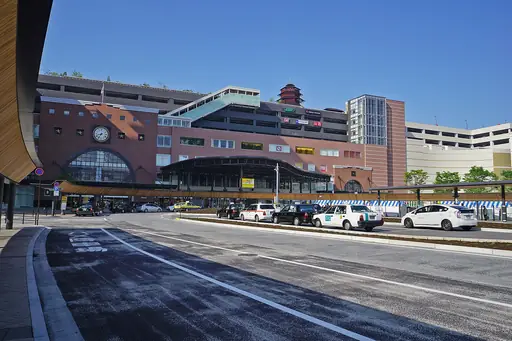
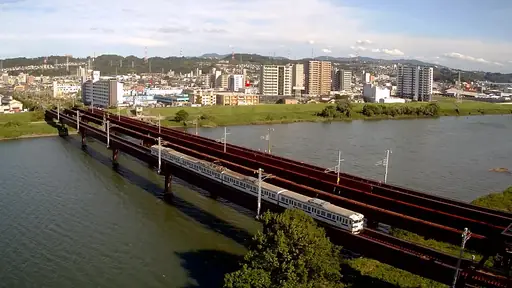
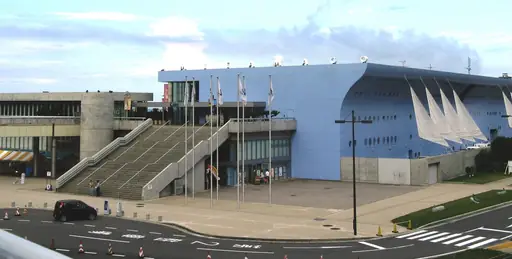
On the northeast coast of Kyushu, this prefecture has more hot spring sources than any other in Japan. Beppu and Yufuin are the main draws. Quiet Amagase Onsen near Hita has riverside baths beside old wooden inns. Hot spring steam rises from drains on city streets.
City in Japan
Matsuyama
A hilltop castle and Japan's oldest hot spring
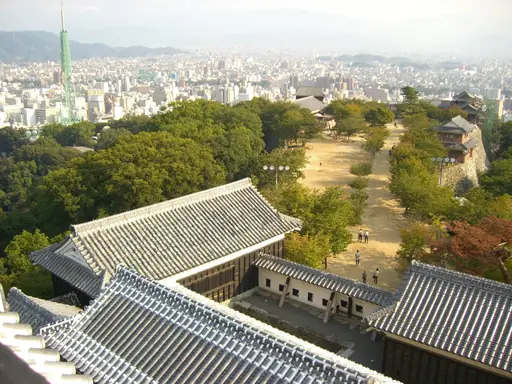
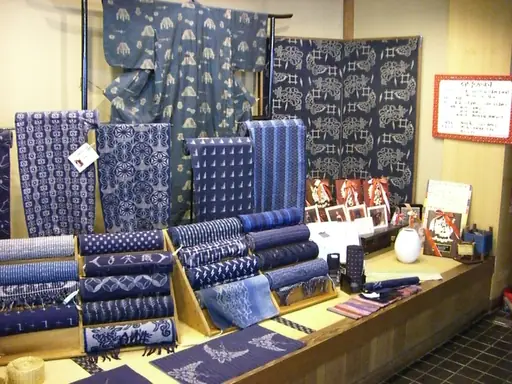
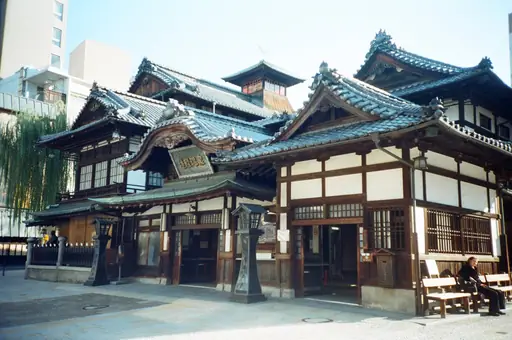
Where most bathhouses are plain, Dogo Onsen Honkan looks like a wooden palace. It was built in 1894 and has three stories and a white heron statue on the roof. After a soak, guests in cotton robes sip tea in a tatami room. A streetcar runs there from central Matsuyama.
Region in Japan
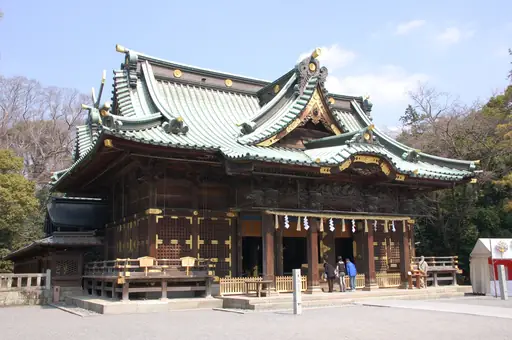
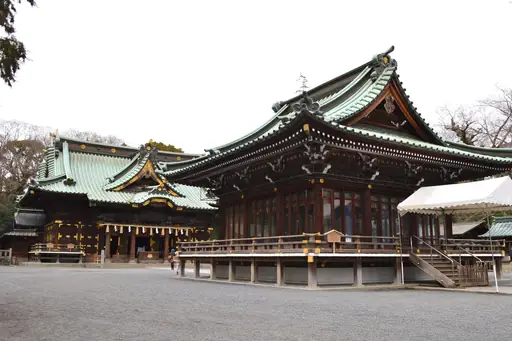
Izu Peninsula
Hot springs, volcanic coast and beaches
In the 1600s, barrels of hot water from Atami were sent to Edo Castle for the shoguns. Today the peninsula has hot springs in seaside towns and mountain valleys. Kawazu is known for early cherry blossoms in February with hot spring inns nearby. Many east coast ryokan have outdoor baths facing the ocean.
Village in Japan
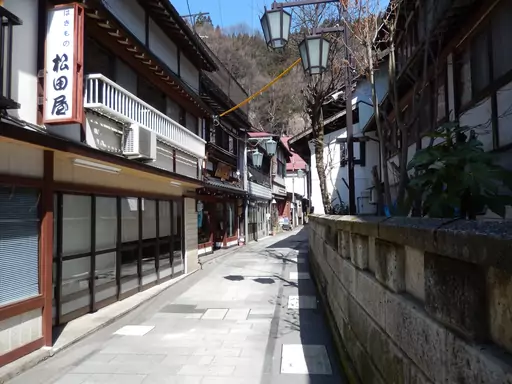
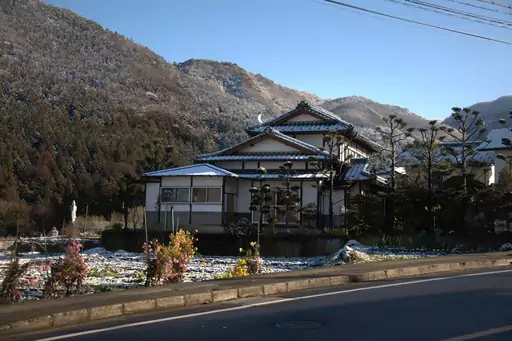
Shibu Onsen
Nine public baths and cobbled lanes
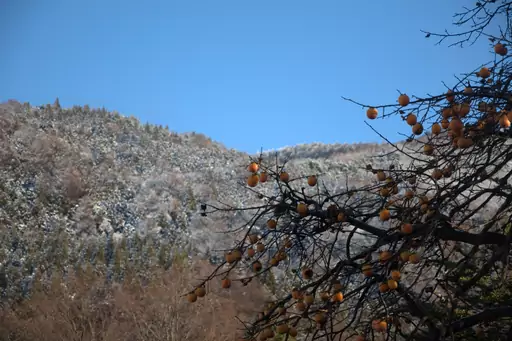
Guests in cotton robes and wooden sandals walk between nine public bathhouses, each with its own spring. A key from the inn opens the doors. Nine sounds like the Japanese word for suffering. Bathing in all nine is said to wash it away. Old wooden inns line the stone streets.
Town in Japan
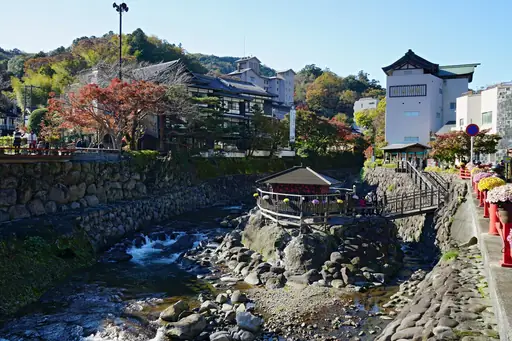
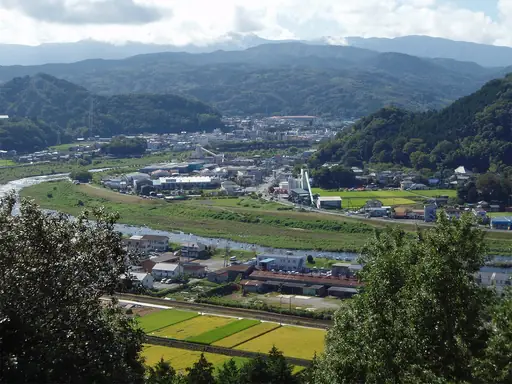
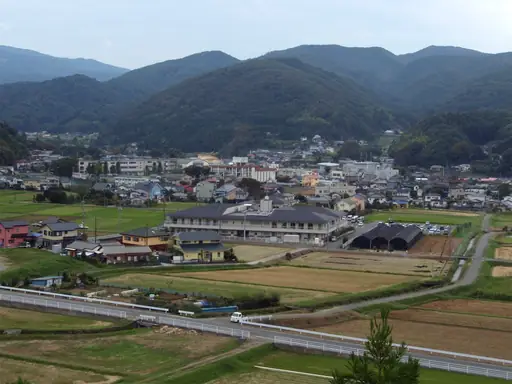
Izu
Shuzenji hot springs, wasabi and Amagi hikes
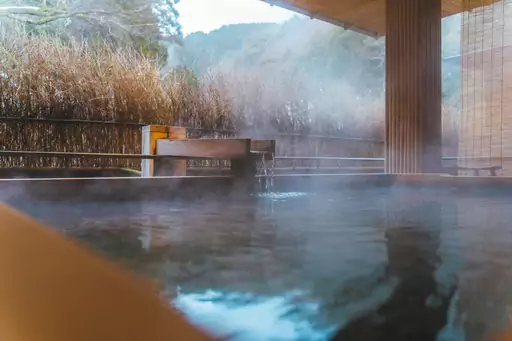
Tokko no Yu is a small stone bath beside the Katsura River in Shuzenji. The monk Kobo Daishi is said to have struck a rock here in 807. Hot water gushed out. A bamboo path winds along the river nearby. Quiet inns and old streets surround it.
Village in Japan
Kinosaki Onsen
Seven bathhouses to stroll between in yukata
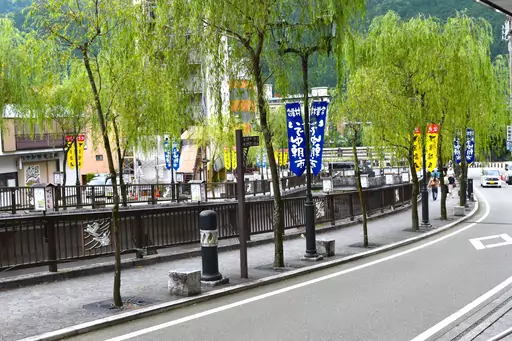
Seven public bathhouses stand along a willow lined stream in this small Hyogo town. Guests in cotton robes and wooden clogs stroll between the baths each evening. Winter brings crab season with snow crab served at many inns. A day pass lets guests enter all seven baths.
National Park in Japan
Aso-Kuju National Park
Giant caldera, active volcano and highlands
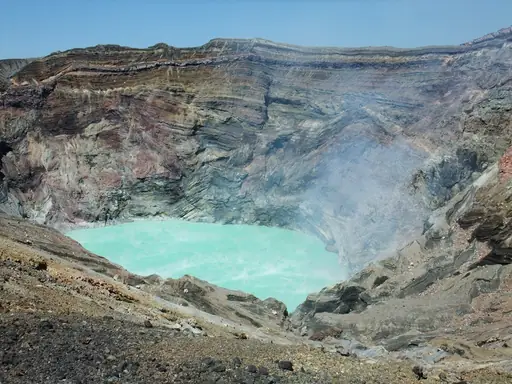
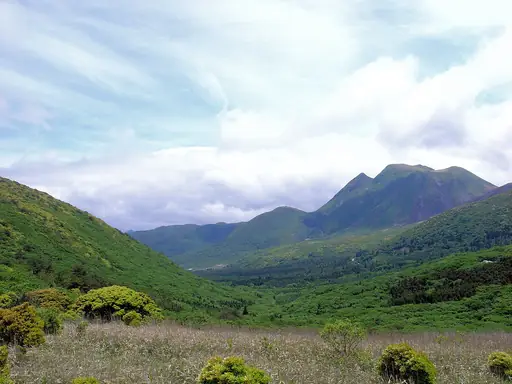
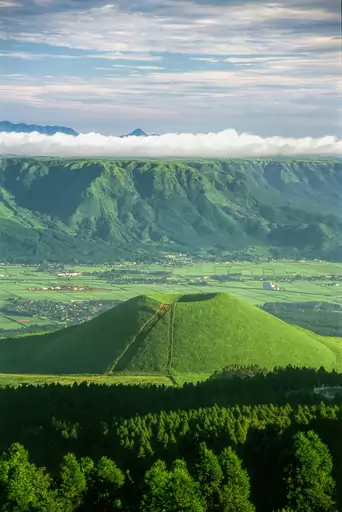
One of the largest calderas on earth, Aso has room inside for farms, towns and a railway. Active Nakadake crater steams above grassland where cattle graze. Hot spring inns sit in the valleys around the rim. Rangers close the crater road when gas levels rise.

Town in Japan
Kusatsu-Onsen
Steaming hot water field and bath hopping
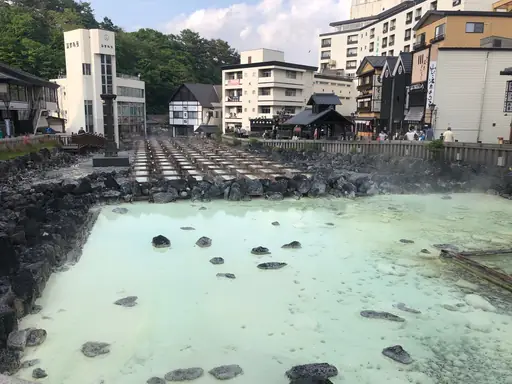
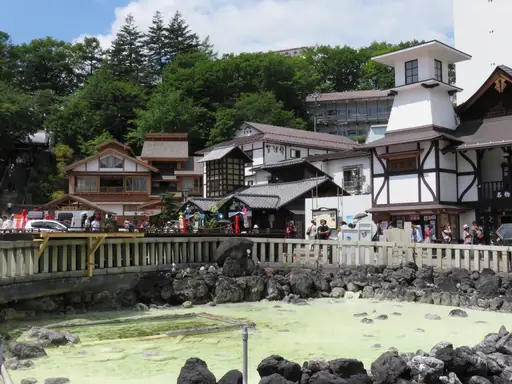
Several times a day, women in traditional clothes stir the hot water with long boards. This show, called yumomi, cools the water without watering it down. The town center is the Yubatake, a steaming field of wooden channels. The water is strongly acidic and smells of sulfur.
City in Japan
Nagano
Temple pilgrimage town near snow monkeys
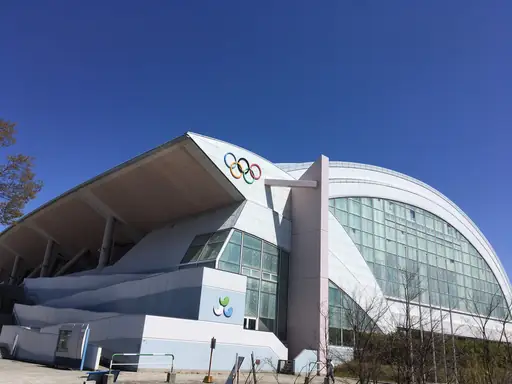
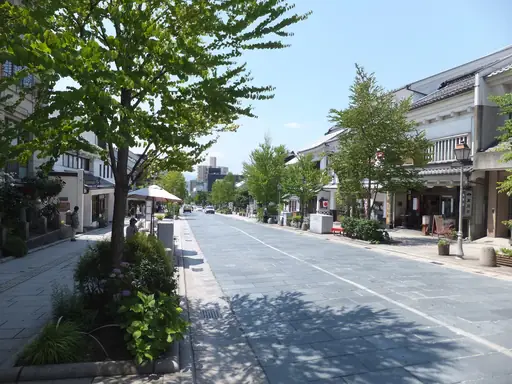
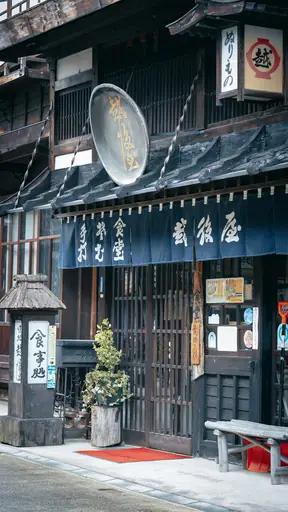
At Jigokudani Monkey Park, wild snow monkeys soak in a hot spring pool while snow falls around them. A forest path of about two kilometers leads to the park. Ski towns such as Nozawa Onsen have public bathhouses and steaming street fountains. Nagano also hosted the 1998 Winter Olympics.
City in Japan
Beppu
Steaming hot springs and colorful Hells
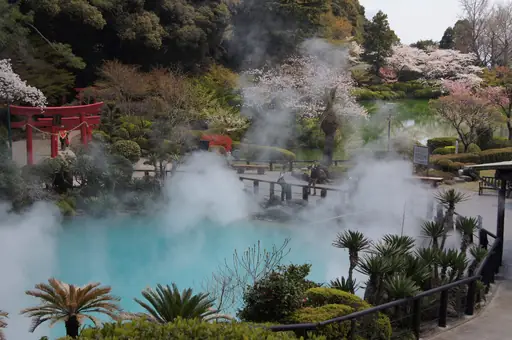
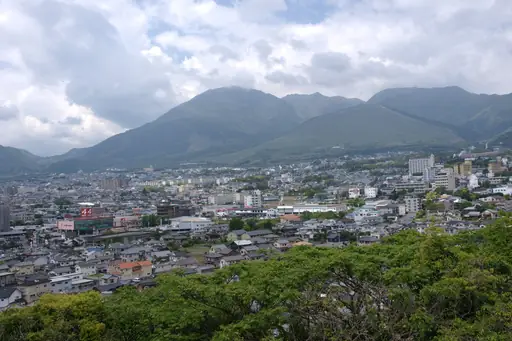
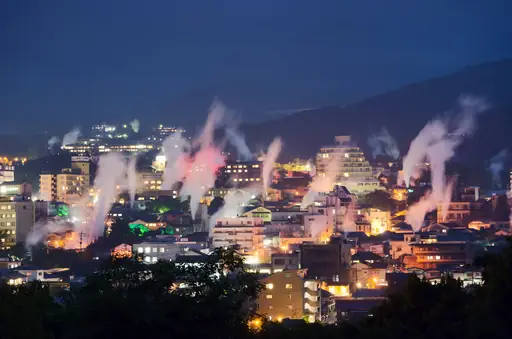
The Eight Hells of Beppu are hot springs for looking at, not bathing in. Blood red ponds, steaming blue pools and bubbling gray mud send up thick vapor. For a soak, head to the sand baths where attendants bury visitors in warm black sand. Steam rises from street vents all over town.
Island in Japan
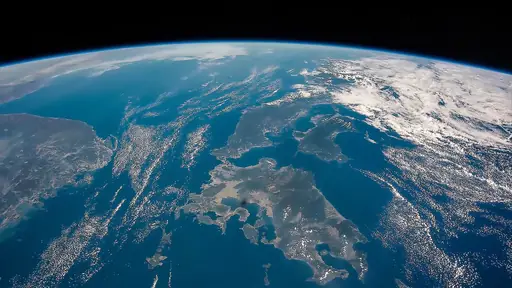
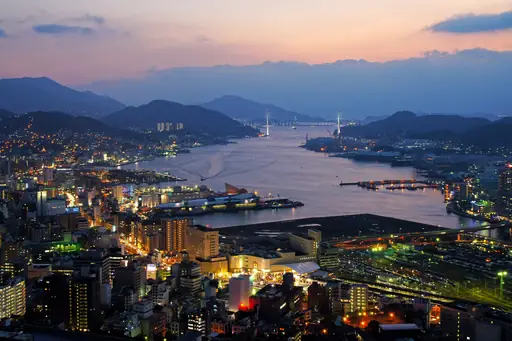
Kyushu
Volcanoes, onsen and tonkotsu ramen
Kitchens in Kyushu use hot spring steam like a stove. Cooks in Beppu steam eggs, vegetables and seafood in vents. The style is called jigoku mushi, which means hell steaming. The volcanic island also has Yufuin, Kurokawa and Ibusuki, where bathers are buried in warm sand.
State/Prefecture in Japan
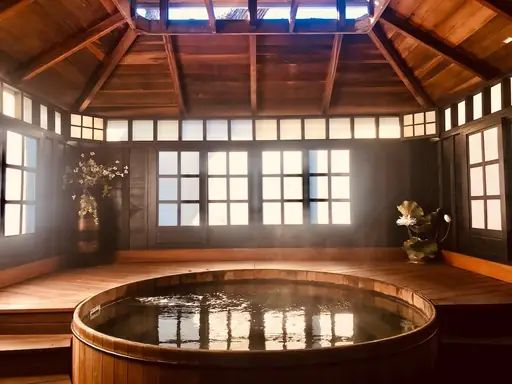
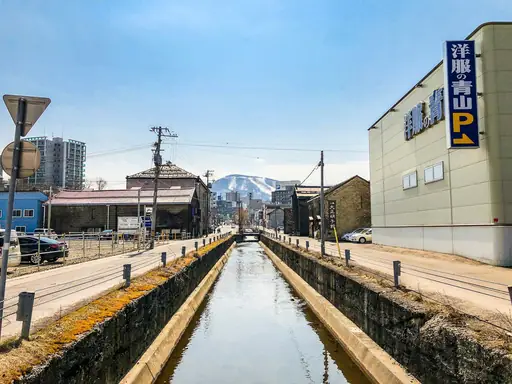
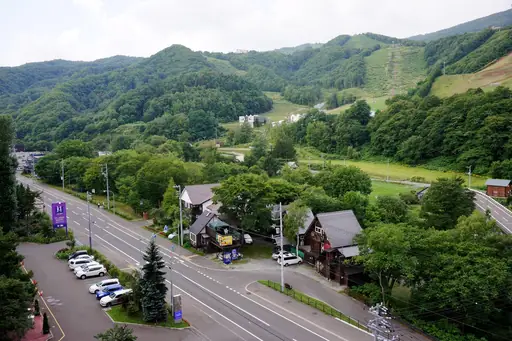
Hokkaido
Volcanoes, powder snow and fresh seafood
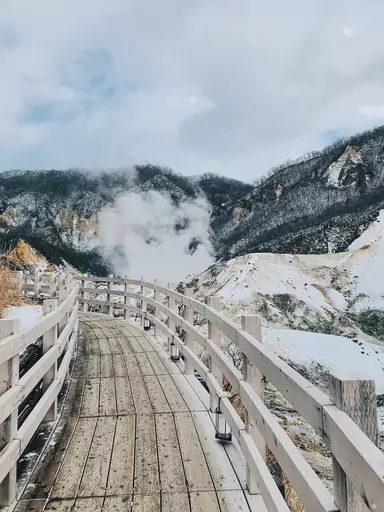
Where Honshu has old village inns, Hokkaido has hot springs beside volcanoes, lakes and forests. Noboribetsu has a steaming hell valley. Jozankei sits in a river gorge near Sapporo. Lake Toya has hot spring hotels facing a caldera lake. In winter, snow piles up beside the outdoor baths.
Town in Japan
Noboribetsu
Steaming hell valley and nine spring types
The name Noboribetsu comes from an Ainu phrase meaning cloudy river. Hell Valley is a volcanic crater with steaming vents and bubbling pools. Its hot springs feed nine types of water to nearby inns. A short trail leads to a warm stream where visitors rest their feet in the open air.
Town in Japan
Yufuin Onsen
Lakeside onsen town below Mount Yufu
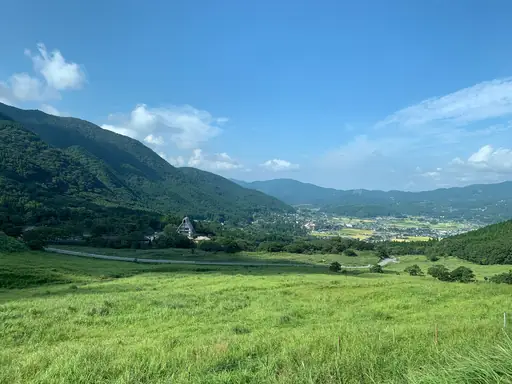
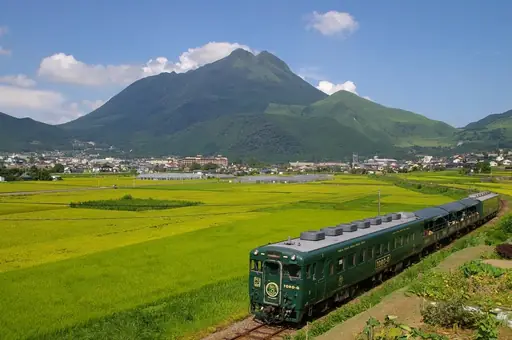
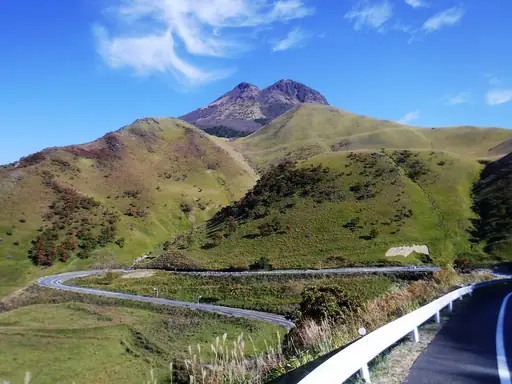
Morning mist rises from Lake Kinrin on cold mornings when warm spring water meets the air. Twin peaked Mount Yufu looms over the town. Small inns have private outdoor baths that guests book by the hour. Cafes and craft shops line the main lane from the station.
Town in Japan
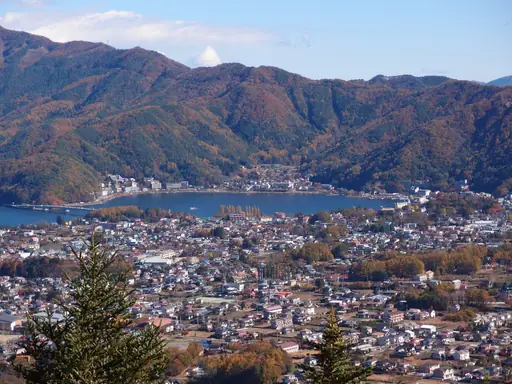
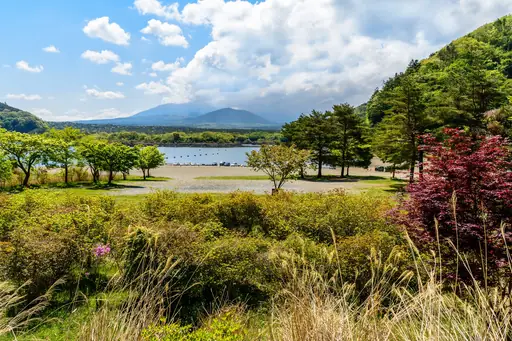
Fujikawaguchiko
Lake town with Mount Fuji views and onsen
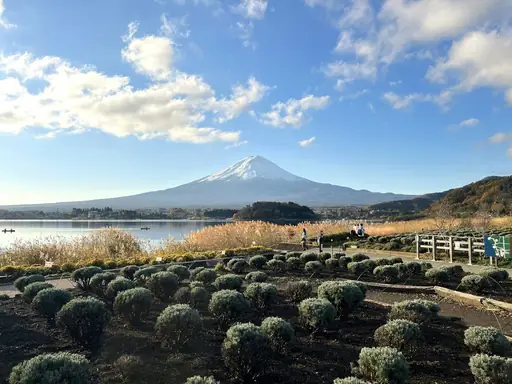
On the northern shore of Lake Kawaguchi, this town looks straight across the water at Mount Fuji. Many lakeside hotels have open air baths facing the peak. Cherry blossoms in April and red maples in November frame the mountain. The Kachi Kachi Ropeway climbs a nearby hill for wide views.
Town in Japan
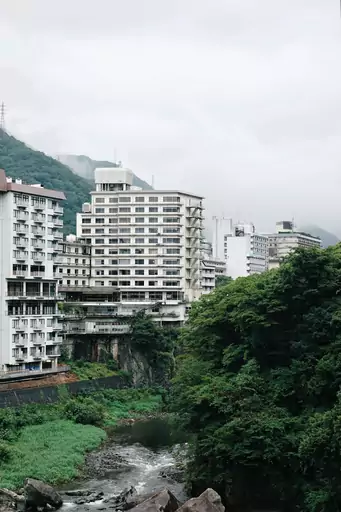
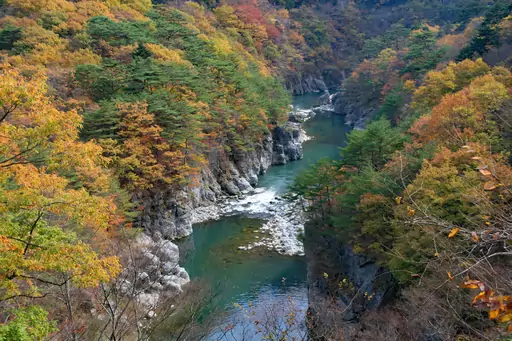
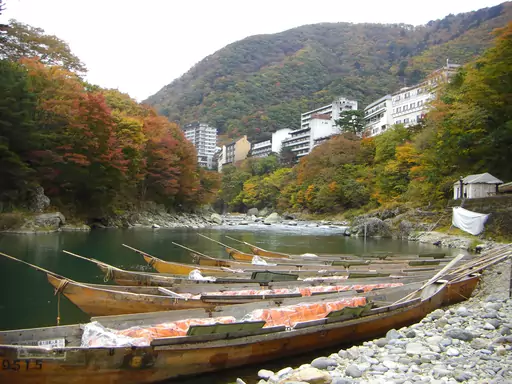
Kinugawa-Onsen
Gorge hot spring resort near Nikko
Steam curls up from big riverside hotels in a gorge north of Tokyo. The water is mild and gentle on the skin. Rafting boats run down the Kinugawa River just below the town. Many hotels have large baths with river views. Nikko's shrines are an easy trip away.
State/Prefecture in Japan
Yamanashi
Mount Fuji's north side, lakes and wine
In the 1500s, samurai lord Takeda Shingen is said to have healed his soldiers in hidden springs here. Today the region has hot spring towns among vineyards and fruit orchards. Isawa Onsen sits near wineries where visitors taste local wine. On clear days, Mount Fuji rises above the baths.
City in Japan
Hida
Carp canal and sake town near Takayama
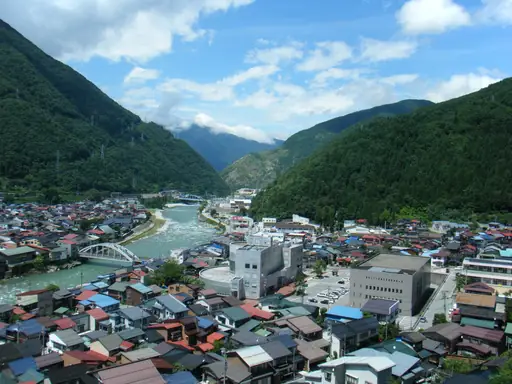
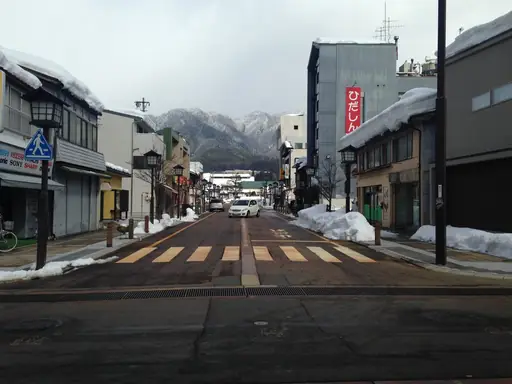
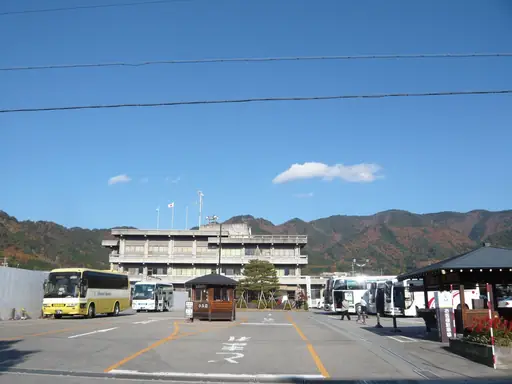
Bathers follow Japan's custom of washing at a shower stool before they enter the water. Okuhida is a group of five hot spring villages in the Northern Alps. Many have outdoor baths facing snowy peaks. Shin Hotaka has a ropeway that carries riders high above the valley.
Other lists you may like
Discover
Traditional Japanese onsen towns and hot springs
Japan has a relationship with hot spring bathing that goes back more than a thousand years, and the culture that has grown up around it is unlike anything found elsewhere. An onsen…
Read more
Discover
Top hot springs destinations and thermal resorts
Hot spring travel sits at the intersection of natural landscape, geological spectacle and bathing culture, with the world's most rewarding destinations combining accessible thermal…
Read more
Discover
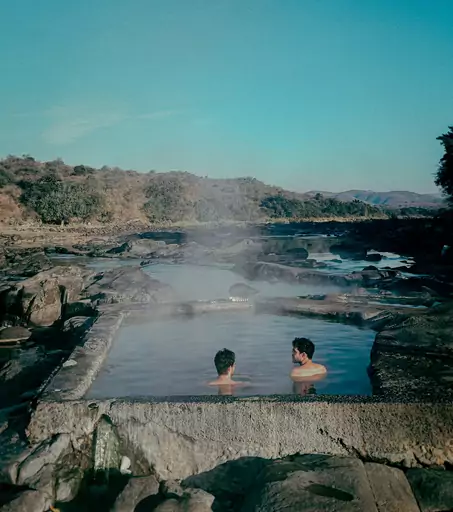
Best hot springs destinations in Africa
Africa's hot spring offer is distributed along the East African Rift System, where ongoing tectonic activity produces thermal springs, boiling pools and mineral-rich lakes across a…
Read more
Discover
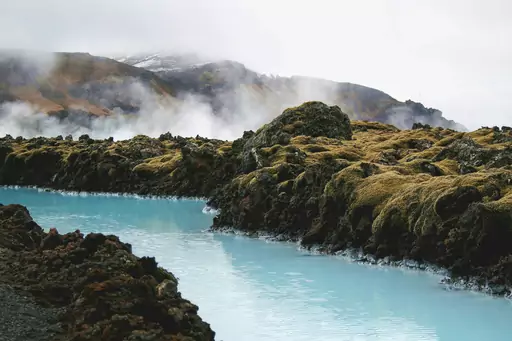
Best hot springs destinations in Europe
Europe's hot spring offer spans the wild thermal rivers and developed lagoon complexes of Iceland to the architecturally grand thermal bath institutions of central Europe and the…
Read more
Discover
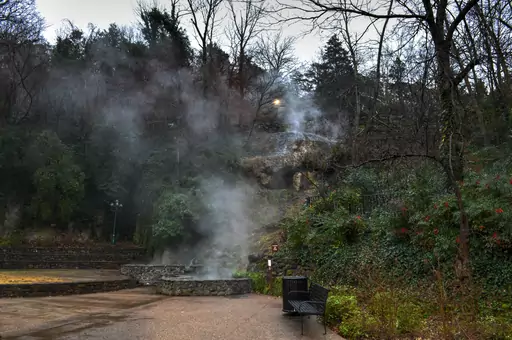
Best hot springs destinations in North America
North America's hot spring offer ranges from the wild backcountry pools of the western mountain states and the developed thermal attractions of the national parks system to the…
Read more
Discover
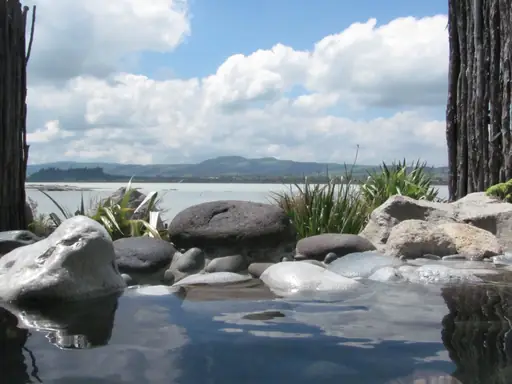
Best hot springs destinations in Oceania
Oceania's hot spring offer is anchored by New Zealand's North Island geothermal zone, where one of the world's most accessible and varied thermal landscapes produces hot springs,…
Read more
Discover
Best hot springs destinations in South America
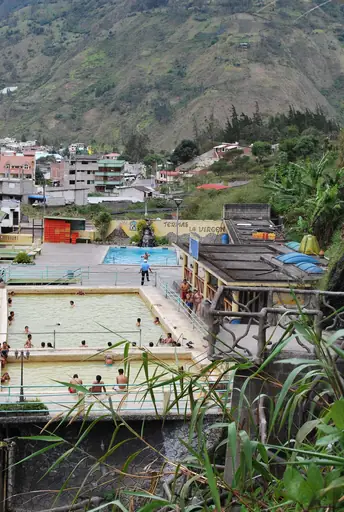
South America's hot spring offer is distributed along the Andean volcanic arc, where active and dormant volcanic systems produce thermal water at altitudes that add a distinctive…
Read more
What other users say about travelfilters
“travelfilters made it easy for me to find ski areas and compare what else they offer, so that I could find the best place for my personal travel style.”

Chris
Snowboarding & Onsen trip to Japan
“I love how transparent the data feels. There is no pushy upsell, just honest information and settings I can tune to my own travel style.”

Maria
After booking her 2027 winter escape
“The level of detail for each destination and how well those are displayed, make planning feel confident instead of overwhelming.”

Mina
Planned a week in New York City
“We used travelfilters for our planning from start to end. The trip turned out even better than expected, thanks to all their tools and customization options.”

Allan & Etienne
Trip to Japan to see autumn foliage
“Thanks to travelfilters, I found some hidden gems to see. Being able to filter for exactly your interests is a game changer for my travel planning.”

Michael
Tour through the old cities of Northern Italy
“The customizable filters helped me find a quiet beach town with good wifi and low season crowds in under five minutes.”

Diego
Weekend Escape to Llanes, Spain
“The airport connection map saved me hours by showing good flight options from my home airport to lesser-known cities.”

Nguyen
Planning a 2027 trip to France
“The website is clean, fast and focused on the search itself, which makes travelfilters feel more like a professional tool than an ad-heavy booking site.”

Hassan
Christmas Market trip, Germany
