








Was this page helpful?

| Power Grid: |
230 V, 50 Hz Plug: Type C , Type E
Type C:
  Read about power adapters |
|---|---|
| Currency: |
Euro (EUR) £1 ≈ €1.19 |
| Cashless info: |
Rating 5/5
Cashless payments are widely accepted, especially in cities and tourist areas.
Save with a travel credit card |
| eSIM providers: |
Best value: Saily Flexibility: Airalo Read our in-depth comparison |
| Tipping: | Tipping is optional but appreciated in restaurants (5-10%) and for exceptional service. |
|---|---|
| Public drinking: | Public drinking is allowed in designated areas, but restrictions apply in some cities. |
| Public smoking: | Smoking is banned in indoor public spaces but common in outdoor cafes. |
| Bastille Day (July) |
Parades and fireworks occur nationwide. |
|---|---|
| Easter (March/April) |
Cultural celebrations and closures. |
| Christmas (December) |
Markets and festive events. |
| Emergency contact: | Emergency Numbers: 112 (EU emergency), 15 (Ambulance), 17 (Police), 18 (Fire) |
|---|---|
| Taxi apps: | Uber, Bolt, Heetch |
| Other: | France offers diverse experiences, from art and culture to nature and cuisine. Be cautious in crowded areas. |
The best times to travel section shows how the months compare for a visit, so you can find the time of year that fits what you want to do.
Background colours of the months:
The colour shows the typical temperature: yellow (hot), green (mild) and blue (cold). How strong the colour is shows the travel season: full colour means high season, soft colour means shoulder season and soft-striped means off season.
Weather symbols:
Each month has one symbol showing what the weather is typically like, such as hot and sunny, freezing or a rainy or snowy season. Use them to quickly spot months that match the weather you want, or to avoid the ones that don't.
Crowdedness:
The people icon shows how busy the place usually is. The more people, the more crowded it gets.
Additional notes:
The grey info boxes point out special things worth knowing, like recurring weather issues or seasonal events.
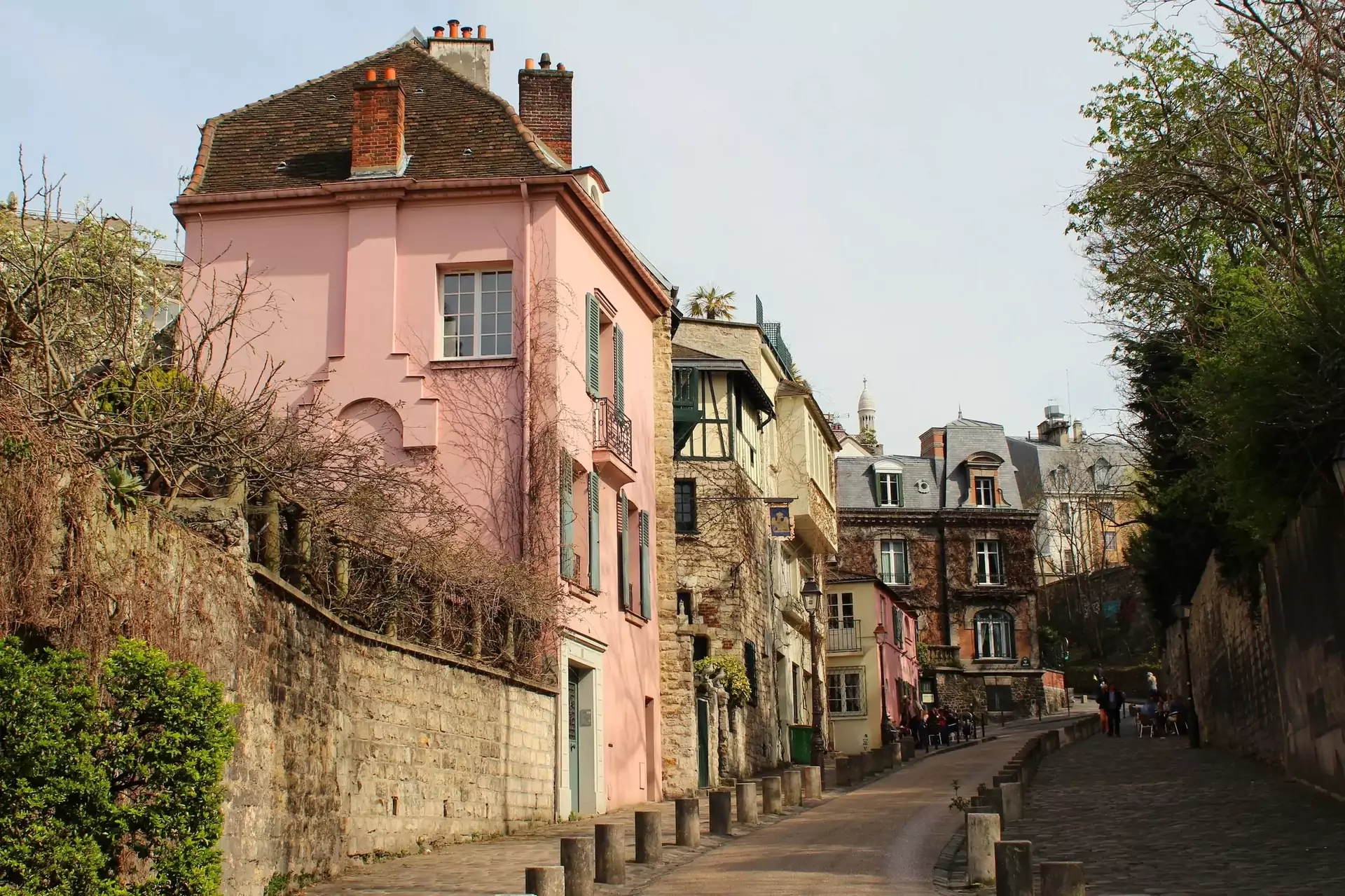
Montmartre captures the artistic spirit and history of Paris with its winding streets, historic cafés and panoramic views from the iconic Sacré-Cœur Basilica. Once a village outside Paris, it became famous for its vibrant artist community including legends like Picasso and Monet, who made it their home and muse.
The neighborhood offers a lively yet intimate atmosphere, with the bustling Place du Tertre where artists display their work side-by-side with souvenir sellers. Away from the main square, Montmartre’s quieter backstreets reveal charming shops, vintage stores and peaceful spots like Square Willette.
A word of caution: Montmartre can be crowded, especially during peak tourist seasons and weekends, making some areas feel a bit commercialized. The steep hills and numerous steps might challenge those with mobility issues, although the funicular offers an easier route to the upper parts.
Despite the crowds, Montmartre’s unique blend of history, art and Parisian charm invites visitors to explore beyond the well-trodden paths and discover the neighborhood’s quieter moments and hidden gems.
Montmartre is easily accessible by Paris Metro, with the Abbesses and Anvers stations among the closest stops. From Paris airports, visitors can take trains or buses into the city center then switch to the metro. Walking through the charming streets of Montmartre might require some effort due to its hilly terrain, but a funicular railway is available to ease the climb to the basilica.
Montmartre offers a range of stay options from boutique hotels and charming guesthouses to more upscale accommodations. The area is suited for those who want to immerse themselves in local Parisian life with easy access to major landmarks and vibrant nightlife.
Log in to add this place to a travel list and get a summary of all recommended items for your whole trip.
We calculate the average costs when travelling to destinations and compare those with the living costs at your home. With this you can get an estimate of how expensive or cheap the destination is for you.
To customise this, you can set up which location and price level are used for the calculations in your account settings.
The exchange rate price factor shows how expensive or cheap a currency currently is compared to its historical average. It's a quick way to see if a country is currently more or less affordable due to exchange rate changes.
