







Was this page helpful?

| Opening hours: |
|
||
|---|---|---|---|
| Public website: | www.wien.info |
| Power Grid: |
230 V, 50 Hz Plug: Type C , Type F
Type C:
  Read about power adapters |
|---|---|
| Currency: |
Euro (EUR) £1 ≈ €1.19 |
| Cashless info: |
Rating 5/5
Austria is a highly cashless society, particularly in urban areas. Credit and debit cards are widely accepted, and mobile payment services such as Apple Pay and Google Pay are increasingly popular.
Save with a travel credit card |
| eSIM providers: |
Best value: Saily Flexibility: Airalo Read our in-depth comparison |
| Tipping: | Tipping is customary in Austria. In restaurants, it is common to leave a 5-10% tip, though rounding up to the nearest euro is also acceptable. Taxi drivers typically expect a small tip, around 10% of the fare. Hotel staff and tour guides appreciate small gratuities. |
|---|---|
| Public drinking: | Public drinking is generally permitted in Austria, though some areas may have restrictions. Drinking in public spaces such as parks and squares is socially accepted but may be subject to local laws in specific municipalities. |
| Public smoking: | Smoking is prohibited in most indoor public spaces, including restaurants, bars, and public transport. Designated smoking areas are available in many locations. |
| National Day (October) |
A national holiday with many closures, celebrations, and increased domestic tourism. |
|---|---|
| Christmas (December) |
Festive celebrations across the country, with crowded tourist spots and higher prices for accommodation. |
| Austrian Wine Harvest Festival (September) |
Celebration of local wines, especially in wine-producing regions, with festivals and events. |
| Emergency contact: | Emergency Number: 112 (Police, Fire, Ambulance) |
|---|---|
| Taxi apps: | Bolt, Uber |
| Other: | Austria is known for its rich cultural heritage, with historical sites, museums, and nature reserves. Its well-developed infrastructure, particularly in transport, makes it a comfortable destination for travellers. |
The best times to travel section shows how the months compare for a visit, so you can find the time of year that fits what you want to do.
Background colours of the months:
The colour shows the typical temperature: yellow (hot), green (mild) and blue (cold). How strong the colour is shows the travel season: full colour means high season, soft colour means shoulder season and soft-striped means off season.
Weather symbols:
Each month has one symbol showing what the weather is typically like, such as hot and sunny, freezing or a rainy or snowy season. Use them to quickly spot months that match the weather you want, or to avoid the ones that don't.
Crowdedness:
The people icon shows how busy the place usually is. The more people, the more crowded it gets.
Additional notes:
The grey info boxes point out special things worth knowing, like recurring weather issues or seasonal events.
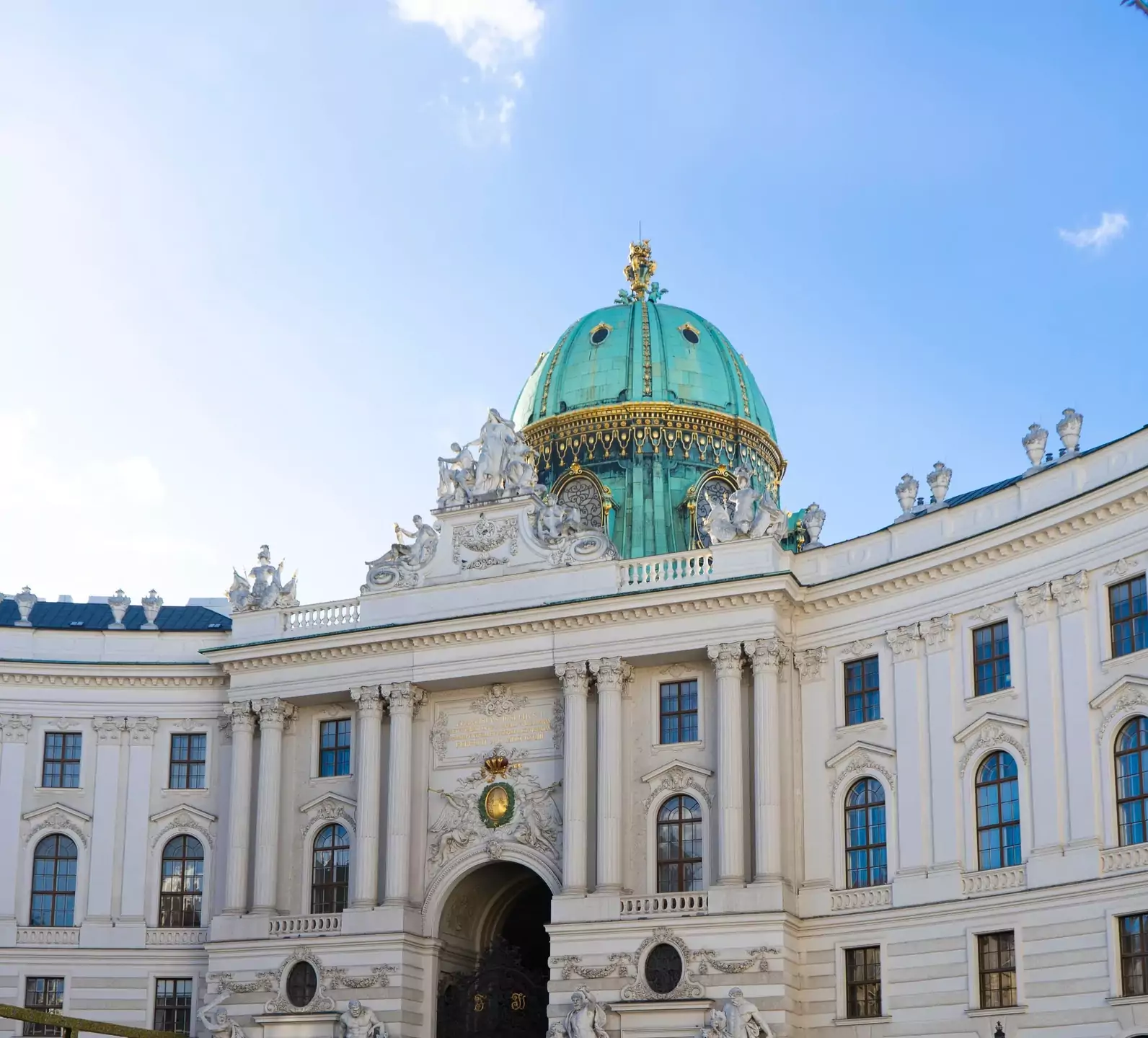
Hofburg Palace is a vast palace complex in the center of Vienna, encompassing over 2,600 rooms across multiple wings built over centuries. Originally the imperial winter residence, today it hosts the offices of the Austrian president, museums and the world-famous Spanish Riding School.
The palace showcases opulent apartments decorated with luxurious furnishings, the fascinating Sisi Museum dedicated to Empress Elisabeth and the Treasury with imperial regalia and precious artifacts. Visitors can stroll through Baroque halls, majestic courtyards and serene gardens such as the Burggarten.
While the grandeur is impressive, some visitors note the potential for overcrowding, especially during guided tours and popular exhibits. The sprawling layout might require careful planning to see highlights without fatigue. Accessibility challenges include many stairs and uneven flooring; hence, those with mobility issues should prepare accordingly.
Despite such challenges, Hofburg Palace remains a must-visit attraction for anyone interested in European history, architecture and royal legacies.
Visitors usually arrive via Vienna International Airport and take public transit such as the U-Bahn lines U3 or U1 to Stephansplatz or Karlsplatz. Hofburg Palace is centrally located in Vienna, within walking distance from many major attractions and easily accessible by tram and bus as well.
Vienna's Innere Stadt (1st district) offers excellent accommodation options, from luxury hotels to charming boutique inns, all within easy reach of Hofburg Palace and other central attractions.


Log in to add this place to a travel list and get a summary of all recommended items for your whole trip.
We calculate the average costs when travelling to destinations and compare those with the living costs at your home. With this you can get an estimate of how expensive or cheap the destination is for you.
To customise this, you can set up which location and price level are used for the calculations in your account settings.
The exchange rate price factor shows how expensive or cheap a currency currently is compared to its historical average. It's a quick way to see if a country is currently more or less affordable due to exchange rate changes.
