







Was this page helpful?

| Opening hours: |
|
||
|---|---|---|---|
| Public website: | www.chambord.org |
| Power Grid: |
230 V, 50 Hz Plug: Type C , Type E
Type C:
  Read about power adapters |
|---|---|
| Currency: |
Euro (EUR) £1 ≈ €1.19 |
| Cashless info: |
Rating 5/5
Cashless payments are widely accepted, especially in cities and tourist areas.
Save with a travel credit card |
| eSIM providers: |
Best value: Saily Flexibility: Airalo Read our in-depth comparison |
| Tipping: | Tipping is optional but appreciated in restaurants (5-10%) and for exceptional service. |
|---|---|
| Public drinking: | Public drinking is allowed in designated areas, but restrictions apply in some cities. |
| Public smoking: | Smoking is banned in indoor public spaces but common in outdoor cafes. |
| Bastille Day (July) |
Parades and fireworks occur nationwide. |
|---|---|
| Easter (March/April) |
Cultural celebrations and closures. |
| Christmas (December) |
Markets and festive events. |
| Emergency contact: | Emergency Numbers: 112 (EU emergency), 15 (Ambulance), 17 (Police), 18 (Fire) |
|---|---|
| Taxi apps: | Uber, Bolt, Heetch |
| Other: | France offers diverse experiences, from art and culture to nature and cuisine. Be cautious in crowded areas. |
The best times to travel section shows how the months compare for a visit, so you can find the time of year that fits what you want to do.
Background colours of the months:
The colour shows the typical temperature: yellow (hot), green (mild) and blue (cold). How strong the colour is shows the travel season: full colour means high season, soft colour means shoulder season and soft-striped means off season.
Weather symbols:
Each month has one symbol showing what the weather is typically like, such as hot and sunny, freezing or a rainy or snowy season. Use them to quickly spot months that match the weather you want, or to avoid the ones that don't.
Crowdedness:
The people icon shows how busy the place usually is. The more people, the more crowded it gets.
Additional notes:
The grey info boxes point out special things worth knowing, like recurring weather issues or seasonal events.
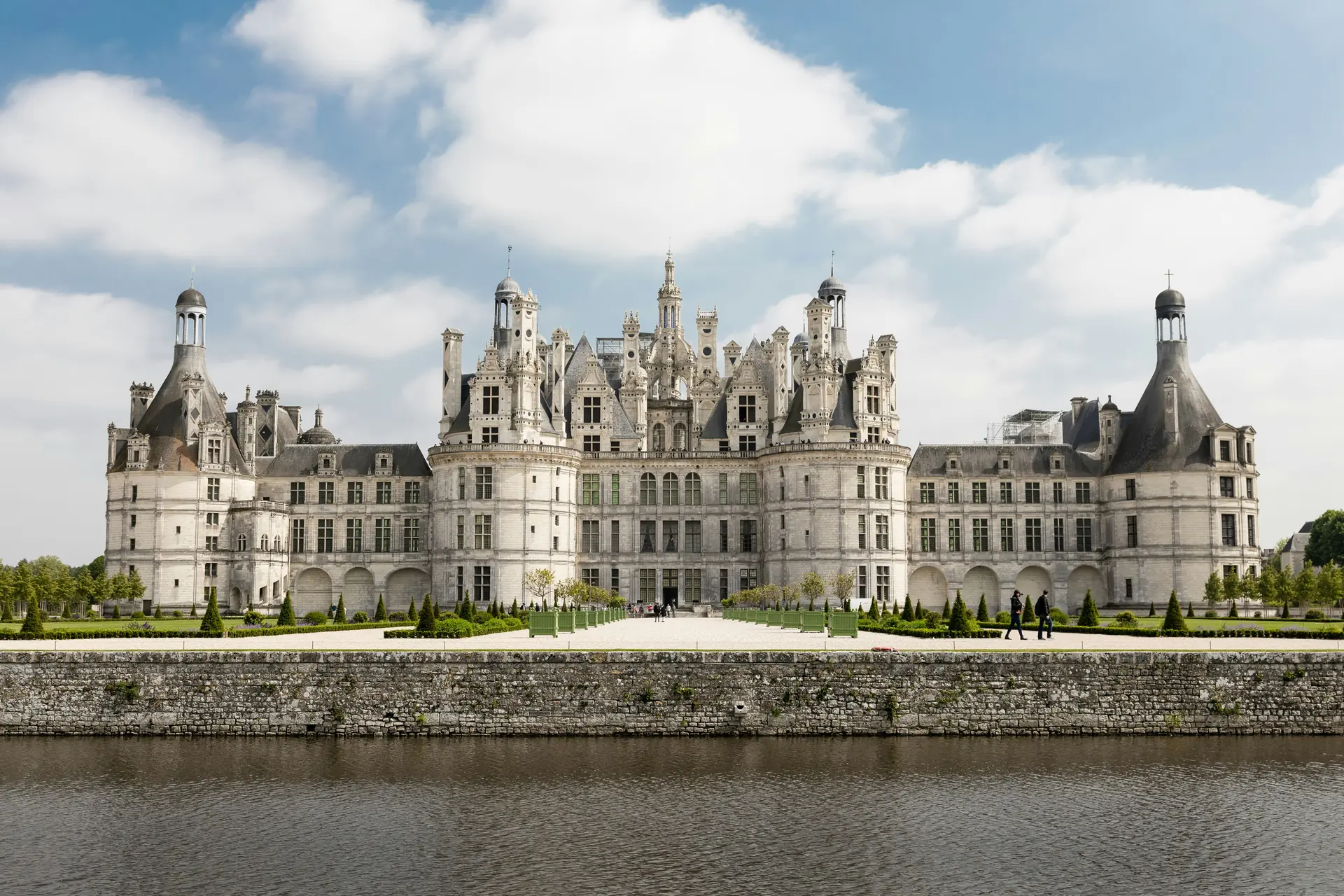
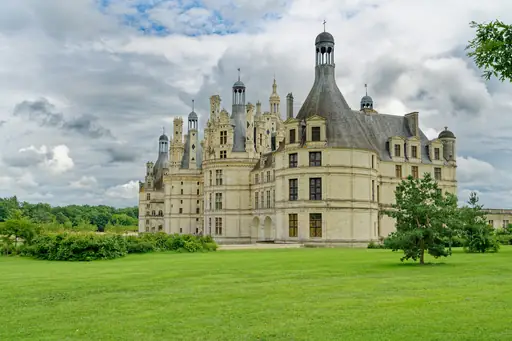
Château de Chambord stands as a remarkable example of French Renaissance architecture. Built in the early 1500s its design combines medieval and classical elements. The castle features a distinctive roofline with numerous chimneys towers and intricate stonework. Visitors can explore vast halls grand staircases and expansive gardens that surround the structure.
The chateau’s history is tied to King François I who commissioned it as a hunting retreat. Its location near the Loire River made it ideal for leisurely pursuits and royal gatherings. Over centuries the building has undergone repairs renovations and preservation efforts to maintain its original character. Today parts of the interior display period furniture tapestries and artworks that reflect its storied past.
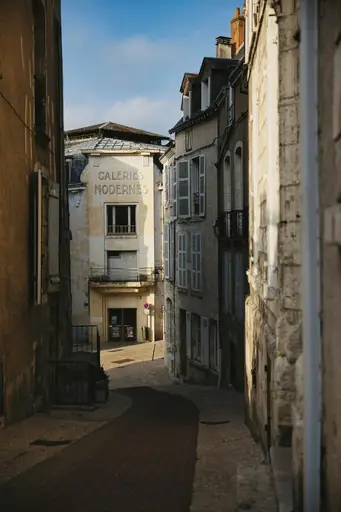
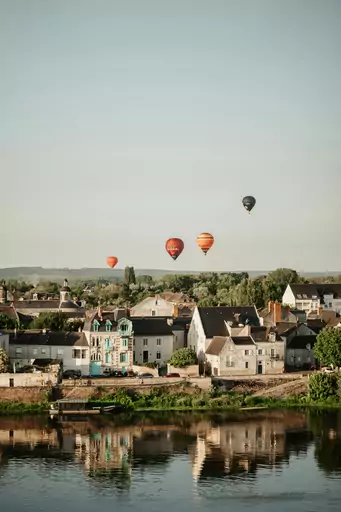
Surrounding grounds include formal gardens water features and wooded paths ideal for walking or cycling. Seasonal events such as concerts exhibitions and guided tours provide opportunities to experience the site in different ways. The nearby town of Blois offers additional amenities including cafes shops and transport links making it easy to combine a visit with other regional attractions.
Travelers interested in history art or architecture will find Chambord both educational and inspiring. Its scale and detail invite close observation while its setting encourages relaxation. Whether exploring the grand rooms or enjoying quiet moments outdoors the chateau remains a significant landmark that showcases France’s cultural heritage.
Château de Chambord, located in Blois, France, is accessible via several transportation methods. The nearest major train station is in Tours, approximately 60 kilometers away, with regional trains connecting to Blois from Paris’s Montparnasse or Gare Saint-Lazare stations. From Tours, travelers can take a short taxi ride or bus (line 11) to the château, which sits about 15 minutes from the town center. Private car routes include Highway A85, linking Chambord to Blois and Tours. For those flying, Orly Airport (Paris) or Rennes–Bretagne Airport are alternatives, requiring a combination of train and bus for the final leg. Guided tours often include round-trip transfers from Paris.
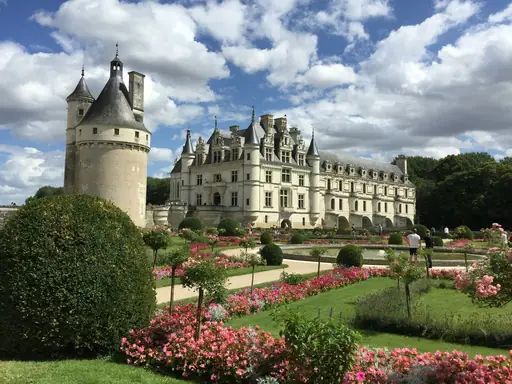
The area around Château de Chambord offers a range of lodging that caters to both budget travelers and those seeking luxury. Guesthouses and boutique inns dot the surrounding villages, providing charming rooms with traditional décor at moderate rates. For families or groups, larger holiday apartments are available in nearby towns such as Blois, offering spacious accommodations equipped with modern amenities. The region is renowned for its historic châteaux hotels, where guests can enjoy a blend of heritage architecture and contemporary comfort. Seasonal bed‑and‑breakfasts often feature local cuisine and scenic views of the Loire Valley, making them an attractive option for visitors looking to immerse themselves in French countryside charm.
Log in to add this place to a travel list and get a summary of all recommended items for your whole trip.
We calculate the average costs when travelling to destinations and compare those with the living costs at your home. With this you can get an estimate of how expensive or cheap the destination is for you.
To customise this, you can set up which location and price level are used for the calculations in your account settings.
The exchange rate price factor shows how expensive or cheap a currency currently is compared to its historical average. It's a quick way to see if a country is currently more or less affordable due to exchange rate changes.
