










Was this page helpful?

| Opening hours: |
|
||
|---|---|---|---|
| Public website: | www.english-heritage.org.uk |
| Power Grid: |
230 V, 50 Hz Plug: Type G
Type G:
 Read about power adapters |
|---|---|
| Currency: | Pound Sterling (GBP) |
| Cashless info: |
Rating 5/5
Cashless payments are widely accepted in the UK, especially in cities. Contactless payments and mobile payment options are increasingly popular, with smaller businesses also accepting cards.
Save with a travel credit card |
| eSIM providers: |
Best value: Saily Flexibility: Airalo Read our in-depth comparison |
| Tipping: | Tipping is customary in the UK, with 10-15% in restaurants. Taxi drivers generally expect a 10% tip or rounding up. Small tips for hotel staff are appreciated. |
|---|---|
| Public drinking: | Public drinking is allowed in many parts of the UK, especially in parks, festivals, and licensed premises. However, it's banned on public transport or in certain public spaces. |
| Public smoking: | Smoking is prohibited indoors in all public spaces, including bars and restaurants. There are designated outdoor smoking areas. |
| Christmas (December) |
Christmas is widely celebrated, expect crowded markets and higher accommodation prices. |
|---|---|
| Bank Holiday (August) |
Busy periods, especially in cities and along coastal areas. Many businesses close. |
| New Year’s Day (January) |
A major public holiday with celebrations and closures in some sectors. |
| Emergency contact: | Emergency Number: 999 or 112 (Police, Fire, Ambulance) |
|---|---|
| Taxi apps: | Uber, Bolt, Free Now, Ola |
| Other: | The UK is well-prepared for tourists, with excellent infrastructure. However, be aware of language barriers in remote areas. |
The best times to travel section shows how the months compare for a visit, so you can find the time of year that fits what you want to do.
Background colours of the months:
The colour shows the typical temperature: yellow (hot), green (mild) and blue (cold). How strong the colour is shows the travel season: full colour means high season, soft colour means shoulder season and soft-striped means off season.
Weather symbols:
Each month has one symbol showing what the weather is typically like, such as hot and sunny, freezing or a rainy or snowy season. Use them to quickly spot months that match the weather you want, or to avoid the ones that don't.
Crowdedness:
The people icon shows how busy the place usually is. The more people, the more crowded it gets.
Additional notes:
The grey info boxes point out special things worth knowing, like recurring weather issues or seasonal events.
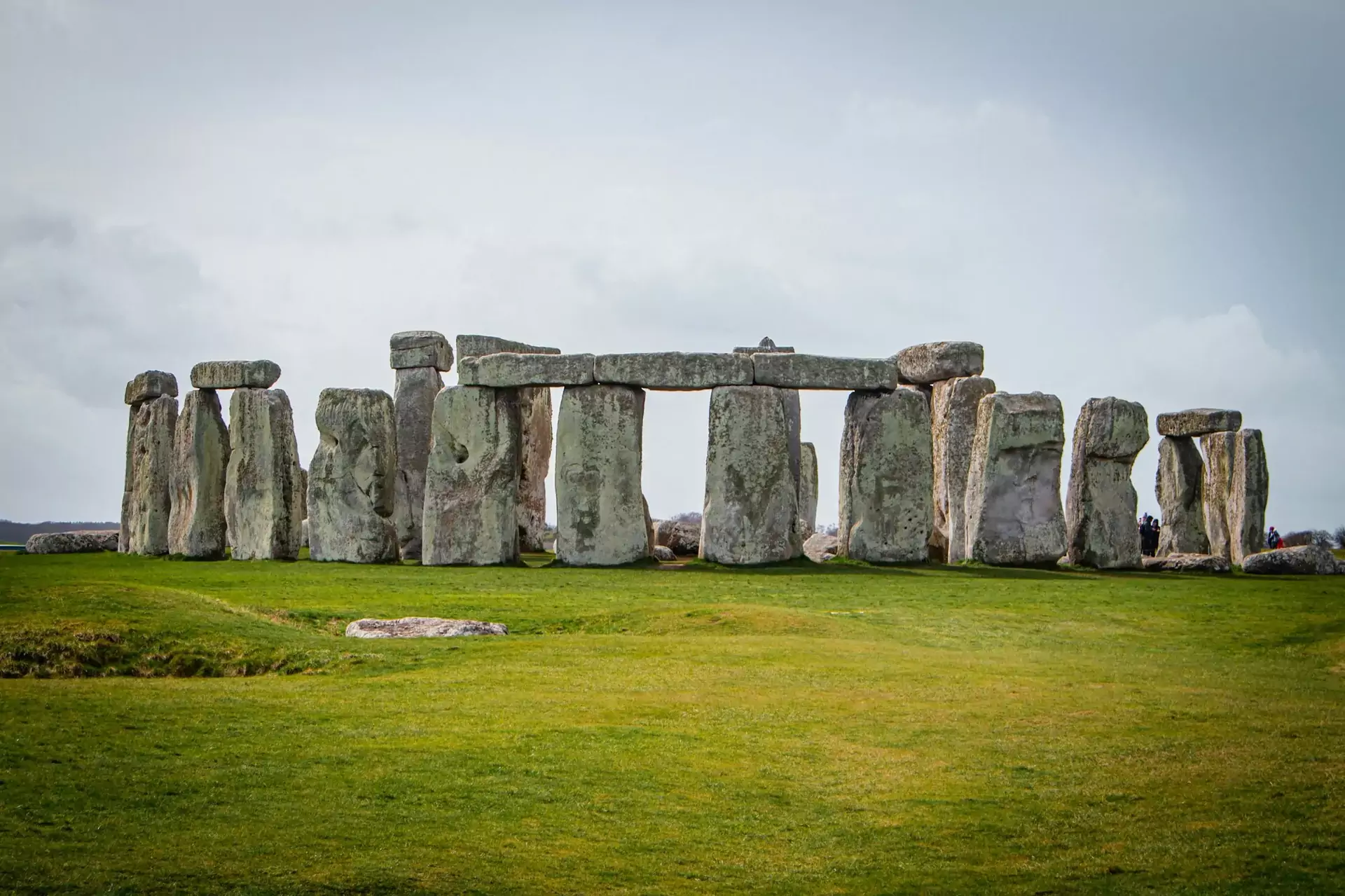
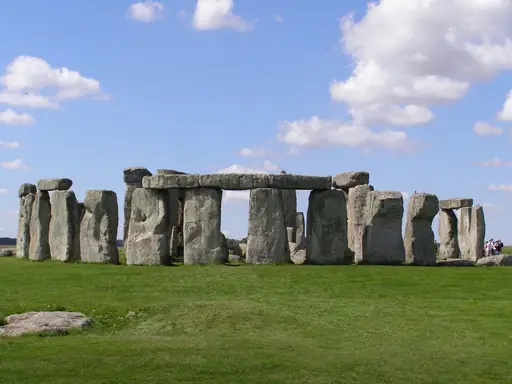
Stonehenge stands as one of Europe’s most recognizable ancient landmarks. Located on Salisbury Plain in England this site draws visitors from around the world. The arrangement of massive stones creates a powerful visual presence that invites curiosity about its origins and purpose. Archaeologists believe it was built over thousands of years with careful planning and effort.
The stones themselves are arranged in a circular pattern with some measuring up to twenty-five feet long. Each piece fits together without mortar suggesting advanced knowledge of engineering for the time. The site’s alignment with the sun during solstices adds another layer of intrigue making it both an astronomical tool and ceremonial space. Many theories exist about its use ranging from burial ground to healing center though no single explanation has been confirmed.
Visitors can walk around the perimeter and observe details up close. Information panels provide context without overwhelming the experience allowing personal reflection on how people might have interacted with this place long ago. The surrounding landscape offers wide views of rolling fields enhancing the sense of timelessness. Early morning light often highlights textures making photographs especially striking.
Access to Stonehenge includes nearby museums that display artifacts found in the area. These exhibits help connect visitors to daily life during prehistoric periods showing tools pottery and other remnants. Guided tours explain research findings clearly helping people understand ongoing debates among scholars. The site remains open year round with seasonal changes affecting visitor numbers but never diminishing its quiet strength.
Most visitors reach Stonehenge via organized tours from London or nearby cities. If traveling independently, you can take a train to Salisbury station, then catch the Stonehenge Tour Bus which departs hourly from the railway station. By car, Stonehenge is located about 12 miles (19 km) from Salisbury. Parking is available at the Visitor Center. Pre-booking tickets online is highly recommended as entry is by timed slots and this is especially important during peak season.
Most visitors experience Stonehenge as a day trip from nearby cities like Salisbury, Bath or London, as there is no accommodation at the site itself. Salisbury, about 12 miles away, offers the closest range of hotels, B&Bs and guesthouses for those wanting to stay in the area. For a fuller experience, consider staying overnight to visit early in the morning or late afternoon when crowds are typically smaller.
Log in to add this place to a travel list and get a summary of all recommended items for your whole trip.
We calculate the average costs when travelling to destinations and compare those with the living costs at your home. With this you can get an estimate of how expensive or cheap the destination is for you.
To customise this, you can set up which location and price level are used for the calculations in your account settings.
The exchange rate price factor shows how expensive or cheap a currency currently is compared to its historical average. It's a quick way to see if a country is currently more or less affordable due to exchange rate changes.
