
Best ancient ruins destinations in Europe
Best ancient ruins destinations in Europe
Classical amphitheaters and prehistoric stone circles in Europe
Europe's ancient sites span an exceptional chronological range, from the megalithic stone structures of the Atlantic fringe that predate the classical world by millennia to the amphitheatres, temples and civic infrastructure left by Greek and Roman civilisation across the Mediterranean. The density of significant remains across the continent is high and many sites are embedded within living cities, making them accessible as part of broader urban itineraries rather than dedicated archaeological trips.
The Mediterranean countries contain the most visited concentrations of classical remains, supported by well-developed tourism infrastructure and extensive guided programmes. Northern and western Europe's prehistoric sites receive fewer visitors and require more planning to cover comprehensively, but the landscape settings are often as compelling as the structures themselves.
Overtourism is a genuine issue at the most famous sites and advance booking is essential during peak season. Shoulder season visits deliver significantly better conditions for both access and atmosphere. Entry fees vary widely and some of the most significant remains are freely accessible within public land, while others charge substantial fees. Seasonal closures affect some smaller sites and are worth checking before travel.
Lists by region
Town in Greece
Mycenae
Ancient citadel of legendary kings
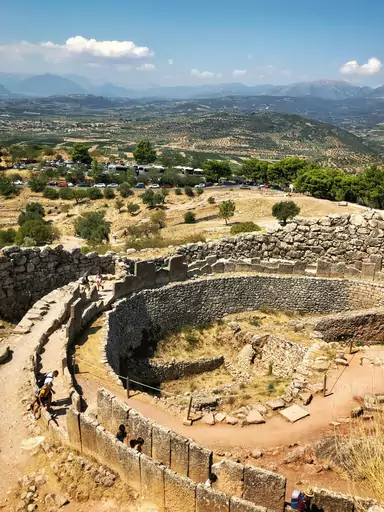
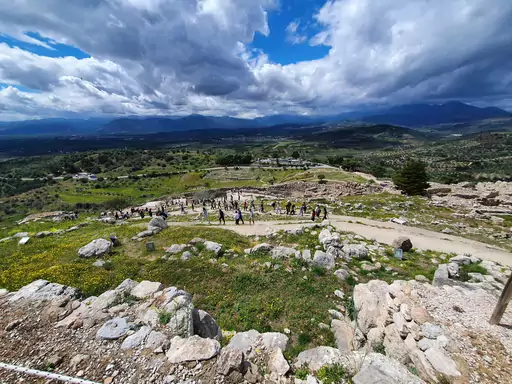
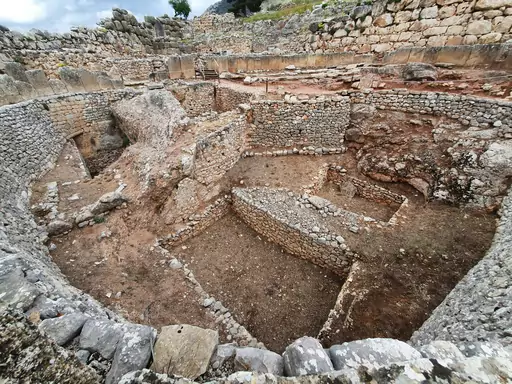
Mycenae was the powerful citadel of Bronze Age Greece and dates from the 13th century BC. The Lion Gate is a monumental entrance carved with two lions. Royal graves inside the walls held masks and gold. The huge beehive tomb known as the Treasury of Atreus lies outside.
City in Italy
Rome
The Eternal City of history and charm
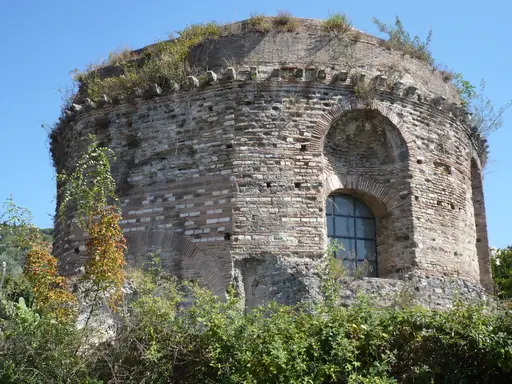
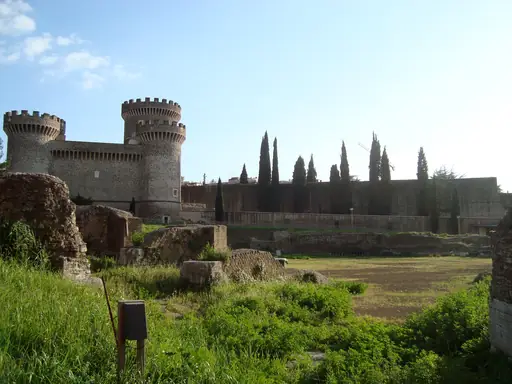
The Colosseum in Rome opened in 80 AD and could hold about 50,000 spectators. Gladiators and animals fought in the arena in front of cheering crowds. A network of tunnels and lifts under the floor served the shows. Three tiers of arches rise on the outer wall and once held statues.
Island in Greece
Rhodes
Medieval Charm and Sun-Kissed Beaches
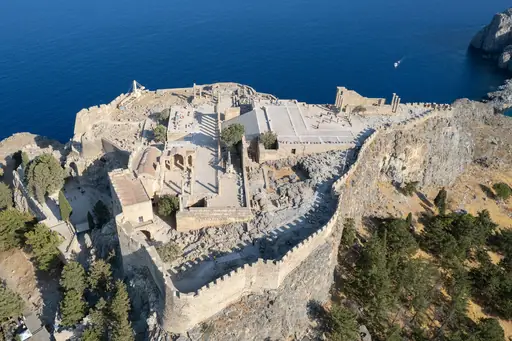
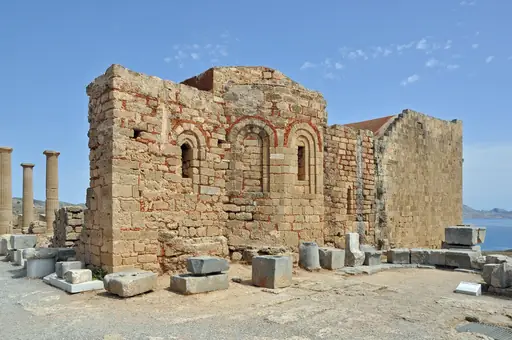
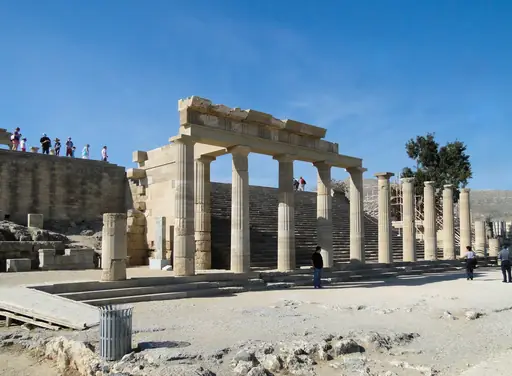
The Acropolis of Lindos on Rhodes rises 116 metres above the sea. A Doric temple to Athena Lindia was built here in the 4th century BC. Steep steps climb past a Hellenistic stoa and Crusader walls. The view over the harbour shows a white village and blue bay.
Town in Greece
Olympia
Birthplace of the Olympic Games
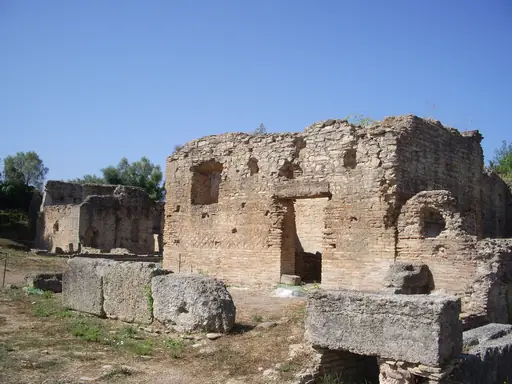
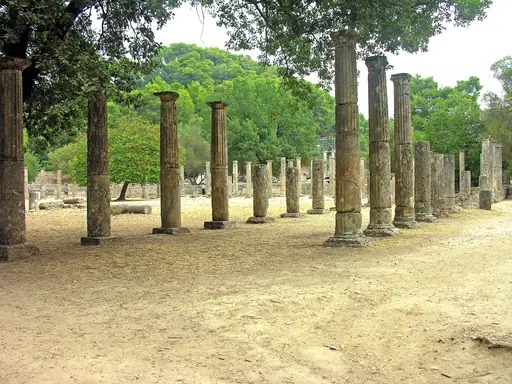
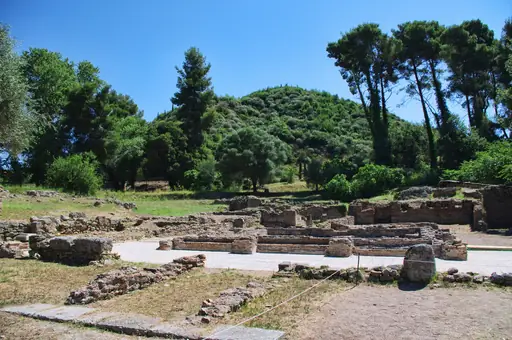
Olympia was the site of the ancient Olympic Games from 776 BC. The stadium track is about 192 metres long and still has its stone starting line. Toppled columns lie around the Temple of Zeus. The Olympic flame is lit here with a mirror and the sun.
City in Greece
Heraklion
Ancient Wonders Meet Mediterranean Charm
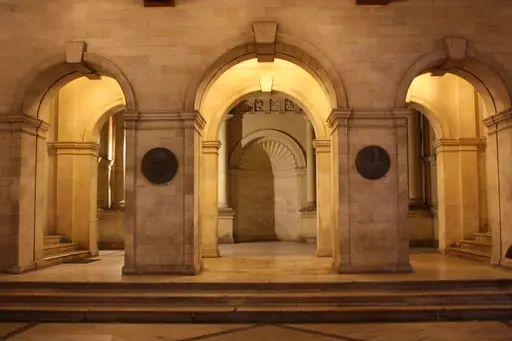
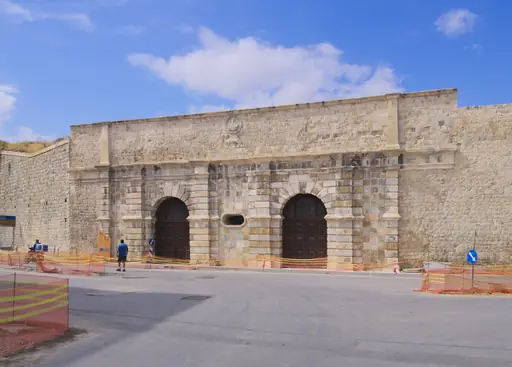
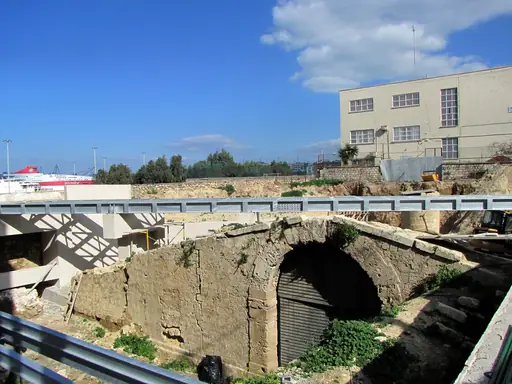
The Palace of Knossos near Heraklion was the centre of Minoan Crete around 1900 BC. Arthur Evans restored parts in the early 1900s and added bright red columns. Frescoes show dolphins and bull leapers. The maze of rooms and corridors inspired the myth of the labyrinth.
City in Cyprus
Pafos
Myth, Mosaics and Mediterranean Sun
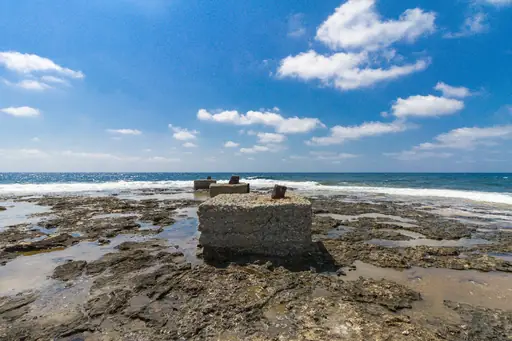
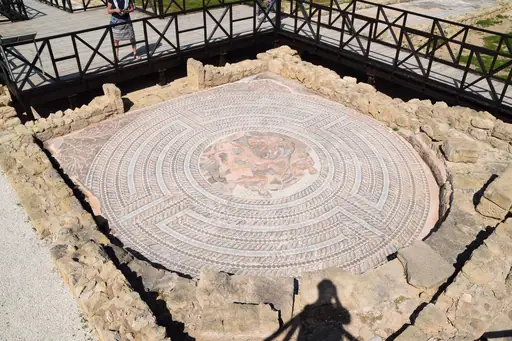
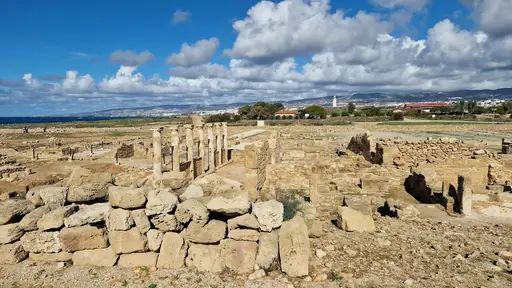
Paphos Archaeological Park on Cyprus holds Roman villas with floors covered in colourful mosaics. The House of Dionysos dates from the 3rd century AD and shows scenes from Greek myths. Nearby the Tombs of the Kings are underground burial chambers cut into rock with Doric columns. Visitors can walk through them by the sea.
City in France
Nîmes
Roman Grandeur in Southern Sun
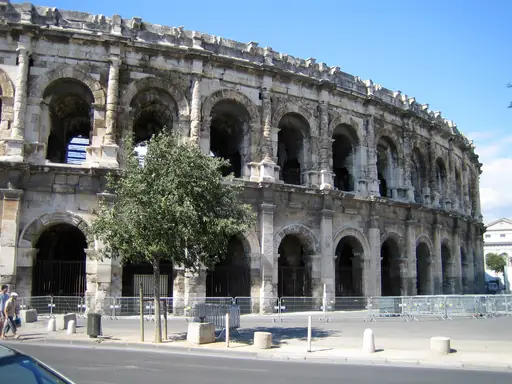
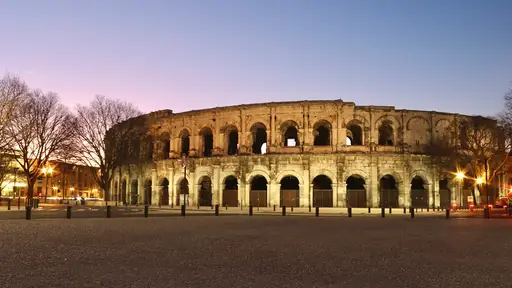
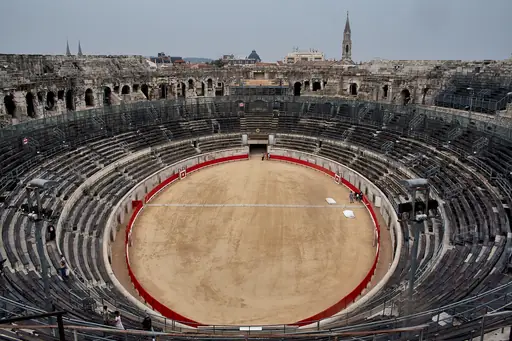
The Arena of Nimes was built around 70 AD and could hold about 24,000 spectators. Two rows of arches surround the oval building. It is a very well preserved Roman amphitheatre. Today it hosts concerts and bullfights. Visitors can also see the Maison Carree temple nearby.
Town in Portugal
Évora
A Timeless Journey Through History
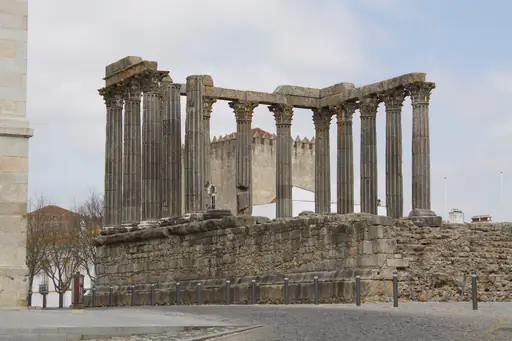
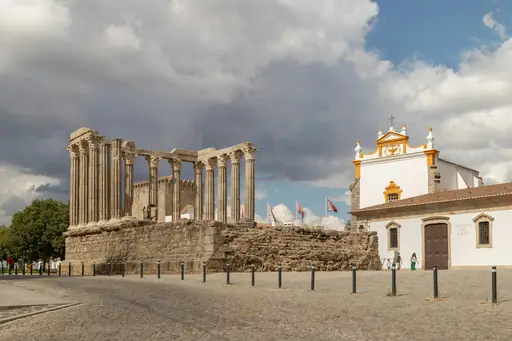
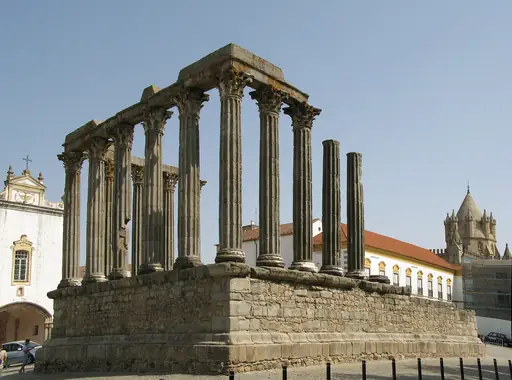
The Roman Temple of Diana in Evora dates from the 1st century AD. It stands in the middle of the old town. Fourteen granite Corinthian columns remain in place. The temple survived because it was used as a slaughterhouse in the Middle Ages. Whitewashed houses surround the ruins.
City in Germany
Trier
Roman gates, baths and Moselle wine
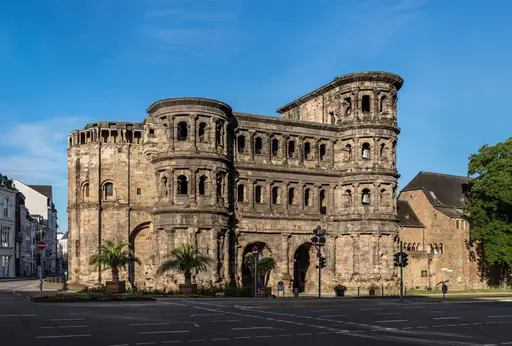
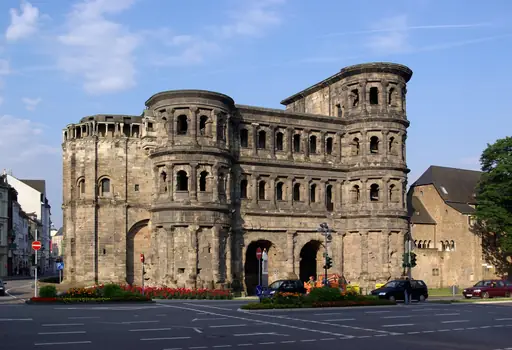
The Porta Nigra in Trier is a huge Roman city gate built in the 2nd century AD from grey sandstone. Its blocks were held together with iron clamps without mortar. The gate has four stories with arched windows. It gets its name from the dark colour of the stone.
City in Italy
Agrigento
Sicily's Ancient Jewel of Ruins
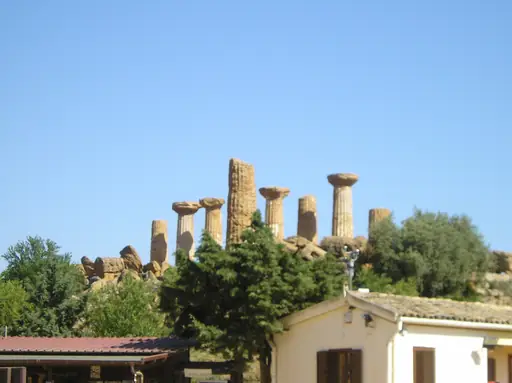
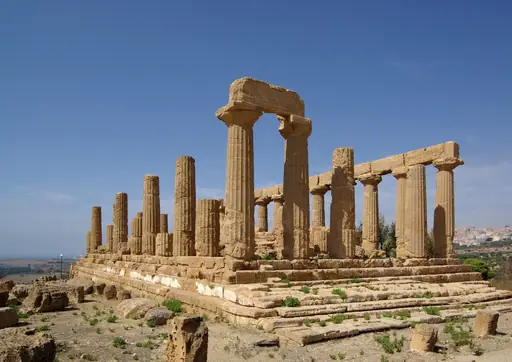
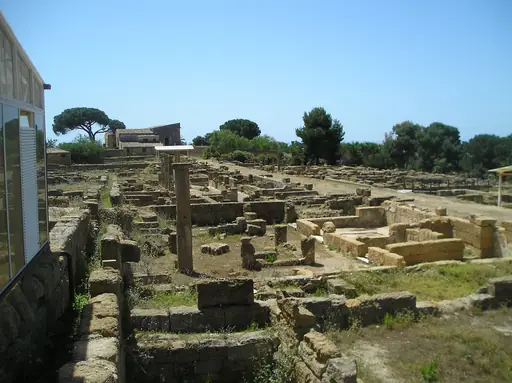
At Agrigento the Temple of Zeus was one of the largest Greek temples ever planned. Builders never finished it after Carthaginian attacks in 406 BC. A fallen stone giant called a telamon measures about eight metres and lies among the blocks. A replica stands upright nearby for comparison.
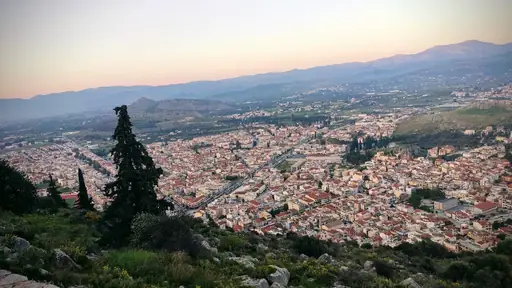
Town in Greece
Nafplio
Venetian Charm Meets Greek History
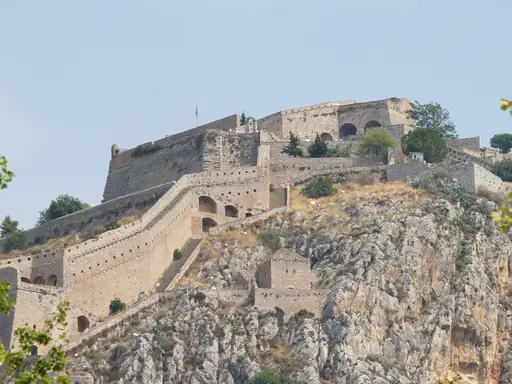
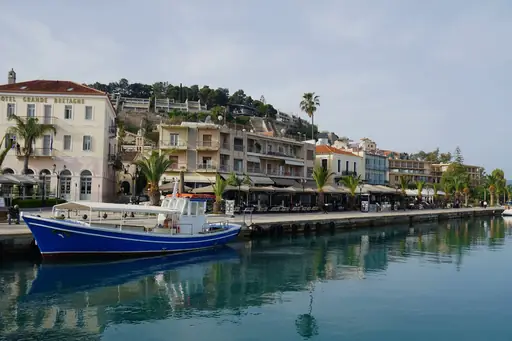
The ancient theatre of Epidaurus lies near Nafplio and dates from the 4th century BC. It seats about 14,000 people in a perfectly shaped hillside bowl. A whisper on the stage can be heard from the top rows. Plays are still performed here each summer.
City in Greece
Athens
Where ancient ruins meet urban energy
The Tower of the Winds in the Roman Agora of Athens was built in the 1st century BC. This octagonal marble tower had a water clock and a sundial. Carved figures on each side show the winds. A weather vane in the shape of a bronze Triton once stood on top.
Region in Italy
Campania
Ancient ruins meet coastal paradise
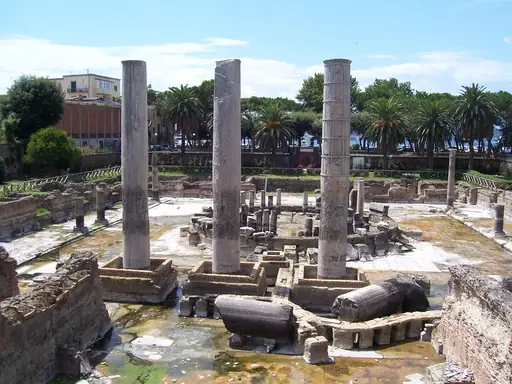
Paestum in southern Campania has three Greek temples of the 6th and 5th centuries BC. The Temple of Hera and the Temple of Neptune stand almost complete in golden stone. City walls run nearly five kilometres around the ancient site. Roses once bloomed here twice a year according to poets.

Town in Greece
Delphi
The legendary oracle of Greece
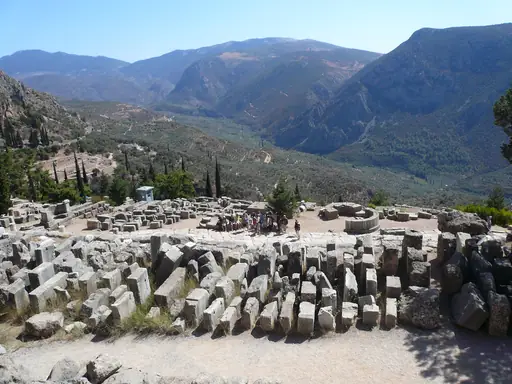
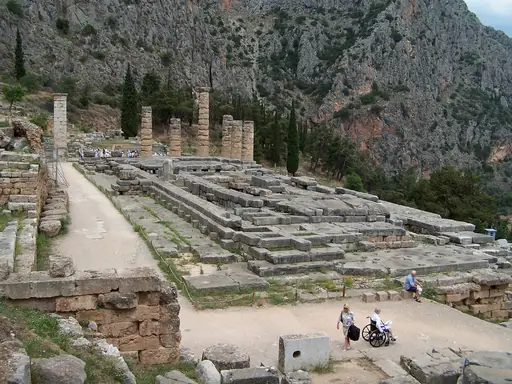
Delphi was the seat of the oracle of Apollo and sits on the slopes of Mount Parnassus. Pilgrims climbed the Sacred Way past treasuries and statues. The marble Treasury of the Athenians was built around 490 BC. A theatre and stadium lie higher up with views over the valley.
City in Italy
Syracuse
Ancient ruins by the sea
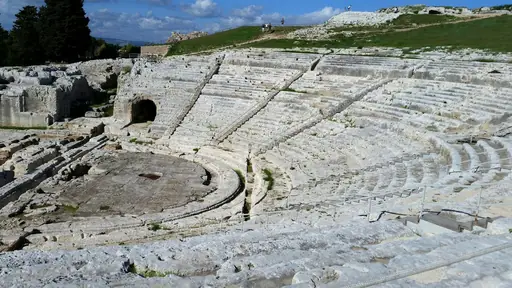
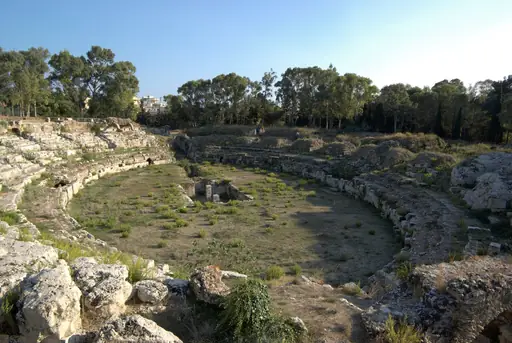
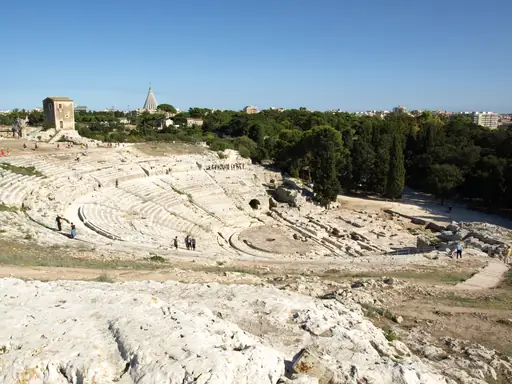
The Ear of Dionysius in Syracuse is a cave about 23 metres high with a curved ear shape. It was cut into limestone in ancient quarries. The chamber has strong echoes that make every voice boom. The nearby Greek Theater once held about 15,000 spectators and still hosts plays in summer.
Island in Greece
Crete
A Journey Through History and Nature
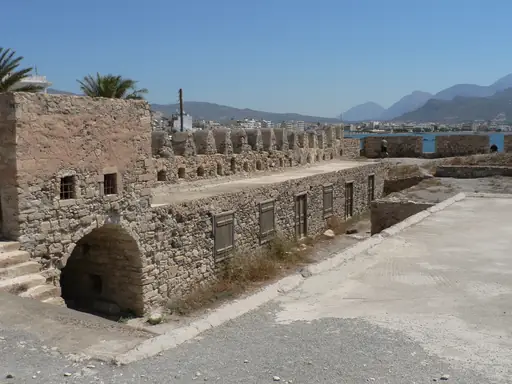
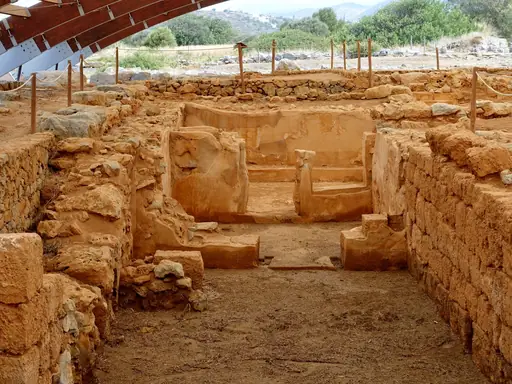
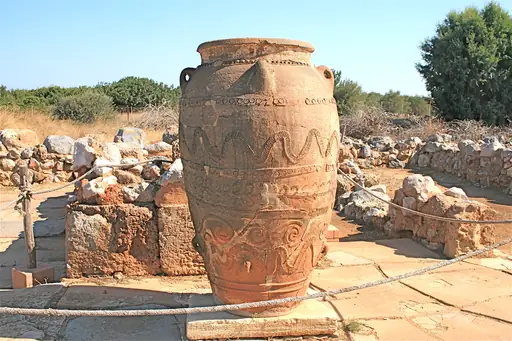
Phaistos in southern Crete was a Minoan palace built around 1900 BC on a hill above the Messara plain. Broad stone stairways and courtyards still show the plan. In 1908 archaeologists found a clay disc covered in stamped symbols here. Mount Ida rises in the distance.
Nature Reserve in Greece
Meteora
Monasteries Suspended in the Sky
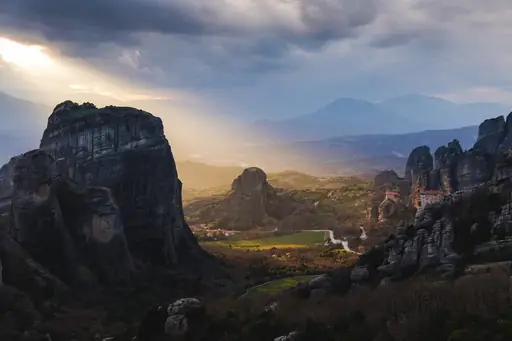
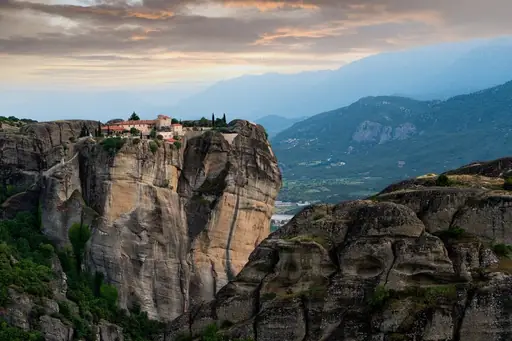
Meteora in Greece has huge sandstone pillars that rise about 400 metres above the Thessaly plain. Hermit monks first settled here in caves and small stone hermitages that are now mostly in ruins. Six monasteries still stand on the summits. Stairs and cable baskets once carried supplies and people up to the monasteries.
Historic Site in United Kingdom
Stonehenge
Mysterious Ancient Stones of Wonder
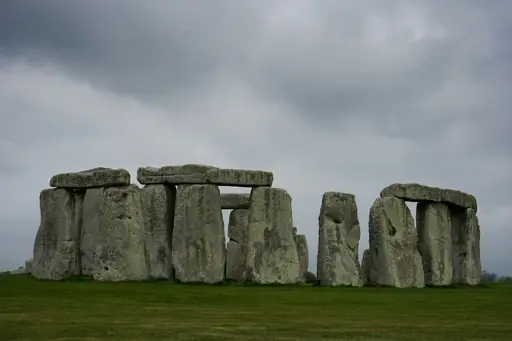
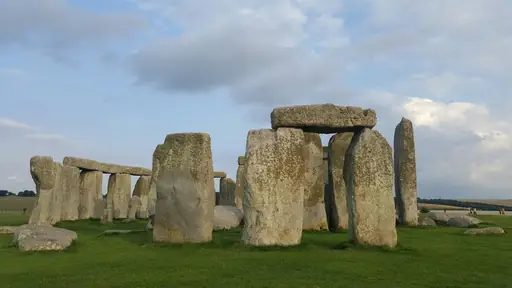
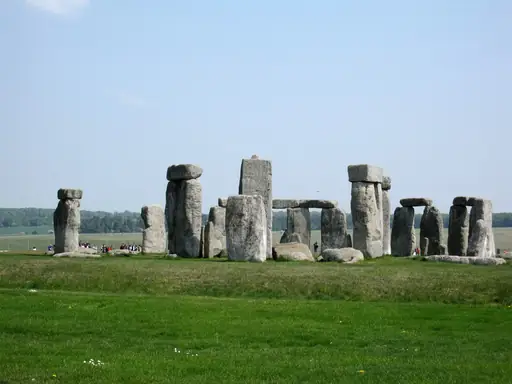
Stonehenge in England is about 5,000 years old and has a ring of huge standing stones. The largest sarsens weigh about 25 tons. Smaller bluestones were brought from Wales about 240 kilometres away. At the summer solstice the sun rises in line with the Heel Stone.
City in Spain
Tarragona
Roman Ruins Meet Mediterranean Bliss
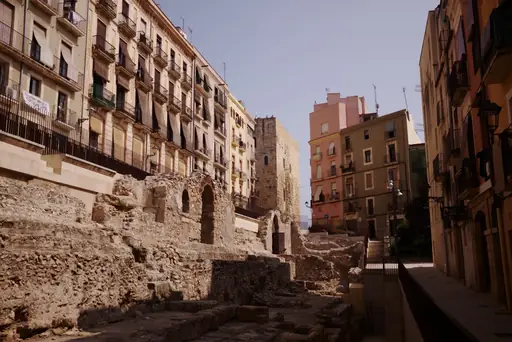
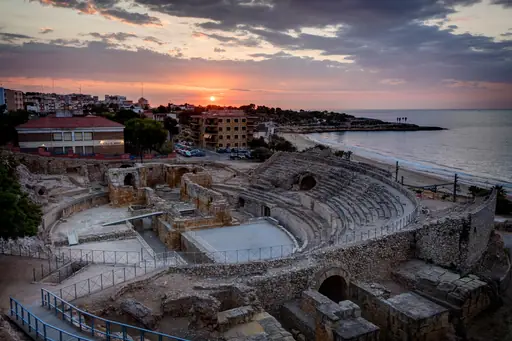
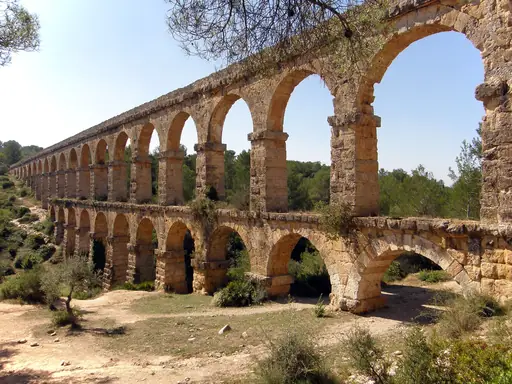
The Roman amphitheatre of Tarragona was built in the 2nd century AD on a hillside above the sea. It could hold about 14,000 people. Gladiator fights and public games took place in the arena. Visitors sit on the stone benches and look out over the Mediterranean.
Historic Site in Athens
Acropolis
Ancient Glory Above Athens
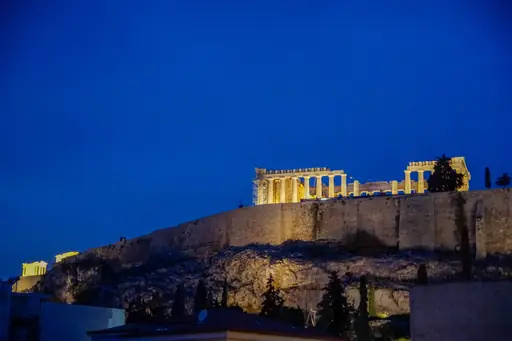
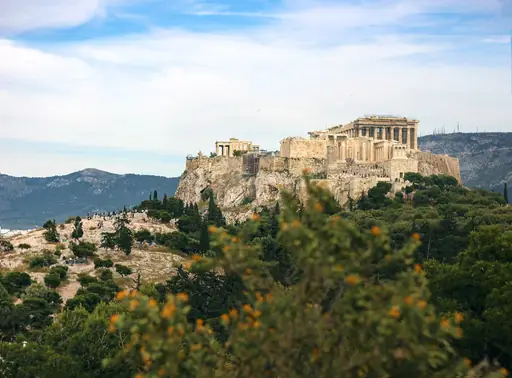
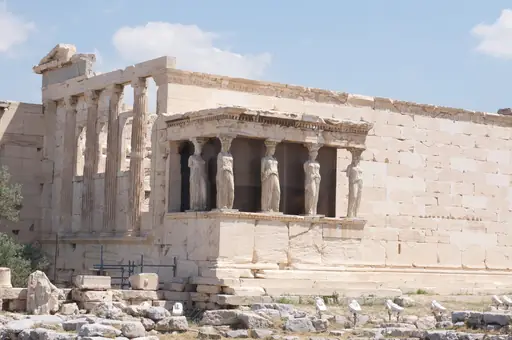
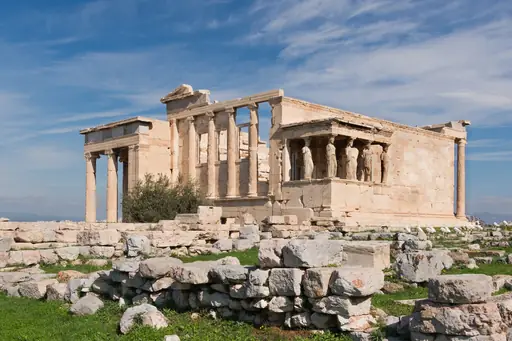
The Propylaea is the monumental gateway to the Acropolis and was built in the 430s BC. Doric columns of marble frame the steep entrance. On a bastion to the right stands the tiny Temple of Athena Nike. Visitors climb the same path used by ancient processions.
Historic Site in Athens
Temple of Olympian Zeus
Majestic Ruins of Ancient Greece
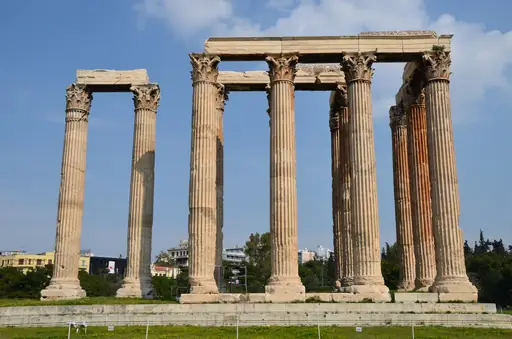
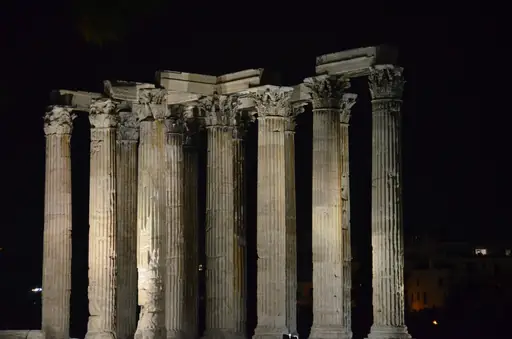
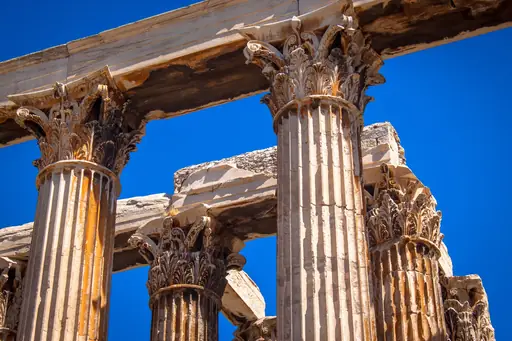
Emperor Hadrian finished the Temple of Olympian Zeus in Athens in 131 AD after more than 600 years of work. It once had 104 Corinthian columns. Fifteen giant columns still stand about 17 metres tall. One fallen column lies where a storm knocked it down in 1852.
Archaeological Site in Naples
Herculaneum
Ancient ruins echoing Mediterranean legends
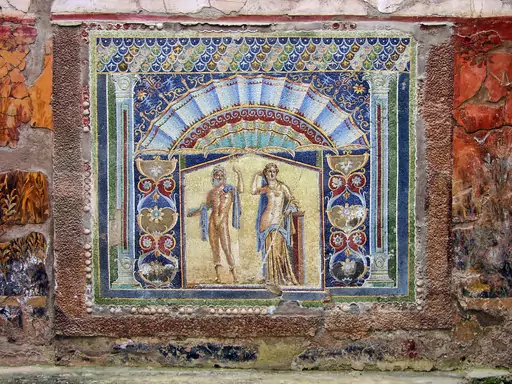
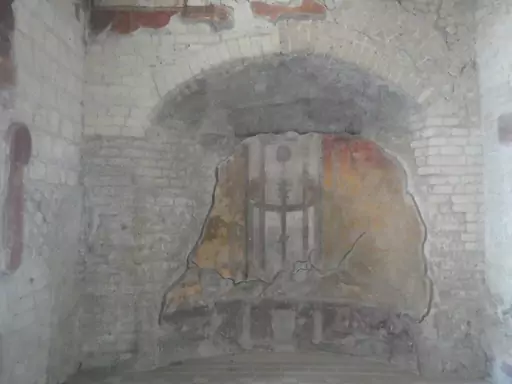
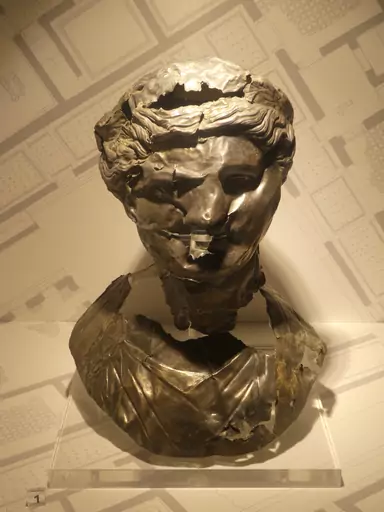
Herculaneum was buried by the eruption of Vesuvius in 79 AD under about 15 metres of volcanic material. The deep layers preserved wooden beams and doors that burned away elsewhere. Some houses still have upper floors and mosaics. Visitors can walk streets that are smaller and quieter than Pompeii.
Archaeological Site in Naples
Pompeii Archaeological Site
Ancient City in Vesuvius’ Shadow
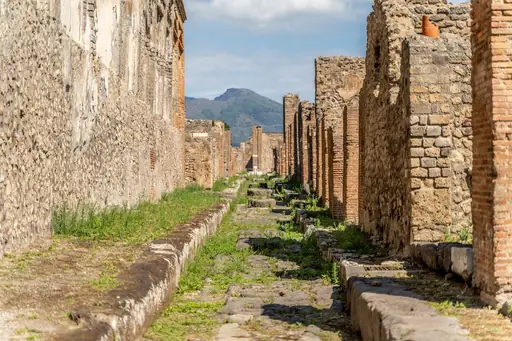
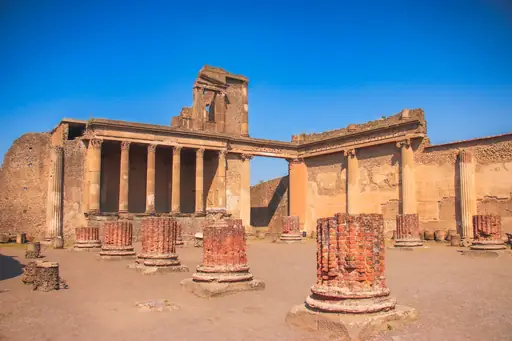
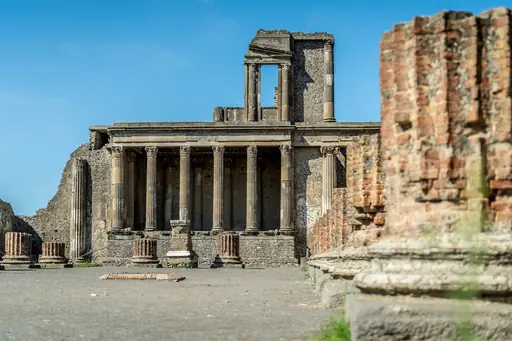
Pompeii was buried by ash in 79 AD and lies at the foot of Vesuvius. Streets still have deep cart ruts and stepping stones. Plaster casts show the poses of victims caught by the eruption. Frescoes in the Villa of the Mysteries glow in deep red.
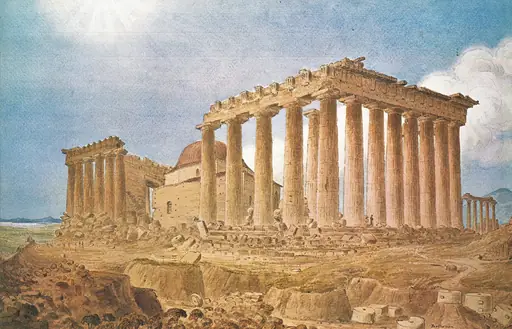
Historic Temple in Athens
Parthenon
Ancient Temple of Athena's Glory
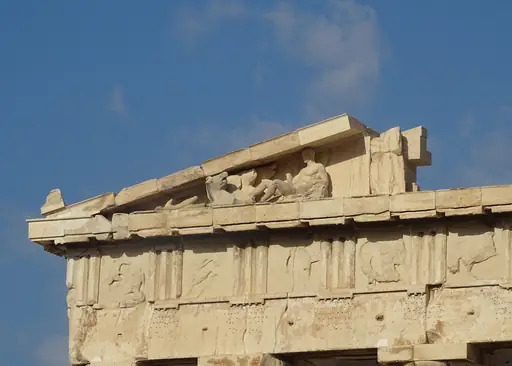
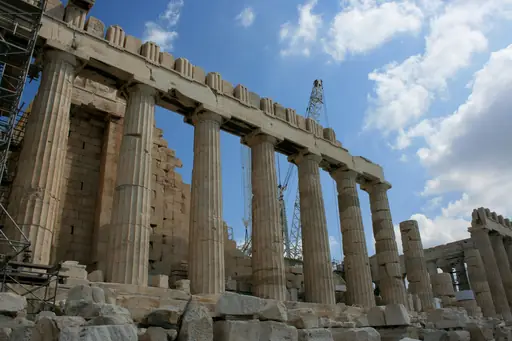
The Parthenon in Athens was built between 447 and 432 BC to honour the goddess Athena. Forty six Doric columns surround the marble temple. Carved friezes and pediments once showed gods and battles. Inside stood a giant gold and ivory statue by the sculptor Pheidias.
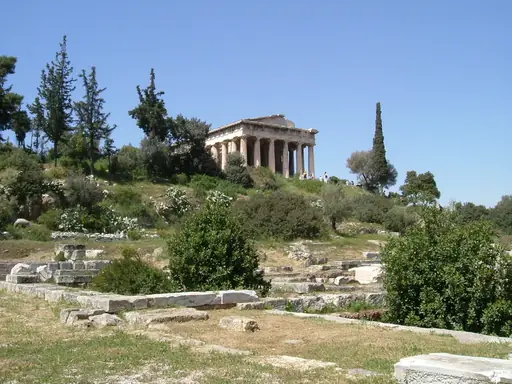
Historic Site in Athens
Ancient Agora of Athens
Heart of Ancient Athenian Life
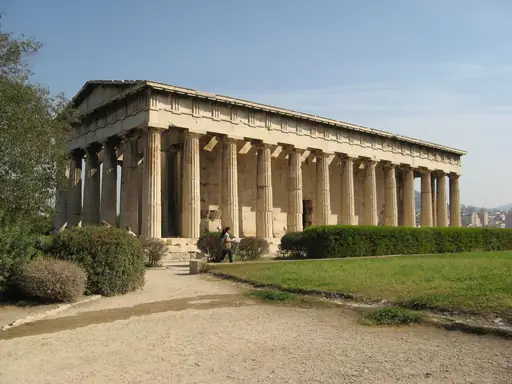
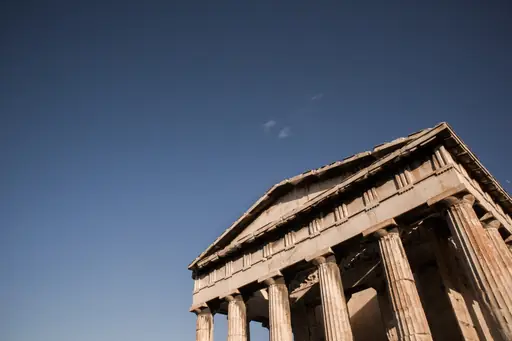
Overlooking the Ancient Agora of Athens stands the Temple of Hephaestus from the 5th century BC. It is a very well preserved Doric temple with most of its columns and roof. The Agora was the marketplace and civic centre of the city. Socrates often spoke with citizens here.
Other lists you may like
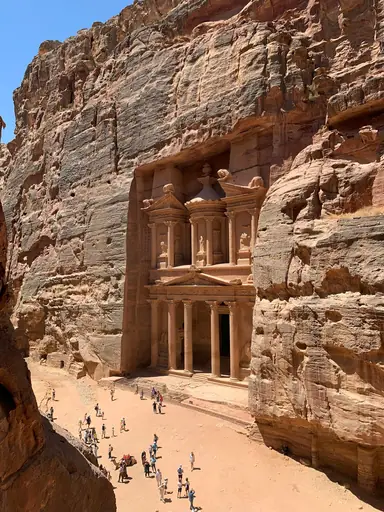
Discover
Top ancient ruins destinations and archaeological sites
The world's most significant ancient ruin destinations range from the ceremonial complexes of early river civilisations and the monumental remains of classical empires to the less…
Read more
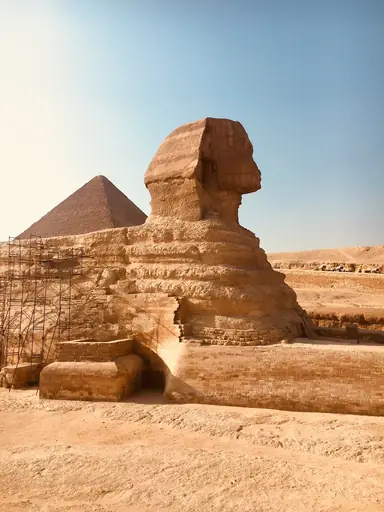
Discover
Best ancient ruins destinations in Africa
Africa's ancient sites span a wider chronological range than any other continent, with the Nile Valley alone containing a sequence of monumental construction that stretches across…
Read more
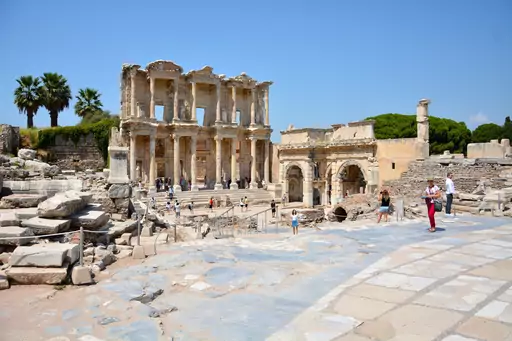
Discover
Best ancient ruins destinations in Asia
Southeast Asia's largest religious monuments rank among the most significant architectural achievements anywhere, built at a scale that still requires multiple days to properly…
Read more
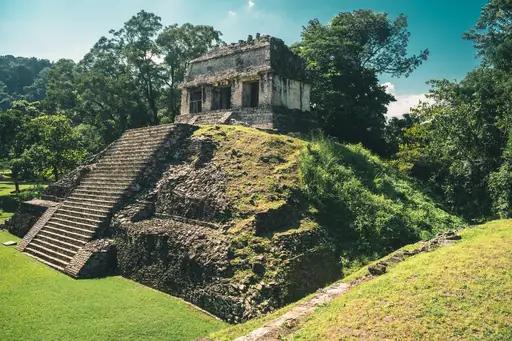
Discover
Best ancient ruins destinations in North America
North America's ancient sites offer a striking counterpoint to the continent's modern identity, with pre-Columbian ceremonial complexes, cliff dwellings and earthwork mounds…
Read more
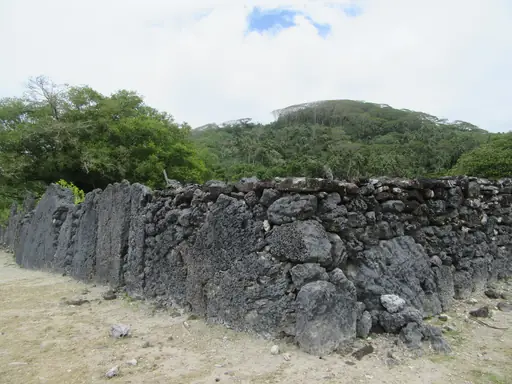
Discover
Best ancient ruins destinations in Oceania
Oceania's ancient sites are less monumental than those of other regions but offer a distinct and often underappreciated window into the settlement of the Pacific, one of the most…
Read more
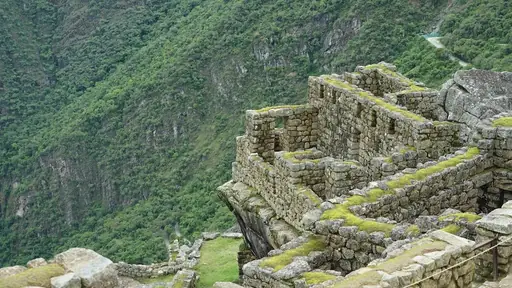
Discover
Best ancient ruins destinations in South America
South America's ancient sites are dominated by the achievements of Andean civilisations, whose monumental stonework, road networks and ceremonial complexes represent some of the…
Read more
What other users say about travelfilters
“travelfilters made it easy for me to find ski areas and compare what else they offer, so that I could find the best place for my personal travel style.”

Chris
Snowboarding & Onsen trip to Japan
“I love how transparent the data feels. There is no pushy upsell, just honest information and settings I can tune to my own travel style.”

Maria
After booking her 2027 winter escape
“The level of detail for each destination and how well those are displayed, make planning feel confident instead of overwhelming.”

Mina
Planned a week in New York City
“We used travelfilters for our planning from start to end. The trip turned out even better than expected, thanks to all their tools and customisation options.”

Allan & Etienne
Trip to Japan to see autumn foliage
“Thanks to travelfilters, I found some hidden gems to see. Being able to filter for exactly your interests is a game changer for my travel planning.”

Michael
Tour through the old cities of Northern Italy
“The customizable filters helped me find a quiet beach town with good wifi and low season crowds in under five minutes.”

Diego
Weekend Escape to Llanes, Spain
“The airport connection map saved me hours by showing good flight options from my home airport to lesser-known cities.”

Nguyen
Planning a 2027 trip to France
“The website is clean, fast and focused on the search itself, which makes travelfilters feel more like a professional tool than an ad-heavy booking site.”

Hassan
Christmas Market trip, Germany
