







Was this page helpful?

| Opening hours: |
|
||
|---|---|---|---|
| Public website: | ercolano.cultura.gov.it |
| Power Grid: |
230 V, 50 Hz Plug: Type C , Type F
Type C:
  Read about power adapters |
|---|---|
| Currency: |
Euro (EUR) £1 ≈ €1.19 |
| Cashless info: |
Rating 5/5
Cashless payments are widely accepted in Italy, particularly in cities. While larger establishments and chains are fully cashless, smaller shops may still prefer cash.
Save with a travel credit card |
| eSIM providers: |
Best value: Saily Flexibility: Airalo Read our in-depth comparison |
| Tipping: | Tipping is customary in Italy, especially in restaurants where 10-15% is typical. Tipping for taxi drivers is usually rounded up or 5-10%. Small tips for hotel staff are also appreciated. |
|---|---|
| Public drinking: | Public drinking is allowed in Italy, especially in public squares and during festivals. In some regions, it is illegal to drink alcohol in certain areas like public transport or near schools. |
| Public smoking: | Smoking is banned in indoor public spaces and on public transport. Designated smoking areas are available outside. |
| Ferragosto (August) |
Many businesses close, and Italians take holidays. It’s very busy in tourist areas. |
|---|---|
| Christmas (December) |
Christmas markets and festivities are popular, expect higher prices and crowded attractions. |
| La Befana (January) |
Celebrated on January 6, the Epiphany is a public holiday with festive events, and some businesses close. |
| Emergency contact: | Emergency Number: 112 (Police, Fire, Ambulance) |
|---|---|
| Taxi apps: | Uber, Free Now, ItTaxi |
| Other: | Italy's tourist infrastructure is well-developed, but some rural or historical areas may require extra planning for accessibility. |
The best times to travel section shows how the months compare for a visit, so you can find the time of year that fits what you want to do.
Background colours of the months:
The colour shows the typical temperature: yellow (hot), green (mild) and blue (cold). How strong the colour is shows the travel season: full colour means high season, soft colour means shoulder season and soft-striped means off season.
Weather symbols:
Each month has one symbol showing what the weather is typically like, such as hot and sunny, freezing or a rainy or snowy season. Use them to quickly spot months that match the weather you want, or to avoid the ones that don't.
Crowdedness:
The people icon shows how busy the place usually is. The more people, the more crowded it gets.
Additional notes:
The grey info boxes point out special things worth knowing, like recurring weather issues or seasonal events.
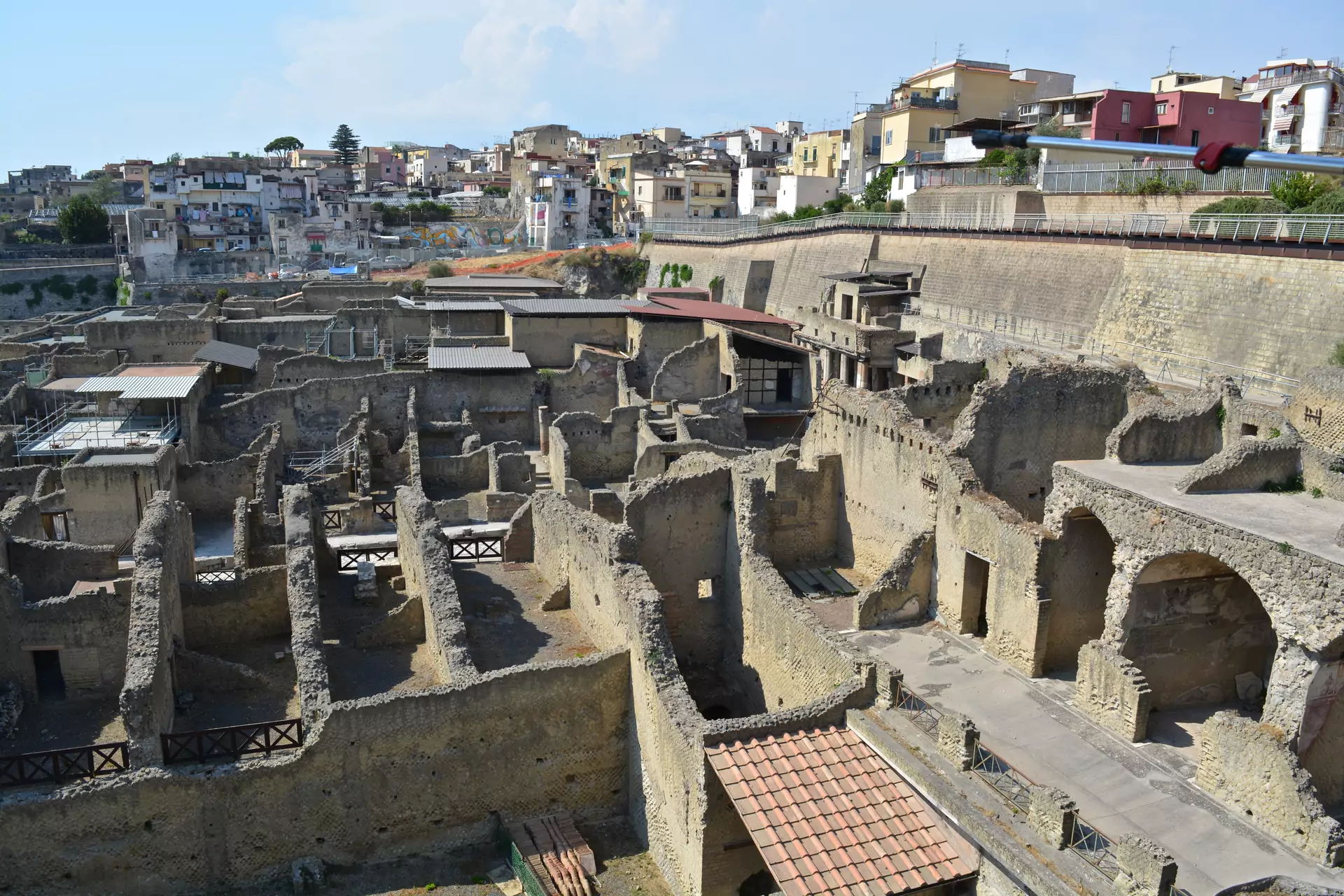
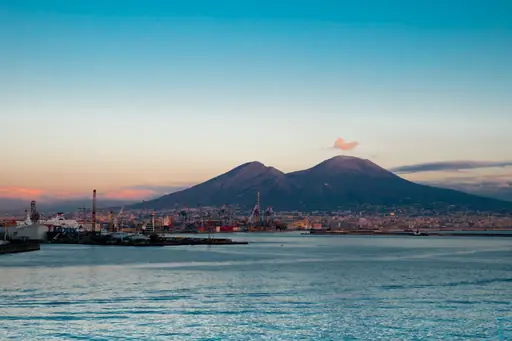
Campania in southern Italy holds one of its most compelling stories at Herculaneum. This ancient town sits near the shadow of Mount Vesuvius and was buried by volcanic ash in 79 AD. Unlike larger sites that attract crowds, Herculaneum feels intimate. Visitors walk among well-preserved homes with original mosaics still visible on floors. The site reveals daily life frozen in time offering a clear view of Roman architecture and social customs.
The archaeological area includes multi-level buildings some with upper floors intact. Wooden furniture remains where it once stood. A boat house along the ancient shoreline shows how residents used water for travel and trade. Archaeologists have uncovered artifacts such as pottery tools and personal items that help explain daily routines. The preservation of organic materials here is rare making Herculaneum a key place to study Roman engineering and art.
Accessing the site involves walking along marked paths through gardens and ruins. Guides can point out details like frescoes still showing color and drainage systems built centuries ago. The onsite museum displays finds from the dig including jewelry pottery and skeletal remains found in the boat house. These objects connect visitors to people who lived here long before the eruption changed everything.
Travelers often combine a visit with nearby Pompeii or Mount Vesuvius for a fuller picture of the region’s history. Public transport connects Naples to Herculaneum making it easy to reach without a car. The site remains open year round though summer heat can be strong. Bring comfortable shoes and allow time to explore slowly because details matter here.
Herculean archaeological site is accessible via Naples' public transport system, with bus lines SITA and local buses offering direct routes from the city center. The nearest train station, Herculaneum Scavi, connects to Naples’ central hub, allowing transfers within 15 minutes. A taxi ride from Naples takes approximately 20–30 minutes, depending on traffic. Private tours or guided shuttle services are available for visitors preferring dedicated transport. The site is located near the Sorrento Peninsula, with coastal roads providing scenic access by car. Visitors must purchase tickets at the entrance and entry requires walking a short distance from the nearest parking area or bus stop.
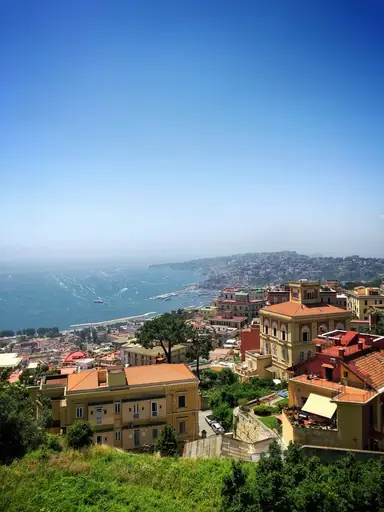
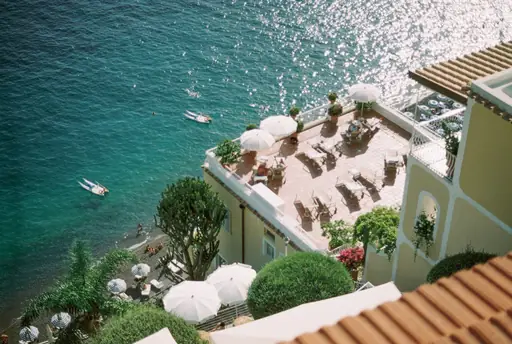
Close to the ancient ruins of Herculaneum, visitors find a mix of boutique agriturismos and modern bed‑and‑breakfasts nestled in the surrounding hills. Many accommodations emphasize rustic charm, offering rooms with panoramic views of the Bay of Naples and traditional Campanian décor. Prices range from €70 (£58.97) for basic rooms to €150 (£126.36) for suites featuring private terraces and local wine tastings. The area is renowned for its “casa di campagna” style lodging, where guests can enjoy homemade pasta and fresh olive oil straight from the estate. For those seeking convenience, a few serviced apartments provide kitchenettes and free Wi‑Fi, making it easy to explore the archaeological site at your own pace.
Log in to add this place to a travel list and get a summary of all recommended items for your whole trip.
We calculate the average costs when travelling to destinations and compare those with the living costs at your home. With this you can get an estimate of how expensive or cheap the destination is for you.
To customise this, you can set up which location and price level are used for the calculations in your account settings.
The exchange rate price factor shows how expensive or cheap a currency currently is compared to its historical average. It's a quick way to see if a country is currently more or less affordable due to exchange rate changes.
