







Was this page helpful?

| Opening hours: |
|
||||
|---|---|---|---|---|---|
| Public website: | www.museivaticani.va |
| Power Grid: |
230 V, 50 Hz Plug: Type C , Type F
Type C:
  Read about power adapters |
|---|---|
| Currency: |
Euro (EUR) £1 ≈ €1.19 |
| Cashless info: |
Rating 5/5
Cashless payments are widely accepted in Vatican City, especially in restaurants, shops, and tourist attractions. Credit cards and mobile payments are common.
Save with a travel credit card |
| eSIM providers: |
Best value: Saily Flexibility: Airalo Read our in-depth comparison |
| Tipping: | Tipping is not expected in Vatican City, but it is appreciated in restaurants and hotels. A small tip (5-10%) for good service is common. |
|---|---|
| Public drinking: | Public drinking is not prohibited but is not commonly seen. It is typically confined to licensed establishments. |
| Public smoking: | Smoking is prohibited in indoor public spaces, including restaurants, bars, and offices. |
| Saints Peter and Paul (29 June) |
National holiday |
|---|---|
| Christmas (25 December) |
Celebrated with mass and other religious observances |
| Emergency contact: | Emergency Number: 112 |
|---|---|
| Taxi apps: | |
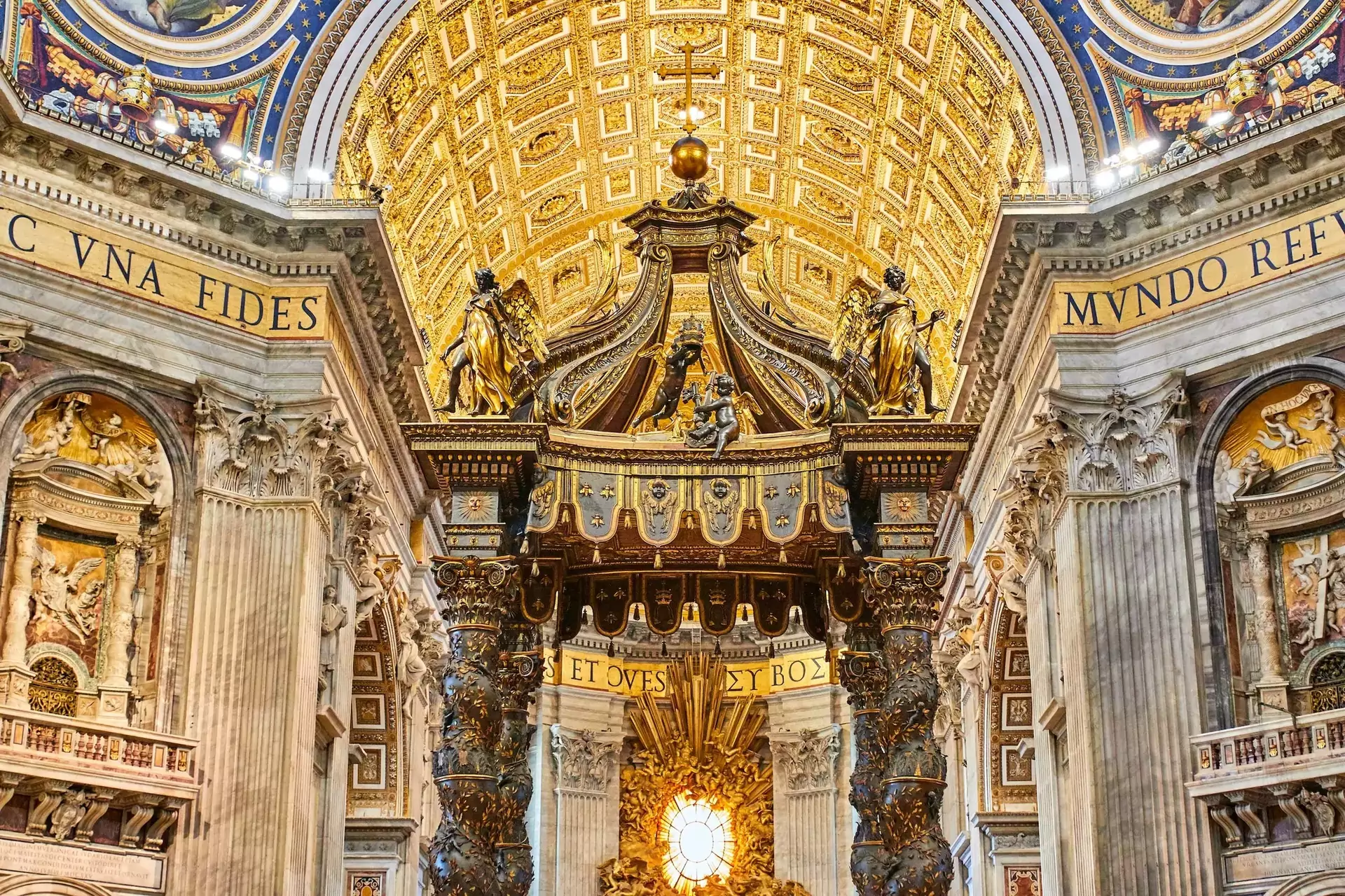
| Other: | Vatican City is the smallest country in the world and the centre of the Catholic Church. It is home to St. Peter's Basilica, the Sistine Chapel, and the Vatican Museums. |
The best times to travel section shows how the months compare for a visit, so you can find the time of year that fits what you want to do.
Background colours of the months:
The colour shows the typical temperature: yellow (hot), green (mild) and blue (cold). How strong the colour is shows the travel season: full colour means high season, soft colour means shoulder season and soft-striped means off season.
Weather symbols:
Each month has one symbol showing what the weather is typically like, such as hot and sunny, freezing or a rainy or snowy season. Use them to quickly spot months that match the weather you want, or to avoid the ones that don't.
Crowdedness:
The people icon shows how busy the place usually is. The more people, the more crowded it gets.
Additional notes:
The grey info boxes point out special things worth knowing, like recurring weather issues or seasonal events.
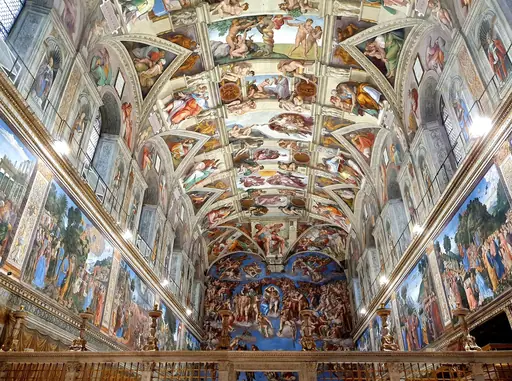
The Vatican Museums present one of the world’s richest and most diverse art collections. Founded in the early 16th century, the museums include galleries displaying Roman sculptures, Renaissance art, contemporary works and ethnological artifacts, all culminating in the iconic Sistine Chapel, home to Michelangelo's ceiling frescoes.
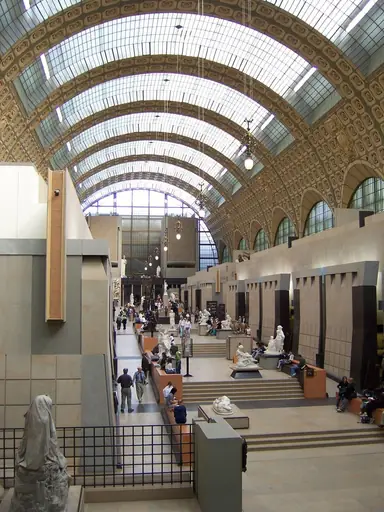
Exploring the museums can feel like wandering a vast labyrinth, requiring several hours or even days to grasp fully. Highlights include the Raphael Rooms with their vibrant frescoes, the Gallery of Maps showing remarkable geographical artistry and the richly decorated Gallery of Tapestries. Open-air spaces like the Pinecone Courtyard offer a calm contrast to the busy galleries.
Visitors should be prepared for large crowds, especially during peak seasons and free admission days (usually the last Sunday of the month), which can lead to long queues. A dress code requires modest attire covering shoulders and knees and security screenings at entry are strict to ensure safety. Photography is generally allowed without flash, except inside the Sistine Chapel where photography is strictly forbidden.
The museums also host special events such as the Music in the Museums Concert Series, enriching the cultural experience. Overall, the Vatican Museums are an unparalleled destination for lovers of art, history and spirituality.
The Vatican Museums are located within Vatican City, which is enclosed by Rome, Italy. Most international visitors arrive via Rome's Leonardo da Vinci International Airport (Fiumicino Airport). From there, taxis, shuttle buses or trains lead into central Rome. Access to the museums from central Rome is via walking or public transport, e.g., buses and the metro, arriving near the Vatican area (Ottaviano or Cipro stations on metro line A).
Accommodation near the Vatican is plentiful and ranges from upscale hotels to charming bed and breakfasts. Staying in this area gives easy early access to the museums and Vatican City's other attractions.
Log in to add this place to a travel list and get a summary of all recommended items for your whole trip.
We calculate the average costs when travelling to destinations and compare those with the living costs at your home. With this you can get an estimate of how expensive or cheap the destination is for you.
To customise this, you can set up which location and price level are used for the calculations in your account settings.
The exchange rate price factor shows how expensive or cheap a currency currently is compared to its historical average. It's a quick way to see if a country is currently more or less affordable due to exchange rate changes.
