








Was this page helpful?

| Public website: | www.barcelona.cat |
|---|
| Power Grid: |
230 V, 50 Hz Plug: Type C , Type F
Type C:
  Read about power adapters |
|---|---|
| Currency: |
Euro (EUR) £1 ≈ €1.19 |
| Cashless info: |
Rating 5/5
Cashless payment is widely accepted in Spain, particularly in urban areas and tourist destinations. Credit and debit cards are commonly used, and mobile payment options are available in many establishments.
Save with a travel credit card |
| eSIM providers: |
Best value: Saily Flexibility: Airalo Read our in-depth comparison |
| Tipping: | Tipping is not mandatory in Spain but appreciated for good service. In restaurants, rounding up the bill or leaving 5-10% is customary. Taxi drivers and hotel staff may also be tipped, though it is less common. |
|---|---|
| Public drinking: | Public drinking is restricted in some regions, particularly in tourist-heavy cities. Local laws may vary. |
| Public smoking: | Smoking is banned indoors in public places but allowed in designated outdoor areas. |
| La Tomatina (August) |
A famous tomato-throwing festival, expect large crowds in Buñol. |
|---|---|
| Semana Santa (March/April) |
Religious parades and events make this a busy time in major cities. |
| Christmas (December) |
Markets and festive celebrations, with tourist areas becoming busier. |
| Emergency contact: | Emergency Number: 112 (Police, Fire, Ambulance) |
|---|---|
| Taxi apps: | Cabify, Bolt, Uber |
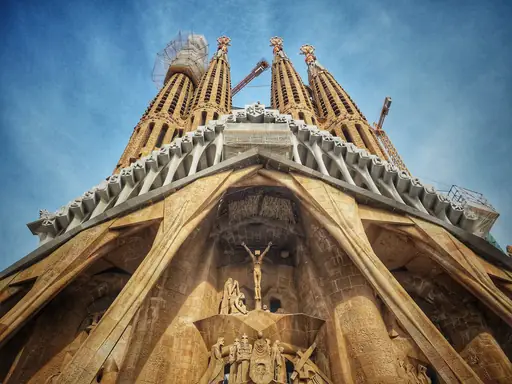
| Other: | Spain is known for its diverse culture, stunning architecture, and vibrant festivals. Public transport is reliable and efficient, making it easy to explore. |
The best times to travel section shows how the months compare for a visit, so you can find the time of year that fits what you want to do.
Background colours of the months:
The colour shows the typical temperature: yellow (hot), green (mild) and blue (cold). How strong the colour is shows the travel season: full colour means high season, soft colour means shoulder season and soft-striped means off season.
Weather symbols:
Each month has one symbol showing what the weather is typically like, such as hot and sunny, freezing or a rainy or snowy season. Use them to quickly spot months that match the weather you want, or to avoid the ones that don't.
Crowdedness:
The people icon shows how busy the place usually is. The more people, the more crowded it gets.
Additional notes:
The grey info boxes point out special things worth knowing, like recurring weather issues or seasonal events.
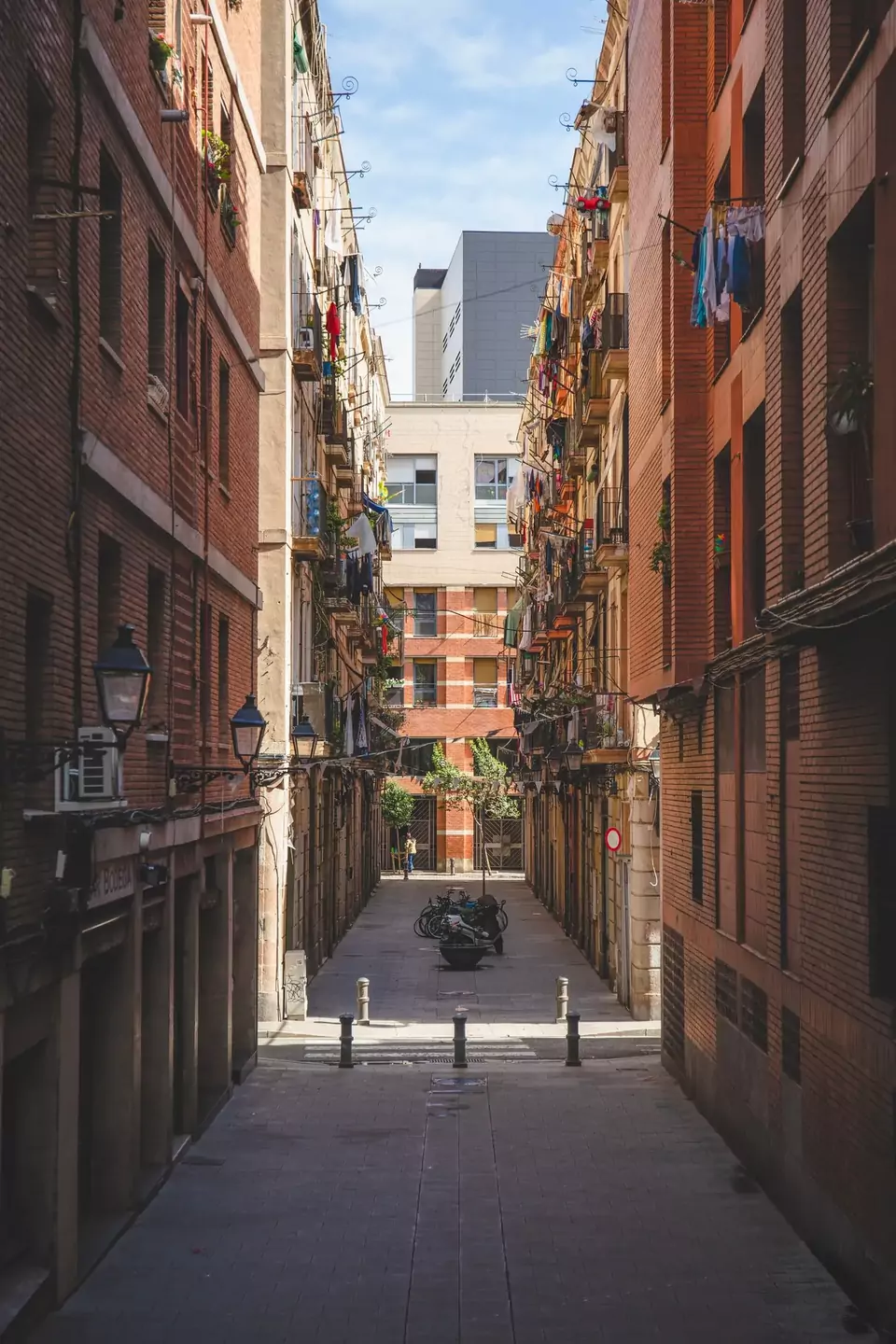
The Gothic Quarter (Barri Gòtic) forms the historic core of Barcelona, embracing streets and squares that reflect its medieval origins. Within this tangled maze lays some of the city’s most iconic landmarks, including the towering Barcelona Cathedral and the lively Plaça Reial with its charming porticos and bustling restaurants.
The area traces back to the Roman settlement of Barcino, with remnants of the Roman walls still visible, lending a tangible sense of deep history. Gothic churches such as Santa Maria del Pi and the Basilica of La Mercè complement grand medieval palaces like the Palau Reial Major, blending architectural styles across centuries.
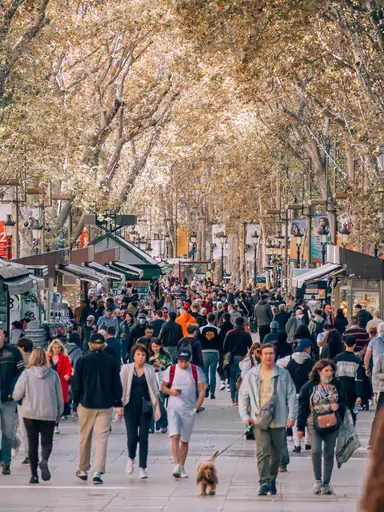
Despite its charm, the Gothic Quarter can get overwhelmingly crowded, especially during tourist high season. It’s also known for petty theft, so visitors should remain vigilant about their belongings. The labyrinthine alleys may feel a bit disorienting or dim, which adds atmosphere but requires awareness at night.
Still, this neighborhood’s unique combination of history, culture and atmosphere makes it one of Spain’s most captivating urban explorations. Whether wandering wide squares or tucked-away alcoves, it captures the spirit of Barcelona’s past and present.
The Gothic Quarter is centrally located in Barcelona’s old town and is easily reachable by public transport. Visitors can fly into Barcelona‑El Prat Airport, then take the metro (Liceu or Jaume I stations) or bus to the neighborhood. It’s also well connected by train and walking distance from major transport hubs like Plaça Catalunya.
Accommodation in or near the Gothic Quarter ranges widely from boutique hotels in historic buildings to budget hostels, mostly favoring those wanting to immerse fully in Barcelona’s cultural heartbeat and walkable city center.
Log in to add this place to a travel list and get a summary of all recommended items for your whole trip.
We calculate the average costs when travelling to destinations and compare those with the living costs at your home. With this you can get an estimate of how expensive or cheap the destination is for you.
To customise this, you can set up which location and price level are used for the calculations in your account settings.
The exchange rate price factor shows how expensive or cheap a currency currently is compared to its historical average. It's a quick way to see if a country is currently more or less affordable due to exchange rate changes.
