

Europe › Spain › Catalonia

Catalonia

Scroll
Vibrant coastlines and historic mountain retreats

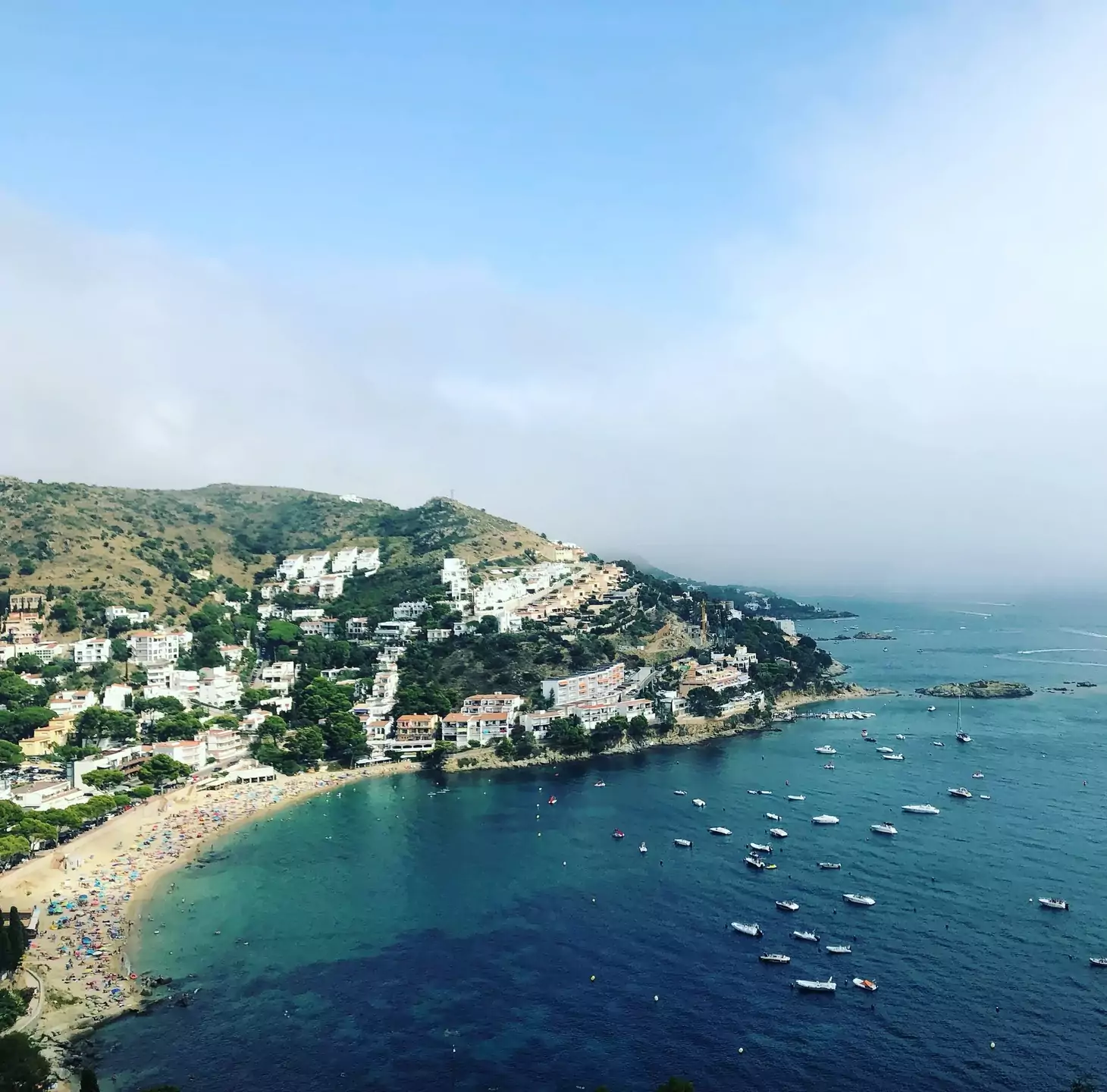
Catalonia spans Spain’s northeastern coast and mountain ranges, offering varied landscapes from sandy beaches to forested peaks. The region has distinct traditions in food, language and festivals that set it apart from other Spanish areas. Barcelona stands as a cultural hub with modernist architecture and lively streets but smaller cities like Girona and Tarragona also feature historic sites worth exploring. Catalan cuisine emphasizes seafood, rice dishes and locally produced cheese and wine. Public transport connects major towns efficiently making day trips possible without long drives.

Region in Spain
Climate zone: Mediterranean

Mediterranean: Mid-latitude climates with hot, dry summers and mild, wet winters, typical of coastal regions around the Mediterranean Basin.

See climate table
Price level: $$$
$Cheap
$$Medium
$$$Expensive, upscale
$$$+Very expensive, luxury
See price details
Safety: 7.2
General Safety:7
Health & medical:8
Accessibility:7
Tap water:6
Read details
Tourist English: 4/5
In Catalonia, especially in Barcelona and major tourist spots, most locals speak fluent English. Outside city centers, English is still common among younger people and hospitality staff, making communication easy.
Last update: 12 Oct 2026
* We earn a commission from some links on this page.
Catalonia Summary

These place ratings give you a quick overview of how well a destination matches different types of trips.

‘Best for’ scores:
The specific interest scores show where this place really shines – whether it's ideal for hiking, food & drink experiences, museums or other activities. These highlights help you understand what makes the destination special at a glance.

‘Your personal’ scores:
This reflects how well a place matches your personal preferences. You can adjust the importances of travel topics or other personal requirements categories in your account settings.

‘Suited for’ badges:
These give you a quick overview of how well a destination suits specific types of travellers, to help you find the places that match your lifestyle, preferences or travel situation.

Read how our scores work
Great at blending vibrant city life with rugged coastlines and historic villages. Its culture thrives in lively festivals, world‑class cuisine and a vibrant arts scene.
Place score
8.9
Best at:
Fine dining
10
Architecture
10
Climbing
10
Cycling
10
Cosy towns
9
Personal score
?
Log in to see how this place matches your personal travel interests.
Suited for
👶 9
Families
🧓 8
Seniors
❤️ 9
Couples
🌈 9
LGBTQ+
Spain – Quick facts
Power Grid: 230 V, 50 Hz
Plug: Type C , Type F
Type C:
Diagram of a Type C power plug
Type F:
Diagram of a Type F power plug

Read about power adapters
Currency: Euro (EUR)
£1 ≈ €1.19
Cashless info: Rating 5/5
Cashless payment is widely accepted in Spain, particularly in urban areas and tourist destinations. Credit and debit cards are commonly used, and mobile payment options are available in many establishments.

Save with a travel credit card
eSIM providers: Best value: Saily
Flexibility: Airalo
Read our in-depth comparison
Tipping: Tipping is not mandatory in Spain but appreciated for good service. In restaurants, rounding up the bill or leaving 5-10% is customary. Taxi drivers and hotel staff may also be tipped, though it is less common.
Public drinking: Public drinking is restricted in some regions, particularly in tourist-heavy cities. Local laws may vary.
Public smoking: Smoking is banned indoors in public places but allowed in designated outdoor areas.
La Tomatina
(August)
A famous tomato-throwing festival, expect large crowds in Buñol.
Semana Santa
(March/April)
Religious parades and events make this a busy time in major cities.
Christmas
(December)
Markets and festive celebrations, with tourist areas becoming busier.
Emergency contact: Emergency Number: 112 (Police, Fire, Ambulance)
Taxi apps: Cabify, Bolt, Uber
Other: Spain is known for its diverse culture, stunning architecture, and vibrant festivals. Public transport is reliable and efficient, making it easy to explore.
Best times to travel

The best times to travel section shows how the months compare for a visit, so you can find the time of year that fits what you want to do.

Background colours of the months:
The colour shows the typical temperature: yellow (hot), green (mild) and blue (cold). How strong the colour is shows the travel season: full colour means high season, soft colour means shoulder season and soft-striped means off season.

Weather symbols:
Each month has one symbol showing what the weather is typically like, such as hot and sunny, freezing or a rainy or snowy season. Use them to quickly spot months that match the weather you want, or to avoid the ones that don't.

Crowdedness:
The people icon shows how busy the place usually is. The more people, the more crowded it gets.

Additional notes:
The grey info boxes point out special things worth knowing, like recurring weather issues or seasonal events.

for Catalonia, Spain
☀️
Jan
☀️
Feb
☀️
Mar
☀️
Apr
☀️
May
☀️
Jun
🔥
Jul
🔥
Aug
☀️
Sep
☀️
Oct
☀️
Nov
☀️
Dec
High season: May - Sep.
Shoulder season: Jan. - April, Oct.
Crowdedness: 8 (Very crowded)
Tap on a month for more info Hover over a month for more info
Climate and season vary a lot by area: Barcelona and the Costa Brava best for sightseeing April to June and September to October, beaches June to September, Pyrenees for skiing December to March and hiking June to September
Many hotels, restaurants and beach clubs on the Costa Brava and Costa Daurada close from November to March
La Mercè festival in Barcelona runs around 24 September, Sant Jordi (book and rose day) is on 23 April

Why travel to Catalonia?

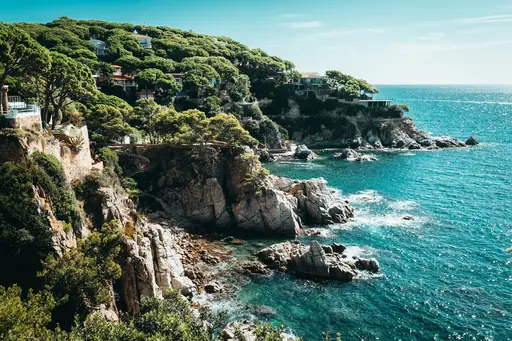
Catalonia offers a balanced mix of natural beauty, cultural heritage and modern amenities that appeal to travelers seeking both relaxation and enrichment. The region’s coastline stretches from the sandy beaches of Costa Brava to the rugged cliffs of the Garrotxa Volcanic Zone, providing ample opportunities for seaside strolls, water sports and scenic hikes. Inland, the Pyrenees deliver dramatic mountain landscapes, ideal for skiing in winter or cycling in summer. Barcelona, Catalonia’s capital, is a vibrant urban center where contemporary architecture by Antoni Gaudí – such as Sagrada Família and Park Güell – coexists with historic Gothic Quarter streets. The city’s culinary scene showcases traditional Catalan dishes like pa amb tomàquet and modernist tapas bars, while its museums, including the Picasso Museum and MACBA, offer diverse artistic experiences. Beyond the capital, smaller towns such as Girona, Tarragona and Sitges preserve medieval charm and Roman ruins, offering quieter yet culturally rich itineraries. The region’s wine routes in Penedès and Priorat invite tastings of high-quality reds and sparkling Cava, complemented by local farm-to-table restaurants. Catalonia’s well-developed transport network – high-speed trains, regional buses and airports – facilitates easy movement between cities and countryside. With its blend of natural landscapes, historic sites, culinary delights and accessible infrastructure, Catalonia provides a comprehensive travel experience that caters to varied interests without resorting to exaggerated claims.

🏙️Cities & Regions
  • 1 Barcelona
    Modernist architecture dominates this Mediterranean city, where Gaudí’s Sagrada Família and Park Güell stand beside bustling markets and seaside promenades. Vibrant street life, diverse cuisine and a mix of historic Gothic Quarter streets create an energetic cultural hub.
  • 2 Girona
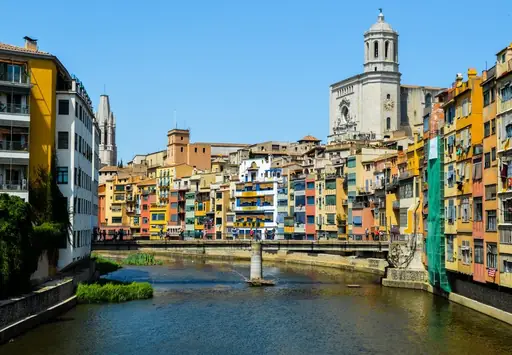
    A historic city in northeastern Spain, Girona offers medieval streets, a well-preserved Jewish quarter and an impressive cathedral with the world’s widest Gothic nave. Its riverfront, ancient walls and vibrant markets attract visitors year‑round.
  • 3 Figueres
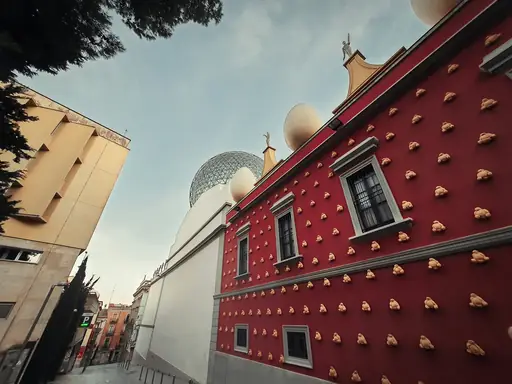
    This historic Catalan town serves as the gateway to Costa Brava, famous for its Gaudí-designed museum and vibrant art scene. Its medieval walls overlook a bustling port filled with colorful boats and lively waterfront restaurants perfect for sunset dining.
  • 4 Tarragona
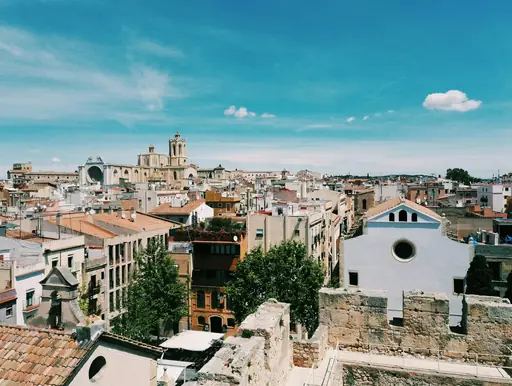
    Coastal Catalonia offers a blend of Roman heritage and Mediterranean charm. Explore Tarragona's ancient amphitheater, medieval streets and sandy beaches while enjoying local seafood and vibrant festivals that reflect the region’s rich cultural tapestry today.
  • 5 Lloret de Mar
    Sunny beaches stretch along this Catalan coast, offering clear waters and sandy stretches ideal for swimming and sunbathing. The town features a historic harbor, lively promenade and nearby medieval villages that showcase traditional architecture and heritage.
  • 6 Tossa de Mar
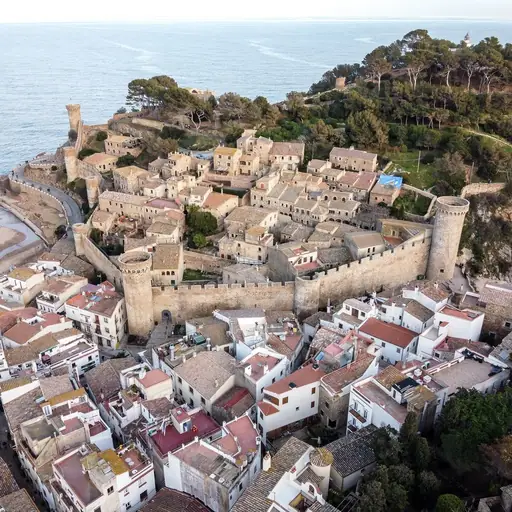
    This coastal town in Catalonia's Costa Brava offers stunning cliffs, historic old quarters and vibrant beaches. While summer crowds gather at the harbor, exploring inland or visiting quieter coves reveals a charming, relaxed atmosphere perfect for travelers seeking authentic Mediterranean charm.
  • 7 Sitges
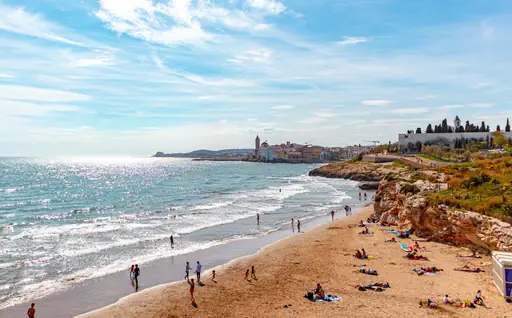
    A charming coastal town just north of Barcelona, Sitges features narrow medieval streets, vibrant art galleries and a lively beachfront promenade that attracts visitors year-round for its relaxed atmosphere and cultural events.
🏯Places worth seeing
  • 1 Sagrada Família
    Designed by Antoni Gaudí, this iconic basilica combines Gothic and Art Nouveau forms. Construction began in 1882 and continues today, offering visitors soaring towers, intricate facades and a unique interior illuminated by stained glass.
  • 2 Park Güell
    Designed by Antoni Gaudí, this public park on Barcelona’s hills offers colorful mosaics, sweeping city views and whimsical architectural elements that showcase Catalan Modernisme. It attracts visitors seeking art, history and panoramic scenery.
  • 3 Batlló House
    A modernist masterpiece on Barcelona's Passeig de Gràcia, designed by Antoni Gaudí. Its undulating façade and colorful mosaics reflect light like a living sculpture, while the interior showcases innovative structural elements.
  • 4 Picasso Museum
  • 5 La Rambla
  • 6 Parc de la Ciutadella
  • 7 Spotify Camp Nou
  • 8 Montserrat
  • 9 Cathedral of Santa Eulalia
  • 10 Gothic Quarter
  • 11 Sagrada Familia
🎡Places for activities
  • 1 Platja de la Barceloneta
  • 2 Funicular de Montjuïc
🏞️Natural landmarks
  • 1 Parc de Diagonal Mar
🛍️Shopping
  • 1 Mercat de Sant Josep - La Boqueria
  • 2 El Corte Inglés
  • 3 Carrefour Market
🍽️Eat & Drink
  • 1 Can Culleretes
    Catalan restaurant in Barcelona's Gothic Quarter, on Carrer d'en Quintana, open since 1786. It cooks escudella, a meat and vegetable stew, and beef stewed with artichokes.
  • 2 El Xampanyet
    Standing tapas bar in Barcelona's El Born, on Carrer de Montcada near the Picasso Museum. House cava comes with marinated anchovies and cured meat. It is good value.
  • 3 Cal Pep
    Seafood tapas bar in Barcelona, on Plaça de les Olles in El Born. The cooks work at the counter and call out what came in that morning, often mussels and fried artichokes.
  • 4 La Cova Fumada
    Tapas bar in Barcelona's Barceloneta, known for the bomba, a fried potato ball with meat and a spicy sauce. There is no booking. Arrive early for a seat. It is good value.
  • 5 Mercat de la Boqueria
    Food market in Barcelona, on La Rambla, open Monday to Saturday. Stalls sell fruit, jamón and seafood, and counter bars cook tapas inside the hall. Go before 9am if you want a stool.
  • 6 El Celler de Can Roca
    Fine dining in Girona, run as a long tasting menu by the Roca brothers. Book far ahead. The restaurant serves about 50 seats at lunch and 50 at dinner.
  • 7 Es Baluard
    Fish restaurant on the Riba waterfront in Cadaqués. It cooks suquet, a Catalan fish stew, and rice with the day's catch.
  • 8 Cervecería Catalana
    Tapas bar in Barcelona's Eixample, on Carrer de Mallorca. Shared plates run from cured ham to seafood, so a group can order several small dishes.

Knowledge before you go

  • Carry a small umbrella; Catalonia's weather can change quickly.
  • Learn basic Catalan greetings; locals appreciate effort and often respond warmly.
  • Use the free Wi‑Fi in most cafés, but verify signal strength before ordering online meals.
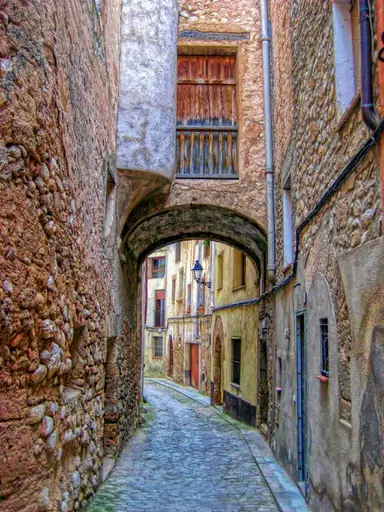
  • Explore lesser-known villages like Besalú or Pals for authentic medieval charm away from tourist crowds.

How to travel to Catalonia

Access to Catalonia, a region in northeastern Spain, is facilitated through several transportation networks. The primary entry point is Barcelona–El Prat Airport (BCN), offering international and domestic flights. High-speed trains operated by Renfe connect major Spanish cities like Madrid, Valencia and Seville to Barcelona Sants station, with travel times ranging from 2.5 to 6 hours depending on the destination. The AVE high-speed rail system provides frequent services between Barcelona and other regional hubs such as Girona (1 hour) and Tarragona (40 minutes). Regional buses and ferries also serve coastal towns like Sitges and Cambrils. The region’s extensive motorway network links rural areas to urban centers, while local metro systems in cities like Barcelona ensure efficient intra-regional mobility.

Access summary

  • From Barcelona El Prat (BCN): Aerobus to city center (35 min); Metro T2A (30 min).
  • From Madrid Barajas (MAD): High‑speed AVE to Barcelona Sants (3h 20m); bus (5h).
  • By ferry from Valencia Port: 4h to Ibiza, then local transport to Catalonia.

Where to stay in Catalonia

Catalonia offers a wide spectrum of lodging, from boutique hostels and budget-friendly apartments to luxury seaside resorts and historic country villas. In Barcelona’s Eixample and Gràcia districts, you’ll find stylish lofts and design studios that blend contemporary flair with Catalan heritage. The Costa Brava coastline is renowned for its family‑friendly beach hotels and eco‑lodges overlooking turquoise waters, while the Pyrenees attract hikers to rustic chalets and wellness retreats. Rural towns such as Girona and Lleida boast charming agriturismos and renovated farmhouses, providing authentic local experiences. Whether you seek affordable city stays or opulent mountain escapes, Catalonia’s diverse accommodations cater to every taste and budget.

How to get around Catalonia

To explore Catalonia efficiently, rely on its well-connected public transport network. Trains operated by Renfe link major cities like Barcelona, Girona and Tarragona, with frequent services along the coastal RENFE Operating Company lines. The metro system in Barcelona is essential for navigating the city, while regional trains (Rodalies) connect inland areas such as Vic and Manresa. Buses operated by companies like ALSA provide affordable intercity travel to smaller towns and rural zones. For flexibility, renting a car suits coastal routes or mountainous regions like the Pyrenees, though parking in cities can be challenging. Cycling is viable via dedicated lanes in urban centers, but public transit remains the most practical choice for seamless regional mobility.
Budget snapshot
Costs compared to home

We calculate the average costs when travelling to destinations and compare those with the living costs at your home. With this you can get an estimate of how expensive or cheap the destination is for you.

To customise this, you can set up which location and price level are used for the calculations in your account settings.

-47 %
Daily expenses in the region are around 47% lower than the average across United States. That means you'll spend a lot less on meals and getting around.
Exchange rate trend

The exchange rate price factor shows how expensive or cheap a currency currently is compared to its historical average. It's a quick way to see if a country is currently more or less affordable due to exchange rate changes.

-3 %
Your exchange rate (GBP to EUR) is 3% better than in recent years. That means travelling now costs around the same compared to the past.

Travel costs

To help you plan your trip, we provide estimated daily costs per person (when travelling as a pair) for different travel styles. These numbers give you an idea of what you might spend each day at this destination, including accommodation, food, transport and activities.

Additionally, we also provide average hotel costs for different travel styles to give you an estimate for the accommodation only.

Please note that these are only estimates. The real costs depend on booking times, season and other factors.

Daily cost summary

Travel style categories explained:

Backpacker:
Staying in hostels or budget hotels, cooking your own meals or eating cheap and choosing low-cost activities.

Mid-range:
Staying in mid-range hotels, eating at a mix of restaurants and casual spots and enjoying a variety of activities.

Luxury:
Staying in luxury hotels, dining out at high-end restaurants and enjoying premium experiences without worrying about the price.

Backpacker Mid-range Luxury
🍝 Food per day
£18
£35
£94
🚕 Transportation per day
£8
£9
£28
Food & Drink
🍽️ Restaurant Dinner, per person
£13
🍛 Lunch Set, per person
£7
🍟 Fast food combo
£6.50
🍝 Preparing your own food, per day
£6.50
☕ Cappuccino
£1.50
🍺 Beer in a restaurant, 0.5 l
£1.80
Transportation
🚌 Public transport ticket
£1.80
🚕 Taxi Ride, 10 km / 6 mi
£17
⛽ Petrol, 1 l
£1.40
Other
🎞️ Cinema ticket
£6
👩‍⚕️ Doctor's consult
£55
🤧 Cold medication
£7
💇 Basic haircut
£12.50

Safety information overview

General safety
7
Catalonia remains a safe destination, with low crime rates and robust police presence in major cities like Barcelona. Travelers should stay vigilant against pickpocketing in crowded areas, avoid isolated streets at night and follow local advisories for any regional events or demonstrations.
Health & Medical
8
Catalonia offers high‑standard medical care with modern hospitals, specialized clinics and multilingual staff. Public health services are reliable, while private options provide rapid access to specialists. Air quality is generally good; however, travelers should watch for seasonal pollen and occasional heat‑related risks.
Accessi­bility
7
Catalonia offers excellent accessibility: most major cities have wheelchair‑friendly public transport, elevators in museums and hotels and well‑maintained sidewalks. However, older historic districts can be uneven and some rural villages lack ramps or accessible signage. Plan ahead for best experience.
Tap water
6
Tap water in Catalonia is consistently high‑quality, meeting strict EU standards with a pleasant taste and low mineral content. Public fountains and refill stations are plentiful in cities like Barcelona and Girona, making fresh hydration easily accessible for locals and tourists alike.

Packing recommendations for Catalonia

Log in to add this place to a travel list and get a summary of all recommended items for your whole trip.

Popular districts of Catalonia

Was this page helpful?
Feedback

