
Best historical destinations in Africa
Best historical destinations in Africa
Ancient archaeological sites and historic monuments in Africa
Africa's historical record is the deepest on earth, encompassing the origins of humanity itself alongside the rise and fall of great empires, ancient trading civilisations and cultural traditions of extraordinary richness and variety. That history is frequently underrepresented in conventional travel narratives, and the continent rewards those who arrive with a genuine curiosity about what exists beyond the most obvious sites.
The range of historical experience is remarkable. Ancient Egyptian monuments, sub-Saharan empire remains, swahili coast trading cities, rock hewn churches and the landscapes of the colonial period and its aftermath all exist within a continent whose historical depth is matched by very few regions on earth.
Local knowledge and context are essential to getting the most from historical travel in Africa. Many of the continent's most significant sites exist within living cultural traditions rather than as purely archaeological remains and engaging with them seriously requires guides who understand both the historical and contemporary significance of what they represent.
Lists by region
Village in Egypt
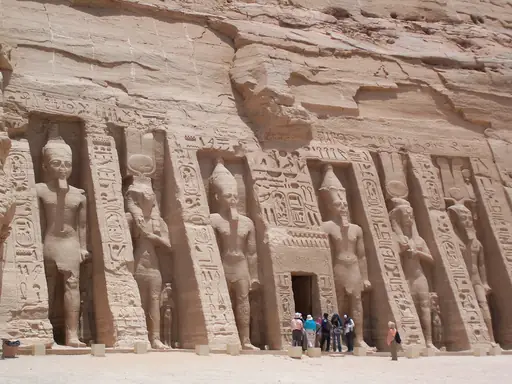
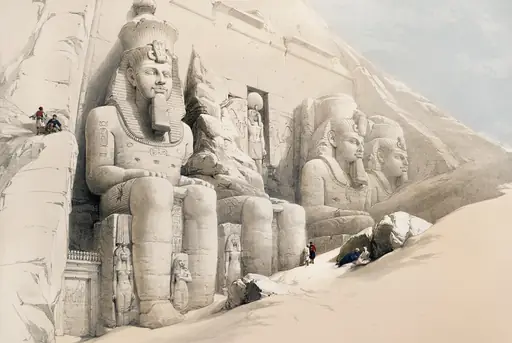
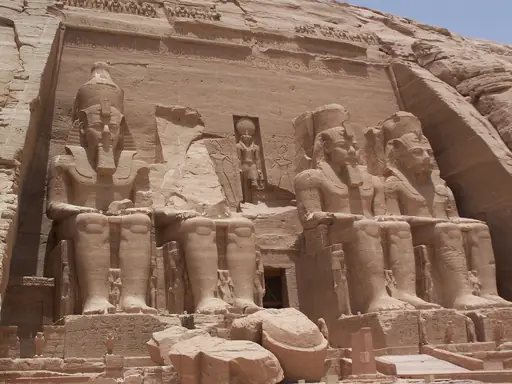
Abu Simbel
Majestic Temples by the Nile
Four seated statues of Ramesses II guard the entrance to Abu Simbel's temple, each over 20 metres tall. Engineers relocated the entire temple complex in the 1960s to save it from flooding. Sunlight aligns with the inner sanctuary twice a year, lighting statues deep inside. Carvings across the temple walls record scenes from Ramesses's reign.
City in Tunisia
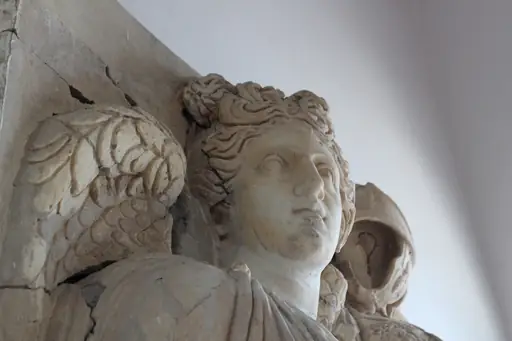
Carthage
Ancient Ruins by the Mediterranean
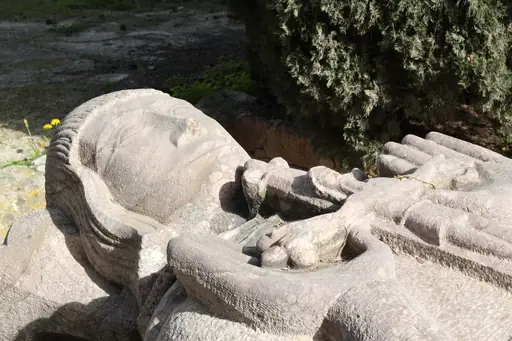
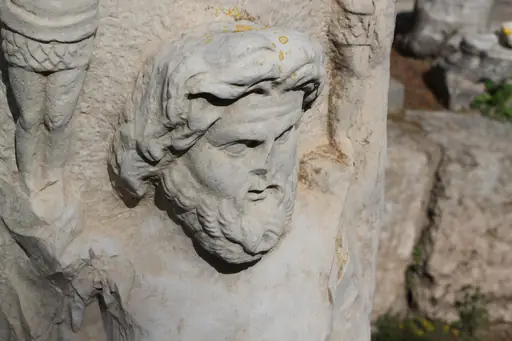
Carthage once rivalled Rome, founded by Phoenician settlers more than 2,800 years ago. Ruins of Roman baths and villas now cover much of the ancient Punic city. Hannibal launched campaigns against Rome from this coastal stronghold. Mosaic floors uncovered here reveal scenes from daily life under Roman rule.
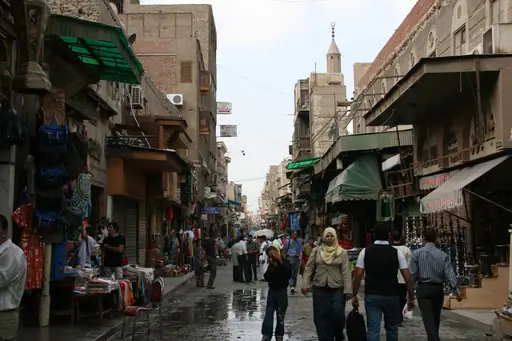
City in Egypt
Cairo
Where ancient history meets bustling life
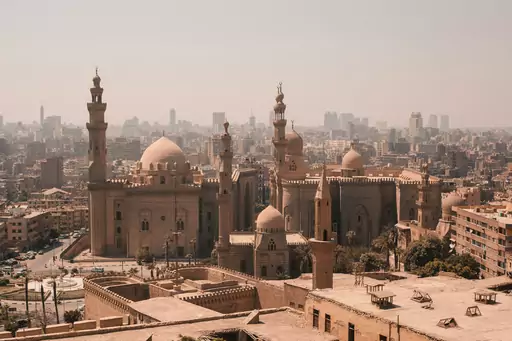
Islamic Cairo holds hundreds of medieval mosques, madrasas and minarets across its old quarter. The Citadel of Saladin overlooks the city from a hilltop built in the 1100s. Coptic Cairo preserves some of the world's oldest surviving churches nearby. Al-Azhar Mosque has taught students continuously since the 970s.
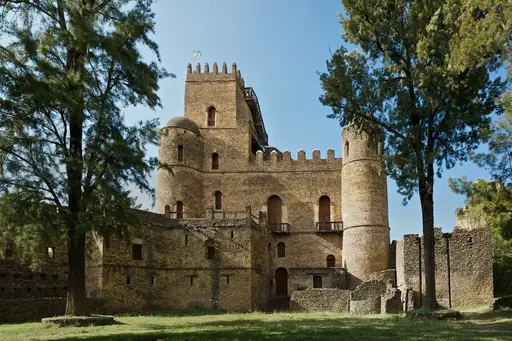
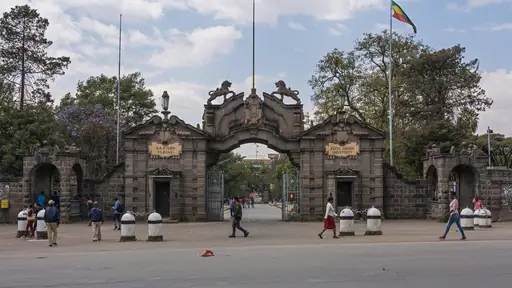
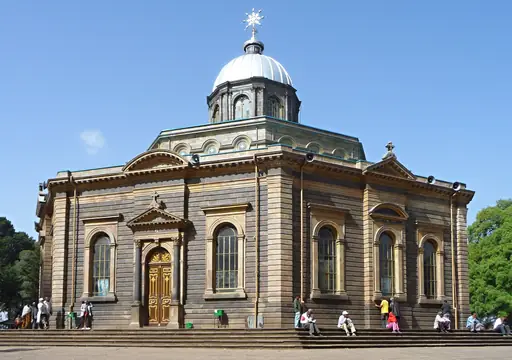
City in Ethiopia
Addis Ababa
Vibrant capital where history meets modernity
Lucy, a 3.2-million-year-old hominid fossil, is displayed at Addis Ababa's National Museum. Holy Trinity Cathedral holds the remains of Emperor Haile Selassie within its ornate interior. Mercato, one of Africa's largest open-air markets, spreads across the city's western district. Ethiopia's imperial history is preserved across several of the capital's museums and palaces.
Village in Morocco
Aït-Benhaddou
Ancient Moroccan Desert Fortress
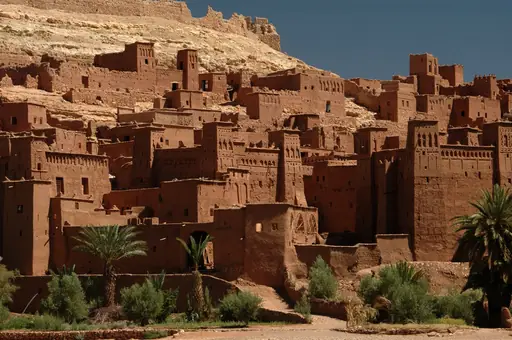
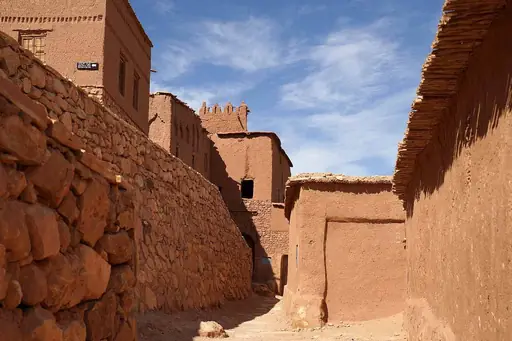
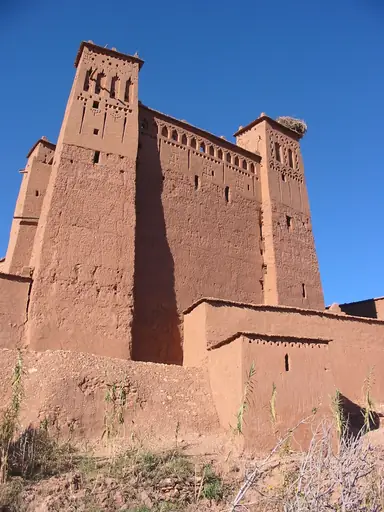
Mud-brick towers rise above Ait Benhaddou, a fortified village built along an old caravan route. Kasbahs here have appeared as backdrops in numerous films set in ancient times. Families still live within parts of the walled settlement today. The Ounila River runs below the village, once vital to trans-Saharan trade.
City in Egypt
Luxor
Ancient wonders on the Nile
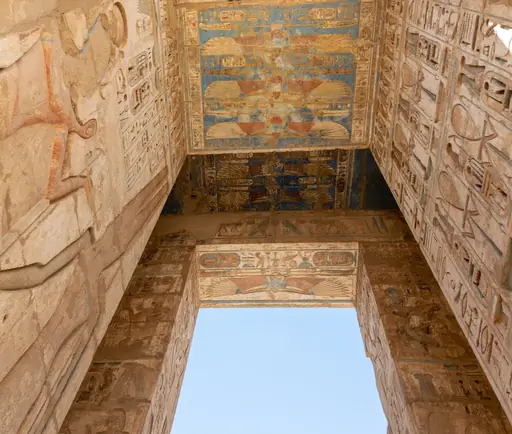
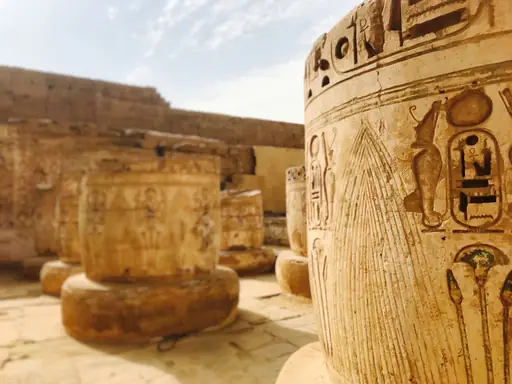
Karnak Temple's columned halls cover more than 100 hectares along the Nile at Luxor. Pharaohs added to the temple complex over nearly 2,000 years of continuous construction. Luxor Temple sits closer to the riverbank, connected to Karnak by an avenue of sphinxes. Hot air balloons drift over the ruins each morning at sunrise.
City in Libya
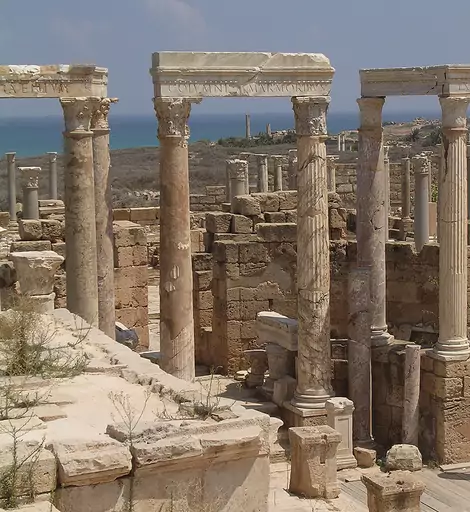
Leptis Magna
Ancient Roman splendor in sand
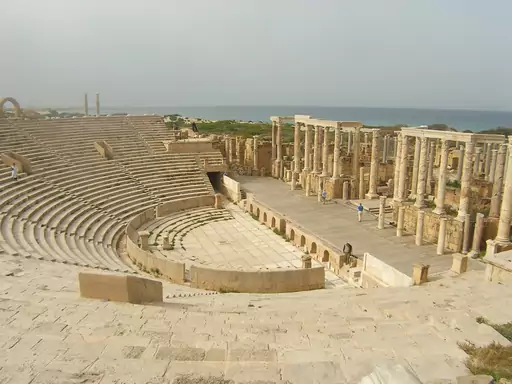
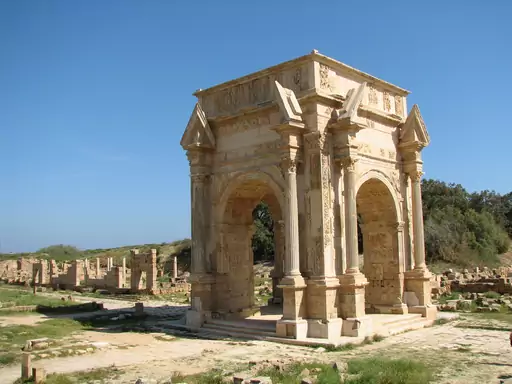
Leptis Magna grew into one of Rome's grandest African cities under Emperor Septimius Severus. A well-preserved amphitheatre and forum still stand along the Libyan coast. Sand buried much of the city for centuries, helping preserve its marble structures. Columns and arches mark the layout of the ancient city's main streets.

City in Morocco
Marrakech
A vibrant maze of colors and spices
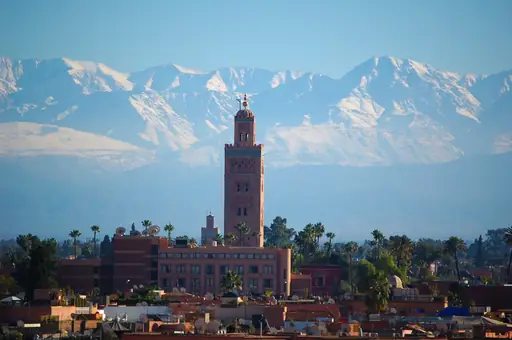
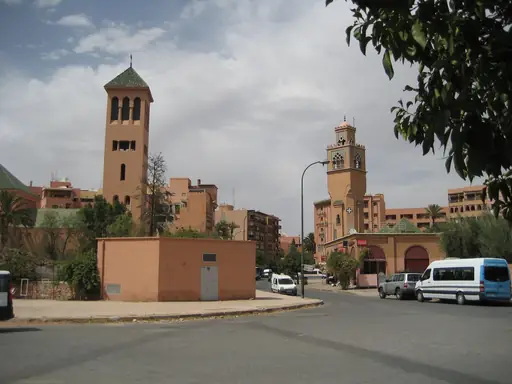
Jemaa el-Fnaa fills each evening with storytellers, musicians and food stalls in Marrakech's main square. The Koutoubia Mosque's minaret has towered over the city since the 1100s. Bahia Palace's carved ceilings and tiled courtyards date to the 1800s. Souks branch out from the square, selling spices, leather and handmade textiles.
City in Morocco
Fez
Labyrinthine Medina, Living Moroccan Heritage
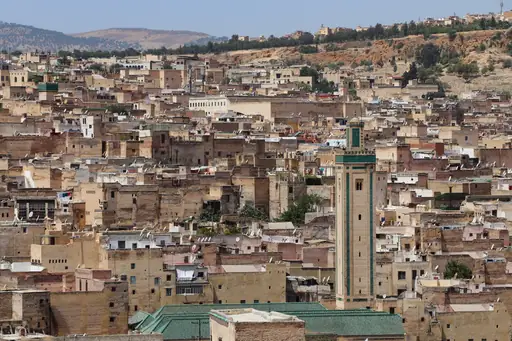
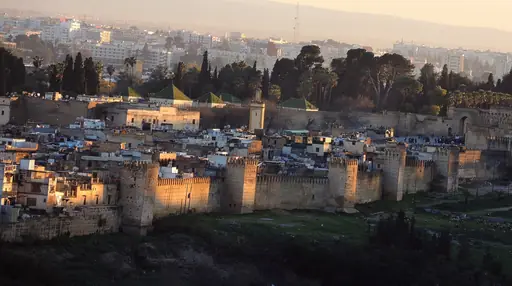
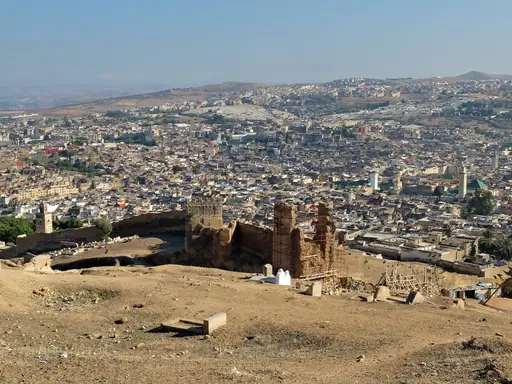
Fez el Bali's medina has remained largely unchanged since it was founded in the 800s. Tanneries here still dye leather in stone vats using centuries-old methods. Al-Qarawiyyin, founded in 859, ranks among the oldest continuously operating universities in the world. Narrow alleys wind past mosques, workshops and centuries-old riads.
City in Morocco
Rabat
A Hidden Gem with Royal Flair
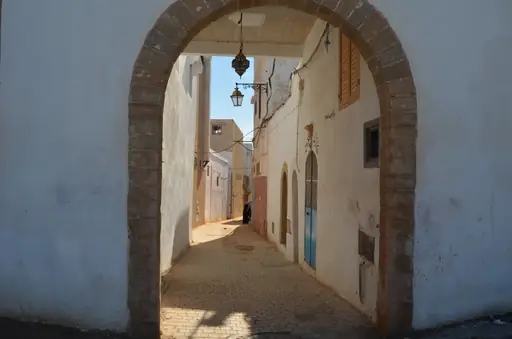
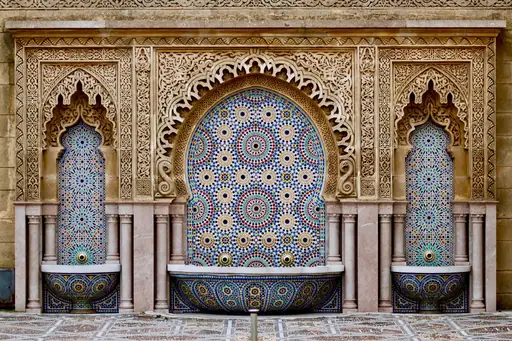
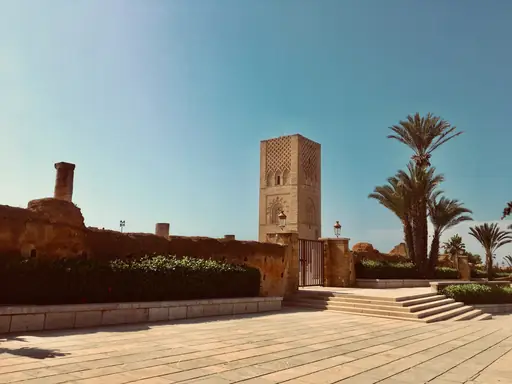
Hassan Tower's unfinished minaret has stood over Rabat since construction stopped in 1199. Kasbah of the Udayas overlooks the Atlantic from walls built in the 1100s. Chellah's ruins hold both Roman remains and a later Merinid necropolis. Mohammed V's mausoleum sits near the Hassan Tower, guarded around the clock.
Region in Egypt
Valley of the Kings
Ancient tombs in Egypt's desert
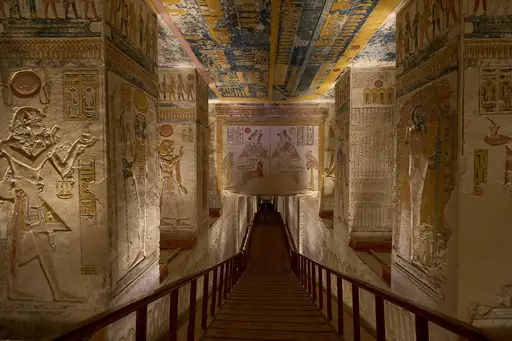
Pharaohs were buried in rock-cut tombs across the Valley of the Kings for nearly 500 years. Tutankhamun's tomb, discovered in 1922, remains the valley's most famous find. Painted walls inside several tombs still show vivid colour after thousands of years. More than 60 tombs have been uncovered within the valley's dry limestone hills.
Archaeological Site in Egypt
Pyramids of Giza
Ancient Wonders of Egypt
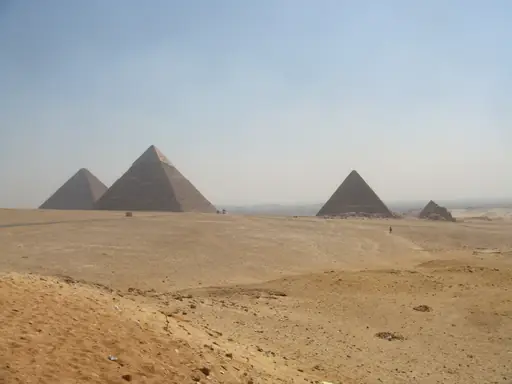
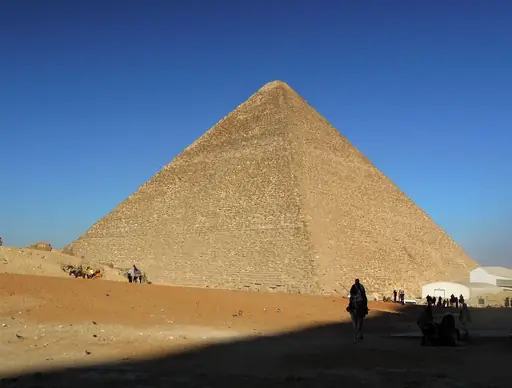
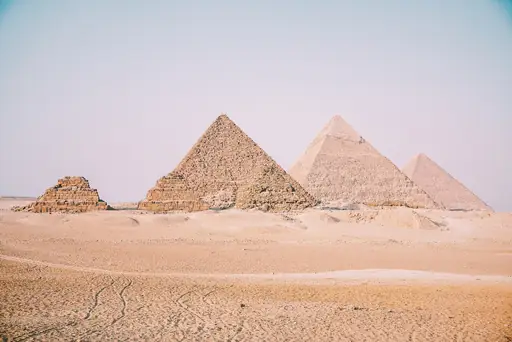
The Great Pyramid rose around 2560 BC, built as a tomb for the pharaoh Khufu. Its blocks, some weighing several tons, were cut and stacked without modern machinery. The Sphinx crouches nearby, carved from a single limestone outcrop. Camel rides carry visitors between the three main pyramids on the Giza plateau.
Archaeological Site in Cairo
Saqqara
Egypt's Timeless Step Pyramid Wonder
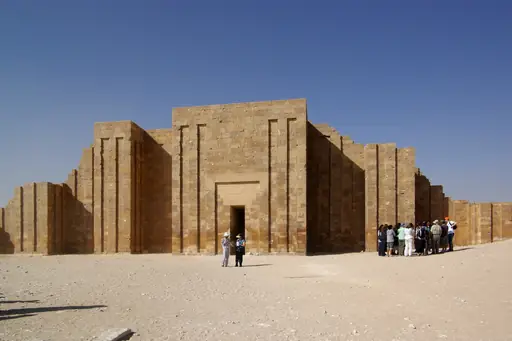
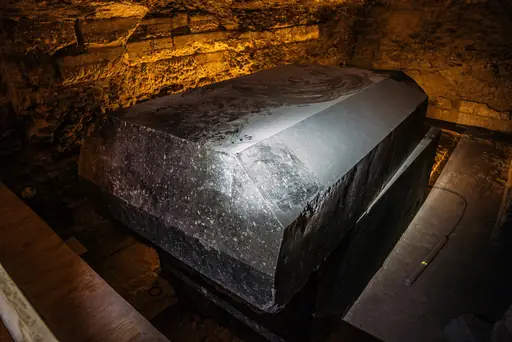
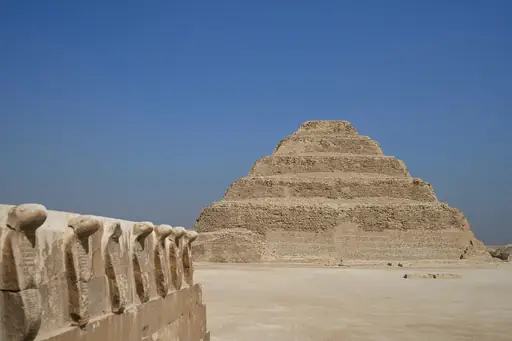
The Step Pyramid at Saqqara, built around 2670 BC, ranks among Egypt's oldest large stone structures. Architect Imhotep designed the pyramid as a stack of shrinking stone platforms. Tombs surrounding the pyramid hold painted reliefs depicting daily life in ancient Egypt. Saqqara served as a burial ground for the capital of Memphis for centuries.
Museum in Cairo
Egyptian Museum
World’s Premier Egyptian Artifact Collection
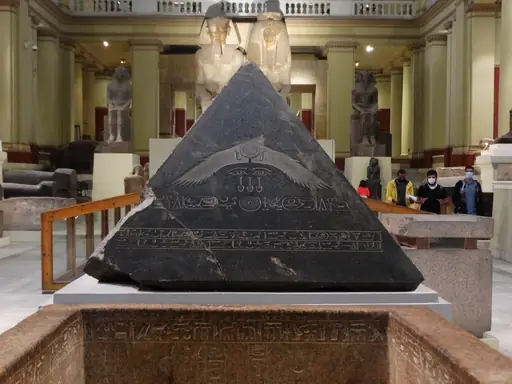
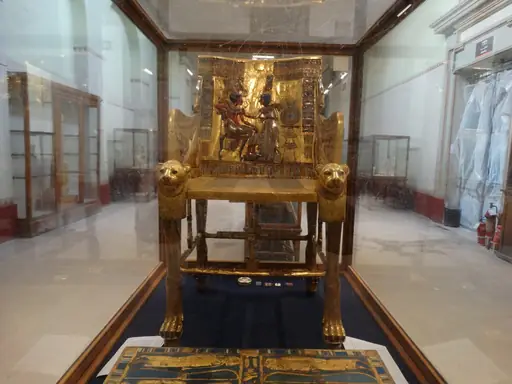
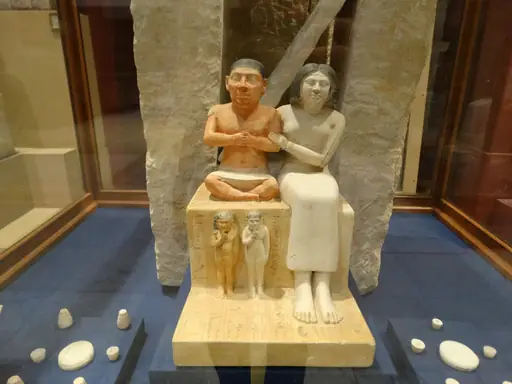
Tutankhamun's golden burial mask sits among more than 120,000 artefacts inside Cairo's Egyptian Museum. Mummies of pharaohs lie preserved in a dedicated hall within the building. Statues and sarcophagi fill room after room, spanning thousands of years of pharaonic history. The museum's pink building has stood in Tahrir Square since 1902.
Marketplace in Cairo
Khan el-Khalili
Vibrant Historic Bazaar Bustling
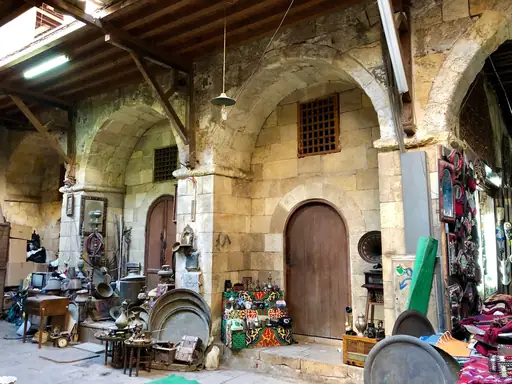
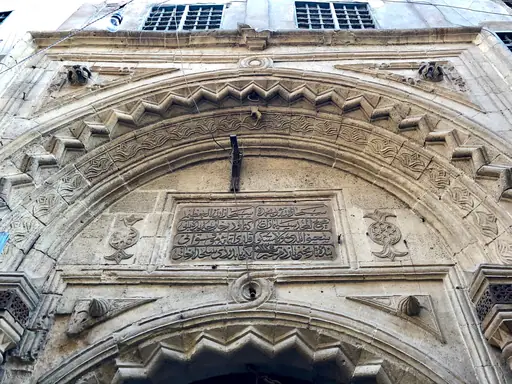
Khan el-Khalili has operated as a market in Cairo's old city since the 1380s. Narrow alleys wind past stalls selling spices, lanterns and handmade copperware. Centuries-old coffeehouses sit tucked between the market's covered passageways. Mosques and minarets rise above the surrounding rooftops near the bazaar's edge.
Other lists you may like

Discover
Top historical destinations and historic sites
The most compelling history destinations are places where the past is still physically present and legible in the landscape, the architecture and the daily life of the people who…
Read more
Discover
Best historical destinations in Asia
Asia's historical depth is staggering, encompassing some of the oldest continuous civilisations on earth and a range of empires, belief systems and cultural traditions that have…
Read more
Discover
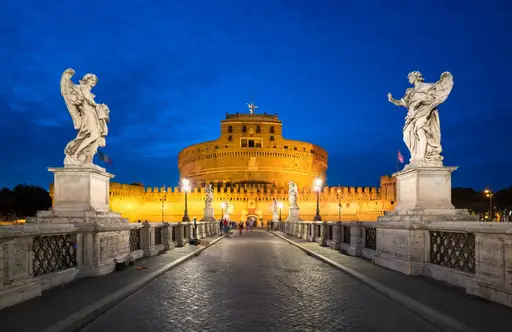
Best historical destinations in Europe
Europe is one of the most historically dense regions on earth, where the evidence of successive civilisations, empires, conflicts and cultural movements is layered into the…
Read more
Discover
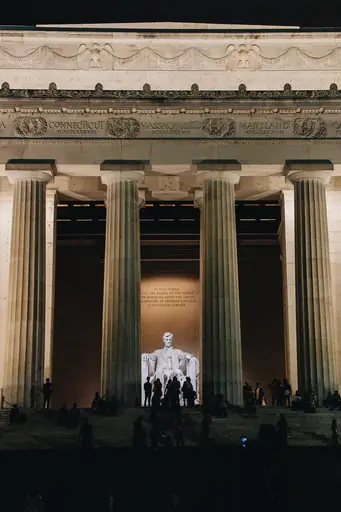
Best historical destinations in North America
North America's historical record is shorter than other regions by conventional measure, but the depth and variety of what exists is frequently underestimated. The continent holds…
Read more
Discover
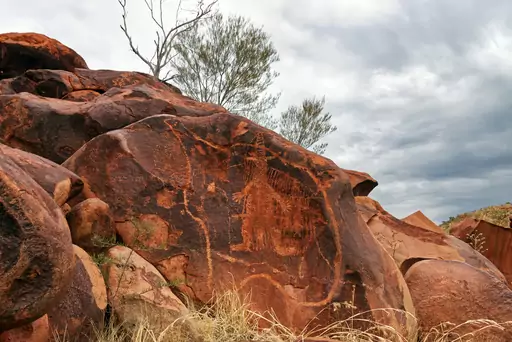
Best historical destinations in Oceania
Oceania's history encompasses tens of thousands of years of indigenous settlement, navigation and cultural development before European arrival transformed the region irrevocably.…
Read more
Discover
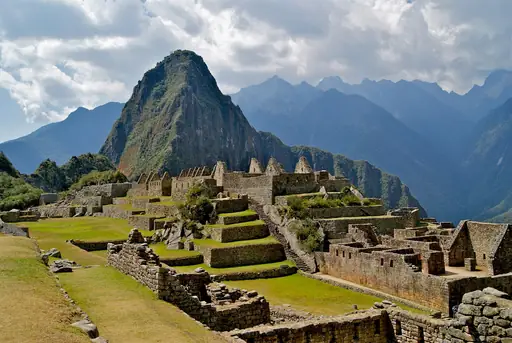
Best historical destinations in South America
South America's history is as layered as its landscapes, stretching from some of the most sophisticated pre-Columbian civilisations on earth through the upheaval of European…
Read more
What other users say about travelfilters
“travelfilters made it easy for me to find ski areas and compare what else they offer, so that I could find the best place for my personal travel style.”

Chris
Snowboarding & Onsen trip to Japan
“I love how transparent the data feels. There is no pushy upsell, just honest information and settings I can tune to my own travel style.”

Maria
After booking her 2027 winter escape
“The level of detail for each destination and how well those are displayed, make planning feel confident instead of overwhelming.”

Mina
Planned a week in New York City
“We used travelfilters for our planning from start to end. The trip turned out even better than expected, thanks to all their tools and customisation options.”

Allan & Etienne
Trip to Japan to see autumn foliage
“Thanks to travelfilters, I found some hidden gems to see. Being able to filter for exactly your interests is a game changer for my travel planning.”

Michael
Tour through the old cities of Northern Italy
“The customizable filters helped me find a quiet beach town with good wifi and low season crowds in under five minutes.”

Diego
Weekend Escape to Llanes, Spain
“The airport connection map saved me hours by showing good flight options from my home airport to lesser-known cities.”

Nguyen
Planning a 2027 trip to France
“The website is clean, fast and focused on the search itself, which makes travelfilters feel more like a professional tool than an ad-heavy booking site.”

Hassan
Christmas Market trip, Germany
