









Was this page helpful?

| Opening hours: |
|
||||||
|---|---|---|---|---|---|---|---|
| Public website: | egyptianmuseumcairo.eg |
| Power Grid: |
220 V, 50 Hz Plug: Type C , Type F
Type C:
  Read about power adapters |
|---|---|
| Currency: |
Egyptian Pound (EGP) £1 ≈ EGP 74.69 |
| Cashless info: |
Rating 4/5
Cashless payments are becoming more common in Egypt, especially in tourist areas. Credit cards are accepted in larger hotels and businesses, but cash is still preferred in many places.
Save with a travel credit card |
| eSIM providers: |
Best value: Saily Flexibility: Airalo Read our in-depth comparison |
| Tipping: | Tipping is common in Egypt, with a 10-15% tip in restaurants being standard. Taxi drivers, hotel staff, and tour guides also appreciate small tips. |
|---|---|
| Public drinking: | Public drinking is generally not allowed in Egypt, and alcohol consumption is limited to licensed establishments like hotels, restaurants, and bars. |
| Public smoking: | Smoking is permitted in outdoor public spaces and licensed indoor venues such as cafes and bars, but it is prohibited in public transport and closed areas. |
| Revolution Day (25 January) |
National holiday celebrating the 2011 revolution |
|---|---|
| Eid al-Fitr (dates vary) |
Islamic festival marking the end of Ramadan |
| Emergency contact: | Emergency Numbers: 122 (Police), 123 (Ambulance), 180 (Fire) |
|---|---|
| Taxi apps: | Uber |
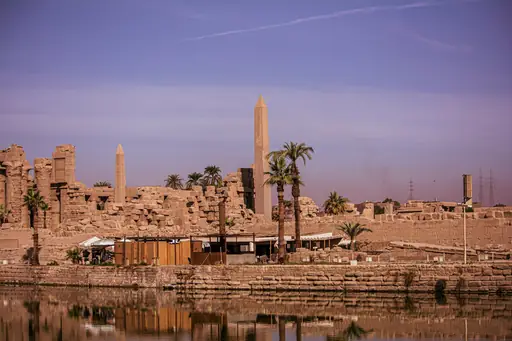
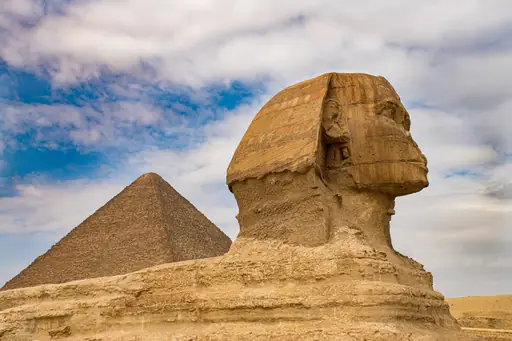
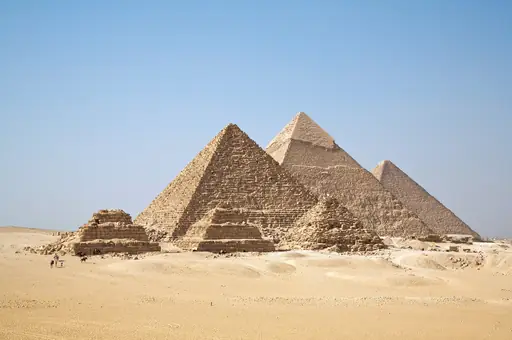
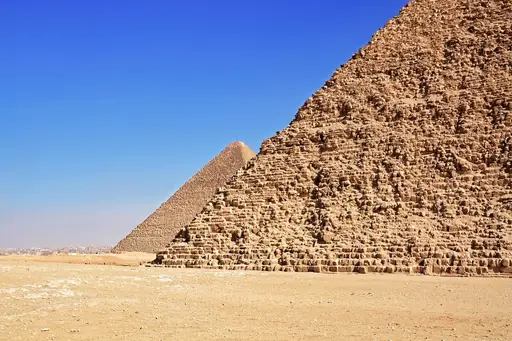
| Other: | Egypt is known for its ancient history, including the Pyramids of Giza, the Sphinx, and numerous archaeological sites. It offers a rich cultural experience combined with desert landscapes and the Nile River. |
The best times to travel section shows how the months compare for a visit, so you can find the time of year that fits what you want to do.
Background colours of the months:
The colour shows the typical temperature: yellow (hot), green (mild) and blue (cold). How strong the colour is shows the travel season: full colour means high season, soft colour means shoulder season and soft-striped means off season.
Weather symbols:
Each month has one symbol showing what the weather is typically like, such as hot and sunny, freezing or a rainy or snowy season. Use them to quickly spot months that match the weather you want, or to avoid the ones that don't.
Crowdedness:
The people icon shows how busy the place usually is. The more people, the more crowded it gets.
Additional notes:
The grey info boxes point out special things worth knowing, like recurring weather issues or seasonal events.
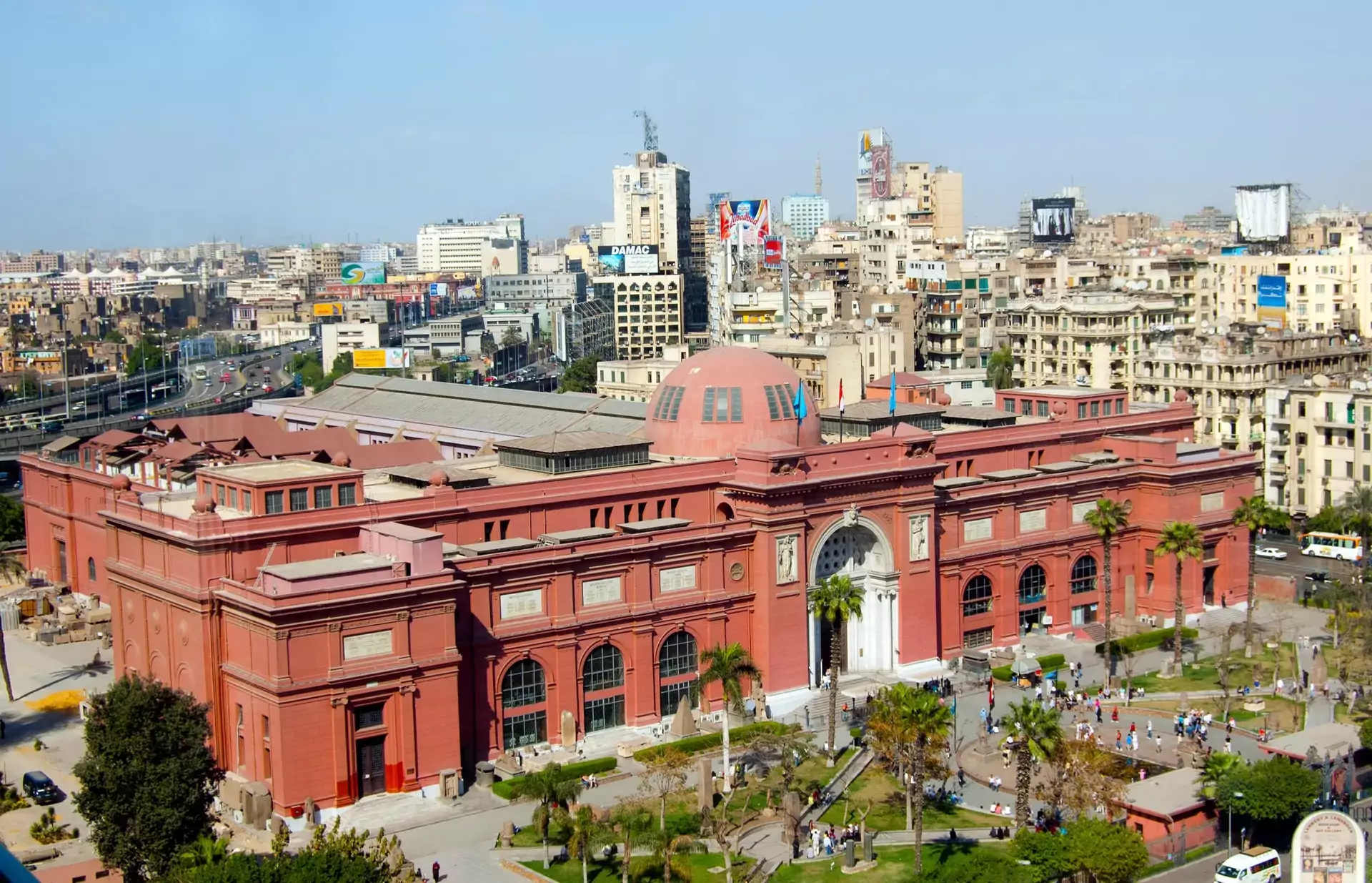
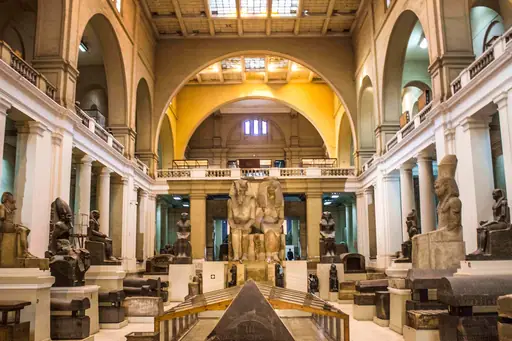
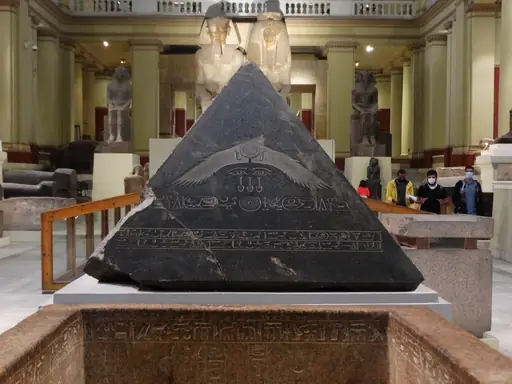
The Egyptian Museum was opened in 1902 and remains one of the world’s most important museums dedicated to Egyptian antiquities. Housing over 120,000 items, it offers an extensive overview of ancient Egyptian history, including artifacts from the Pharaonic, Greco-Roman and Coptic periods.
The museum’s centerpiece is the collection of items from the tomb of Tutankhamun, including his famous gold funeral mask and golden shrines. The Royal Mummies Gallery showcases mummified remains of some of Egypt’s most famous pharaohs, presented in a carefully climate-controlled environment.
While the museum impresses with its wealth of artifacts, it is known for having somewhat outdated displays and cramped spaces, which can feel overwhelming. Some signage lacks detailed English explanations and hiring a knowledgeable guide is often recommended to enrich the visit.
Visitors should be prepared for crowds, especially during peak tourist seasons and ensure their belongings are secure against pickpocketing. The museum features accessibility options but some areas remain challenging for visitors with limited mobility. Despite these caveats, it remains an essential destination for anyone interested in Egypt’s ancient legacy.
The museum is located in downtown Cairo, close to Tahrir Square. Visitors arriving internationally typically fly into Cairo International Airport and travel to the museum via taxi, organized tours or public transport. The site is easily accessible from the city center, making it a convenient addition to a Cairo itinerary.
Cairo offers diverse accommodation options ranging from budget guesthouses to luxury hotels, especially around downtown areas close to Tahrir Square and the museum.
Log in to add this place to a travel list and get a summary of all recommended items for your whole trip.
We calculate the average costs when travelling to destinations and compare those with the living costs at your home. With this you can get an estimate of how expensive or cheap the destination is for you.
To customise this, you can set up which location and price level are used for the calculations in your account settings.
The exchange rate price factor shows how expensive or cheap a currency currently is compared to its historical average. It's a quick way to see if a country is currently more or less affordable due to exchange rate changes.
