







Europe › United Kingdom › Isle of Wight

Isle of Wight

Scroll
Coastal charm meets historic seaside allure

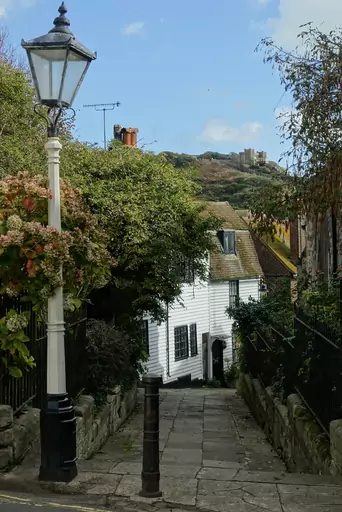
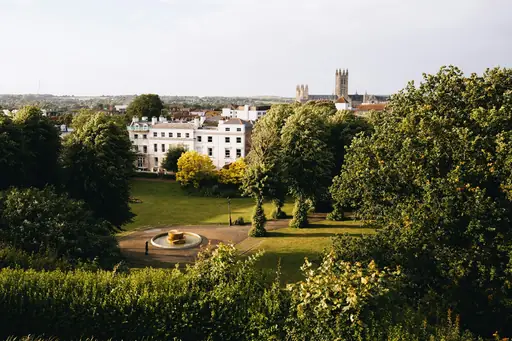
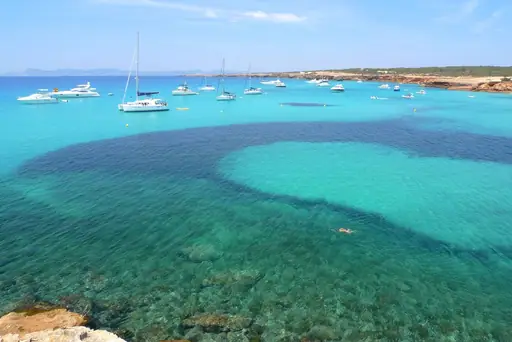
The Isle of Wight sits off England’s southern coast, surrounded by calm waters and mild weather year-round. The island covers about 380 square kilometers with rolling hills, sandy beaches and quiet villages. Many people enjoy cycling along the coastline or walking through woodlands like New Forest nearby. Historic sites such as Carisbrooke Castle show centuries of change, while local markets sell fresh seafood and homemade goods. With good train links from mainland towns, visitors can reach the island easily and explore its mix of nature, history and relaxed living without feeling rushed.

Island in United Kingdom
Climate zone: Mild oceanic

Mild oceanic: Marine-influenced climates with cool summers, mild winters and frequent precipitation year-round, typical of western coasts at mid-latitudes.

See climate table
Price level: $$$
$Cheap
$$Medium
$$$Expensive, upscale
$$$+Very expensive, luxury
See price details
Safety: 8.2
General Safety:9
Health & medical:7
Accessibility:6
Tap water:9
Read details
Tourist English: 5/5
English is widely spoken and understood on the Isle of Wight, with most locals fluent in everyday conversation. Tourists will find clear signage, friendly service and easy interaction at shops, cafés and attractions.
Last update: 12 Oct 2026
* We earn a commission from some links on this page.
Isle of Wight Summary

These place ratings give you a quick overview of how well a destination matches different types of trips.

‘Best for’ scores:
The specific interest scores show where this place really shines – whether it's ideal for hiking, food & drink experiences, museums or other activities. These highlights help you understand what makes the destination special at a glance.

‘Your personal’ scores:
This reflects how well a place matches your personal preferences. You can adjust the importances of travel topics or other personal requirements categories in your account settings.

‘Suited for’ badges:
These give you a quick overview of how well a destination suits specific types of travellers, to help you find the places that match your lifestyle, preferences or travel situation.

Read how our scores work
Great for coastal walks and seaside towns. Hike cliff paths, visit beaches, explore historic castles and enjoy classic British seaside holidays.
Place score
9.2
Best at:
Sailing
9
Islands
8
Sea
8
Spotless
8
Cosy towns
7
Personal score
?
Log in to see how this place matches your personal travel interests.
Suited for
👶 8
Families
🧓 8
Seniors
🛡️ 8
Travel Beginners
🐕 8
With dogs
United Kingdom – Quick facts
Power Grid: 230 V, 50 Hz
Plug: Type G
Type G:
Diagram of a Type G power plug

Read about power adapters
Currency: Pound Sterling (GBP)
Cashless info: Rating 5/5
Cashless payments are widely accepted in the UK, especially in cities. Contactless payments and mobile payment options are increasingly popular, with smaller businesses also accepting cards.

Save with a travel credit card
eSIM providers: Best value: Saily
Flexibility: Airalo
Read our in-depth comparison
Tipping: Tipping is customary in the UK, with 10-15% in restaurants. Taxi drivers generally expect a 10% tip or rounding up. Small tips for hotel staff are appreciated.
Public drinking: Public drinking is allowed in many parts of the UK, especially in parks, festivals, and licensed premises. However, it's banned on public transport or in certain public spaces.
Public smoking: Smoking is prohibited indoors in all public spaces, including bars and restaurants. There are designated outdoor smoking areas.
Christmas
(December)
Christmas is widely celebrated, expect crowded markets and higher accommodation prices.
Bank Holiday
(August)
Busy periods, especially in cities and along coastal areas. Many businesses close.
New Year’s Day
(January)
A major public holiday with celebrations and closures in some sectors.
Emergency contact: Emergency Number: 999 or 112 (Police, Fire, Ambulance)
Taxi apps: Uber, Bolt, Free Now, Ola
Other: The UK is well-prepared for tourists, with excellent infrastructure. However, be aware of language barriers in remote areas.
Best times to travel

The best times to travel section shows how the months compare for a visit, so you can find the time of year that fits what you want to do.

Background colours of the months:
The colour shows the typical temperature: yellow (hot), green (mild) and blue (cold). How strong the colour is shows the travel season: full colour means high season, soft colour means shoulder season and soft-striped means off season.

Weather symbols:
Each month has one symbol showing what the weather is typically like, such as hot and sunny, freezing or a rainy or snowy season. Use them to quickly spot months that match the weather you want, or to avoid the ones that don't.

Crowdedness:
The people icon shows how busy the place usually is. The more people, the more crowded it gets.

Additional notes:
The grey info boxes point out special things worth knowing, like recurring weather issues or seasonal events.

for Isle of Wight, United Kingdom
🌬️
Jan
🌬️
Feb
🌬️
Mar
🌤️
Apr
🌤️
May
🌤️
Jun
🌤️
Jul
🌤️
Aug
🌤️
Sep
🌬️
Oct
🌧️
Nov
🌬️
Dec
High season: June - Aug.
Shoulder season: April - May, Sep.
Crowdedness: 4 (Moderate tourist numbers)
Tap on a month for more info Hover over a month for more info
Many attractions, hotels, cafés and the Needles Pleasure Park close November to March, main season April to October
Cowes Week sailing regatta runs late July to early August: very busy, accommodation books out months ahead
Isle of Wight Festival takes place in June; ferries and hotels fill up that weekend

Why travel to Isle of Wight?

The Isle of Wight offers a blend of natural beauty, history and relaxed coastal living that makes it an appealing destination for travelers seeking variety without the bustle of larger cities. The island’s coastline features dramatic cliffs, sandy beaches and hidden coves, providing ample opportunities for walking, cycling and water sports. Popular spots such as Sandown Bay and Shanklin Beach attract families and sun‑seekers alike, while quieter areas like Ventnor offer a more secluded experience. Historical interest is abundant: Osborne House, the former royal residence of Queen Victoria, showcases Victorian architecture and offers guided tours that delve into the island’s connection to the monarchy. The medieval St. Catherine’s Castle perched on the highest point in the south provides panoramic views and insight into England’s coastal defenses. For those fascinated by maritime history, the Portsmouth Naval Base and the historic town of Cowes – famous for its annual sailing regatta – offer engaging exhibits and events. Cultural life thrives through local festivals, art galleries and craft markets that highlight regional talent. The island’s culinary scene emphasizes fresh seafood and locally sourced produce, with many pubs and restaurants offering traditional British fare alongside contemporary twists. With a network of well-maintained roads and public transport links to mainland England, the Isle of Wight is accessible yet distinctively tranquil, making it an ideal destination for both short getaways and extended stays.

🏯Places worth seeing
  • 1 Newtown Harbour
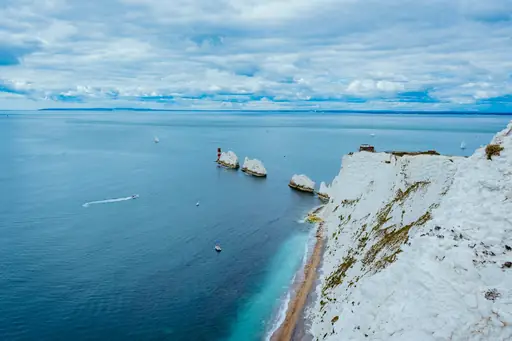
  • 2 The Needles
  • 3 Pier Street
🎡Places for activities
  • 1 Ventnor Golf Club
🏞️Natural landmarks
  • 1 Newtown Harbour

Knowledge before you go

  • Rent a bike for scenic coastal routes and flexible exploration.
  • Use the Isle of Wight Transport website to compare bus, ferry and car rental schedules before departure.
  • Book accommodation early during summer; consider staying near Sandown or Ventnor for easy beach access.
  • The island hosts the annual Cowes Week sailing regatta, drawing international crews and offering free public viewing from the harbor.

How to travel to Isle of Wight

The Isle of Wight is accessible primarily by ferry from mainland England, with regular services departing from ports such as Portsmouth and Southampton. The island is connected to the mainland via the Solent, a strait separating it from Hampshire. Ferries operated by companies like Wight Bus and South Sea Islander provide daily crossings, typically taking between 30 minutes to an hour depending on the route. For vehicles, driving is possible via the Wight Bridge or the Solent Tunnel, both of which link the island to mainland England. Public transport includes local buses and cycling routes, while private car rentals are available at ferry terminals for greater flexibility in exploring the island’s coastal paths and villages.

Access summary

  • From Southampton Airport (SOU): Ferry to Ryde Pier (45–60 min).
  • From Portsmouth Harbour: Ferry to Cowes (30–40 min); from London Victoria: train to Portsmouth (1h 20m) then ferry.
  • Ferry from Newhaven to East Cowes: 4 hours; popular cycling route across the island.

Where to stay in Isle of Wight

The Isle of Wight offers a mix of seaside chalets, boutique bed‑and‑breakfasts and family‑run inns that cater to every budget. Coastal towns such as Ventnor and Sandown feature charming holiday cottages with sea views, while the historic town of Ryde hosts a range of self‑contained apartments ideal for longer stays. For those seeking luxury, the island’s high‑end resorts provide spa facilities, private beaches and gourmet dining, often priced at £200 – 300 per night during peak season. Budget travellers can find hostels and budget B&Bs in smaller villages like Freshwater or Shanklin, with rates around £30 – 50 per night. Many accommodations boast local character, offering garden spaces, farm‑to‑table menus and easy access to the island’s scenic trails.

How to get around Isle of Wight

The Isle of Wight is best explored using a mix of public transport, cycling and walking due to its scenic countryside and coastal paths. The island’s primary town, Newport, serves as the main hub with bus services connecting key locations like Ryde, Sandown and Cowes. Renting a bike is ideal for navigating narrow roads and enjoying views along the coastline or through the New Forest foothills. For shorter trips, walking or cycling between villages offers flexibility. Ferries from Portsmouth provide access to the island’s north coast, while private cars allow freedom to explore remote areas like the western cliffs. Always check local schedules, as services may be limited outside peak season.
Budget snapshot
Costs compared to home

We calculate the average costs when travelling to destinations and compare those with the living costs at your home. With this you can get an estimate of how expensive or cheap the destination is for you.

To customise this, you can set up which location and price level are used for the calculations in your account settings.

+11 %
Daily expenses in the region are around 11% higher than the average across United States. That means you'll spend more on meals and getting around.
Exchange rate trend

The exchange rate price factor shows how expensive or cheap a currency currently is compared to its historical average. It's a quick way to see if a country is currently more or less affordable due to exchange rate changes.

---
This place also uses Pound Sterling, so no money exchange necessary.

Travel costs

To help you plan your trip, we provide estimated daily costs per person (when travelling as a pair) for different travel styles. These numbers give you an idea of what you might spend each day at this destination, including accommodation, food, transport and activities.

Additionally, we also provide average hotel costs for different travel styles to give you an estimate for the accommodation only.

Please note that these are only estimates. The real costs depend on booking times, season and other factors.

Daily cost summary

Travel style categories explained:

Backpacker:
Staying in hostels or budget hotels, cooking your own meals or eating cheap and choosing low-cost activities.

Mid-range:
Staying in mid-range hotels, eating at a mix of restaurants and casual spots and enjoying a variety of activities.

Luxury:
Staying in luxury hotels, dining out at high-end restaurants and enjoying premium experiences without worrying about the price.

Backpacker Mid-range Luxury
💵 Total costs per day, including accommodation
£69
£151
£398
🏨 Accommodation per night, per person
£29
£60
£131
🍝 Food per day
£30
£80
£230
🚕 Transportation per day
£11
£11
£37
Food & Drink
🍽️ Restaurant Dinner, per person
£33
🍛 Lunch Set, per person
£17
🍟 Fast food combo
£7.50
🍝 Preparing your own food, per day
£10
☕ Cappuccino
£3.70
🍺 Beer in a restaurant, 0.5 l
£5.50
Transportation
🚌 Public transport ticket
£2.80
🚕 Taxi Ride, 10 km / 6 mi
£21
⛽ Petrol, 1 l
£1.40
Other
🎞️ Cinema ticket
£10
👩‍⚕️ Doctor's consult
£80
🤧 Cold medication
£6
💇 Basic haircut
£11.50

Safety information overview

General safety
9
The Isle of Wight enjoys a low crime rate and friendly locals, making it safe for travelers. Petty theft is rare; most incidents involve pickpocketing in crowded tourist spots. Follow standard precautions – keep valuables secure, stay aware at night and respect local traffic rules.
Health & Medical
7
The Isle of Wight offers reliable NHS care, with several well‑equipped hospitals and specialist clinics. Clean air, low pollution and abundant green spaces support wellness, though travelers should watch for seasonal flu and keep vaccinations up to date.
Accessi­bility
6
The Isle of Wight offers mixed accessibility: many beaches and historic sites have wheelchair access and public transport includes step‑free buses. However, some older buildings lack ramps and narrow coastal paths can be challenging for mobility aids. Plan ahead for accessible accommodations.
Tap water
9
The Isle of Wight boasts high‑quality tap water that meets stringent UK standards, with a robust public supply network offering free drinking fountains across towns and coastal villages. Residents and visitors can safely hydrate anywhere, enjoying clean, mineral‑rich water without extra cost.

Looking for inspiration?

Discover
Best castle destinations in Europe
Europe contains the world's greatest concentration of castle and fortress architecture, with surviving structures ranging from the Norman tower keeps and Crusader citadels of the…
Read more
Discover
Best travel destinations for food allergies in Europe
Europe is one of the more manageable continents for allergy conscious travelers, thanks to strict food labeling rules that apply across the entire European Union. Restaurants…
Read more
Discover
Best travel destinations for food allergies
Travelling with a food allergy adds a layer of planning most people never have to think about and the right destination can make that planning a lot easier. Some travellers…
Read more
Discover
Top digital nomad destinations and remote work hubs in Europe
Europe offers remote workers a level of infrastructure that is hard to beat, along with enough cultural variety to keep even a long stay interesting. City based nomads can hop…
Read more
Discover
Top castle destinations and historic fortresses
Castle travel spans an enormous range of surviving structures, from the intact hilltop fortresses and walled palace complexes that have been continuously inhabited or maintained to…
Read more
Discover
Top digital nomad destinations and remote work hubs in 2026
Working from anywhere in the world sounds simple until you actually try it and the best digital nomad destinations look different depending on what kind of remote worker you are.…
Read more
Discover
Best couple holiday destinations
Travelling as a couple sounds simple enough, yet the best couple holiday destinations mean something different to almost every pair. What feels romantic to one couple can feel like…
Read more
Discover
Best couple vacation destinations in Europe
Europe has been the backdrop for love stories for centuries, and for couples it remains one of the easiest continents to feel romantic in without even trying. The choice of…
Read more
Discover
Top historical destinations and historic sites
The most compelling history destinations are places where the past is still physically present and legible in the landscape, the architecture and the daily life of the people who…
Read more
Discover
Best destinations for first-time travellers
A first trip abroad works best somewhere that eases you in, rather than throwing every possible culture shock and logistical headache at you at once. Some first-time travellers…
Read more
Discover
Best sailing destinations in Europe
Mediterranean island chains anchor much of Europe's sailing tourism, both offering hundreds of sheltered anchorages within manageable distances of each other, supported by decades…
Read more
Discover
Top sailing destinations and yachting routes
A good sailing destination needs the right combination of wind, protected anchorages and enough islands or coastline variety to make a multi-day route interesting rather than…
Read more
Discover
Best travel destinations for seniors in Europe
Europe remains one of the easiest continents for older travelers, thanks to excellent trains, reliable healthcare and cities built for walking rather than driving. River cruises…
Read more
Discover
Best historical destinations in Europe
Europe is one of the most historically dense regions on earth, where the evidence of successive civilisations, empires, conflicts and cultural movements is layered into the…
Read more
Discover
Best travel destinations for seniors
Senior travel covers a wide range, from slow, low effort trips built around comfort to more independent trips for travellers who still want to cover plenty of ground. Some…
Read more
Was this page helpful?
Feedback