
Best sailing destinations in Europe
Best sailing destinations in Europe
Classic island navigation routes and historic coastal bays in Europe
Mediterranean island chains anchor much of Europe's sailing tourism, both offering hundreds of sheltered anchorages within manageable distances of each other, supported by decades of charter infrastructure.
The destinations on this list range from classic island-hopping routes with centuries of maritime history to more recently developed charter scenes that have grown rapidly over the past two decades. Both suit a wide range of sailing experience.
Booking charters well ahead for peak summer matters considerably in both regions, where demand and prices climb sharply across the busiest months. Local charter companies can advise on which anchorages tend to get crowded. Carrying basic provisions for quieter stretches between islands also tends to be worthwhile. Most marinas offer provisioning before departure. Most ports offer fuel and water easily.
Lists by region

Island in Croatia
Korčula
Medieval charm meets Adriatic beauty
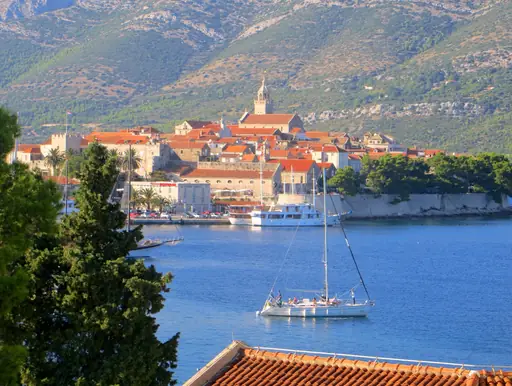
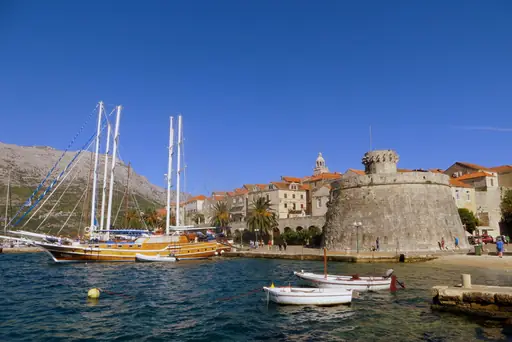
A cool breeze moves through the narrow streets of old Korčula Town. The streets form a fishbone shape to steer the breeze. The town claims to be the birthplace of Marco Polo. Boats tie up right beside the old walls. Island vineyards make a crisp white wine called Pošip.
Island in Greece
Kefalonia
Wild Beauty of the Ionian Sea
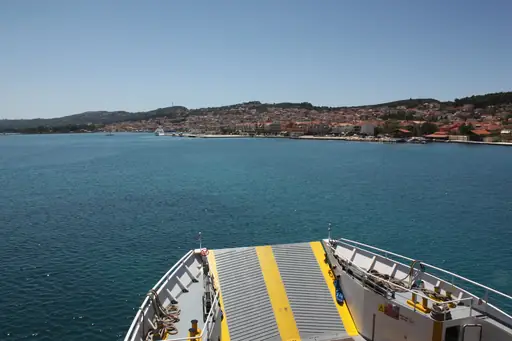
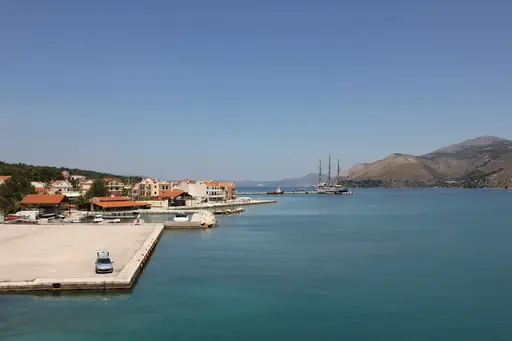
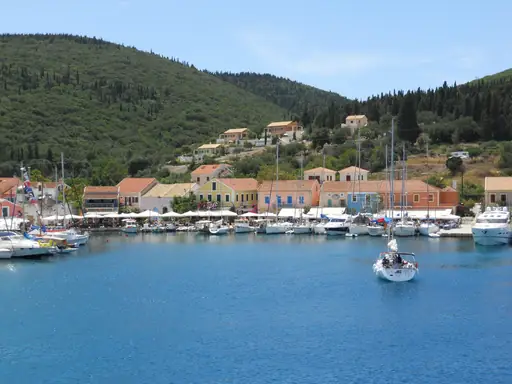
A strong earthquake in 1953 destroyed most of the island's towns. Fiskardo in the north escaped. Its pastel Venetian houses still line the harbour. Yachts tie up along the quay and eat at waterfront tavernas. Ithaca, the legendary home of Odysseus, is just across the channel. Winds are gentle in summer.
Island in Greece
Rhodes
Medieval Charm and Sun-Kissed Beaches
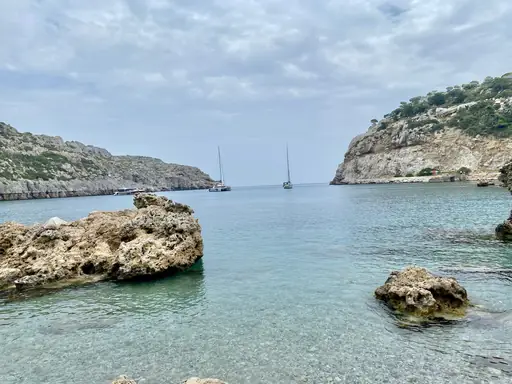
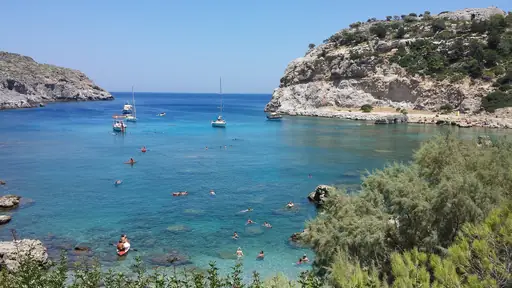
Visit in late spring or early autumn, when summer winds ease. The walled Old Town was built by the Knights of St. John. Mandraki Harbor is where legend says the Colossus once stood. Lindos has an ancient hilltop acropolis above a small bay. Boats anchor there for a swim.
Island in Greece
Lefkada
Ionian Gem with Pristine Beaches
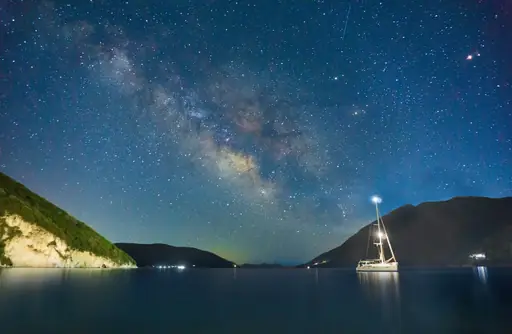
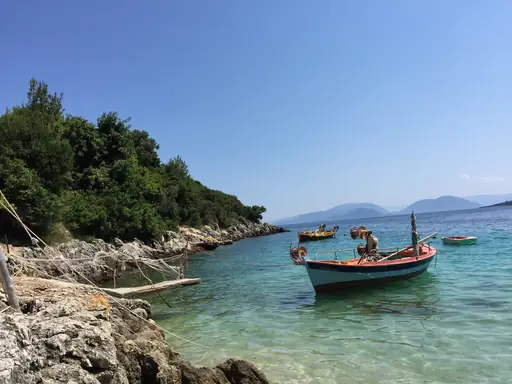
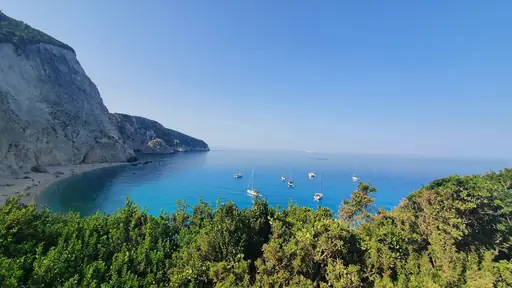
Skippers queue for the swing bridge at the canal. It opens at set times each day. Beyond it lie Nidri's charter bases and Skorpios, once owned by Aristotle Onassis. Meganisi's bays have calm clear water. Ionian winds are gentle, which suits new sailors. Porto Katsiki has white cliffs worth a swim stop.
Island in Spain
Mallorca
Mediterranean Magic: Beaches & Mountains
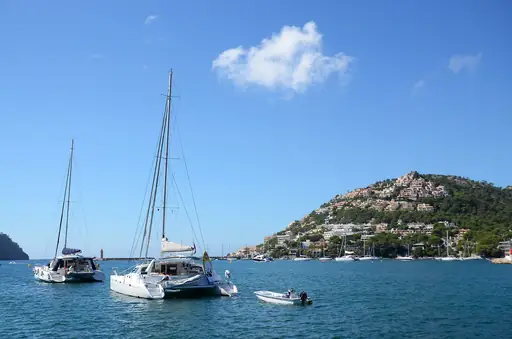
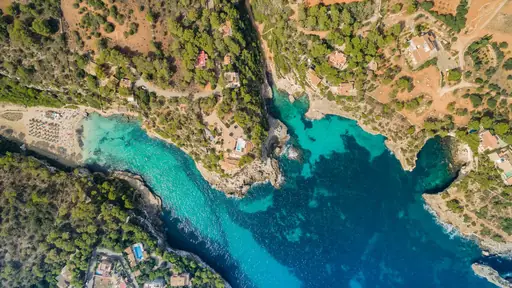
The round harbour at Port de Sóller sits in a bowl of mountains. An old wooden tram runs from the village to the port. The Tramuntana coast has tall cliffs and sea caves. Cabrera National Park, south of the island, needs a permit. That keeps the water quiet and clear.
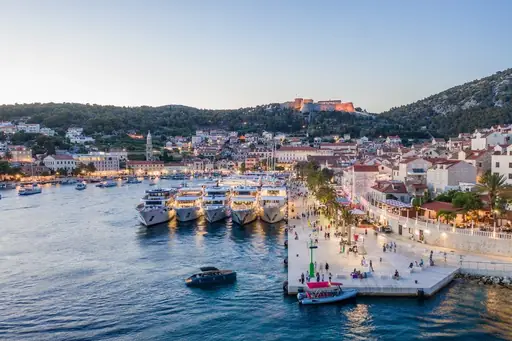
Island in Croatia
Hvar
Sun-Kissed Island with Vibrant Culture
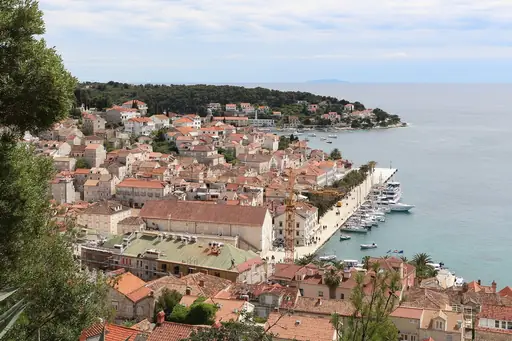
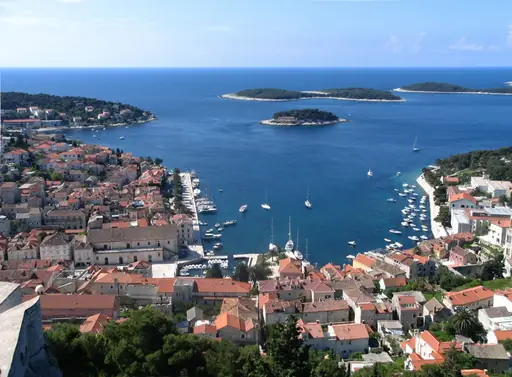
Sail in late June, when lavender blooms on the hills. The Pakleni Islands are just off Hvar Town. Pine woods and clear coves make easy swim stops. In July and August the town fills with party boats. May and September are calmer. Book a mooring early.
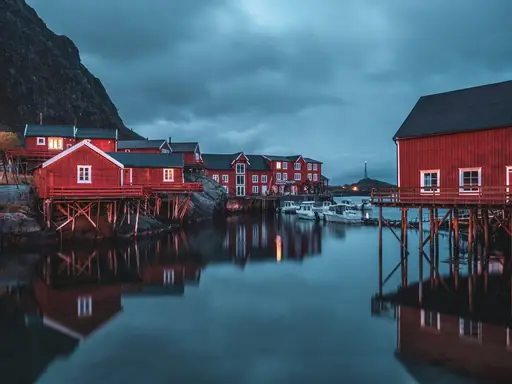
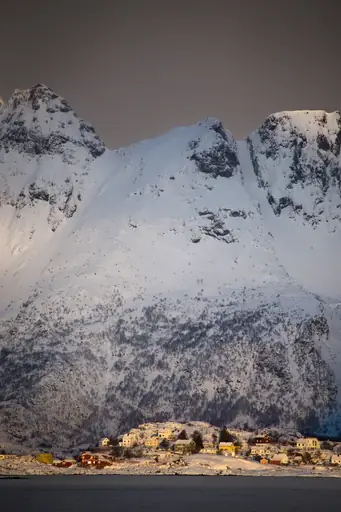
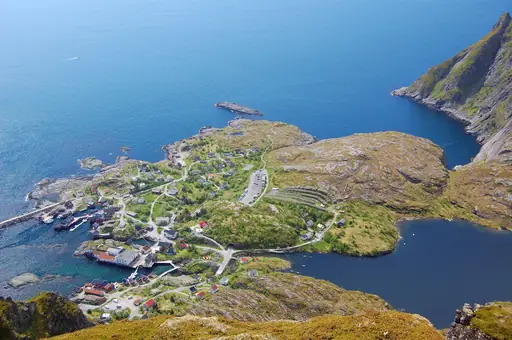
Island in Norway
Lofoten
Dramatic Peaks and Northern Lights
Picture the Alps rising straight out of the Arctic sea. The midnight sun shines from late May to mid July. Red fishing cabins called rorbuer line the harbours. Wooden racks dry cod in the cold air. Reine, a village under sharp peaks, is a favourite stop. Sailing takes care, with strong tides and sudden weather.
City in France
Saint-Malo
Walled city, wild tides, pirate tales
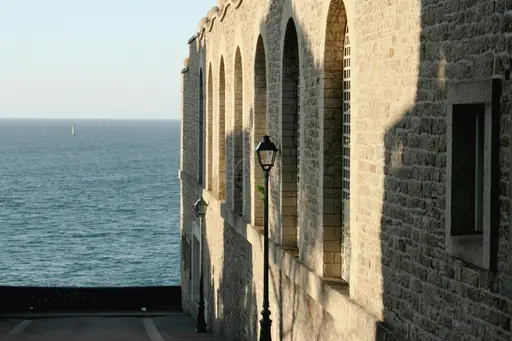
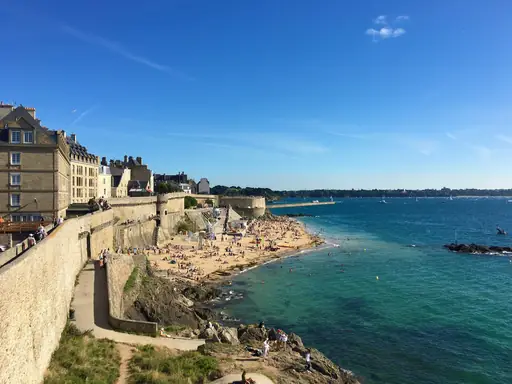
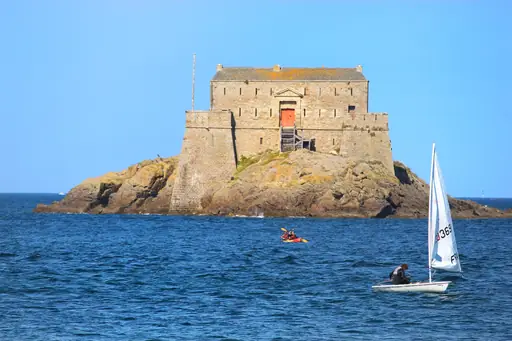
Every four years, crowds line the old walls to wave off the Route du Rhum. Solo sailors race from Saint-Malo to Guadeloupe, about 3,500 miles. The next start is on 1 November 2026. Between races the harbours fill with cruising boats. Tides here rise and fall over 30 feet.
Island in United Kingdom
Isle of Wight
Coastal charm meets historic seaside allure
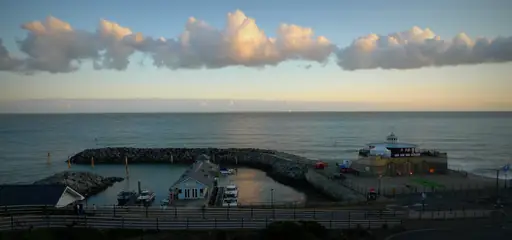
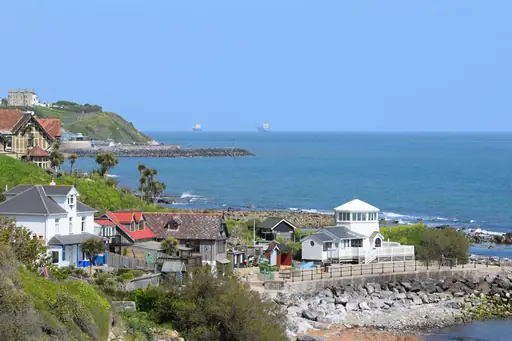
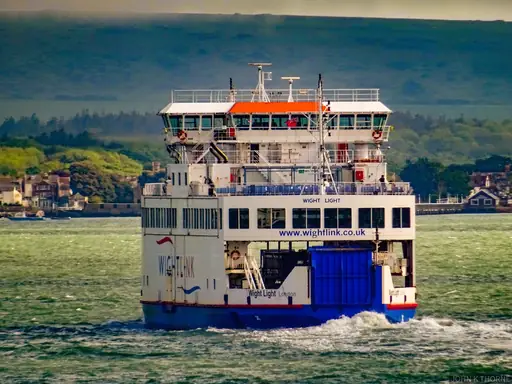
Cowes harbour hosts Cowes Week each August. The regatta has run since 1826. Hundreds of boats race on the Solent. At the western tip, the Needles are chalk stacks with a lighthouse. Yarmouth is a snug harbour with a pier and pubs. The island is a short sail from the mainland.
City in Croatia
Šibenik
Croatia's oldest coastal stone treasure
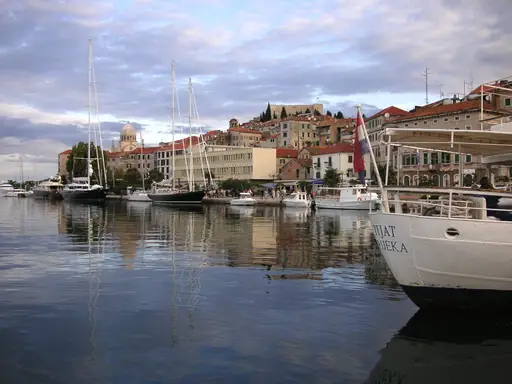
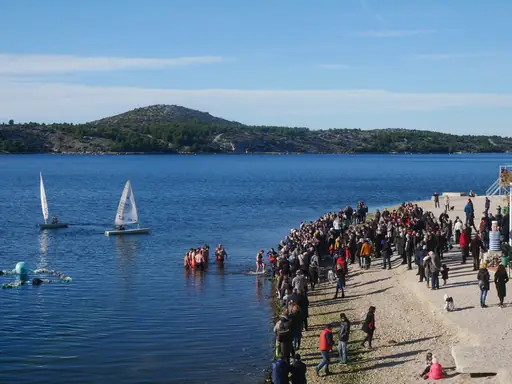
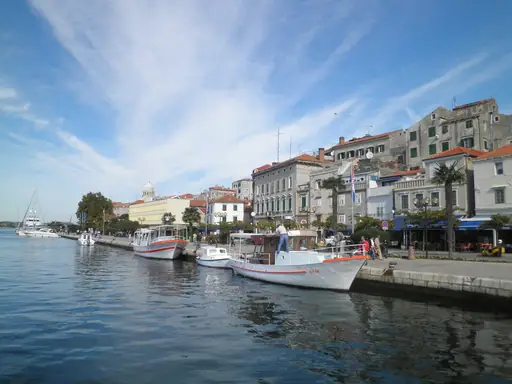
St. James Cathedral in Šibenik is built entirely of stone. A frieze of 71 carved faces runs around its apse. Boats reach the town by the narrow St. Anthony Channel. Fort St. Nicholas guards the channel mouth. Kornati National Park, a maze of rocky islands, is an easy sail away. Krka's waterfalls are nearby.
City in Montenegro
Kotor
Medieval magic on a fjord-like bay
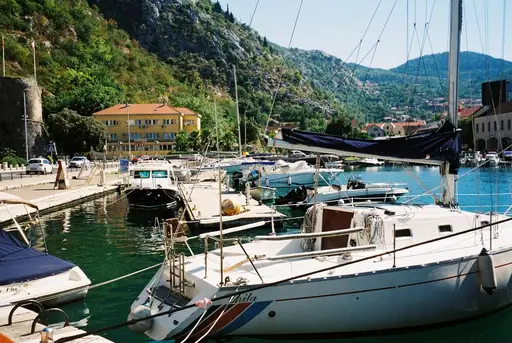
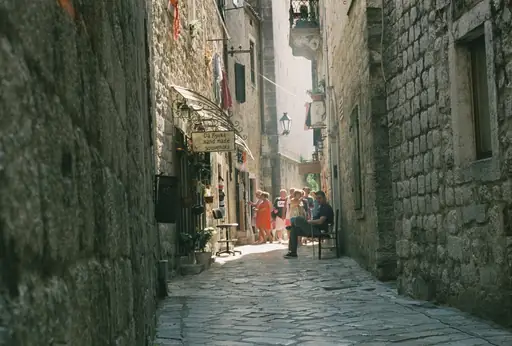
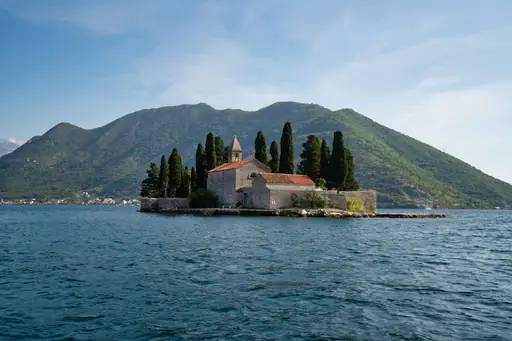
Sail in May or September, when the days are warm and the bay is calm. The bay is a deep inlet circled by steep mountains. Boats pass the island church of Our Lady of the Rocks. The old walled town of Kotor sits at the far end. Go early to beat the cruise ships.
Town in France
Saint-Tropez
Glamorous playground on azure coast
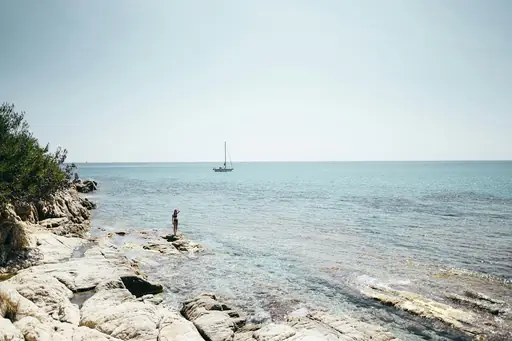
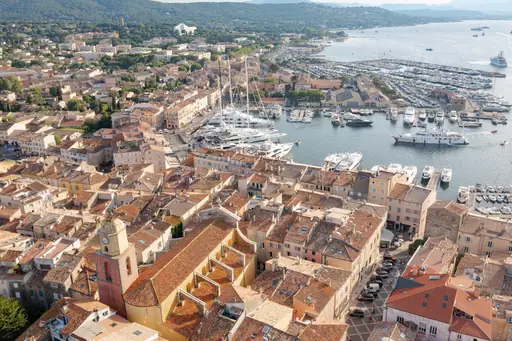
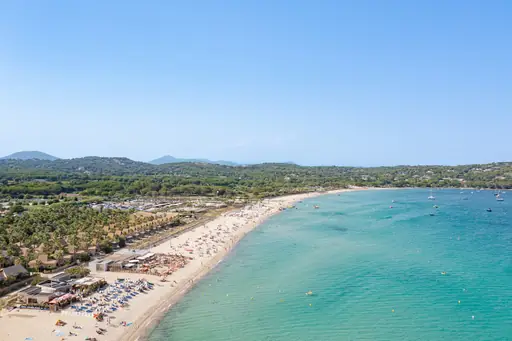
This was a sleepy fishing village before artists and film stars arrived. Now its harbour fills with yachts of every size. Each autumn, Les Voiles de Saint-Tropez brings classic and modern racing yachts to the bay. Anchor off Pampelonne Beach for lunch. Strong mistral winds can blow, so check forecasts.
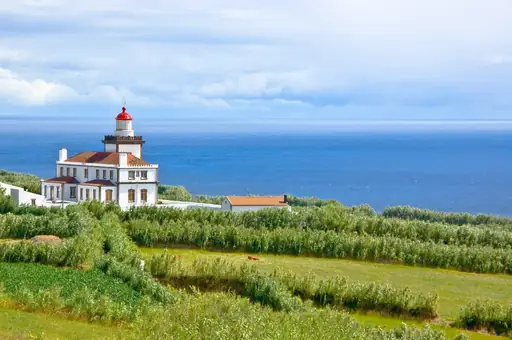
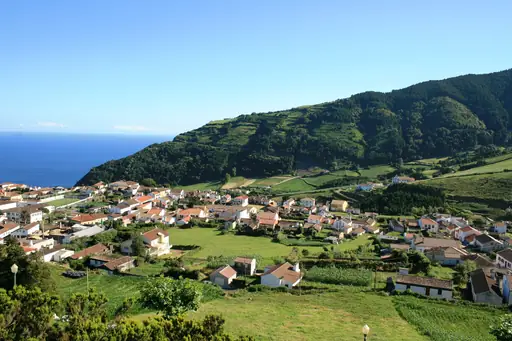
Archipelago in Portugal
Azores
Volcanic Isles of Atlantic Wonders
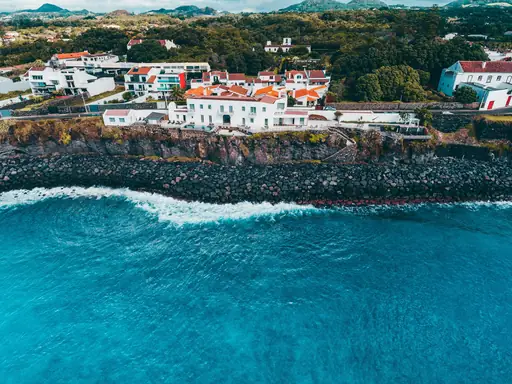
These nine islands are in the middle of the Atlantic about 850 miles off Portugal. Sailors crossing the ocean stop in Horta on Faial. Its marina walls are covered in paintings left by passing crews. Peter Café Sport nearby is a famous sailors' bar. Whales and dolphins often swim past boats.
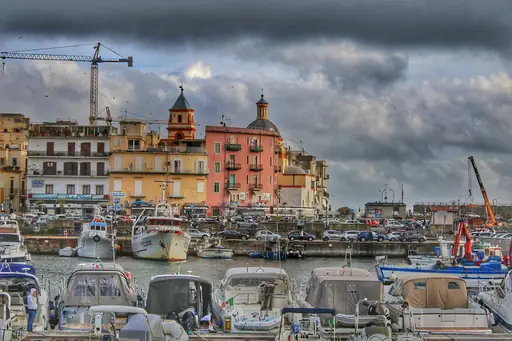
Region in Italy
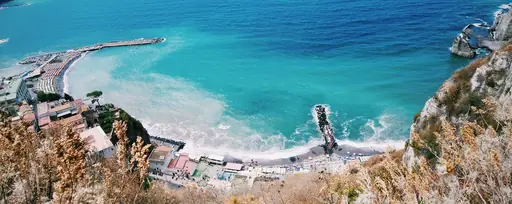
Campania
Ancient ruins meet coastal paradise
Romans kept their main fleet at Misenum on the Bay of Naples. Today sailors cruise the same waters to Ischia and Procida. Ischia has hot springs and thermal gardens. Procida has pastel fishing houses and quiet harbours. Vesuvius rises behind it all. Winds are usually light in summer, so the sails are easy.

Region in France
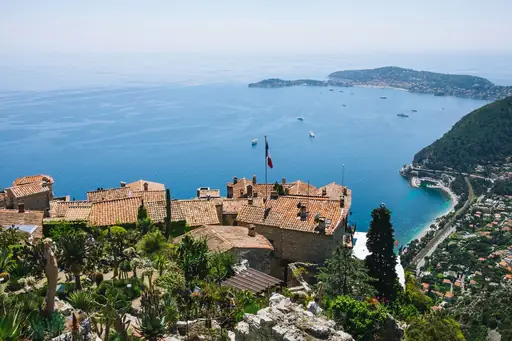
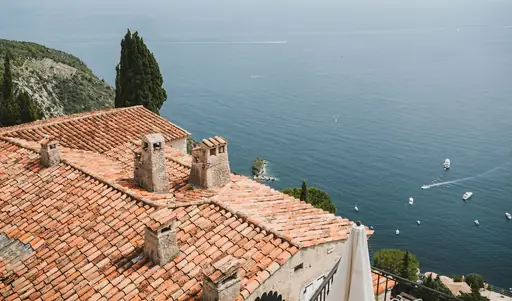
French Riviera
Glamorous Mediterranean Getaway
The smell of pine and salt drifts down from the hills. Boats follow the coast from Menton to Saint-Raphaël. Harbours are only a few hours apart. Villefranche-sur-Mer has a deep bay with an easy anchorage. Monaco's harbour sits below the palace. Summer winds are light, so the sailing is gentle.
Region in Sweden
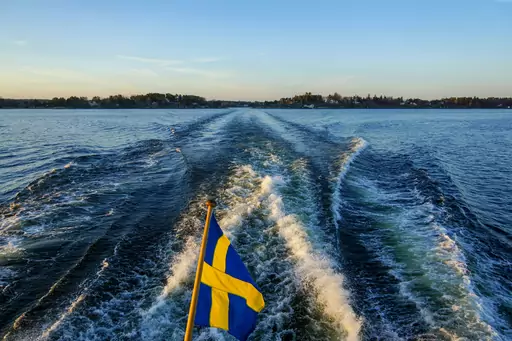
Stockholm Archipelago
30,000 islands of Swedish idyll
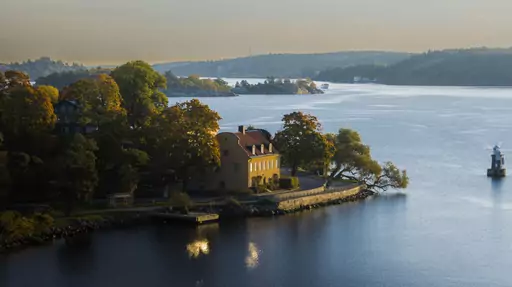
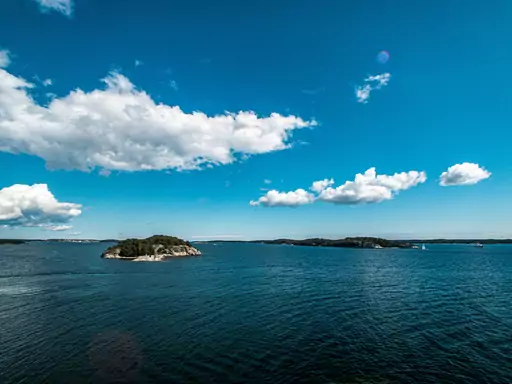
Pine scent and warm granite fill the air between low rocky islands. About 30,000 islands and rocky islets stretch from Stockholm into the Baltic. Red wooden cottages sit at the water's edge. Sandhamn is the sailing hub and starts the Gotland Runt race. Summer evenings stay light very late.
Island in Greece
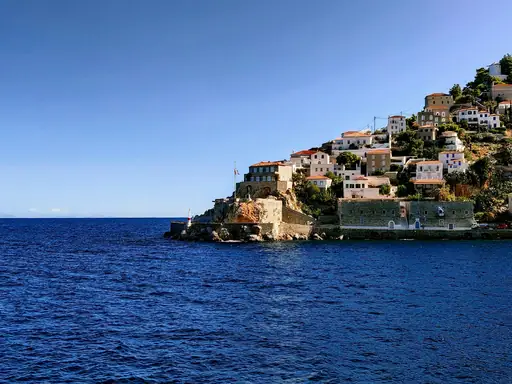
Hydra
Car-Free Charm and Greek Sun
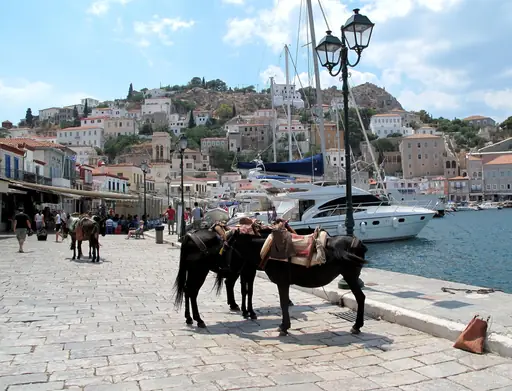
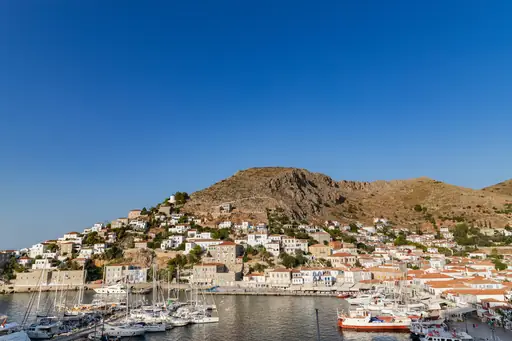
No cars are allowed on Hydra. Donkeys carry bags up from the harbour. Boats tie up stern to the quay in a small horseshoe harbour. Arrive early in summer to find a spot. Athens is a day's sail away. Stone mansions of old sea captains climb the hills above.
Region in Croatia
Dalmatia
Adriatic Coastline of Ancient Wonders
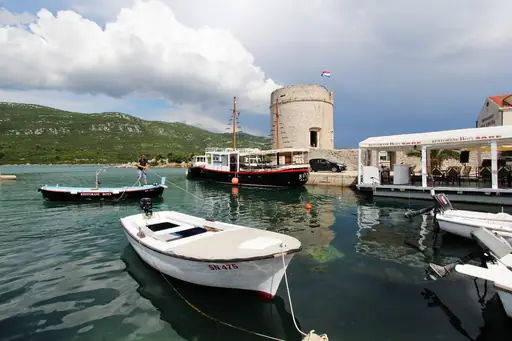
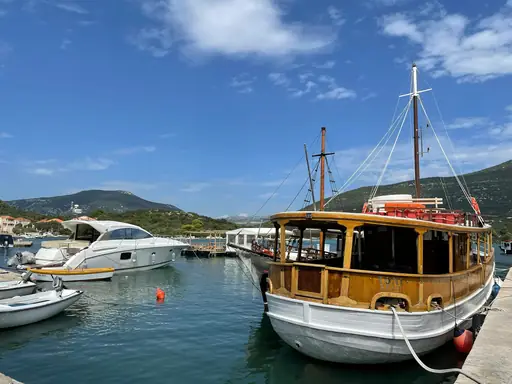
Diocletian's Palace in Split is a Roman palace full of homes and cafes. Many trips start from the harbour beside its walls. Hundreds of islands lie off the coast. The maestral, a steady afternoon breeze, fills the sails in summer. Moor at a village and eat at a family tavern called a konoba.
Archipelago in Finland
Åland
Nordic Sun, Archipelago Calm, Maritime Charm
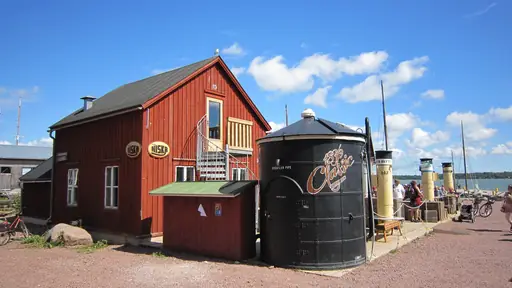
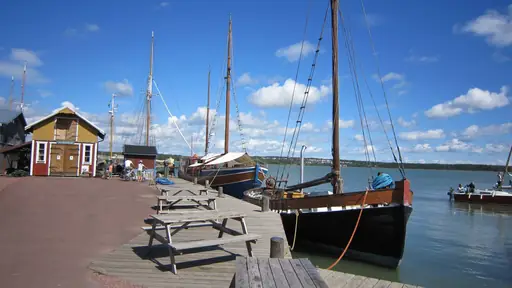
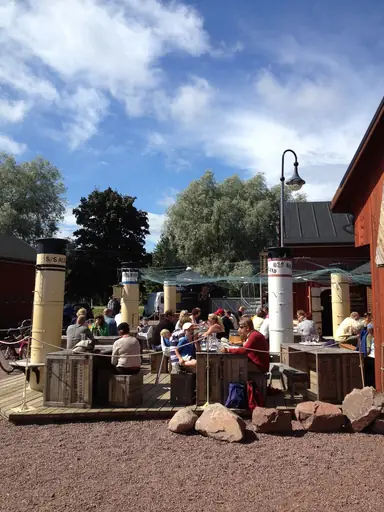
Think of a giant stepping stone path between Finland and Sweden. About 6,700 islands make it up. Most are small and empty, with room to anchor alone. Mariehamn has a harbour and the old four-masted ship Pommern. Short hops between islands keep each sail easy. Summer days are long and warm.
City in France
Antibes
Mediterranean Charm with Riviera Soul
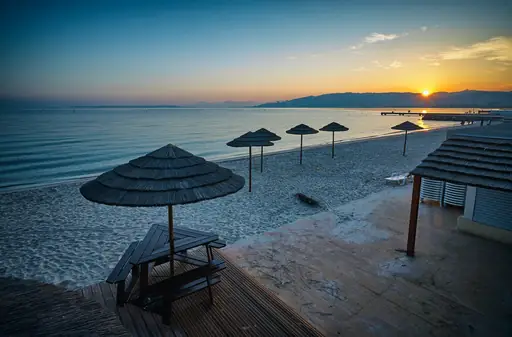
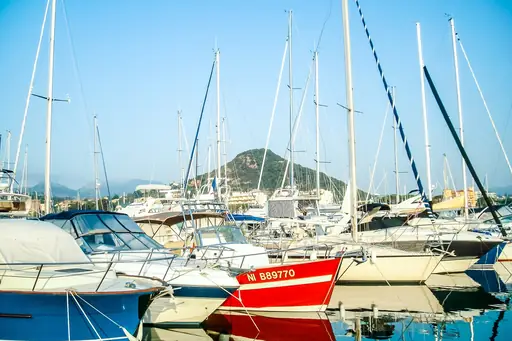
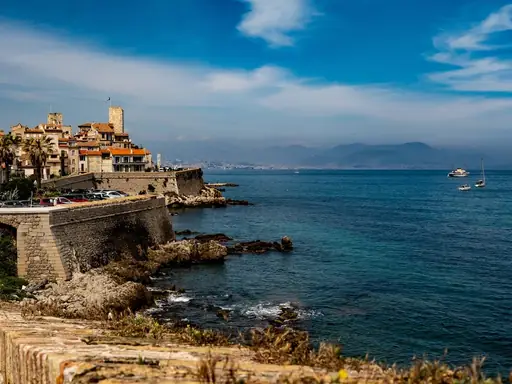
Halyards clink against masts at Port Vauban. Huge superyachts line the docks. Some top 100 metres long. It is one of the biggest yacht harbours in Europe. Fort Carré, an old star-shaped fort, watches over the harbour. Just around Cap d'Antibes are quiet coves for anchoring.
Island in Greece
Kos
Ancient Ruins, Beaches and Bougainvillea
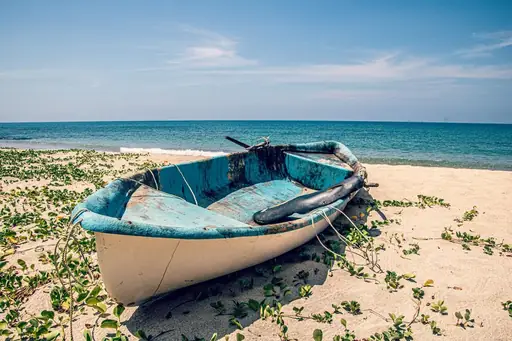
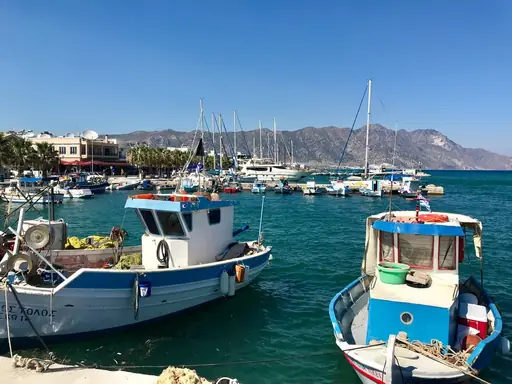
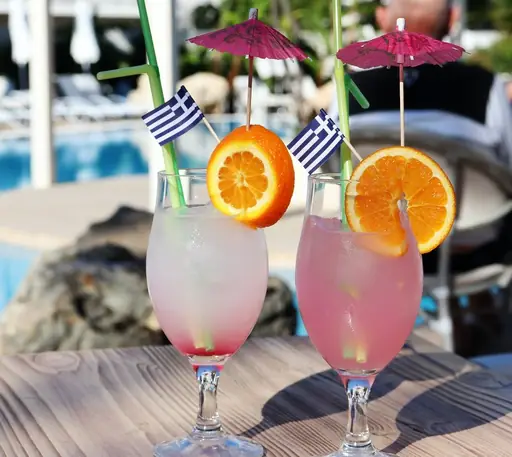
This Dodecanese island is just a few miles from the Turkish coast. Many sailing trips start from Kos Marina. Nisyros, a small volcanic island, is a short sail south. You can walk down into its crater. The ruins of the Asklepieion, an ancient healing centre, sit on a hill above town.
Town in Norway
Bergen
The gateway to the fjords
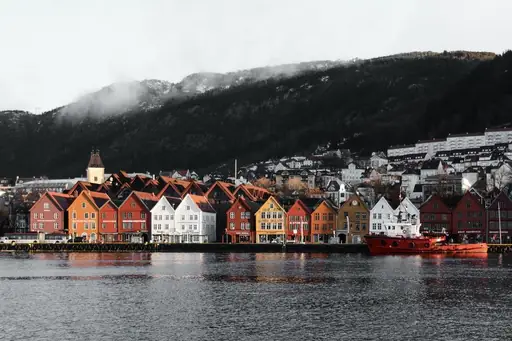
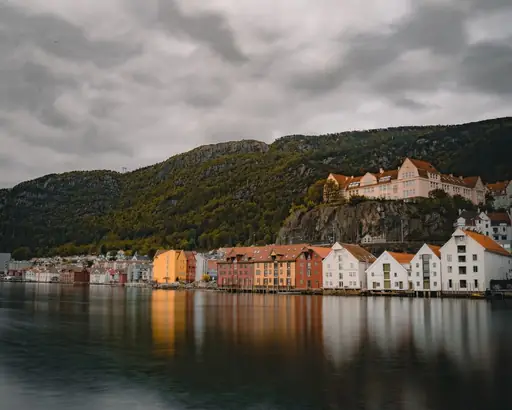
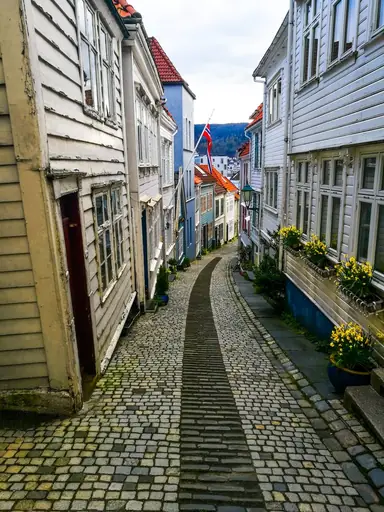
Sail between May and August, when the days are long. In midsummer, daylight lasts past 11 at night. From Bergen you can sail north into Sognefjord, the longest fjord in Norway. To the south, Hardangerfjord has waterfalls and fruit orchards. Pack rain gear, since Bergen is one of the wettest cities in Europe.
Island in Spain
Formentera
Turquoise Waters and Bohemian Calm
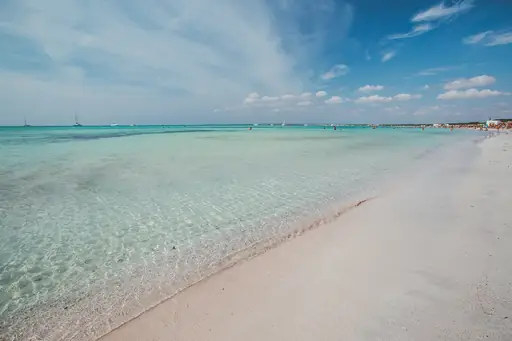
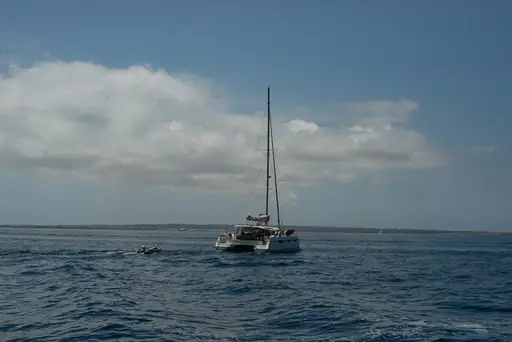
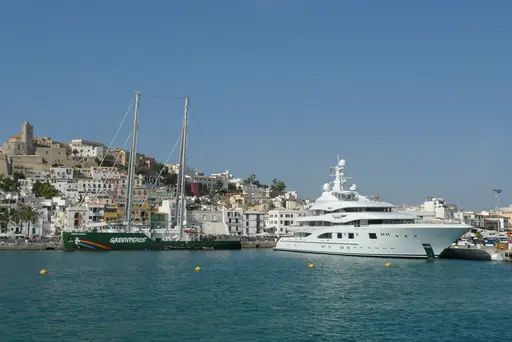
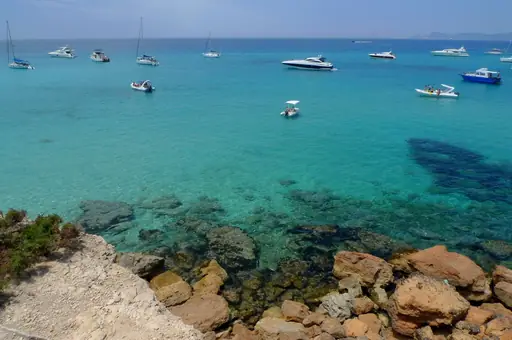
Pirate raids left this island almost empty for hundreds of years. Today yachts anchor off Ses Illetes beach in shallow turquoise water. Seagrass meadows grow below, so boats use mooring buoys. The island is flat and only about 12 miles long. Ibiza is a short sail north.
Island in Greece
Paros
Charming beaches and whitewashed villages
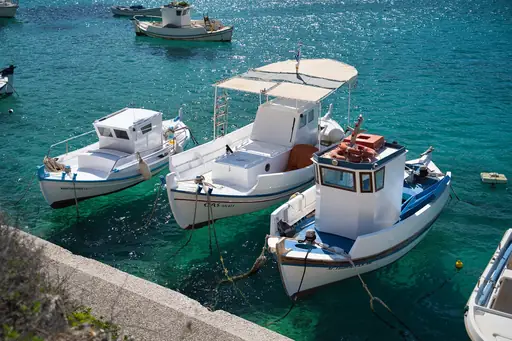
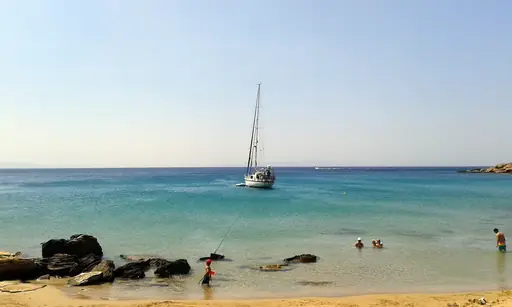
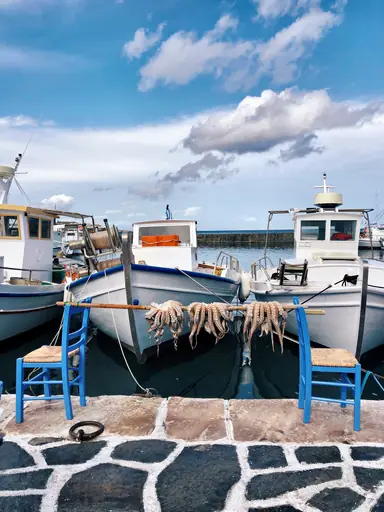
This island is in the middle of the Cyclades. Naxos and Antiparos are a short sail away. Naoussa has a small harbour with fishing boats and waterfront tavernas. The meltemi, a strong north wind, blows in July and August. Experienced crews enjoy it while others wait in port.
City in France
Cannes
Glamour, Sun and French Riviera Charm
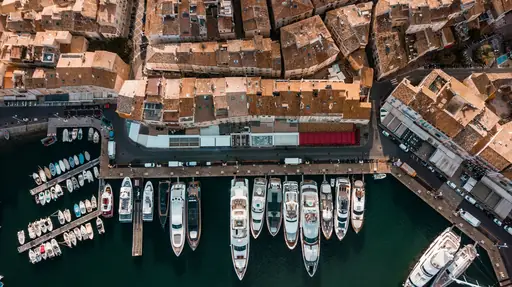
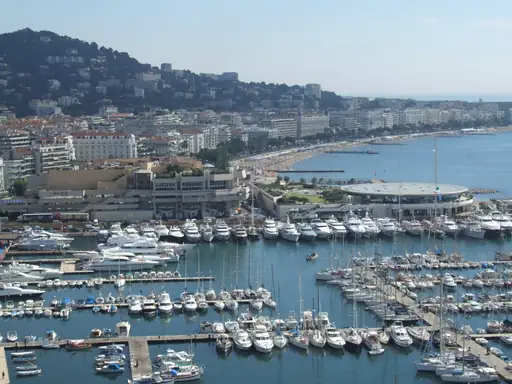
Just off the coast, the two Lérins Islands are a short sail from the harbour. Île Saint-Honorat has a working monastery and a vineyard. Île Sainte-Marguerite has a fort where the Man in the Iron Mask was held. Each September, classic yachts race in the Régates Royales.
Island in Spain
Ibiza
Mediterranean Energy, Timeless Charm
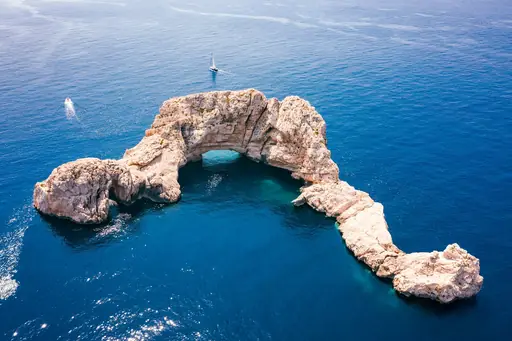
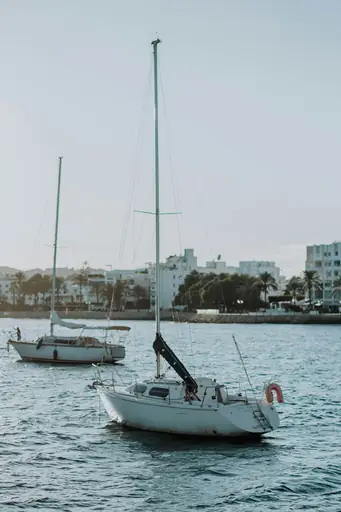
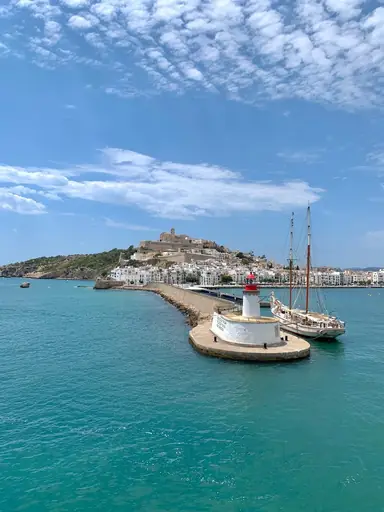
Most people know the island for its clubs. Sailors know the quiet coves on the north and west coasts. Cala Salada and Cala Xarraca are small bays with clear water. Es Vedrà, a tall rock island off the southwest coast, glows orange at sunset. Anchor early to get a good spot.
Region in France
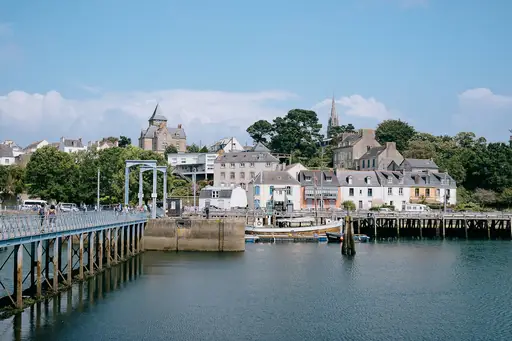
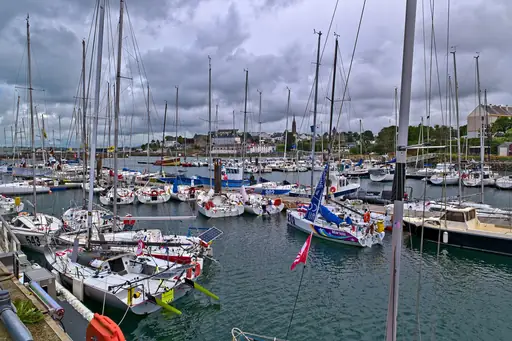
Brittany
Coastal charm meets historic Breton villages
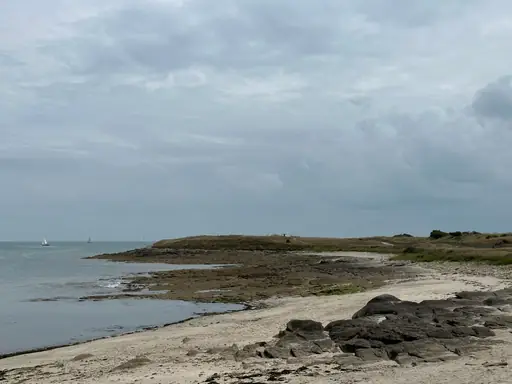
Local sailors plan each day around the tide tables. The water can rise and fall more than 30 feet. Boats sit on the mud at low tide in some harbours. The Glénan Islands have white sand beaches and clear shallow water. Île de Bréhat is a car-free island of pink granite.
Island in Spain
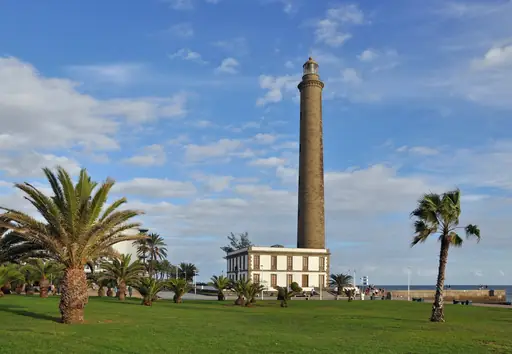
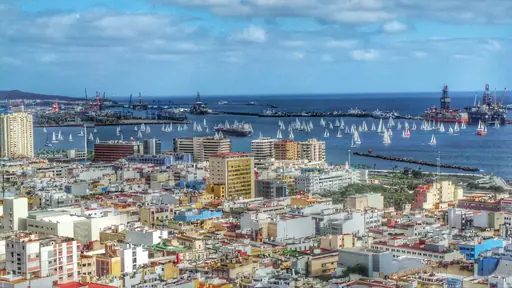
Gran Canaria
Dunes, Volcanoes, Beaches and Culture
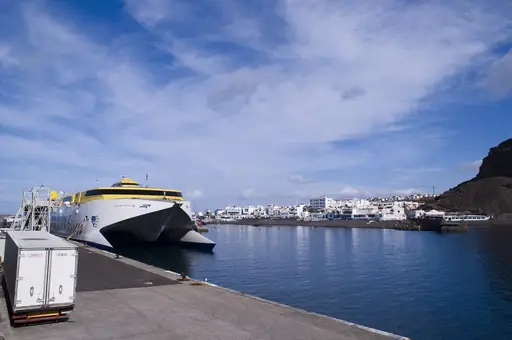
Las Palmas sits on the northeast coast of this round island. Each November a big fleet of cruising boats leaves its marina for Saint Lucia. The ARC rally covers about 2,700 nautical miles across the Atlantic. Most boats take two to three weeks. The south coast has the Maspalomas dunes.
Island in Italy
Sardinia
Turquoise seas and ancient secrets
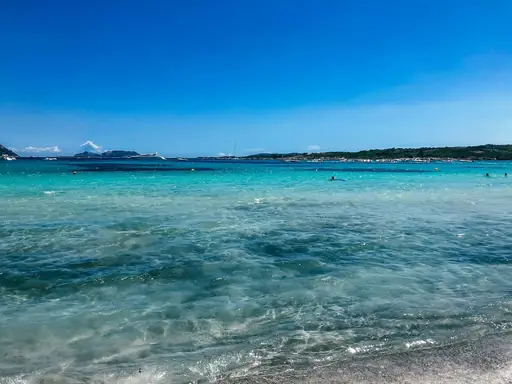
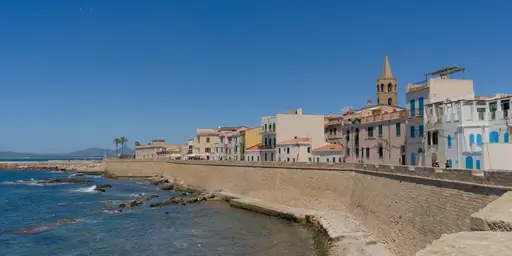
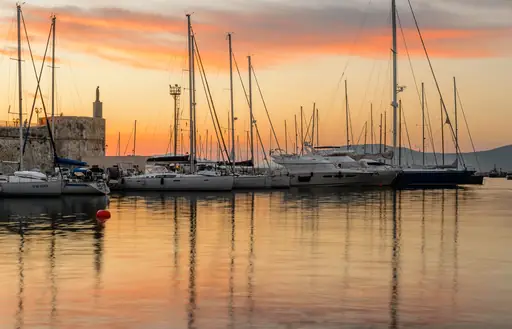
In 1962 the Aga Khan began building the Costa Smeralda on Sardinia's northeast coast. Porto Cervo grew into a marina for big yachts. Just north, the La Maddalena archipelago has pink beaches and clear water. Giant racing sailboats gather at Porto Cervo each September for the Maxi Yacht Rolex Cup.
Archipelago in Italy
Aeolian Islands
Sunlit cliffs and volcanic horizons
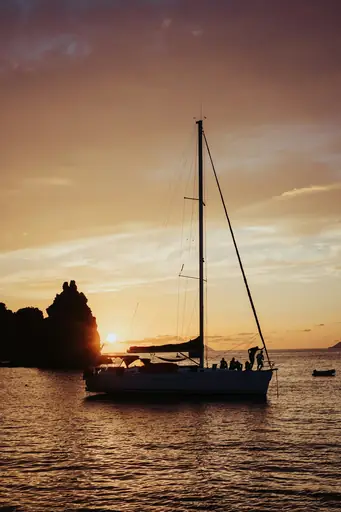
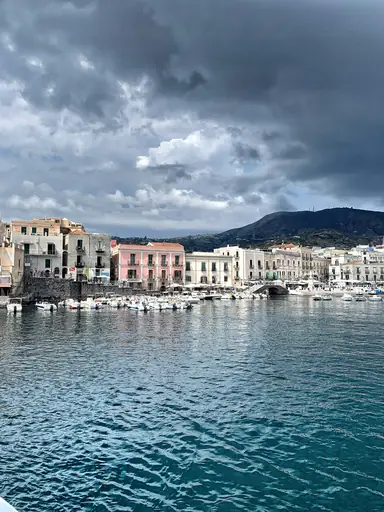
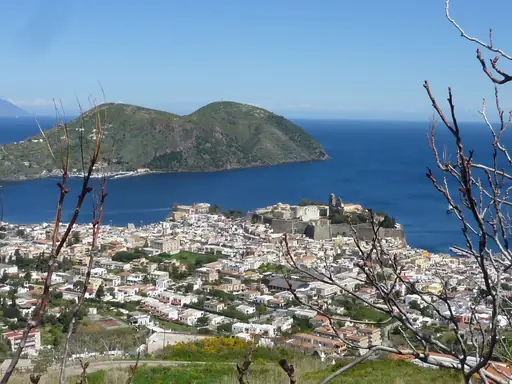
Stromboli's volcano glows red at night. Boats anchor offshore to watch it throw sparks into the sky. Seven islands are close together, so each day's sail is short. Vulcano has hot mud baths and warm bubbling water at its beach. Summer winds are usually light. Many charters start on the north coast of Sicily.
Island in Spain
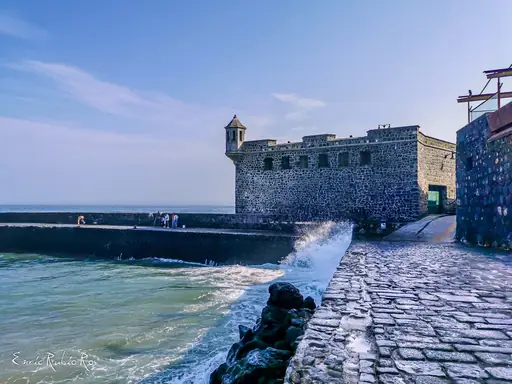
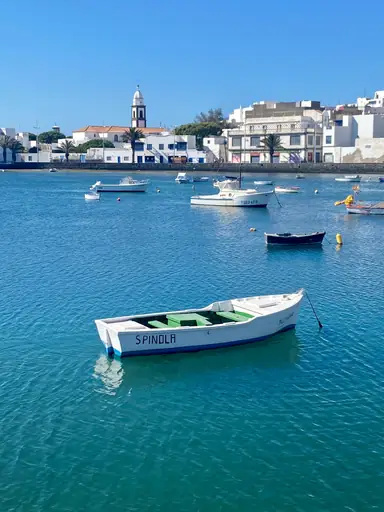
Canary Islands
Spain's volcanic paradise year-round
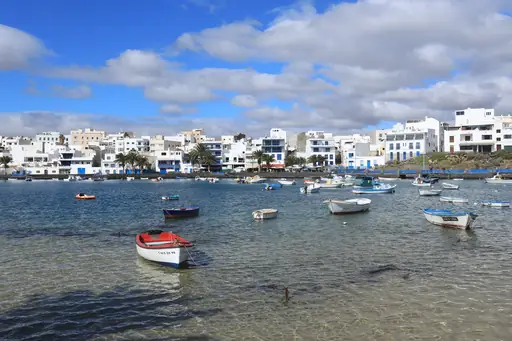
Warm trade winds blow steady across the channels for much of the year. Waves roll in from the open Atlantic. Dolphins and pilot whales swim off Tenerife. Mount Teide, Spain's highest peak, rises above the clouds. Many sailors stock up here before crossing to the Caribbean. The islands are close enough for short hops.
Island in Greece
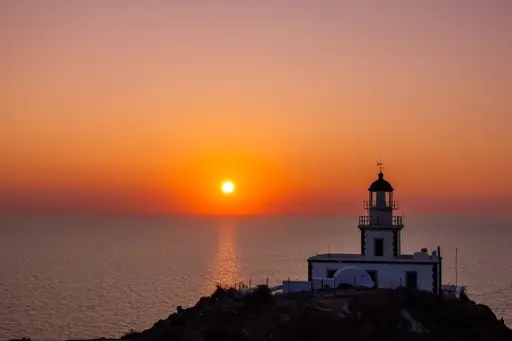
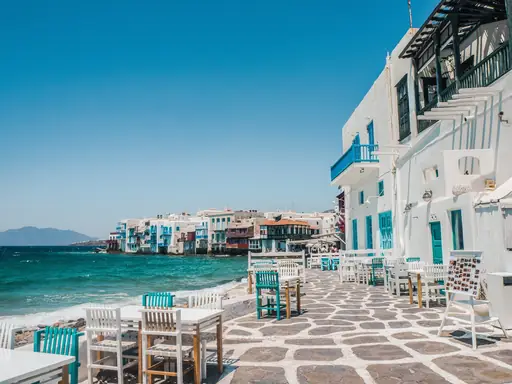
Santorini
Breathtaking Views and Blue Domes
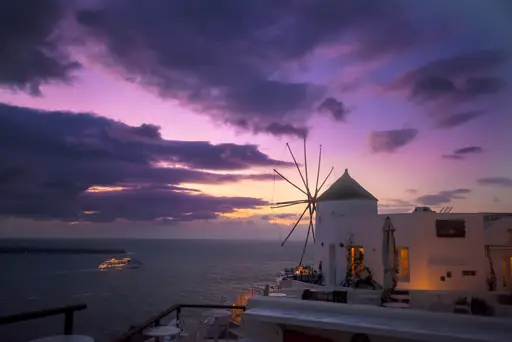
Nea Kameni, a black volcanic island, sits in the middle of the caldera. You can hike to its crater from the landing. Hot springs warm the sea at nearby Palea Kameni. White villages perch on the cliffs above. The water is very deep, so anchoring is hard. Vlychada marina is on the south coast.
Island in Italy
Capri
Mediterranean Elegance and Natural Beauty
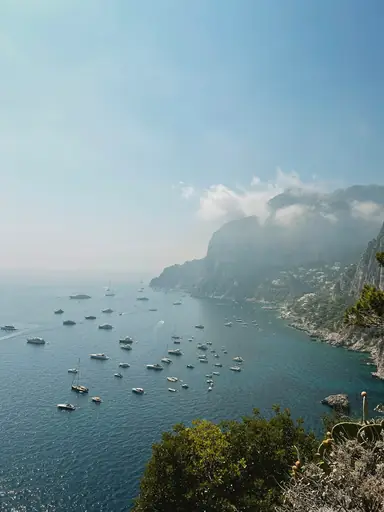
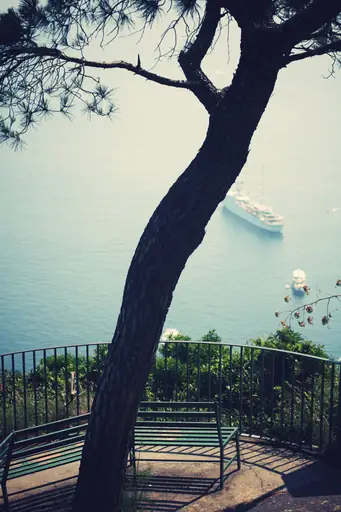
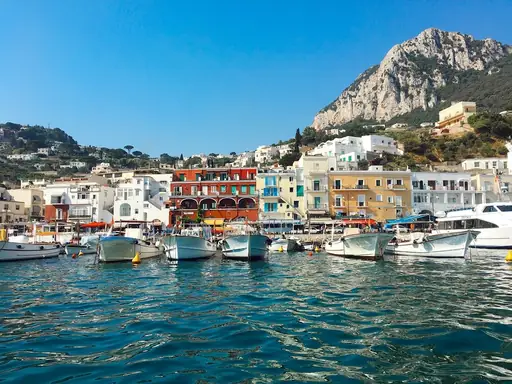
Go in late May or September, when the sea is warm and crowds are thinner. Boats can circle the island in a few hours. The Faraglioni, three tall rock stacks, rise from the water off the southeast coast. Swim in the green water beneath the cliffs. Marina Grande fills fast, so reserve a berth.
Region in Italy
Amalfi Coast
Italy's Coastal Gem
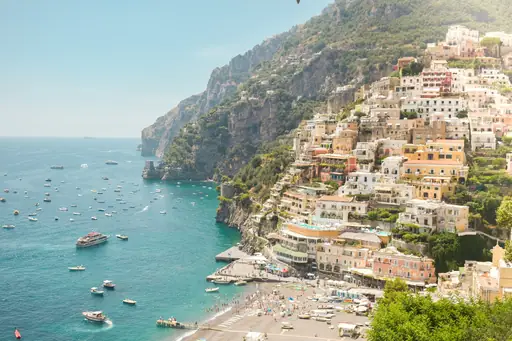
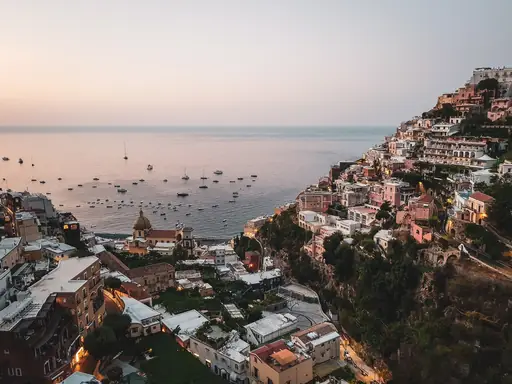
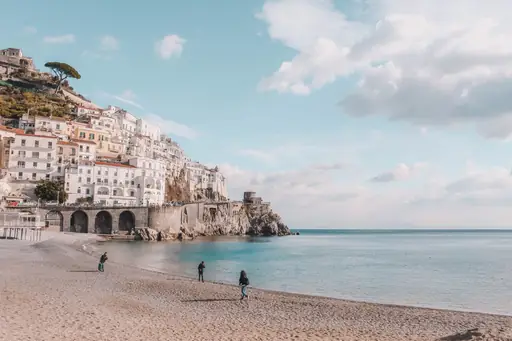
Medieval Amalfi was a sea power with its own fleet and trade routes. Today sailors pass the same cliffs and pastel villages. Stop at small coves for a swim and lunch. Positano's houses climb the hills in stacked colours. Marinas are small, so book ahead. Summer winds are light, which suits easy day sails.
Island in Spain
Menorca
Tranquil Island of Hidden Beaches
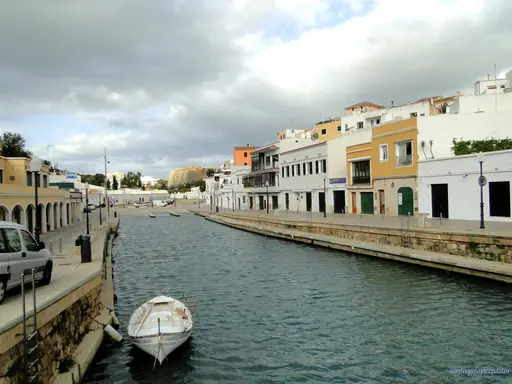
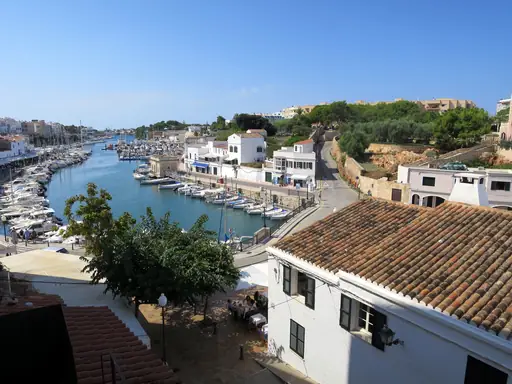
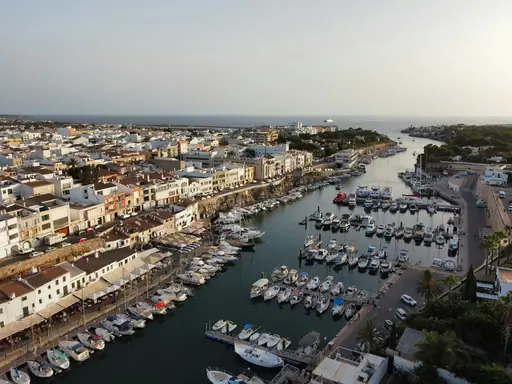
British forces ruled the island for much of the 1700s. They left behind Georgian houses and a local gin. Mahón's harbour is a deep inlet about three miles long. Small coves with white sand and pine trees line the south coast. Anchor there only in calm weather. The island is a biosphere reserve.
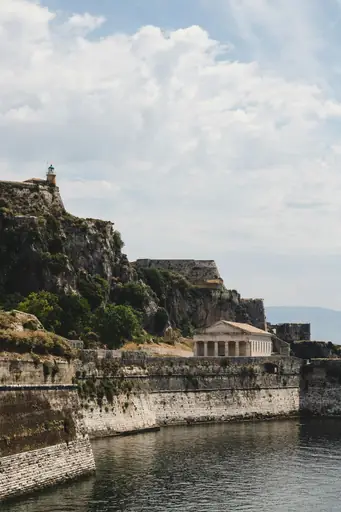
Island in Greece
Corfu
Emerald isle of sun and history
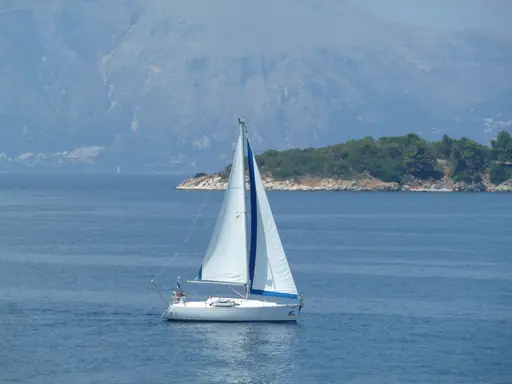
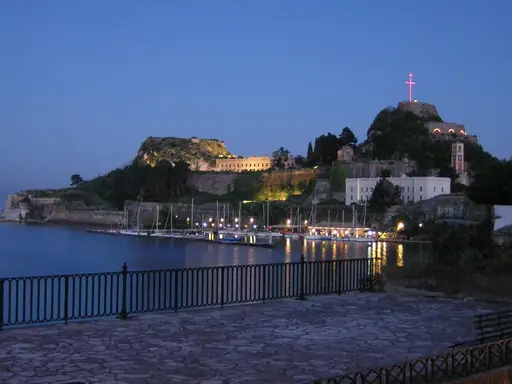
Local sailors count on the maistro, a steady northwest wind that blows on summer afternoons. It makes for easy sailing south to Paxos. Gaios, the main harbour on Paxos, sits behind a small island. Antipaxos nearby has beaches with clear turquoise water. Corfu Town has Venetian forts and a long cafe-lined promenade.
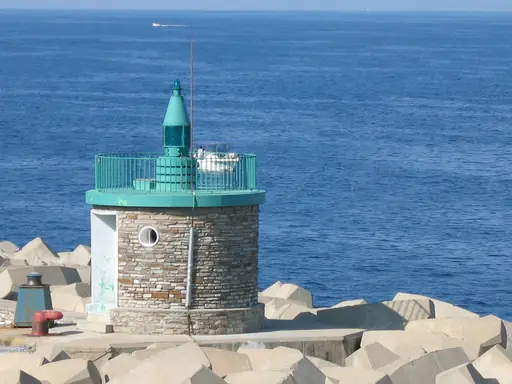
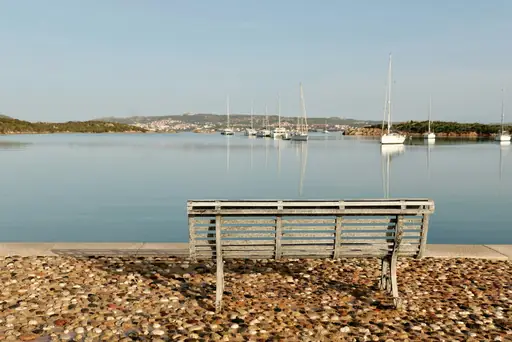
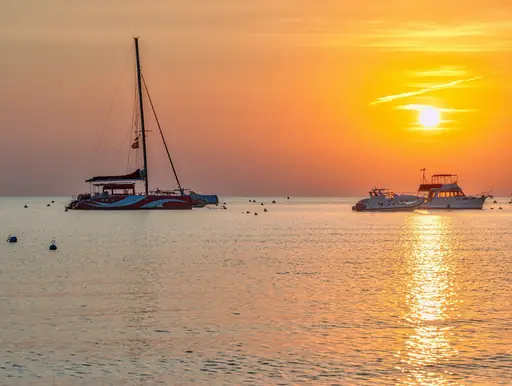
Island in France
Corsica
Island of Beauty and Contrast
Imagine a mountain range rising straight out of the sea. Scandola Nature Reserve has red cliffs and sea caves on the west coast. Bonifacio's old town is on top of white limestone cliffs above a narrow harbour. The Lavezzi Islands nearby have granite boulders and clear water. Summer winds can be strong.
City in Spain
Palma de Mallorca
Mediterranean Charm with Island Vibes
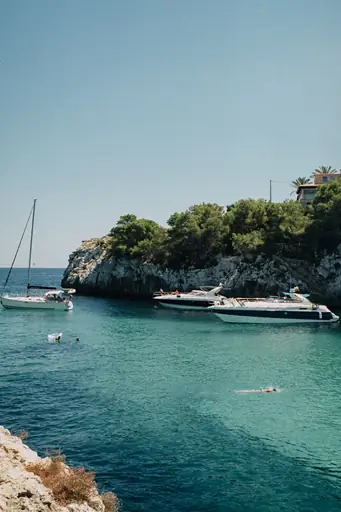
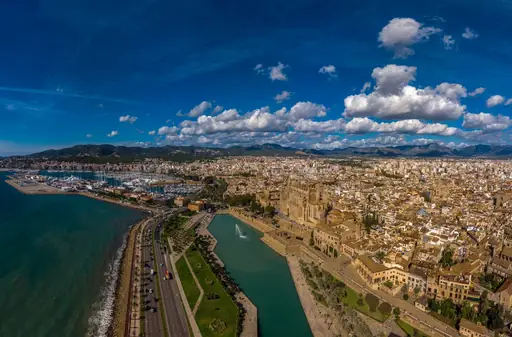
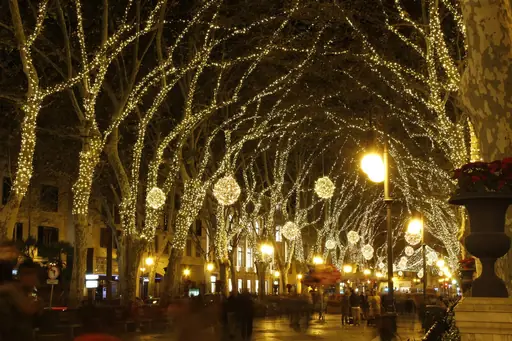
Sea air and clinking rigging fill the waterfront marinas. The Gothic cathedral glows gold over the bay at sunrise. The Copa del Rey regatta fills the bay with racing boats each summer. Boat yards here fix almost anything from sails to engines. Many charters start from Palma. Calm, sheltered water makes it easy to learn.
Other lists you may like
Discover
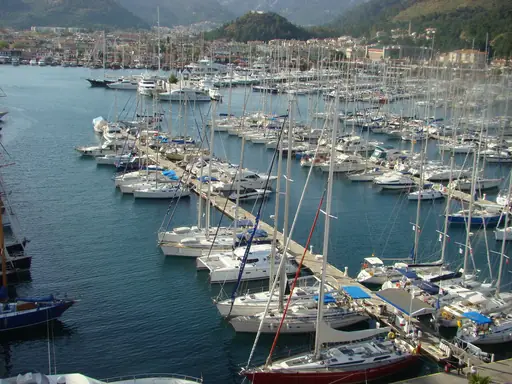
Best sailing destinations in Africa
East African coastlines and remote Indian Ocean island chains anchor much of Africa's sailing tourism, with warm water and a string of islands well suited to multi-day charters.…
Read more
Discover
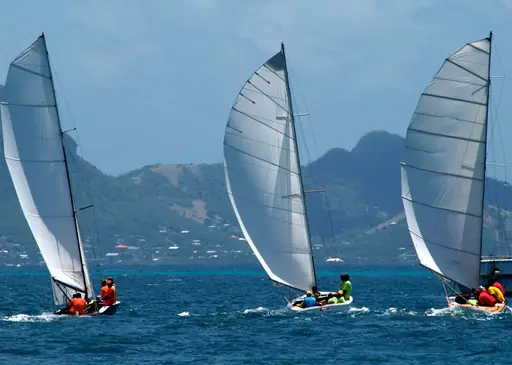
Best sailing destinations in Asia
Andaman Sea waters and island chains further east anchor much of Southeast Asia's sailing scene, combining limestone island scenery with generally warm, manageable sailing…
Read more
Discover
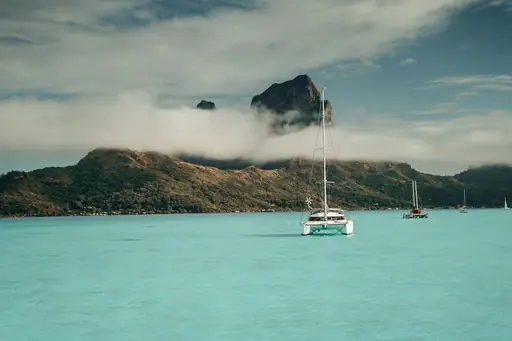
Best sailing destinations in North America
Warm island chains in the Caribbean anchor much of the region's sailing reputation, with reliable trade winds and a high concentration of sheltered anchorages within short…
Read more
Discover
Best sailing destinations in Oceania
A reef-sheltered island group off Australia's coast anchors much of the region's sailing tourism, offering sheltered, reef-protected waters well suited to both bareboat and…
Read more

Discover
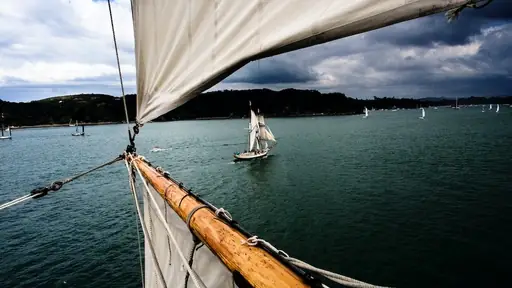
Best sailing destinations in South America
Southern Chile's fjords offer some of the most dramatic, demanding sailing anywhere on earth, cutting through glacier-fed channels far from any major town. A warmer Atlantic…
Read more
Discover
Top sailing destinations and yachting routes
A good sailing destination needs the right combination of wind, protected anchorages and enough islands or coastline variety to make a multi-day route interesting rather than…
Read more
What other users say about travelfilters
“travelfilters made it easy for me to find ski areas and compare what else they offer, so that I could find the best place for my personal travel style.”

Chris
Snowboarding & Onsen trip to Japan
“I love how transparent the data feels. There is no pushy upsell, just honest information and settings I can tune to my own travel style.”

Maria
After booking her 2027 winter escape
“The level of detail for each destination and how well those are displayed, make planning feel confident instead of overwhelming.”

Mina
Planned a week in New York City
“We used travelfilters for our planning from start to end. The trip turned out even better than expected, thanks to all their tools and customisation options.”

Allan & Etienne
Trip to Japan to see autumn foliage
“Thanks to travelfilters, I found some hidden gems to see. Being able to filter for exactly your interests is a game changer for my travel planning.”

Michael
Tour through the old cities of Northern Italy
“The customizable filters helped me find a quiet beach town with good wifi and low season crowds in under five minutes.”

Diego
Weekend Escape to Llanes, Spain
“The airport connection map saved me hours by showing good flight options from my home airport to lesser-known cities.”

Nguyen
Planning a 2027 trip to France
“The website is clean, fast and focused on the search itself, which makes travelfilters feel more like a professional tool than an ad-heavy booking site.”

Hassan
Christmas Market trip, Germany
