


Europe › Portugal › Lisbon › Alfama District

Alfama District

Scroll
Lisbon's Historic Heartbeat

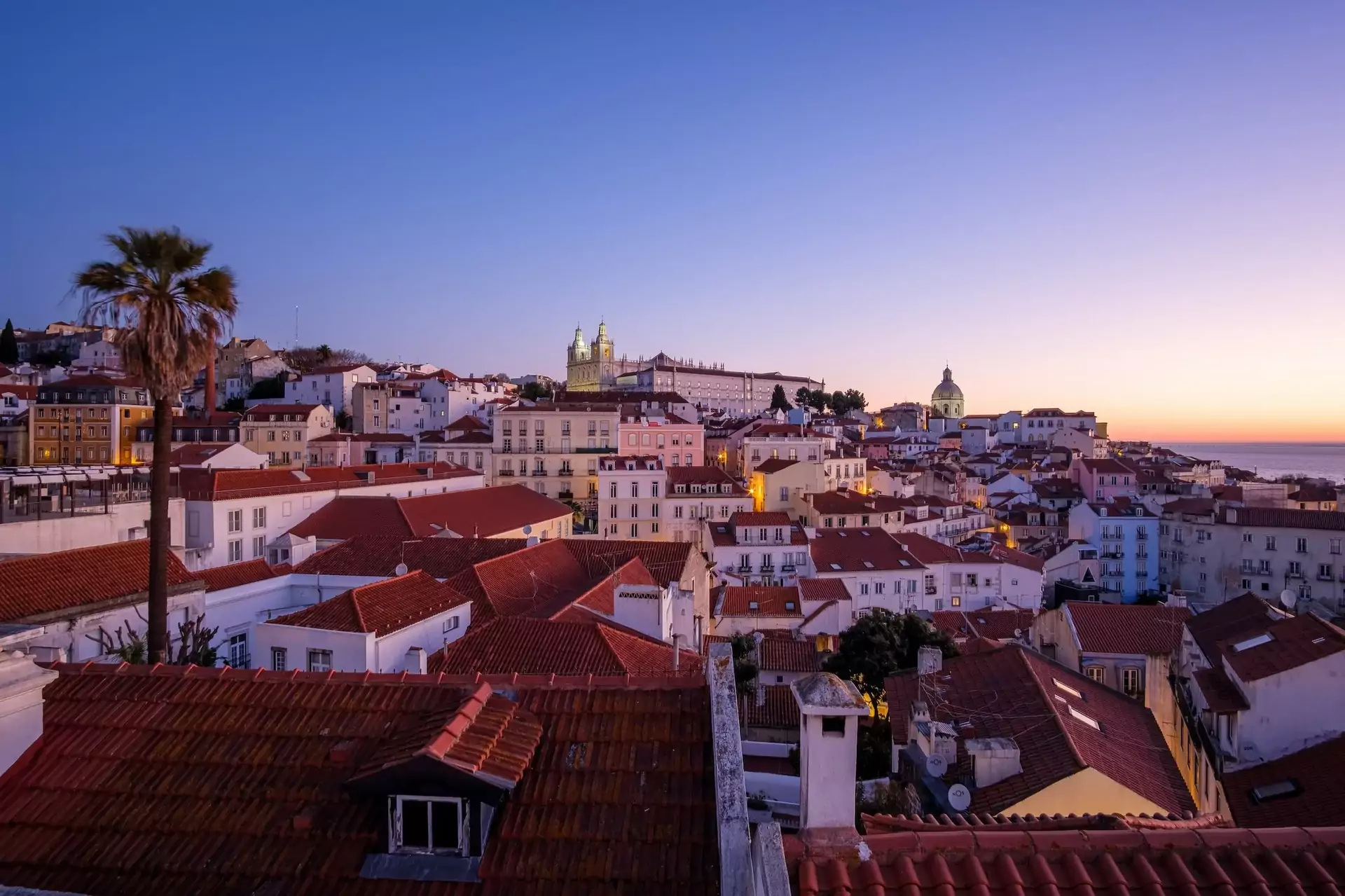
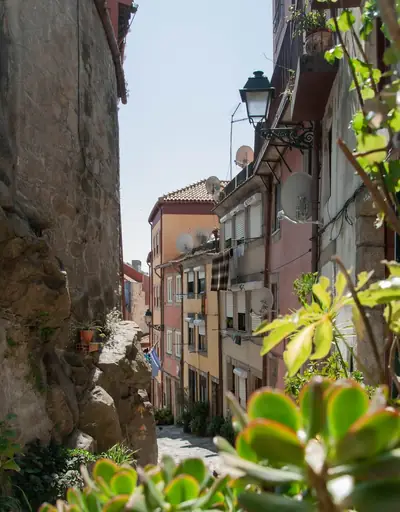
The Alfama district in Lisbon, Portugal, is one of Europe’s oldest neighborhoods. Cobblestone streets wind through colorful houses and narrow alleys where traditional trams clatter past historic buildings. The area holds centuries of history, from medieval roots to stories of exploration during the Age of Discovery. Fado music fills small cafés as locals gather in squares filled with tiles and flowers. Views stretch across the Tagus River toward modern landmarks while preserving a quiet charm that feels separate from the city’s busier parts.

Neighbourhood in Lisbon
Climate zone: Mediterranean

Mediterranean: Mid-latitude climates with hot, dry summers and mild, wet winters, typical of coastal regions around the Mediterranean Basin.

See climate table
Ticket price: $$$
$Cheap
$$Medium
$$$Expensive, upscale
$$$+Very expensive, luxury
Safety: 7.8
General Safety:8
Accessibility:7
Read details
Tourist English: 3/5
English is moderately spoken in Alfama, especially among business owners and younger locals, but visitors may encounter language barriers in less touristy spots.
Last update: 12 Oct 2026
* We earn a commission from some links on this page.
Alfama District Summary
Great for historic neighborhoods and local culture. Wander narrow alleys, enjoy viewpoints and listen to traditional Fado music.
Public website: www.visitlisboa.com
Portugal – Quick facts
Power Grid: 230 V, 50 Hz
Plug: Type C , Type F
Type C:
Diagram of a Type C power plug
Type F:
Diagram of a Type F power plug

Read about power adapters
Currency: Euro (EUR)
£1 ≈ €1.19
Cashless info: Rating 4/5
Portugal has widespread acceptance of cashless payments, particularly in urban areas and larger businesses. Cards are commonly used, and mobile payment options are increasingly available.

Save with a travel credit card
eSIM providers: Best value: Saily
Flexibility: Airalo
Read our in-depth comparison
Tipping: Tipping is customary but not mandatory in Portugal. In restaurants, leaving a 5-10% tip is common, especially if the service is exceptional. Taxi drivers usually expect a small tip of around 5-10%, and hotel staff appreciate tips for their services.
Public drinking: Public drinking is generally accepted in most public spaces, such as parks and beaches. However, certain municipalities may enforce restrictions in specific areas.
Public smoking: Smoking is prohibited indoors in public places like restaurants and bars. Designated smoking areas are available in many public spaces.
Portuguese Republic Day
(October)
National holiday with public celebrations and some closures, particularly in Lisbon.
Christmas
(December)
Holiday celebrations and increased tourism, expect crowded areas and higher accommodation prices.
Carnival
(February)
Festive celebrations with parades and events, especially in Lisbon and Madeira. Expect lively crowds.
Emergency contact: Emergency Number: 112 (Police, Fire, Ambulance)
Taxi apps: Bolt, Uber
Other: Portugal boasts rich cultural heritage, beautiful beaches, and historic landmarks. Public transport is reliable, and the country is known for its mild climate, especially in the southern regions.
Best times to travel

The best times to travel section shows how the months compare for a visit, so you can find the time of year that fits what you want to do.

Background colours of the months:
The colour shows the typical temperature: yellow (hot), green (mild) and blue (cold). How strong the colour is shows the travel season: full colour means high season, soft colour means shoulder season and soft-striped means off season.

Weather symbols:
Each month has one symbol showing what the weather is typically like, such as hot and sunny, freezing or a rainy or snowy season. Use them to quickly spot months that match the weather you want, or to avoid the ones that don't.

Crowdedness:
The people icon shows how busy the place usually is. The more people, the more crowded it gets.

Additional notes:
The grey info boxes point out special things worth knowing, like recurring weather issues or seasonal events.

for Alfama District, Portugal
🌤️
Jan
☀️
Feb
☀️
Mar
☀️
Apr
☀️
May
☀️
Jun
☀️
Jul
☀️
Aug
☀️
Sep
☀️
Oct
🌤️
Nov
☀️
Dec
High season: May - Sep.
Shoulder season: March - April, Oct.
Tap on a month for more info Hover over a month for more info
Santo António festivities June 12 to 13: street parties, grilled sardines and processions fill Alfama's lanes
Fado venues busiest in the evening; many have fewer shows on Mondays and in winter

Alfama District is the oldest quarter of Lisbon, renowned for its labyrinthine streets, vibrant colors and deep connection to the city’s Moorish past. It survived the devastating 1755 earthquake largely intact, preserving an authentic medieval character that remains evident in its narrow lanes and historic buildings.

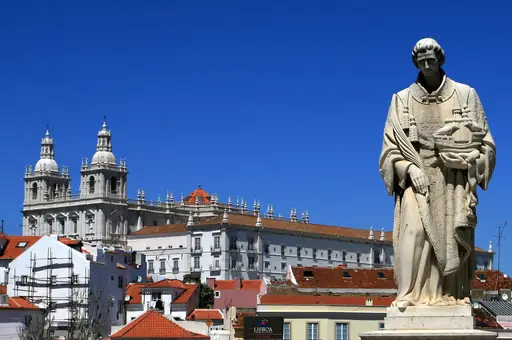
Wandering through Alfama feels like stepping back in time. Local life thrives amid faded façades where laundry flutters above cobblestones and the melancholic melodies of Fado music regularly echo from intimate taverns. The neighborhood is anchored by landmarks such as the towering São Jorge Castle, Lisbon’s Cathedral (Sé) and the impressive National Pantheon.

While Alfama’s charm is undeniable, it isn’t without downsides. The steep, uneven streets can be challenging for those with limited mobility and navigating the area by car or taxi is difficult due to narrow, pedestrian-only alleys. Tourism has increased dramatically, bringing crowds especially in the summer, which causes higher prices and some gentrification effects. Visitors should also be mindful of pickpockets in busy areas.

Despite these challenges, Alfama rewards those who take the time with an immersive cultural experience rich in history, music and authentic local atmosphere, making it a must-visit area in Lisbon.

Knowledge before you go

  • Wear comfortable shoes; Alfama’s streets are steep and cobblestoned.
  • Explore early morning or late afternoon to avoid crowds at São Jorge Castle and Fado venues, ensuring better photo opportunities.
  • Use the local metro or bus lines 28 and 744 for efficient access; consider a Lisboa Card for unlimited travel and discounts on attractions.
  • The district’s narrow alleys hide hidden courtyards and artisan shops; ask locals for lesser-known spots like Miradouro de Santa Luzia for panoramic city views.

How to travel to Alfama District

Alfama is located in central Lisbon near the Tagus River. Visitors usually arrive via Lisbon Humberto Delgado Airport, with easy connections by taxi or metro to the city center. From downtown Lisbon, Alfama can be reached on foot or via the iconic Tram 28 which winds through its narrow alleys. However, note that the tram can get very crowded during the day, so early mornings or evenings are best for a peaceful ride.

Access summary

  • From Lisbon Airport (LIS): Metro+walk or taxi; 20–30 minutes total.
  • From central Lisbon/Baixa: Walk, tram 28E or short taxi; about 10–20 minutes.
  • From Santa Apolónia station: Walk uphill into Alfama; roughly 5–10 minutes.

Where to stay near Alfama District

Though Alfama offers some charming boutique guesthouses and small hotels, accommodation options are limited and generally pricier compared to other parts of Lisbon. Many travelers prefer to stay in nearby central districts, visiting Alfama for day excursions to enjoy its unique ambiance.

Packing recommendations for Alfama District

Log in to add this place to a travel list and get a summary of all recommended items for your whole trip.

Budget snapshot
Costs compared to home

We calculate the average costs when travelling to destinations and compare those with the living costs at your home. With this you can get an estimate of how expensive or cheap the destination is for you.

To customise this, you can set up which location and price level are used for the calculations in your account settings.

-32 %
Daily expenses in the region are around 32% lower than the average across United States. That means you'll spend considerably less on meals and getting around.
Exchange rate trend

The exchange rate price factor shows how expensive or cheap a currency currently is compared to its historical average. It's a quick way to see if a country is currently more or less affordable due to exchange rate changes.

-3 %
Your exchange rate (GBP to EUR) is 3% better than in recent years. That means travelling now costs around the same compared to the past.

Safety information overview

General safety
8
Lisbon’s Alfama district remains one of the city’s safest neighborhoods, with low crime rates and a strong police presence. Visitors should stay alert in crowded tourist spots, avoid poorly lit alleys at night and keep valuables secure to ensure a worry‑free stay.
Accessi­bility
7
Alfama’s narrow, cobbled streets and steep slopes make mobility challenging; many historic buildings lack ramps or elevators. However, the district offers accessible public transport links, some adapted bus stops and a growing number of wheelchair-friendly cafés. Plan ahead for uneven terrain.

Looking for inspiration?

Discover
Top architecture destinations and iconic landmarks
Architecture travel spans everything from ancient ceremonial complexes and medieval urban cores to the grands projets of the twentieth century and contemporary buildings that draw…
Read more
Discover
Best architecture destinations in Europe
Europe's architectural range spans Gothic cathedrals, Renaissance palaces and twentieth-century modernist landmarks within a single train journey, making it the continent most…
Read more
Discover
Top music destinations and historic soundscapes
Music travel has developed a dedicated circuit built around the live music cities, festival destinations and the places where significant genres were born and defined. The most…
Read more
Discover
Top historical destinations and historic sites
The most compelling history destinations are places where the past is still physically present and legible in the landscape, the architecture and the daily life of the people who…
Read more
Discover
Best music destinations in Europe
Europe's music destinations encompass the classical concert halls and opera houses of the great musical capitals, the birthplaces of genres that shaped twentieth century popular…
Read more
Discover
Best historical destinations in Europe
Europe is one of the most historically dense regions on earth, where the evidence of successive civilisations, empires, conflicts and cultural movements is layered into the…
Read more
Discover
Most beautiful beaches and coastal escapes
For a lot of people, a beach is the whole point of a holiday, but what makes a beach day perfect really depends on personal taste. Some travellers want isolation and the feeling…
Read more
Discover
Stunning national parks and wilderness areas
National parks exist because someone decided that certain landscapes were too important to lose. The best of them protect ecosystems, wildlife and natural processes that would…
Read more
Discover
Intimate escapes and romantic getaways
The most memorable trips for couples tend to have less to do with luxury and more to do with the quality of shared experience. A place that slows you down, removes the usual…
Read more
Was this page helpful?
Feedback

