
Best fine dining destinations in Europe
Best fine dining destinations in Europe
Historic gourmet restaurants and renowned modern kitchens in Europe
Europe still anchors the world's idea of fine dining, from classical haute cuisine traditions to a reinvention of Nordic cooking that has reshaped the culinary world over the past two decades. Smaller coastal cities pack a remarkable concentration of Michelin recognition into compact spaces.
The destinations on this list range from cities with centuries of classical culinary tradition to newer Nordic and experimental scenes that have reshaped fine dining recently. Regional cooking traditions further south offer a different, more product-driven version of the same seriousness.
Booking well in advance is essential at Europe's most celebrated restaurants, where some of the most sought-after tables require reservations made months out. Lunch service tends to be considerably more affordable than dinner at many of these kitchens.
Lists by region

City in Italy
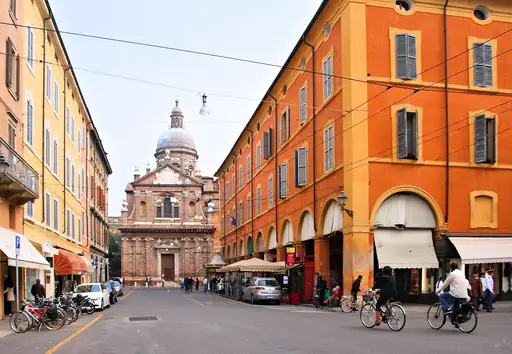
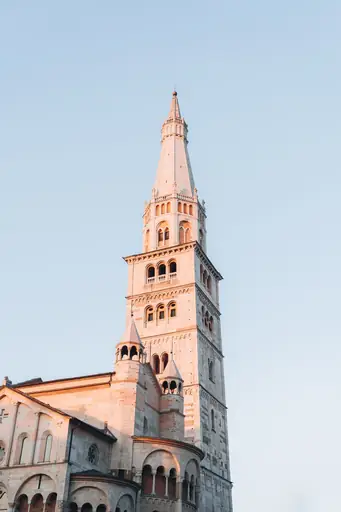
Modena
Motors, Music and Balsamic Magic
Families here age balsamic vinegar in sets of wooden barrels for at least twelve years. Some barrels pass down through generations. The traditional kind is dark and syrupy. Chef Massimo Bottura turns local classics like tortellini in broth into art on a plate. Nearby farms make Parmigiano-Reggiano cheese.
Island in Italy
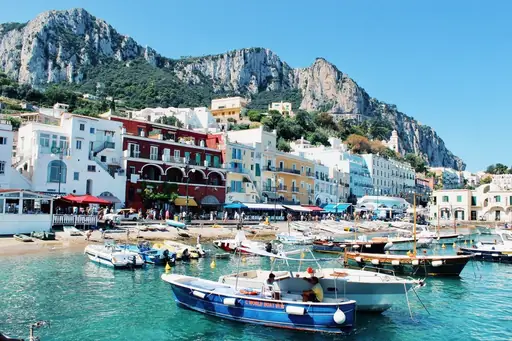
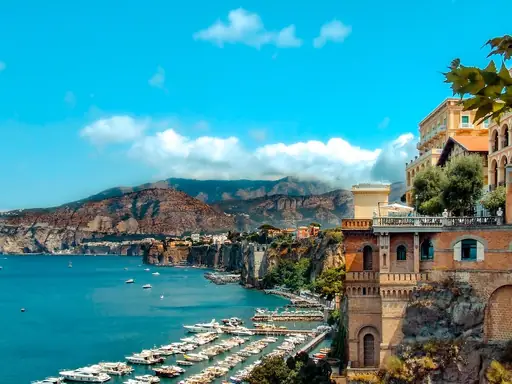
Capri
Mediterranean Elegance and Natural Beauty
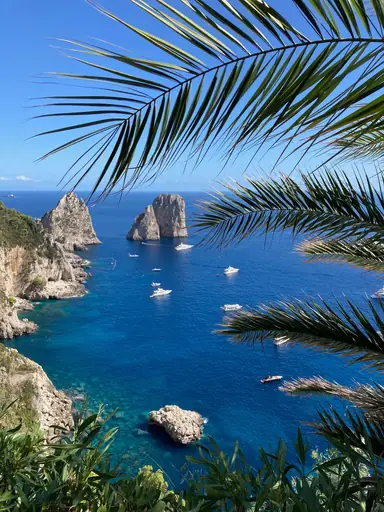
Lemon trees, white villas and sea views make this small Italian island glamorous. Terraced restaurants serve caprese salad, fresh seafood and limoncello. Visitors can dine at starred restaurants like L'Olivo at Capri Palace. A chairlift up Monte Solaro and the Blue Grotto boats add sightseeing between meals.
City in Spain
Bilbao
Basque culture meets bold design
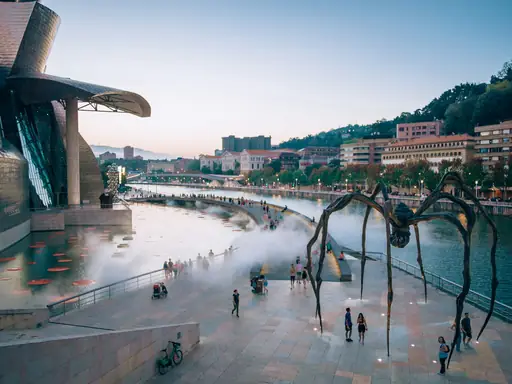
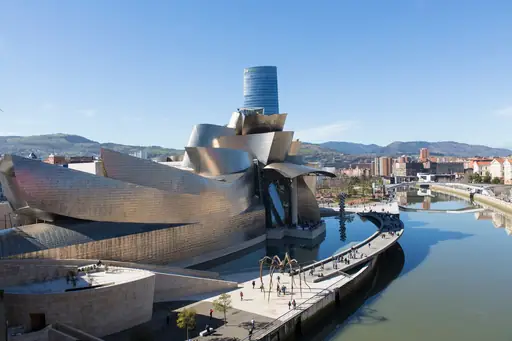
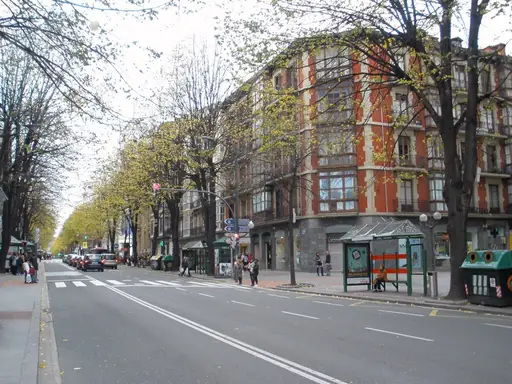
Frank Gehry's Guggenheim Museum draws visitors to a city with a serious food scene. The Ribera market is one of Europe's largest covered markets and the Casco Viejo pintxos bars feed the city. Azurmendi nearby in Larrabetzu holds three Michelin stars. Visitors can taste cod, txakoli wine and cheesecake.

Village in Italy
Positano
Cliffside Beauty on Amalfi Coast
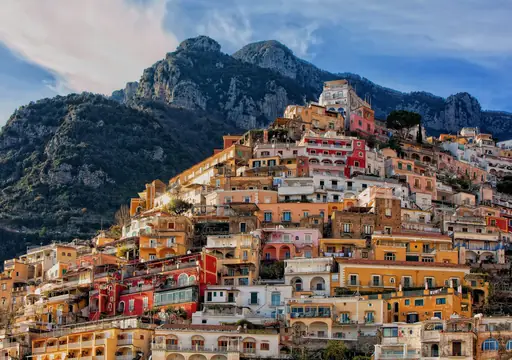
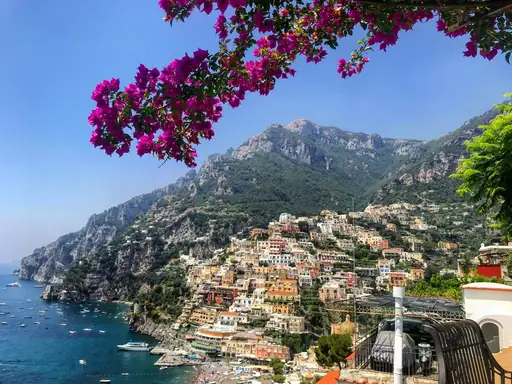
Locals grow sfusato lemons, big and fragrant, in terraced groves. They turn the fruit into limoncello, a lemon liqueur. Scialatielli, thick fresh pasta, comes with clams or shrimp. Colourful houses stack up a steep cliff above the sea. Restaurant terraces hang over the water at dusk.
Town in Italy
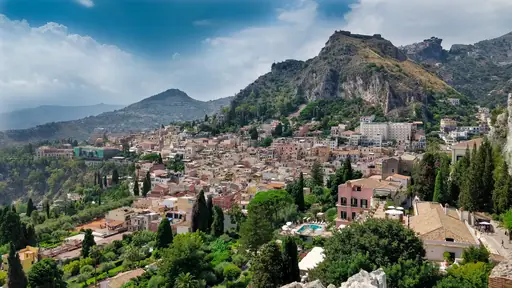
Taormina
Sicily’s Cliffside Charmer by the Sea
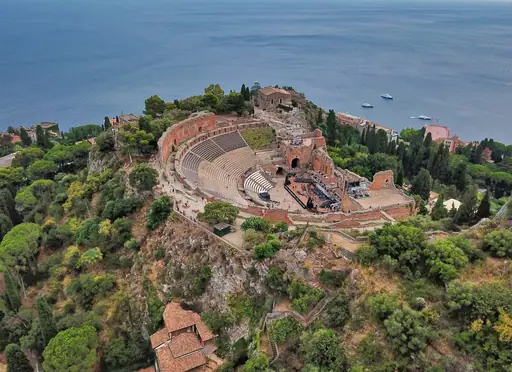
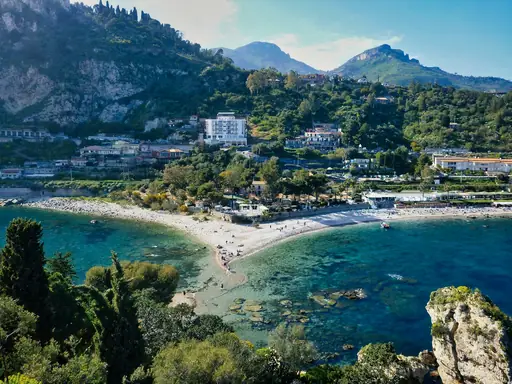
The ancient theatre, carved into a hillside, frames Mount Etna and the sea. Dinner terraces on Corso Umberto look out to the same view. Chefs serve swordfish rolls and pasta alla Norma, with aubergine and ricotta. Etna wines come from vineyards on the volcano's slopes.
City in Italy
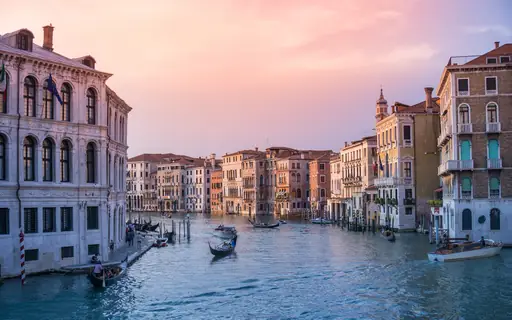
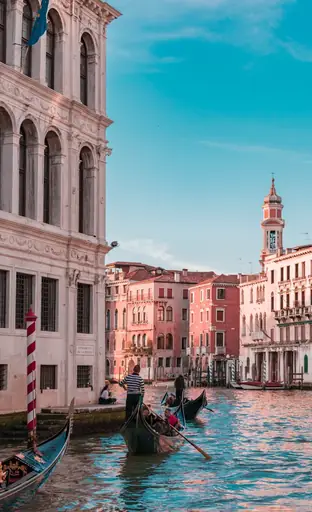
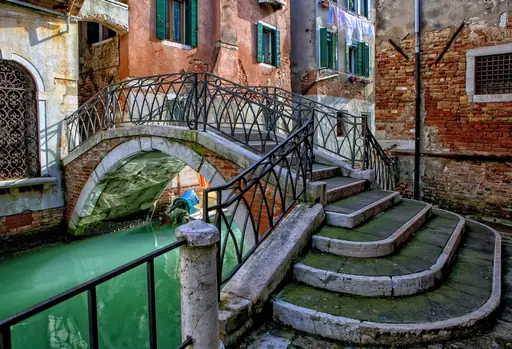
Venice
A floating city of romance and history
Early evening is cicchetti time. Locals stop at small wine bars called bacari for a glass of wine. Tiny snacks of salt cod or sardines in onion sit on the counter. The Rialto fish market opens at dawn. Fine dining rooms fill old palaces on the Grand Canal.
City in Belgium
Brussels
Europe's cozy capital of culture
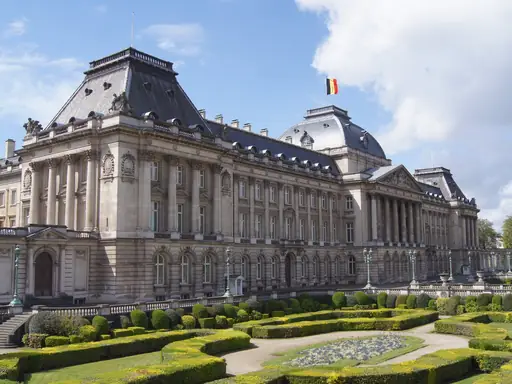
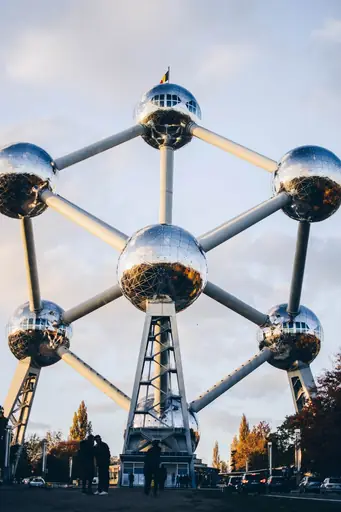
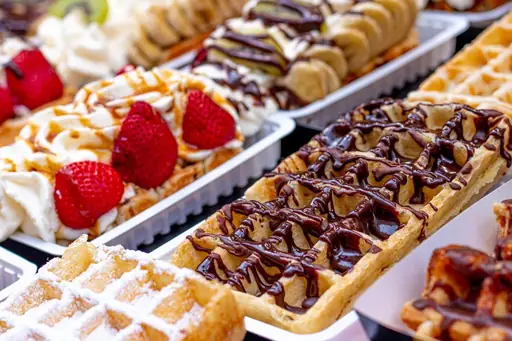
Belgian chocolate, beer, waffles and mussels make this capital a hearty food city. The Grand Place is lined with old guild houses and restaurants. Visitors can taste pralines from Neuhaus and Mary and try Trappist beers. Moules frites in the Rue des Bouchers and elegant brasseries complete a good meal.
City in Ireland
Dublin
Where History, Pubs and Culture Collide
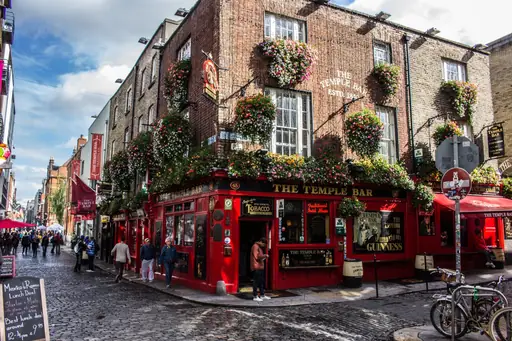
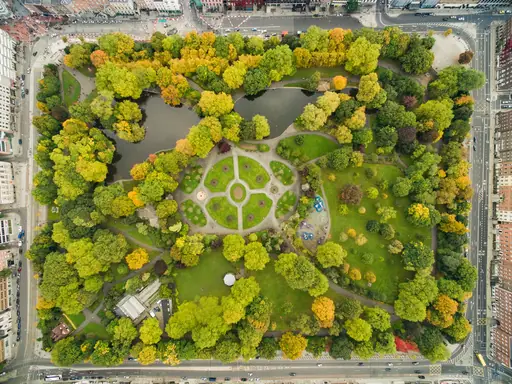
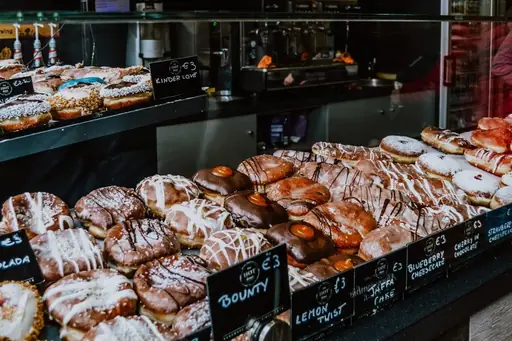
Georgian squares, historic pubs and a growing food scene define this Irish capital. Chapter One and Patrick Guilbaud hold Michelin stars. Visitors can eat Irish stew, seafood chowder and soda bread and enjoy a pint of Guinness. The Temple Bar and Grafton Street areas offer lively evenings.
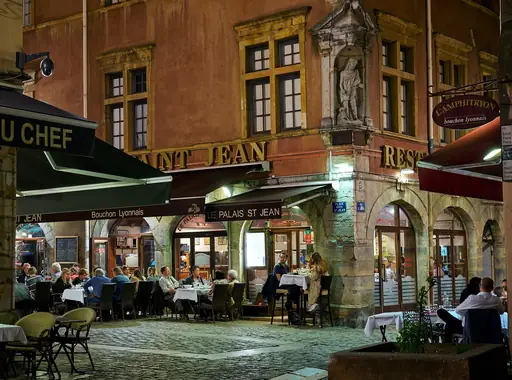
City in France
Lyon
A Culinary and Cultural Gem
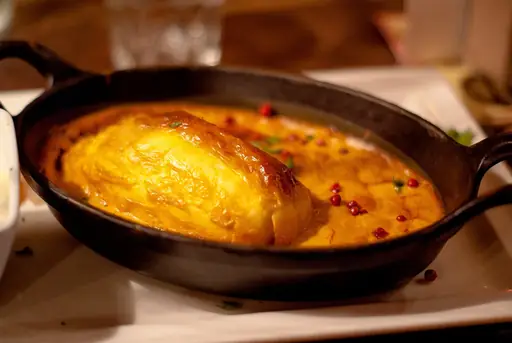
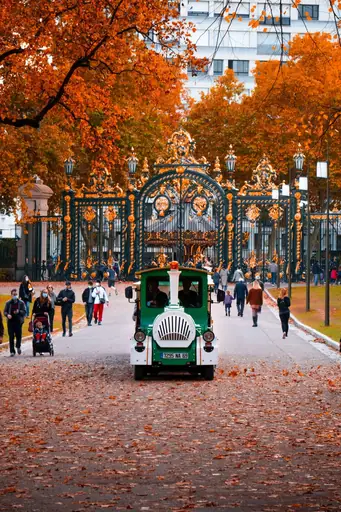
Often called the capital of French gastronomy, this city is full of traditional restaurants. Les Halles de Lyon Paul Bocuse is the famous covered food market. Visitors can eat in bouchons serving quenelles, andouillette and praline tart and taste Beaujolais wine. The old town is UNESCO listed and lies beside two rivers.
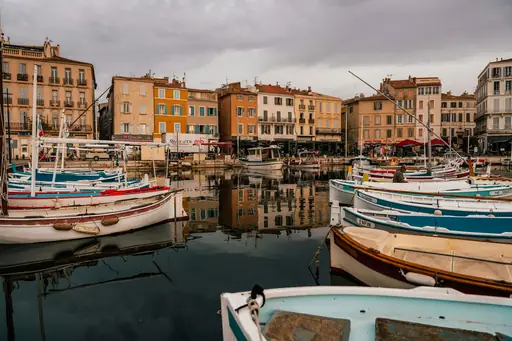
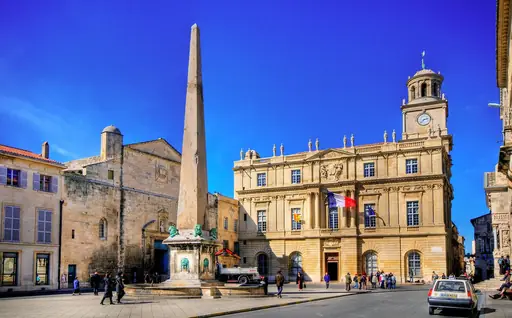
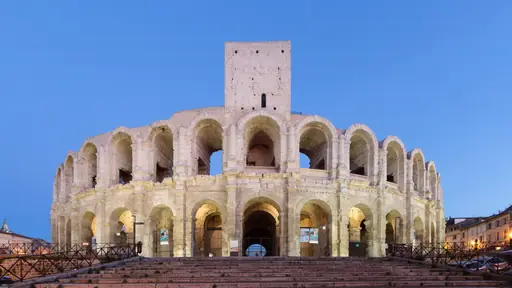
Region in France
Provence-Alpes-Côte d'Azur
Lavender Fields to Azure Seas
Compared with the cooking of northern France, this sunny region uses olive oil, garlic and herbs. Truffles are sold at the Richerenches market on winter Saturdays. Rosé from Bandol and Cassis pairs well with fish. Chefs with Michelin stars shop at village markets for their menus.
City in Italy
Como
Lakeside charm meets mountain views
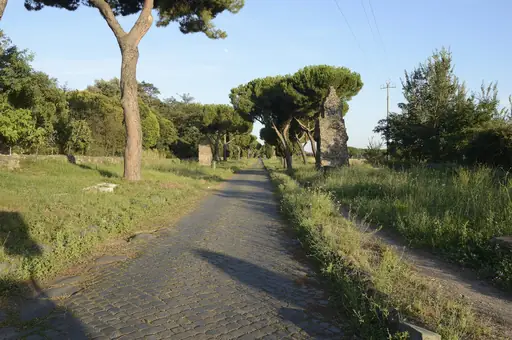
An elegant lakeside city with a long silk making history has a polished food scene. The Duomo and the Brunate funicular add views of the lake. Visitors can eat risotto with perch, missoltini fish and polenta at lakeside restaurants. Villa d'Este in nearby Cernobbio hosts refined dining.
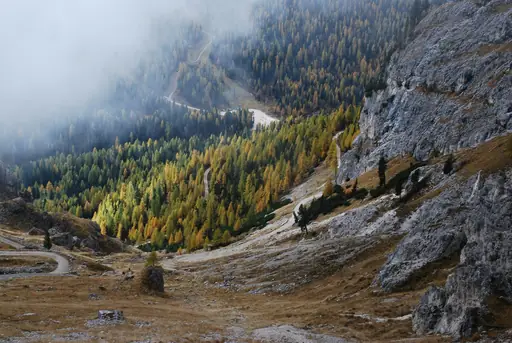
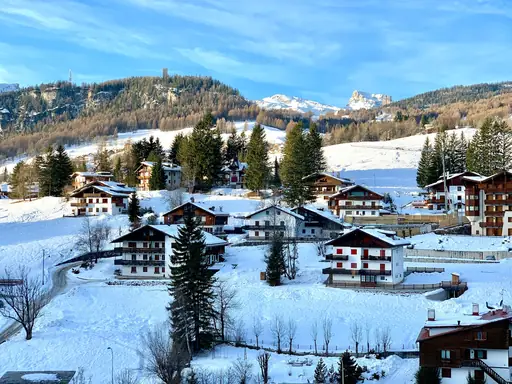
Town in Italy
Cortina d'Ampezzo
Dolomite Peaks, Alpine Glamour, Adventure
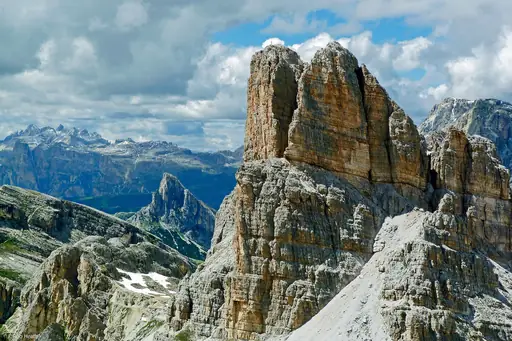
Dolomite peaks surround this Italian ski resort known for elegant dining. SanBrite holds a Michelin star and mountain huts serve hearty Tyrolean dishes. Visitors can eat canederli dumplings, venison and polenta and sip local wine after skiing. The town hosts the 2026 Winter Olympics with Milan.
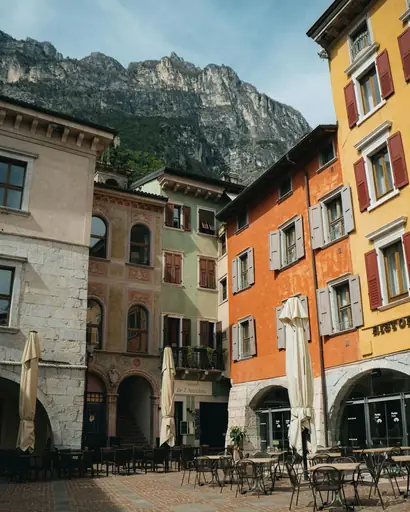

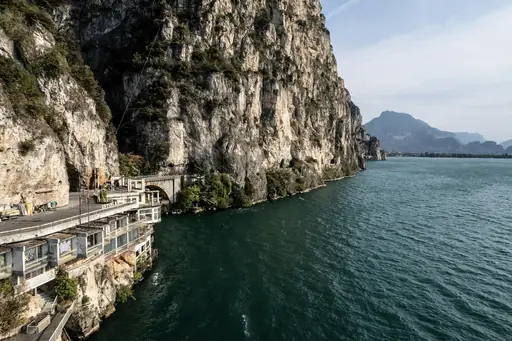
Town in Italy
Riva del Garda
Lakeside beauty meets mountain adventure
The Rocca, a moated fortress, guards the harbour where lake fish arrive each morning. Chefs cook carpione, a lake trout. They also serve lavarello, a whitefish. Garda Trentino olive oil is pressed from trees near the water. Trentodoc is a sparkling wine from nearby hills that goes with dinner.

City in United Kingdom
London
A Tapestry of History and Modernity
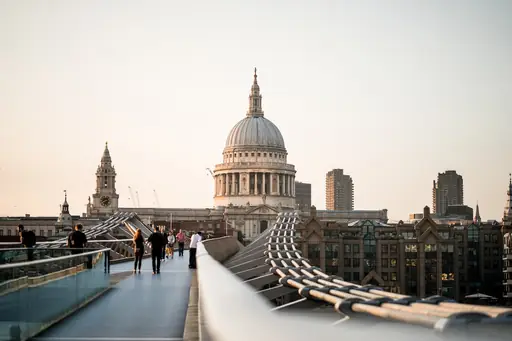
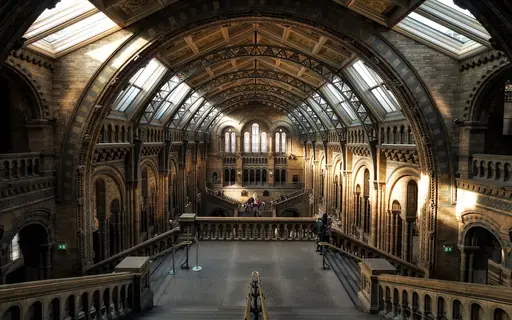
One of the world's most diverse dining cities has food from every continent. Core by Clare Smyth and Gordon Ramsay at Royal Hospital Road hold three Michelin stars. Visitors can browse Borough Market, enjoy afternoon tea at the Ritz and eat curry on Brick Lane. The British Museum and West End theatres are close.
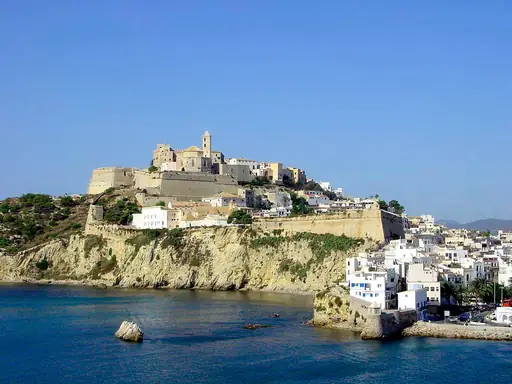
Island in Spain
Ibiza
Mediterranean Energy, Timeless Charm
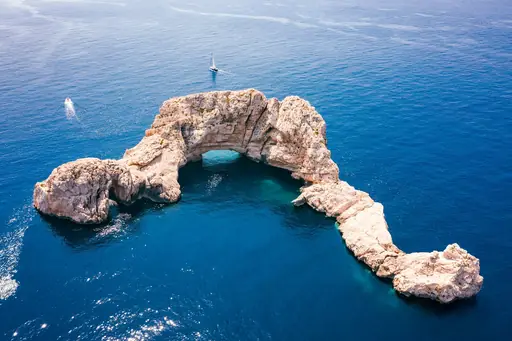
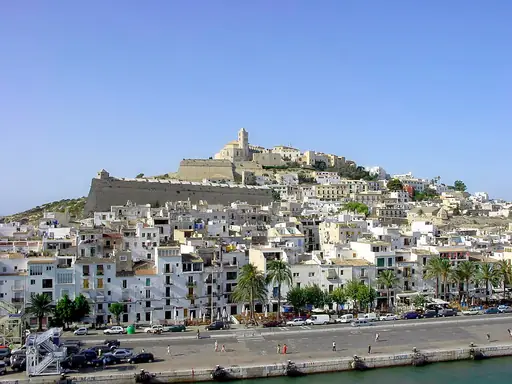
Beach clubs, whitewashed villages and lively nights make this Balearic island a glamorous escape. Restaurants serve bullit de peix fish stew, arroz a banda and sobrasada. Visitors can dine at sunset on the coast and explore the UNESCO listed Dalt Vila old town. Hippie markets add local colour.
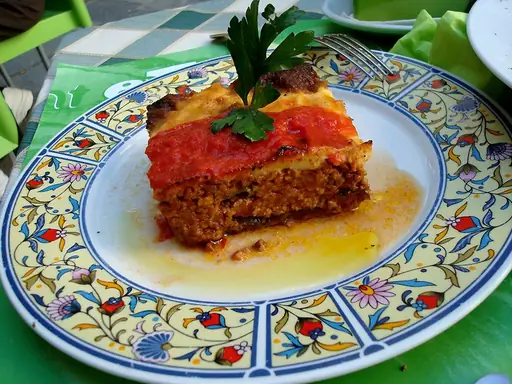
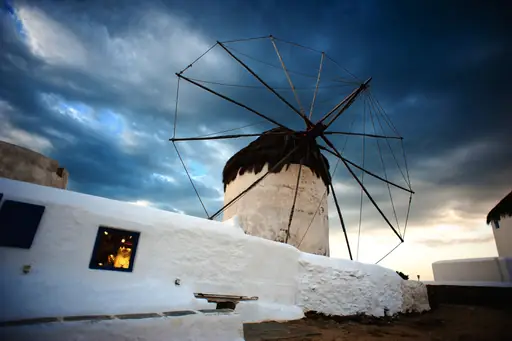
Island in Greece
Mykonos
Whitewashed beauty and wild nights
Beside quieter Cyclades islands, this one dresses up Greek food. Chefs use kopanisti, a spicy creamy cheese. They also cook with louza, a cured pork. In Little Venice, tables sit right over the waves at sunset. Dinner often starts after nine and runs late into the night.
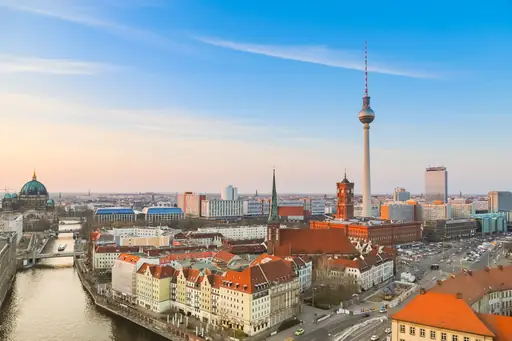
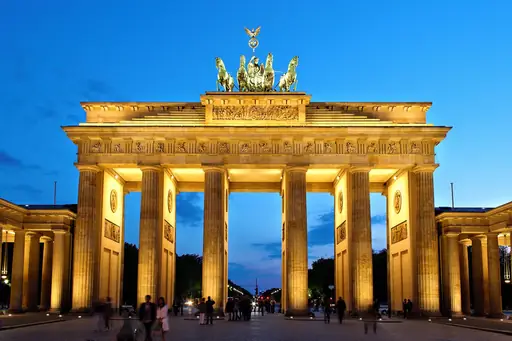

City in Germany
Berlin
Wall history, Museum Island and all-night clubs
Creative kitchens, street food and Michelin starred restaurants fill this diverse capital. Tim Raue and Rutz are among the top tables for modern cooking. Visitors can eat currywurst, doner kebab and fresh produce at Markthalle Neun. Museums, nightlife and galleries make the evenings lively too.
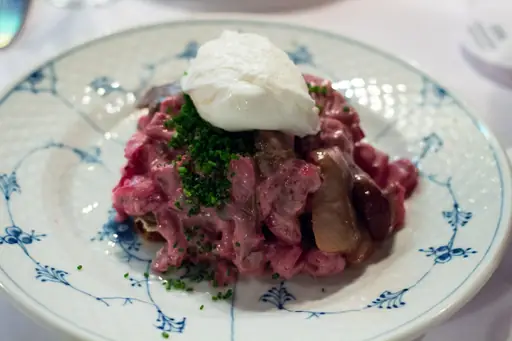
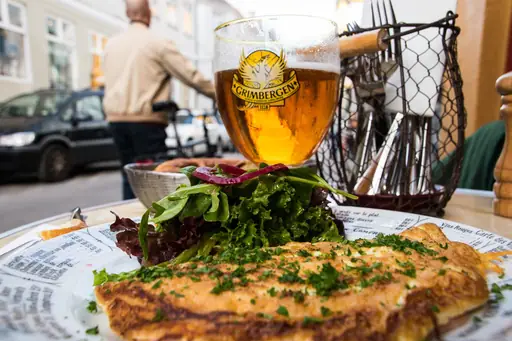
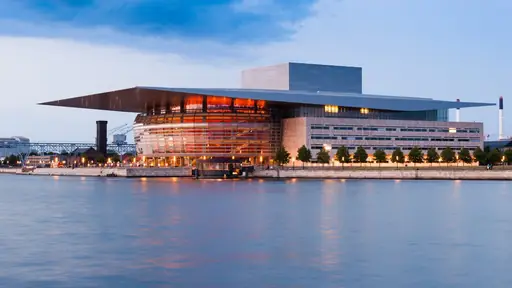
City in Denmark
Copenhagen
Scandi-cool vibes and world-class food
The New Nordic food movement began here and turned this Danish capital into a global dining destination. Noma, Geranium and Alchemist are world famous and Michelin starred. Visitors can also eat smørrebrød open sandwiches and pastries at casual spots. Torvehallerne market offers cheese, fish and coffee.

City in Spain
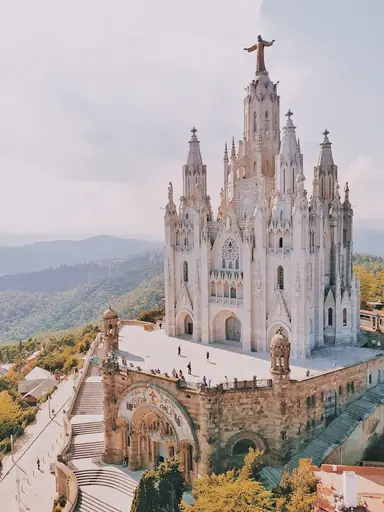
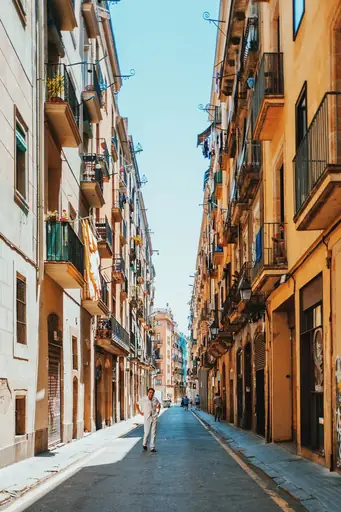
Barcelona
Vibrant City of Art and Beaches
Catalan tradition meets bold modern cooking in this Mediterranean capital. La Boqueria market and the tapas bars of El Born and Eixample feed locals daily. Visitors can book tasting menus at Disfrutar, Moments and Lasarte, all Michelin starred. Cava, paella and crema catalana round out long leisurely meals.


Town in Switzerland
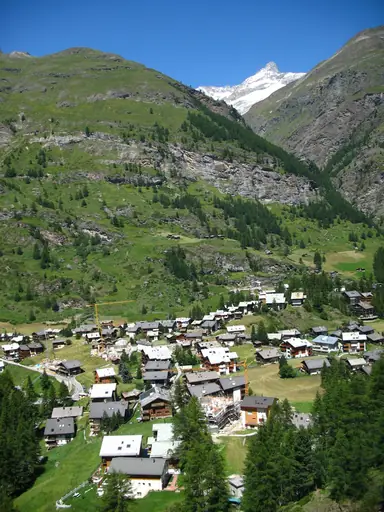
Zermatt
Alpine Magic and the Matterhorn
After a day on the slopes, locals gather for raclette, melted Valais cheese scraped over potatoes. Fendant and petite arvine wines from the Valais region match it well. Mountain huts serve it with views of the Matterhorn. Cars are banned in town, so electric taxis carry guests to dinner.
Lake in Italy
Lake Como
Alpine elegance meets Italian charm
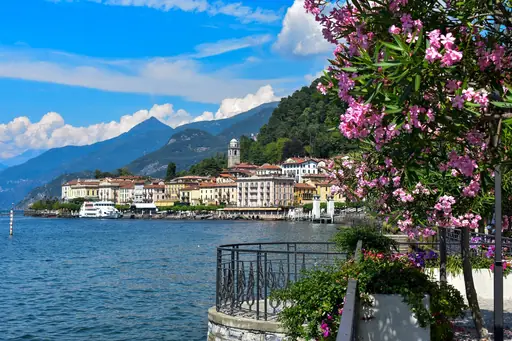
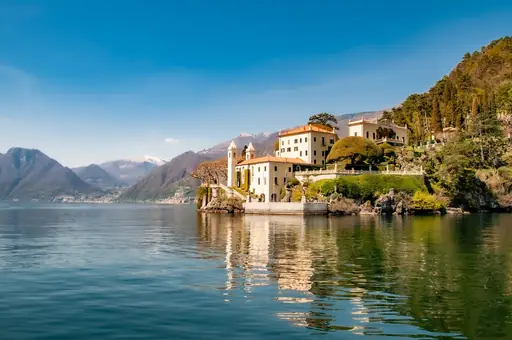
Villas, mountain views and lakeside villages surround this deep Italian lake. Bellagio and Varenna have terrace restaurants with views over the water. Visitors can eat risotto with lake perch, polenta and fresh fish at sunset. Villa Balbianello and boat rides between villages add quiet elegance to the day.
City in Spain
Madrid
A vibrant mix of culture and nightlife
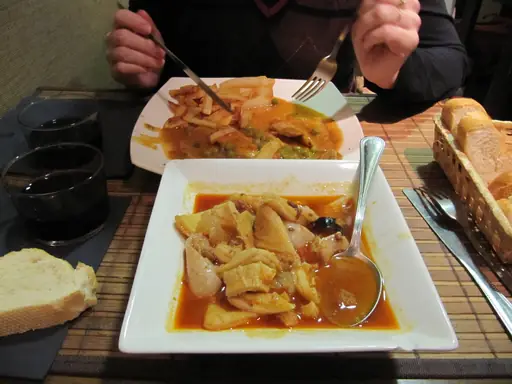
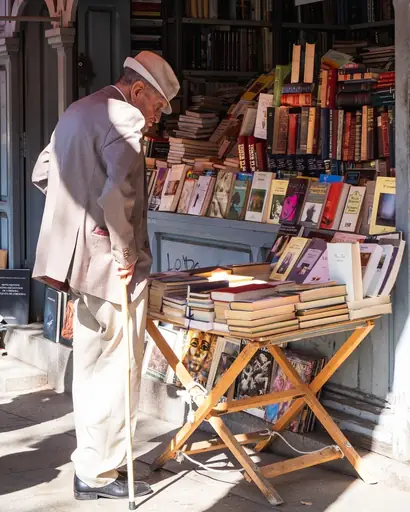
King Philip II made Madrid the Spanish capital in 1561. Taverns near the Plaza Mayor have fed hungry crowds since. Cocido madrileño, a stew of chickpeas, pork and sausage, still simmers there. Chefs with Michelin stars now give old dishes a modern twist. Dinner starts late, often after nine.
Region in Spain
La Rioja
Wine, history and mountain views
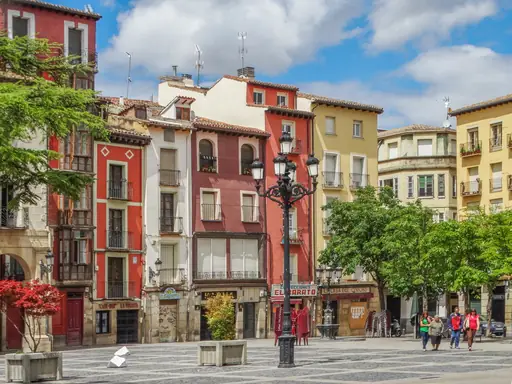
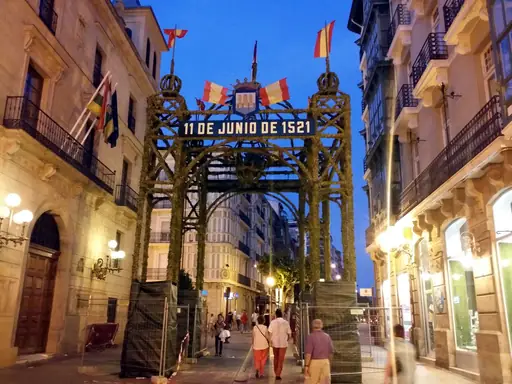
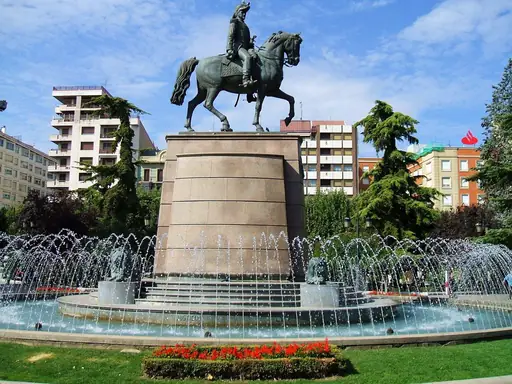
Tempranillo vineyards and old wine towns make this northern Spanish region a wine lover's dream. Haro has famous bodegas and Logroño has the Calle Laurel pintxos street. Visitors can eat lamb chops grilled over vine shoots and taste Reserva wines. Marqués de Riscal's Gehry designed hotel adds modern style.
City in France
Nice
Sun, Sea and Sophistication on the Riviera
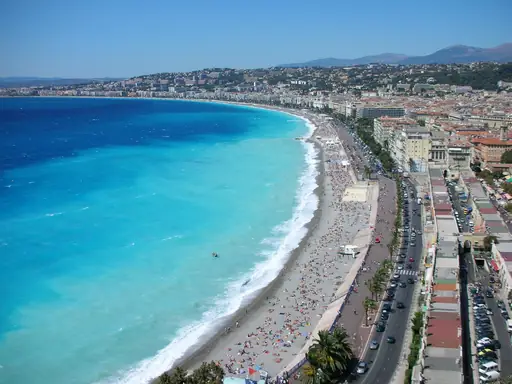
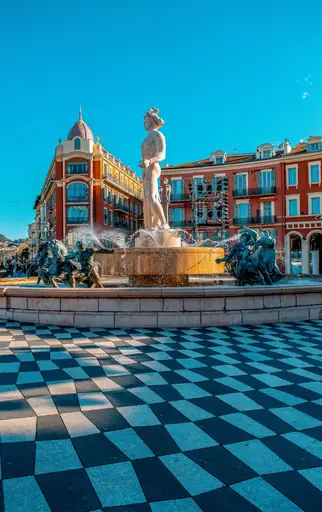
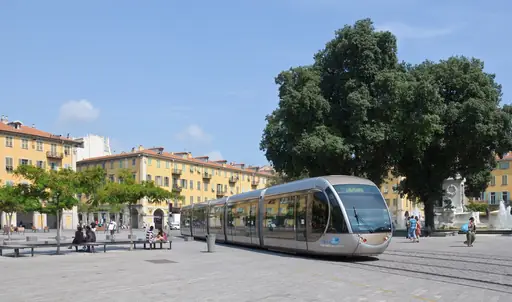
The Cours Saleya market sells flowers, olives and fresh produce each morning. Stalls nearby serve socca, a crisp chickpea pancake. Dinner brings pissaladiere, an onion tart with anchovies. Salade nicoise is another local plate. Nicois cooks use olive oil rather than butter. Waiters carry plates to pavement tables in the old town.
Island in Italy
Sicily
Sun, Sea and Ancient Secrets
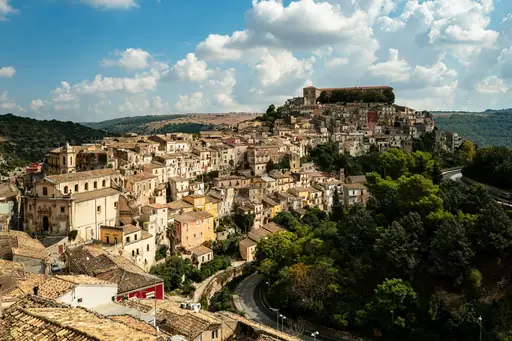
Sicilians eat granita with a warm brioche for breakfast. Modica makes chocolate by an old Aztec method, grainy and rich. Pistachios from Bronte flavour pastas and desserts. Chefs with Michelin stars cook in the Baroque towns of the southeast. Sweet Marsala wine finishes many meals.
Island in Greece
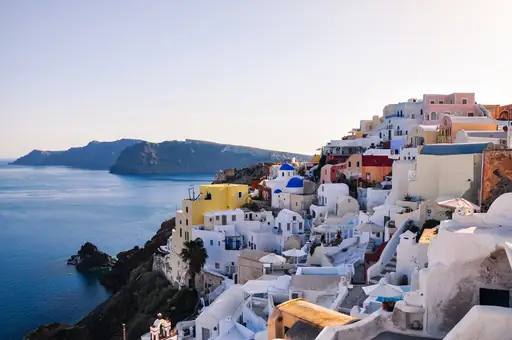
Santorini
Breathtaking Views and Blue Domes
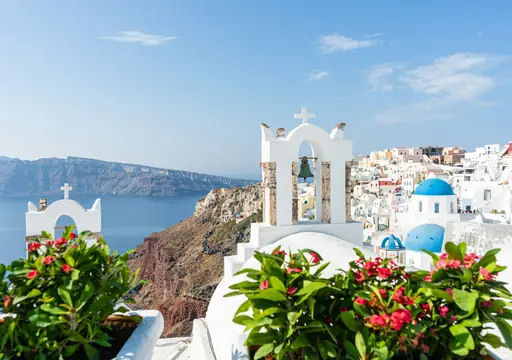
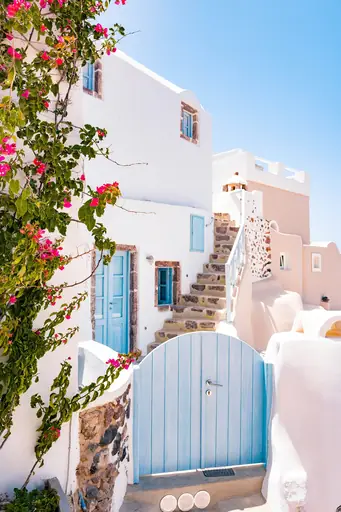
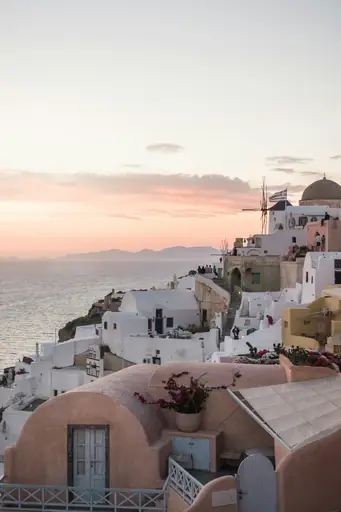
Cliffs of a flooded volcano rise out of the Aegean Sea. Vines grow in black volcanic soil. Growers twist the Assyrtiko vines into low baskets to hide them from wind. Cherry tomatoes are an island speciality. So is fava, a yellow split pea puree. Dinner tables in Oia face the caldera sunset.
Region in Italy
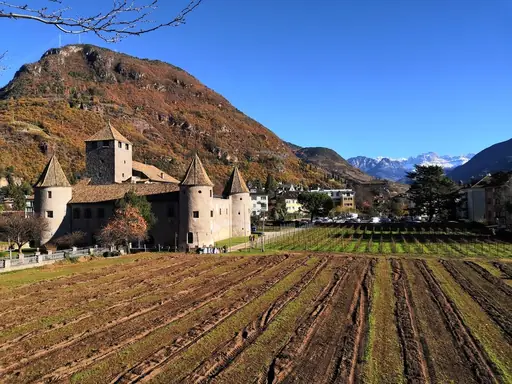
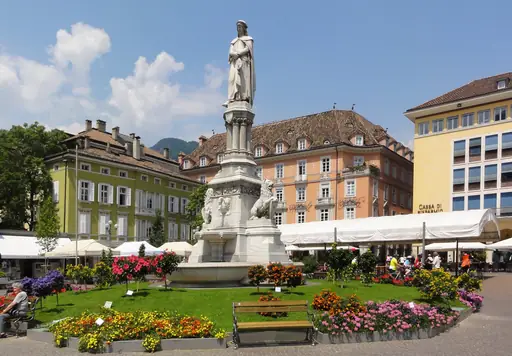
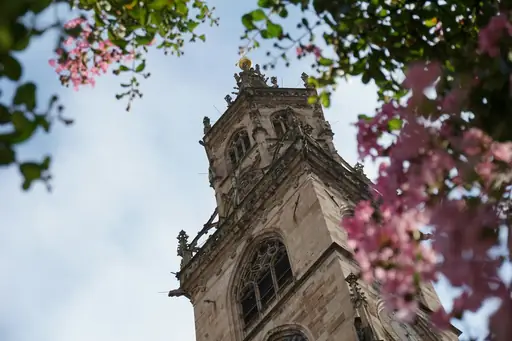
South Tyrol
Alpine culture where worlds collide
Where Italy meets Austria, the table does too. Speck is a smoked cured ham. Canederli are bread dumplings. Both share menus with pasta. Several Michelin starred kitchens sit in alpine hotels and farmhouses. Lagrein is a dark red wine from the valley vineyards. Meals often follow a day of hiking in the Dolomites.

Region in France
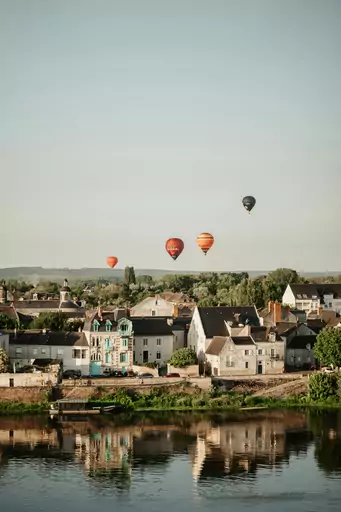
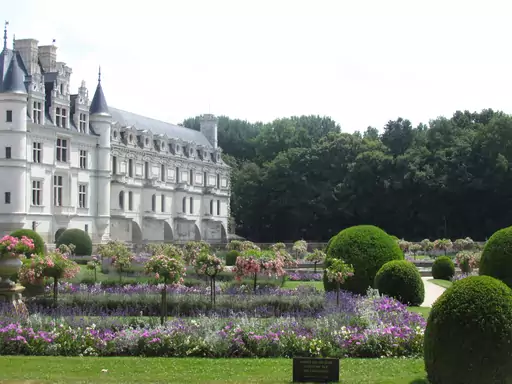
Loire Valley
Châteaux, vineyards and riverside charm
Renaissance châteaux and vineyards line the river in this French valley. Chambord, Chenonceau and Amboise are the big name castles. Visitors can taste Sancerre, Vouvray and Chinon wines with rillettes, goat cheese and tarte Tatin. Cycling paths link the castles and riverside restaurants along the Loire.
Region in Italy
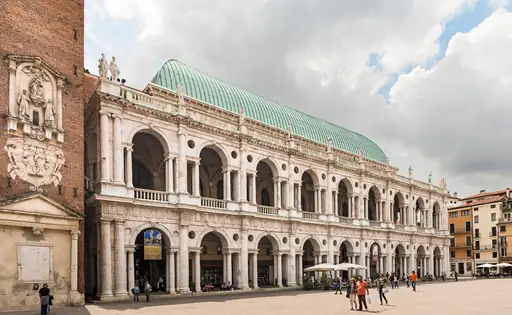
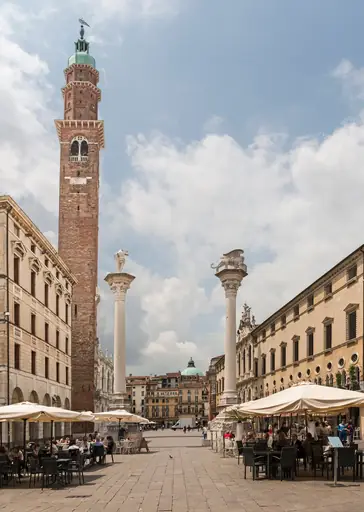
Veneto
Venice, Mountains and Renaissance Splendor
Between the Alps and the Adriatic, hills near Conegliano grow the grapes for Prosecco. UNESCO lists the vineyards as a world heritage site. Amarone is a rich red wine made near Verona from dried grapes. Radicchio from Treviso is a bitter red leaf. Cooks grill or bake it.
City in Spain
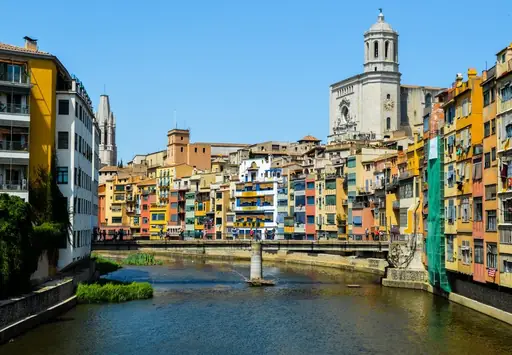
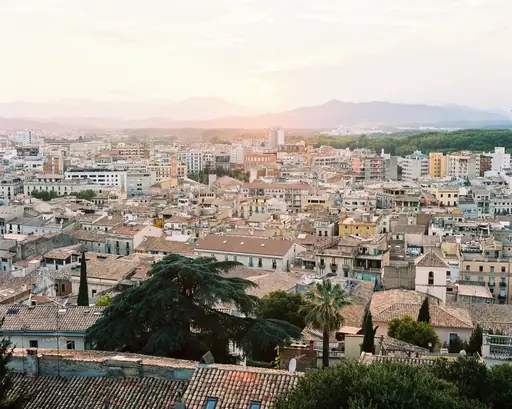
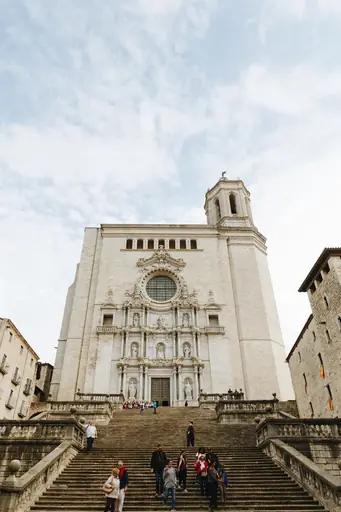
Girona
Medieval Walls, Colorful Rivers, Catalan Soul
El Celler de Can Roca, run by the three Roca brothers, holds three Michelin stars and is world famous. Medieval lanes and colourful houses above the Onyar river fill the old town. Visitors can eat creative Catalan dishes and tapas and taste crema catalana. Rocambolesc ice cream shops add a sweet finish.
City in Spain
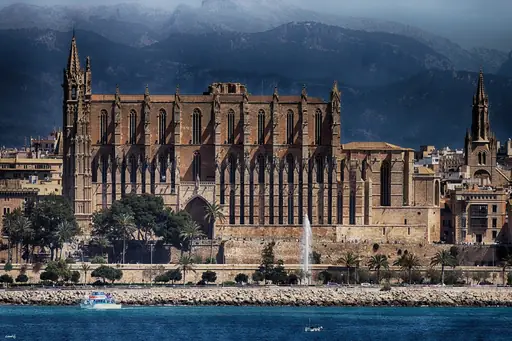
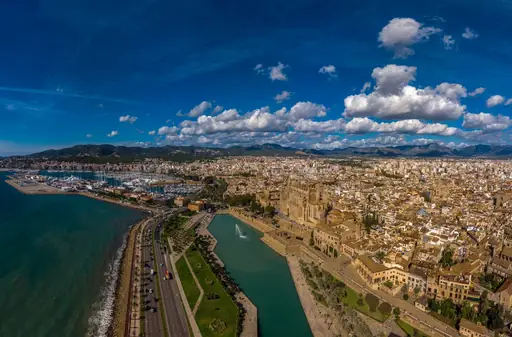
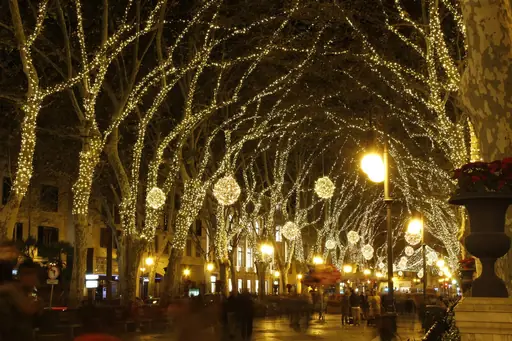
Palma de Mallorca
Mediterranean Charm with Island Vibes
The Romans founded Palma in 123 BCE. Later rulers left a mix of tastes. Ensaimada is a spiral sweet pastry. Sobrasada is a soft red sausage. Both are local classics. The Mercat de l'Olivar is the main food market. Chefs with Michelin stars run kitchens in old stone houses.
City in France
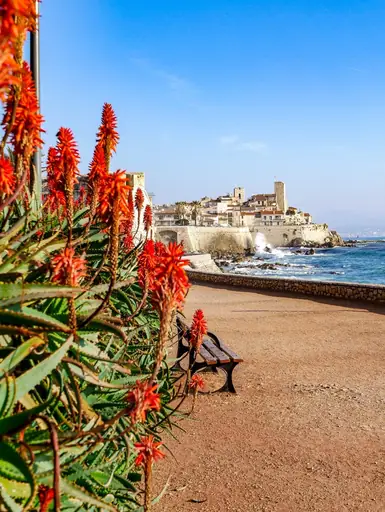
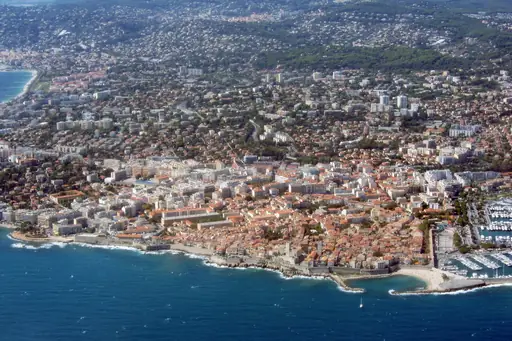
Antibes
Mediterranean Charm with Riviera Soul
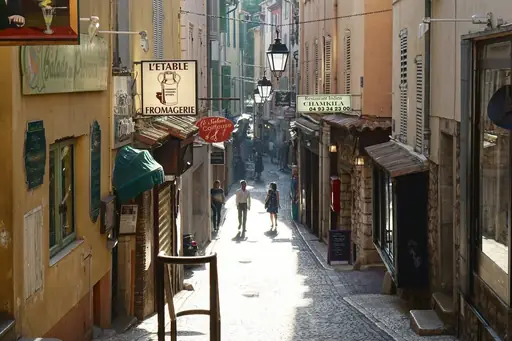
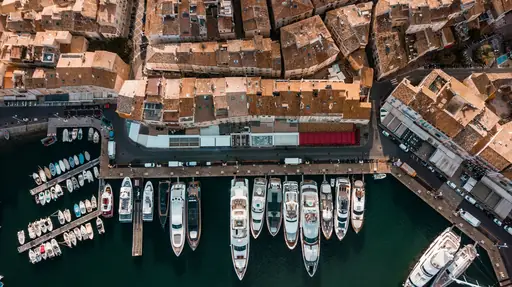
A walled old town and a busy harbour with superyachts define this Riviera resort. The Provençal market sells olives, cheese and fresh produce every morning. Visitors can eat grilled fish and bouillabaisse on harbour terraces and visit the Picasso Museum. The Hôtel du Cap Eden Roc nearby adds a famous luxury setting.
Town in France
Menton
Sunlit Riviera charm meets Mediterranean breeze
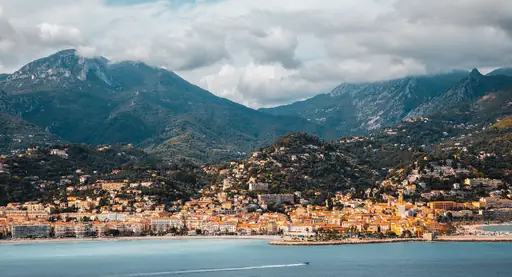
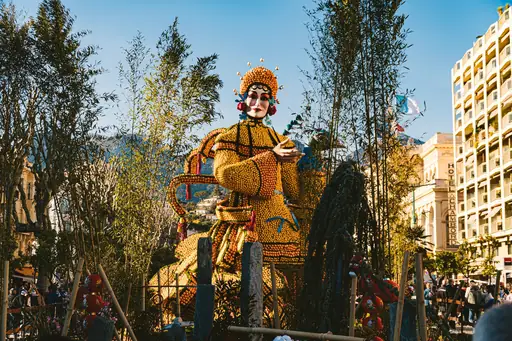
Each February the Lemon Festival fills Menton with giant fruit sculptures. Chefs use the local lemon, known for its sweet juice, in sauces and desserts. Mirazur, a restaurant with three Michelin stars, sits a few steps from the Italian border. Its tables look over the bay and gardens.
City in France
Cannes
Glamour, Sun and French Riviera Charm
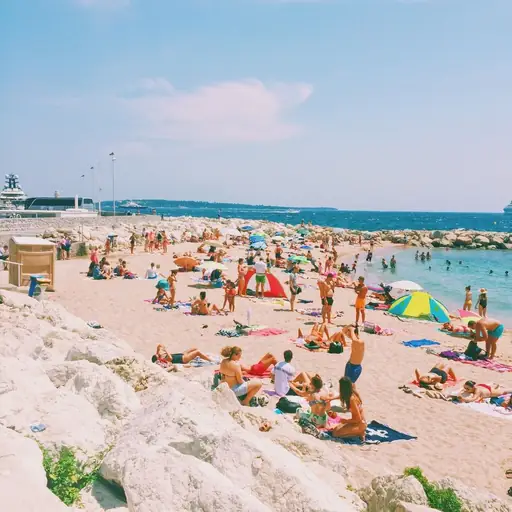
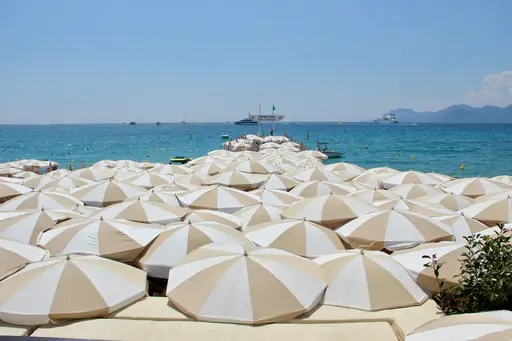
Red carpets, luxury hotels and beach clubs line the famous Croisette promenade. Hotel restaurants and the Suquet old town serve seafood and Provençal dishes. Visitors can dine on fresh oysters, bouillabaisse and rosé on sunny terraces. The Forville market supplies local chefs and the film festival fills restaurants each May.
Town in Italy
Varenna
Charming Lakeside Escape in Italy
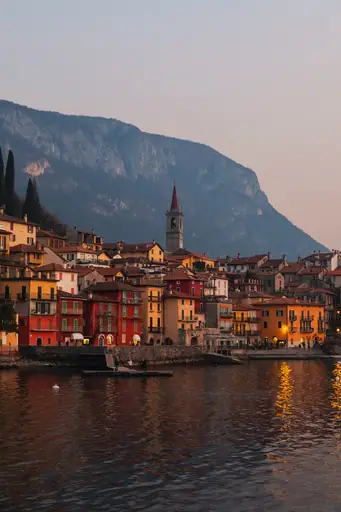
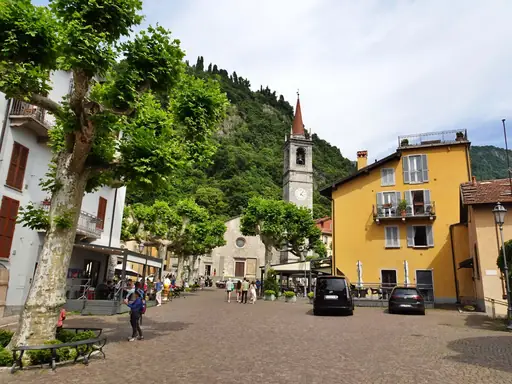
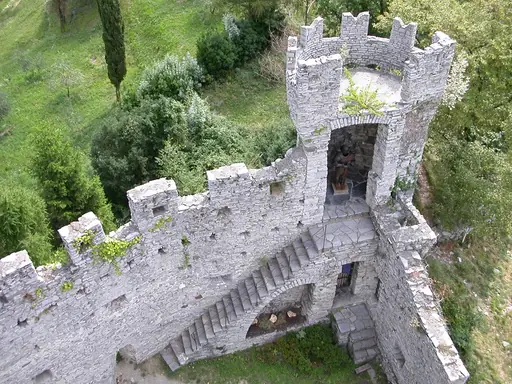
Smoke and lemon drift from lakeside kitchens where cooks fry perch fresh from Lake Como. Risotto with perch fillets is the local dish. Missoltini, sun dried shad fish, are a traditional lake food. A ferry crosses to Bellagio in about 15 minutes. Gardens at Villa Monastero border the shore.
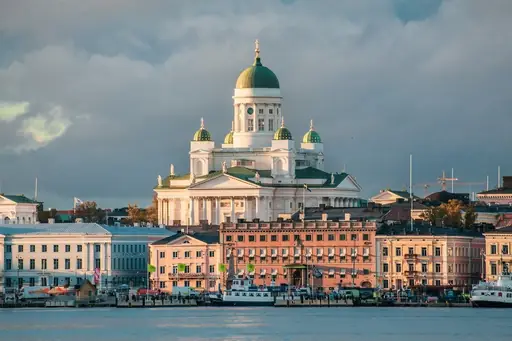

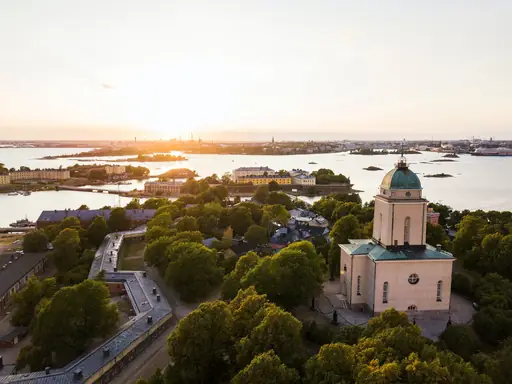
City in Finland
Helsinki
Nordic charm by the Baltic Sea
Nordic design and fresh local ingredients shape this Finnish capital's food scene. The Market Square and the Old Market Hall sell salmon, reindeer and berries. Visitors can taste Karelian pies, salmon soup and cinnamon buns. Sauna culture and waterfront cafes add to relaxed dining by the sea.
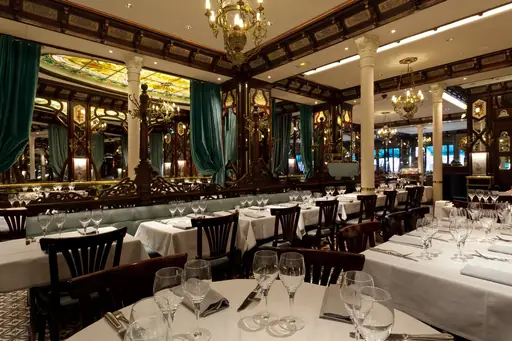
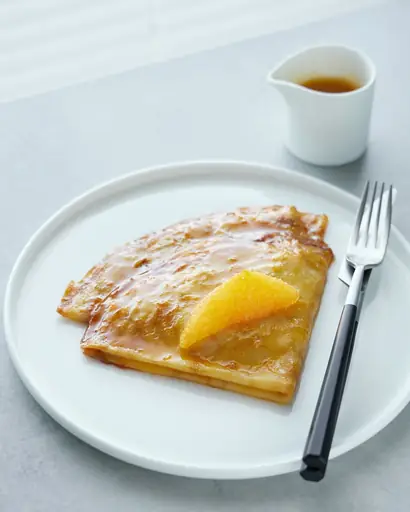
City in France
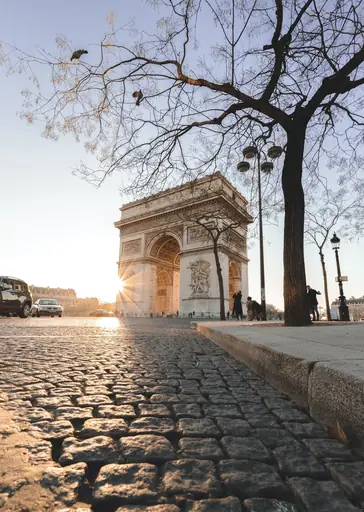
Paris
The city of love, art and history
Butter and fresh bread scent the air near corner bakeries at dawn. By night, chefs plate precise tasting menus in grand dining rooms. The modern restaurant took shape here in the late 1700s. Michelin stars shine over dozens of kitchens. Bistros with zinc bars serve steak frites and onion soup.
Town in Greece
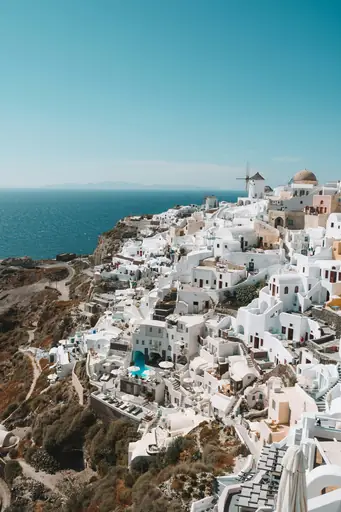
Oia
Sunsets Over Whitewashed Cliffs
A whitewashed cliffside village on Santorini is famed for its sunsets. Restaurants perch on the caldera edge and serve fresh seafood, fava and tomato fritters. Visitors can taste Assyrtiko wine and eat by candlelight. Ammoudi Bay has fish tavernas below the village by the water.
Island in Italy
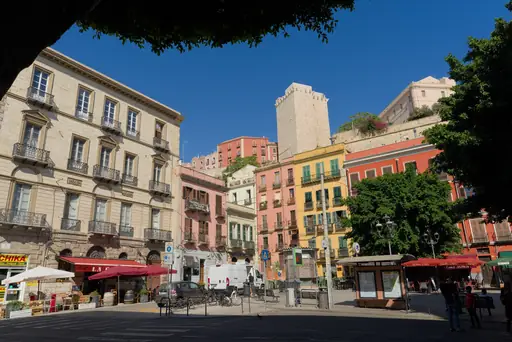
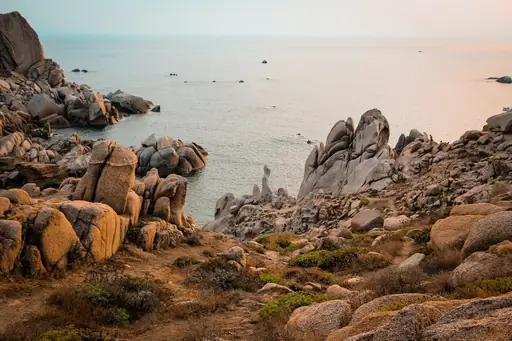
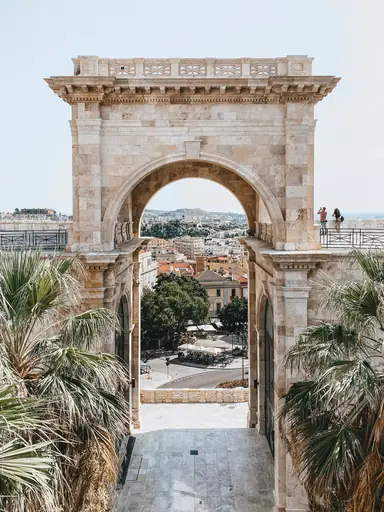
Sardinia
Turquoise seas and ancient secrets
From June to September, yachts fill the Costa Smeralda and beach restaurants grill fresh lobster. Inland villages serve porceddu, spit roasted suckling pig. Culurgiones are stuffed pasta pinched shut like an ear of wheat. Cannonau is a strong red wine from the island's hills. Cheese lovers try pecorino.
Town in Italy
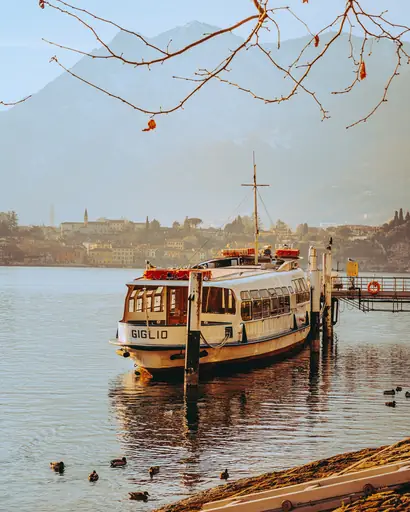
Lecco
Lakeside charm meets mountain majesty
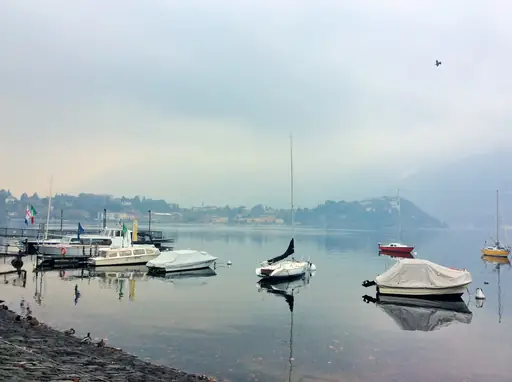
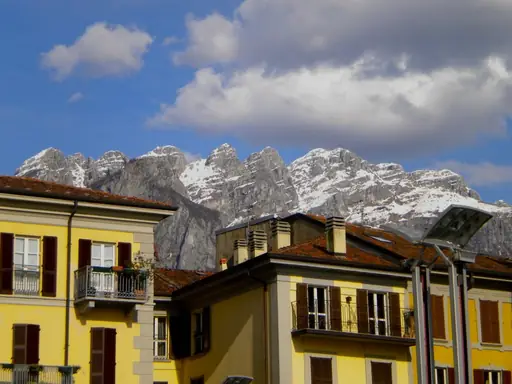
A lakeside town lies at the foot of the Grigna mountains on the southern tip of Lake Como's eastern arm. Alessandro Manzoni set his novel The Betrothed around here. Visitors can eat lake perch, polenta and missoltini dried fish. Boat trips and mountain hikes add variety between meals.
Town in Portugal
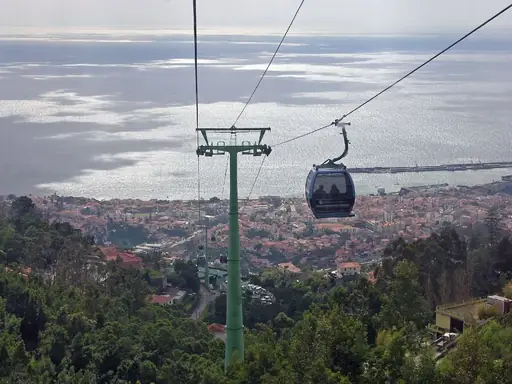
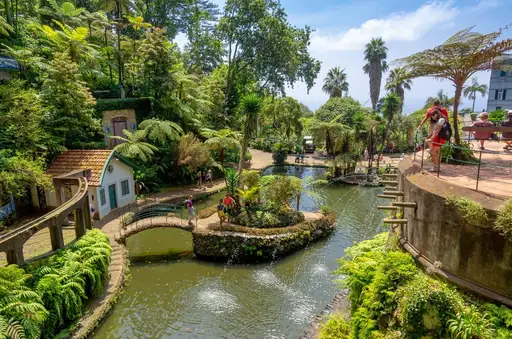
Funchal
Island Charm with Lush Landscapes
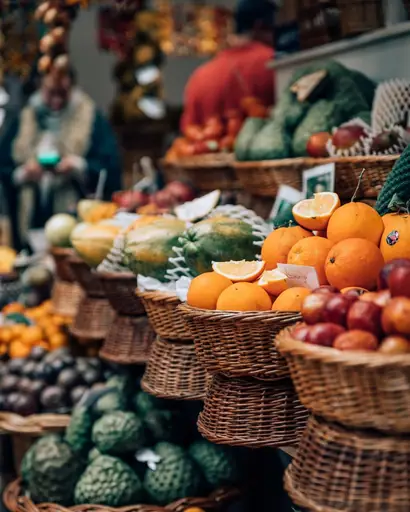
Terraced hills rise above the harbour in this Madeira capital. The Mercado dos Lavradores sells tropical fruit, fish and flowers. Visitors can eat espada with banana and bolo do caco bread and sip Madeira wine and poncha. Reid's Palace hotel serves afternoon tea and fine meals.

City in Italy
Rome
The Eternal City of history and charm
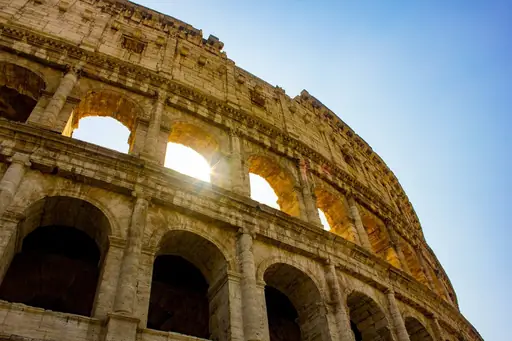
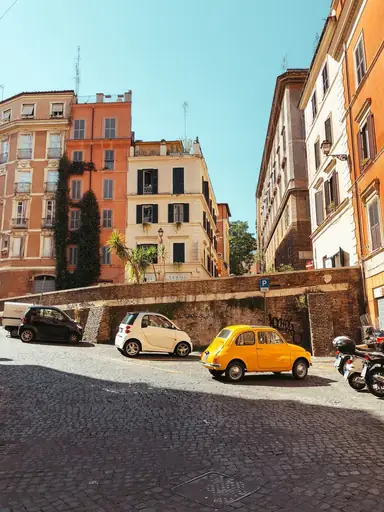
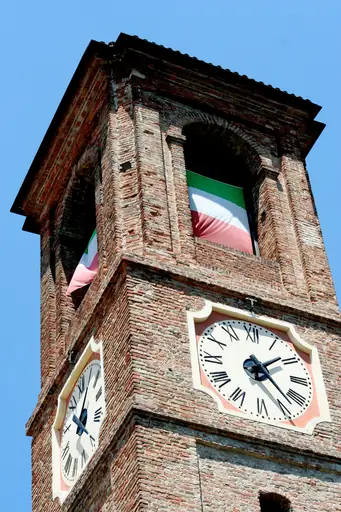
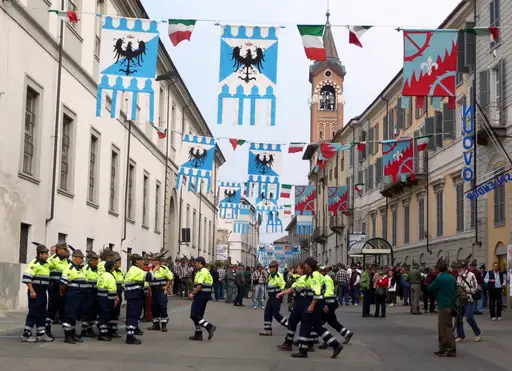
Roman cooks have worked with the same few ingredients for centuries. Pecorino cheese, black pepper and guanciale, cured pork cheek, sit behind famous pastas like carbonara. Trattorias, small family restaurants, fill Trastevere and Testaccio. Testaccio grew up around the old slaughterhouse, so offal dishes are a local speciality.
Region in Italy
Langhe
Rolling hills of wine paradise
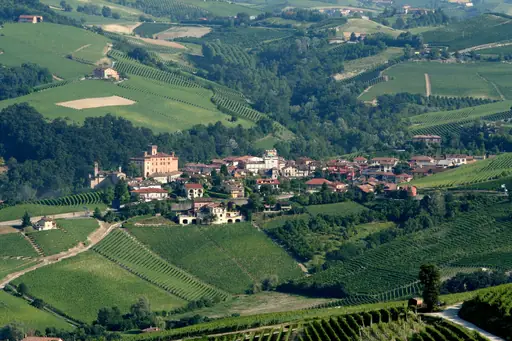
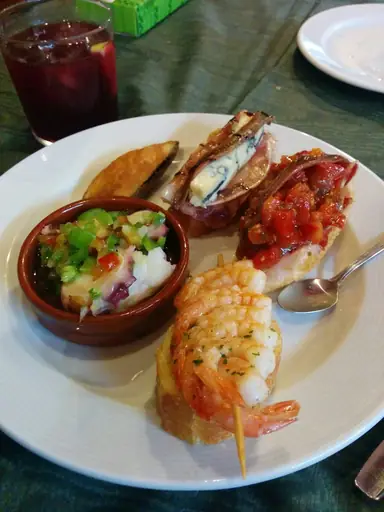
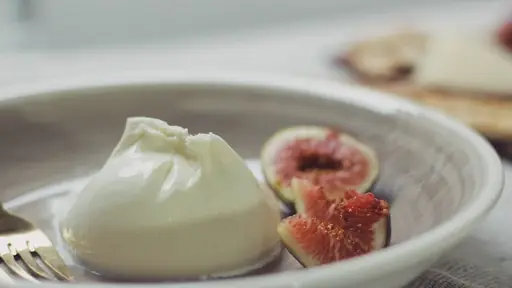
Vineyards and hilltop villages fill this Piedmont wine country. Alba holds the white truffle fair each autumn and Piazza Duomo there has three Michelin stars. Visitors can taste Barolo, Barbaresco and fresh tajarin pasta with truffles. Hazelnut cake and Moscato wine finish many meals in village trattorias.
Region in Spain
Basque Country
Where tradition meets avant-garde beauty
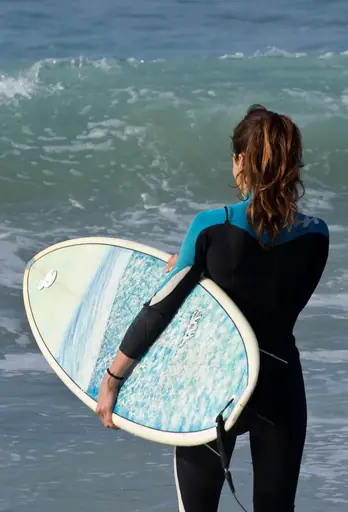
San Sebastián and Bilbao give this small region a world famous food culture. Arzak, Akelarre and Martín Berasategui are Michelin starred legends. Visitors can hop between pintxos bars, taste txakoli wine and eat grilled steak at country cider houses. Gastronomic societies called txokos keep local cooking traditions alive.
Region in Italy
Tuscany
Rolling Hills, Wine and Renaissance Charm
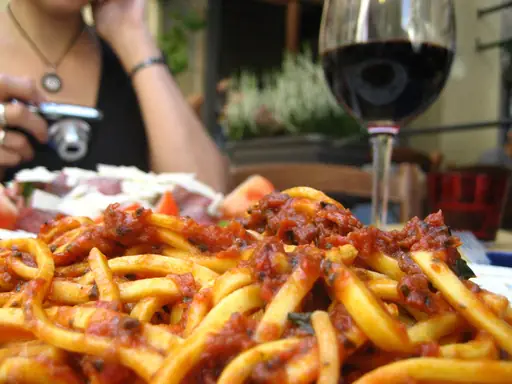
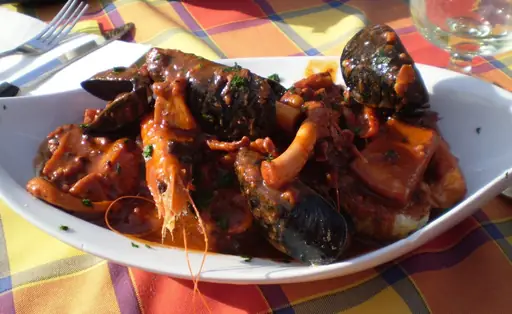
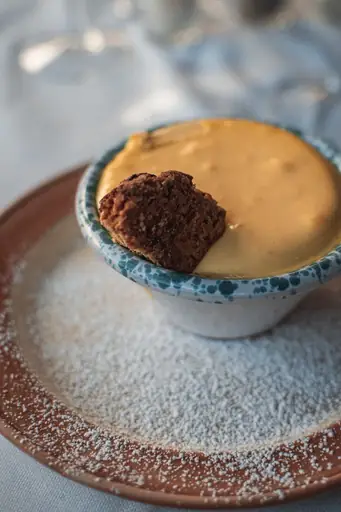
Medici dukes ruled from Florence in the 1500s and filled their tables with game and wine. Today bistecca alla fiorentina, a thick T-bone steak, is cooked rare over coals. Chianti and Brunello di Montalcino come from nearby vineyards. Farms press new olive oil each autumn.

Island in Portugal
Madeira
Dramatic Cliffs and Eternal Spring
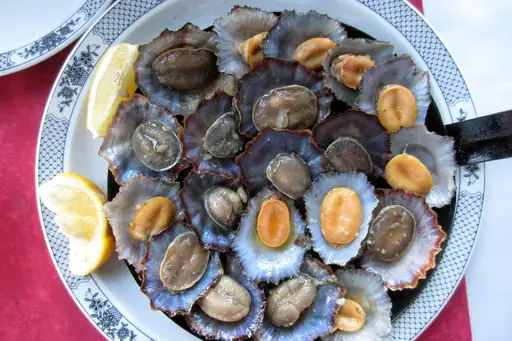
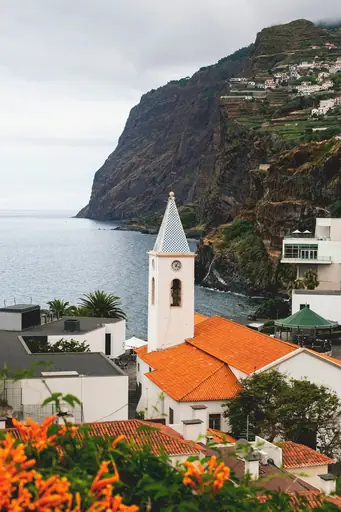
At the Mercado dos Lavradores in Funchal, fishmongers lay out black scabbardfish, a long silver deep sea fish. Cooks serve it with a fried banana. Madeira wine, aged for years in barrels, ends many meals. Michelin starred kitchens in Funchal give island flavours a polished twist.
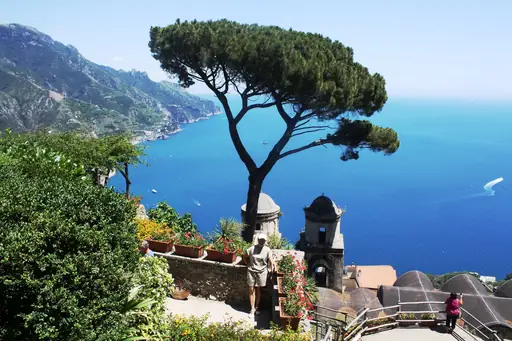
Town in Italy
Ravello
Romantic Gardens Above the Amalfi
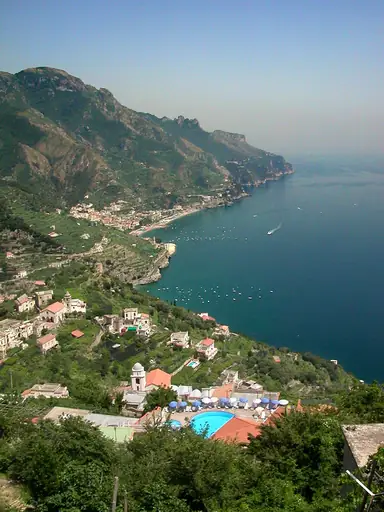
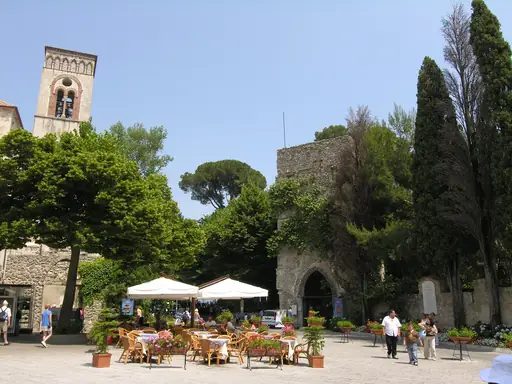
Villa Rufolo has gardens that hang above the sea. Wagner visited in 1880 and found inspiration for a garden in his opera Parsifal. Concerts still play on its terrace each summer. Ravello sits high above the Amalfi Coast and away from the crowds. Restaurants serve homemade pasta and local wine with long views.
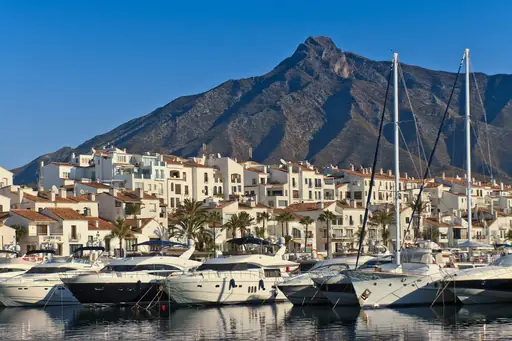
City in Spain
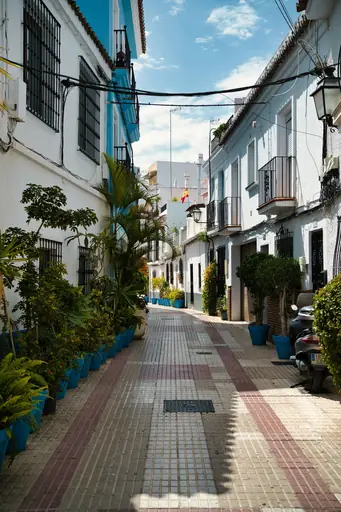
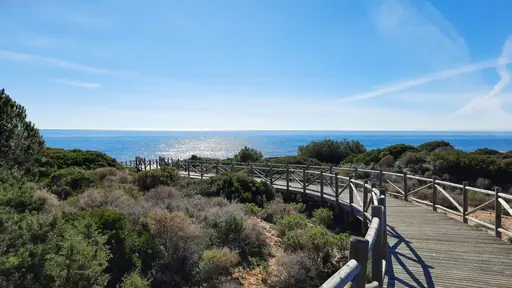
Marbella
Beaches, Old Town and Glamour
Smoke from beach grills carries the smell of sardines roasted on skewers, a coast treat called espetos. Whitewashed lanes in the old town lead to small tapas bars. Along the Golden Mile, chefs with Michelin stars cook inside luxury hotels. Many tables face the Mediterranean.

Town in France
Courchevel
Luxury alpine paradise year-round
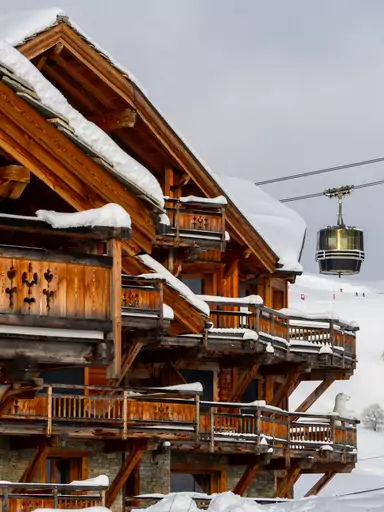
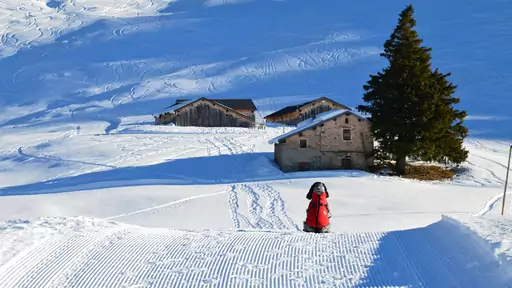
Luxury chalets and ski slopes in the Three Valleys make this one of Europe's most glamorous resorts. Le 1947 at Cheval Blanc holds three Michelin stars and several other starred tables line the town. Visitors can eat Savoyard cheese dishes and sip Champagne on snowy terraces. Private spas add to the indulgence.
Region in Italy
Piedmont
Truffles, Wine and Alpine Grandeur
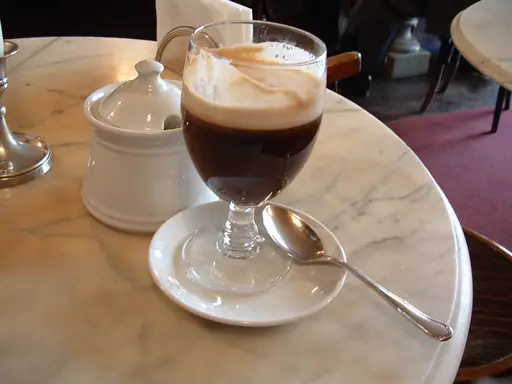
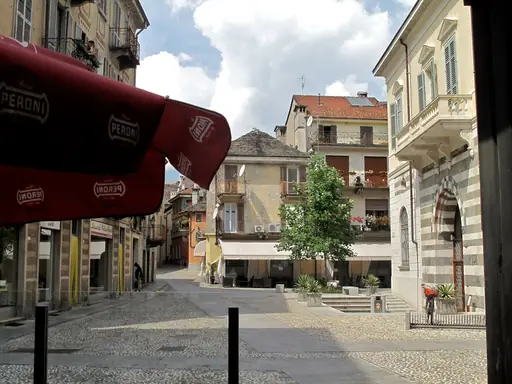
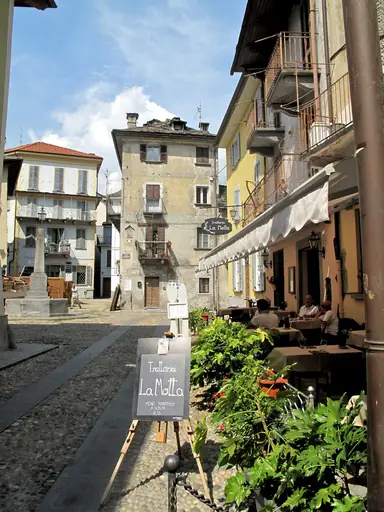
At the foot of the Alps in northwest Italy, these hills grow Barolo wine and hide white truffles near Alba. Truffle season runs from October to December. Slow Food, a movement for local cooking, began in the town of Bra in the 1980s. Tables serve tajarin, thin egg pasta, with shaved truffle.
Town in Italy
Polignano a Mare
Dramatic Cliffs and Crystal Waters
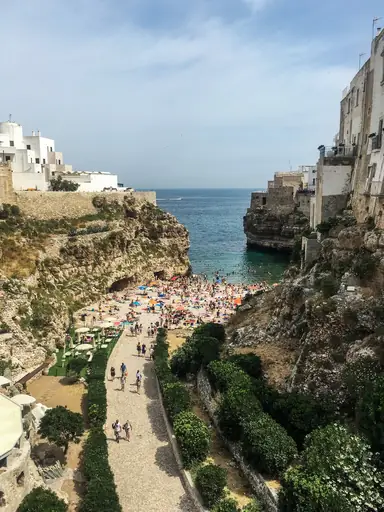
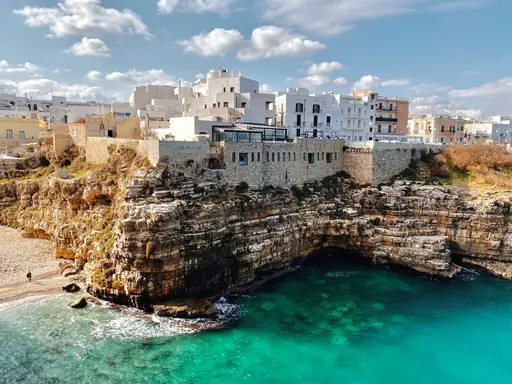
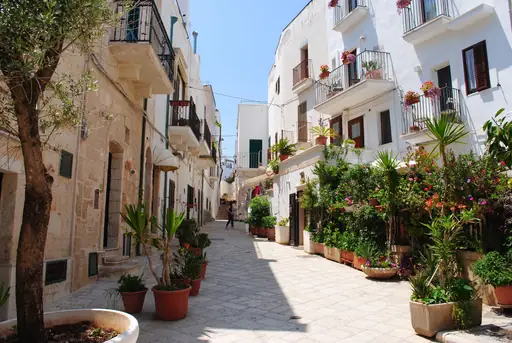
At sunset, candles glow at Grotta Palazzese, a restaurant set inside a sea cave while waves wash below. The cliff top town sits on the Adriatic coast of Puglia. Chefs serve raw seafood and orecchiette, small ear shaped pasta. Locals sip coffee flavoured with lemon peel.
Region in Italy
Amalfi Coast
Italy's Coastal Gem
Seafood, lemons and sea views define dining along this dramatic Italian coastline. Positano, Ravello and Praiano have elegant cliffside terrace restaurants. Visitors can eat anchovy sauce from Cetara, pasta with clams and lemon sorbet. Cooking classes and boat trips add local flavour to a relaxed holiday.

City in Switzerland
St. Moritz
Alpine Glamour and Winter Magic
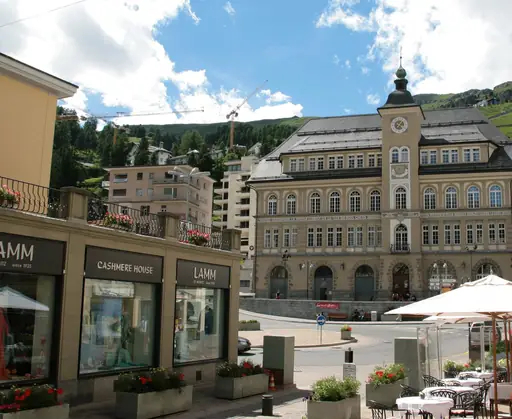
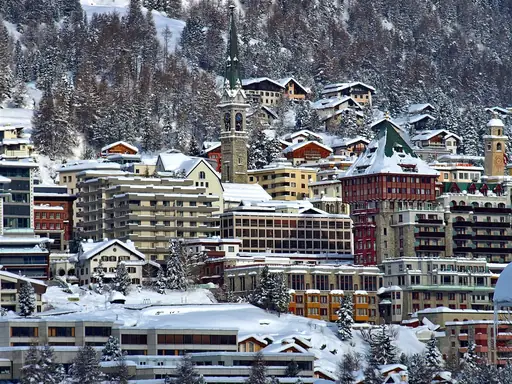
Crisp mountain air and the sound of skis meet white linen tables in this alpine resort. Several kitchens here hold Michelin stars. Each January the St. Moritz Gourmet Festival brings guest chefs from around the world. Local specialities include nusstorte, a nut tart from the Engadine valley.
Region in France
French Riviera
Glamorous Mediterranean Getaway
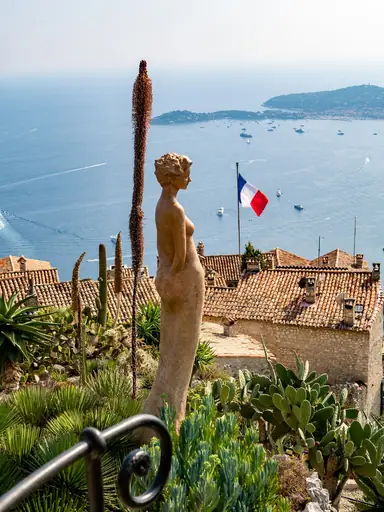
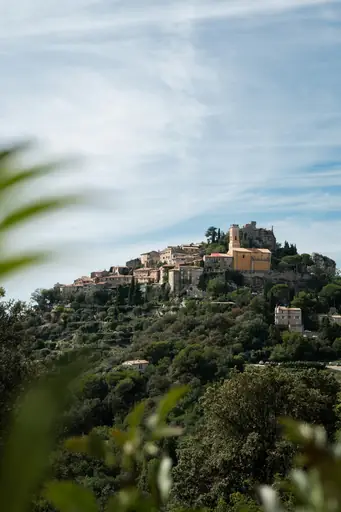
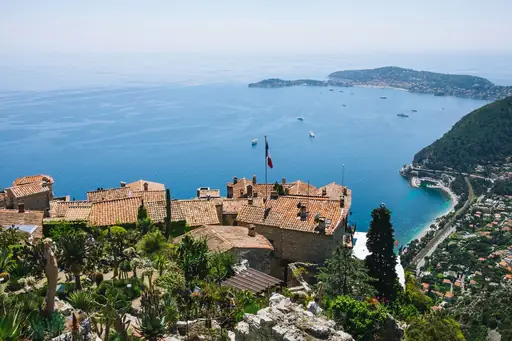
Glamorous seaside towns from Nice to Menton serve sunny Provençal cooking. Mirazur in Menton holds three Michelin stars and was named world's best restaurant in 2019. Visitors can eat socca pancakes at the Cours Saleya market in Nice and bouillabaisse by the sea. Rosé wine and olive oil are local staples.
City in France
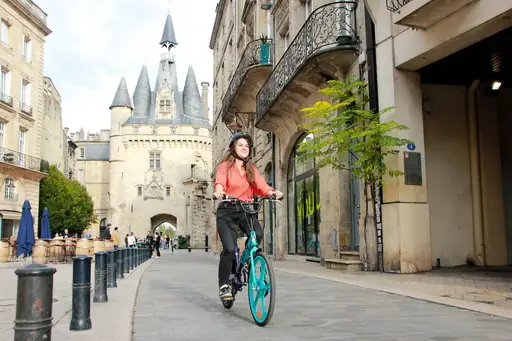
Bordeaux
Wine, elegance and riverside charm
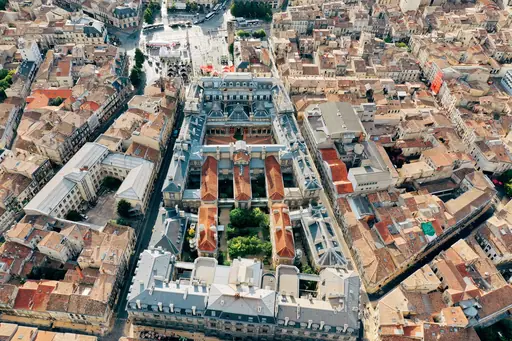
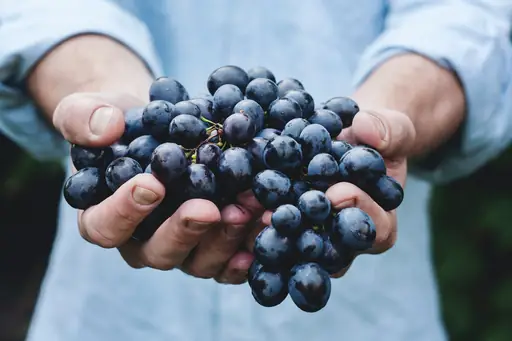
Beside other French food cities, this one centres on wine. A famous 1855 ranking sorted the Medoc estates by quality. Saint-Emilion, a medieval hill town, has cellars full of old vintages. Restaurants pair red Bordeaux with canele, a small caramelized pastry. Oysters from Arcachon are served nearby.
City in Ireland
Cork
Ireland’s rebel city with soul
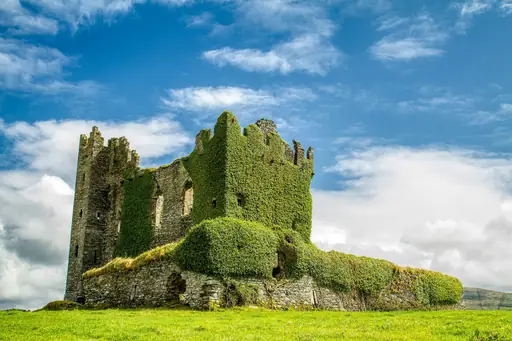
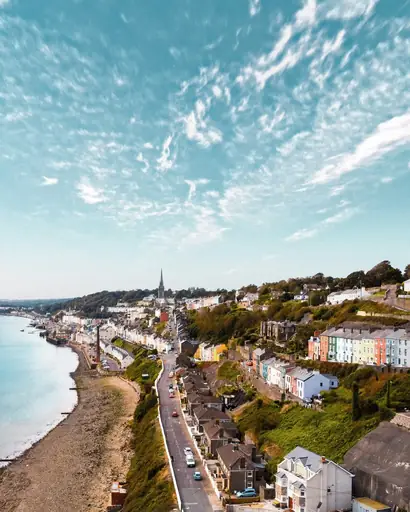
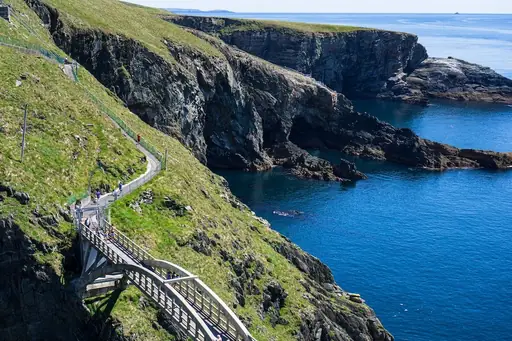
The English Market, a Victorian covered market, sells local meats, cheeses and breads. Ballymaloe House and the Ballymaloe Cookery School lie nearby in East Cork. Visitors can taste Irish farmhouse cheese, black pudding and fresh seafood. Kinsale harbour is a gourmet town within easy reach.
Town in Italy
Amalfi
Enchanting Coastal Italian Gem
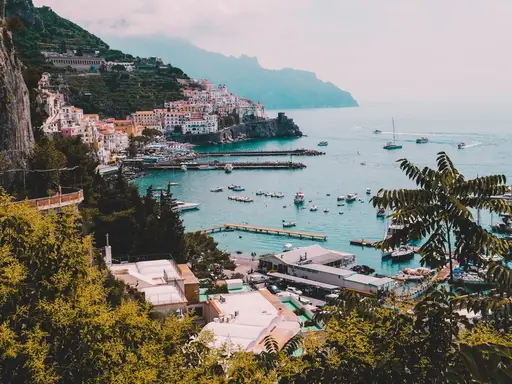
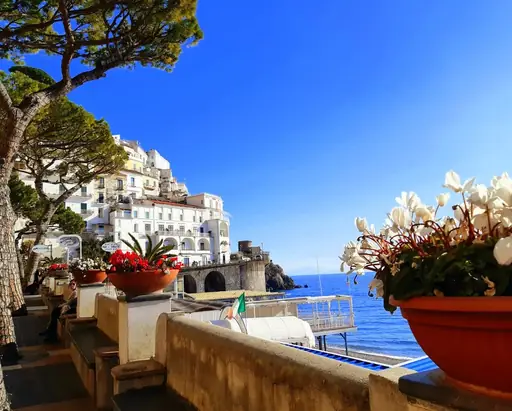
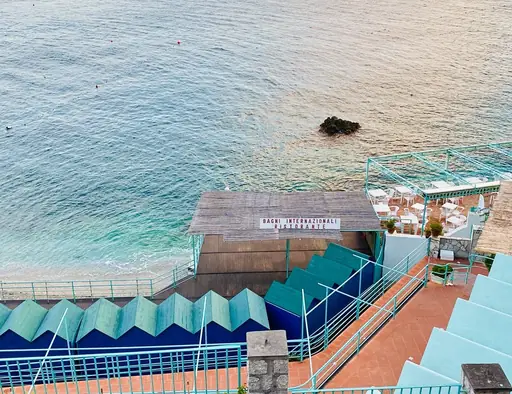
Lemon groves and pastel terraces climb the cliffs above this small Amalfi Coast town. Restaurants serve scialatielli pasta with seafood, lemon desserts and local white wine. Visitors can dine on cliffside terraces and taste delizia al limone. The cathedral and Marina Grande add a calm seaside stroll between meals.
Lake in Italy
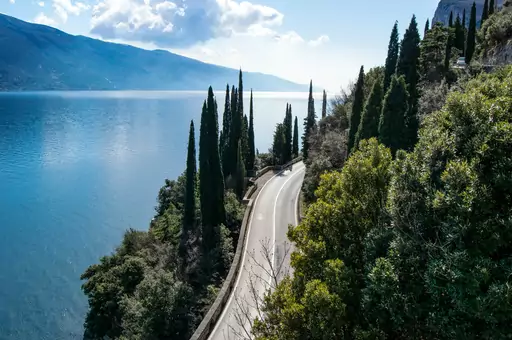
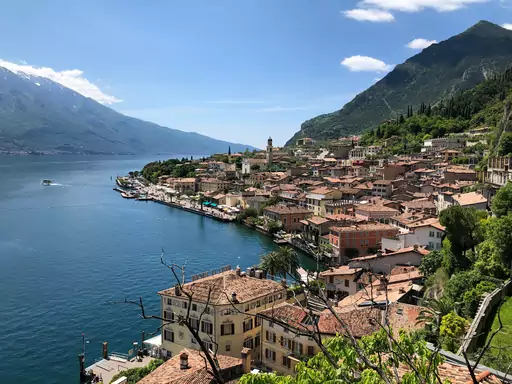
Lake Garda
Italy's largest lake of wonders
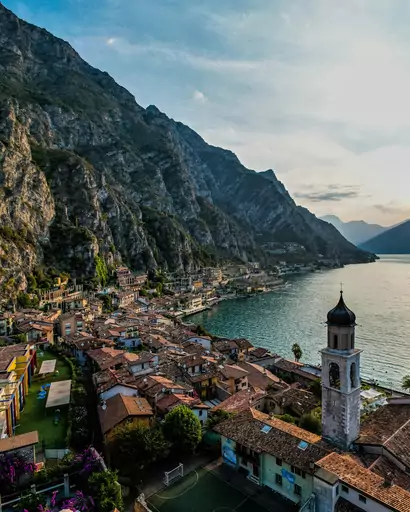
Italy's largest lake is ringed with olive groves, lemon gardens and medieval towns. Sirmione, Malcesine and Riva del Garda have lakeside restaurants. Visitors can taste olive oil, fresh lake fish and Lugana and Bardolino wines. Scaligero Castle and Gardaland add sightseeing and family fun between long lunches.
City in France
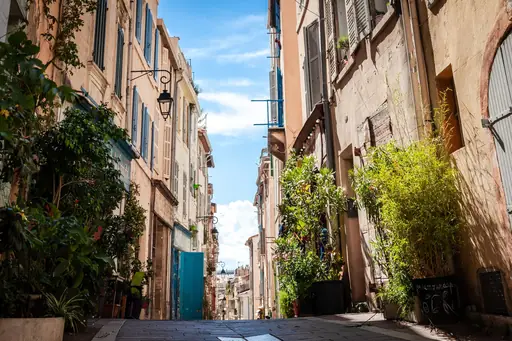
Marseille
Grit, grandeur and Mediterranean soul
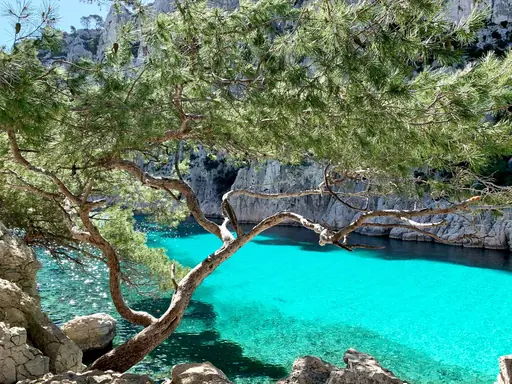
Facing the Mediterranean on France's south coast, this port invented bouillabaisse. The fish stew has saffron and fennel. Waiters serve the broth first and the fish after. Boats sell the daily catch at the Old Port each morning. Rocky inlets called calanques lie just outside the city.

Town in Austria
Kitzbühel
Alpine Elegance Meets Outdoor Adventure
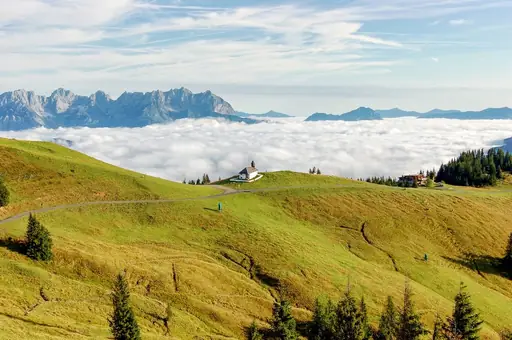
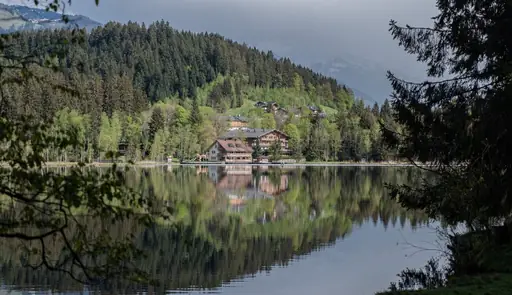
Silver and copper mining made this Tyrolean town rich in the 1500s. Painted houses still line the old main street. Cooks serve Kaiserschmarrn, a shredded pancake with fruit. They also make groestl, fried potatoes with bacon and egg. Hotels run gourmet dining rooms with long Austrian wine lists. Mountain huts serve hearty lunches.
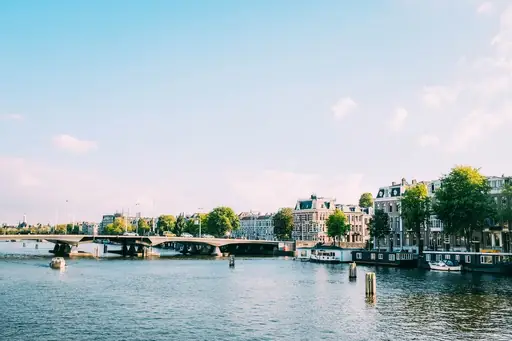
City in Netherlands
Amsterdam
Canals, culture and a vibrant spirit
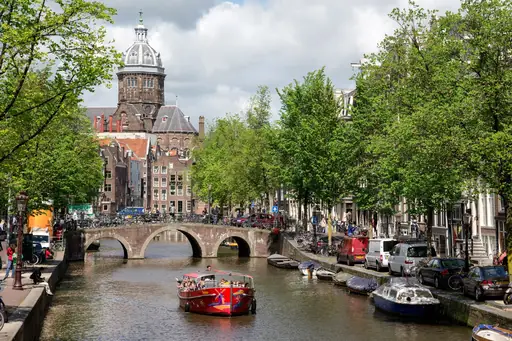
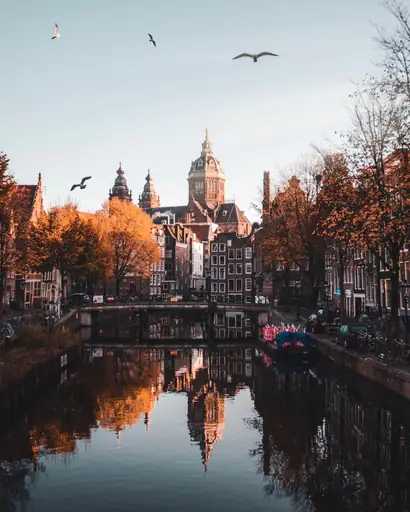
A rising fine dining scene fills canal houses and old warehouses in this Dutch capital. Restaurant RIJKS inside the Rijksmuseum holds a Michelin star and serves modern Dutch cuisine. Visitors can also try Indonesian rijsttafel, herring and stroopwafels at the Albert Cuyp market. Canal cruises with dinner add a scenic evening.
Other lists you may like
Discover
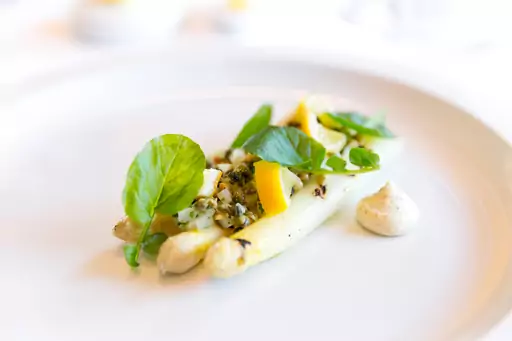
Top fine dining cities and culinary destinations
Some cities earn a reputation for food that goes well beyond a handful of well-reviewed restaurants. Fine dining destinations tend to have a deeper culinary infrastructure,…
Read more

Discover
Best fine dining destinations in Africa
South Africa anchors much of Africa's fine dining scene, with a wine-region restaurant culture built alongside some of the world's most renowned vineyards. North African cities…
Read more

Discover
Best fine dining destinations in Asia
East Asia holds more world-renowned fine dining recognition than any other region on earth and that single fact says a lot about the depth of the wider culinary scene. Several…
Read more
Discover
Best fine dining destinations in North America
Major coastal cities anchor much of North America's fine dining reputation, but other cities have emerged as exciting food capitals in their own right, reinterpreting regional…
Read more
Discover
Best fine dining destinations in Oceania
Major coastal cities have built fine dining scenes that rank among the most respected anywhere, drawing on the region's exceptional seafood and produce as much as international…
Read more
Discover
Best fine dining destinations in South America
Andean and coastal cuisines have helped one part of the continent become one of the world's most respected food regions over the past two decades, drawing on extraordinary…
Read more
What other users say about travelfilters
“travelfilters made it easy for me to find ski areas and compare what else they offer, so that I could find the best place for my personal travel style.”

Chris
Snowboarding & Onsen trip to Japan
“I love how transparent the data feels. There is no pushy upsell, just honest information and settings I can tune to my own travel style.”

Maria
After booking her 2027 winter escape
“The level of detail for each destination and how well those are displayed, make planning feel confident instead of overwhelming.”

Mina
Planned a week in New York City
“We used travelfilters for our planning from start to end. The trip turned out even better than expected, thanks to all their tools and customisation options.”

Allan & Etienne
Trip to Japan to see autumn foliage
“Thanks to travelfilters, I found some hidden gems to see. Being able to filter for exactly your interests is a game changer for my travel planning.”

Michael
Tour through the old cities of Northern Italy
“The customizable filters helped me find a quiet beach town with good wifi and low season crowds in under five minutes.”

Diego
Weekend Escape to Llanes, Spain
“The airport connection map saved me hours by showing good flight options from my home airport to lesser-known cities.”

Nguyen
Planning a 2027 trip to France
“The website is clean, fast and focused on the search itself, which makes travelfilters feel more like a professional tool than an ad-heavy booking site.”

Hassan
Christmas Market trip, Germany
