


Europe › Ireland › Cork

Cork

Scroll
Ireland’s rebel city with soul

Cork, Ireland’s vibrant southern city, welcomes visitors with friendly locals and a lively atmosphere. Known for its historic architecture, bustling markets and coastal charm, Cork balances tradition with modern energy. The River Lee winds through the center, offering scenic walks and views of colorful buildings. Local cafes serve fresh seafood and traditional pastries while pubs host live music nights. Whether exploring nearby islands or enjoying city life, Cork provides a relaxed yet engaging experience for travelers seeking authentic Irish culture without crowds.

City in Ireland
Climate zone: Mild oceanic

Mild oceanic: Marine-influenced climates with cool summers, mild winters and frequent precipitation year-round, typical of western coasts at mid-latitudes.

See climate table
Price level: $$$
$Cheap
$$Medium
$$$Expensive, upscale
$$$+Very expensive, luxury
See price details
Safety: 6.8
General Safety:7
Health & medical:8
Accessibility:5
Tap water:3
Read details
Tourist English: 5/5
English is universally spoken, and Irish (Gaeilge) is also present in signage and greetings. Locals are friendly and happy to help, so communication is easy for visitors.
Last update: 12 Oct 2026
* We earn a commission from some links on this page.
Cork Summary

These place ratings give you a quick overview of how well a destination matches different types of trips.

‘Best for’ scores:
The specific interest scores show where this place really shines – whether it's ideal for hiking, food & drink experiences, museums or other activities. These highlights help you understand what makes the destination special at a glance.

‘Your personal’ scores:
This reflects how well a place matches your personal preferences. You can adjust the importances of travel topics or other personal requirements categories in your account settings.

‘Suited for’ badges:
These give you a quick overview of how well a destination suits specific types of travellers, to help you find the places that match your lifestyle, preferences or travel situation.

Read how our scores work
Great for food culture and historic streets. Visit lively markets, explore museums, enjoy traditional pubs and take trips to nearby coastal scenery.
Place score
7.2
Best at:
Walkable
8
Guided tours
8
Spotless
7
Fine dining
7
Local cuisine
7
Personal score
?
Log in to see how this place matches your personal travel interests.
Suited for
👶 6
Families
🧓 6
Seniors
❤️ 8
Couples
🛡️ 7
Travel Beginners
Ireland – Quick facts
Power Grid: 230 V, 50 Hz
Plug: Type G
Type G:
Diagram of a Type G power plug

Read about power adapters
Currency: Euro (EUR)
£1 ≈ €1.19
Cashless info: Rating 5/5
Cashless payments are widely accepted in Ireland, especially in urban areas. Contactless payments and mobile apps are commonly used. Smaller businesses might still prefer cash.

Save with a travel credit card
eSIM providers: Best value: Saily
Flexibility: Airalo
Read our in-depth comparison
Tipping: Tipping is customary in Ireland, with 10-15% expected in restaurants. Tipping for taxi drivers is usually rounded up or 10-15%. For hotel staff, €1-2 is appreciated.
Public drinking: Public drinking is allowed in many places, such as parks and during festivals, but local laws vary in specific areas.
Public smoking: Smoking is prohibited indoors in public spaces and in most enclosed areas. Designated outdoor smoking areas are common.
St. Patrick’s Day
(March)
Expect large crowds and parades, especially in Dublin. Book accommodations well in advance.
Christmas
(December)
Christmas markets and festive events are popular, with busy streets and higher accommodation rates.
Easter Monday
(March/April)
Many places close or have limited hours, especially in smaller towns.
Emergency contact: Emergency Number: 112 (Police, Fire, Ambulance)
Taxi apps: Uber, Free Now, Bolt
Other: Ireland is known for its scenic landscapes, and rural areas may require more preparation for travellers, especially in terms of accommodation and transport.
Best times to travel

The best times to travel section shows how the months compare for a visit, so you can find the time of year that fits what you want to do.

Background colours of the months:
The colour shows the typical temperature: yellow (hot), green (mild) and blue (cold). How strong the colour is shows the travel season: full colour means high season, soft colour means shoulder season and soft-striped means off season.

Weather symbols:
Each month has one symbol showing what the weather is typically like, such as hot and sunny, freezing or a rainy or snowy season. Use them to quickly spot months that match the weather you want, or to avoid the ones that don't.

Crowdedness:
The people icon shows how busy the place usually is. The more people, the more crowded it gets.

Additional notes:
The grey info boxes point out special things worth knowing, like recurring weather issues or seasonal events.

for Cork, Ireland
🌦️
Jan
☁️
Feb
🌥️
Mar
🌤️
Apr
🌤️
May
🌥️
Jun
☁️
Jul
🌥️
Aug
🌥️
Sep
🌦️
Oct
🌦️
Nov
🌦️
Dec
High season: June - Aug.
Shoulder season: April - May, Sep.
Crowdedness: 7 (Many tourists)
Tap on a month for more info Hover over a month for more info
Many attractions on the Wild Atlantic Way and nearby coast close or reduce hours from November to March
Cork Jazz Festival takes place on the late October bank holiday weekend; hotels fill up

Why travel to Cork?

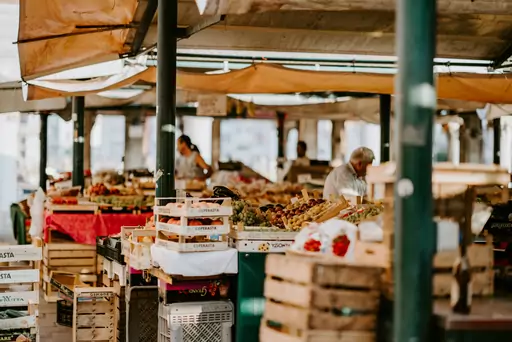
Cork is often called Ireland’s true capital by locals and it’s easy to see why. The city buzzes with energy, from its historic English Market and vibrant street art to trendy coffee shops and a packed calendar of festivals. There’s a great mix of old and new – think centuries-old cathedrals, a 19th-century gaol and a thriving food scene that’s one of the best in Ireland. Cork is also a perfect base for exploring the Wild Atlantic Way and Ireland’s Ancient East. Downsides? The weather is famously unpredictable (bring a rain jacket) and public transport, while generally safe, can be a bit unreliable – so you might end up calling a taxi late at night. Property crime is rare but keep an eye on your belongings, especially in cars. Still, Cork’s warmth and character make it a city you won’t forget.

🏯Places worth seeing
  • 1 Crawford Art Gallery
  • 2 Saint Fin Barre's Cathedral
  • 3 Cork City Gaol
  • 4 Glucksman Gallery
  • 5 MTU Blackrock Castle Observatory
  • 6 Saint Patrick's Street
  • 7 Blarney Castle & Gardens
🎡Places for activities
  • 1 Spike Island
  • 2 Nano Nagle Place
  • 3 Franciscan Well Brewery
🏞️Natural landmarks
  • 1 Cork Harbour
  • 2 Ballincollig Regional Park
  • 3 Cork Lough
  • 4 Mardyke Walk
  • 5 River Lee (North Channel)
  • 6 St Anne's Park (northern cemetery)
  • 7 Lee Fields
  • 8 Fitzgerald's Park
🛍️Shopping
  • 1 The Farmgate Café
  • 2 Marina Market
  • 3 Mahon Point Shopping Centre
  • 4 Douglas Village Shopping Centre
  • 5 The Fifth Quarter
  • 6 Corn Market Street
🎈Events
  • Cork Jazz Festival
  • Cork Midsummer Festival
  • Guinness Cork Jazz Festival
  • Cork Film Festival
  • St Patrick’s Day Parade
  • Cork Folk Festival
  • Cork Harbour Festival
  • Live at the Marquee
  • Cork International Choral Festival
  • Christmas at the Marina Market

Knowledge before you go

  • Bring a light rain jacket; weather changes quickly year-round.
  • Start at the English Market for local bites; it’s central and easy to revisit.
  • Walk uphill to Shandon Bells; you can ring them and get great city views.
  • Use Cork as a base – Blarney Castle and coastal West Cork make easy, rewarding day trips.

How to travel to Cork

Cork Airport has direct flights from the UK and Europe and is 20 minutes from the city by bus or taxi. Trains and buses run from Dublin and other Irish cities. Ferries from France and the UK arrive at nearby Ringaskiddy. The city is well connected for exploring the Wild Atlantic Way and Ireland’s Ancient East.

Access summary

  • From Cork Airport (ORK): Bus Éireann 226 or taxi, about 20–25 minutes.
  • From Dublin: direct trains or intercity buses, usually around 3–3.5 hours.
  • From Limerick: regular buses to Cork city, typically about 1.5–2 hours.

Where to stay in Cork

Cork has a range of accommodation, from boutique hotels and historic guesthouses in the city center to budget hostels and riverside stays. Book ahead for festivals and summer weekends. Most hotels are within walking distance of the main sights and nightlife.

How to get around Cork

Cork city center is compact and walkable, with most attractions within easy reach. Local buses serve the city and suburbs, but can be unreliable late at night – taxis are a good backup. Bus Éireann route #226 connects the airport and city and bike rentals are available. For day trips, trains and buses connect to Cobh, Kinsale and the wider county.
Budget snapshot
Costs compared to home

We calculate the average costs when travelling to destinations and compare those with the living costs at your home. With this you can get an estimate of how expensive or cheap the destination is for you.

To customise this, you can set up which location and price level are used for the calculations in your account settings.

+7 %
Daily expenses in Cork are around 7% higher than the average across United States. That means you'll spend more on meals and getting around.
Exchange rate trend

The exchange rate price factor shows how expensive or cheap a currency currently is compared to its historical average. It's a quick way to see if a country is currently more or less affordable due to exchange rate changes.

-3 %
Your exchange rate (GBP to EUR) is 3% better than in recent years. That means travelling now costs around the same compared to the past.

Travel costs

To help you plan your trip, we provide estimated daily costs per person (when travelling as a pair) for different travel styles. These numbers give you an idea of what you might spend each day at this destination, including accommodation, food, transport and activities.

Additionally, we also provide average hotel costs for different travel styles to give you an estimate for the accommodation only.

Please note that these are only estimates. The real costs depend on booking times, season and other factors.

Daily cost summary

Travel style categories explained:

Backpacker:
Staying in hostels or budget hotels, cooking your own meals or eating cheap and choosing low-cost activities.

Mid-range:
Staying in mid-range hotels, eating at a mix of restaurants and casual spots and enjoying a variety of activities.

Luxury:
Staying in luxury hotels, dining out at high-end restaurants and enjoying premium experiences without worrying about the price.

Backpacker Mid-range Luxury
💵 Total costs per day, including accommodation
£59
£135
£368
🏨 Accommodation per night, per person
£20
£49
£107
🍝 Food per day
£31
£76
£226
🚕 Transportation per day
£8
£10
£34
Food & Drink
🍽️ Restaurant Dinner, per person
£31
🍛 Lunch Set, per person
£14
🍟 Fast food combo
£9
🍝 Preparing your own food, per day
£10.50
☕ Cappuccino
£3.40
🍺 Beer in a restaurant, 0.5 l
£5.50
Transportation
🚌 Public transport ticket
£1.80
🚕 Taxi Ride, 10 km / 6 mi
£21
⛽ Petrol, 1 l
£1.50
Other
🎞️ Cinema ticket
£10.50
👩‍⚕️ Doctor's consult
£50
🤧 Cold medication
£5
💇 Basic haircut
£12

Safety information overview

General safety
7
Cork is very safe, with low violent crime. Petty theft is rare but can happen — keep valuables secure, especially in cars. Public transport is safe, but have a taxi number handy if buses are delayed at night.
Health & Medical
8
Medical care is excellent, with clinics and pharmacies throughout the city. No special vaccinations are needed. Tap water is safe to drink. Emergency services are reliable and easy to access.
Accessi­bility
5
Most main attractions, hotels and public transport are accessible, but some older streets and buildings have steps or cobbles. The city center is mostly flat and easy to navigate. Check ahead for specific needs.
Tap water
3
Tap water is safe and widely available. Public fountains are found in parks and squares, making it easy to refill your bottle as you explore.

Looking for inspiration?

Discover
Best travel destinations for food allergies in Europe
Europe is one of the more manageable continents for allergy conscious travelers, thanks to strict food labeling rules that apply across the entire European Union. Restaurants…
Read more
Discover
Best travel destinations for food allergies
Travelling with a food allergy adds a layer of planning most people never have to think about and the right destination can make that planning a lot easier. Some travellers…
Read more
Discover
Markets and street shopping in Europe
Europe has a long and serious market tradition, from the medieval trading halls of northern cities to the sprawling weekly markets of the Mediterranean south. Markets here are…
Read more
Discover
Best fine dining destinations in Europe
Europe still anchors the world's idea of fine dining, from classical haute cuisine traditions to a reinvention of Nordic cooking that has reshaped the culinary world over the past…
Read more
Discover
Best couple holiday destinations
Travelling as a couple sounds simple enough, yet the best couple holiday destinations mean something different to almost every pair. What feels romantic to one couple can feel like…
Read more
Discover
Best couple vacation destinations in Europe
Europe has been the backdrop for love stories for centuries, and for couples it remains one of the easiest continents to feel romantic in without even trying. The choice of…
Read more
Discover
Top historical destinations and historic sites
The most compelling history destinations are places where the past is still physically present and legible in the landscape, the architecture and the daily life of the people who…
Read more
Discover
Best food destinations in Europe
Europe's food cultures span an extraordinary range of culinary traditions, with distinct regional cuisines, producer landscapes and restaurant scenes concentrated within a compact…
Read more
Discover
Best destinations for first-time travellers
A first trip abroad works best somewhere that eases you in, rather than throwing every possible culture shock and logistical headache at you at once. Some first-time travellers…
Read more
Discover
Best cities to visit in Europe
Europe's world cities are among the most visited urban destinations on earth, with millennia of accumulated history, exceptional museum and gallery collections and architectural…
Read more
Discover
Best market destinations and street shopping
Markets are one of the most direct ways into the everyday life of a place. Where supermarkets and shopping centres smooth over local difference, a good market reflects the climate,…
Read more
Discover
Best historical destinations in Europe
Europe is one of the most historically dense regions on earth, where the evidence of successive civilisations, empires, conflicts and cultural movements is layered into the…
Read more
Discover
Top fine dining cities and culinary destinations
Some cities earn a reputation for food that goes well beyond a handful of well-reviewed restaurants. Fine dining destinations tend to have a deeper culinary infrastructure,…
Read more
Discover
Top food destinations and culinary hotspots
Food travel has matured into a sophisticated circuit built around the world's great culinary traditions, restaurant destinations and producer landscapes that offer experiences…
Read more
Discover
Best destinations for first-time travelers in Europe
Europe is often the easiest continent to start with, thanks to short distances between countries and infrastructure built for travelers of every experience level. Trains connect…
Read more
Was this page helpful?
Feedback