
Best cities to visit in Europe
Best cities to visit in Europe
Historic capital cities and cultural heritage hubs across Europe
Europe's world cities are among the most visited urban destinations on earth, with millennia of accumulated history, exceptional museum and gallery collections and architectural streetscapes that reward repeated visits across a lifetime of travel. The density of genuinely significant cities within a compact geographic area is unmatched, with high-speed rail connections making multi-city itineraries practical without the cost and friction of flying between every stop.
The most celebrated capitals have developed mature visitor infrastructure across accommodation, transport and cultural access, though the weight of tourism at peak times can make the most famous sites feel more like obligations than experiences. Secondary cities across the continent frequently offer comparable cultural depth with a fraction of the visitor numbers and a more authentic sense of urban life operating independently of tourism.
Accommodation costs in the most visited capitals have risen considerably and central locations book out well in advance during peak season. Advance booking for the most celebrated museums and cultural institutions is increasingly essential year-round. Costs vary significantly across the continent with western European capitals among the most expensive urban destinations globally and central and eastern European cities offering considerably stronger value for comparable cultural depth.
Lists by region

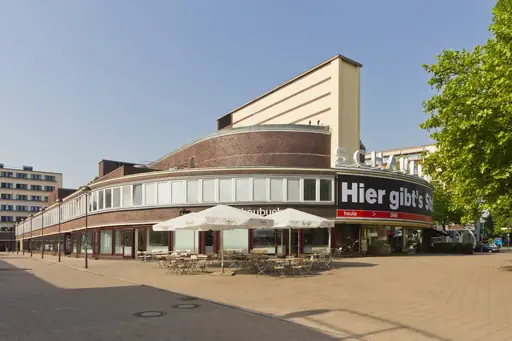
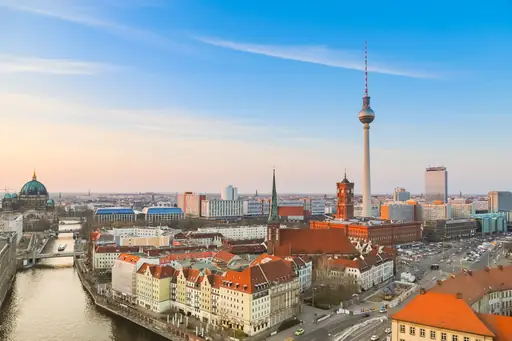
City in Germany
Berlin
Wall history, Museum Island and all-night clubs
This city welcomes visitors in every season, with lake swims in summer and Christmas markets in winter. The Brandenburg Gate marks the old border between east and west. The East Side Gallery keeps 1.3 kilometres of painted Wall. Museum Island has five museums on one small spot.
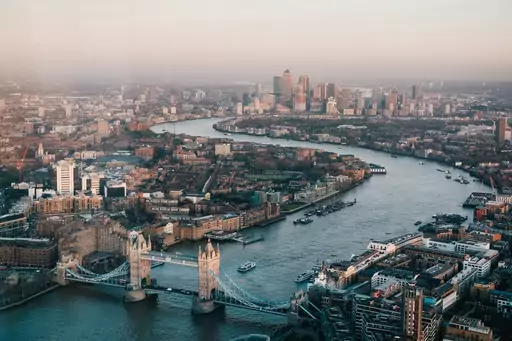
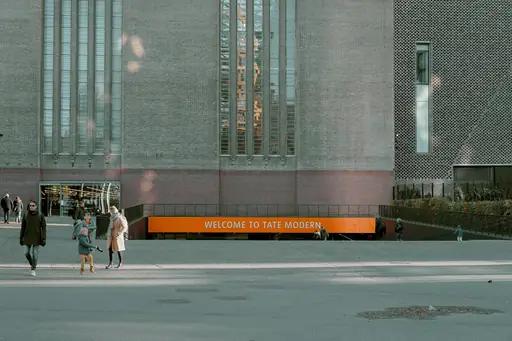
City in United Kingdom
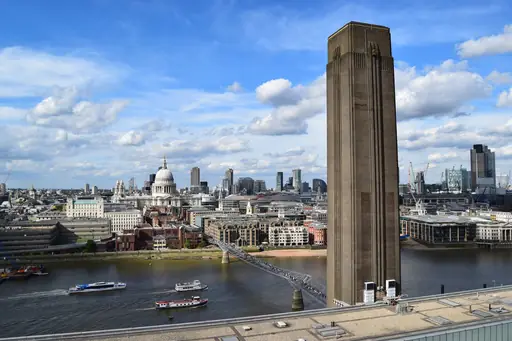
London
A Tapestry of History and Modernity
With about nine million people, this huge capital has more landmarks than any trip can cover. The Tower of London is nearly a thousand years old. Museums such as the British Museum and Tate Modern have free entry. West End theatres stage shows nightly. Pubs line the Thames path.
City in France
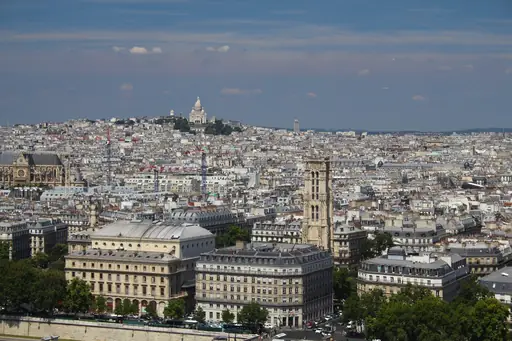
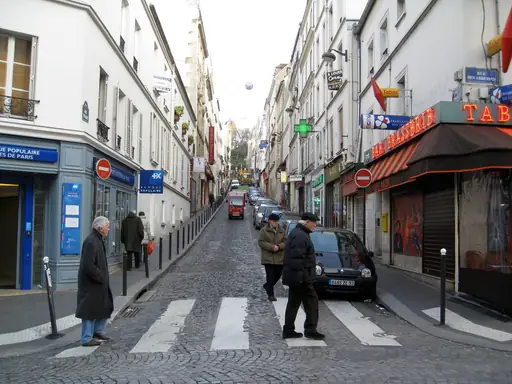
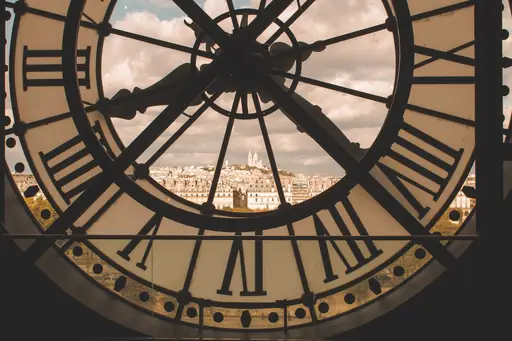
Paris
The city of love, art and history
Along a bend of the Seine River, this French capital grew from an island settlement into a city of avenues. The Eiffel Tower, finished in 1889, is about 330 metres tall. The Louvre holds the Mona Lisa. Cafes in Montmartre serve coffee and croissants beside winding lanes.
City in Romania
Bucharest
A mix of history, nightlife and charm
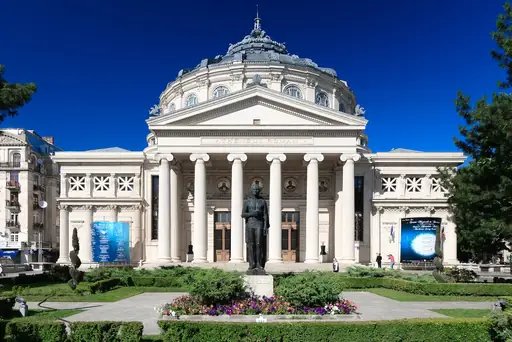
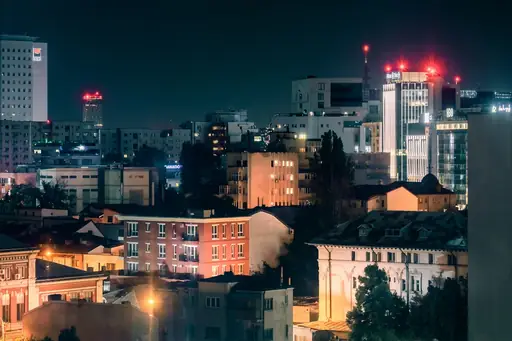
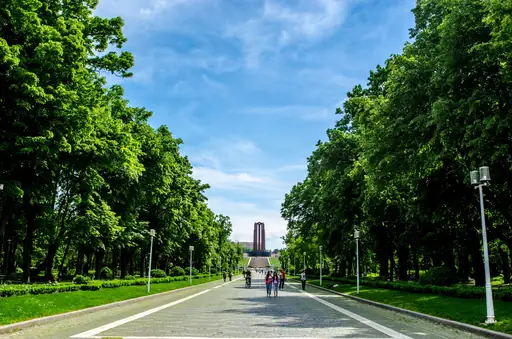
Once nicknamed Little Paris for its wide boulevards and grand villas, Romania's capital still has a French air. The Palace of Parliament is one of the largest buildings on earth. Cafes and bars fill the old Lipscani quarter. Herastrau Park has lakeside paths for a quiet afternoon.
City in Sweden
Stockholm
Where islands, history and modernity meet
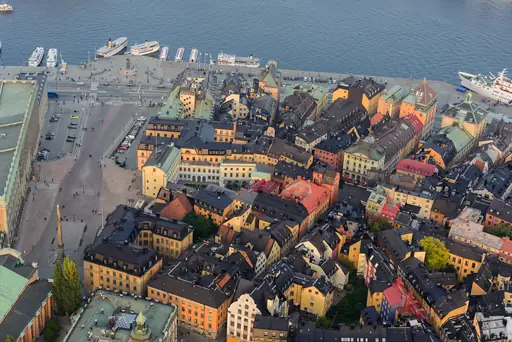
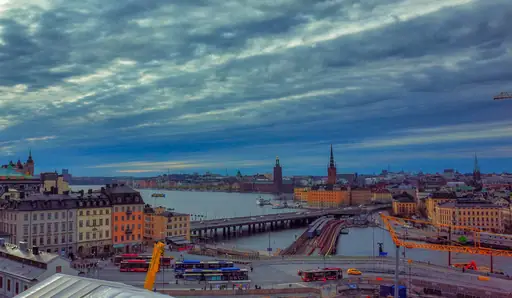
Calm, clean and built across 14 islands, this capital has water views from almost every street. The medieval lanes of Gamla Stan lead to the royal palace. The Vasa Museum holds a 17th century warship that sank on its first voyage. Swedes pause for fika, a coffee and pastry break.
City in Spain
Barcelona
Vibrant City of Art and Beaches
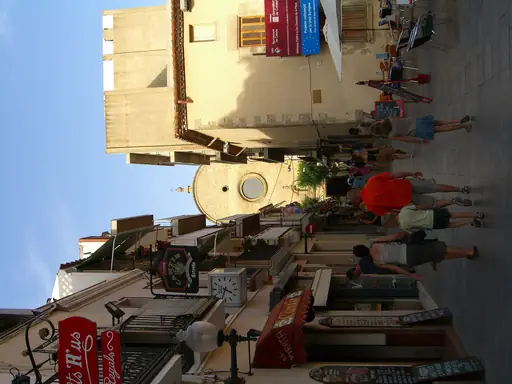
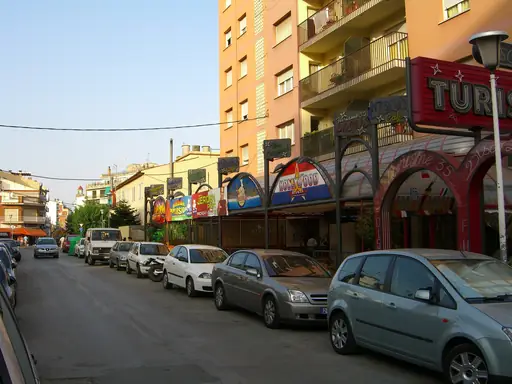
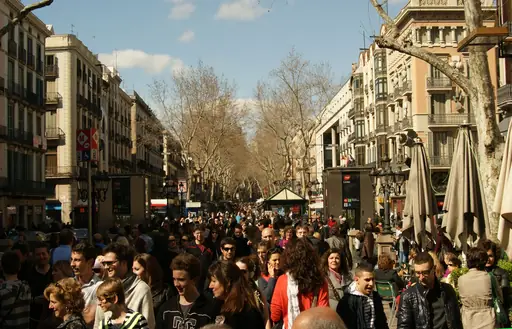
Creative, sunny and always out late, this Catalan city mixes beaches with bold architecture. Antoni Gaudi began work on the Sagrada Familia church in 1882 and it is still being built. Boqueria Market sells fresh fruit and ham. Tapas bars in the Gothic Quarter fill after nine.
City in Poland
Warsaw
Where history meets modern vibrance
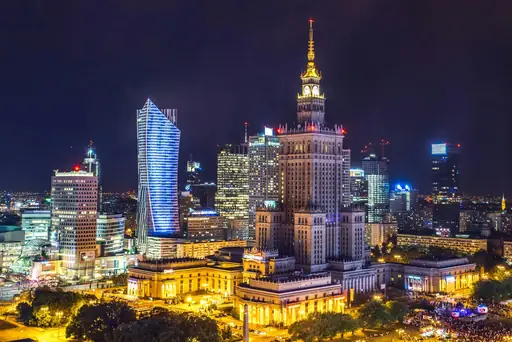
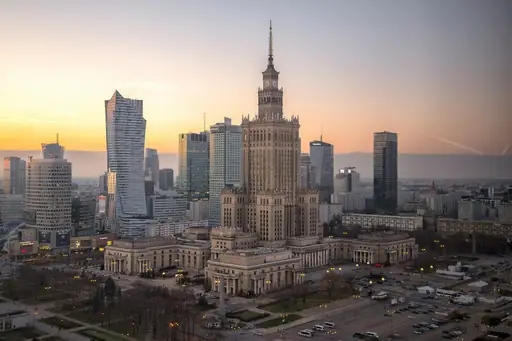
Poland's capital has about 1.8 million people and a past that shaped its look. Much of the city was destroyed in World War Two and rebuilt from old paintings and photos. The reconstructed Old Town is a World Heritage Site. The Chopin Museum honours the composer. Sandy beaches line the Vistula in summer.
City in Italy
Milan
Fashion, Art and Historic Splendor
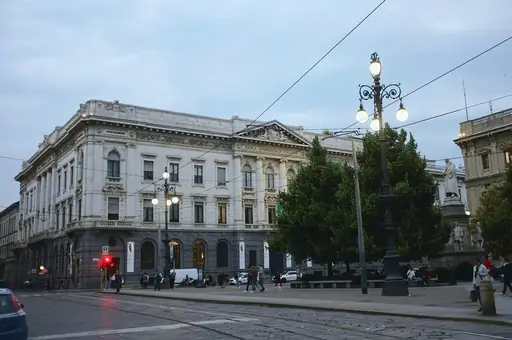
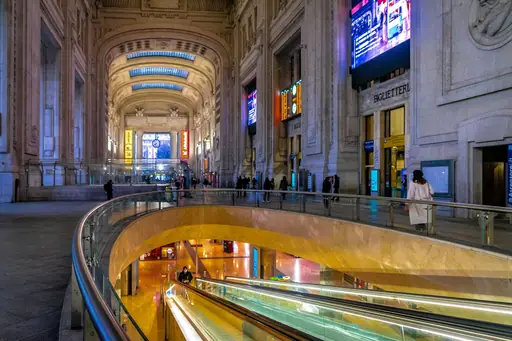
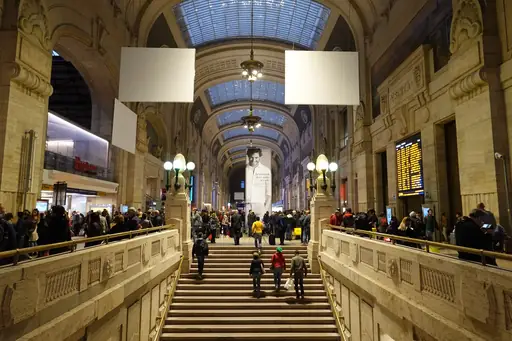
Fashion weeks fill this northern Italian city each February and September, but its charm reaches past the runway. The marble Duomo took nearly six centuries to finish. Leonardo's Last Supper is painted on a convent wall. La Scala opera house opens its season every 7 December.
City in Norway
Oslo
Scandinavia’s modern capital in nature’s embrace
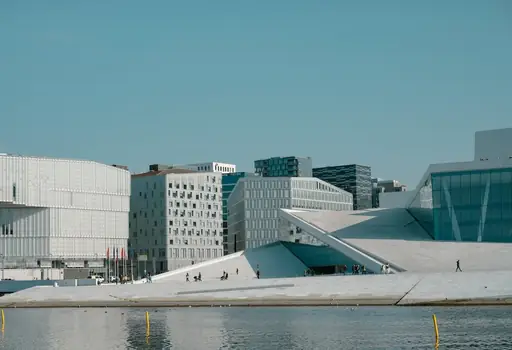
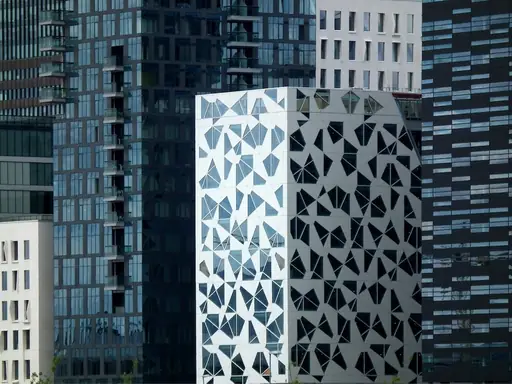
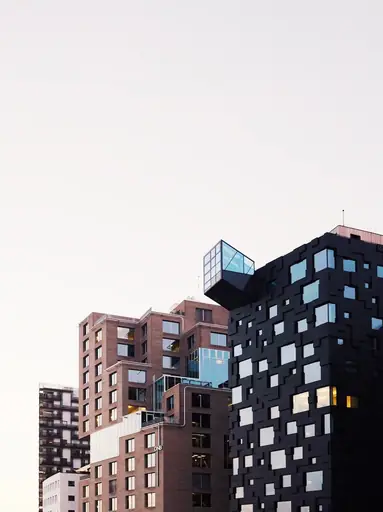
Few capitals have forest and fjord inside the city limits. Oslo has both. A metro line reaches hiking trails in minutes. The Opera House has a sloping roof that visitors can walk on. The Vigeland sculpture park holds more than 200 statues. Ferries cross the fjord to small islands.
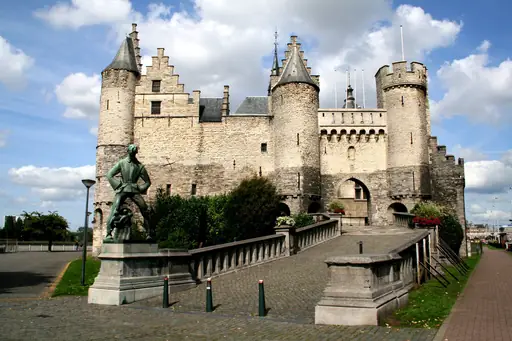
City in Belgium
Antwerp
Europe’s Hidden Gem of Culture & Style
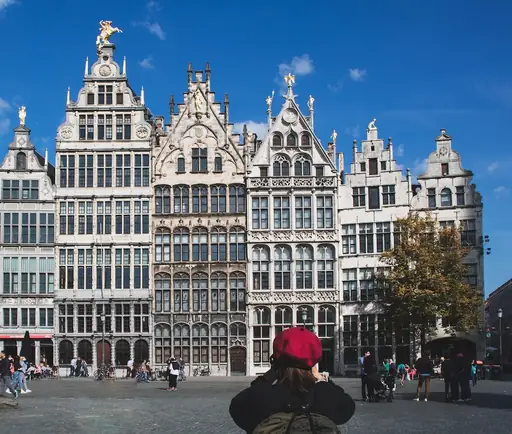
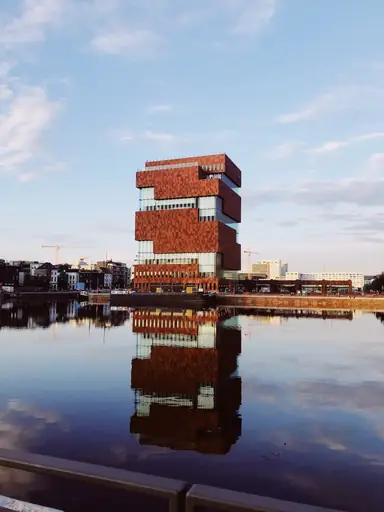
Merchants made this Flemish port rich on the Scheldt River from the 1400s. Diamond cutters and artists followed. Peter Paul Rubens lived and worked here. His house is now a museum. The Central Station looks like a palace. Fashion shops fill the streets around Nationalestraat.
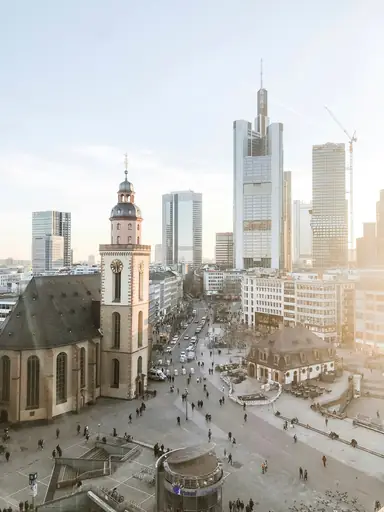
City in Germany
Frankfurt am Main
Skyline, apple wine and a rebuilt old town
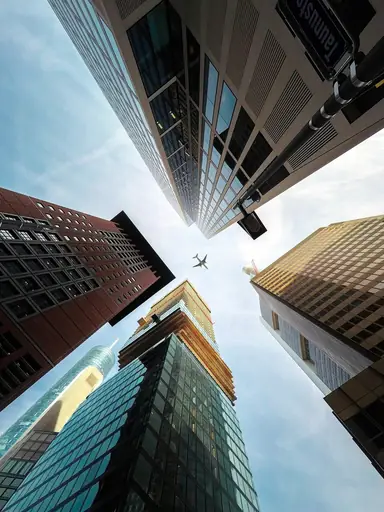
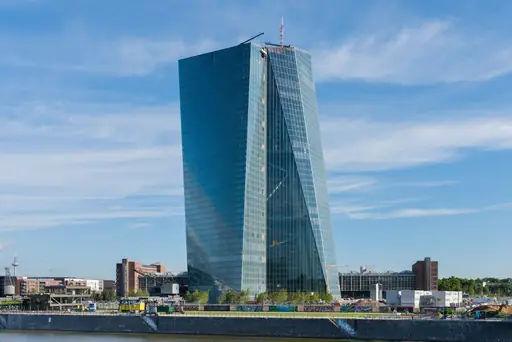
Glass towers rise above the Main River here, earning the city the nickname Mainhattan. The old Romerberg square stands beside them with rebuilt timber houses. Museums line the riverbank. Taverns in Sachsenhausen pour apple wine, a local speciality. The rooftop of the Main Tower offers wide views.
City in Serbia
Belgrade
Where history, nightlife and the Danube meet
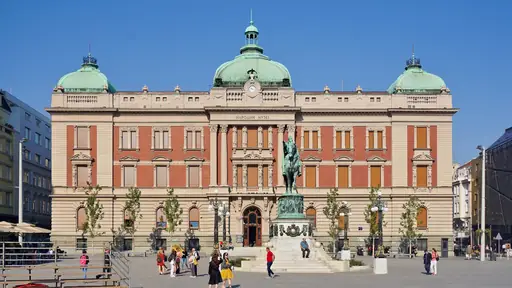
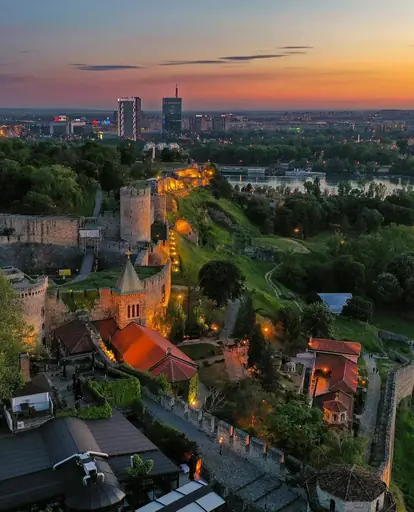
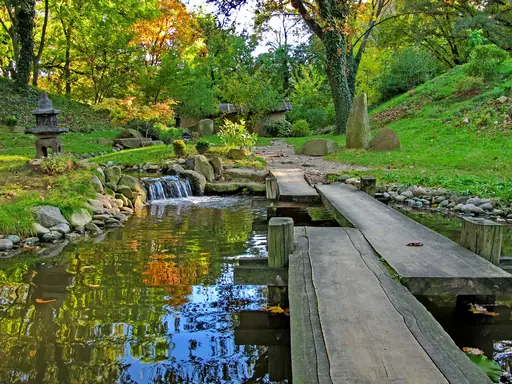
With more than a million people, this is the capital of Serbia and a busy hub for the Balkans. It sits where the Sava River meets the Danube. Kalemegdan Fortress looks over both rivers. Floating clubs called splavovi line the water. Cafes in Skadarlija play live music.
City in Ireland
Dublin
Where History, Pubs and Culture Collide
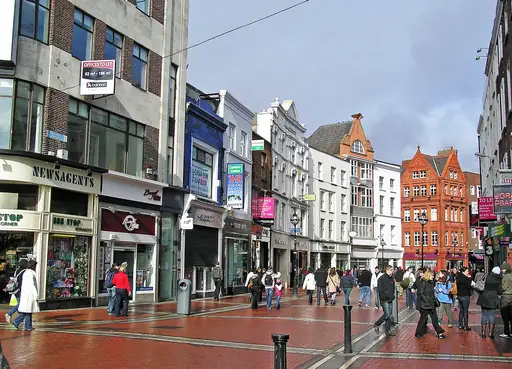
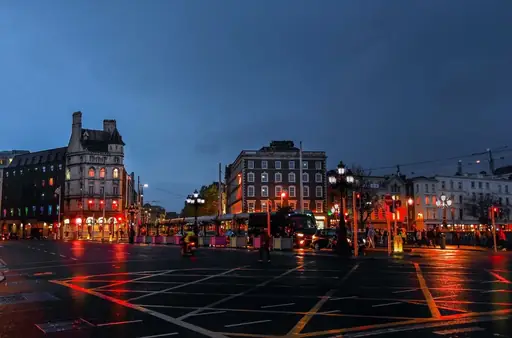
Set on the Irish Sea at the mouth of the River Liffey, this capital is compact and walkable. Trinity College holds the Book of Kells, a Christian manuscript made around the year 800. Pubs in Temple Bar have live music most nights. Phoenix Park offers 707 hectares of open green.
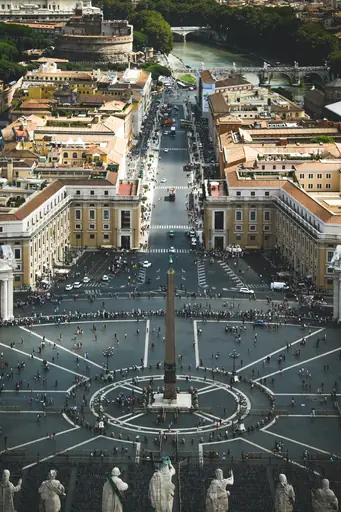
City in Italy
Rome
The Eternal City of history and charm
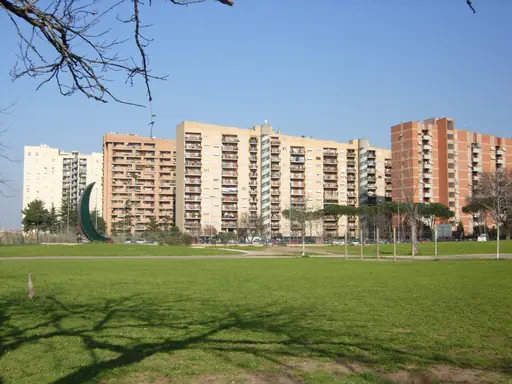
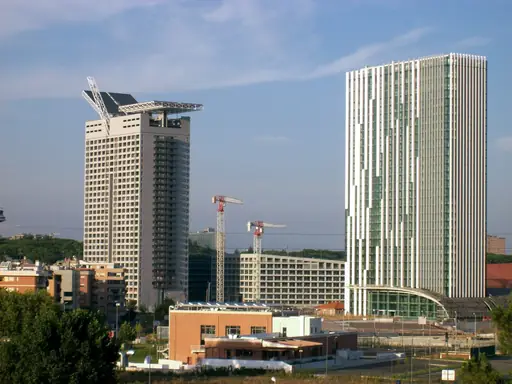
According to legend, twin brothers founded this city in 753 BC. Its ruins now sit beside busy modern streets. The Colosseum opened in AD 80 and once held thousands of spectators. The Pantheon still has the world's largest unreinforced concrete dome. Visitors toss coins into Trevi Fountain.
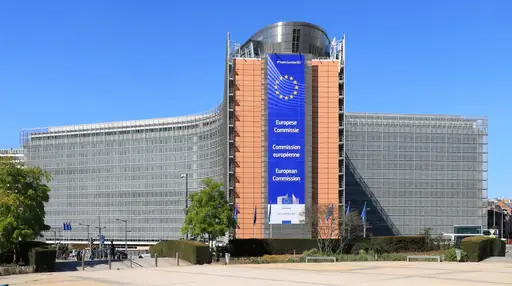
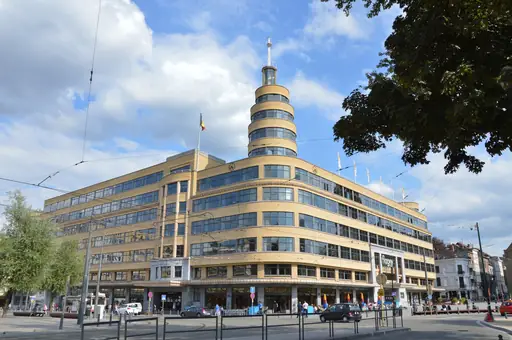
City in Belgium
Brussels
Europe's cozy capital of culture
Belgians treat beer as a craft. The tradition earned a place on the UNESCO list in 2016. Brussels honours it in cosy cafes serving hundreds of labels. The Grand Place square glows with gold trim at night. Mussels, fries and waffles are everywhere. The Atomium looms over the north.
City in Netherlands
Amsterdam
Canals, culture and a vibrant spirit
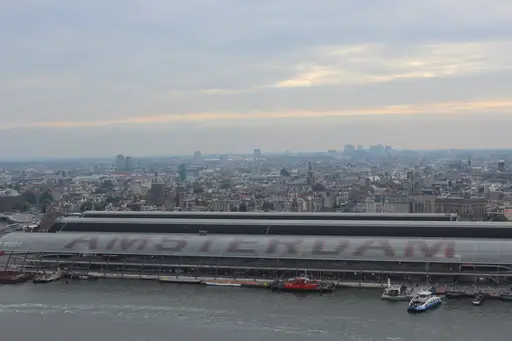
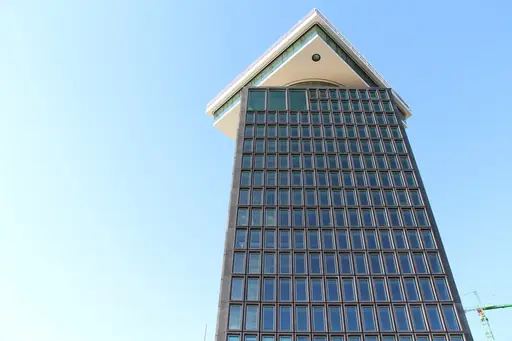
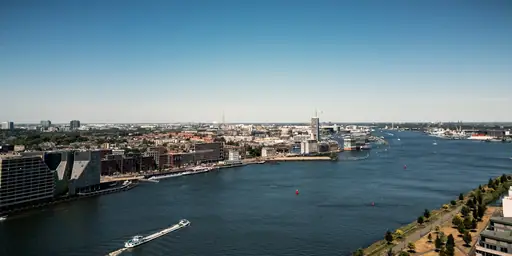
Built on reclaimed marshland in the northwest of the Netherlands, this city is laced with about 165 canals. The 17th century canal ring is a World Heritage Site. Visitors cycle past gabled houses to the Rijksmuseum and the Van Gogh Museum. Boat tours glide under bridges at dusk.
City in Germany
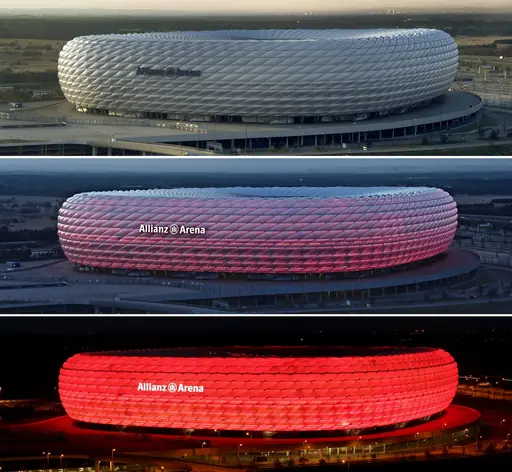
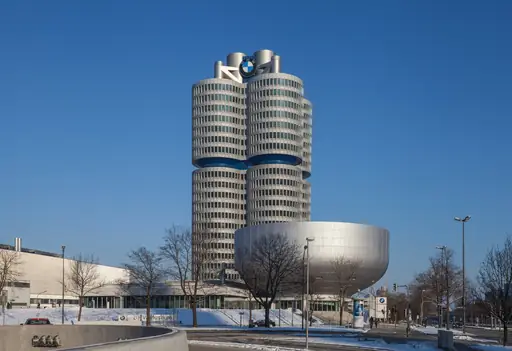
Munich
Bavarian capital of beer gardens and museums
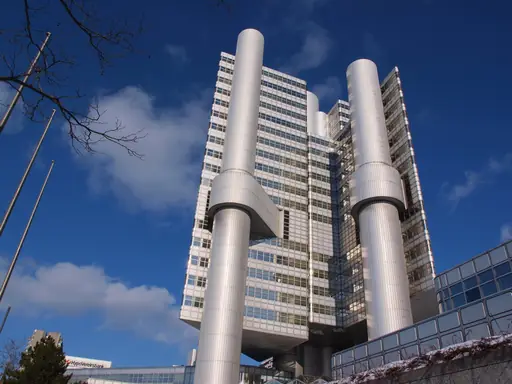
Bavarians bring picnics to beer gardens under chestnut trees, a custom that goes back to the 1800s. Locals meet friends here on summer evenings. The glockenspiel in Marienplatz chimes with moving figures. Surfers ride a standing wave on the Eisbach in the English Garden. Oktoberfest runs for two weeks each autumn.
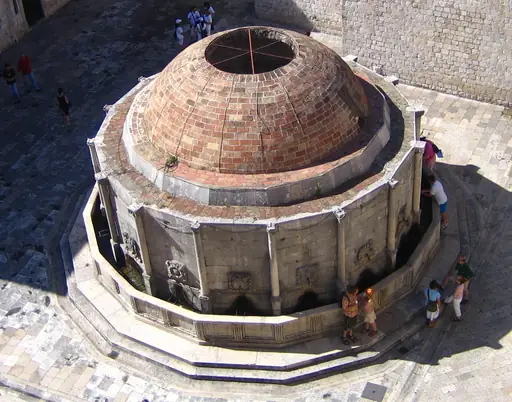
City in Croatia
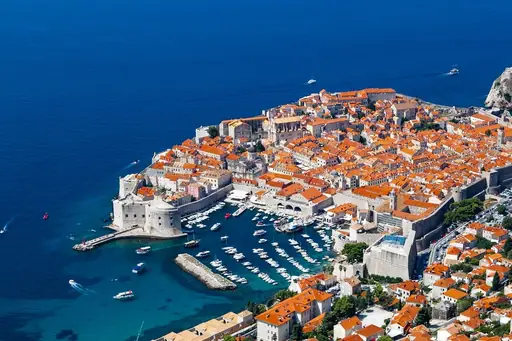
Dubrovnik
The Pearl of the Adriatic
For centuries this Adriatic city was an independent republic called Ragusa. Its stone walls still circle the old town. The walls are about two kilometres long and open for walking. A cable car climbs Mount Srd for sunset views. Narrow lanes of white stone lead down to the harbour.
Other lists you may like

Discover
World cities and iconic metropolises
The world's great cities earn that status through a combination of cultural depth, historical layering, architectural ambition and the particular energy that comes from being a…
Read more
Discover
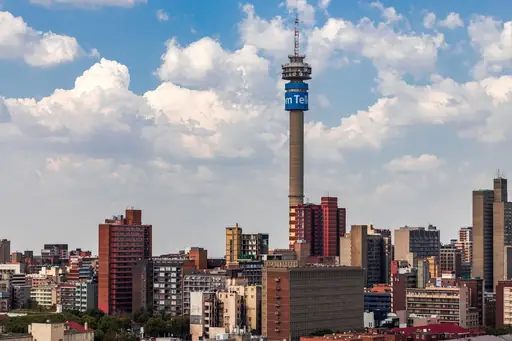
Best cities to visit in Africa
Africa's world city offer spans five cities with genuinely distinct identities: Cairo, Marrakech, Nairobi, Johannesburg and Cape Town. Each has earned international standing…
Read more
Discover
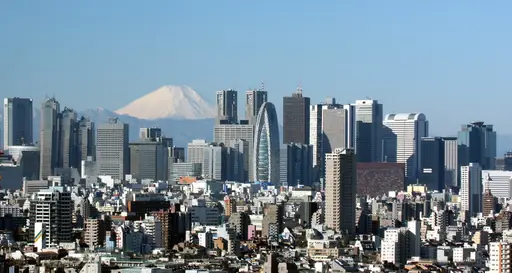
Best cities to visit in Asia
Asia's world cities combine ancient urban histories with some of the most dramatic contemporary development anywhere, producing metropolitan environments where centuries of…
Read more
Discover
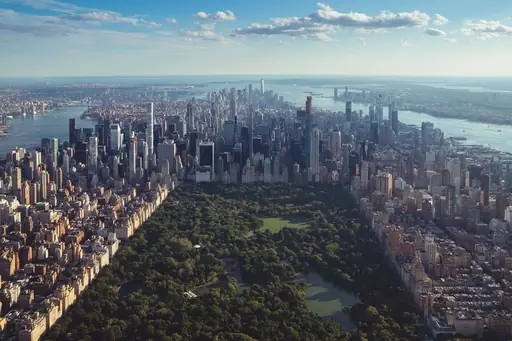
Best cities to visit in North America
North America's world cities are defined by energy and reinvention as much as historical depth, with immigrant cultures, creative industries and neighbourhood diversity producing…
Read more
Discover
Best cities to visit in Oceania
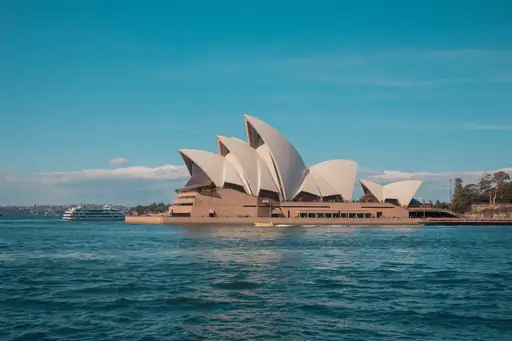
Oceania's world city offer is anchored almost entirely by Sydney and Melbourne, two cities with genuine international standing built around harbour geography, multicultural…
Read more
Discover
Best cities to visit in South America
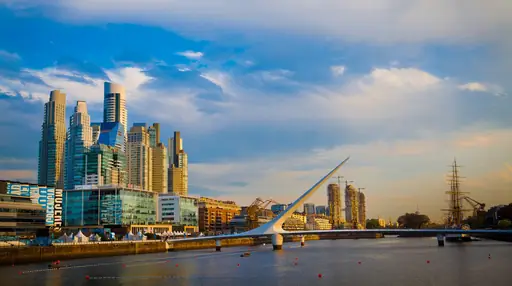
South America's world cities span the full range of the continent's cultural and geographic diversity, with Rio de Janeiro, São Paulo, Buenos Aires, Lima and Santiago each offering…
Read more
What other users say about travelfilters
“travelfilters made it easy for me to find ski areas and compare what else they offer, so that I could find the best place for my personal travel style.”

Chris
Snowboarding & Onsen trip to Japan
“I love how transparent the data feels. There is no pushy upsell, just honest information and settings I can tune to my own travel style.”

Maria
After booking her 2027 winter escape
“The level of detail for each destination and how well those are displayed, make planning feel confident instead of overwhelming.”

Mina
Planned a week in New York City
“We used travelfilters for our planning from start to end. The trip turned out even better than expected, thanks to all their tools and customisation options.”

Allan & Etienne
Trip to Japan to see autumn foliage
“Thanks to travelfilters, I found some hidden gems to see. Being able to filter for exactly your interests is a game changer for my travel planning.”

Michael
Tour through the old cities of Northern Italy
“The customizable filters helped me find a quiet beach town with good wifi and low season crowds in under five minutes.”

Diego
Weekend Escape to Llanes, Spain
“The airport connection map saved me hours by showing good flight options from my home airport to lesser-known cities.”

Nguyen
Planning a 2027 trip to France
“The website is clean, fast and focused on the search itself, which makes travelfilters feel more like a professional tool than an ad-heavy booking site.”

Hassan
Christmas Market trip, Germany
