
Best destinations for first-time travelers in Europe
Best destinations for first-time travelers in Europe
Europe is often the easiest continent to start with, thanks to short distances between countries and infrastructure built for travelers of every experience level.
Trains connect most major cities directly, removing much of the guesswork that comes with navigating an unfamiliar transport system. English is widely understood in most tourist areas, even in countries where it is not the primary language. Guided walking tours are available almost everywhere too, offering an easy way to get oriented in a new city within the first day or two. The variety on offer also means a first trip can include a bit of everything, from major cities to smaller towns, without much added complexity. Short flights between countries also make it easy to adjust the plan partway through the trip.
The destinations on our list for Europe reflect that same ease, with plenty of support available for travelers still finding their footing.
Lists by region

City in Austria
Vienna
A Symphony of Culture and Elegance
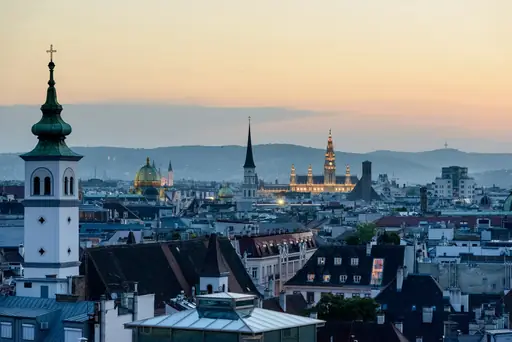
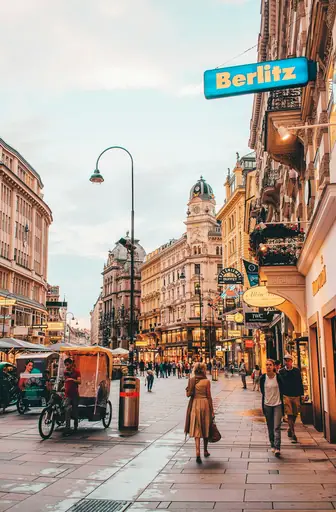
Coffeehouses in Vienna are on UNESCO's list of living traditions. Trams circle the Ringstrasse and pass the opera, parliament and palaces. The city is safe, tidy and easy to read. Tour Schönbrunn Palace in the morning. Then order sachertorte and a melange, the local milky coffee.
City in Ireland
Dublin
Where History, Pubs and Culture Collide
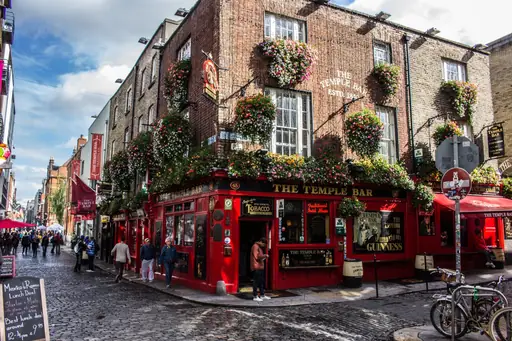
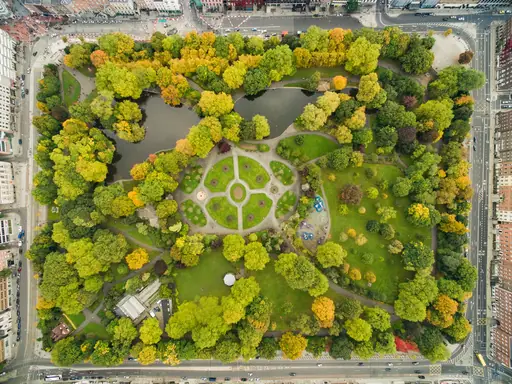
Trinity College holds the Book of Kells, an illuminated manuscript from around 800 AD. Dublin is small enough to walk. Locals chat easily with strangers in pubs. Tour the Guinness Storehouse for a pint with city views. Ride a short train to Howth for cliff walks.
City in Portugal
Lisbon
Sun-soaked streets and rich history
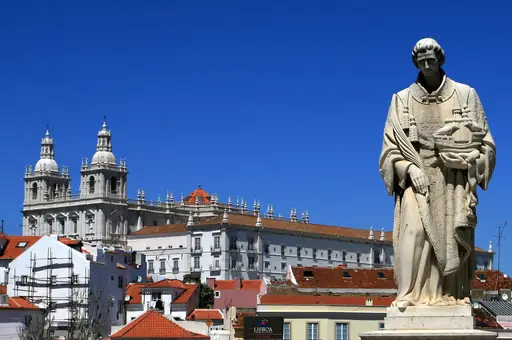
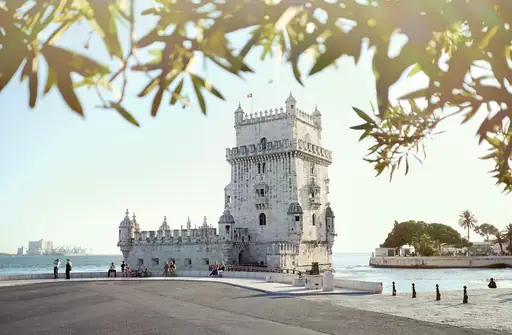
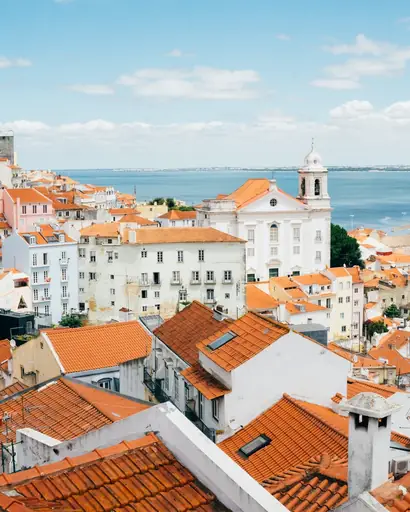
Yellow Tram 28 rattles through hilly Alfama and past the cathedral. Lisbon is safe, affordable and full of friendly English speakers. Warm pastéis de nata come fresh from the oven at Belém. Take a short train to Cascais for a beach afternoon. Fado music drifts from small bars at night.
City in Croatia
Split
Roman Ruins, Adriatic Vibes, Beaches
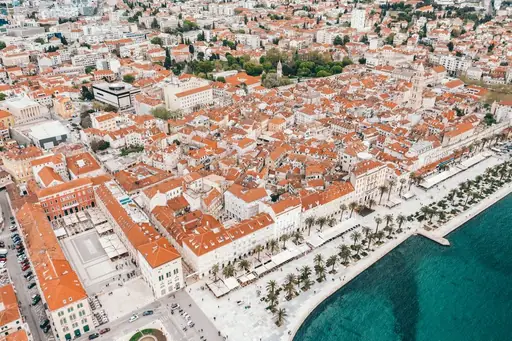
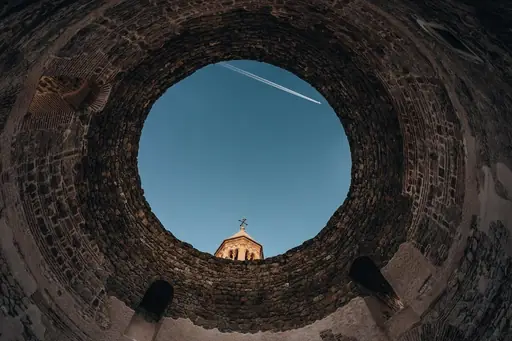
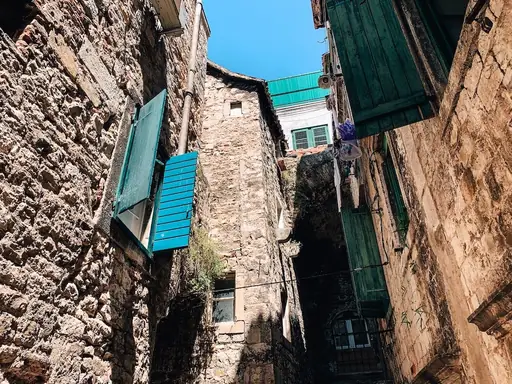
Roman emperor Diocletian built a retirement palace here around 300 AD. Locals still live and eat inside its walls. The Riva promenade is flat and lined with cafes. Ferries run to Hvar and Brač islands. Croatia uses the euro. English is widely spoken in shops and cafes.
City in Germany
Munich
Bavarian capital of beer gardens and museums
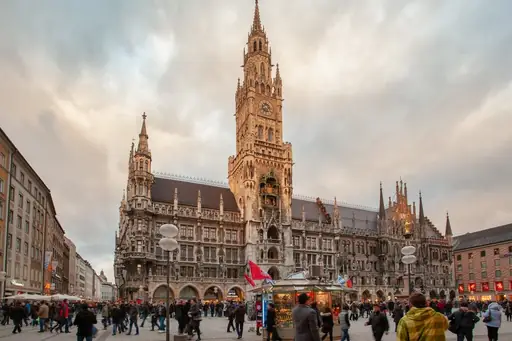
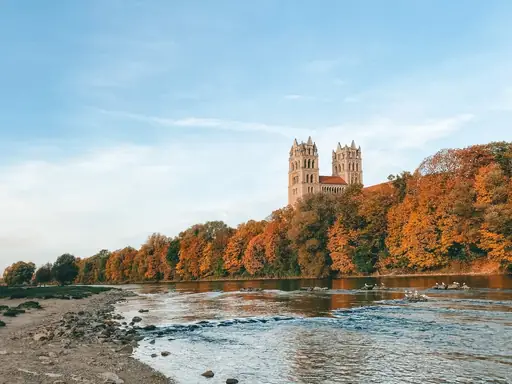
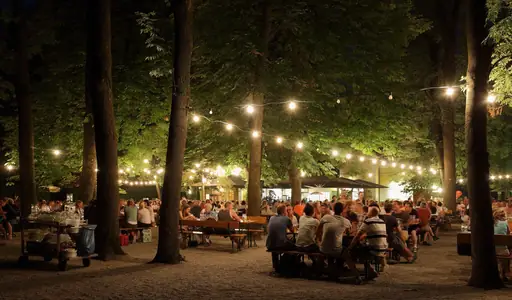
The Glockenspiel at Marienplatz chimes and dances twice a day, which makes a good place to begin. Munich is clean and safe, with a clear metro. Order a pretzel and beer in a historic hall. Mountains and lakes are a short train ride away from the centre.
City in Portugal
Porto
Wine, Coast and Old-World Charm
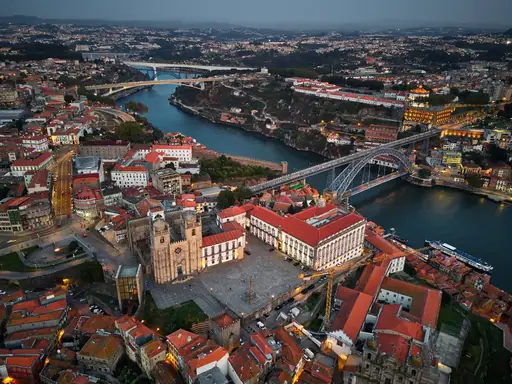
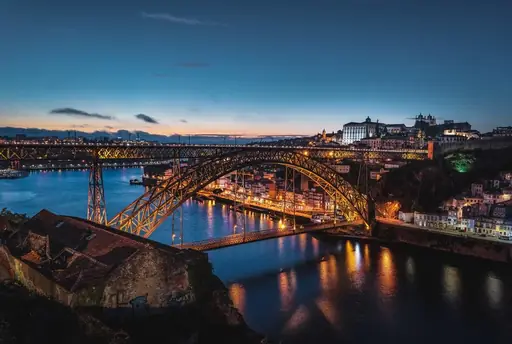
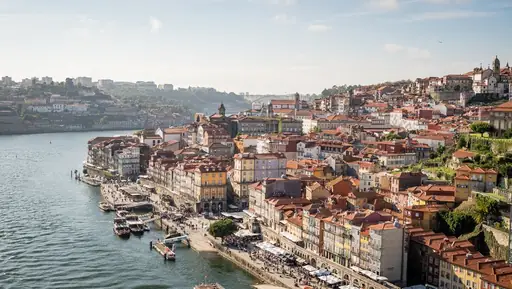
Port wine cellars wait across the Dom Luís I bridge in Vila Nova de Gaia. Porto's hilly old town is compact and easy to walk. Tiled churches and riverside cafes are close together. A metro line runs from the airport. Ride the cheap tram along the Douro river.
City in Sweden
Gothenburg
Where coastal charm meets cool culture
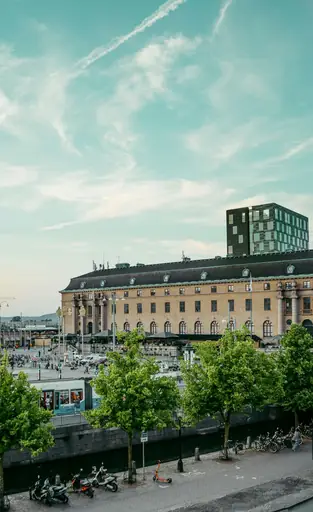
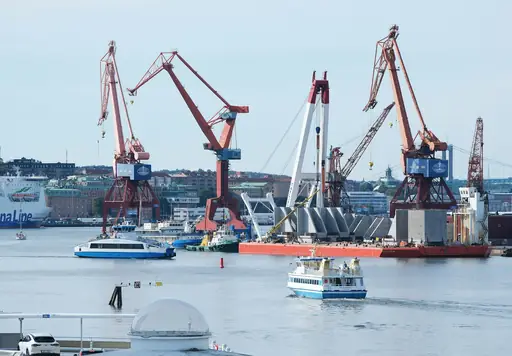
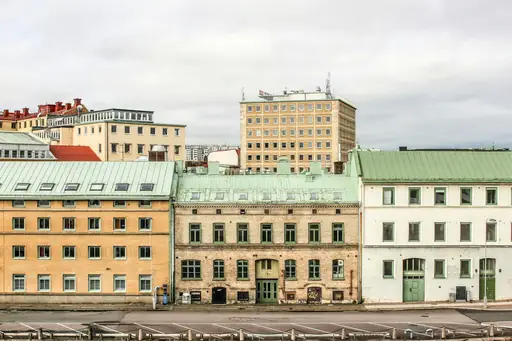
The smell of fresh fish fills Feskekôrka, a market in a building shaped like a church. Haga is a district of old wooden houses and giant cinnamon buns. A tram to Saltholmen connects to ferries for the car free southern islands. This city is compact enough to explore on foot.

City in Spain
Barcelona
Vibrant City of Art and Beaches
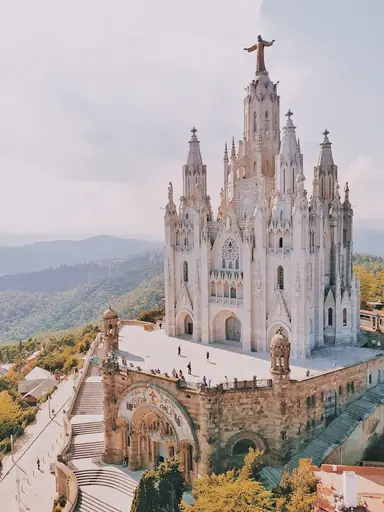
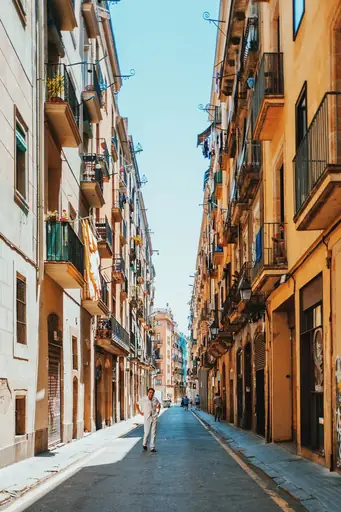
Gaudí's Sagrada Família has been under construction since 1882 and still draws gasps. The city has a clear metro, a long city beach and plenty of English speakers. Walk the Gothic Quarter by day. Then settle into a tapas bar at 9 pm like locals do.
Region in United Kingdom
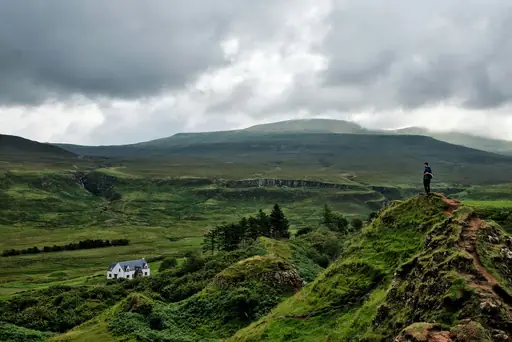
Scotland
Mystic Highlands and Historic Castles
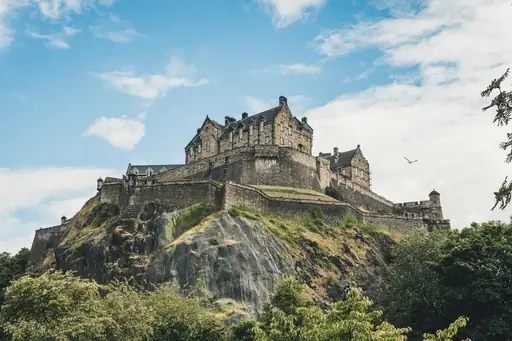
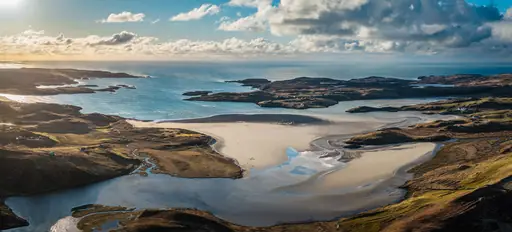
A rail line links Edinburgh and Glasgow in about an hour. Scotland is simple to visit without a car. English is spoken everywhere. Castles stand in nearly every town. Tour a whisky distillery near Edinburgh. Join a day trip to Loch Ness or the Highlands.

City in Belgium
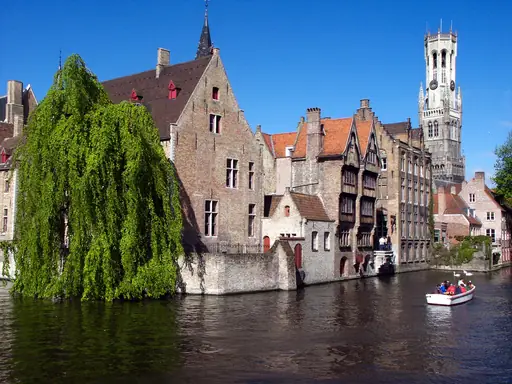
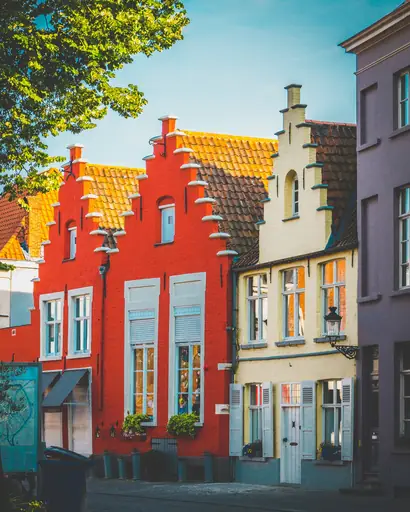
Bruges
Medieval Charm and Chocolate Bliss
The whole medieval centre is a UNESCO site that fits inside a loop of canals. Cars are few. Signs point to every landmark. Climb the 366 steps of the Belfry for rooftop views. Chocolate shops and waffle stands make a sweet end to the afternoon.
City in Netherlands
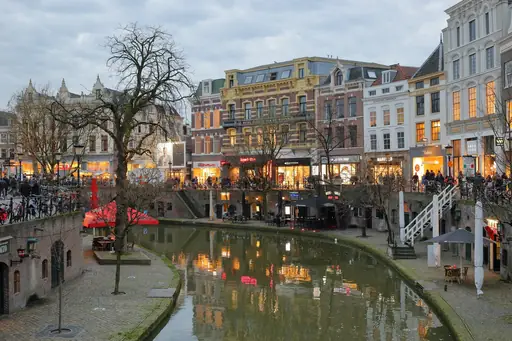
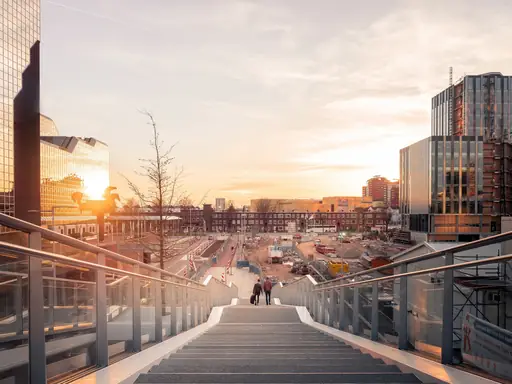
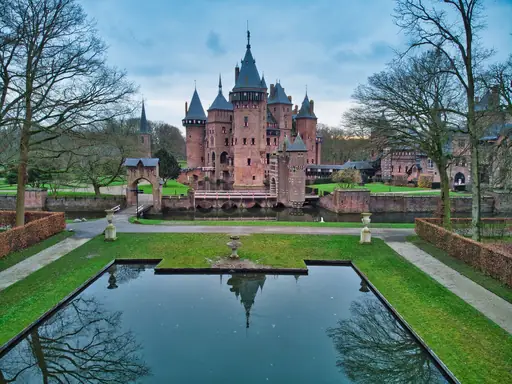
Utrecht
Medieval Canals, Modern Dutch Cool
The Dom Tower rises 112 metres over canals that have sunken wharf cellars, now full of cafes. Trains link Utrecht to Amsterdam in about 30 minutes. Bikes outnumber cars. The old centre is small. Students keep the squares lively. English is widely spoken, so ordering is simple.

City in Sweden
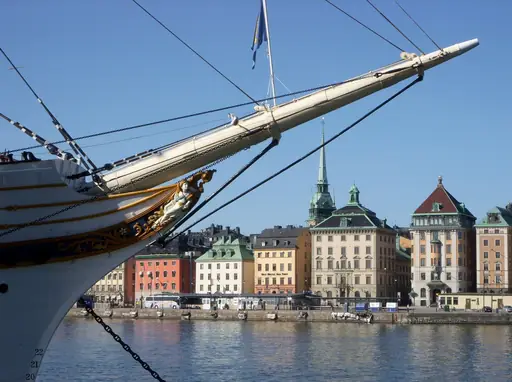
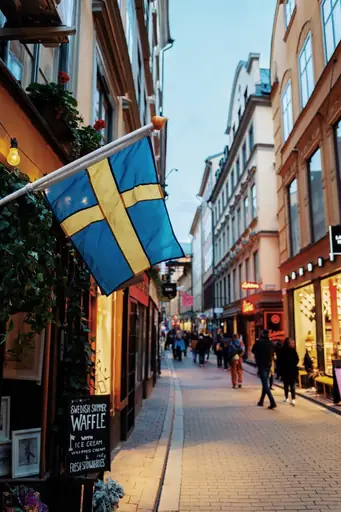
Stockholm
Where islands, history and modernity meet
Stockholm spreads over 14 islands, linked by bridges, ferries and a metro with art in its stations. English is widely spoken. Wander cobbled Gamla Stan, the old town. See the Vasa Museum, which holds a nearly intact warship from 1628. The city is clean, safe and easy.
City in Germany
Hamburg
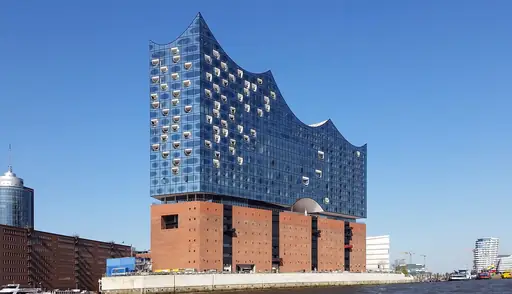
Port city with warehouses and the Elbphilharmonie
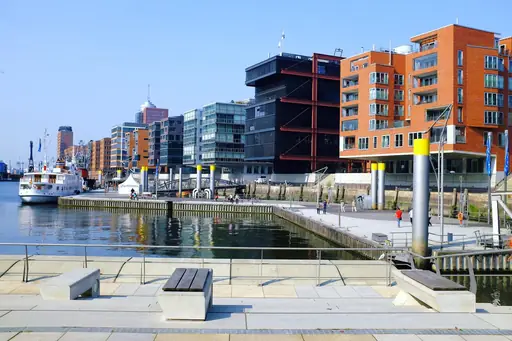
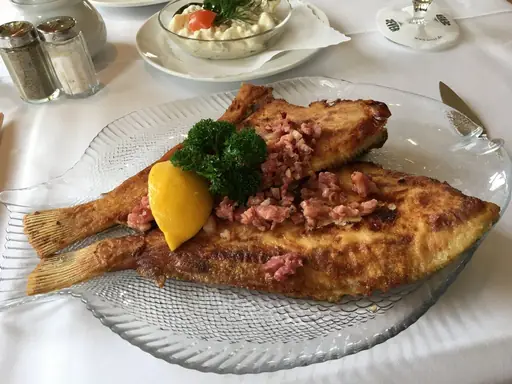
Brick warehouses of the Speicherstadt, a UNESCO site, stand over narrow canals in the old harbour. Hamburg has clear public transport and fish sandwiches sold at the docks. Visit Miniatur Wunderland, the world's largest model railway. The Elbphilharmonie has a free public plaza with harbour views.
City in Denmark
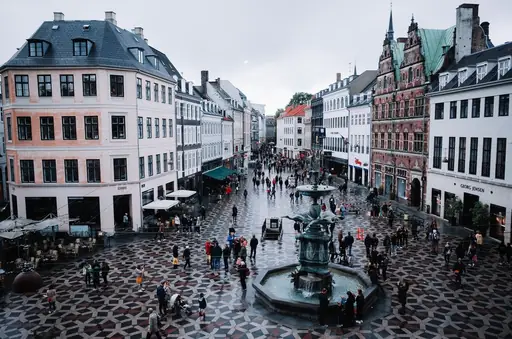
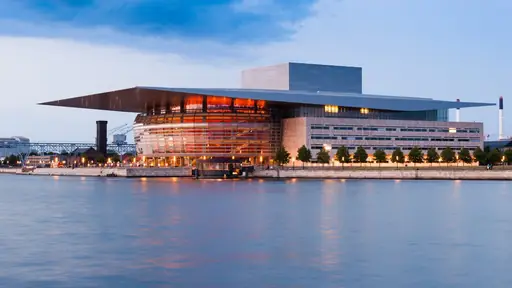
Copenhagen
Scandi-cool vibes and world-class food
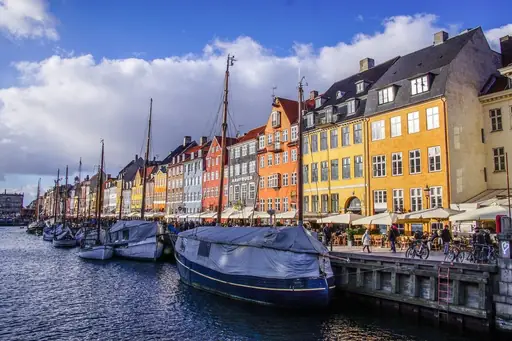
Tivoli Gardens opened in 1843 and still lights up the middle of town each evening. Copenhagen is safe, small and flat, with bike lanes on almost every street. A metro runs from the airport to the centre in 15 minutes. Eat a pastry beside the colourful Nyhavn canal.


City in Czech Republic
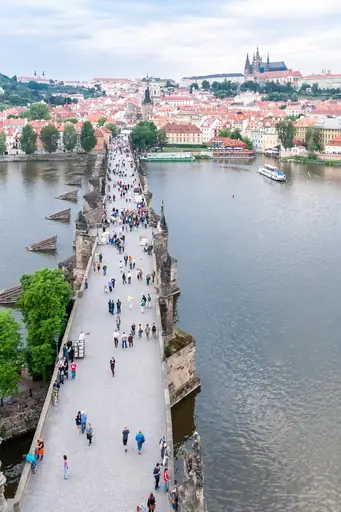
Prague
A fairy-tale city with rich history
The astronomical clock in Old Town Square has chimed since 1410. Prague kept its centre intact through the 20th century. Everything fits in a short walk. Food and beer cost little. Cross Charles Bridge early, before the crowds. Then climb to Prague Castle for a wide view.

City in United Kingdom
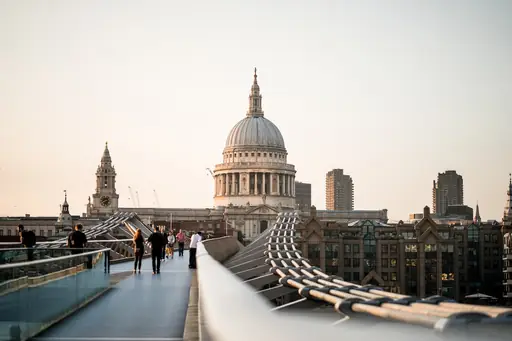
London
A Tapestry of History and Modernity
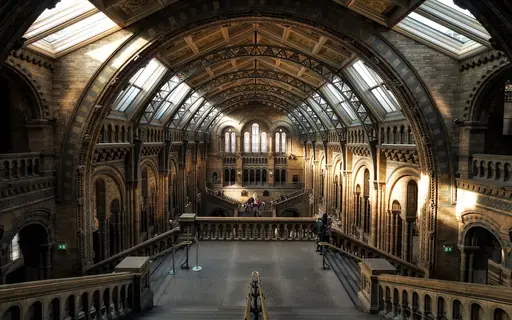
Visitors tap a bank card on buses and the Tube, so there is no ticket stress. English is spoken everywhere. Many top museums are free. See the Tower of London, which is nearly 1,000 years old. Then stroll the Thames to Big Ben and the London Eye.
City in Germany
Berlin
Wall history, Museum Island and all-night clubs
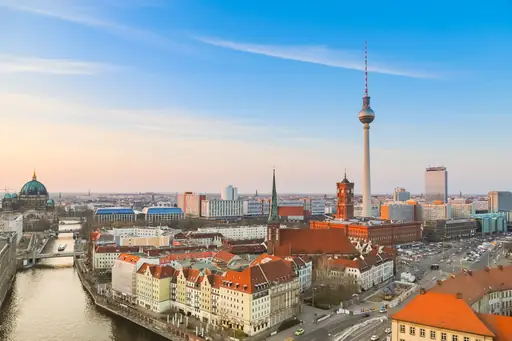
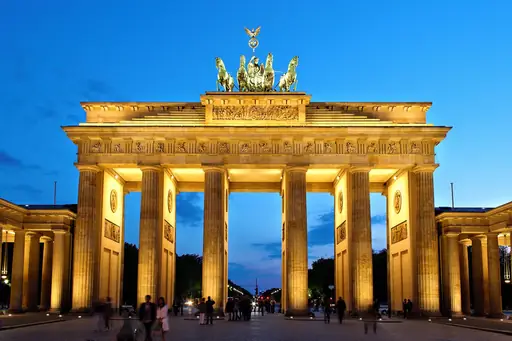
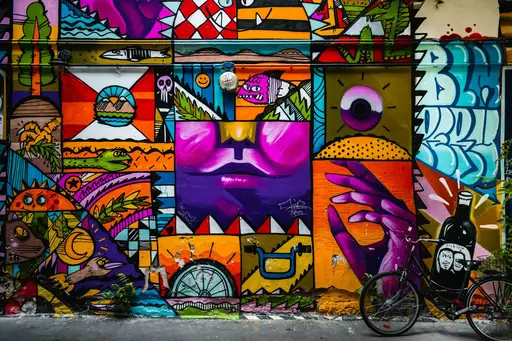
The East Side Gallery is a 1.3 kilometre stretch of the Berlin Wall covered in murals. The Brandenburg Gate, Reichstag and Museum Island are in the centre of the city. Trains, trams and buses link most sights and make this city easy to explore. The Reichstag dome has free entry with a booking.
Country
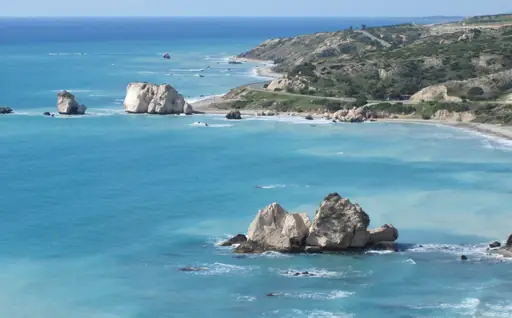
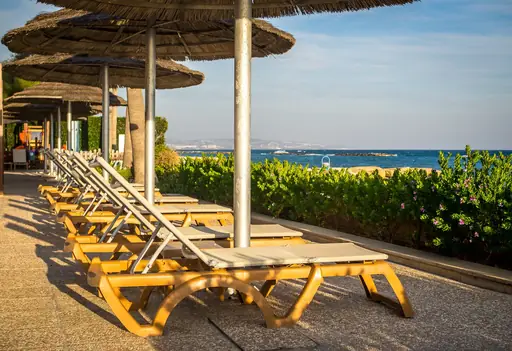
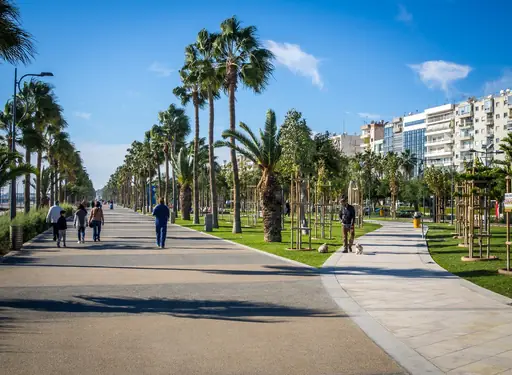
Cyprus
Mediterranean gem with diverse climates
In Greek myth, Aphrodite was born from sea foam near Petra tou Romiou, a rock on the coast. Paphos has Roman mosaics more than 1,500 years old. Churches in the Troodos Mountains have painted walls listed by UNESCO. Britain ruled the island until 1960, so English is widely spoken.
City in Spain
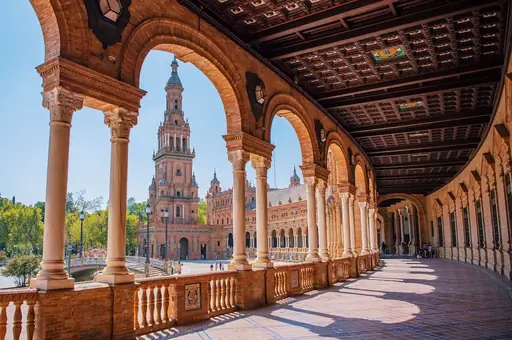
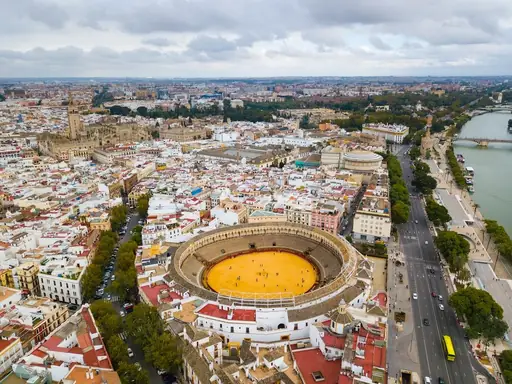
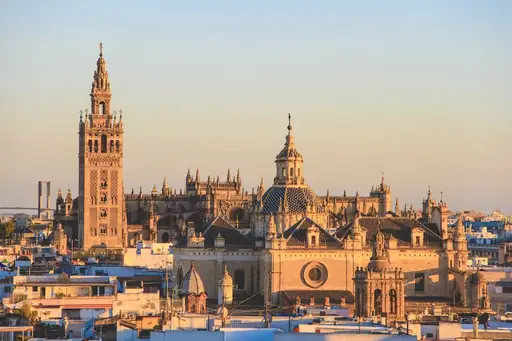
Seville
Andalusia's Heartbeat of History
The Real Alcázar still serves as a royal palace, with Moorish tiled courtyards and gardens. The city centre is flat and walkable. Orange trees line many streets. Tapas bars give you small plates and a taste of local life. Visit in spring when the air smells of blossom.
Country
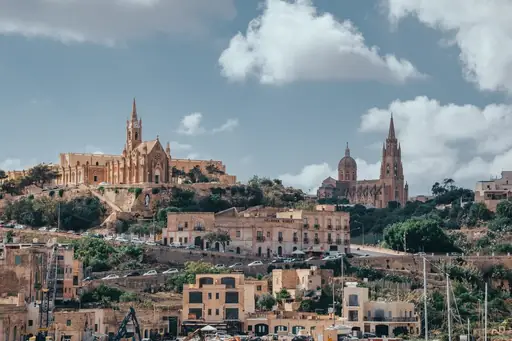
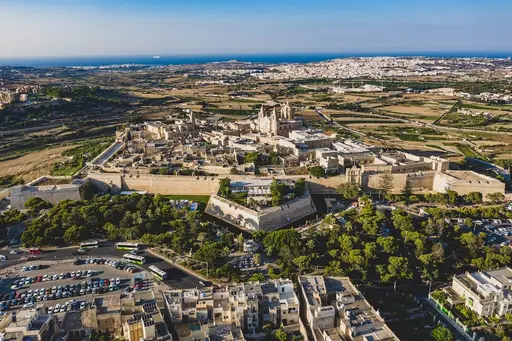
Malta
History, beaches and Mediterranean charm
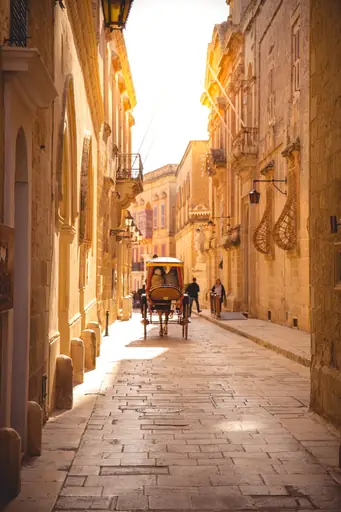
English is an official language here. The island is small enough to cross in an hour. Valletta's honey coloured streets are a UNESCO site. Buses link most towns cheaply. Boats leave for Comino and the Blue Lagoon. Ferries to Gozo run all day, so island hopping is simple.
City in Netherlands
The Hague
Royal Palaces, Art and North Sea
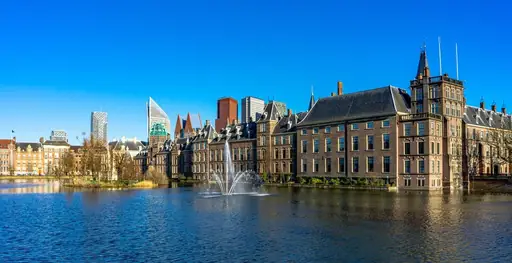
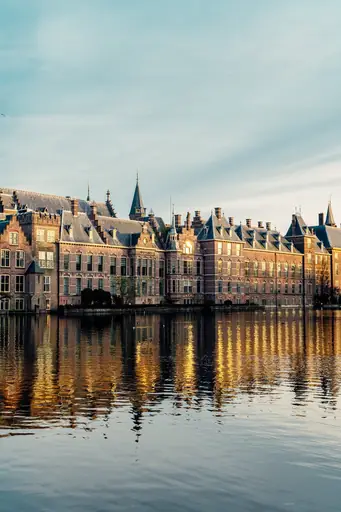
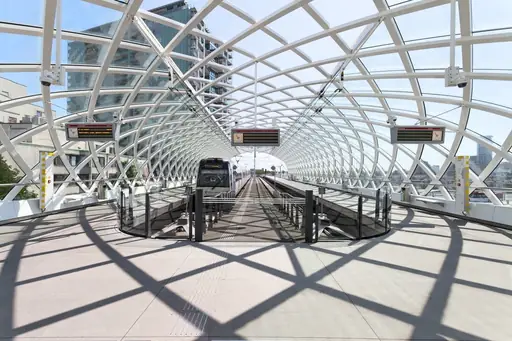
The Mauritshuis holds Vermeer's Girl with a Pearl Earring in a small, calm museum. Trams link the centre with Scheveningen beach in about 25 minutes. The city is quieter than Amsterdam. English is spoken everywhere. It is a gentle place to start a first trip.
City in Netherlands
Amsterdam
Canals, culture and a vibrant spirit
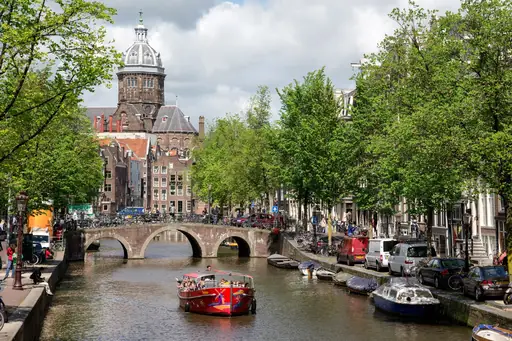
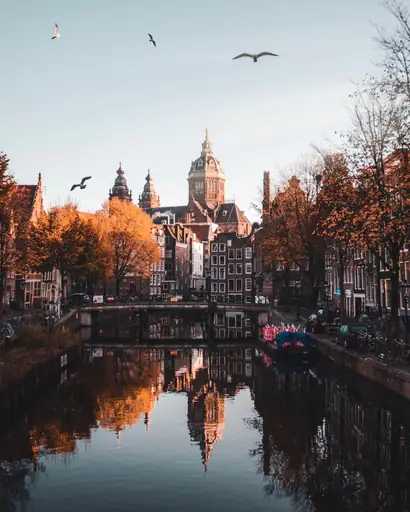
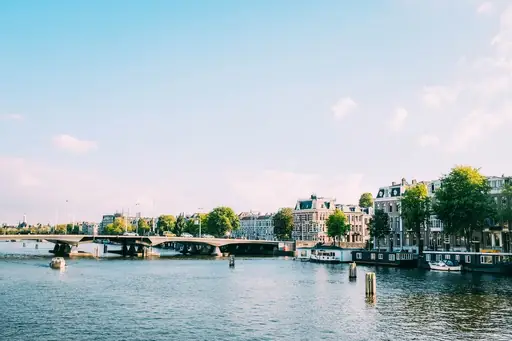
Canals dug in the 1600s ring the old centre, so most sights are a short walk or tram ride apart. Trains from Schiphol Airport reach Centraal Station in 20 minutes. Nearly everyone speaks English. Book the Anne Frank House early. Then hire a bike to cross the bridges.

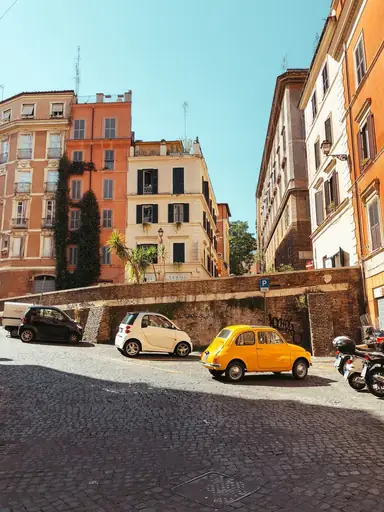
City in Italy
Rome
The Eternal City of history and charm
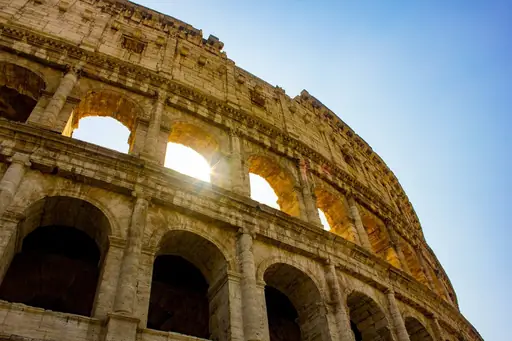
Ancient Rome fits on a short walk, from the Colosseum to the Forum to the Pantheon. Many first timers toss a coin in the Trevi Fountain. Book Vatican and Colosseum tickets ahead. Pasta, gelato and espresso are cheap on side streets away from the big sights.
Other lists you may like
Discover
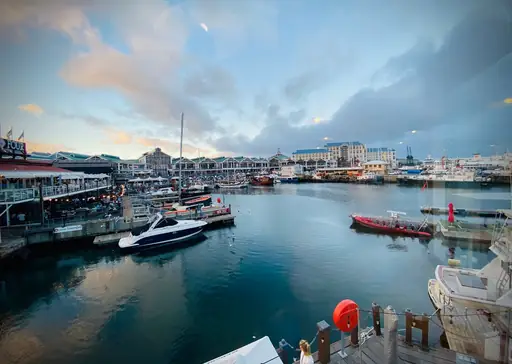
Best destinations for first-time travelers in Africa
Africa can feel like a bigger step for a first trip abroad, with more planning and a longer flight than some other options, though it still makes a memorable start with the right…
Read more
Discover
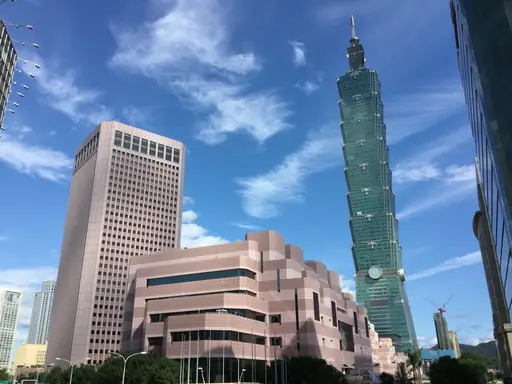
Best destinations for first-time travelers in Asia
Asia has one of the best established beginner travel routes anywhere, largely because so many first time travelers have worn the path before you. Southeast Asia in particular…
Read more
Discover
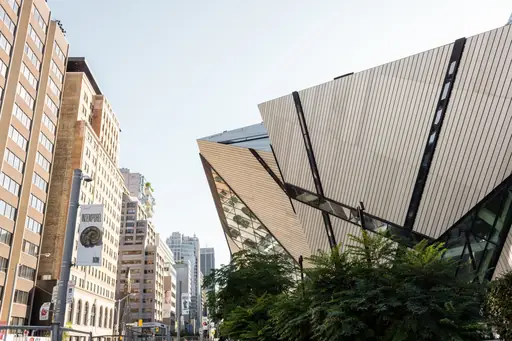
Best destinations for first-time travelers in North America
North America offers a comfortable starting point for many first-time travelers, particularly those already familiar with English speaking countries. The United States and…
Read more
Discover
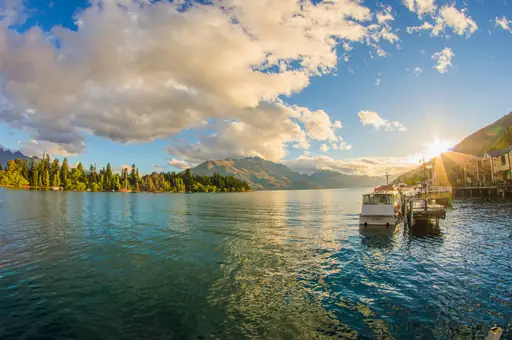
Best destinations for first-time travelers in Oceania
Oceania asks first-time travelers to commit to a long flight, but the payoff is a destination that stays easy to navigate once you actually arrive. Australia and New Zealand are…
Read more
Discover
Best destinations for first-time travelers in South America
South America can feel like a bigger step for a first international trip, but well worn routes make it more approachable than it first appears. Peru, Chile and Argentina all sit…
Read more

Discover
Best destinations for first-time travellers
A first trip abroad works best somewhere that eases you in, rather than throwing every possible culture shock and logistical headache at you at once. Some first-time travellers…
Read more
What other users say about travelfilters
“travelfilters made it easy for me to find ski areas and compare what else they offer, so that I could find the best place for my personal travel style.”

Chris
Snowboarding & Onsen trip to Japan
“I love how transparent the data feels. There is no pushy upsell, just honest information and settings I can tune to my own travel style.”

Maria
After booking her 2027 winter escape
“The level of detail for each destination and how well those are displayed, make planning feel confident instead of overwhelming.”

Mina
Planned a week in New York City
“We used travelfilters for our planning from start to end. The trip turned out even better than expected, thanks to all their tools and customisation options.”

Allan & Etienne
Trip to Japan to see autumn foliage
“Thanks to travelfilters, I found some hidden gems to see. Being able to filter for exactly your interests is a game changer for my travel planning.”

Michael
Tour through the old cities of Northern Italy
“The customizable filters helped me find a quiet beach town with good wifi and low season crowds in under five minutes.”

Diego
Weekend Escape to Llanes, Spain
“The airport connection map saved me hours by showing good flight options from my home airport to lesser-known cities.”

Nguyen
Planning a 2027 trip to France
“The website is clean, fast and focused on the search itself, which makes travelfilters feel more like a professional tool than an ad-heavy booking site.”

Hassan
Christmas Market trip, Germany
