


Europe › Austria › Styria

Styria

Scroll
Green Heart of Alpine Austria

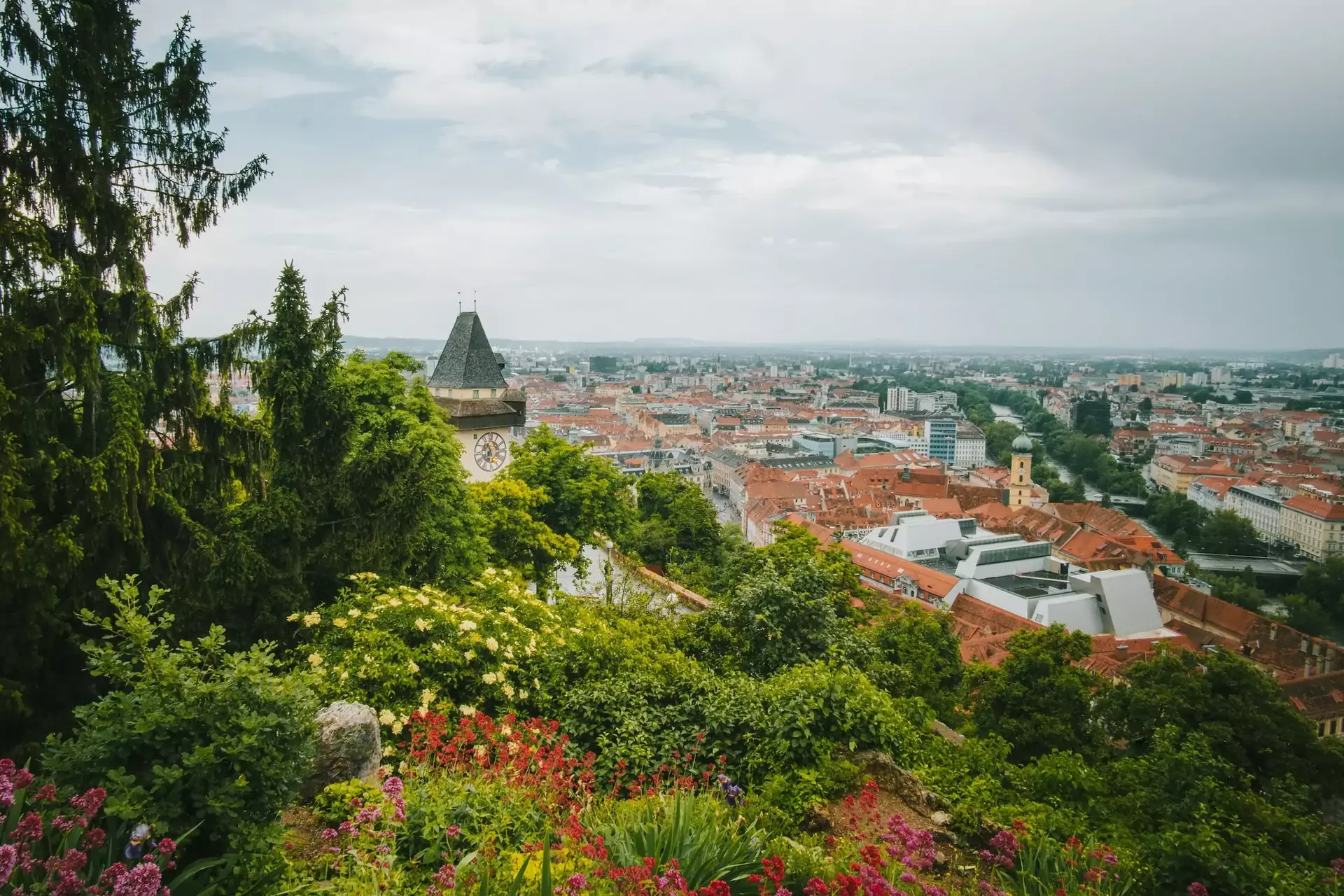
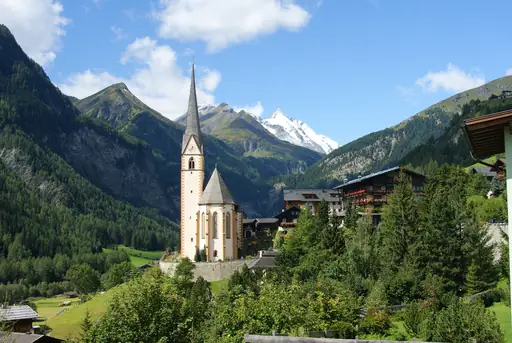
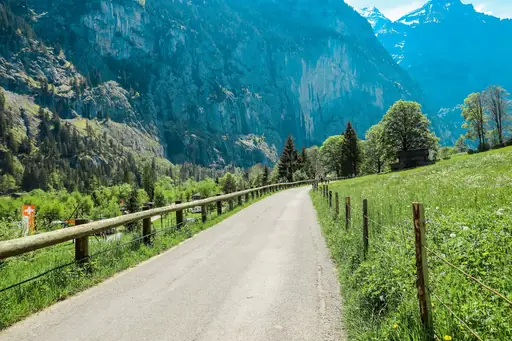
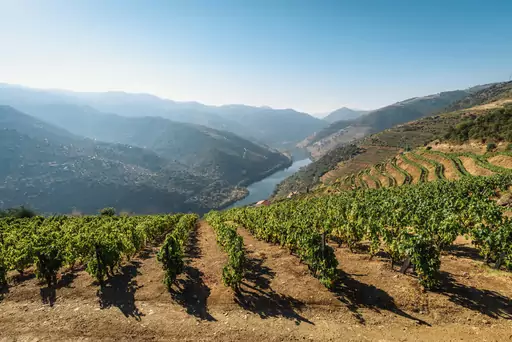
Styria in Austria is a region where rolling hills meet historic towns and vibrant culture. The landscape features forests, vineyards and small villages known for their traditional crafts. Visitors can explore medieval castles like Schloss Gobelsburg or enjoy local food such as pumpkin seed oil dishes and hearty stews. Outdoor activities include hiking through the Styrian Forest or cycling along quiet paths by rivers. The area’s heritage is reflected in festivals celebrating music, art and agriculture throughout the year.

Region in Austria
Climate zone: Mild oceanic

Mild oceanic: Marine-influenced climates with cool summers, mild winters and frequent precipitation year-round, typical of western coasts at mid-latitudes.

See climate table
Price level: $$$
$Cheap
$$Medium
$$$Expensive, upscale
$$$+Very expensive, luxury
See price details
Safety: 9.6
General Safety:10
Health & medical:9
Accessibility:8
Tap water:10
Read details
Tourist English: 3/5
English proficiency varies across Styria. In Graz and tourist areas, English is widely spoken, especially by younger people and those in hospitality. In rural areas and among older residents, German may be the only option.
Last update: 12 Oct 2026
* We earn a commission from some links on this page.
Styria Summary

These place ratings give you a quick overview of how well a destination matches different types of trips.

‘Best for’ scores:
The specific interest scores show where this place really shines – whether it's ideal for hiking, food & drink experiences, museums or other activities. These highlights help you understand what makes the destination special at a glance.

‘Your personal’ scores:
This reflects how well a place matches your personal preferences. You can adjust the importances of travel topics or other personal requirements categories in your account settings.

‘Suited for’ badges:
These give you a quick overview of how well a destination suits specific types of travellers, to help you find the places that match your lifestyle, preferences or travel situation.

Read how our scores work
Great for alpine nature and regional food. Hike forested mountains, cycle scenic valleys, visit vineyards and farms and relax in thermal spas and historic towns.
Place score
8.1
Best at:
Natural sites
9
Spotless
8
Wine
8
Mountains
7
Walkable
7
Personal score
?
Log in to see how this place matches your personal travel interests.
Suited for
👶 5
Families
🧓 9
Seniors
🛡️ 9
Travel Beginners
👩 9
Solo
Austria – Quick facts
Power Grid: 230 V, 50 Hz
Plug: Type C , Type F
Type C:
Diagram of a Type C power plug
Type F:
Diagram of a Type F power plug

Read about power adapters
Currency: Euro (EUR)
£1 ≈ €1.19
Cashless info: Rating 5/5
Austria is a highly cashless society, particularly in urban areas. Credit and debit cards are widely accepted, and mobile payment services such as Apple Pay and Google Pay are increasingly popular.

Save with a travel credit card
eSIM providers: Best value: Saily
Flexibility: Airalo
Read our in-depth comparison
Tipping: Tipping is customary in Austria. In restaurants, it is common to leave a 5-10% tip, though rounding up to the nearest euro is also acceptable. Taxi drivers typically expect a small tip, around 10% of the fare. Hotel staff and tour guides appreciate small gratuities.
Public drinking: Public drinking is generally permitted in Austria, though some areas may have restrictions. Drinking in public spaces such as parks and squares is socially accepted but may be subject to local laws in specific municipalities.
Public smoking: Smoking is prohibited in most indoor public spaces, including restaurants, bars, and public transport. Designated smoking areas are available in many locations.
National Day
(October)
A national holiday with many closures, celebrations, and increased domestic tourism.
Christmas
(December)
Festive celebrations across the country, with crowded tourist spots and higher prices for accommodation.
Austrian Wine Harvest Festival
(September)
Celebration of local wines, especially in wine-producing regions, with festivals and events.
Emergency contact: Emergency Number: 112 (Police, Fire, Ambulance)
Taxi apps: Bolt, Uber
Other: Austria is known for its rich cultural heritage, with historical sites, museums, and nature reserves. Its well-developed infrastructure, particularly in transport, makes it a comfortable destination for travellers.
Best times to travel

The best times to travel section shows how the months compare for a visit, so you can find the time of year that fits what you want to do.

Background colours of the months:
The colour shows the typical temperature: yellow (hot), green (mild) and blue (cold). How strong the colour is shows the travel season: full colour means high season, soft colour means shoulder season and soft-striped means off season.

Weather symbols:
Each month has one symbol showing what the weather is typically like, such as hot and sunny, freezing or a rainy or snowy season. Use them to quickly spot months that match the weather you want, or to avoid the ones that don't.

Crowdedness:
The people icon shows how busy the place usually is. The more people, the more crowded it gets.

Additional notes:
The grey info boxes point out special things worth knowing, like recurring weather issues or seasonal events.

for Styria, Austria
🌨️
Jan
🌨️
Feb
🌤️
Mar
🌤️
Apr
🌦️
May
🌦️
Jun
🌦️
Jul
🌦️
Aug
🌤️
Sep
🌤️
Oct
🌥️
Nov
🌨️
Dec
High season: Jan. - March, June - Oct., Dec.
Shoulder season: April - May
Crowdedness: 6 (Many tourists)
Tap on a month for more info Hover over a month for more info
Climate and season vary by area: Alps (Schladming, Dachstein) best for skiing December to March and hiking June to September, southern wine country best April to October, Graz good for sightseeing spring to autumn
Ski season early December to late March; summer cable cars and mountain huts open June to September
Many Buschenschank wine taverns in the south are open only part of the year, mostly spring to early November

Why travel to Styria?

Styria offers a remarkable diversity of experiences within a relatively compact region. In the south, the gentle hills of South Styria's wine country create a landscape often compared to Tuscany, where family-run vineyards produce exceptional Sauvignon Blanc and welcoming wine taverns (Buschenschänke) serve local specialties. The region's thermal spas, particularly around Bad Waltersdorf and Loipersdorf, provide world-class wellness experiences using mineral-rich waters. For outdoor enthusiasts, the northern Alps offer everything from gentle hiking to challenging climbing routes, with Dachstein Glacier providing year-round skiing opportunities. However, Styria isn't without its challenges for visitors. The region's weather can be unpredictable, with frequent rainfall even in summer (there's a reason it's so green!). Public transportation, while good between major towns, becomes limited in rural areas, making a rental car essential for exploring thoroughly. During winter, mountain roads can become hazardous and some alpine passes close entirely. The local dialect (Steirisch) can be difficult to understand even for German speakers, though most people in tourist areas will switch to High German or English when needed. Despite these minor drawbacks, Styria's authentic character, natural beauty and culinary treasures make it a rewarding destination for travelers seeking to experience a less touristy side of Austria.

🏙️Cities & Regions
  • 1 Graz
    A vibrant university city in southeastern Austria, known for its mix of historic architecture and modern culture. The old town features Baroque churches, a Renaissance castle and cobblestone streets, while contemporary art galleries and cafés thrive alongside traditional Styrian cuisine.
  • 2 Salzkammergut
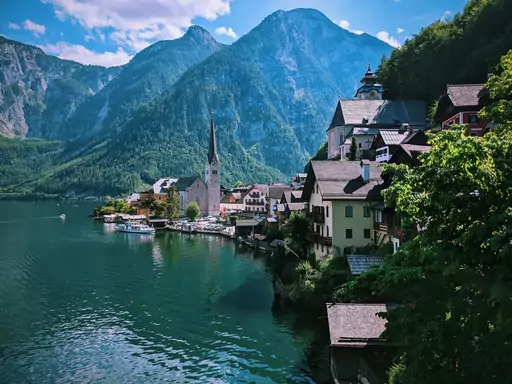
    A region of alpine lakes and historic towns offers crystal‑clear waters, charming wooden architecture and a mix of winter sports and summer hiking. The area is known for its traditional music, local cuisine and scenic mountain vistas.
🏯Places worth seeing
  • 1 Dachstein Skywalk
    A breathtaking skywalk suspended over Dachstein glacier, offering panoramic views of Austria's alpine peaks and icy valleys. The glass platform extends dramatically above the frozen landscape, providing an unforgettable experience for visitors seeking adventure and natural beauty in Styria.
  • 2 Burg Hochosterwitz
  • 3 Kunsthaus
  • 4 Riegersburg
🎡Places for activities
  • 1 Schladming-Dachstein
🏞️Natural landmarks
  • 1 Dachstein glacier restaurant
  • 2 Nationalpark Gesäuse
  • 3 Grüner See
🛍️Shopping
  • 1 Kastner und Öhler
  • 2 Genussregal Vinofaktur Südsteiermark
🎈Events
  • Styrian Autumn (Steirischer Herbst) Arts Festival
  • Aufsteirern Folk Festival
  • Graz Opera Ball
  • Schladming Night Race
  • Riegersburg Knight's Festival

Knowledge before you go

  • Plan by season; mountains, wine hills and cities differ.
  • Use Graz as a base; day trips reach vineyards, castles and alpine valleys easily.
  • Pack sturdy shoes for gorges and trails; some routes have many steps and bridges.
  • Combine Riegersburg Castle with nearby Zotter Chocolate Theatre for a classic East Styria day out.

How to travel to Styria

Graz Airport offers connections to major European cities, while Vienna International Airport (about 2 hours from Graz by car or train) provides more extensive international connections. Styria is well-integrated into Austria's excellent rail network, with high-speed connections from Vienna to Graz taking about 2.5 hours. The region is also easily accessible by car via the A2 and A9 motorways. For those traveling from neighboring countries, there are direct train connections from Slovenia, Hungary and Germany.

Access summary

  • From Graz Airport (GRZ): Short train, bus or taxi into region, 20–40 minutes.
  • From Vienna: Frequent trains or driving via A2 motorway, around 2–3 hours.
  • From Salzburg: Scenic train or car east toward Graz, usually about 3–4 hours.

Where to stay in Styria

Styria offers diverse accommodation options ranging from luxury thermal spa resorts in the south to traditional Alpine lodges in the north. Graz provides everything from boutique hotels in historic buildings to international chains. Wine regions feature charming family-run guesthouses often attached to wineries. Rural areas offer farm stays (Urlaub am Bauernhof) providing authentic experiences. Mountain areas have both upscale wellness hotels and simple hiking hostels. Prices are generally reasonable compared to western Austria, though thermal spa resorts and ski areas command premium rates during high season.

How to get around Styria

Having a car provides the most flexibility for exploring Styria, especially for reaching wineries, thermal spas and mountain areas. The regional capital, Graz, has an excellent tram and bus network for city exploration. Trains connect major towns like Graz, Leoben, Bruck an der Mur and Schladming, while regional buses serve smaller communities. The S-Bahn network around Graz provides good connections to surrounding areas. Cycling infrastructure is well-developed, particularly along river valleys like the Mur and Enns.
Budget snapshot
Costs compared to home

We calculate the average costs when travelling to destinations and compare those with the living costs at your home. With this you can get an estimate of how expensive or cheap the destination is for you.

To customise this, you can set up which location and price level are used for the calculations in your account settings.

-16 %
Daily expenses in the region are around 16% lower than the average across United States. That means you'll spend considerably less on meals and getting around.
Exchange rate trend

The exchange rate price factor shows how expensive or cheap a currency currently is compared to its historical average. It's a quick way to see if a country is currently more or less affordable due to exchange rate changes.

-3 %
Your exchange rate (GBP to EUR) is 3% better than in recent years. That means travelling now costs around the same compared to the past.

Travel costs

To help you plan your trip, we provide estimated daily costs per person (when travelling as a pair) for different travel styles. These numbers give you an idea of what you might spend each day at this destination, including accommodation, food, transport and activities.

Additionally, we also provide average hotel costs for different travel styles to give you an estimate for the accommodation only.

Please note that these are only estimates. The real costs depend on booking times, season and other factors.

Daily cost summary

Travel style categories explained:

Backpacker:
Staying in hostels or budget hotels, cooking your own meals or eating cheap and choosing low-cost activities.

Mid-range:
Staying in mid-range hotels, eating at a mix of restaurants and casual spots and enjoying a variety of activities.

Luxury:
Staying in luxury hotels, dining out at high-end restaurants and enjoying premium experiences without worrying about the price.

Backpacker Mid-range Luxury
💵 Total costs per day, including accommodation
£66
£138
£379
🏨 Accommodation per night, per person
£26
£68
£188
🍝 Food per day
£29
£60
£164
🚕 Transportation per day
£11
£10
£27
Notable additional fees: Ski amade day pass about €78 (£65.29), with Schladming-Dachstein the main draw. Ski, boot and pole hire runs roughly €30 – 40 (£25.11 – 33.48) a day.
Food & Drink
🍽️ Restaurant Dinner, per person
£22
🍛 Lunch Set, per person
£14
🍟 Fast food combo
£9
🍝 Preparing your own food, per day
£10
☕ Cappuccino
£2.70
🍺 Beer in a restaurant, 0.5 l
£3.60
Transportation
🚌 Public transport ticket
£2.80
🚕 Taxi Ride, 10 km / 6 mi
£14
⛽ Petrol, 1 l
£1.40
Other
🎞️ Cinema ticket
£10.50
👩‍⚕️ Doctor's consult
£75
🤧 Cold medication
£10.50
💇 Basic haircut
£15

Safety information overview

General safety
10
Styria is generally very safe for tourists with low crime rates. The main safety concerns relate to outdoor activities - be prepared for rapidly changing mountain weather and follow marked trails when hiking. In winter, check avalanche warnings and road conditions before traveling in Alpine areas.
Health & Medical
9
Healthcare in Styria is excellent with modern hospitals in major towns and good emergency services. Pharmacies (Apotheken) are widely available. The main health risks are related to outdoor activities - protect against ticks in forested areas from spring to autumn, as they can transmit diseases.
Accessi­bility
8
Major attractions and cities like Graz have good accessibility, but the region's mountainous terrain presents natural challenges. Many castles and historic sites have limited accessibility due to their age and location. Newer facilities, especially thermal spas, are generally well-equipped for visitors with mobility needs.
Tap water
10
Tap water throughout Styria is safe to drink and of excellent quality, coming directly from Alpine springs in many areas. Public drinking fountains are common in towns and cities. The mineral content can vary by location, giving each area's water a distinctive taste.

Looking for inspiration?

Discover
Best travel destinations for food allergies in Europe
Europe is one of the more manageable continents for allergy conscious travelers, thanks to strict food labeling rules that apply across the entire European Union. Restaurants…
Read more
Discover
Best family friendly destinations in Europe
Europe might be the easiest continent for family travel, with strong infrastructure, dependable healthcare and safe food and water almost everywhere you go. There is enough variety…
Read more
Discover
Best hiking destinations in Europe
Europe has one of the most developed long distance hiking cultures in the world, with a network of waymarked trails covering everything from high alpine routes and coastal paths to…
Read more
Discover
Best travel destinations for food allergies
Travelling with a food allergy adds a layer of planning most people never have to think about and the right destination can make that planning a lot easier. Some travellers…
Read more
Discover
Best wine destinations in Europe
Europe contains the world's most established wine producing regions, with centuries of accumulated knowledge about which varieties, soils and microclimates produce the most…
Read more
Discover
Top digital nomad destinations and remote work hubs in Europe
Europe offers remote workers a level of infrastructure that is hard to beat, along with enough cultural variety to keep even a long stay interesting. City based nomads can hop…
Read more
Discover
Top hiking destinations and famous trails
Hiking at its best is one of the most direct ways to engage with a landscape. The pace forces a relationship with terrain, weather and distance that faster forms of travel rarely…
Read more
Discover
Best rural retreat destinations in Europe
Europe's rural landscapes offer some of the most accessible and varied retreat experiences in the world, with working agricultural regions, coastal hinterlands and forested uplands…
Read more
Discover
Best solo travel destinations in Europe
Europe is where most people start, and for good reason. The trains connect cities across borders, the hostels have been running for decades, and the distances between completely…
Read more
Discover
Top solo travel destinations and safe hubs
Travelling alone sounds like a bigger deal than it is. The first day feels strange – eating dinner by yourself, navigating without someone to double-check the map with, making…
Read more
Discover
Top digital nomad destinations and remote work hubs in 2026
Working from anywhere in the world sounds simple until you actually try it and the best digital nomad destinations look different depending on what kind of remote worker you are.…
Read more
Discover
Best couple holiday destinations
Travelling as a couple sounds simple enough, yet the best couple holiday destinations mean something different to almost every pair. What feels romantic to one couple can feel like…
Read more
Discover
Best couple vacation destinations in Europe
Europe has been the backdrop for love stories for centuries, and for couples it remains one of the easiest continents to feel romantic in without even trying. The choice of…
Read more
Discover
Top family friendly destinations and holidays
Family travel asks for different things than a solo or couples trip, with safety, ease of getting around and the ability to keep different ages happy mattering just as much as any…
Read more
Discover
Top LGBTQ+ friendly travel destinations and safe hubs
LGBTQ+ friendly travel means something different depending on where you are headed, since legal protections and everyday attitudes can vary enormously even within the same region.…
Read more
Was this page helpful?
Feedback

