
Best stargazing destinations in North America
Best stargazing destinations in North America
Desert night sky reserves and remote star-watching hubs in North America
North America's dark sky destinations are concentrated in the desert southwest, remote Great Plains and the vast uninhabited wilderness zones of Canada and Alaska. The continent's interior regions combine low humidity, high elevation and minimal settlement to produce some of the most reliably clear skies in the world. A well-developed network of designated dark sky parks makes site selection straightforward, with formal certification covering locations across a wide range of landscapes and climates.
The desert regions offer the most consistent conditions, with high-altitude sites delivering exceptional transparency for much of the year. Several national parks have pursued dark sky status actively and built astrotourism programmes around it, with ranger-led events, observatories and dedicated viewing areas. Northern latitudes add the possibility of aurora viewing from autumn through spring, with the least light-polluted zones offering some of the most accessible aurora access in the world.
Summer heat at desert sites can be extreme overnight as well as during the day, and temperature planning cuts both ways depending on season and elevation. Distances between sites are significant and most locations require a vehicle. Smoke from seasonal wildfires has become an increasingly disruptive factor across western regions in recent years and is worth monitoring when planning a trip around specific weather windows.
Lists by region
National Park in United States
Bryce Canyon National Park
Hoodoo Wonderland and Starry Nights
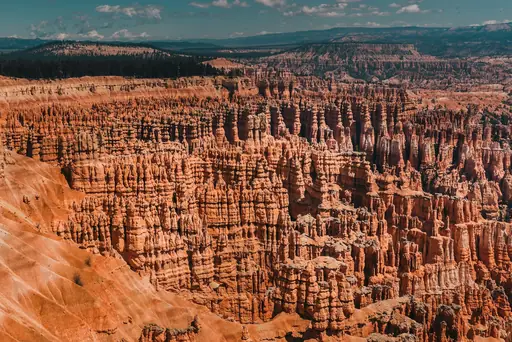
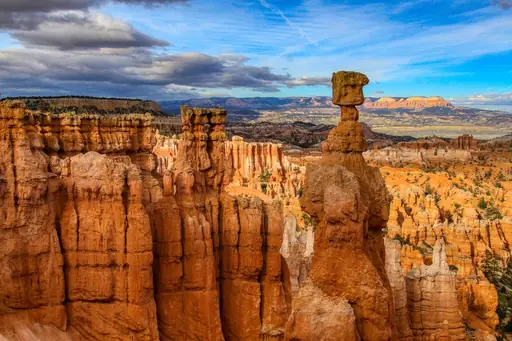
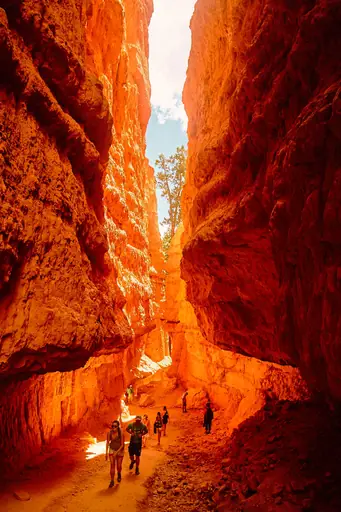
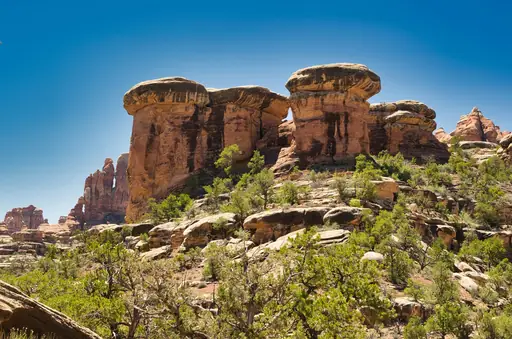
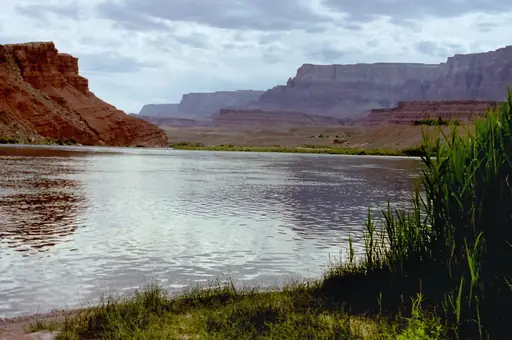
Bryce Canyon National Park holds an annual Astronomy Festival each summer with rangers and volunteer astronomers. Telescopes line the rim above the hoodoos. The park sits at about 2,400 metres and has very dry air. Stars glitter above the orange spires on moonless summer nights.
National Park in United States
Canyonlands National Park
Epic Canyons and Untamed Wilderness
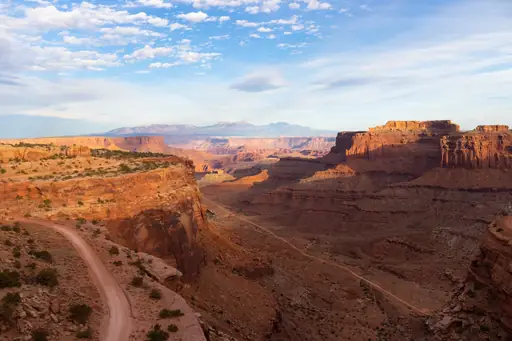
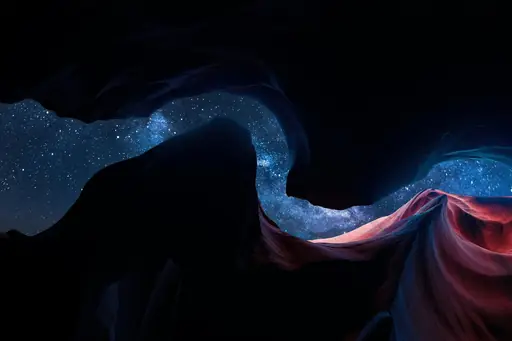
Canyonlands National Park in Utah was designated an International Dark Sky Park in 2015. The Island in the Sky mesa has wide views over the canyon country. Vast empty spaces keep the horizon dark in all directions. The Milky Way rises above the canyon rims after dusk.
National Park in United States
Grand Canyon National Park
Epic Vistas, Timeless Adventure
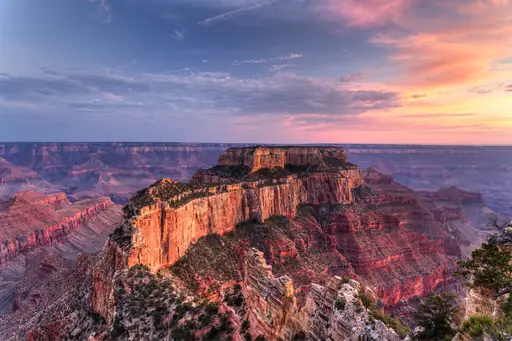
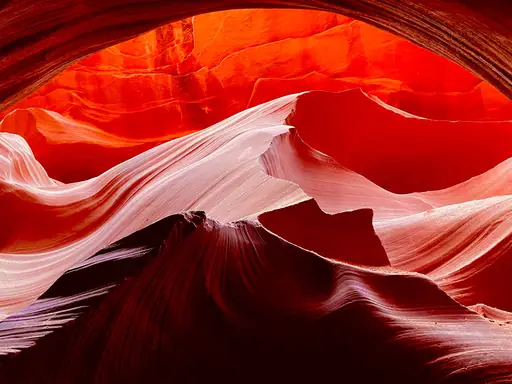
Grand Canyon National Park was certified an International Dark Sky Park in 2019. Each June the park holds a Star Party with telescopes on the South Rim. The canyon is wide and dark in every direction. Astronomers set up at Mather Point and Yavapai Geology Museum.
State/Prefecture in United States
New Mexico
Land of Enchantment’s Rich Heritage
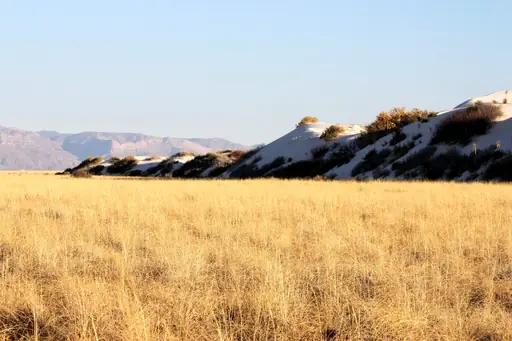
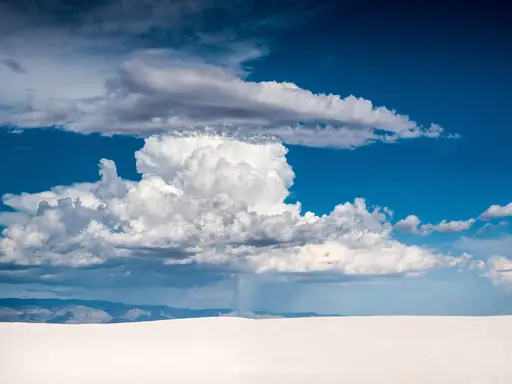
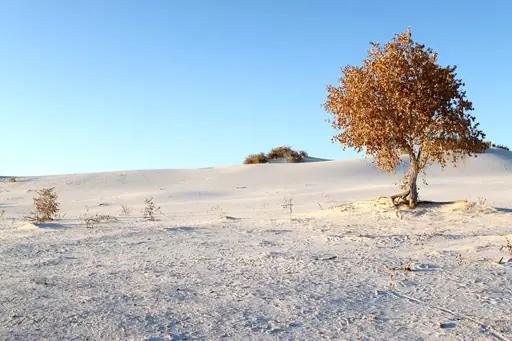
The Very Large Array in New Mexico has 27 giant radio dishes spread across the Plains of San Agustin. The site lies at about 2,100 metres in a high desert. Skies here are dark and dry for much of the year. Visitors can take self guided tours of the array.
National Park in United States
Chaco Culture National Historical Park
Ancient pueblos under starlit skies
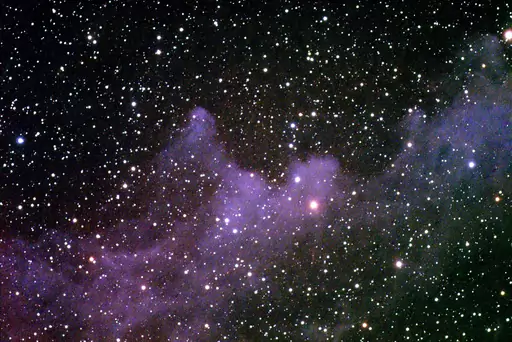
Chaco Culture National Historical Park is a Dark Sky Park with ruins of great stone houses. Ancestral Puebloans built them and aligned some with the sun and moon. The Sun Dagger petroglyphs on Fajada Butte track the seasons. The park has an observatory with telescopes.
State/Prefecture in United States
Nevada
Desert Adventures and Neon Nights
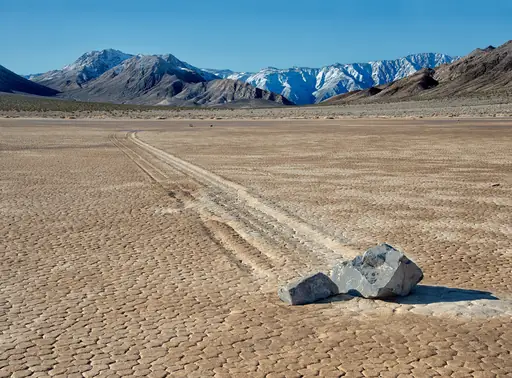
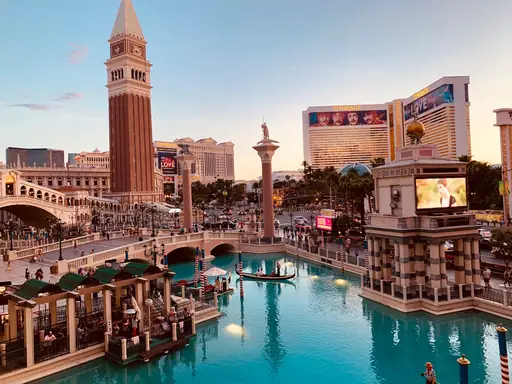
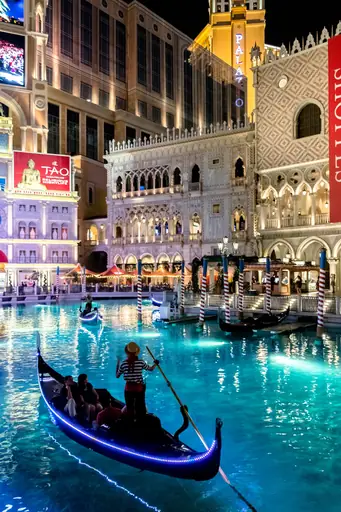
Massacre Rim in northwest Nevada was named an International Dark Sky Sanctuary in 2019. It is a remote wilderness area of high desert sage and rocky ridges. No towns or roads lie close by. Visitors need a high clearance vehicle and full supplies for the drive.
Nature Reserve in United States
Enchanted Rock State Natural Area
Massive pink granite batholith wonder
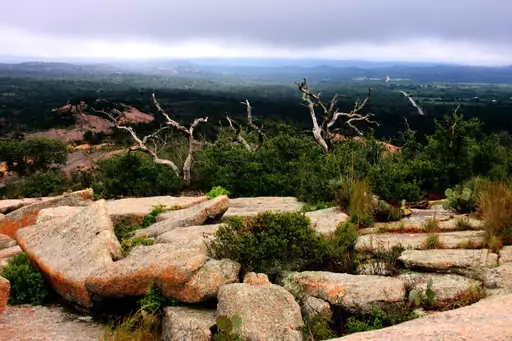
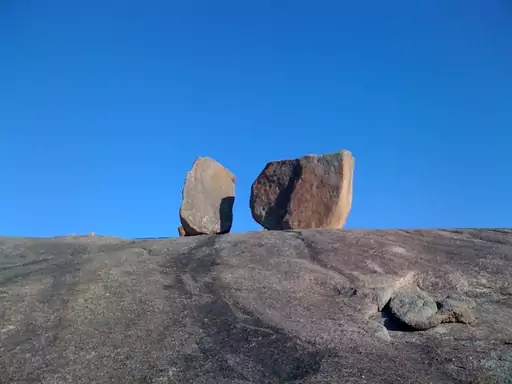
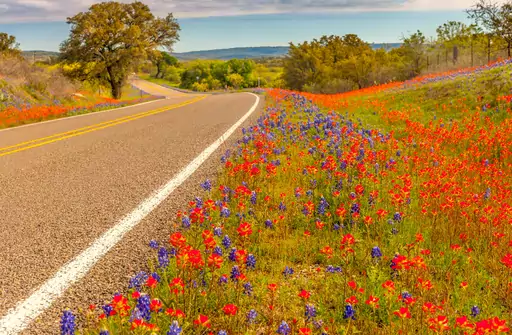
Enchanted Rock State Natural Area near Fredericksburg was certified an International Dark Sky Park in 2014. A huge pink granite dome rises about 130 metres above the Texas hills. Visitors climb the dome at dusk to watch stars. Rangers hold night sky events in the park.

National Park in United States
Denali National Park
Wild Alaska’s peaks and wildlife
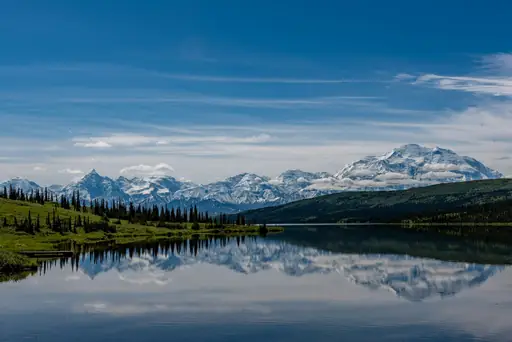
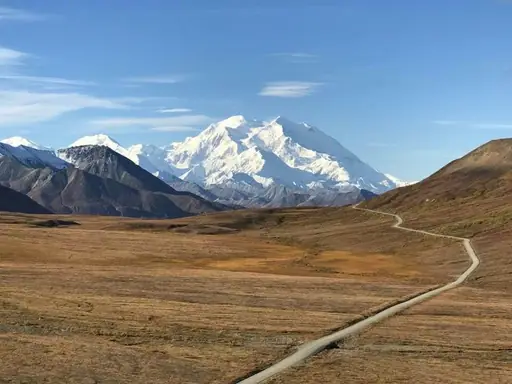
Denali National Park lies far north in Alaska where winter nights are long and cold. Northern lights can be seen above the peaks from late August to April. The park has few lights beyond the visitor area. Clear nights bring views of the aurora and the Milky Way.
National Park in Canada
Mont-Mégantic National Park
Majestic peaks and crystal alpine lakes
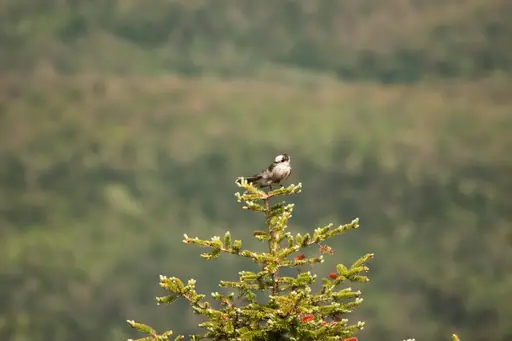
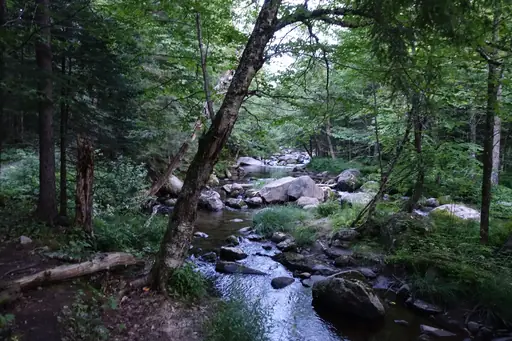
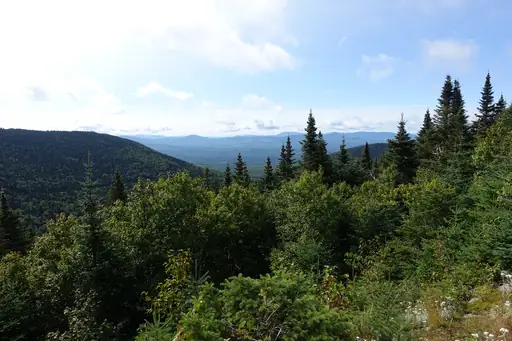
Mont Megantic National Park in Quebec is part of the world's first International Dark Sky Reserve, named in 2007. An observatory with a large telescope stands on the summit. The ASTROLab offers public shows and night programmes. Local towns changed their lighting to protect the sky.
National Park in United States
Great Basin National Park
Ancient trees, caves and starry skies
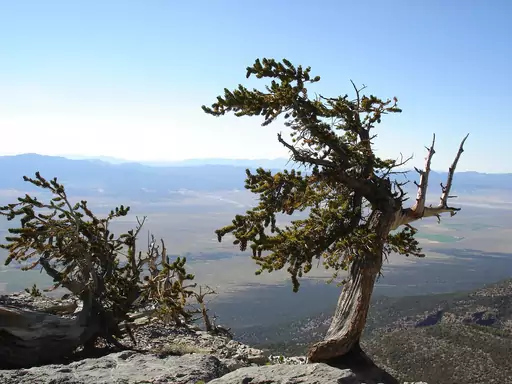
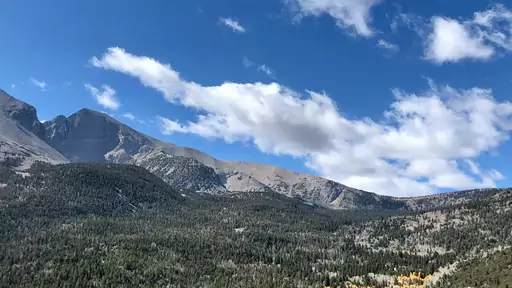
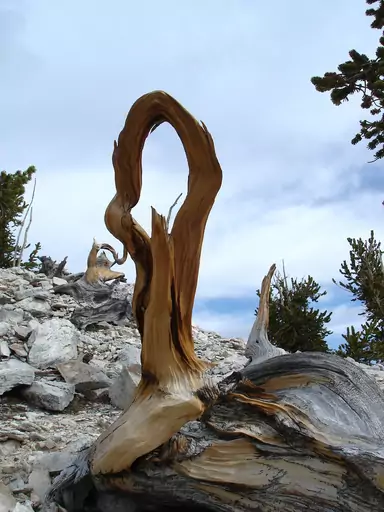
Great Basin National Park in Nevada was named an International Dark Sky Park in 2016. It lies far from any large city. Rangers hold an annual astronomy festival every year with many telescopes. Bristlecone pines and mountain lakes give a striking foreground under the stars.
National Park in United States
Sequoia and Kings Canyon National Parks
Home of the Giant Sequoias
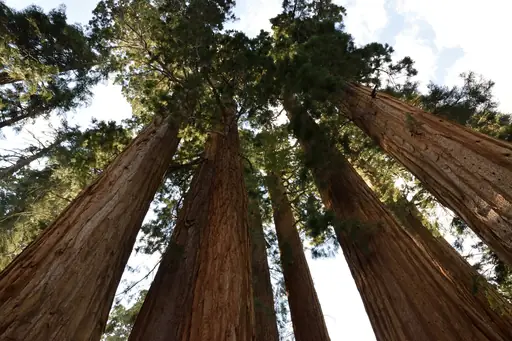
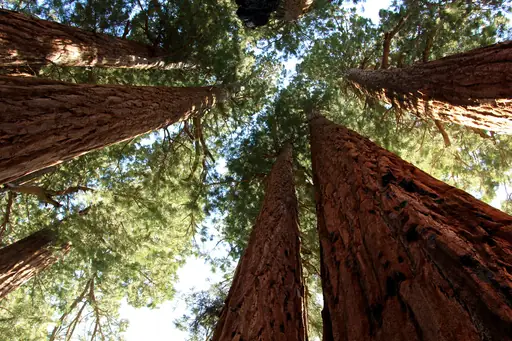
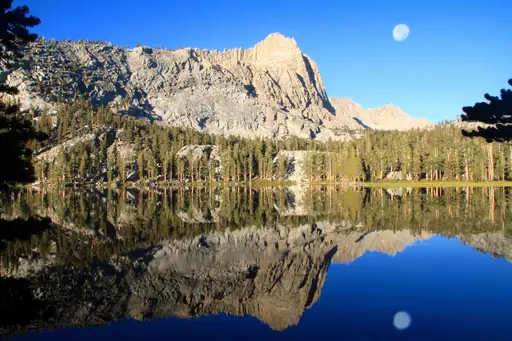
Sequoia and Kings Canyon National Parks have tall groves of giant sequoias that stand dark against the night sky. The parks sit high in the Sierra Nevada far from big cities. Rangers offer night sky programmes at Lodgepole and Grant Grove. The Milky Way lies above the granite domes.

National Park in United States
Rocky Mountain National Park
Majestic Peaks and Untamed Wilderness
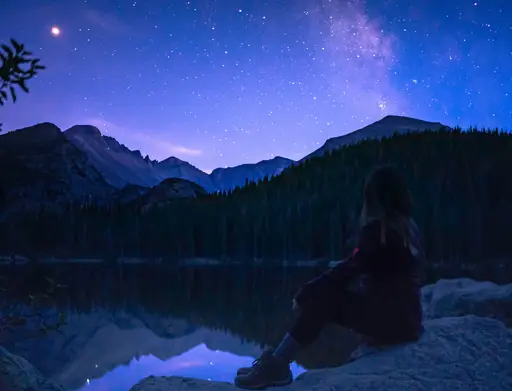
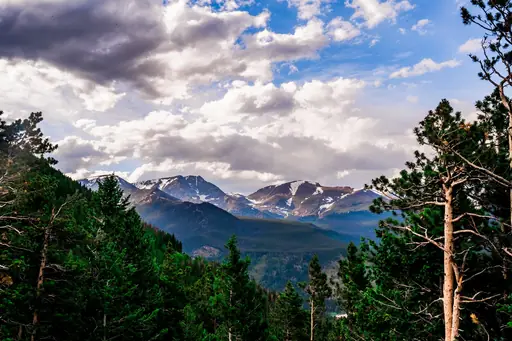
Rocky Mountain National Park in Colorado rises above 4,000 metres in places. Trail Ridge Road climbs to 3,713 metres and offers views across alpine tundra. Rangers hold night sky programmes in summer. Thin cold air gives a strong view of the Milky Way on clear nights.

State/Prefecture in United States
Idaho
Outdoor Paradise with Scenic Beauty
The Central Idaho Dark Sky Reserve was designated in 2017 and covers about 3,700 square kilometres. It surrounds Sun Valley and Stanley among the Sawtooth Mountains. Mountain towns follow strict lighting rules that keep the sky dark. The Milky Way stretches above the jagged peaks.
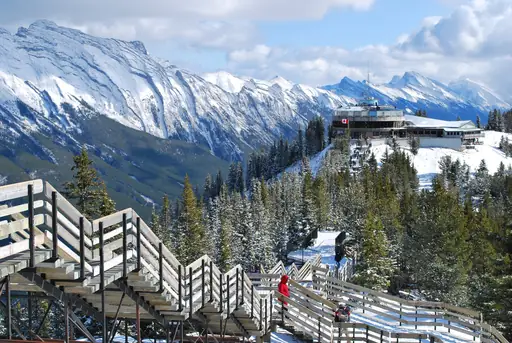
Town in Canada
Banff
Rocky Mountain Majesty, Endless Adventure
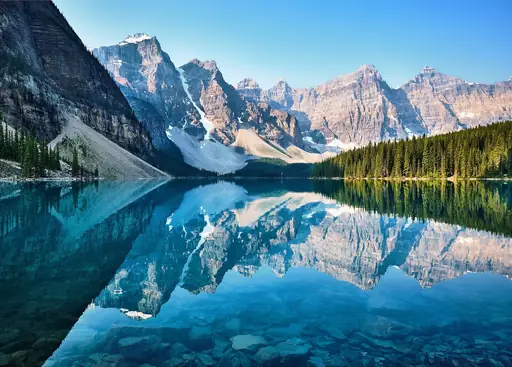
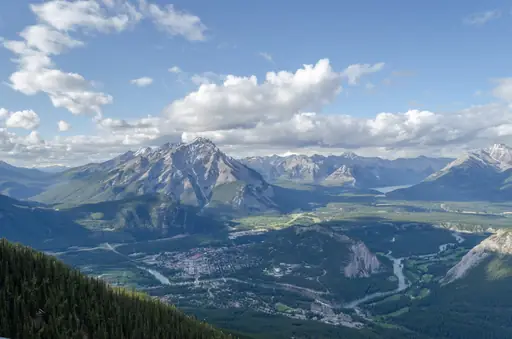
The Vermilion Lakes on the edge of Banff town reflect the peaks of Mount Rundle. Photographers gather here on clear nights for the Milky Way and sometimes the aurora. The wetlands are only minutes from the town centre. Cold winter air keeps the sky crisp and clear.
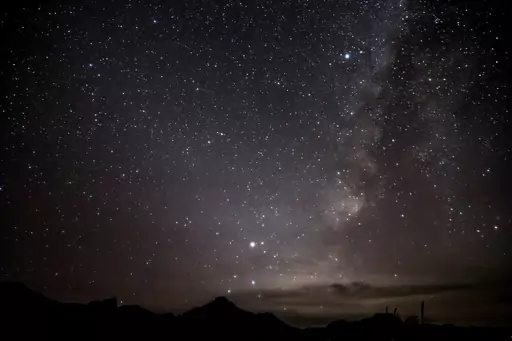
National Park in United States
Big Bend National Park
Majestic canyons, star‑filled desert skies
Big Bend National Park was designated an International Dark Sky Park in 2012. It lies in a remote corner of West Texas far from cities. Desert air stays dry and clear for most of the year. Visitors can see the Milky Way from campsites in the Chisos Mountains.
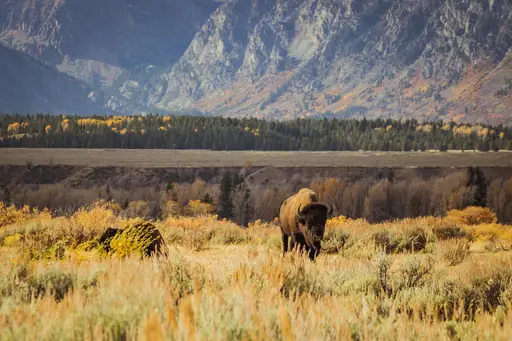
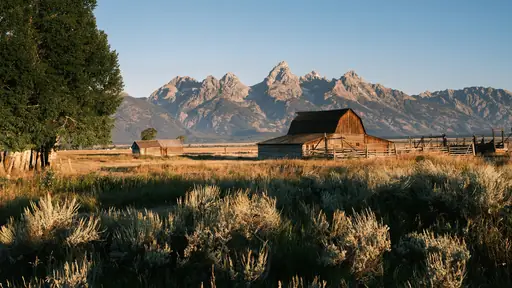
National Park in United States
Grand Teton National Park
Stunning Peaks and Wildlife Wonders
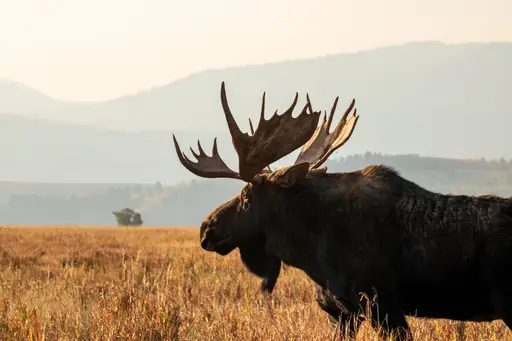
Grand Teton National Park has jagged peaks that stand tall above Jackson Hole. Photographers set up at Oxbow Bend and Schwabacher Landing under the Milky Way. Light pollution is low across much of the valley. Summer nights are cool and often clear after afternoon storms pass.
National Park in United States
Death Valley National Park
Otherworldly Extremes and Silent Beauty
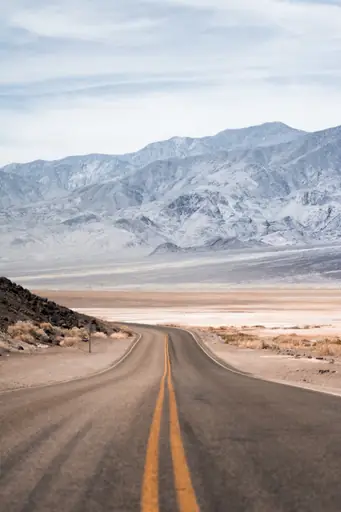
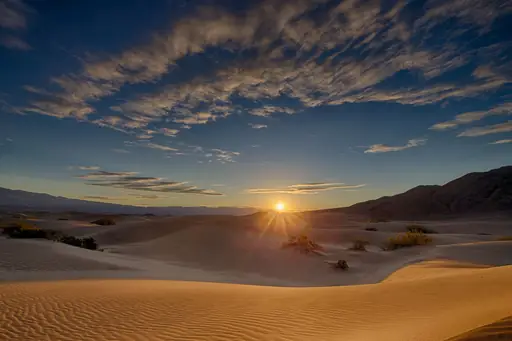
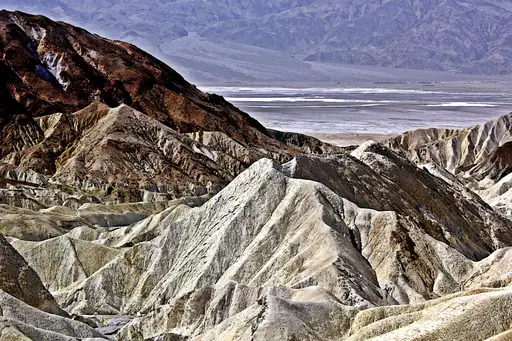
Death Valley National Park was named a Gold Tier International Dark Sky Park in 2013. The valley lies far from any large city. Dry desert air stays clear for much of the year. Visitors can see the Milky Way from salt flats and sand dunes.
National Park in United States
Voyageurs National Park
Watery wilderness of northern Minnesota
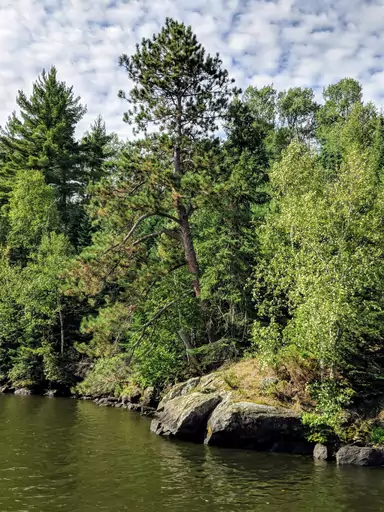
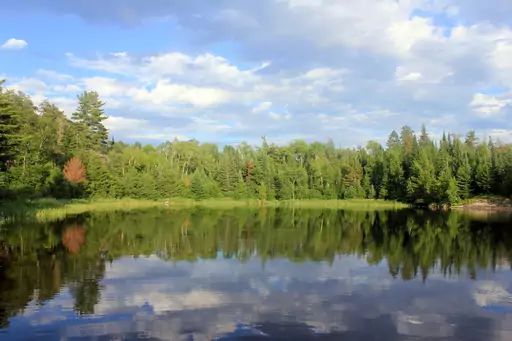
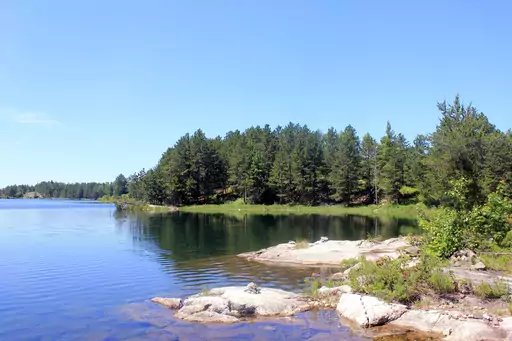
Voyageurs National Park in Minnesota was named an International Dark Sky Park in 2020. Most of the park is water and can be reached by boat. Houseboats and campsites sit beside quiet lakes far from city lights. Northern lights appear above the forest on some nights.
National Park in United States
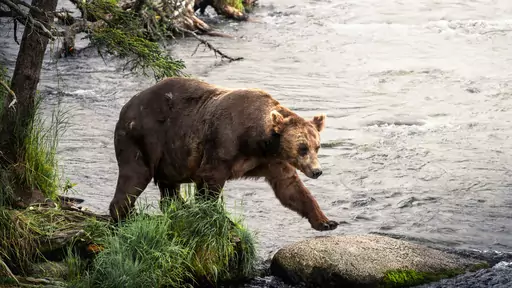
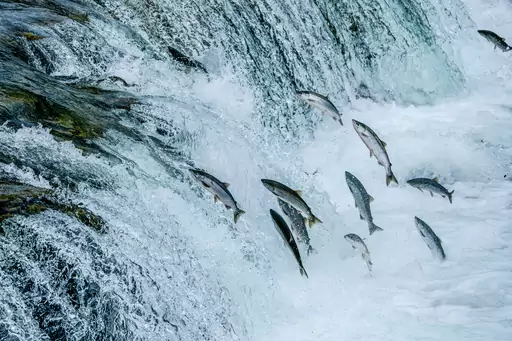
Katmai National Park
Bears, salmon and volcanic wonders
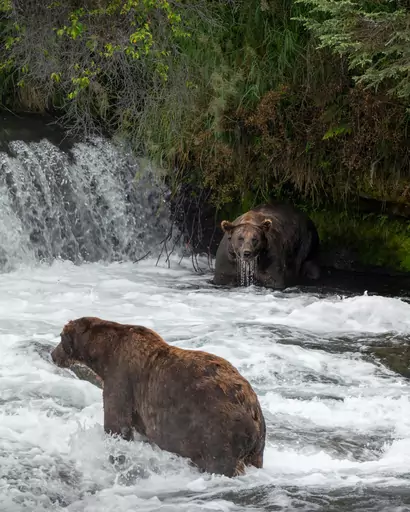
Katmai National Park in Alaska is a wild area of volcanoes and lakes with no road access. Few lights stand anywhere near the park. Northern lights appear on winter nights above the frozen landscape. Visitors mostly arrive by small plane or boat from the town of King Salmon.
State/Prefecture in United States
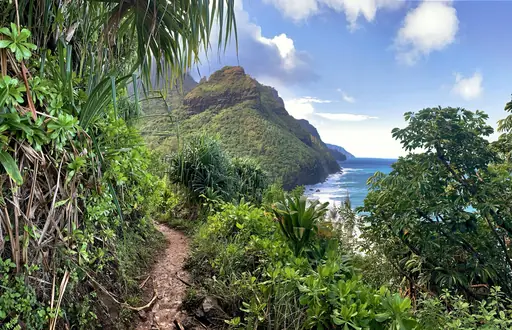
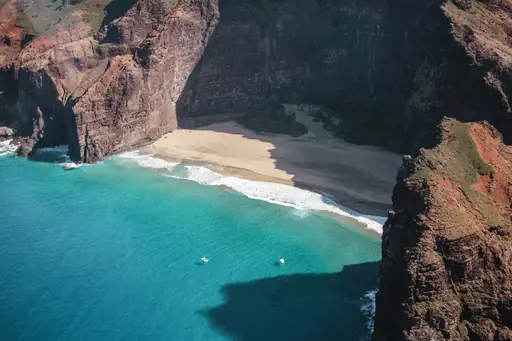
Hawaii
Tropical Vibes and Volcanic Wonders
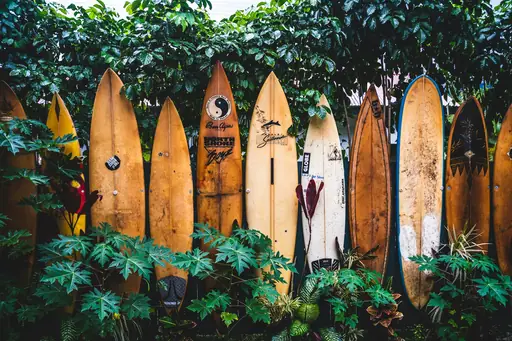
Mauna Kea rises 4,207 metres above Hawaii's Big Island and has some of the world's leading observatories. The Visitor Information Station at 2,800 metres offers free stargazing nights. Thin air and cold nights give sharp views. Visitors can see bright planets and star clusters through provided telescopes.
Wildlife Sanctuary in United States
Bosque del Apache
Majestic plains echo with soaring condors
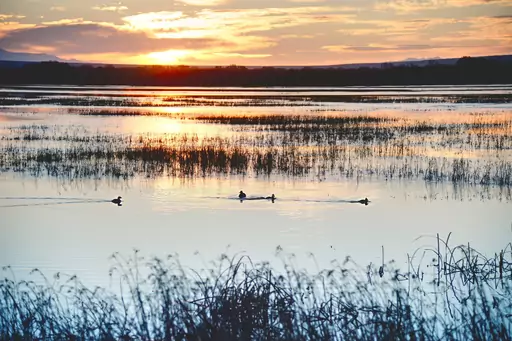
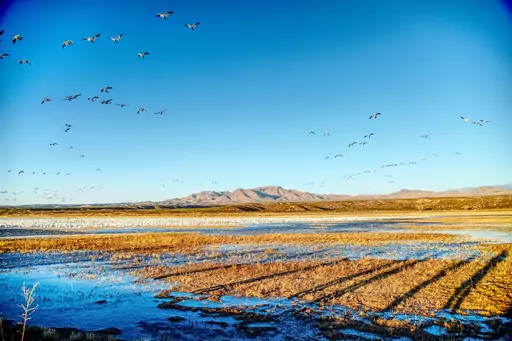
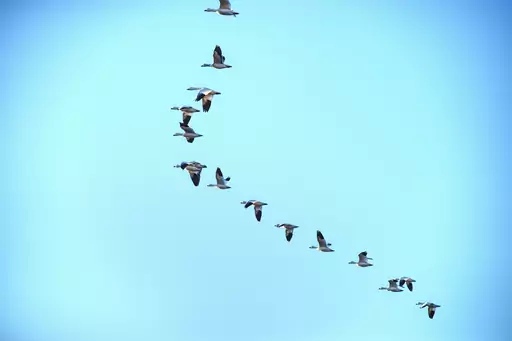
Bosque del Apache National Wildlife Refuge lies along the Rio Grande near Socorro in New Mexico. Thousands of sandhill cranes spend the winter in its wetlands. The refuge sits far from big cities and has clear dry desert air. Before the cranes take off at dawn you can watch the stars fade.
State/Prefecture in United States
Arizona
Desert Wonders and Scenic Adventures
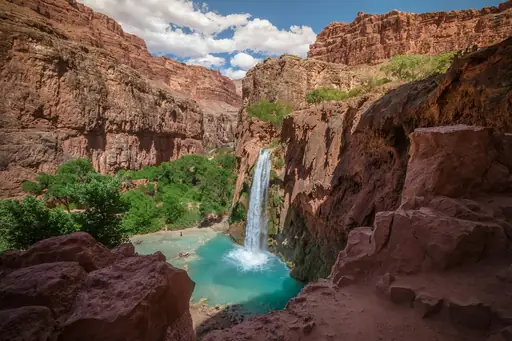
Flagstaff in Arizona was named the world's first International Dark Sky City in 2001. Lowell Observatory sits on Mars Hill above the town. Astronomers there discovered Pluto in 1930 using a special photographic telescope. Visitors can look through historic telescopes on most evenings and join public star parties.
State/Prefecture in United States
Utah
Nature's dramatic red rock playground
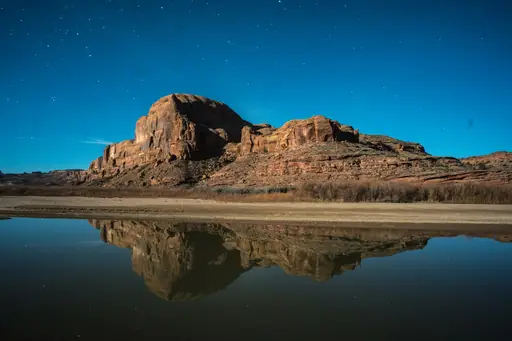
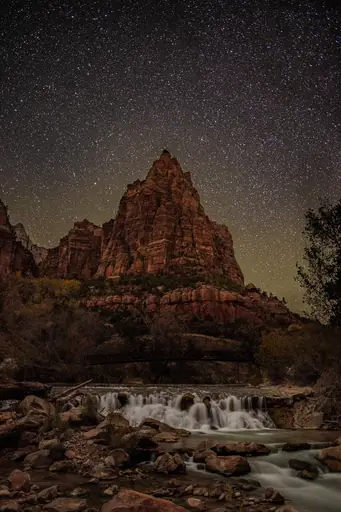
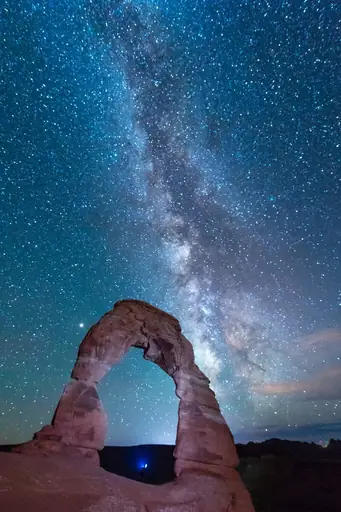
Natural Bridges National Monument in Utah was named the world's first International Dark Sky Park in 2007. Three great stone bridges rise from the canyon floor. Visitors can see the Milky Way arch over the bridges. The remote location keeps the sky very dark all year.

National Park in United States
Waterton Glacier International Peace Park
Where two nations preserve wilderness
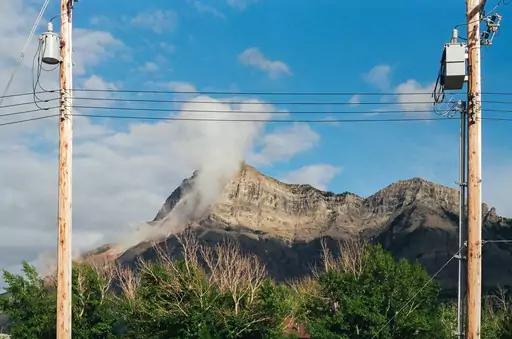
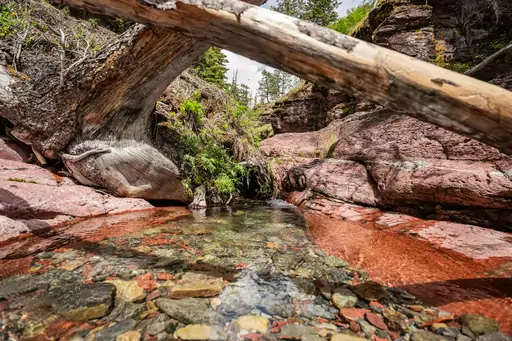
Waterton Lakes and Glacier form the world's first transboundary International Dark Sky Park designated in 2017. Jagged peaks and glacial lakes lie on both sides of the border. Visitors can watch stars beside Lake McDonald or the Waterton townsite. Northern lights are visible on some nights.
National Park in United States
Yosemite National Park
Nature's Grand Cathedral
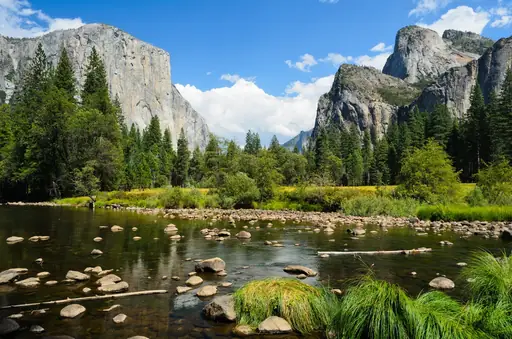
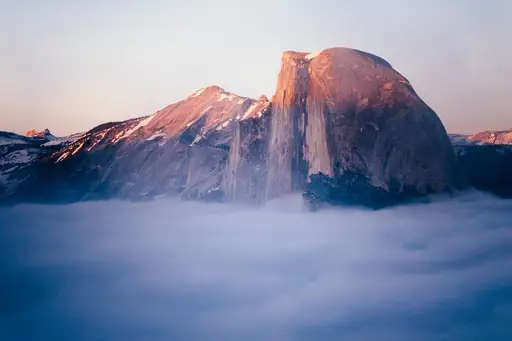
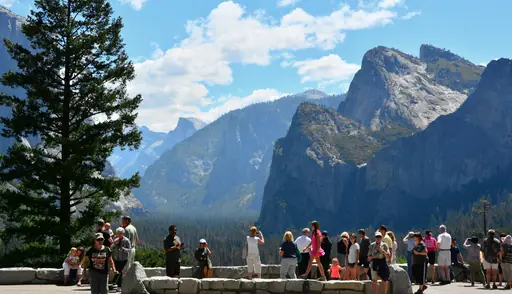
Yosemite National Park holds night sky programmes at Glacier Point on summer weekends with local astronomers. Telescopes are set up on the rim above the valley. Half Dome rises in silhouette beside the Milky Way. The high elevation gives crisp views on clear nights in summer.
National Park in United States
Mesa Verde National Park
Ancient Cliff Dwellings and Rich History
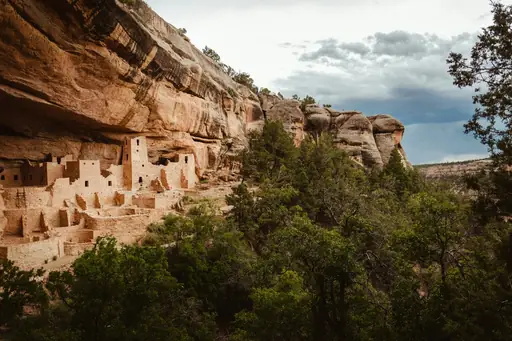
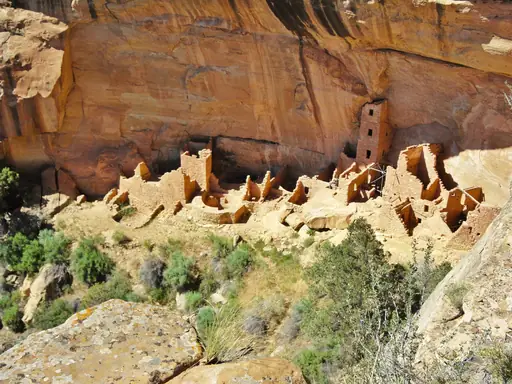
Mesa Verde National Park was certified as an International Dark Sky Park in 2021. Ancient cliff dwellings sit in alcoves above the canyons. Visitors can join ranger programmes on summer nights. The Milky Way rises above the mesa when the moon is dark and the air is clear.
City in United States
Sedona
Red Rocks, Vortexes and Starry Skies
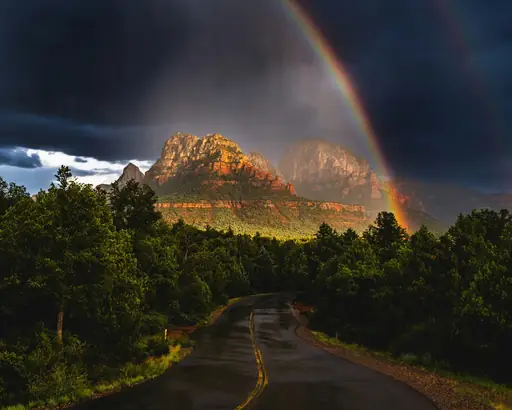
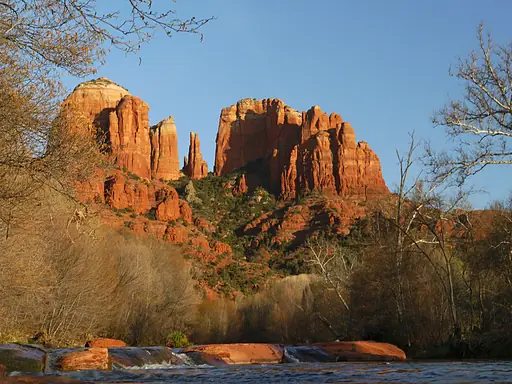
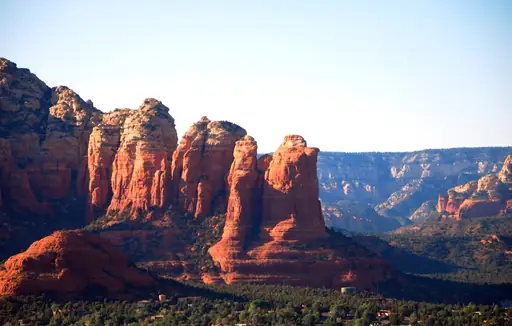
Sedona in Arizona was named an International Dark Sky Community in 2014. The town uses shielded lighting to keep the sky dark. Red rock buttes stand out against a field of stars on clear moonless nights. Visitors can join guided telescope tours at night with local astronomers.
State/Prefecture in United States
Alaska
Land of superlatives and adventure
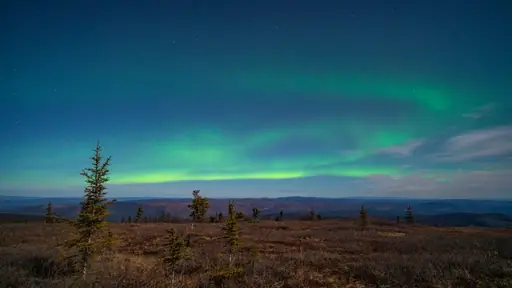
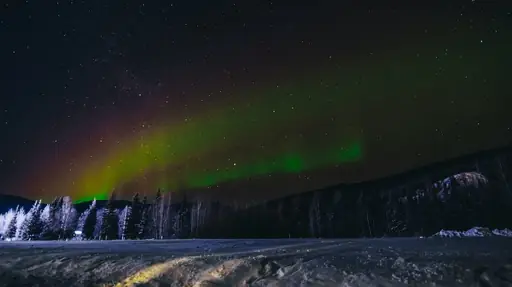
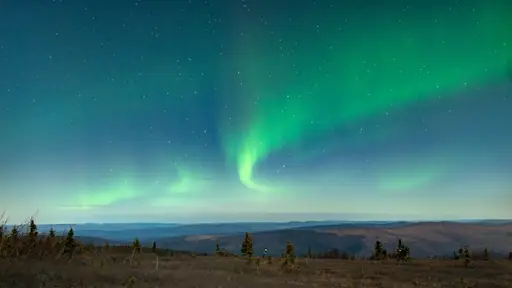
Interior Alaska lies right under the auroral oval and sees northern lights on many clear nights. Fairbanks offers heated viewing cabins and hot springs outside town. The season runs from late August to April. Long winter nights give plenty of time to watch the sky dance.
National Park in United States
Craters of the Moon National Monument
Otherworldly volcanic landscape on Earth
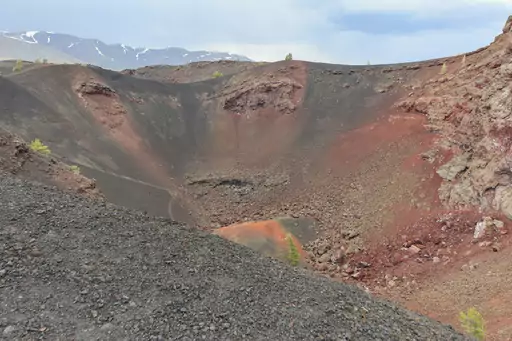
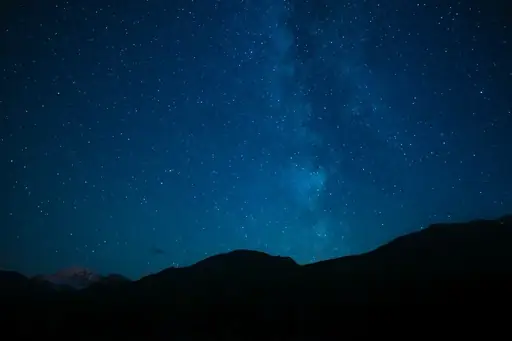
Craters of the Moon National Monument in Idaho has vast fields of black lava and cinder cones. The land is empty and cold at night. A Dark Sky designation protects the sky over the monument. Stars stand out sharply above the rugged black rock and dark cinder cones.
National Park in Canada
Jasper National Park
Untamed Wilderness and Starry Skies
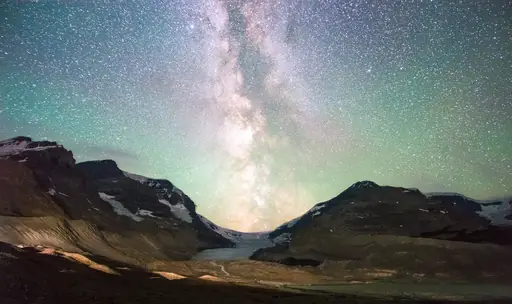
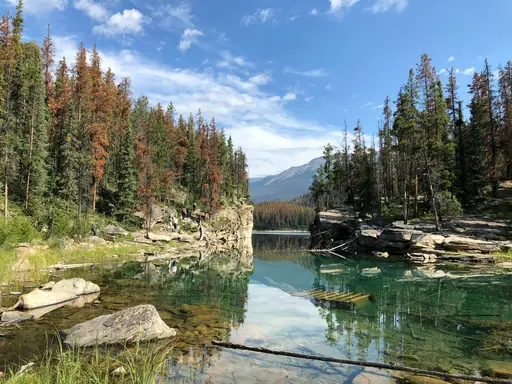
Jasper National Park in Alberta is a Dark Sky Preserve covering more than 11,000 square kilometres. It was designated in 2011 and is among the largest accessible dark sky preserves. Jasper hosts a Dark Sky Festival each October. Northern lights sometimes appear above Pyramid Lake.
Nature Reserve in United States
Boundary Waters Canoe Area Wilderness
Pristine lakes, untouched wilderness paradise
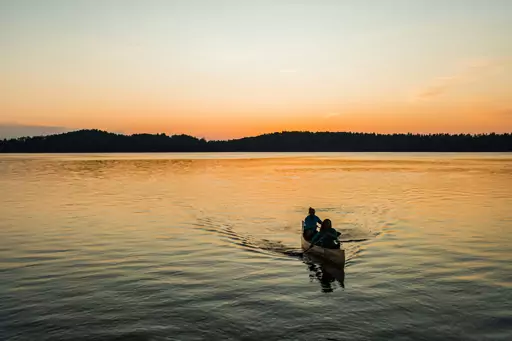
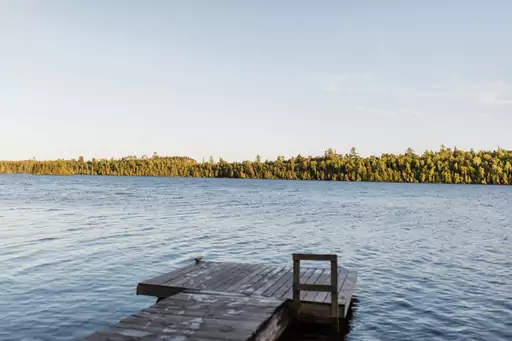
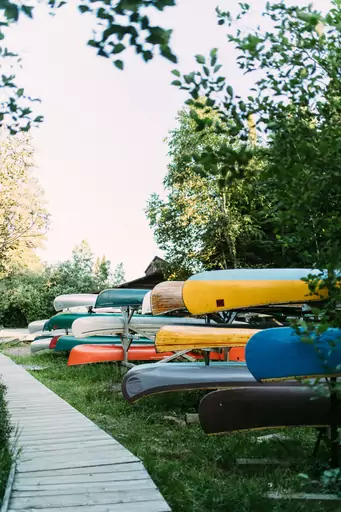
Boundary Waters Canoe Area Wilderness protects more than a million acres of lakes and forest in Minnesota. Motors and roads are banned across most of the area. Paddlers camp on quiet islands and watch stars reflect in still water. Northern lights appear on some nights.
State/Prefecture in United States
Wyoming
Wild West landscapes and natural wonders
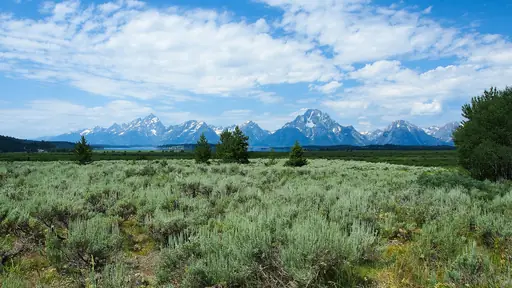
Wyoming has the smallest population of any US state and vast stretches of open high plains. The Red Desert in the southwest has almost no towns and no lights. Cold clear air keeps the sky sharp. Visitors can see the Milky Way from roadside pullouts.
City in United States
Moab
Red rock canyons echo adventure seekers' dreams
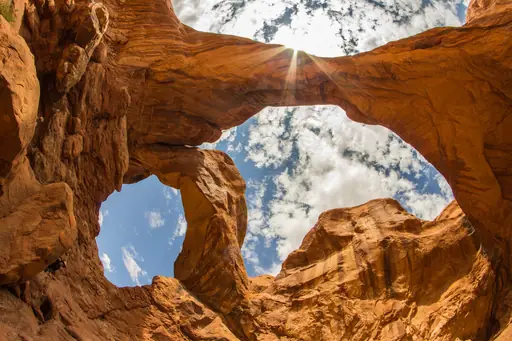
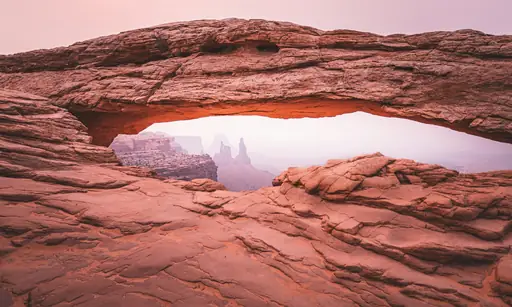
Moab lies between Arches and Canyonlands National Parks in the red rock country of Utah. Both parks are certified International Dark Sky Parks. Visitors can drive from town to a dark viewing site in just minutes. Fisher Towers and the Colorado River make dramatic foregrounds for photos.
State/Prefecture in United States
California
Golden State of Endless Experiences
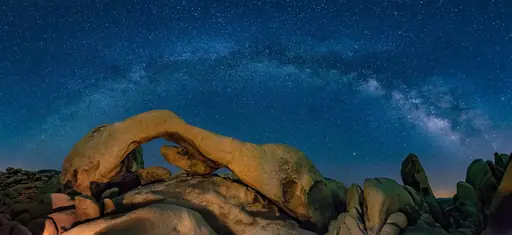
Joshua Tree National Park in California was certified as an International Dark Sky Park in 2017. The park lies in the Mojave and Colorado deserts east of Los Angeles. Twisted trees and granite boulders stand in silhouette against the Milky Way. Campsites are popular on new moon weekends.
National Park in United States
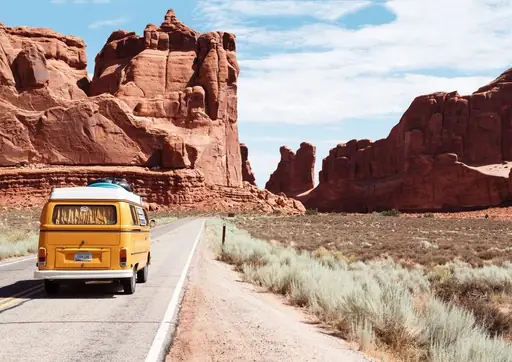
Arches National Park
A Desert Wonderland of Stone Arches
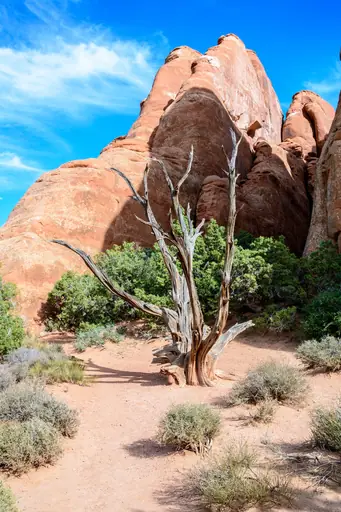
Arches National Park was certified as an International Dark Sky Park in 2019. Delicate Arch and the Windows frame the Milky Way on moonless nights. Rangers host night sky programmes in warm months. Red sandstone shapes glow faintly under starlight in the dry desert air.
State/Prefecture in United States
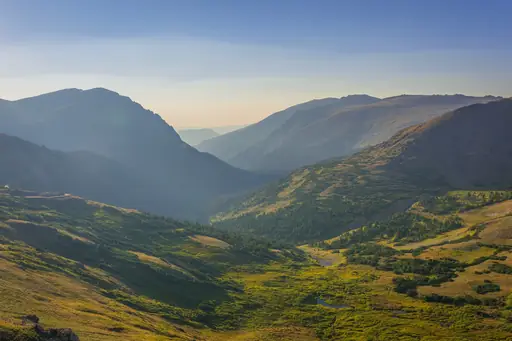
Colorado
Rocky mountains and red rocks
Westcliffe and Silver Cliff in Colorado were named an International Dark Sky Community in 2015. The Wet Mountain Valley sits at about 2,400 metres below the Sangre de Cristo range. Local lighting rules keep the night sky dark. Visitors can see the Milky Way and faint galaxies.
State/Prefecture in United States
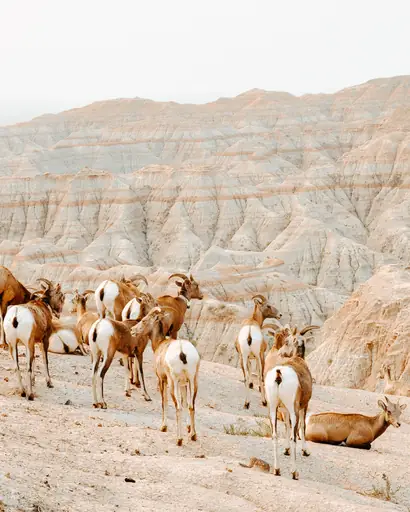
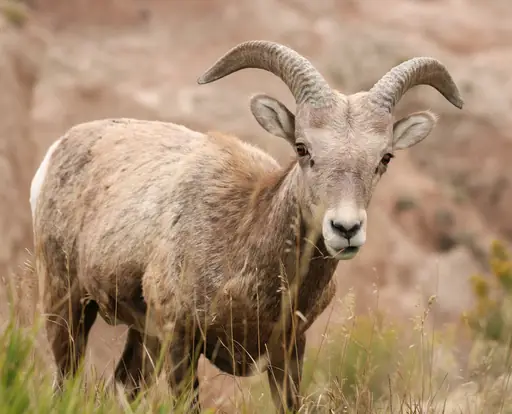
South Dakota
Iconic Monuments and Prairie Landscapes
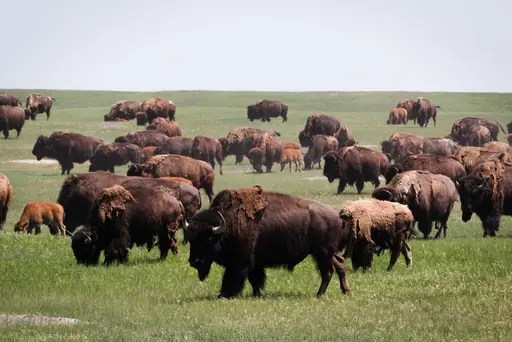
Badlands National Park in South Dakota hosts an Astronomy Festival each summer with telescopes and ranger talks. Eroded spires and buttes stand under a dark prairie sky. The park is open around the clock. Visitors can also join night sky programmes at the amphitheatre near Cedar Pass.
State/Prefecture in United States
Washington (State)
Diverse landscapes from mountains to coast
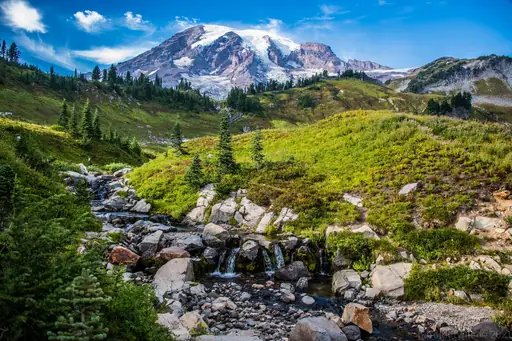
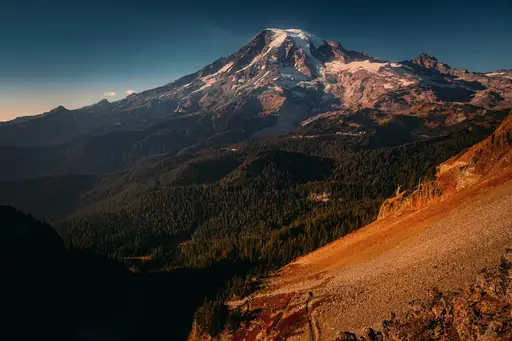
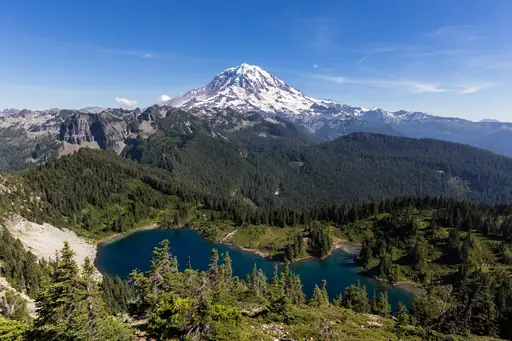
Goldendale Observatory State Park in Washington has a public telescope with a 24 inch mirror. Rangers host public viewing sessions on many nights of the week. The site sits on a dry plateau above the Columbia River. Clear skies are common in summer and the nights stay cool.
State/Prefecture in United States
Texas
Vast Landscapes and Deep Culture
McDonald Observatory near Fort Davis in West Texas hosts public star parties several nights a week. The observatory lies among the Davis Mountains at about 2,000 metres. Its telescopes reveal planets and nebulae. Nearby towns follow lighting rules to protect the sky for the telescopes.
State/Prefecture in United States
West Virginia
Appalachian wilderness and rich history
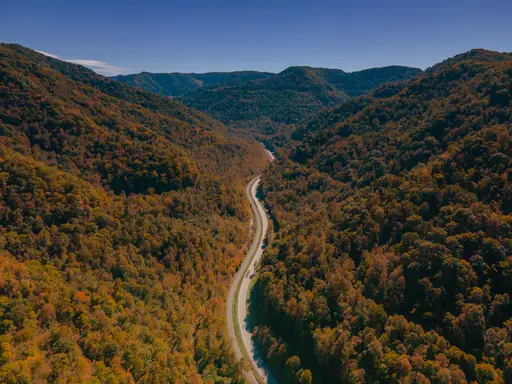
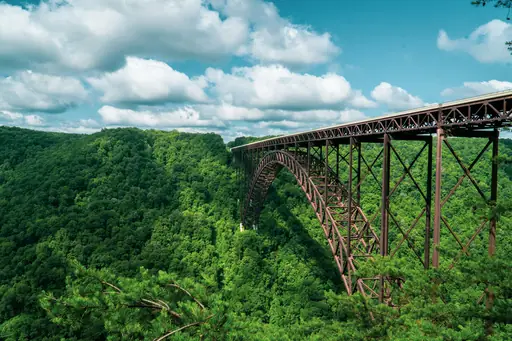
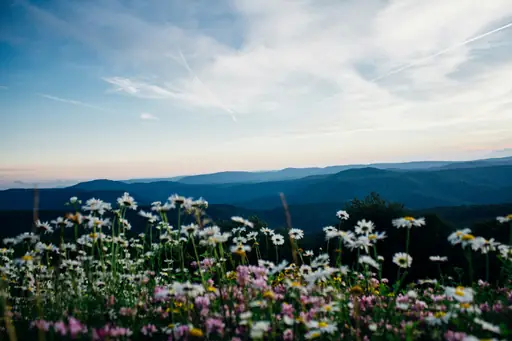
Watoga State Park in West Virginia was certified as an International Dark Sky Park in 2015. The mountain park lies in a quiet corner of the Appalachians. Green Bank Observatory and its huge radio telescope stand nearby. Visitors can camp under a wide sky of stars.
Other lists you may like
Discover
Best stargazing destinations in Africa
Africa's dark sky destinations benefit from vast uninhabited regions, minimal industrial development and some of the lowest light pollution densities of any inhabited continent.…
Read more
Discover
Best stargazing destinations in Asia
Asia's dark sky options range from high-altitude Himalayan plateaus and cold desert regions of the interior to remote island locations scattered across the Pacific and Indian…
Read more
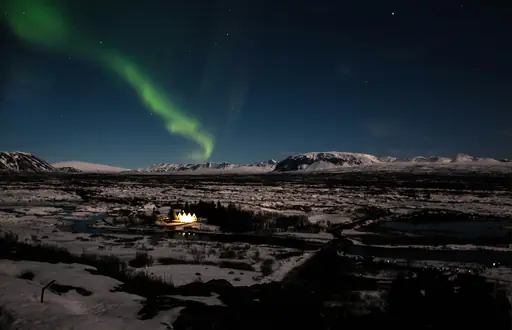
Discover
Best stargazing destinations in Europe
Europe's dark sky locations are harder won than in less densely populated parts of the world, but genuinely dark sites exist in the continent's more remote corners. Atlantic island…
Read more
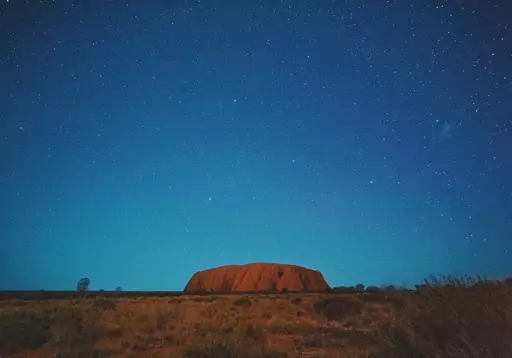
Discover
Best stargazing destinations in Oceania
Oceania's dark sky options span an extraordinary range of settings, from the remote desert interior of Australia and its southern coastal ranges to the mountain zones of New…
Read more
Discover
Top stargazing destinations and dark sky reserves
The best dark sky destinations are found far from urban light pollution, typically in high-altitude deserts, remote island locations and vast uninhabited interior regions.…
Read more
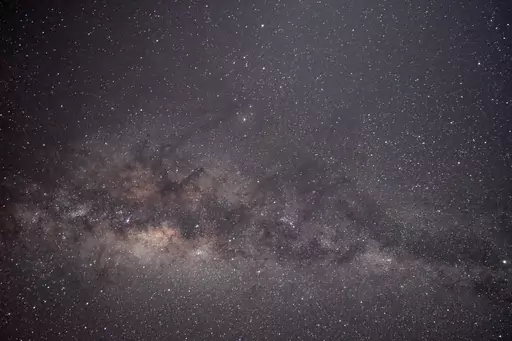
Discover
Best stargazing destinations in South America
South America's dark sky destinations are among the finest in the world, with high-altitude Andean deserts producing atmospheric conditions that have attracted major international…
Read more
What other users say about travelfilters
“travelfilters made it easy for me to find ski areas and compare what else they offer, so that I could find the best place for my personal travel style.”

Chris
Snowboarding & Onsen trip to Japan
“I love how transparent the data feels. There is no pushy upsell, just honest information and settings I can tune to my own travel style.”

Maria
After booking her 2027 winter escape
“The level of detail for each destination and how well those are displayed, make planning feel confident instead of overwhelming.”

Mina
Planned a week in New York City
“We used travelfilters for our planning from start to end. The trip turned out even better than expected, thanks to all their tools and customisation options.”

Allan & Etienne
Trip to Japan to see autumn foliage
“Thanks to travelfilters, I found some hidden gems to see. Being able to filter for exactly your interests is a game changer for my travel planning.”

Michael
Tour through the old cities of Northern Italy
“The customizable filters helped me find a quiet beach town with good wifi and low season crowds in under five minutes.”

Diego
Weekend Escape to Llanes, Spain
“The airport connection map saved me hours by showing good flight options from my home airport to lesser-known cities.”

Nguyen
Planning a 2027 trip to France
“The website is clean, fast and focused on the search itself, which makes travelfilters feel more like a professional tool than an ad-heavy booking site.”

Hassan
Christmas Market trip, Germany
