











Was this page helpful?

These place ratings give you a quick overview of how well a destination matches different types of trips.
‘Best for’ scores:
The specific interest scores show where this place really shines – whether it's ideal for hiking, food & drink experiences, museums or other activities. These highlights help you understand what makes the destination special at a glance.
‘Your personal’ scores:
This reflects how well a place matches your personal preferences. You can adjust the importances of travel topics or other personal requirements categories in your account settings.
‘Suited for’ badges:
These give you a quick overview of how well a destination suits specific types of travellers, to help you find the places that match your lifestyle, preferences or travel situation.
| Power Grid: |
120 V, 60 Hz Plug: Type A , Type B
Type A:
  Read about power adapters |
|---|---|
| Currency: |
US Dollar (USD) £1 ≈ US$1.33 |
| Cashless info: |
Rating 5/5
The U.S. is highly cashless, with credit and debit cards accepted almost everywhere. Mobile payment options like Apple Pay and Google Pay are widely used.
Save with a travel credit card |
| eSIM providers: |
Best value: Saily Flexibility: Airalo Read our in-depth comparison |
| Tipping: | Tipping is customary and expected in the U.S. In restaurants, 15-20% is standard. Taxi drivers, hotel staff, and tour guides also expect tips, usually around 10-20% depending on the service. |
|---|---|
| Public drinking: | Public drinking laws vary by state, but it is generally prohibited in public spaces without a permit. |
| Public smoking: | Smoking is restricted in most indoor public spaces and some outdoor areas. Local laws vary. |
| Etiquette: | Greet with a firm handshake, maintain eye contact, respect personal space, and avoid discussing politics or income unless invited to share opinions. Politeness and friendliness are appreciated. |
| Thanksgiving (November) |
A major holiday with closures and domestic travel surges. |
|---|---|
| Independence Day (July) |
Expect parades, fireworks, and celebrations nationwide. |
| Christmas (December) |
Markets, festive events, and crowded tourist spots. |
| Emergency contact: | Emergency Number: 911 (Police, Fire, Ambulance) |
|---|---|
| Taxi apps: | Uber, Lyft, Bolt |
| Helpful links: |
Wikipedia Visa regulations Customs & border control Travel with medicine |
| Other: | The U.S. is known for its diverse landscapes, cultural experiences, and regional cuisines. Public transport is efficient in cities but less so in rural areas. Renting a car is recommended for exploring national parks. |
The best times to travel section shows how the months compare for a visit, so you can find the time of year that fits what you want to do.
Background colours of the months:
The colour shows the typical temperature: yellow (hot), green (mild) and blue (cold). How strong the colour is shows the travel season: full colour means high season, soft colour means shoulder season and soft-striped means off season.
Weather symbols:
Each month has one symbol showing what the weather is typically like, such as hot and sunny, freezing or a rainy or snowy season. Use them to quickly spot months that match the weather you want, or to avoid the ones that don't.
Crowdedness:
The people icon shows how busy the place usually is. The more people, the more crowded it gets.
Additional notes:
The grey info boxes point out special things worth knowing, like recurring weather issues or seasonal events.
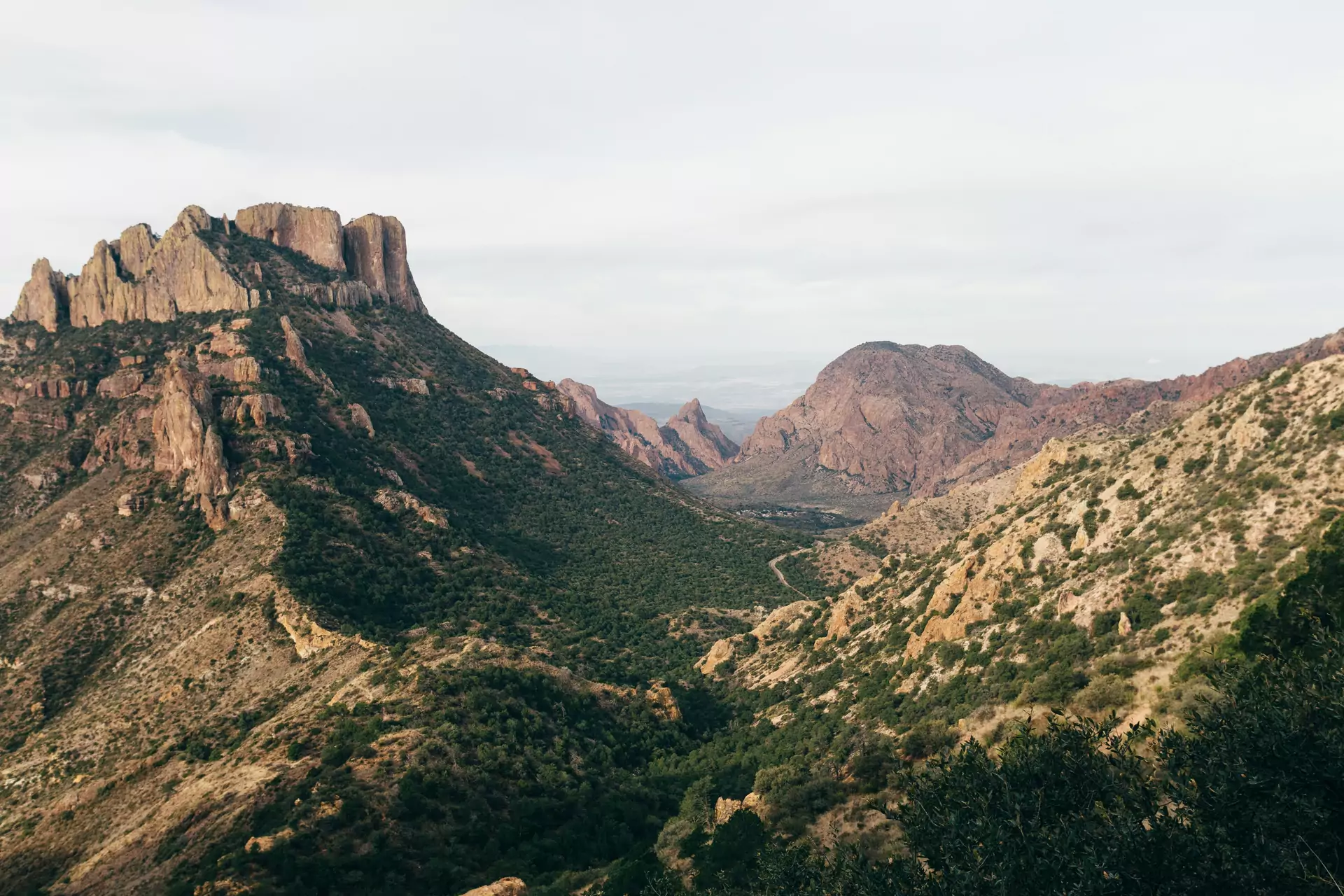
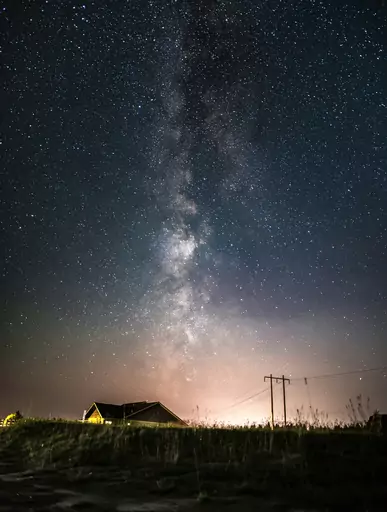
Big Bend National Park offers a quiet, expansive landscape that showcases the diverse geology and ecology of the Chihuahuan Desert. Spanning more than 800 000 acres along the Rio Grande, the park’s high desert plateaus, deep canyons and rugged mountains provide a dramatic backdrop for hiking, photography and stargazing. The park’s trails range from easy nature walks to strenuous backcountry routes, allowing visitors of all fitness levels to explore features such as the Santa Elena Canyon, the Chisos Mountains and the historic Boquillas Canyon. The region’s wildlife is notable for its variety: desert bighorn sheep, black bears and a wide array of bird species – including golden eagles and roadrunners – can be observed in their natural habitats. Seasonal wildflower blooms add color to the arid terrain, while the park’s water bodies support fish and amphibians uncommon in desert settings. Cultural history is woven into the landscape through petroglyphs, historic ranch sites and the legacy of early settlers who navigated the Rio Grande corridor. Educational programs and ranger-led tours provide context about the area’s natural and human past. For travelers seeking solitude, geological interest and a chance to experience a less‑traveled corner of the United States, Big Bend offers an authentic desert adventure that balances physical challenge with quiet reflection.
Big Bend National Park is accessible primarily by road, with Highway 90 serving as the main route into the park from the east and west. The nearest major airport is Midland International Air & Space Port in Texas, approximately 150 miles northeast of the park’s entrance. Visitors can also reach Big Bend via the Chisos Mountains area through a scenic drive within the park after entering at Panther Junction. Seasonal shuttle services operate during peak months to reduce congestion and environmental impact. The park does not have rail access; however, nearby towns like Terlingua offer limited transportation options for visitors arriving by car or guided tours.
Accommodations around Big Bend National Park range from rustic campgrounds and backcountry sites to cozy cabins and modest lodges. The park’s own campground offers tent and RV spots with basic amenities, while nearby towns such as Alpine and Marfa provide a handful of cabin rentals that blend Western charm with modern comforts. For travelers seeking higher-end lodging, boutique hotels in the surrounding area feature rustic décor, local art and panoramic desert views, often at premium rates during peak season. Some visitors opt for agritourism stays on working ranches, enjoying farm-to-table meals and guided nature walks. Overall, options are limited but varied, catering to budget campers, mid‑range families and luxury seekers alike.
We calculate the average costs when travelling to destinations and compare those with the living costs at your home. With this you can get an estimate of how expensive or cheap the destination is for you.
To customise this, you can set up which location and price level are used for the calculations in your account settings.
The exchange rate price factor shows how expensive or cheap a currency currently is compared to its historical average. It's a quick way to see if a country is currently more or less affordable due to exchange rate changes.
Log in to add this place to a travel list and get a summary of all recommended items for your whole trip.
