
Best birdwatching destinations in Europe
Best birdwatching destinations in Europe
Coastal wetlands and seasonal migratory flyways across Europe
Europe may not have the sheer species numbers of the tropics, but it offers far more than most visitors expect as a birdwatching destination. The continent sits at the intersection of major migration routes connecting Africa, Asia, and the Arctic, which means the variety on offer changes dramatically with the seasons. Spring and autumn bring waves of migrants passing through, while summer and winter each bring their own resident and visiting species worth seeking out.
The habitats are remarkably varied for a continent of its size. Atlantic seabird colonies, Mediterranean scrubland, Alpine meadows, Scandinavian boreal forest, Danube delta wetlands, these are ecosystems with very different species lists, often within a few hours of each other. Europe also has a long tradition of birdwatching infrastructure, with well-marked trails, quality optics shops, knowledgeable local guides, and a community of birders whose accumulated knowledge is easy to tap into. Whether you're after a specific target species or want to explore what a new habitat has to offer, Europe rewards the effort at every level of experience.
Lists by region
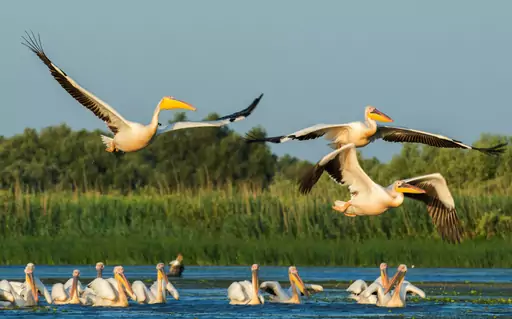
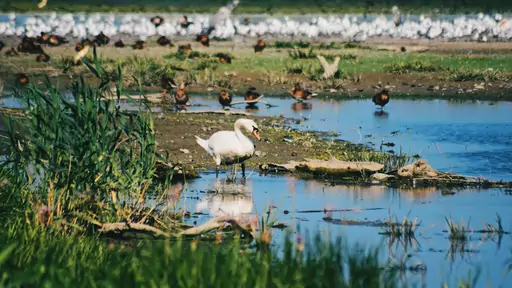
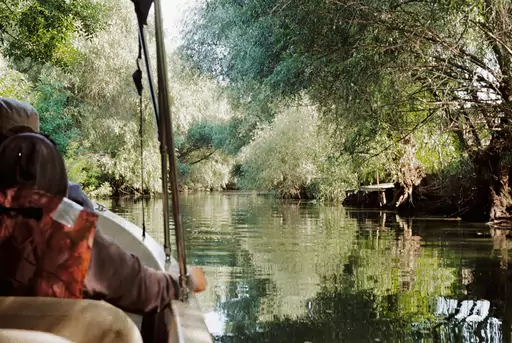
Wetland in Romania
Danube Delta
Breathtaking wetlands where nature thrives
The delta has formed over thousands of years as the Danube drops silt into the Black Sea. It became a UNESCO World Heritage Site in 1991. More than 300 bird species have been recorded here. Boat trips from Tulcea pass great white pelicans, herons and glossy ibises along quiet channels.
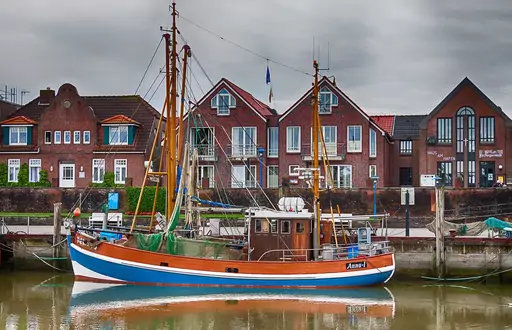
Region in Germany
Eastern Friesland
Tea culture meets coastal charm
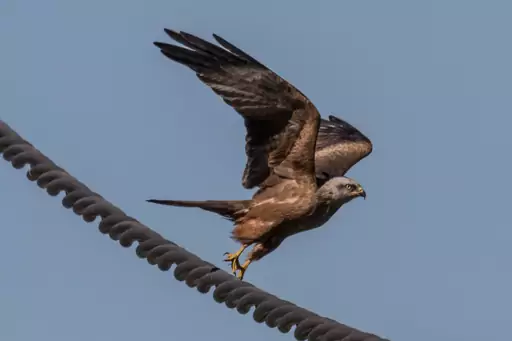
This flat region on Germany's North Sea coast has islands such as Juist and Baltrum with few or no cars. Dunes, salt marsh and mudflats are part of the Wadden Sea National Park. Geese rest in the fields in autumn. Guides lead low tide walks to see waders and spoonbills.
National Park in Spain
Doñana National Park
Wildlife sanctuary where rivers meet wetlands
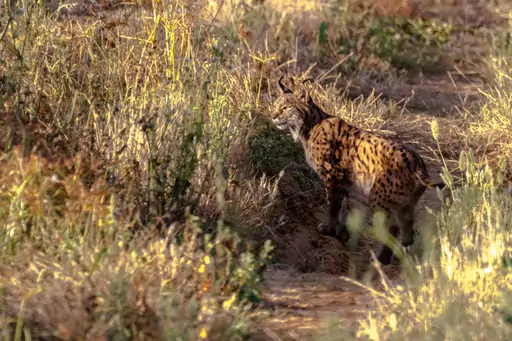
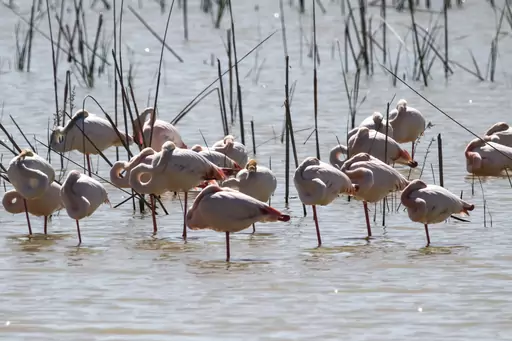
The area was a royal hunting ground for centuries before it became a national park in 1969. It is now a UNESCO World Heritage Site. Wetlands shelter flamingos, spoonbills and thousands of wintering geese. Spanish imperial eagles nest in cork oaks. Guided 4x4 tours cross the dunes.
National Park in Lithuania
Curonian Spit National Park
Dunes, Forests and Baltic Magic
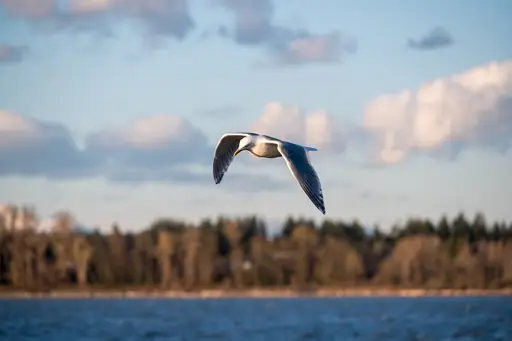
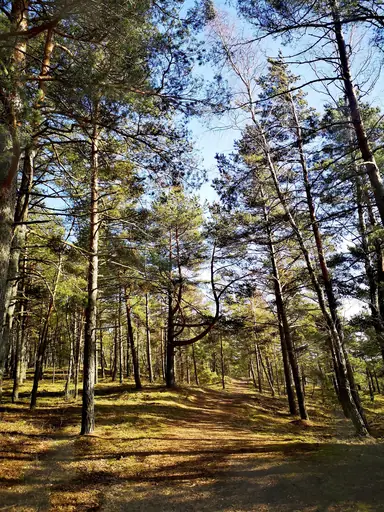
Migration is busiest in spring and autumn. Millions of birds follow this narrow strip of sand dunes between the Baltic Sea and a lagoon. Visitors can watch birds being ringed at the Ventes Ragas station. Dunes, pine forest and small villages are good for walking. Nida is a calm base.
Nature Reserve
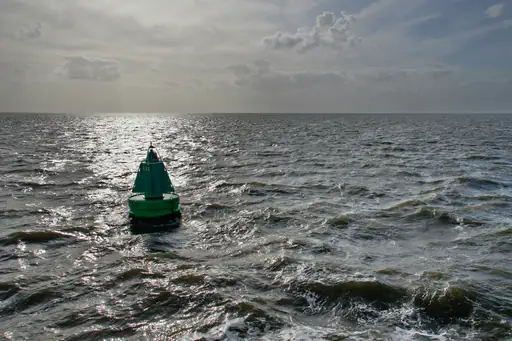
Wadden Sea
World's largest tidal flats ecosystem
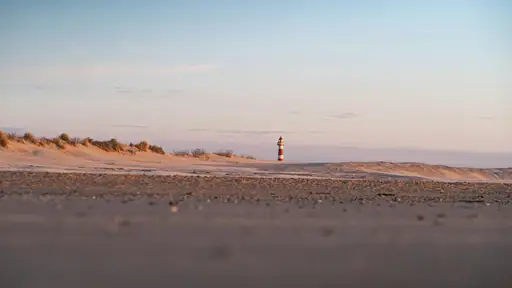
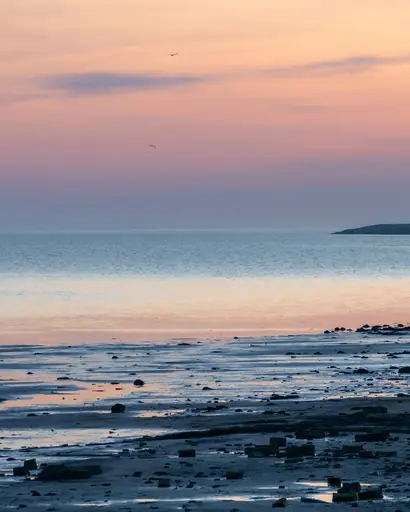
The mudflats stretch for about 500 kilometres along the coasts of the Netherlands, Germany and Denmark. Millions of migrating birds stop here to feed each year. Knots and oystercatchers form huge flocks at high tide. Spoonbills and avocets are also common. Guided mudflat walks are popular.

National Park in Spain
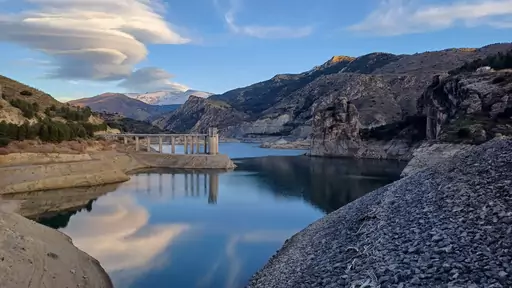
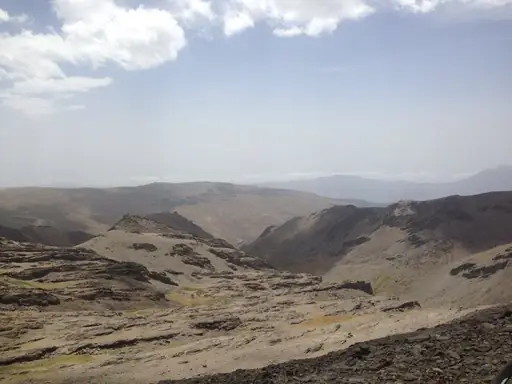
Sierra Nevada National Park
Spain’s Rooftop of Sun and Snow
Compared with the wetlands of Andalusia, this range is a place for mountain birds. Mulhacen reaches 3,479 metres, the highest peak on mainland Spain. Alpine accentors and rock thrushes are found at high elevations. Golden eagles fly above the ridges. Hiking tracks start near the village of Capileira.

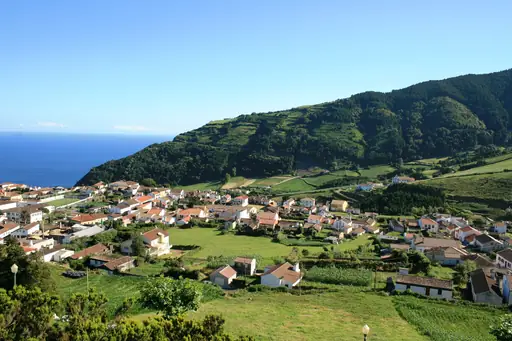
Archipelago in Portugal
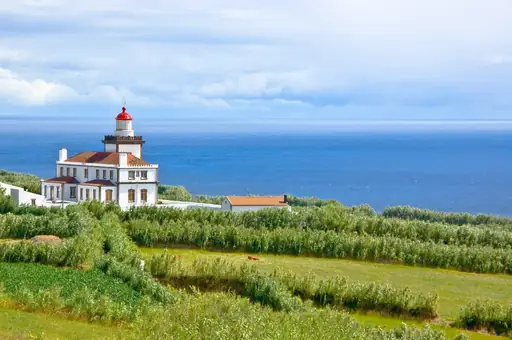
Azores
Volcanic Isles of Atlantic Wonders
Nine volcanic islands sit in the middle of the North Atlantic, far from any continent. Cory's shearwaters nest on the cliffs and follow boats at sea. The Azores bullfinch, found only on Sao Miguel, lives in the laurel forest of the east. Storms in autumn sometimes bring rare American birds.
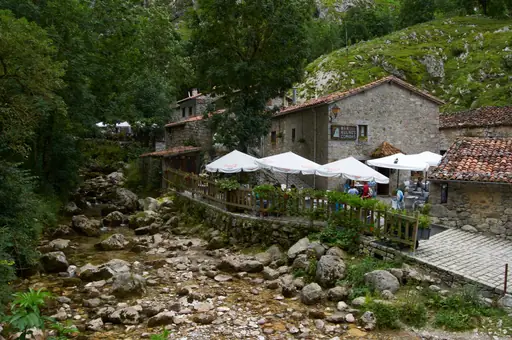

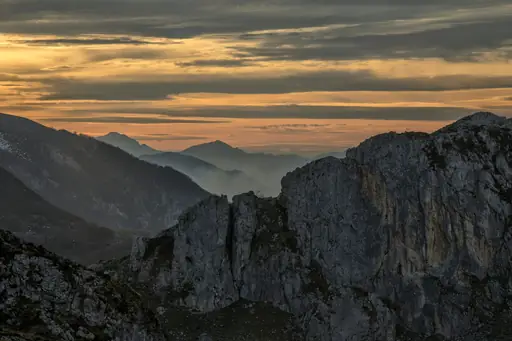
National Park in Spain
Picos de Europa National Park
Jagged Peaks, Deep Gorges, Wild Spain
Birders often start with the Fuente De cable car, which climbs about 750 metres in a few minutes. At the top, alpine choughs and griffon vultures fly beside the cliffs. Wallcreepers and alpine accentors live on the rock faces. Capercaillie live in the beech forests below. Paths are well marked.
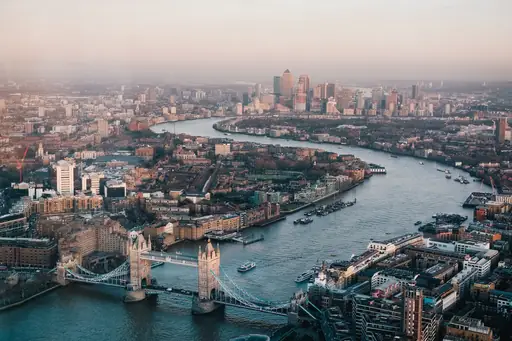


Country in United Kingdom
England
Historic Nation of Timeless Charm
Varied and easy to reach, this country has bird reserves on its coasts and in its wetlands. Minsmere in Suffolk has avocets and bitterns in reed beds. Bempton Cliffs in Yorkshire is white with gannets in summer. Boat trips from the Farne Islands in Northumberland pass puffins.

City in Faroe Islands
Tórshavn
Nordic Charm on Stormy Shores
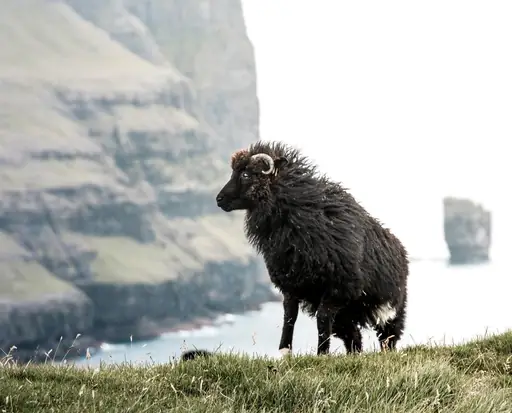
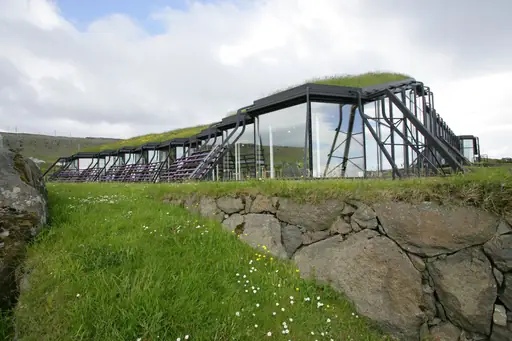
Norse settlers founded this small capital more than a thousand years ago. The oystercatcher, called tjaldur, is the national bird of the Faroes and is seen along the shore. A ferry crosses to Nolsoy island in about 20 minutes. A large colony of storm petrels nests there.

Country
Faroe Islands
Dramatic cliffs meet misty landscapes
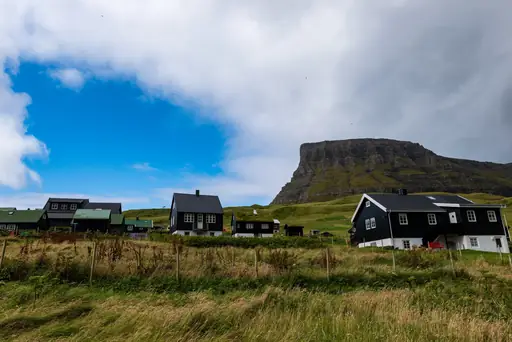
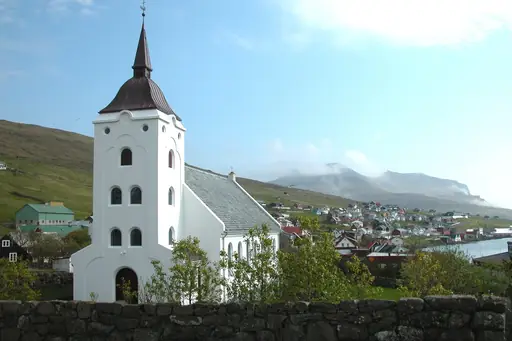
Puffins are on the cliffs from about May to August, when the island of Mykines has the most visitors. A short ferry and a walk lead to colonies of puffins and gannets. Boat trips from Vestmanna pass sea cliffs full of guillemots and kittiwakes. Ferries and buses link the islands.

Region in United Kingdom
Scotland
Mystic Highlands and Historic Castles
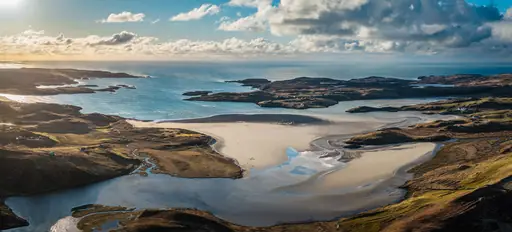
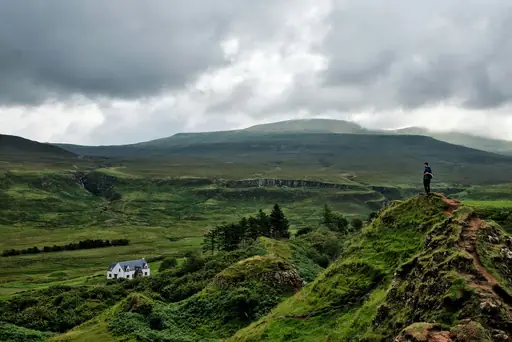
The long coast and many islands of this northern country are full of seabirds. Bass Rock in the Firth of Forth is white with gannets. Ospreys nest at Loch Garten in the Cairngorms. Puffins nest at Sumburgh Head in Shetland. Eagles are seen in the Highlands.



Region in Spain
Extremadura
Rolling hills and historic castles
Wide open plains and oak woods cover much of this large Spanish region. Monfragüe National Park has griffon vultures and black storks above its river gorge. The steppes near Trujillo have great bustards. Cranes spend winter on the oak pastures. Spanish imperial eagles are also found in the region.



Region in Finland
Lapland
Northern lights and midnight sun
A local habit is to climb free bird towers beside wetlands for a wide view. In Lapland these towers look over marshes with cranes, whooper swans and bluethroats. Siberian jays visit forest picnic spots. In early summer the sun barely sets, so birding can last into the night.



City in Norway
Tromsø
Arctic Lights, Culture and Wild Beauty
Arctic and dramatic, this city lies above the Arctic Circle between mountains and fjords. White tailed eagles are seen along the fjords. Boat trips go to Fugloya, an island with seabird cliffs. Sea ducks such as eiders are seen along the shore in winter. Guides run small group tours.


Mountain
Pyrenees
Where France meets Spain majestically
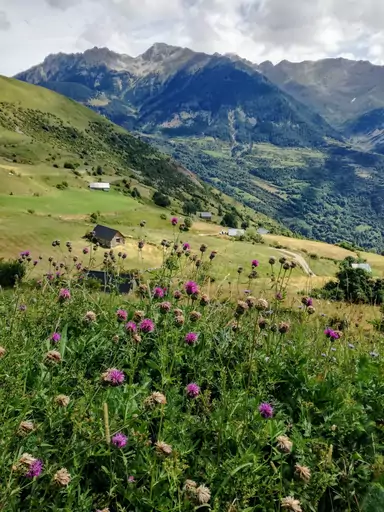
Unlike the Alps, these mountains feel quiet and wild. Bearded vultures, also called lammergeiers, can be seen at feeding stations. Wallcreepers climb the rock faces like small red and grey butterflies. Capercaillies live in the pine forests. Trails in Ordesa National Park are well marked.
Other lists you may like
Discover
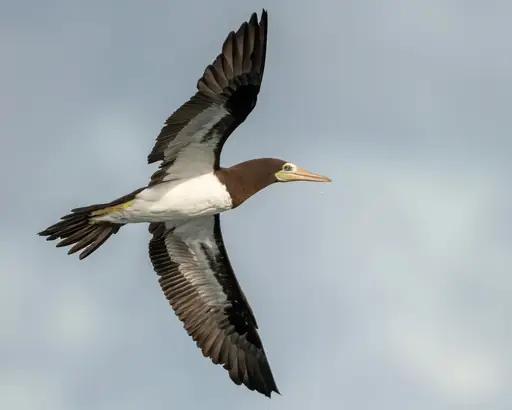
Top birdwatching destinations and avian hotspots
Birdwatching has a way of changing how you travel. Once you start paying attention to what's flying, perching and calling overhead, a destination opens up in ways that a standard…
Read more
Discover
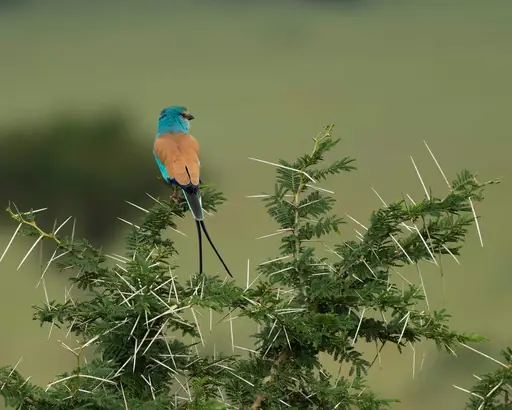
Best birdwatching destinations in Africa
Africa is in a different category as a birdwatching destination. The continent holds over 2,300 species, many of them found nowhere else on earth, and the range of habitats on…
Read more
Discover
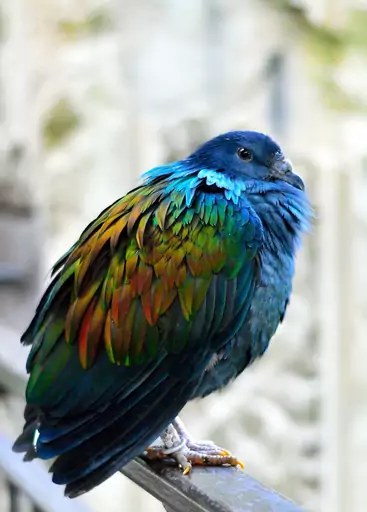
Best birdwatching destinations in Asia
Asia is the largest continent on earth and its birdlife reflects that scale. With over 4,000 species recorded across its habitats, it holds more birds than any other continent,…
Read more
Discover
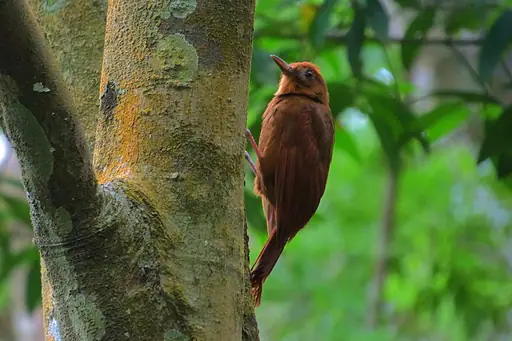
Best birdwatching destinations in North America
North America has one of the most developed birdwatching cultures in the world, and the continent's birdlife justifies it. With over 900 species recorded in the United States and…
Read more
Discover
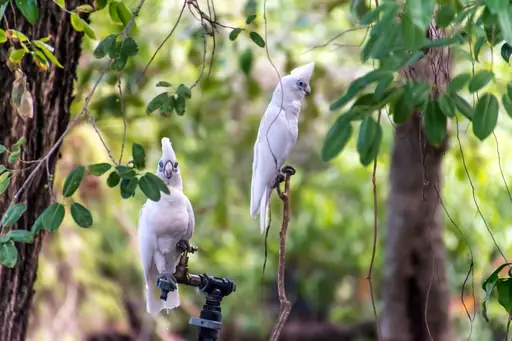
Best birdwatching destinations in Oceania
Oceania is one of the most compelling regions on earth for birdwatching, largely because of the extraordinary levels of endemism produced by millions of years of island isolation.…
Read more
Discover
Best birdwatching destinations in South America
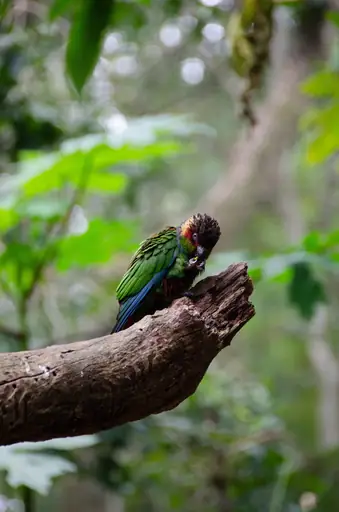
South America is the undisputed capital of global birdwatching. The continent holds more bird species than any other, with over 3,400 recorded, and the levels of endemism in…
Read more
What other users say about travelfilters
“travelfilters made it easy for me to find ski areas and compare what else they offer, so that I could find the best place for my personal travel style.”

Chris
Snowboarding & Onsen trip to Japan
“I love how transparent the data feels. There is no pushy upsell, just honest information and settings I can tune to my own travel style.”

Maria
After booking her 2027 winter escape
“The level of detail for each destination and how well those are displayed, make planning feel confident instead of overwhelming.”

Mina
Planned a week in New York City
“We used travelfilters for our planning from start to end. The trip turned out even better than expected, thanks to all their tools and customisation options.”

Allan & Etienne
Trip to Japan to see autumn foliage
“Thanks to travelfilters, I found some hidden gems to see. Being able to filter for exactly your interests is a game changer for my travel planning.”

Michael
Tour through the old cities of Northern Italy
“The customizable filters helped me find a quiet beach town with good wifi and low season crowds in under five minutes.”

Diego
Weekend Escape to Llanes, Spain
“The airport connection map saved me hours by showing good flight options from my home airport to lesser-known cities.”

Nguyen
Planning a 2027 trip to France
“The website is clean, fast and focused on the search itself, which makes travelfilters feel more like a professional tool than an ad-heavy booking site.”

Hassan
Christmas Market trip, Germany
