
Best birdwatching destinations in Africa
Best birdwatching destinations in Africa
Rare endemic species and major migratory flyways in Africa
Africa is in a different category as a birdwatching destination. The continent holds over 2,300 species, many of them found nowhere else on earth, and the range of habitats on offer is extraordinary. Equatorial rainforest, East African savanna, Saharan desert edges, Rift Valley lakes, Atlantic and Indian Ocean coastlines, each ecosystem comes with its own cast of species and its own rhythm of activity.
Migration plays a role here too, with millions of Palearctic migrants wintering across the continent every year, adding to already impressive resident populations. Some of Africa's most sought-after birds are genuinely difficult to find, requiring specialist knowledge, patience, and sometimes serious logistical effort to reach the right habitat at the right time. That challenge is a large part of the appeal for serious birders.
The continent also offers something that's harder to quantify. Birdwatching in Africa often happens alongside remarkable wildlife more broadly, in landscapes that feel genuinely wild in a way that's increasingly rare elsewhere. Whether you're targeting a specific family of endemics or simply want to experience birdwatching on a scale that's hard to find anywhere else, Africa delivers at every level.
Lists by region
Nature Reserve in Kenya
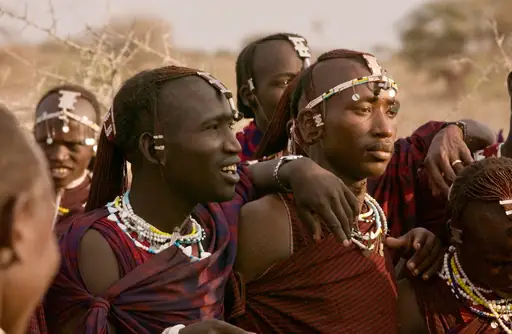
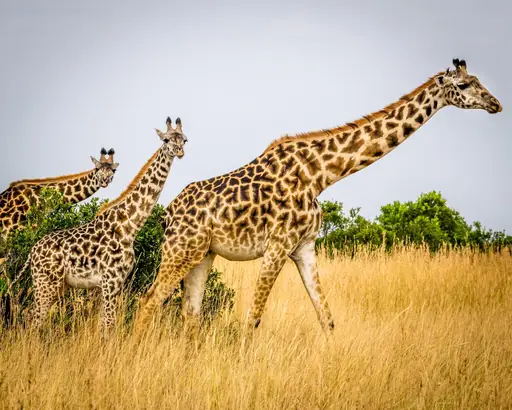
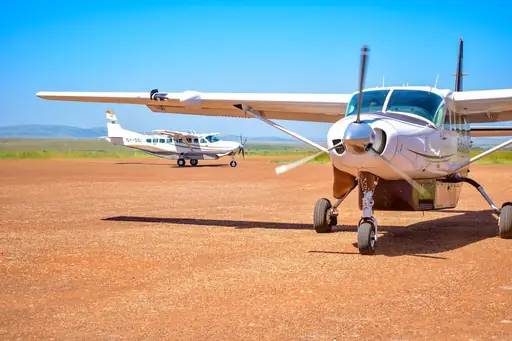
Maasai Mara National Reserve
Witness the Great Migration
Vultures beat their wings and ground hornbills call across the grass at dawn, when secretary birds stride in search of snakes. The reserve was set aside as a wildlife sanctuary in 1961 and has more than 450 bird species, including about 50 kinds of raptors, birds of prey.
National Park in Botswana
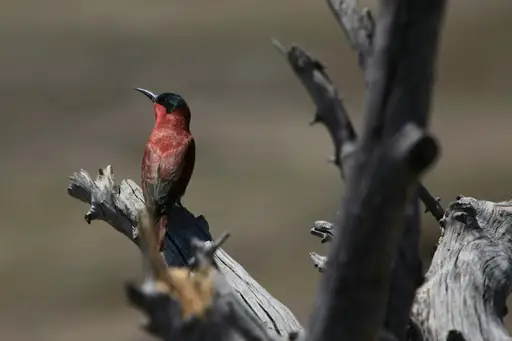
Chobe National Park
Elephant Haven in Botswana
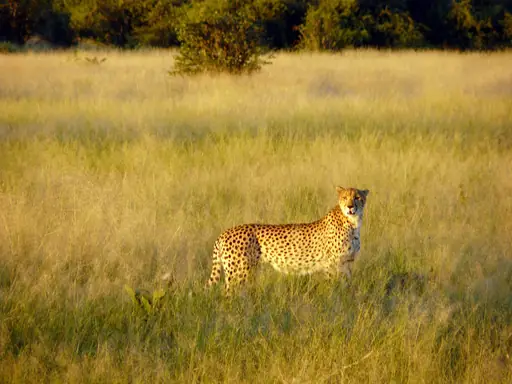
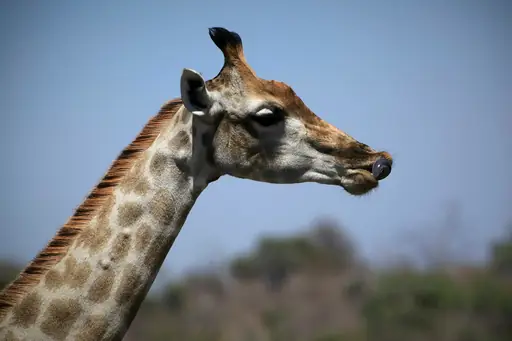
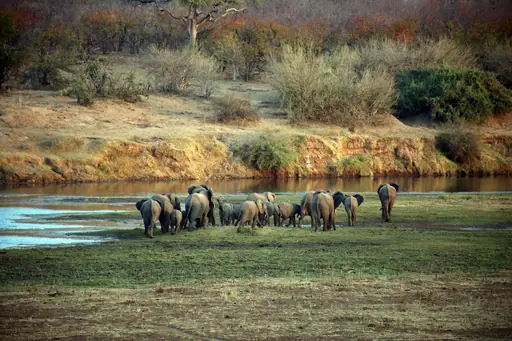
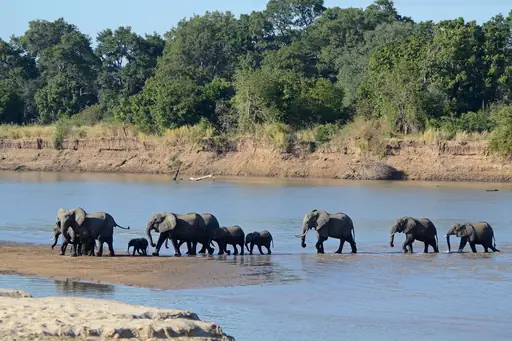
Along the Chobe River at the northern edge of Botswana, boats pass sandbanks with African skimmers, saddle billed storks and fish eagles, while the park has more than 450 bird species. From August to November carmine bee-eaters, bright pink and red birds, nest in colonies in the riverbank.

National Park in Kenya
Amboseli National Park
Elephants Against Kilimanjaro's Backdrop
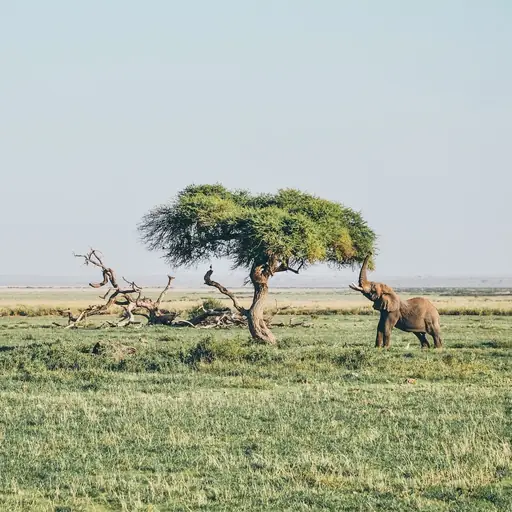
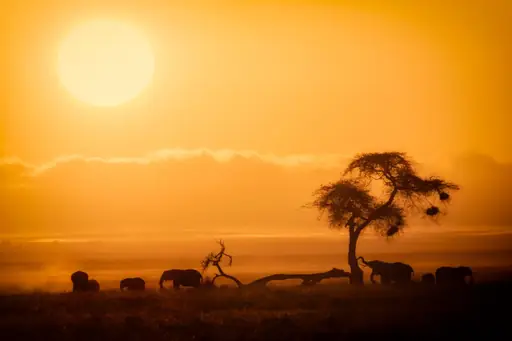
The Enkongo Narok swamp, fed by melting snow from Mount Kilimanjaro, has pelicans, crowned cranes, egrets and African spoonbills wading beside elephants. Birders tally more than 400 species in the park while the dry plains have kori bustards, the heaviest flying birds in Africa, as well as tiny pygmy falcons on acacia trees.
National Park in South Africa
Kruger National Park
Where Africa's Big Five Roam Free
The Pafuri area in the far north of Kruger, where the Luvuvhu and Limpopo rivers meet, has fever tree forest with Pel's fishing owls, Boehm's spinetails and racket tailed rollers. Kruger as a whole has about 500 bird species, so the rest camps also have hornbills and starlings at breakfast.
National Park in Tanzania
Serengeti National Park
The Ultimate Safari Adventure
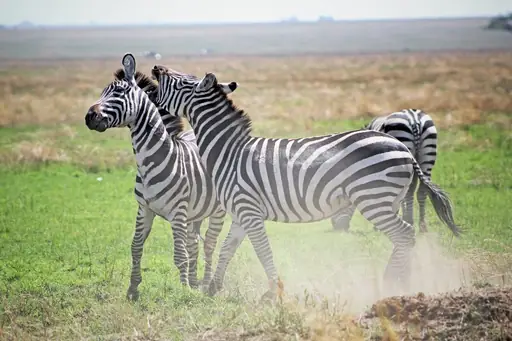
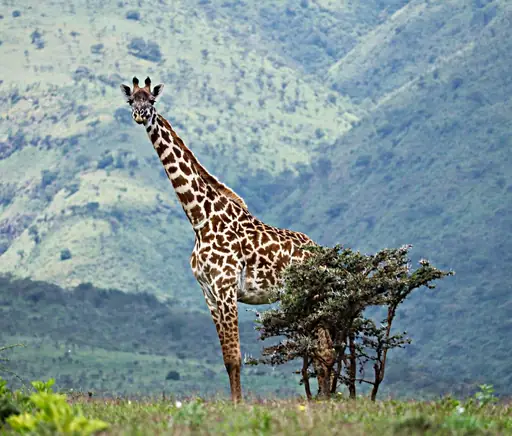
The Maasai called these plains siringet, meaning endless space, while the park now has about 500 bird species, including ostriches, secretary birds and kori bustards on the open grass. Fischer's lovebirds and grey breasted spurfowl are local specialities that birders look for near the kopjes, which are small granite hills.
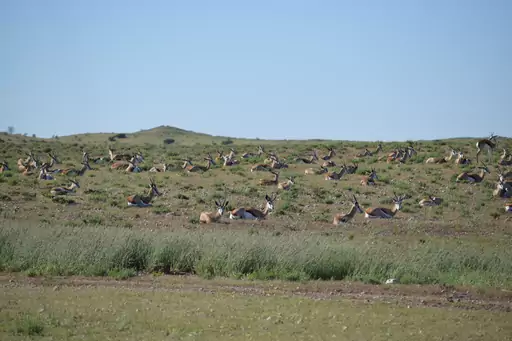
National Park
Kgalagadi Transfrontier Park
Where predators rule the Kalahari
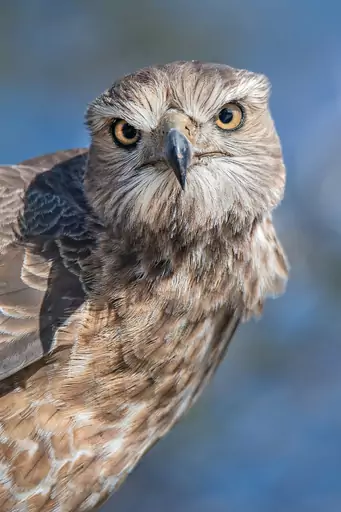
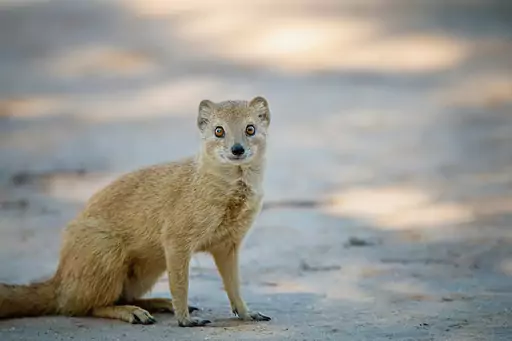
Compared with the wetlands of northern Botswana, the red dunes of Kgalagadi are dry and open, so raptors such as martial eagles, bateleurs and pale chanting goshawks are easy to see on camelthorn trees. Sociable weavers build huge shared nests that hold hundreds of birds while pygmy falcons live inside.
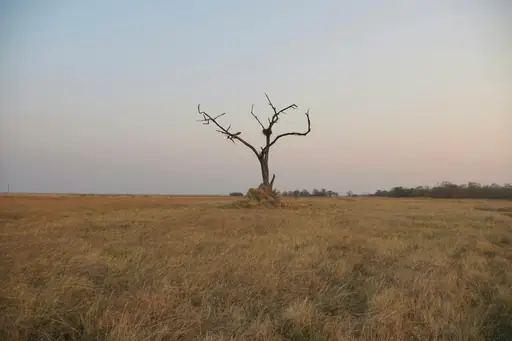
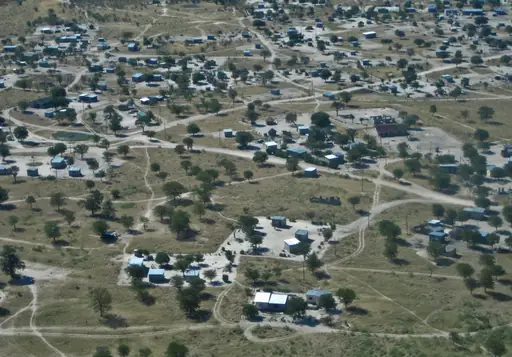
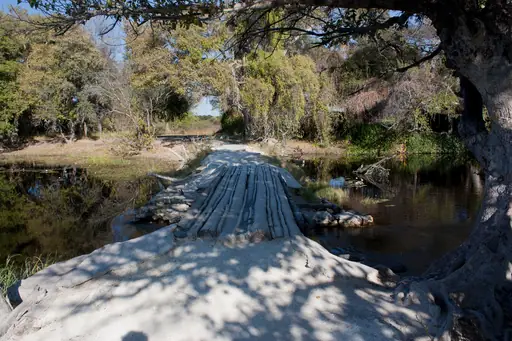
Nature Reserve in Botswana
Okavango Delta
Africa’s Uncharted Water Wilderness
Like a green oasis in the Kalahari Desert, the Okavango Delta has more than 400 bird species that gather in the channels and lily covered lagoons. Guides pole mokoro, narrow dugout style canoes, through the reeds to find Pel's fishing owls, slaty egrets and wattled cranes.
Country
Namibia
Desert wilderness meets wildlife wonders
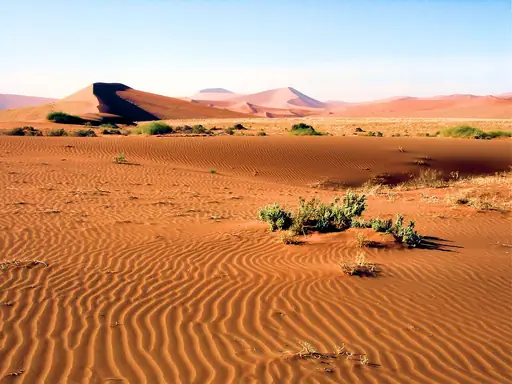
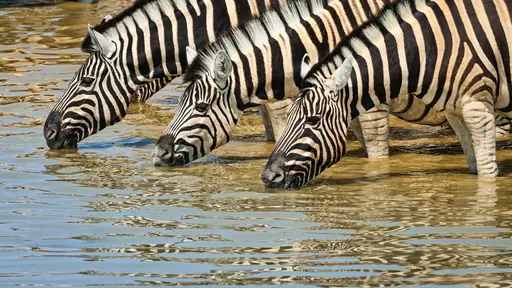
May to September is the dry season, when birds gather at the few waterholes and the Walvis Bay lagoon on the coast has thousands of flamingos and pelicans. Birders also look for the dune lark, a small bird found only in the Namib dune belt, while Hartlaub's francolin lives in the rocky north.
National Park in Namibia
Etosha National Park
Namibia's Wildlife Sanctuary
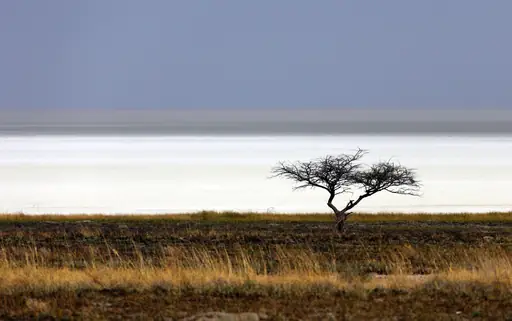
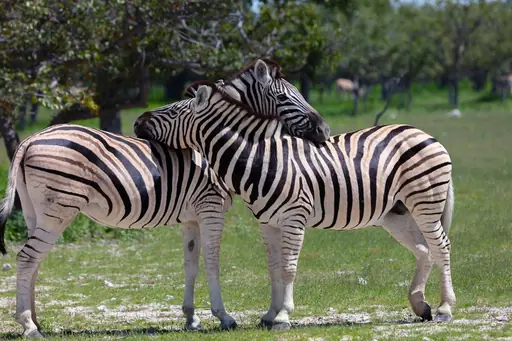
From November to April summer rains and migrants arrive, so the waterholes have visitors from Europe such as European bee-eaters and steppe eagles, along with local birds like the colourful lilac breasted roller. When rain fills the huge Etosha Pan, flamingos gather in the shallows.

Country
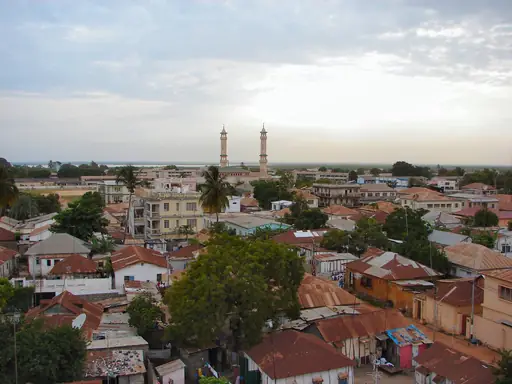
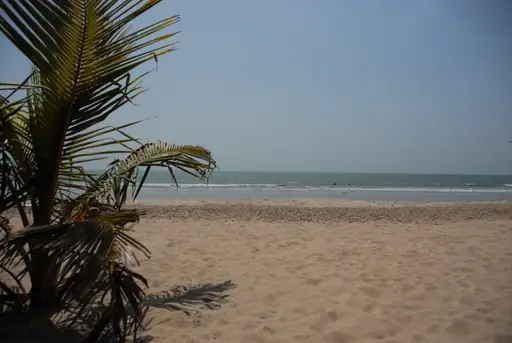
Gambia
Africa's smiling coast river paradise
Licensed local bird guides lead walks at Abuko Nature Reserve and Tanji Bird Reserve, where they know where to find giant kingfishers, Egyptian plovers and Pel's fishing owls. A small country with more than 550 bird species, Gambia has direct flights from Europe and short drives between sites.
National Park in Zambia
South Luangwa National Park
Walking Safaris and Wild Encounters
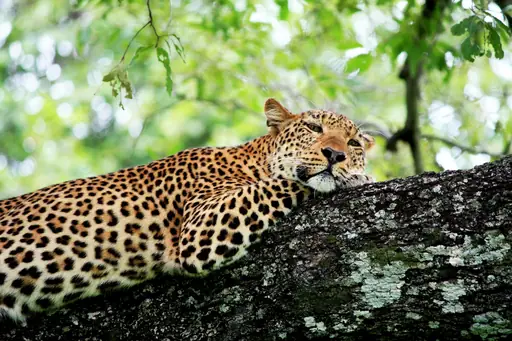
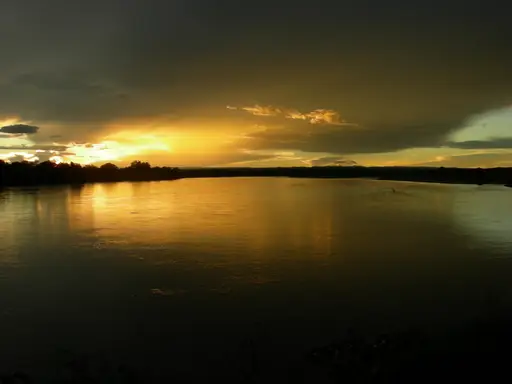
On the Luangwa River in eastern Zambia, the park has oxbow lagoons and riverbank cliffs where carmine bee-eaters nest by the thousands from August to November. The park has about 400 bird species while birders also look for Pel's fishing owls and Lilian's lovebirds in the mopane woods.
National Park in Zimbabwe
Hwange National Park
Elephant Herds and Wild Horizons
Birders stand on the Nyamandlovu viewing platform above a waterhole where hundreds of birds and elephants gather to drink in the dry season. Hwange has about 400 bird species, including southern ground hornbills, bateleur eagles and the pennant winged nightjar, which visits from November to March.
Nature Reserve in South Africa
Ukhahlamba Drakensberg Park
Barrier of spears touching sky
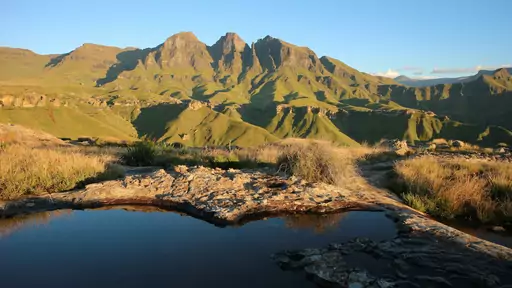
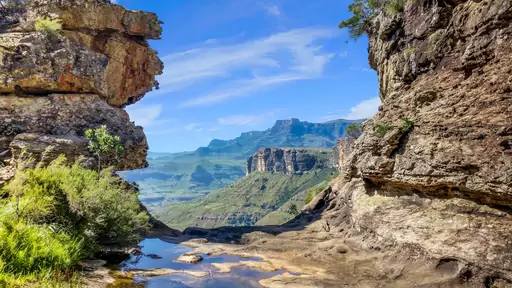
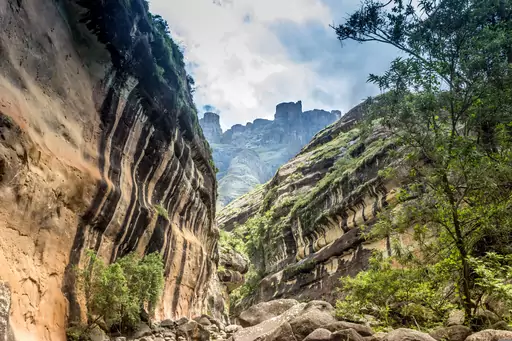
Unlike the flat game parks of the lowlands, the Drakensberg is a tall wall of basalt cliffs where bearded vultures ride the wind. At Giant's Castle birders sit close to them in a hide where bones are put out in winter, while Drakensberg rockjumpers hop on boulders above the grassy slopes.
National Park in Uganda
Bwindi Impenetrable National Park
Gorilla Encounters in Ancient Forest
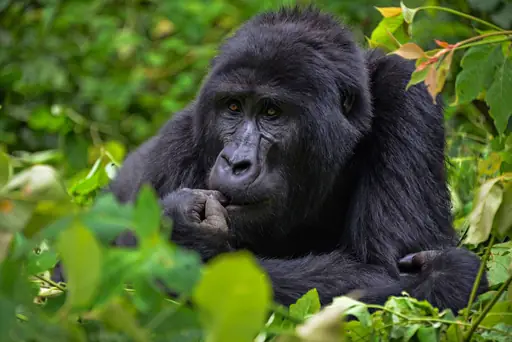
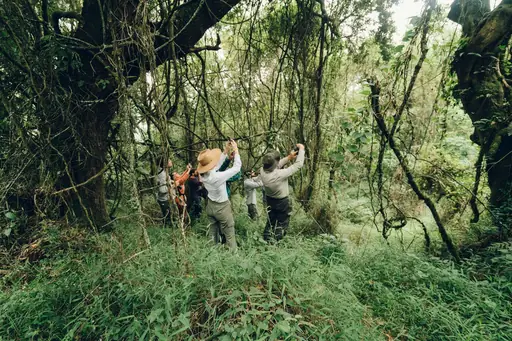
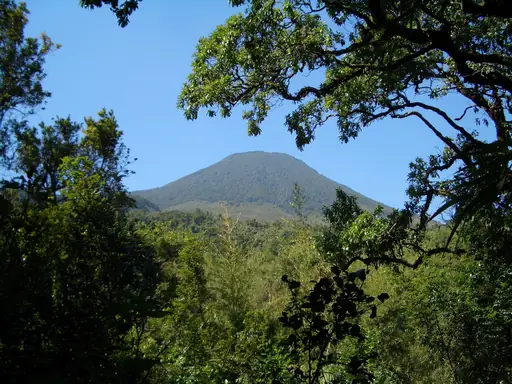
Bwindi became a national park in 1991 to protect an ancient forest with about 350 bird species, including 23 that live only in the Albertine Rift mountains. Birders walk the Ruhija trails for the African green broadbill and Shelley's crimsonwing while mountain gorillas feed in the mist below.


Country
São Tomé and Príncipe
Equatorial paradise with volcanic landscapes
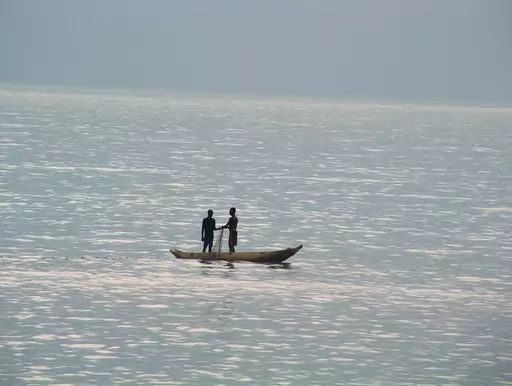
Obo Natural Park has cloud forest where the giant sunbird and the Sao Tome ibis, also called the dwarf olive ibis, live among tree ferns. The two islands in the Gulf of Guinea have about 28 bird species found nowhere else, so rare birds are found within a small area.


Region in South Africa
KwaZulu-Natal
Where Wild Beauty Meets Coastal Bliss
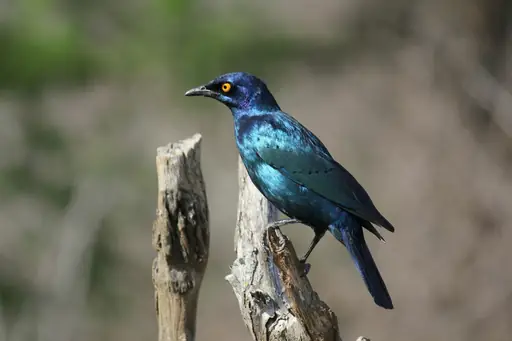
Hluhluwe and Imfolozi were set aside as game reserves in 1895, so the forests there still shelter about 340 bird species. On Lake St Lucia boats pass pink backed pelicans and flamingos, while Ndumo Game Reserve to the north is known for Pel's fishing owl and the pink throated twinspot.
Country
Uganda
Pearl of Africa's diverse landscapes
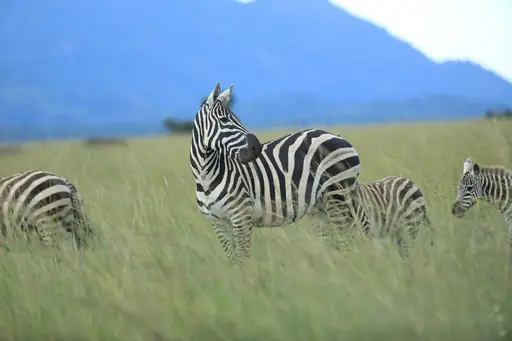
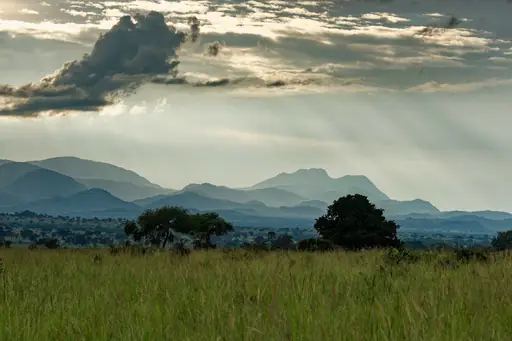
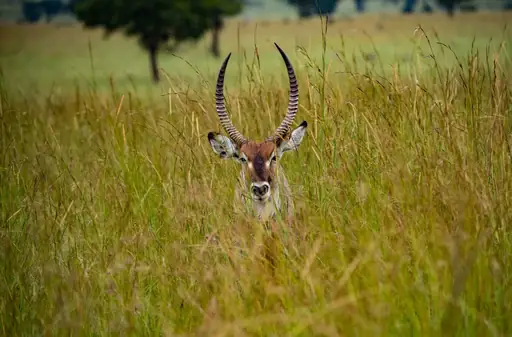
Local guides at Mabamba Swamp near Entebbe paddle birders in wooden canoes through papyrus at dawn to find the shoebill, a huge grey bird with a bill shaped like a shoe. The country has more than 1,000 bird species, with Queen Elizabeth National Park and Kibale Forest adding many more.
National Park in Tanzania
Tarangire National Park
Elephant Paradise with Baobab Backdrops
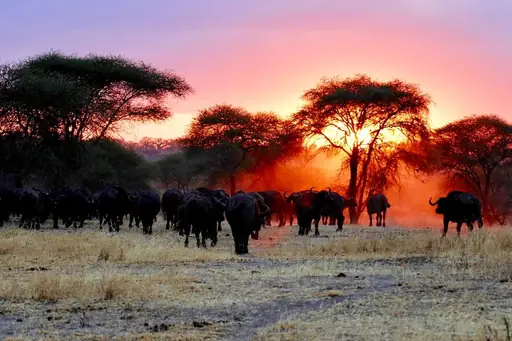
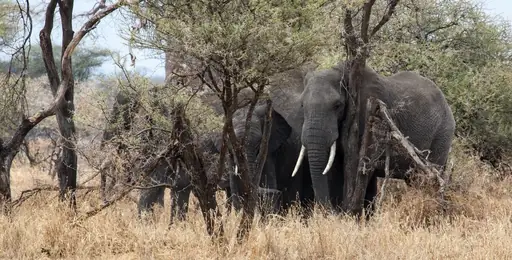
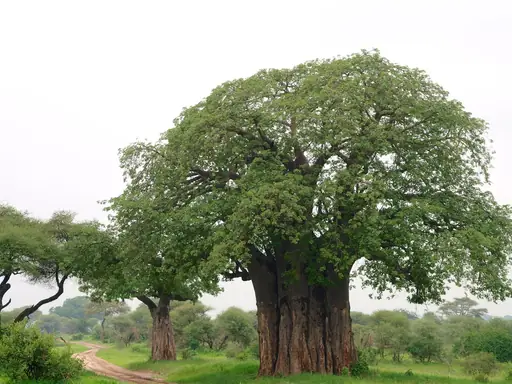
In the dry months from June to October birds crowd the banks of the Tarangire River, where the park has about 550 species. Yellow collared lovebirds and ashy starlings feed in the dry woodland while hornbills nest in the hollow trunks of giant baobab trees.

Country
Madagascar
Unique biodiversity meets diverse landscapes
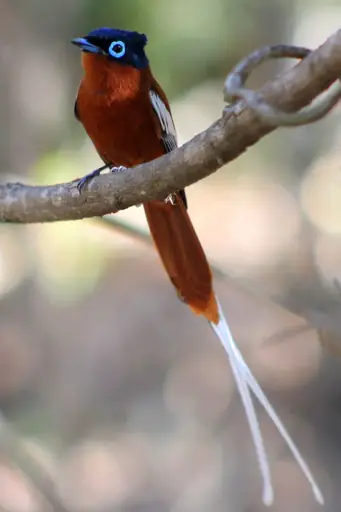
Separated from Africa about 160 million years ago, the island has more than 100 bird species found nowhere else, including mesites, ground rollers and vangas. Birders listen for calls in the rain forests of Ranomafana and Andasibe while guides point out couas, large cuckoos that run along the forest floor.
National Park in Ethiopia
Simien National Park
Jagged peaks of ancient wilderness
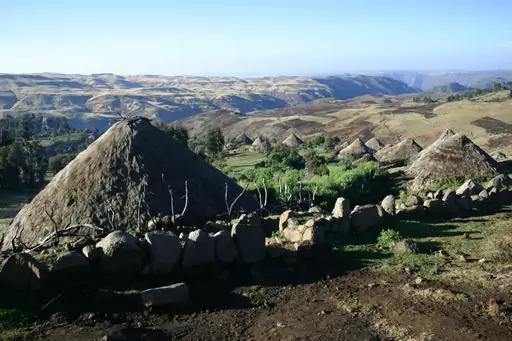
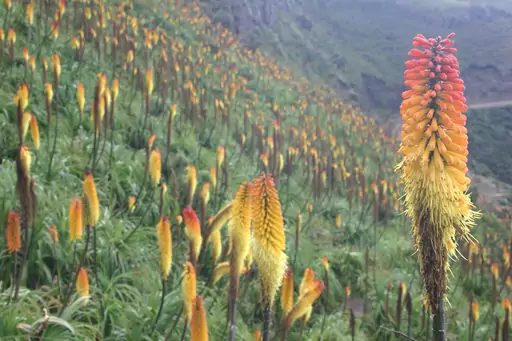
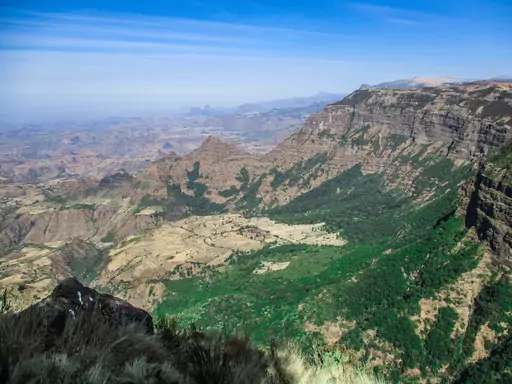
Cold air and the croak of thick billed ravens are part of any walk along the cliffs of the Simien escarpment, which has drops of more than a mile. Lammergeiers, large vultures with a beard of black feathers, ride the wind above gelada monkeys while wattled ibis and black winged lovebirds live here.



Country
Central African Republic
Untouched wilderness with diverse ecosystems
The screeching of African grey parrots rises over Dzanga Bai, a forest clearing in the Dzanga Sangha reserve, where hundreds gather at mineral springs along with forest elephants. Hornbills and the great blue turaco live in the rain forest nearby, while visitor numbers are very low so trips are arranged with local guides.
Nature Reserve in Tanzania
Ngorongoro Conservation Area
Nature's Untamed Sanctuary
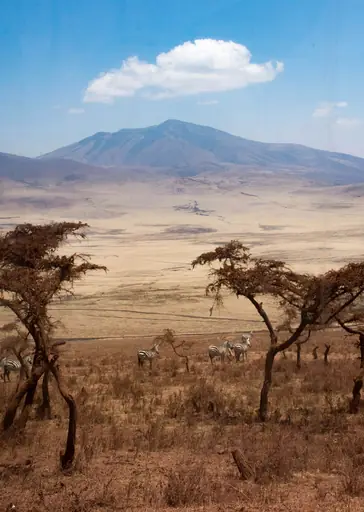
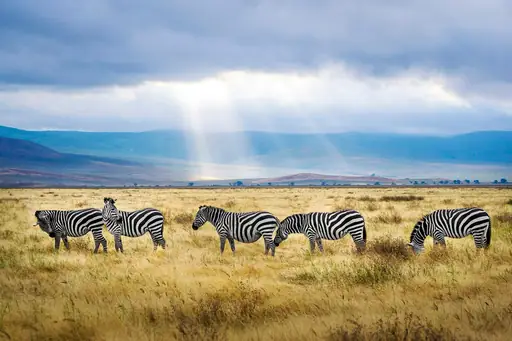
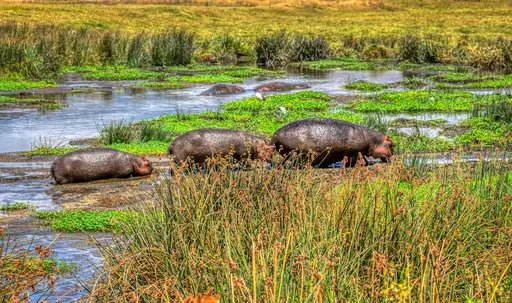
Maasai herders graze their cattle on the grassy rim of the crater, which is a conservation area where people live beside wildlife, while the floor below has about 500 bird species. Lake Magadi on the crater floor has flocks of flamingos and the grasslands have kori bustards, secretary birds and crowned cranes.
Other lists you may like
Discover
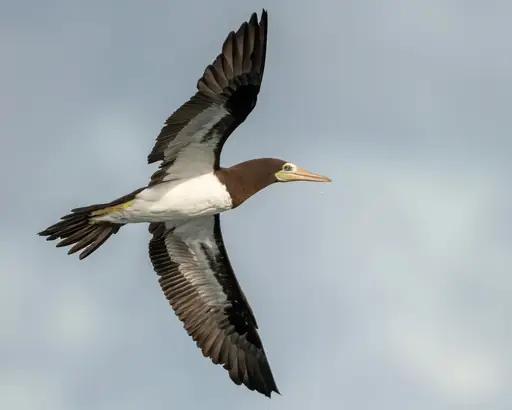
Top birdwatching destinations and avian hotspots
Birdwatching has a way of changing how you travel. Once you start paying attention to what's flying, perching and calling overhead, a destination opens up in ways that a standard…
Read more
Discover
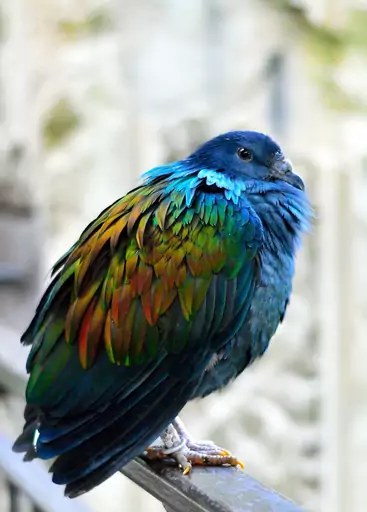
Best birdwatching destinations in Asia
Asia is the largest continent on earth and its birdlife reflects that scale. With over 4,000 species recorded across its habitats, it holds more birds than any other continent,…
Read more
Discover
Best birdwatching destinations in Europe
Europe may not have the sheer species numbers of the tropics, but it offers far more than most visitors expect as a birdwatching destination. The continent sits at the intersection…
Read more
Discover
Best birdwatching destinations in North America
North America has one of the most developed birdwatching cultures in the world, and the continent's birdlife justifies it. With over 900 species recorded in the United States and…
Read more
Discover
Best birdwatching destinations in Oceania
Oceania is one of the most compelling regions on earth for birdwatching, largely because of the extraordinary levels of endemism produced by millions of years of island isolation.…
Read more
Discover
Best birdwatching destinations in South America
South America is the undisputed capital of global birdwatching. The continent holds more bird species than any other, with over 3,400 recorded, and the levels of endemism in…
Read more
What other users say about travelfilters
“travelfilters made it easy for me to find ski areas and compare what else they offer, so that I could find the best place for my personal travel style.”

Chris
Snowboarding & Onsen trip to Japan
“I love how transparent the data feels. There is no pushy upsell, just honest information and settings I can tune to my own travel style.”

Maria
After booking her 2027 winter escape
“The level of detail for each destination and how well those are displayed, make planning feel confident instead of overwhelming.”

Mina
Planned a week in New York City
“We used travelfilters for our planning from start to end. The trip turned out even better than expected, thanks to all their tools and customisation options.”

Allan & Etienne
Trip to Japan to see autumn foliage
“Thanks to travelfilters, I found some hidden gems to see. Being able to filter for exactly your interests is a game changer for my travel planning.”

Michael
Tour through the old cities of Northern Italy
“The customizable filters helped me find a quiet beach town with good wifi and low season crowds in under five minutes.”

Diego
Weekend Escape to Llanes, Spain
“The airport connection map saved me hours by showing good flight options from my home airport to lesser-known cities.”

Nguyen
Planning a 2027 trip to France
“The website is clean, fast and focused on the search itself, which makes travelfilters feel more like a professional tool than an ad-heavy booking site.”

Hassan
Christmas Market trip, Germany
