Back to grid

Best winter sports destinations in Europe

Zermatt
Alpine Magic and the Matterhorn
9.3
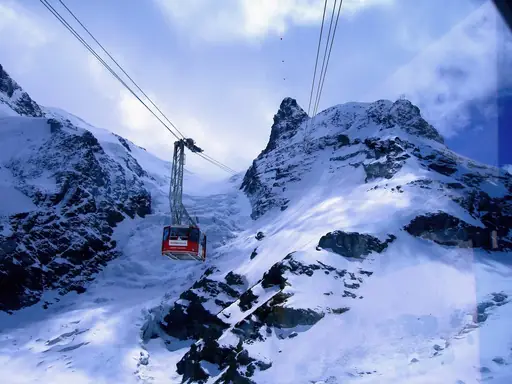
Zermatt grew from a farming village into a mountaineering hub after climbers attempted the Matterhorn in the 1800s. Edward Whymper's party reached the summit in 1865, though four died on the descent. The village banned combustion-engine cars early on, relying instead on electric vehicles. Zermatt's slopes now offer glacier skiing through much of the year.
Highlights:
  • ❄️ Visit Matterhorn Glacier Paradise, Europe’s highest cable car
  • 🏞️ Hike to Riffelsee Lake and see the Matterhorn’s reflection
  • 🚞 Ride the Gornergrat Railway for stunning Matterhorn views
Cortina d'Ampezzo
Dolomite Peaks, Alpine Glamour, Adventure
8.6
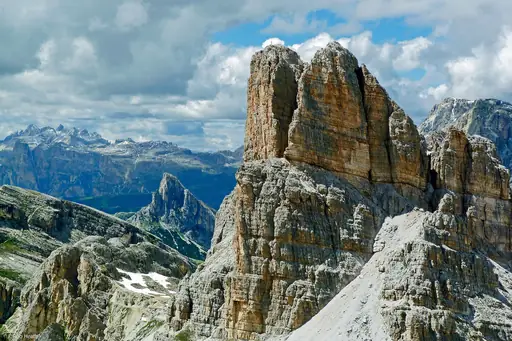
Cortina d'Ampezzo hosted the 1956 Winter Olympics, drawing international attention to the Dolomites. Its pastel-coloured buildings reflect a history shaped by both Austrian and Italian rule. The town will co-host the 2026 Winter Olympics alongside Milan. Pale rock spires surrounding the valley give the resort its dramatic alpine backdrop.
Highlights:
  • 🚡 Take a cable car to Rifugio Lagazuoi for panoramic views
  • 🪨 Explore Cinque Torri rock formations and WWI open-air museum
  • 🏞️ Hike to the stunning Lago di Sorapiss turquoise waters
St. Moritz
Alpine Glamour and Winter Magic
8.3
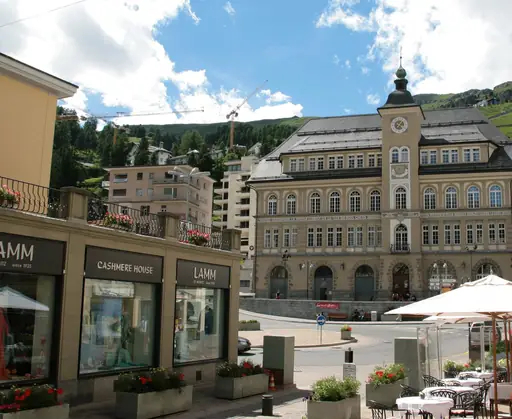
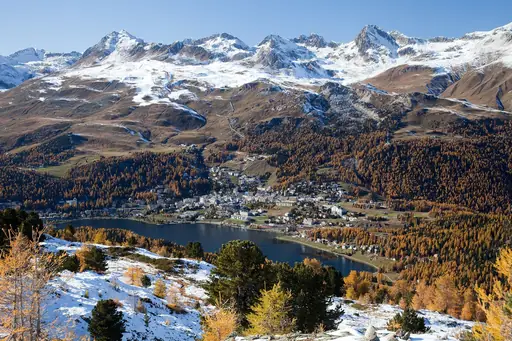
St. Moritz hosted the Winter Olympics twice, in 1928 and again in 1948. British tourists popularised winter sports here after trying tobogganing on a hotel wager in 1864. The Cresta Run, a natural ice toboggan track, has operated since 1884. St. Moritz later became known for polo matches played directly on its frozen lake.
Highlights:
  • ♨️ Relax at the luxurious St. Moritz thermal spa
  • 🏔️ Take in panoramic views from Piz Corvatsch peak
  • ⛷️ Ski pristine slopes at Corviglia and Piz Nair
Saas-Fee
Glaciers, Peaks and Alpine Serenity
8.8
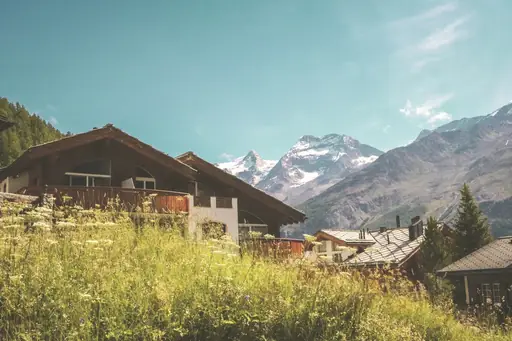
Saas-Fee sits ringed by thirteen peaks over 4,000 metres, earning it a nickname as the Pearl of the Alps. Mountaineers based glacier expeditions here well before skiing arrived. A funicular built into the mountain gave the resort a station inside the ice. The village has kept cars out of its centre since tourism began.
Highlights:
  • ❄️ Visit the fascinating Ice Pavilion inside Feegletscher glacier
  • 🚡 Ride the Metro Alpin, highest underground funicular
  • 🎿 Ski on the glacier at Saas-Fee Ski Resort
Verbier
Alpine Paradise with Epic Views
8.2
Verbier grew from a scattering of mountain farms into a resort after a lift opened there in 1950. Steep off-piste terrain later drew freeride skiers from across Europe. The resort became a fixture on the Freeride World Tour circuit decades later. Chalets in the village sit alongside older farm buildings from before the ski era.
Highlights:
  • 💆‍♀️ Relax at a luxury mountain spa after a day on the slopes
  • 🚠 Ride the cable car to Mont Gelé for off-piste adventure
  • 🎿 Ski the famed Mont Fort slopes with panoramic Alps views
Kitzbühel
Alpine Elegance Meets Outdoor Adventure
8.5
Kitzbuhel's Hahnenkamm downhill race has run since 1931, among the most demanding events on the World Cup circuit. Miners once worked silver and copper deposits in the surrounding mountains centuries earlier. The old town's painted facades predate skiing by hundreds of years. Kitzbuhel's ski history traces to an early Austrian ski club, founded in 1893.
Highlights:
  • 🏘️ Explore Kitzbühel’s charming old town streets
  • 🥾 Hike to the peak of Kitzbüheler Horn for views
  • 🎿 Ski on the legendary Hahnenkamm downhill course
Åre
Sweden’s Alpine Playground, Year-Round
8.5
Are grew into one of Sweden's earliest purpose-built ski resorts after lifts opened there in the 1940s. A former mining and farming village, it later expanded around a scenic lake and mountain. Are hosted the Alpine World Ski Championships in 2007 and 2019. Its slopes now rank among the most extensive in Scandinavia.
Highlights:
  • 🌲 Experience thrilling ziplining through boreal forests
  • 🥾 Hike Åreskutan mountain and enjoy panoramic views
  • 🎿 Ski or snowboard on Scandinavia's largest slopes
Ischgl
Alpine Thrills and Après-Ski Legends
8.2
Ischgl developed as a farming village before its earliest cable car opened in 1963. Slopes here connect across the border into Samnaun in neighbouring Switzerland. The resort became known for large concerts staged at the close of each season. Ischgl's runs sit largely above 2,000 metres, keeping snow reliable into spring.
Highlights:
  • ♨️ Relax at Silvretta Therme spa with pools and saunas
  • 🎤 Experience the renowned Top of the Mountain concert events
  • ⛷️ Ski the extensive slopes of the Ischgl-Samnaun Ski Area
Alpe d'Huez
Legendary Cycling and Alpine Skiing Paradise
7.4
Alpe d'Huez grew from a small farming hamlet into a resort after a ski lift opened there in 1936. The Tour de France has climbed its 21 hairpin bends many times since 1952. Wide, sunny slopes earned it the nickname 'Island in the Sun.' Marked pistes now spread across its high alpine bowl.
Highlights:
  • 🏔️ Enjoy panoramic views from Pic Blanc summit
  • 🚴‍♂️ Cycle the 21 famous hairpin bends from Bourg d’Oisans
  • 🎿 Ski the legendary slopes of Alpe d’Huez in winter
Lech and Zürs am Arlberg
Alpine luxury meets skiing heritage
8.2
Lech and Zurs both trace their ski history to Arlberg ski schools founded in the early 1900s. Hannes Schneider, a pioneering instructor, developed influential techniques taught throughout the region. Farming villages here grew slowly into resorts through the following decades. Lech later became a favourite winter retreat of European royalty.
Highlights:
  • 🚠 Ride the Rüfikopf gondola for panoramic alpine views
  • 🚶‍♂️ Hike or bike the scenic Green Ring art trail
  • 🎿 Ski the famous White Ring circuit in winter
Méribel
Heart of Three Valleys ski paradise
7.5
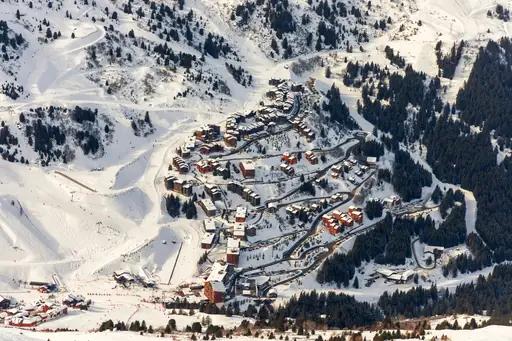
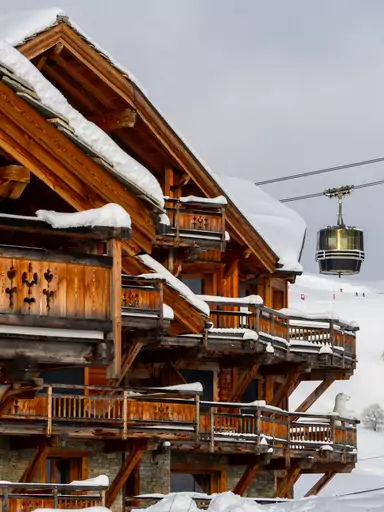
British aristocrat Peter Lindsay founded Meribel in 1938 after searching the Alps for a suitable valley. He wanted a resort built with traditional chalet-style architecture rather than modern towers. Meribel became one of the founding resorts within the Three Valleys ski area. Wooden chalets throughout the village still follow that original architectural rule.
Highlights:
  • 🍷 Enjoy après-ski dining and wine in cozy chalets
  • 🚠 Ride the Saulire Express for sweeping Alpine panoramas
  • 🎿 Ski the slopes of Méribel in the vast Trois Vallées
St. Anton am Arlberg
Cradle of alpine skiing paradise
8.1
St. Anton became a hub of alpine ski instruction after Hannes Schneider founded a ski school there in 1921. His method spread across Europe and beyond from that village. A railway tunnel completed in 1884 had already opened the valley to outside visitors. St. Anton's steep runs later earned it a reputation among expert skiers.
Highlights:
  • 🚠 Ride the Galzigbahn cable car for scenic alpine views
  • 🍻 Apres-ski and enjoy live music at mountain bars
  • 🎿 Ski the legendary slopes of the Arlberg ski region
Tignes
Year-Round Glacier Skiing Paradise
7.8
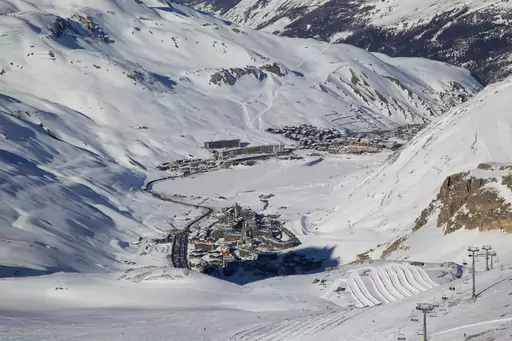
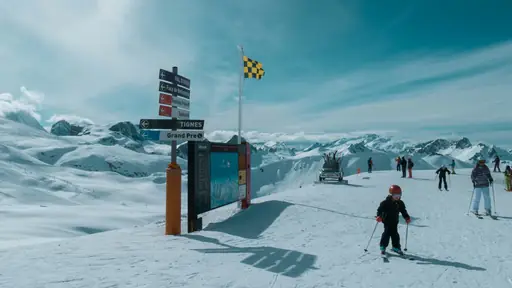
Tignes was rebuilt on higher ground after its original village was flooded for a dam in 1952. The resort's glacier terrain has kept it open for skiing during parts of summer. Tignes forms one half of the Espace Killy, named for skier Jean-Claude Killy. A chapel from the flooded village was rebuilt above the town.
Highlights:
  • 🤿 Try ice diving beneath the frozen lake of Tignes
  • 🚠 Take the funicular to Glacier de la Grande Motte
  • 🎿 Ski the extensive slopes of Tignes–Val d’Isère area
Val-d'Isère
Legendary Alpine Skiing with Village Charm
8.0
Val d'Isere grew from a farming hamlet into a resort after French troops trained there during World War II. That training infrastructure later formed the basis of the civilian resort. Jean-Claude Killy trained on its slopes before winning three golds at the 1968 Olympics. Val d'Isere now links with Tignes to form the Espace Killy.
Highlights:
  • 🏘️ Visit the historic village with traditional stone buildings
  • 🥾 Hike scenic trails in Vanoise National Park nearby
  • 🎿 Ski world-class slopes in the Espace Killy ski area
Val Thorens
Europe's highest alpine ski paradise
7.8
Val Thorens opened in 1971 as the highest resort within the Three Valleys ski area. Builders chose a site above the treeline to guarantee reliable snow each season. Modern apartment blocks replaced any earlier village, since none previously existed there. Glacier access above the resort extends the ski season into early summer.
Highlights:
  • 🧗‍♂️ Ice climb frozen waterfalls with professional guides
  • 🪂 Experience the thrill of ziplining above picturesque valleys
  • 🎿 Ski on Europe’s highest ski resort with vast slopes
Courchevel
Luxury alpine paradise year-round
8.2
French planners built Courchevel as one of the earliest purpose-designed ski resorts, starting in 1946. Its short, tilted airstrip is used mainly by small planes and helicopters. The resort forms part of the Three Valleys, a large linked ski area. Courchevel's four villages sit at staggered altitudes up the same mountainside.
Highlights:
  • 💆‍♀️ Relax at luxury spas after a day on slopes
  • 🍹 Enjoy après-ski fun at La Folie Douce
  • 🎿 Ski the extensive 3 Vallées slopes, largest ski area
Les Deux Alpes
Year-Round Glacier Skiing and Adventure
7.5
Les Deux Alpes formed when two neighbouring villages merged their ski operations in the 1930s. Its glacier terrain has kept the resort open for summer skiing since the 1950s. A single long piste connects the resort's upper glacier down to the valley village. Nearby, the Meije massif has drawn mountaineers since the 1800s.
Highlights:
  • 🥾 Hike scenic trails in Écrins National Park
  • ❄️ Explore the ice grotto carved deep in the glacier
  • 🎿 Ski year-round on Europe’s largest skiable glacier
Morzine
Alpine charm meets year-round adventure
7.9
Morzine developed as a farming and cheese-making village before skiing arrived in the 1930s. Its slopes now link into the Portes du Soleil, a large connected ski area. A cable car built during the 1950s opened up higher terrain above the village. Morzine's town centre still keeps much of its traditional Savoyard architecture.
Highlights:
  • 🏔️ Explore Morzine’s charming wooden chalets and mountain cafés
  • 🚠 Ride the Pleney cable car for breathtaking Alpine views
  • 🎿 Ski or snowboard the vast slopes of Portes du Soleil
Ötztal
Majestic alpine valley with crystal lakes
8.6
Otzi the Iceman, a mummified body over 5,000 years old, was found near the Otztal valley in 1991. Farmers and traders crossed the valley's high passes for millennia before skiing arrived. Glacier skiing at Solden extends the resort's season well into autumn. Otztal's ski history began in earnest once lifts were built during the mid-1900s.
Highlights:
  • 🏰 Explore Innsbruck Altstadt, visit Golden Roof and Hofburg
  • 🥾 Hike to Watzmann summit for breathtaking alpine vistas
  • 🏂 Ski down world‑famous slopes of St. Anton am Arlberg
Graubünden
Alpine wonderland with pristine lakes and trails
9.5
Graubunden's mountain resorts trace their roots to 19th-century health tourism drawn by its alpine air. British visitors popularised winter sports here after trying tobogganing in the 1860s. The canton's many valleys now host dozens of interconnected ski areas. Romansh-speaking villages throughout the region still preserve traditions predating the ski industry.
Highlights:
  • 🎨 Visit Sils Maria's vibrant art scene
  • 🚶‍♂️ Hike the scenic Rhine Gorge to witness dramatic cliffs
  • 🏔️ Explore St. Moritz's alpine scenery and luxury boutiques
Les Arcs
Alpine skiing paradise with views
7.9
Planners built Les Arcs from scratch starting in 1968 as a purpose-designed ski resort. Architect Charlotte Perriand shaped much of its modernist, angular building style. A funicular built decades later linked the resort directly to the valley town of Bourg-Saint-Maurice. Les Arcs now connects by cable car to the neighbouring resort of La Plagne.
Highlights:
  • 🧖‍♀️ Relax and unwind at Nama Springs spa
  • 🛷 Experience thrill on the Rodéo Luge sled track
  • 🎿 Ski the vast slopes of Les Arcs ski resort
South Tyrol
Alpine culture where worlds collide
9.4
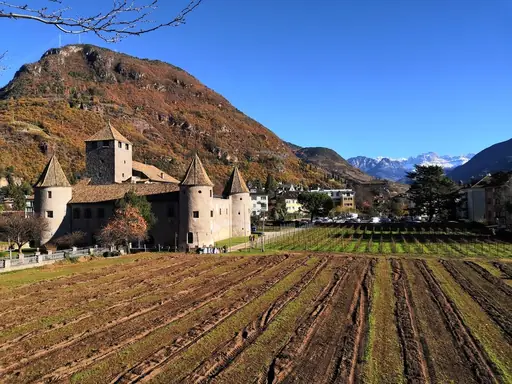
South Tyrol passed from Austrian to Italian rule after World War I, shaping its bilingual culture today. German and Italian place names still appear side by side across the region. Dolomite peaks towering above its valleys have long drawn climbers and skiers alike. Farming traditions predating the ski industry remain visible in many mountain villages.
Highlights:
  • 🏰 Explore the charming old town and castles of Bolzano
  • 🍷 Savor local wines along the South Tyrol Wine Road
  • 🥾 Hike through the Dolomites and admire the alpine peaks
Tyrol
Alpine paradise in all seasons
8.9
Tyrol's mountain villages have relied on Alpine passes for trade and travel since Roman times. Skiing spread through the region after early instructors opened ski schools in the early 1900s. Habsburg rulers once governed Tyrol from Innsbruck, its historic capital. Dozens of resorts across the region now trace their roots to those early ski schools.
Highlights:
  • 🏰 Explore medieval castles like Ambras and Tratzberg
  • ✨ Visit Swarovski Crystal Worlds for glittering art installations
  • 🥾 Hike the Adlerweg trail for stunning mountain views
Portes du Soleil
Snow‑kissed peaks and alpine charm
8.4
Ski clubs from French and Swiss villages agreed in the 1960s to link their slopes into one network. Twelve resorts now share lifts and trails across the France-Switzerland border. Farmers once grazed cattle on the same pastures skiers now cross each winter. Chapels and farmhouses from that era still dot several of the linked villages.
Highlights:
  • 🥾 Trek to Gornergrat for sunset over the Matterhorn
  • 🏔️ Explore Zermatt's car‑free streets and mountain views
  • 🚂 Ride the panoramic Glacier Express through alpine valleys
Chamonix-Mont-Blanc
Alpine thrills beneath Mont Blanc
8.9
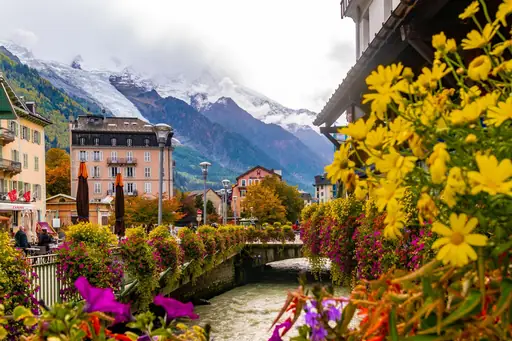
Chamonix hosted the inaugural Winter Olympics in 1924, beneath the slopes of Mont Blanc. Mountaineers have used the town as a base for Alpine climbing since the 1700s. A cable car built in stages last century still climbs to the Aiguille du Midi. Glaciers and steep couloirs above the valley have long drawn extreme skiers.
Highlights:
  • ❄️ Explore the Mer de Glace glacier and its ice cave
  • 🏔️ Hike or ski around the majestic Mont Blanc massif
  • 🚠 Take the cable car to Aiguille du Midi for breathtaking alpine views
Dolomites National Park
Towering peaks and pristine wilderness
8.4
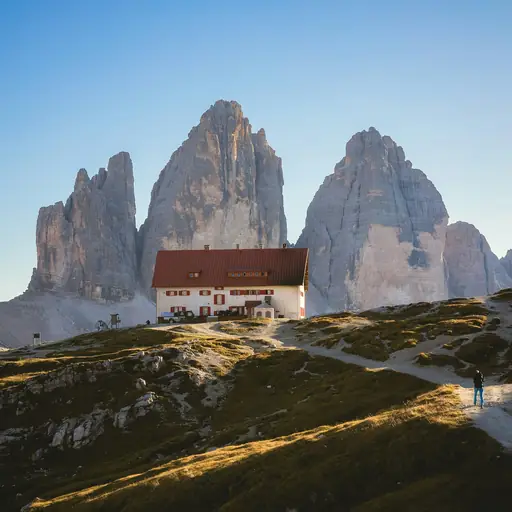
Dolomite peaks within the park formed from ancient coral reefs, thrust upward over millions of years. Farming and shepherding communities used these valleys long before skiing or climbing tourism arrived. Reinhold Messner and others built early reputations on the park's sheer limestone walls. Trenches dug during World War I still wind through mountain passes here.
Highlights:
  • ⛰️ Climb Seceda mountain for panoramic Dolomites views
  • 🌊 Visit the stunning turquoise Lago di Braies lake
  • 🥾 Hike the breathtaking Tre Cime di Lavaredo trail
Lillehammer
Olympic legacy meets alpine serenity
9.2
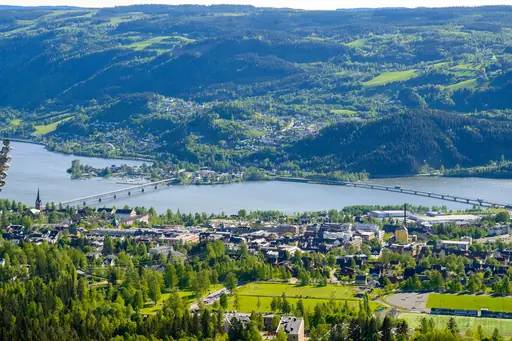
Lillehammer hosted the 1994 Winter Olympics, a games still praised for its compact venues. Ski jumping and Nordic events have deep roots in the surrounding Norwegian valleys. Olympic ski jump towers built for the games remain a landmark above the town. Lillehammer later hosted the inaugural Winter Youth Olympics in 2016.
Highlights:
  • 🏛️ Discover artifacts at Maihaugen open-air museum
  • 🚣‍♂️ Hike around serene Randsfjorden lake
  • 🏔️ Explore the iconic Lillehammer Olympic Park
Wengen
Car-Free Alpine Bliss and Epic Views
8.8
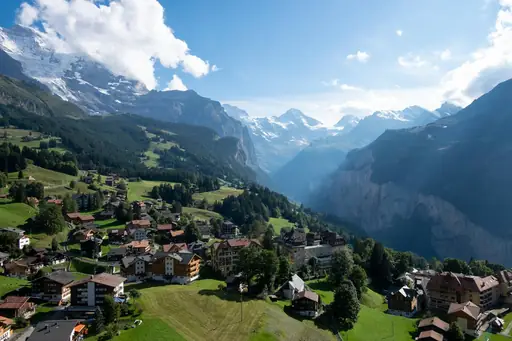
Wengen sits reachable only by cog railway, with cars barred from the village entirely. The Lauberhorn downhill race has run on its slopes since 1930, among ski racing's longest-running events. Farmers grazed cattle on the same slopes for centuries before skiing arrived. The village looks directly across the valley towards the Eiger and Jungfrau.
Highlights:
  • ❄️ Visit the Jungfraujoch - Top of Europe station
  • 🥾 Hike the scenic trails to Kleine Scheidegg
  • 🚡 Take the cable car to Männlichen for stunning views
Grindelwald
A Majestic Swiss Mountain Village
8.6
Grindelwald sits beneath the Eiger's north face, a wall long feared by mountaineers. Climbers began attempting the face's notorious route in the 1930s, with several early deaths. A cog railway built in 1912 connected the village more easily to the wider region. Grindelwald's slopes now link by gondola directly to neighbouring Wengen and Murren.
Highlights:
  • 🪂 Ride the First Flyer zip line over the valley
  • 🏞️ Hike to Bachalpsee Lake for stunning alpine reflections
  • 🌄 Experience the thrill of the First Cliff Walk by Tissot
Zell am See
Lakes, Mountains and Alpine Charm
8.3
Zell am See developed around a lakeside town founded during the medieval period. Skiing arrived on the nearby Schmittenhohe mountain after a cable car opened in 1927. Glacier skiing on the Kitzsteinhorn nearby extends the season into summer months. The town's medieval core still stands just steps from its ski lift base stations.
Highlights:
  • 🏘️ Explore historic Zell am See Old Town cobblestones
  • 🚤 Take a boat tour on picturesque Lake Zell
  • 🥾 Hike or ski on Schmittenhöhe mountain trails
Andermatt
Alpine Adventure Awaits You
7.9
Andermatt guarded a key Alpine pass long before skiing arrived, sitting along the historic Gotthard route. Swiss military barracks once dominated the valley, limiting development for decades. A large resort investment beginning in 2005 transformed the once-sleepy village. Its slopes now connect to nearby Sedrun across a shared lift network.
Highlights:
  • 🚗 Explore the historic Gotthard Pass and tunnel
  • 🥾 Hike through dramatic Schöllenen Gorge and Devil’s Bridge
  • 🎿 Ski the challenging slopes of Gemsstock mountain
Pyrenees
Where France meets Spain majestically
8.7
Ski resorts in the Spanish Pyrenees developed later than their Alpine counterparts, mostly after the 1960s. Villages there relied on shepherding and trade for centuries before tourism arrived. Baqueira Beret, opened in 1964, grew into one of the region's largest ski areas. Romanesque churches scattered through the valleys predate the ski industry by centuries.
Highlights:
  • 🏘️ Explore the medieval village of Saint-Bertrand-de-Comminges
  • 🏔️ Climb Pic du Midi for panoramic mountain and valley views
  • 🥾 Hike to the stunning Cirque de Gavarnie waterfall amphitheater
Innsbruck
Alpine Peaks and Imperial Streets
7.9
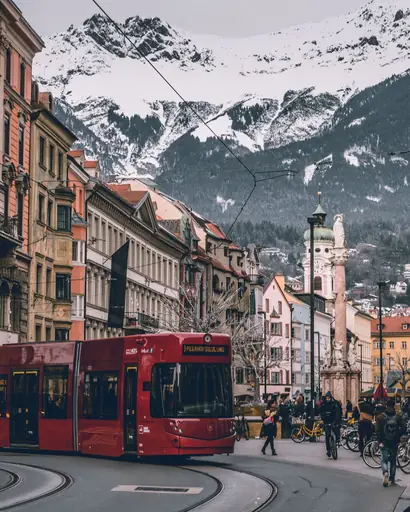
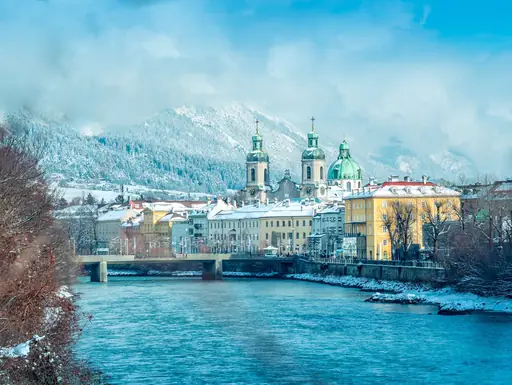
Innsbruck hosted the Winter Olympics twice, in 1964 and again in 1976. Habsburg emperors once ruled the Tyrolean capital from a palace still standing downtown. Ski jump towers built for the games still rise above the city's rooftops. Surrounding mountains put several ski areas within a short tram ride of downtown.
Highlights:
  • 🏰 Explore Hofburg Palace and its ornate state rooms
  • 🏠 Visit Innsbruck’s historic Golden Roof landmark
  • 🚡 Climb the Nordkette mountains via cable car
Lapland
Northern lights and midnight sun
8.9
Sami herders have followed reindeer across Lapland's snowy landscape for thousands of years. Skiing developed early here out of necessity for winter travel and hunting. Modern resorts now share the region with traditional Sami villages and herding routes. Polar night and the aurora borealis both shape Lapland's distinctive winter season.
Highlights:
  • 🦌 Experience a traditional reindeer sleigh ride safari
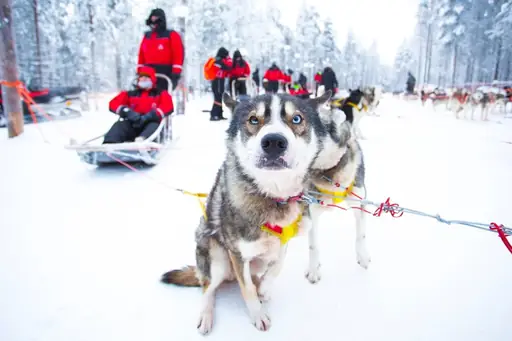
  • 🐕 Go on a husky sledding adventure through snowy forests
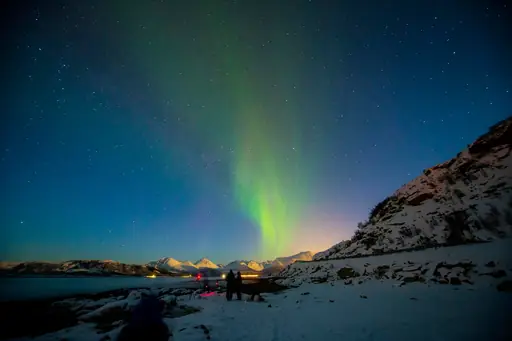
  • 🌌 Chase the Northern Lights on clear Arctic nights
Tromsø
Arctic Lights, Culture and Wild Beauty
7.7
Tromso sits above the Arctic Circle, drawing polar explorers who once departed from its harbour. Roald Amundsen and other expeditions used the town as a staging point for northern journeys. Winter darkness and the aurora borealis both shape the region's ski season. Nearby mountains now offer backcountry skiing alongside the town's older polar history.
Highlights:
  • ⛪ Visit the Arctic Cathedral and admire its striking design
  • 🛳️ Take a fjord cruise and marvel at frozen landscapes
  • 🌌 Chase the Northern Lights across the Arctic night sky
Kristiansand
Coastal charm meets vibrant cultural scene
7.7
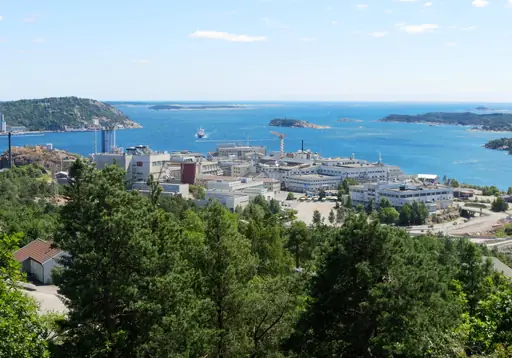
Kristiansand serves as a gateway to Hovden, a ski resort developed in southern Norway's mountains. Farmers and hunters used the surrounding highlands on skis long before recreational tourism arrived. Norwegian ski traditions here date back centuries, tied closely to everyday winter transport. Cross-country trails through the region now trace many of those older routes.
Highlights:
  • 🏘️ Walk historic streets of Gamlebyen old town
  • 🎠 Ride roller coasters at Kristiansand Zoo & Amusement Park
  • 🛥️ Stroll through Kristiansand's lively Fiskebrygga harbor
Swiss National Park
Majestic alpine wilderness, untouched and serene
8.4
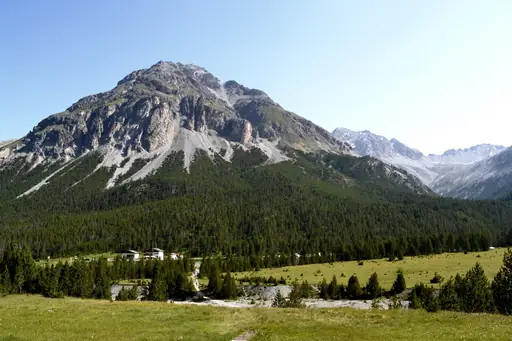
Switzerland established this park in 1914, among the earliest protected wilderness areas in the Alps. Strict rules ban hunting, foraging and off-trail hiking across its entire territory. Nearby valleys have supported skiing and mountain travel for centuries outside the park's boundaries. Ibex and chamois populations here have recovered significantly since protection began.
Highlights:
  • 🦌 Photograph chamois at sunrise over mountains
  • 🐐 Spot ibex roaming near Gletsch Valley
  • 🥾 Hike Panorama Trail, view alpine vistas
Schilthorn
Epic views in Bond country
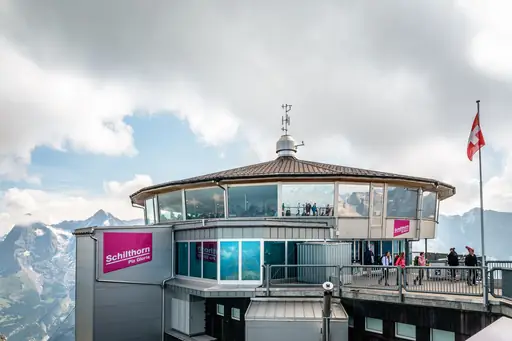
A revolving restaurant atop the Schilthorn opened in 1967, later featured in a James Bond film. Cable cars built in stages during the 1960s replaced what had been a lengthy hike. The summit offers views stretching across nearly 200 peaks on clear days. Murren, the village below, has stayed closed to cars since tourism began.
Highlights:
  • 🎬 Explore James Bond 007 Museum and film locations
  • 🍽️ Dine at Piz Gloria revolving restaurant overlooking mountains
  • 🚡 Ride the cable car to peak for panoramic Alps views
Jungfraujoch
Top of Europe Alpine Adventure
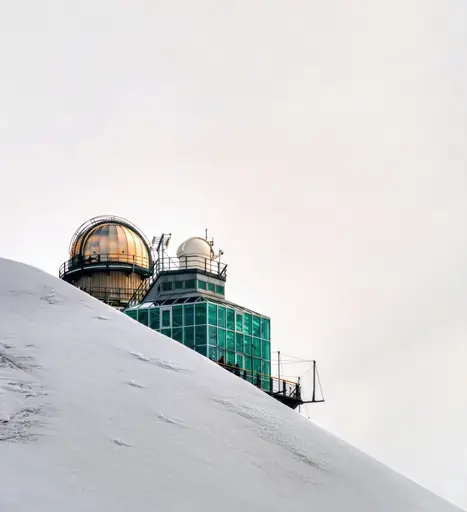
Engineers spent 16 years carving a railway tunnel to Jungfraujoch, opening the line in 1912. The station sits at 3,454 metres, among the highest railway stations in Europe. Sphinx Observatory near the summit has studied weather and glaciers since the 1930s. Skiers and hikers reach the surrounding glacier fields directly from the station platform.
Highlights:
  • ⛷️ Sled or ski at the Snow Fun Park in summer
  • ❄️ Explore the Ice Palace with intricate ice sculptures
  • 🔭 Visit the Sphinx Observatory for panoramic glacier views
Feedback