






Was this page helpful?

| Power Grid: |
240 V, 50 Hz Plug: Type G
Type G:
 Read about power adapters |
|---|---|
| Currency: |
Malaysian Ringgit (MYR) £1 ≈ MYR 5.44 |
| Cashless info: |
Rating 5/5
Cashless payments are widely accepted in Malaysia, especially in urban areas. Major credit cards are used in most hotels, restaurants, and shops. Mobile payment services like GrabPay and Touch 'n Go are also widely used.
Save with a travel credit card |
| eSIM providers: |
Best value: Saily Flexibility: Airalo Read our in-depth comparison |
| Tipping: | Tipping is not compulsory in Malaysia, but it is appreciated in restaurants, with a 5-10% tip recommended if no service charge is included. Taxi drivers and hotel staff may also expect small tips. |
|---|---|
| Public drinking: | Drinking in public is generally acceptable in Malaysia, though alcohol is restricted in some regions, particularly in the east coast states of Kelantan and Terengganu and other Muslim-majority areas. Drinking is common in cities like Kuala Lumpur. |
| Public smoking: | Smoking is banned in restaurants and cafés (including open-air eateries), shopping centres, government buildings and many other public places. Smoking is only allowed in designated areas. |
| Hari Merdeka (31 August) |
National day with celebrations and parades |
|---|---|
| Chinese New Year (variable) |
Celebrated with family gatherings, festivals, and fireworks |
| Emergency contact: | Emergency Numbers: 999 (Police, Fire, Ambulance), 112 (from mobile phones) |
|---|---|
| Taxi apps: | Grab, MyCar |
| Other: | Malaysia is known for its diverse culture, cuisine, and natural beauty. It's a popular tourist destination, offering a range of experiences from city exploration to beach holidays. |
The best times to travel section shows how the months compare for a visit, so you can find the time of year that fits what you want to do.
Background colours of the months:
The colour shows the typical temperature: yellow (hot), green (mild) and blue (cold). How strong the colour is shows the travel season: full colour means high season, soft colour means shoulder season and soft-striped means off season.
Weather symbols:
Each month has one symbol showing what the weather is typically like, such as hot and sunny, freezing or a rainy or snowy season. Use them to quickly spot months that match the weather you want, or to avoid the ones that don't.
Crowdedness:
The people icon shows how busy the place usually is. The more people, the more crowded it gets.
Additional notes:
The grey info boxes point out special things worth knowing, like recurring weather issues or seasonal events.
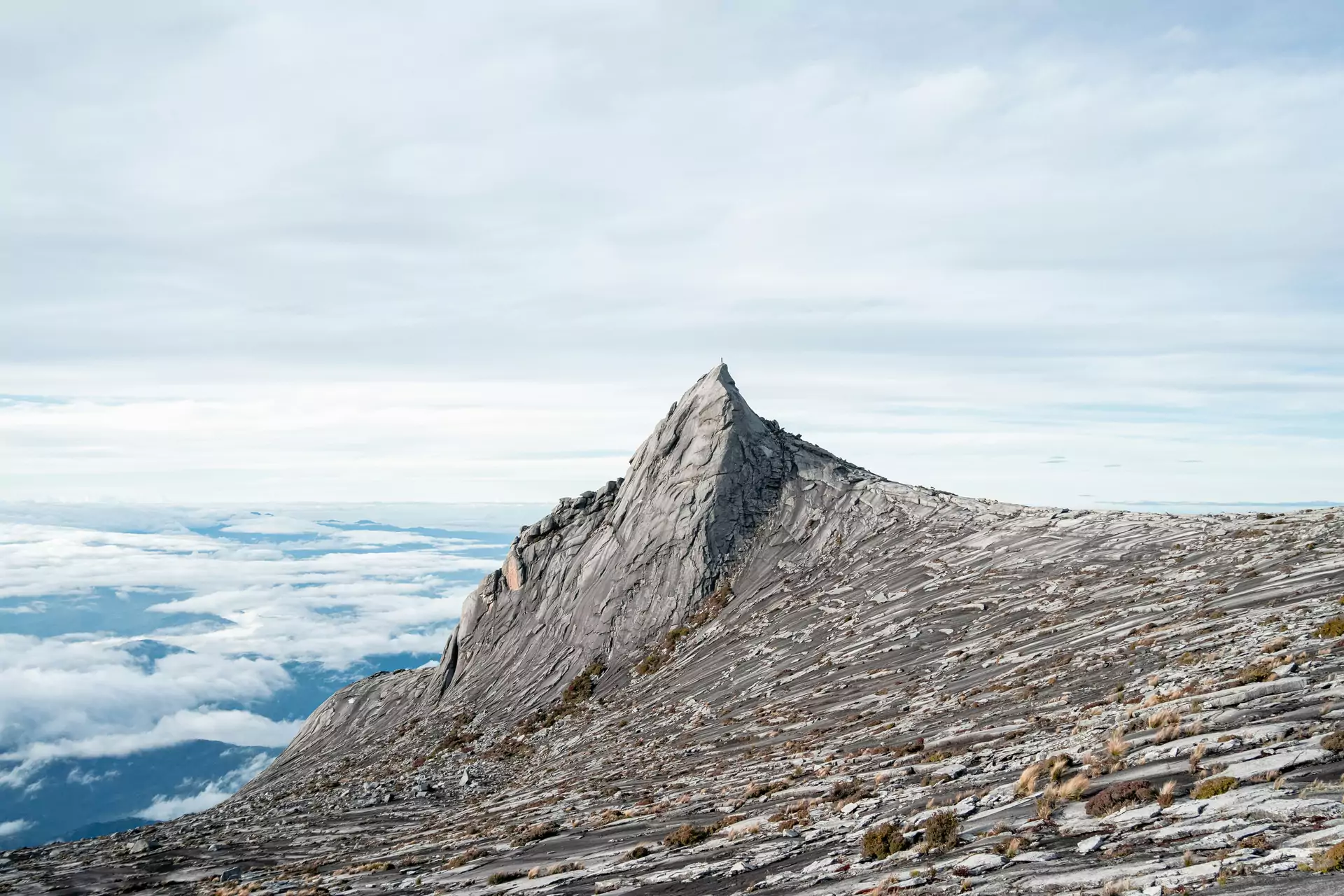
Mount Kinabalu stands as one of Southeast Asia’s most striking natural landmarks. Located in Malaysian Borneo this massive peak rises sharply above the surrounding rainforest. Its granite slopes and misty ridges create a dramatic landscape that draws hikers from around the world. The mountain is part of Kinabalu Park a UNESCO World Heritage Site recognized for its rich biodiversity.
The summit reaches an elevation of 4 095 meters making it the highest point in Malaysia. Climbers often start their journey at the park’s main trailhead where dense jungle gives way to rocky outcrops and alpine meadows. Along the route trekkers encounter unique plants like pitcher plants and orchids that thrive in this high-altitude environment. Wildlife sightings include rare birds and small mammals adapted to life above the clouds.
Weather on Mount Kinabalu changes quickly due to its height and location. Mornings can start cool with fog rolling through valleys while afternoons may bring bright sunshine or sudden rain showers. This variability requires visitors to pack layers and waterproof gear. The best climbing conditions usually occur during the dry season from May to September when trails are less slippery and visibility improves.
Local communities such as the Kadazandusun people have deep cultural ties to the mountain. Their stories describe Kinabalu as a sacred place shaped by ancestral spirits. Today visitors can learn about these traditions through guided tours that explain local customs and conservation efforts. Respecting these values helps preserve both the environment and the heritage of the region for future generations.
Mount Kinabalu, located in Sabah, Malaysia, on the island of Borneo, is accessible via several routes depending on the starting point. The nearest major city is Kota Kinabalu, from where travelers can take a taxi or drive to the mountain’s base at Kundasang Valley (about 88 km away). Buses and shared vans also operate between Kota Kinabalu and Kundasang, with travel times ranging from three to four hours. For those starting from other parts of Malaysia or neighboring regions, flights to Kota Kinabalu are available before proceeding by road. Hikers typically begin their ascent from the town of Kundasang, which serves as the primary gateway to the mountain’s trails and national park headquarters.
Mount Kinabalu’s base camp area offers a range of lodging from modest eco‑lodges to upscale resorts that blend rustic charm with modern comforts. Budget travelers can find hostels and homestays in the nearby town of Kinabatangan, where nightly rates hover around MYR 50 – 80 (£9.20 – 14.73). Mid‑range options include boutique hotels and jungle lodges offering guided treks, meals featuring local produce and prices between MYR 150 – 250 (£27.61 – 46.02) per night. For those seeking luxury, the high‑end resorts in Kinabalu Park provide spa services, panoramic views of the peak and rates starting at MYR 400 (£73.64). The region is renowned for its eco‑friendly accommodations that emphasize sustainability while delivering comfort amid rainforest scenery.
Log in to add this place to a travel list and get a summary of all recommended items for your whole trip.
We calculate the average costs when travelling to destinations and compare those with the living costs at your home. With this you can get an estimate of how expensive or cheap the destination is for you.
To customise this, you can set up which location and price level are used for the calculations in your account settings.
The exchange rate price factor shows how expensive or cheap a currency currently is compared to its historical average. It's a quick way to see if a country is currently more or less affordable due to exchange rate changes.
