
Best eco-tourism destinations in South America
Best eco-tourism destinations in South America
Protected Amazon basin zones and pristine cloud forest areas in South America
One remote island archipelago operates under some of the strictest visitor regulations anywhere in the world, deliberately limiting tourism to protect endemic species found nowhere else on earth. Rainforest lodges elsewhere on the continent offer a different, forest-based model.
The destinations on this list range from tightly regulated island ecosystems with mandatory guides and strict visitor limits to rainforest lodges funding conservation through research partnerships and community employment. Both require considerably more planning than typical tourism.
Booking through licensed operators only is essential at the most tightly regulated sites, where strict regulation means unlicensed access simply isn't possible. Booking exclusively through licensed, accredited operators also remains the only realistic way to visit responsibly. Group sizes remain deliberately small throughout the season.
Lists by region
Worldwide (162)
Africa (15)
Asia (24)
Europe (36)
North America (34)
Oceania (14)
South America (10)
Island in Ecuador
Galapagos Islands
The Wildlife Paradise of Ecuador
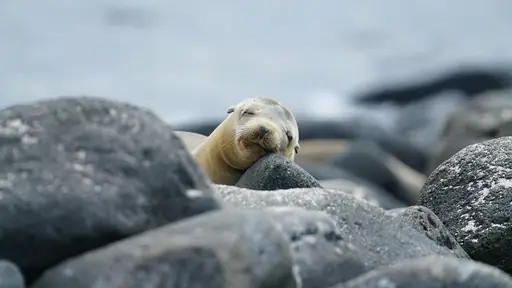
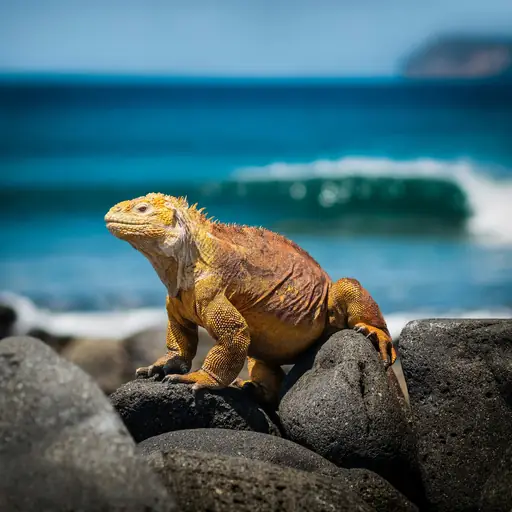
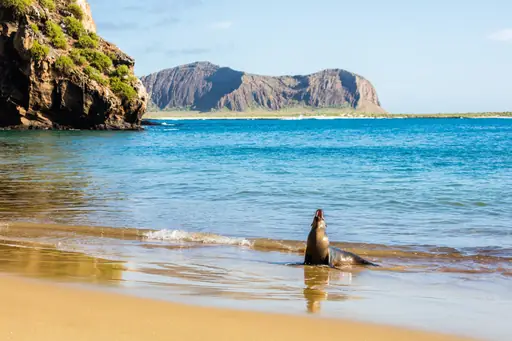
HMS Beagle reached the islands on September 15, 1835. Ecuador declared 97.5% of the land a national park in 1959. The islands joined the UNESCO list in 1978. Visitors reach 116 sites in small groups for two to four hours with licensed guides. The archipelago has 127 islands including 18 major islands.
Town in Argentina
El Chalten
Hiking Capital of Argentina
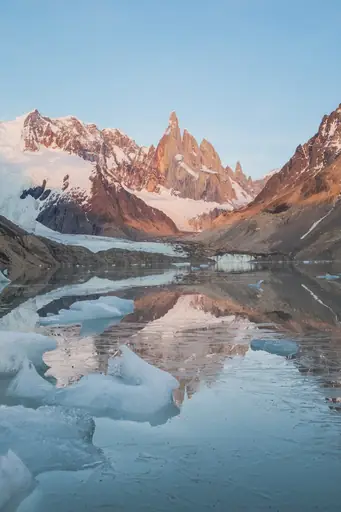
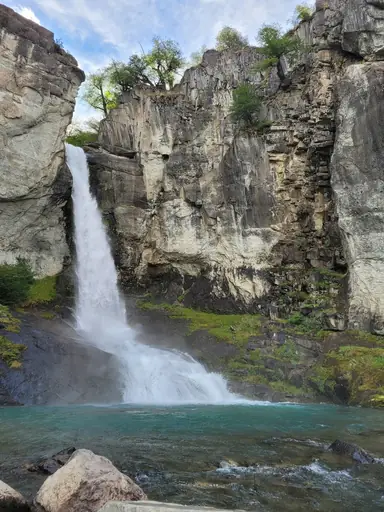
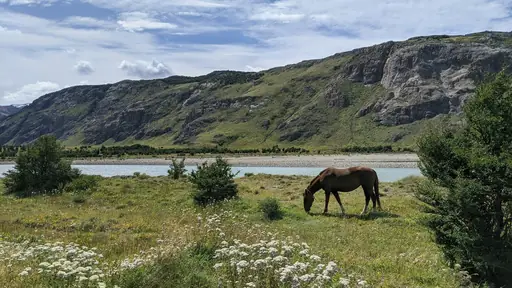
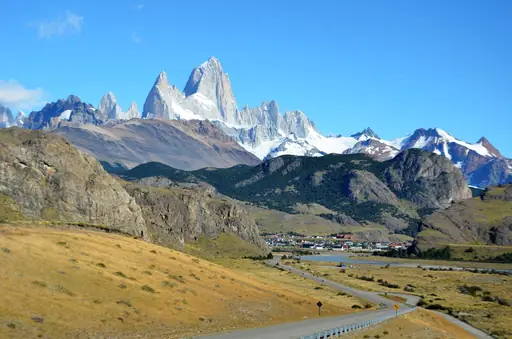
The village lies about 140 miles north of El Calafate inside Los Glaciares National Park. Argentina named it its national trekking capital. Laguna de los Tres is a hike near the base of Fitz Roy. Summer brings long daylight, strong winds and cool temperatures. Winter daytime highs average about 37°F.
National Park in Venezuela
Canaima National Park
Tepui Peaks and Angel Falls Wonder
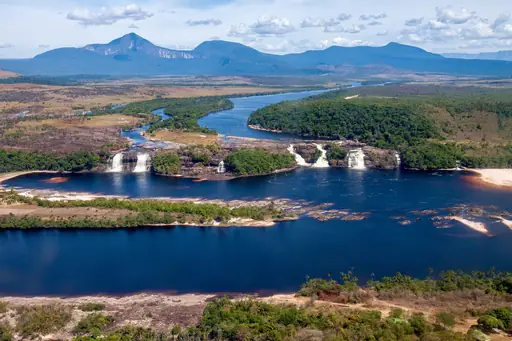
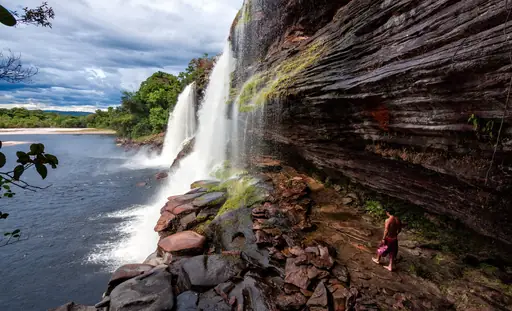
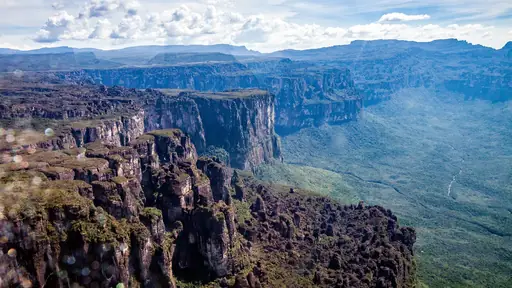
Angel Falls drops 3,212 feet from Auyantepui and is the highest waterfall in the world. The park earned UNESCO status in 1994. Tepuis cover about 65% of its area. Pemon people live inside it. The U.S. advises travellers to reconsider travel to Venezuela because of crime and kidnapping.
Nature Reserve in Ecuador
Cuyabeno Wildlife Reserve
Amazon wilderness teeming with life
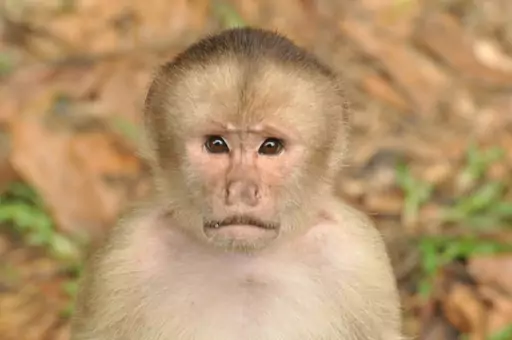
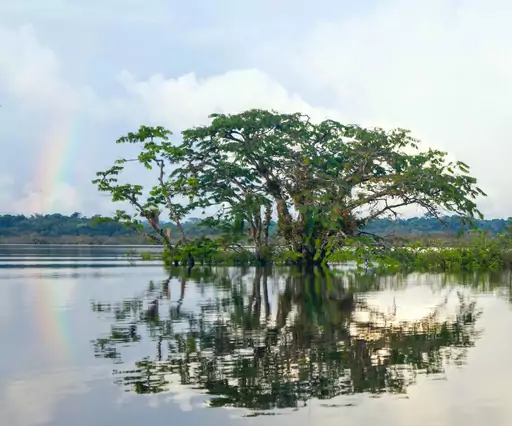
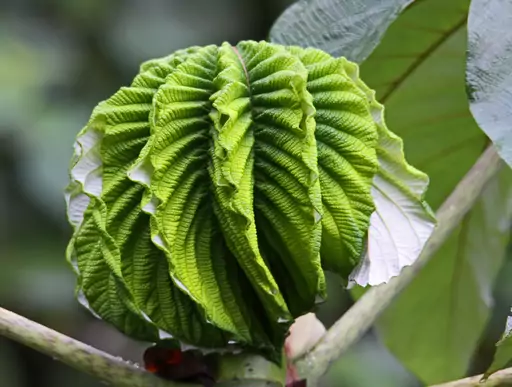
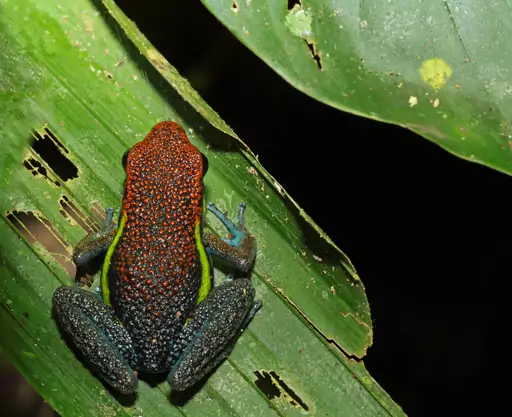
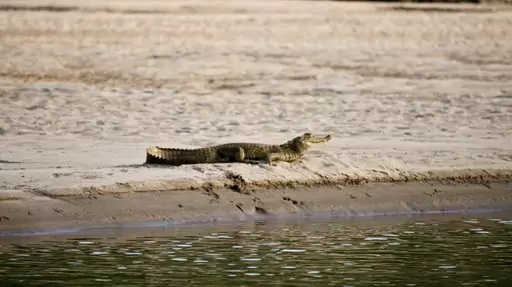
Ecuador established the reserve on 26 July 1979. It covers about 2,300 square miles of black-water rivers and lakes. Cuyabeno Lodge, built in 1988, gave the Siona access to ecotourism. Siona, Secoya and Cofán peoples live in the reserve. Ten monkey species and more than 500 bird species have been recorded.
National Park in Peru
Manú National Park
Pristine Amazon biodiversity wonderland
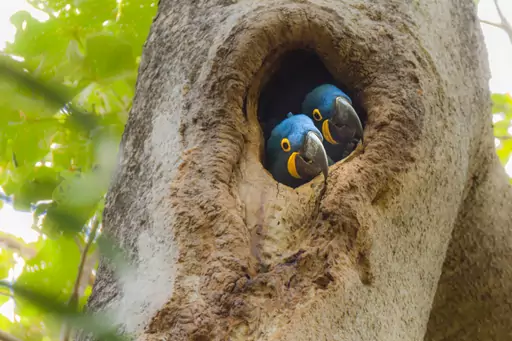
The park has four zones. Nature tourism is allowed in the cultural zone, while the restricted zone is open to researchers. The park covers 6,626 square miles and rises to nearly 13,100 feet. More than 1,000 bird species are estimated to live there. About 160 mammal species have been reported.
National Park in Brazil
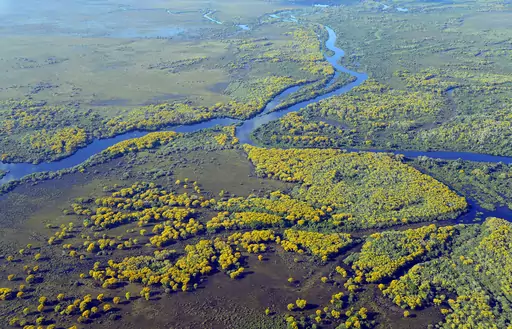
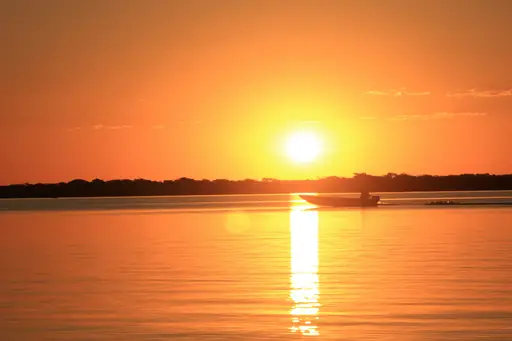
Pantanal Matogrossense National Park
World's largest tropical wetland paradise
Researchers estimated about 10 million caimans here in 1996. The wetland supports 463 bird species. Jaguar numbers are among the largest and healthiest on Earth. Seasonal rains submerge about 80% of the floodplains between November and March. June is the driest month. The site gained UNESCO status in 2000.
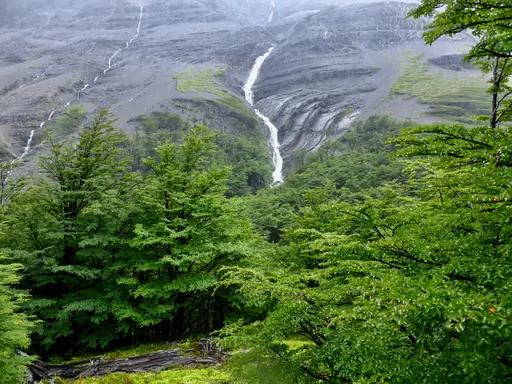
National Park in Chile
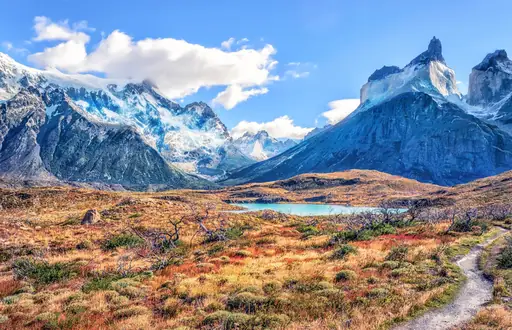
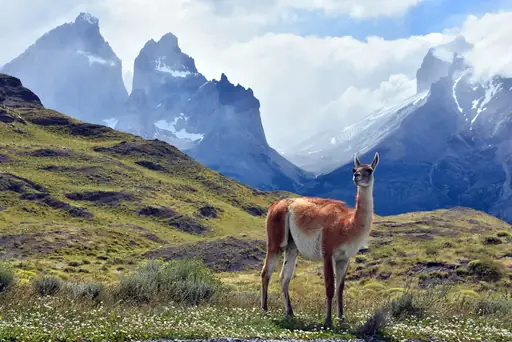
Torres del Paine National Park
Epic Landscapes and Untamed Wilderness
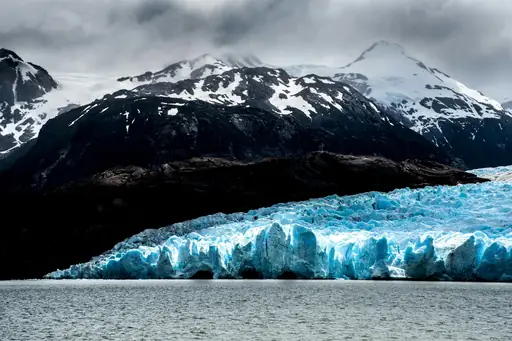
The park became a UNESCO World Biosphere Reserve in 1978. It covers about 700 square miles. Grey Glacier is about 9 miles long. Guanacos are among the most common mammals and pumas live there too. The W trek covers about 50 miles in three to five days.
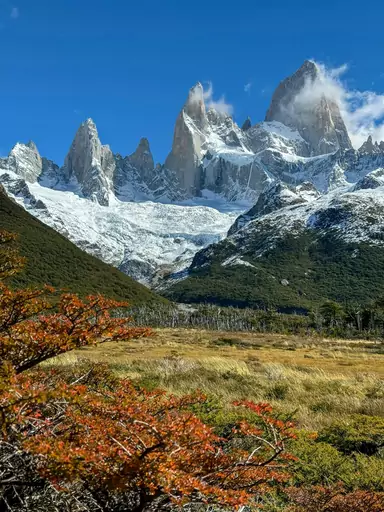
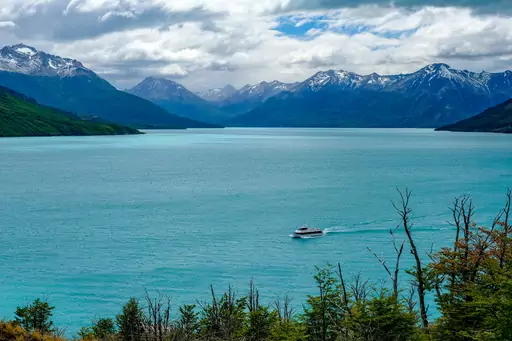
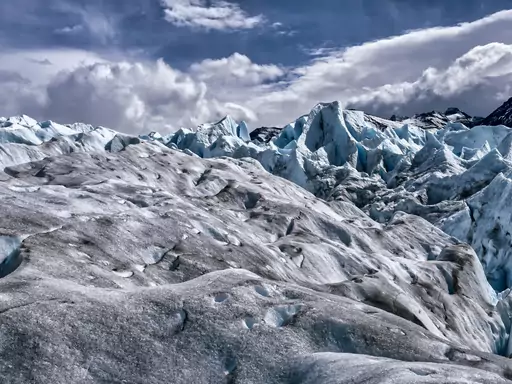
National Park in Argentina
Los Glaciares National Park
Where glaciers meet towering peaks
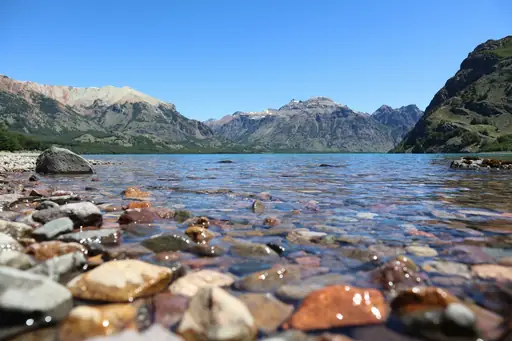
Argentina's largest national park covers 2,807 square miles. About 30% lies under ice. The ice cap feeds 47 large glaciers and 13 flow towards the Pacific Ocean. Lago Argentino covers about 566 square miles and is the largest lake in Argentina. Excursion boats reach Upsala Glacier. The park joined the UNESCO list in 1981.
Region
Patagonia
Untamed Beauty at the End of the World
UNESCO inscribed Península Valdés in 1999. Southern right whales arrive between May and December to mate and give birth in the sheltered gulfs. Orcas hunt off the coast and sometimes beach themselves to catch sea lions and elephant seals. The peninsula supports about 150,000 breeding pairs of Magellanic penguins.
Other lists you may like

Discover
Top ecotourism destinations and sustainable travel hubs
Travel and conservation do not always go hand in hand, but eco tourism is built on the idea that a trip can truly support the places it visits rather than just pass through them.…
Read more
Discover
Best eco-tourism destinations in Africa
High-fee, deliberately low-volume conservation programmes in East Africa fund protection directly through visitor fees, a model credited with helping endangered species populations…
Read more
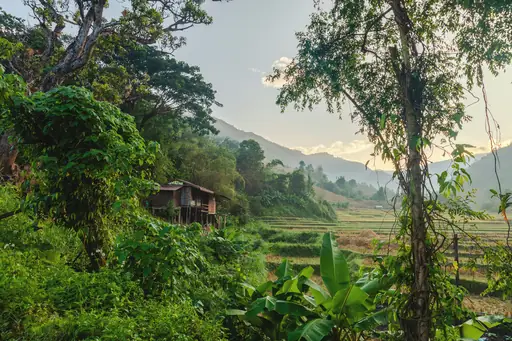
Discover
Best eco-tourism destinations in Asia
One Himalayan kingdom's deliberately restrictive, high-value tourism policy funds conservation and limits environmental impact by design, a model considerably different from…
Read more
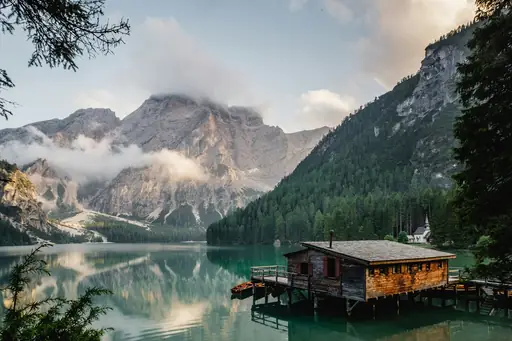
Discover
Best eco-tourism destinations in Europe
One Central European country has built a national reputation around sustainable, low-impact tourism, with strict protections across much of its forest and lake landscape. Rewilding…
Read more
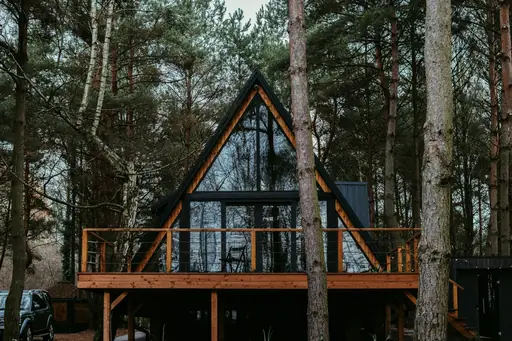
Discover
Best eco-tourism destinations in North America
One Central American country remains one of the world's most cited ecotourism success stories, having reversed significant deforestation through tourism revenue tied directly to…
Read more
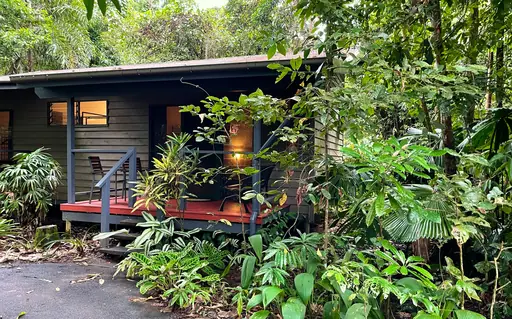
Discover
Best eco-tourism destinations in Oceania
A national conservation agency manages an extensive network of huts and trails funded partly through tourism, built around genuine habitat and species protection rather than…
Read more
What other users say about travelfilters
“travelfilters made it easy for me to find ski areas and compare what else they offer, so that I could find the best place for my personal travel style.”

Chris
Snowboarding & Onsen trip to Japan
“I love how transparent the data feels. There is no pushy upsell, just honest information and settings I can tune to my own travel style.”

Maria
After booking her 2027 winter escape
“The level of detail for each destination and how well those are displayed, make planning feel confident instead of overwhelming.”

Mina
Planned a week in New York City
“We used travelfilters for our planning from start to end. The trip turned out even better than expected, thanks to all their tools and customisation options.”

Allan & Etienne
Trip to Japan to see autumn foliage
“Thanks to travelfilters, I found some hidden gems to see. Being able to filter for exactly your interests is a game changer for my travel planning.”

Michael
Tour through the old cities of Northern Italy
“The customizable filters helped me find a quiet beach town with good wifi and low season crowds in under five minutes.”

Diego
Weekend Escape to Llanes, Spain
“The airport connection map saved me hours by showing good flight options from my home airport to lesser-known cities.”

Nguyen
Planning a 2027 trip to France
“The website is clean, fast and focused on the search itself, which makes travelfilters feel more like a professional tool than an ad-heavy booking site.”

Hassan
Christmas Market trip, Germany
