









Was this page helpful?

These place ratings give you a quick overview of how well a destination matches different types of trips.
‘Best for’ scores:
The specific interest scores show where this place really shines – whether it's ideal for hiking, food & drink experiences, museums or other activities. These highlights help you understand what makes the destination special at a glance.
‘Your personal’ scores:
This reflects how well a place matches your personal preferences. You can adjust the importances of travel topics or other personal requirements categories in your account settings.
‘Suited for’ badges:
These give you a quick overview of how well a destination suits specific types of travellers, to help you find the places that match your lifestyle, preferences or travel situation.
| Power Grid: |
220 V, 50 Hz Plug: Type C , Type I
Type C:
  Read about power adapters |
|---|---|
| Currency: |
Argentine Peso (ARS) £1 ≈ ARS 2,048.06 |
| Cashless info: |
Rating 4/5
Cashless payments are widely accepted in larger cities, especially with credit and debit cards. However, cash is often preferred in smaller towns.
Save with a travel credit card |
| eSIM providers: |
Best value: Saily Flexibility: Airalo Read our in-depth comparison |
| Tipping: | In restaurants, a 10% tip is standard. Tipping in taxis is not required, but rounding up is common. |
|---|---|
| Public drinking: | Public drinking is legal but should be done responsibly. It is common in parks and beaches. |
| Public smoking: | Smoking is prohibited indoors in public spaces, but allowed in outdoor areas. |
| Argentina Independence Day (July) |
Expect public celebrations and some business closures. |
|---|---|
| Christmas (December) |
Expect closures and holiday events. |
| Emergency contact: | Emergency Numbers: 911 (Police), 107 (Ambulance), 100 (Fire) |
|---|---|
| Taxi apps: | Cabify, Uber, BA Taxi |
| Other: | Argentina is known for its vibrant culture, tango, and excellent cuisine, including steaks and wines. |
The best times to travel section shows how the months compare for a visit, so you can find the time of year that fits what you want to do.
Background colours of the months:
The colour shows the typical temperature: yellow (hot), green (mild) and blue (cold). How strong the colour is shows the travel season: full colour means high season, soft colour means shoulder season and soft-striped means off season.
Weather symbols:
Each month has one symbol showing what the weather is typically like, such as hot and sunny, freezing or a rainy or snowy season. Use them to quickly spot months that match the weather you want, or to avoid the ones that don't.
Crowdedness:
The people icon shows how busy the place usually is. The more people, the more crowded it gets.
Additional notes:
The grey info boxes point out special things worth knowing, like recurring weather issues or seasonal events.
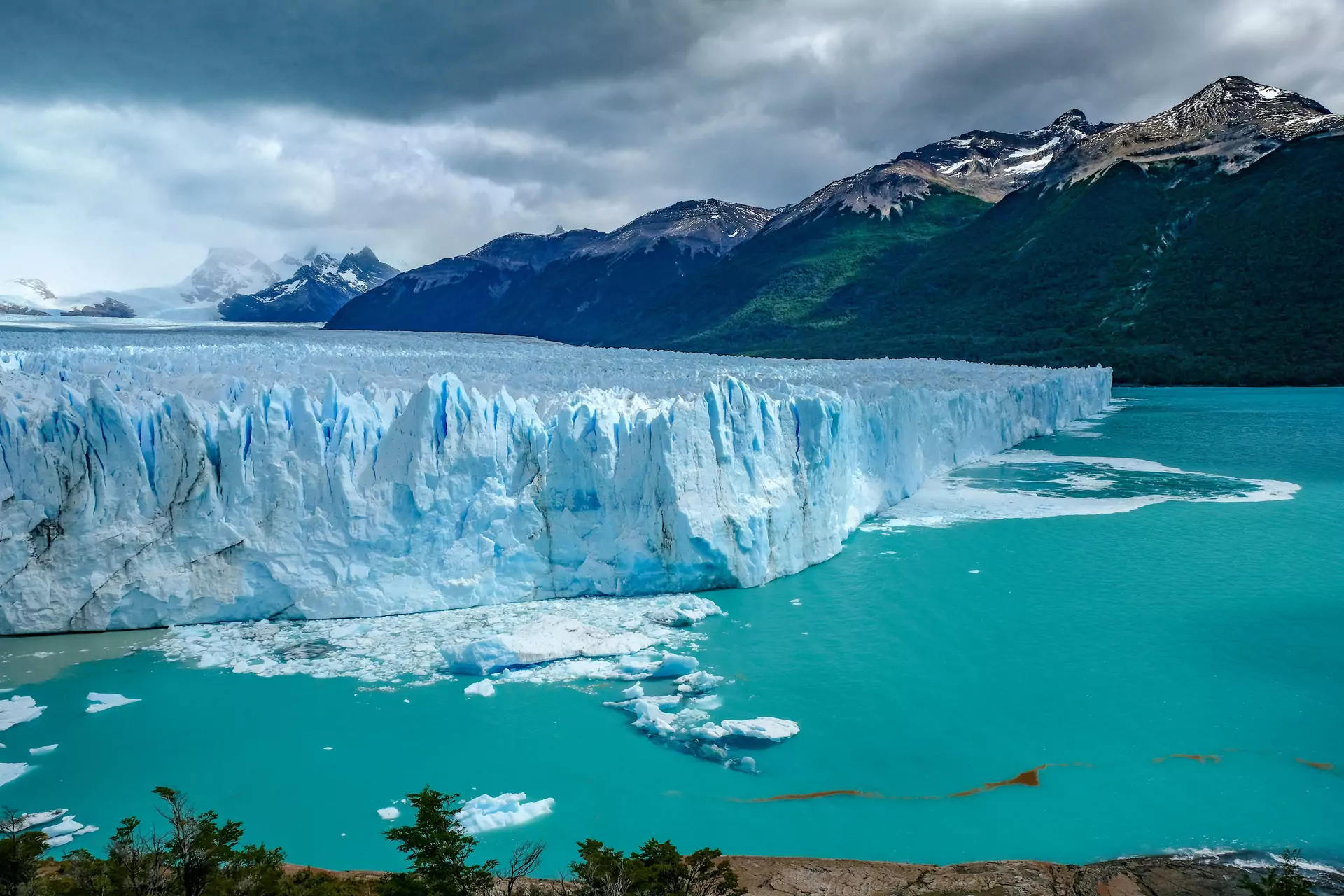
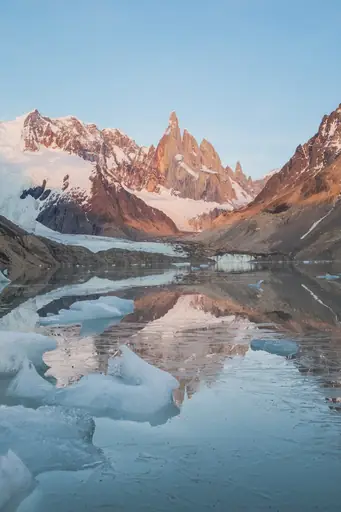
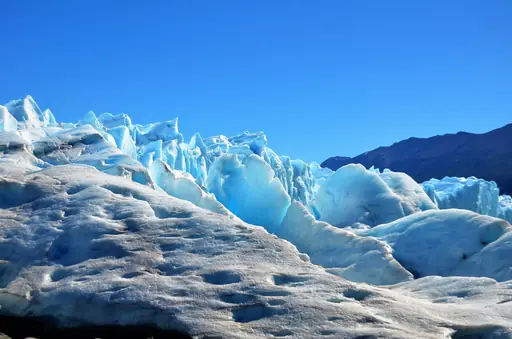
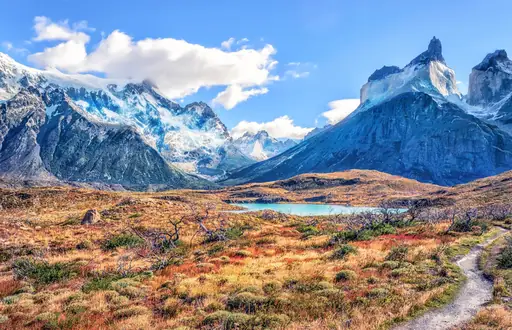
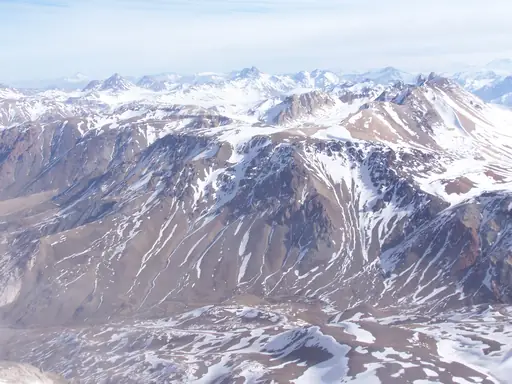
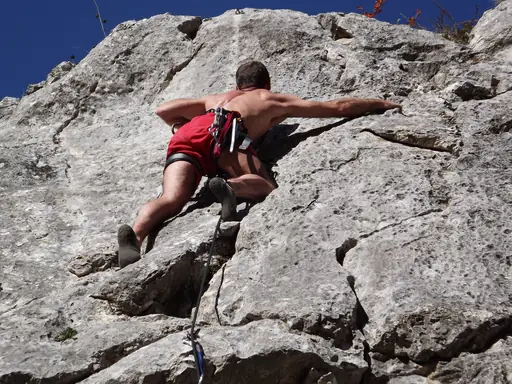
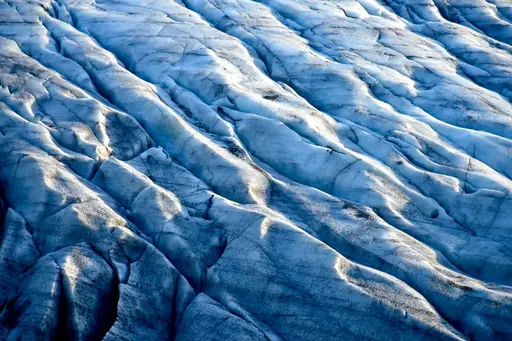
Los Glaciares offers an unparalleled opportunity to witness the raw power and beauty of some of the world's most accessible glaciers. The star attraction, Perito Moreno Glacier, regularly puts on a spectacular show as massive chunks of ice dramatically calve into Lake Argentino with thunderous splashes. This dynamic glacier is one of the few in the world that's actually stable rather than retreating, making it an increasingly rare natural wonder to experience. Beyond the glaciers, the park boasts some of Patagonia's most iconic mountain scenery, including the legendary Mount Fitz Roy and Cerro Torre – granite spires that have become symbols of wild Patagonia and magnets for photographers and climbers alike. The extensive network of hiking trails allows visitors to immerse themselves in diverse ecosystems ranging from Patagonian steppe to subantarctic forests, all while enjoying the company of native wildlife like guanacos, condors and foxes. Whether you're an adventure seeker looking to trek across rugged terrain or simply want to stand in awe before some of nature's most impressive ice sculptures, Los Glaciares delivers an experience that connects you deeply with our planet's natural processes.
The gateway towns to Los Glaciares National Park are El Calafate (for the southern section) and El Chaltén (for the northern section). El Calafate has an airport with regular flights from Buenos Aires, Bariloche and other Patagonian towns. From El Calafate, it's about 80 km to the Perito Moreno Glacier sector and 220 km to El Chaltén. Regular bus services connect both towns and there are also organized tours that include transportation. If driving, the main approach is via Ruta Nacional 3 to Río Gallegos, then RP5 to El Calafate – this is the only fully paved route in the region.
Accommodation options are concentrated in the gateway towns of El Calafate and El Chaltén rather than within the park itself. El Calafate offers a wider range of options from luxury hotels to hostels, while El Chaltén has more basic but cozy accommodations catering primarily to hikers and climbers. During peak season (December-February), accommodations fill up quickly, so advance booking is essential. For those seeking a more immersive experience, there are also camping options available within designated areas of the park.
We calculate the average costs when travelling to destinations and compare those with the living costs at your home. With this you can get an estimate of how expensive or cheap the destination is for you.
To customise this, you can set up which location and price level are used for the calculations in your account settings.
The exchange rate price factor shows how expensive or cheap a currency currently is compared to its historical average. It's a quick way to see if a country is currently more or less affordable due to exchange rate changes.
Log in to add this place to a travel list and get a summary of all recommended items for your whole trip.
