








Was this page helpful?

These place ratings give you a quick overview of how well a destination matches different types of trips.
‘Best for’ scores:
The specific interest scores show where this place really shines – whether it's ideal for hiking, food & drink experiences, museums or other activities. These highlights help you understand what makes the destination special at a glance.
‘Your personal’ scores:
This reflects how well a place matches your personal preferences. You can adjust the importances of travel topics or other personal requirements categories in your account settings.
‘Suited for’ badges:
These give you a quick overview of how well a destination suits specific types of travellers, to help you find the places that match your lifestyle, preferences or travel situation.
| Power Grid: |
220 V, 60 Hz Plug: Type A , Type B
Type A:
  Read about power adapters |
|---|---|
| Currency: |
Peruvian Sol (PEN) £1 ≈ PEN 4.59 |
| Cashless info: |
Rating 4/5
Cashless payments are widely accepted in Peru, especially in larger cities and tourist areas.
Save with a travel credit card |
| eSIM providers: |
Best value: Saily Flexibility: Airalo Read our in-depth comparison |
| Tipping: | Tipping is customary in Peru, with 10-15% being the usual amount in restaurants. Small tips are appreciated by taxi drivers and hotel staff. |
|---|---|
| Public drinking: | Public drinking is prohibited in Peru, and alcohol consumption is restricted to licensed venues. |
| Public smoking: | Smoking is allowed in designated areas, but smoking indoors in public spaces is generally prohibited. |
| Emergency contact: | Emergency Numbers: 105 (Police), 106 (Ambulance), 116 (Fire) |
|---|---|
| Taxi apps: | Uber |
| Other: | Peru is known for its ancient culture, including Inca ruins and the Amazon rainforest, making it a popular destination for nature lovers and history enthusiasts. |
The best times to travel section shows how the months compare for a visit, so you can find the time of year that fits what you want to do.
Background colours of the months:
The colour shows the typical temperature: yellow (hot), green (mild) and blue (cold). How strong the colour is shows the travel season: full colour means high season, soft colour means shoulder season and soft-striped means off season.
Weather symbols:
Each month has one symbol showing what the weather is typically like, such as hot and sunny, freezing or a rainy or snowy season. Use them to quickly spot months that match the weather you want, or to avoid the ones that don't.
Crowdedness:
The people icon shows how busy the place usually is. The more people, the more crowded it gets.
Additional notes:
The grey info boxes point out special things worth knowing, like recurring weather issues or seasonal events.
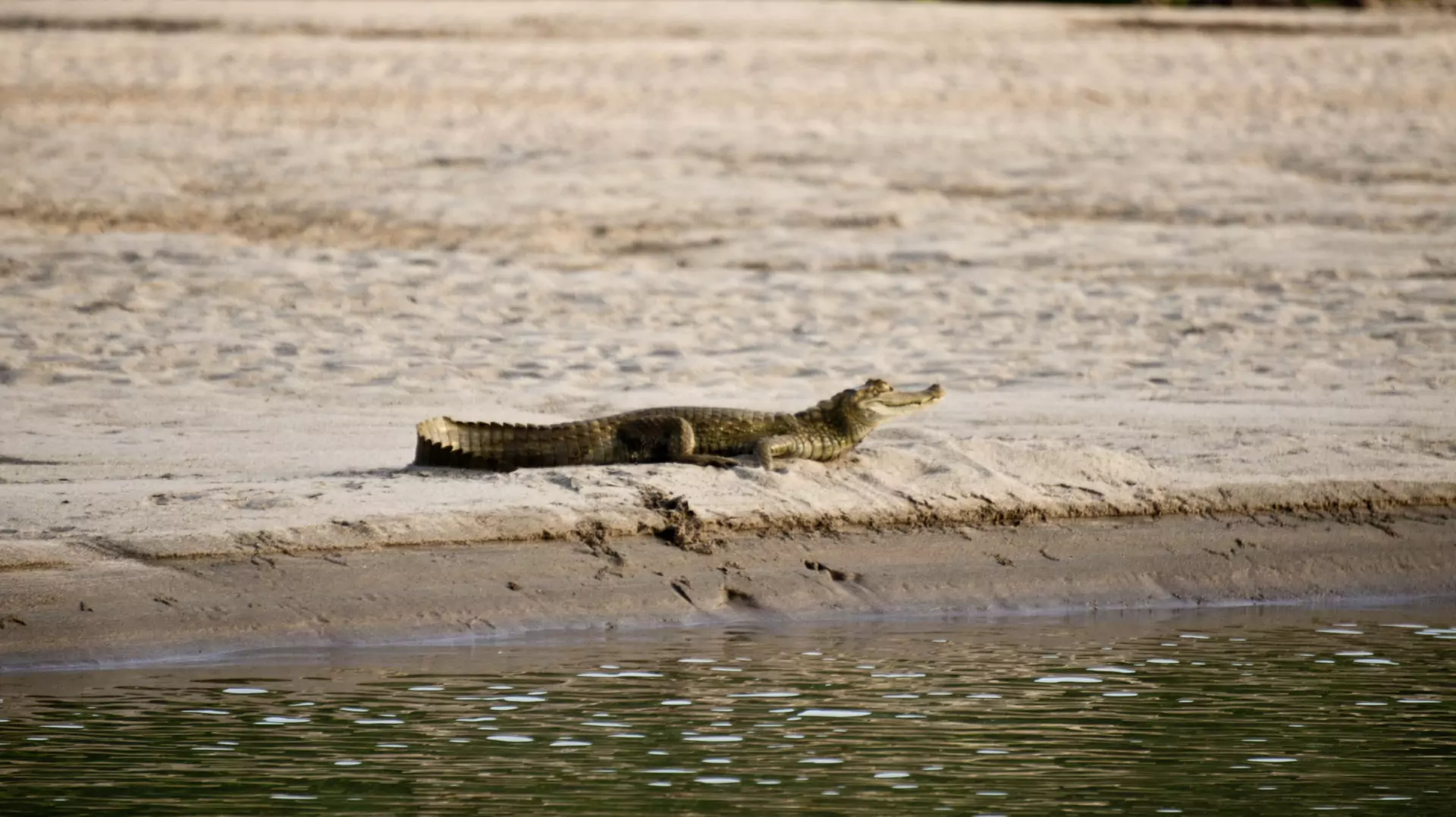
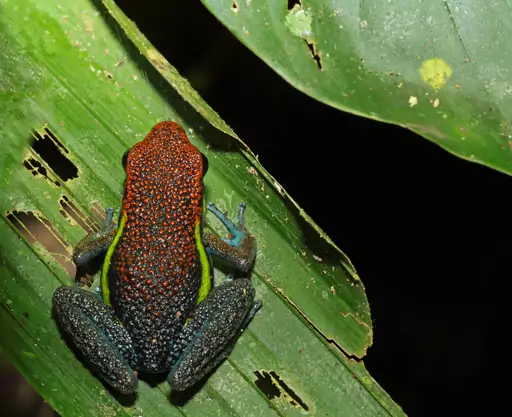
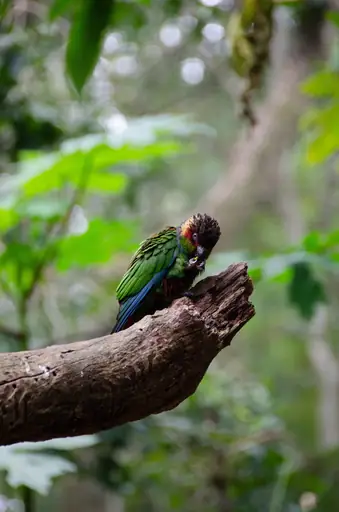
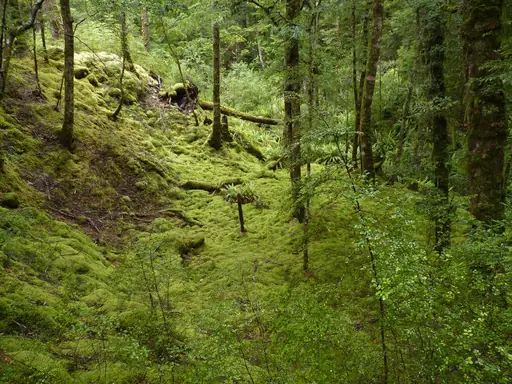
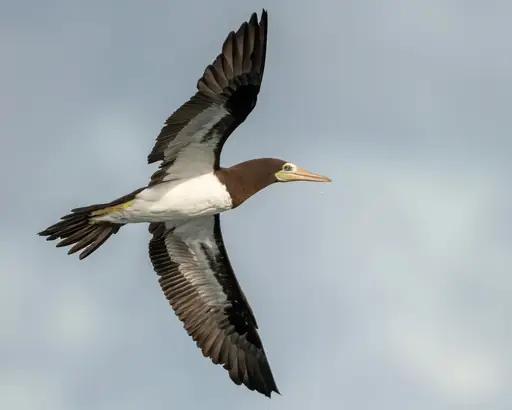
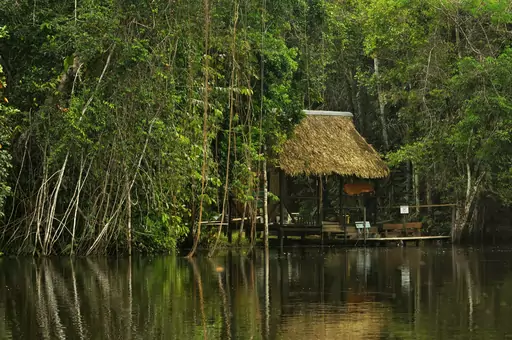
Manú National Park offers what few places on Earth still can – a chance to experience nature in its purest, most undisturbed form. The park hosts over 1,000 bird species (more than the entire United States), 200 mammal species and countless plants, insects and amphibians. Wildlife encounters here feel genuine and unpredictable – from spotting colorful macaws gathering at clay licks to glimpsing elusive jaguars or playful river otters. The park's strict conservation policies mean wildlife behaves naturally, undisturbed by the habituation that occurs in more heavily trafficked destinations. Beyond wildlife, Manú provides a rare opportunity to disconnect completely from modern life and immerse yourself in the rhythms of the rainforest. The journey itself becomes part of the adventure, as you travel by boat along winding rivers, passing pristine landscapes few humans have ever seen. Some areas even offer the chance to learn about indigenous communities who maintain traditional lifestyles within the park's boundaries. Unlike more developed ecotourism destinations, Manú delivers an experience that feels like genuine exploration rather than a packaged tour.
Accessing Manú National Park typically begins in Cusco, with most visitors taking one of two routes. The most common approach is overland from Cusco, traveling through the Andes and cloud forest by vehicle (8-10 hours) to reach Atalaya or Shintuya, where you transfer to boats that take you into the park. This gradual descent allows for acclimatization and the chance to see multiple ecosystems. Alternatively, you can fly from Cusco to the small airstrip at Boca Manu (40 minutes), then continue by boat to your destination within the park. Some tour operators also offer access via Puerto Maldonado, using fast boats for the 4-6 hour journey upriver. All visits require advance booking with authorized tour operators who handle the necessary permits, as independent travel is not allowed in most zones of the park.
Accommodations in Manú range from basic to comfortable, but don't expect luxury. Most visitors stay in jungle lodges with varying levels of amenities - from rustic shelters with shared bathrooms to more comfortable private cabins with hot water and electricity for limited hours. Some tours include stays at research stations or specialized tree houses that offer unique perspectives of the forest. Camping is part of some expeditions, particularly in more remote areas. All accommodations focus on minimizing environmental impact, so be prepared for an authentic experience rather than resort-style comforts.
We calculate the average costs when travelling to destinations and compare those with the living costs at your home. With this you can get an estimate of how expensive or cheap the destination is for you.
To customise this, you can set up which location and price level are used for the calculations in your account settings.
The exchange rate price factor shows how expensive or cheap a currency currently is compared to its historical average. It's a quick way to see if a country is currently more or less affordable due to exchange rate changes.
To help you plan your trip, we provide estimated daily costs per person (when travelling as a pair) for different travel styles. These numbers give you an idea of what you might spend each day at this destination, including accommodation, food, transport and activities.
Additionally, we also provide average hotel costs for different travel styles to give you an estimate for the accommodation only.
Please note that these are only estimates. The real costs depend on booking times, season and other factors.
Travel style categories explained:
Backpacker:
Staying in hostels or budget hotels, cooking your own meals or eating cheap and choosing low-cost activities.
Mid-range:
Staying in mid-range hotels, eating at a mix of restaurants and casual spots and enjoying a variety of activities.
Luxury:
Staying in luxury hotels, dining out at high-end restaurants and enjoying premium experiences without worrying about the price.
| Backpacker | Mid-range | Luxury | |
|---|---|---|---|
| 💵 Total costs per day, including accommodation | |||
| 🏨 Accommodation per night, per person | |||
| 🍝 Food per day | |||
| 🚕 Transportation per day |
| 🍽️ Restaurant Dinner, per person | |
|---|---|
| 🍛 Lunch Set, per person | |
| 🍟 Fast food combo | |
| 🍝 Preparing your own food, per day | |
| ☕ Cappuccino | |
| 🍺 Beer in a restaurant, 0.5 l |
| 🚌 Public transport ticket | |
|---|---|
| 🚕 Taxi Ride, 10 km / 6 mi | |
| ⛽ Petrol, 1 l |
| 🎞️ Cinema ticket | |
|---|---|
| 👩⚕️ Doctor's consult | |
| 🤧 Cold medication | |
| 💇 Basic haircut |
Log in to add this place to a travel list and get a summary of all recommended items for your whole trip.
