






Was this page helpful?

| Public website: | www.peru.travel |
|---|
| Power Grid: |
220 V, 60 Hz Plug: Type A , Type B
Type A:
  Read about power adapters |
|---|---|
| Currency: |
Peruvian Sol (PEN) £1 ≈ PEN 4.59 |
| Cashless info: |
Rating 4/5
Cashless payments are widely accepted in Peru, especially in larger cities and tourist areas.
Save with a travel credit card |
| eSIM providers: |
Best value: Saily Flexibility: Airalo Read our in-depth comparison |
| Tipping: | Tipping is customary in Peru, with 10-15% being the usual amount in restaurants. Small tips are appreciated by taxi drivers and hotel staff. |
|---|---|
| Public drinking: | Public drinking is prohibited in Peru, and alcohol consumption is restricted to licensed venues. |
| Public smoking: | Smoking is allowed in designated areas, but smoking indoors in public spaces is generally prohibited. |
| Emergency contact: | Emergency Numbers: 105 (Police), 106 (Ambulance), 116 (Fire) |
|---|---|
| Taxi apps: | Uber |
| Other: | Peru is known for its ancient culture, including Inca ruins and the Amazon rainforest, making it a popular destination for nature lovers and history enthusiasts. |
The best times to travel section shows how the months compare for a visit, so you can find the time of year that fits what you want to do.
Background colours of the months:
The colour shows the typical temperature: yellow (hot), green (mild) and blue (cold). How strong the colour is shows the travel season: full colour means high season, soft colour means shoulder season and soft-striped means off season.
Weather symbols:
Each month has one symbol showing what the weather is typically like, such as hot and sunny, freezing or a rainy or snowy season. Use them to quickly spot months that match the weather you want, or to avoid the ones that don't.
Crowdedness:
The people icon shows how busy the place usually is. The more people, the more crowded it gets.
Additional notes:
The grey info boxes point out special things worth knowing, like recurring weather issues or seasonal events.
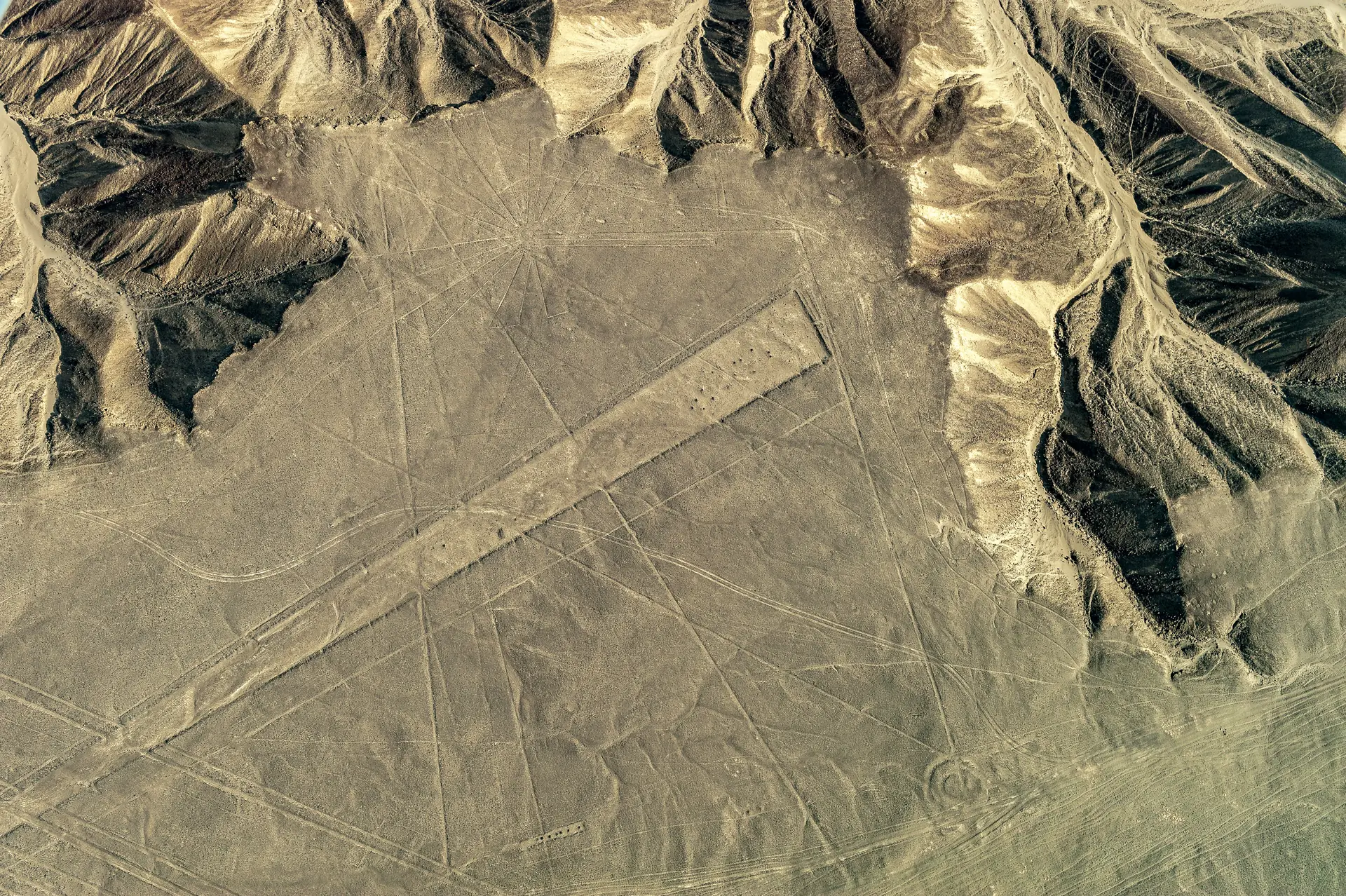
The Nazca Lines in Peru represent one of the most mysterious achievements of ancient human creativity. Created by the people who lived in this region between 500 BCE and 500 CE they produced enormous geoglyphs etched into the desert floor. These designs include lines that stretch for miles and shapes resembling animals plants and geometric figures. Their purpose remains debated but many experts believe they held deep cultural or astronomical significance.
The lines are best seen from above which is why most visitors experience them through small aircraft tours. The arid climate has helped preserve these markings for centuries because the region receives very little rainfall. The soil here contains a dark layer that resists erosion allowing the lighter-colored stones beneath to remain visible when arranged in precise patterns. This method of construction required careful planning and teamwork among ancient communities.
Researchers continue to study how such large-scale artworks were made without modern tools. Some theories suggest simple surveying techniques using stakes ropes and observation points. Others propose that the lines served as markers for water sources or ceremonial pathways. The diversity of designs indicates a society with sophisticated knowledge of geometry and astronomy though exact meanings are still unclear.
Visiting the Nazca Lines today offers a chance to witness human ingenuity across millennia. Tourists can explore nearby museums to learn about excavation efforts and ongoing research. Respect for this heritage remains important as preservation work aims to protect fragile surfaces from damage caused by foot traffic or environmental changes. The site stands as a reminder of how past cultures shaped their environment in ways that still inspire curiosity today.
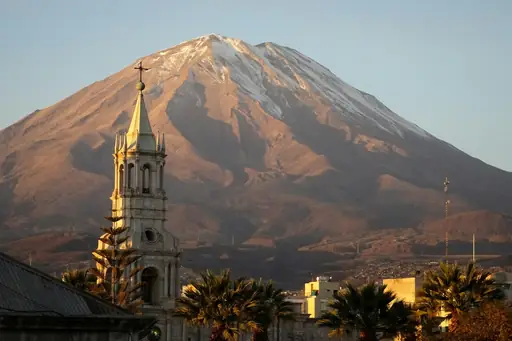
The Nazca Lines in Peru are accessible via several routes depending on visitor preferences. The nearest major airport is Jorge Chávez International Airport in Lima, from which travelers can fly to Arequipa or Cusco, followed by a road trip to the Nazca region. Alternatively, buses and private transfers operate directly from Lima to Nazca, taking approximately 4–5 hours via Panamericana Highway. For those preferring air travel, small charter flights offer scenic overflights of the geoglyphs, though these are limited to specific operators. Road access is available through local tour companies offering guided day trips from Nazca city, which include transportation and site visits. Visitors must book transport in advance during peak seasons (May–September).
In the Nazca region, lodging ranges from modest hostels to upscale boutique inns, all within a short drive of the observation points. Budget travelers often choose family-run guesthouses offering basic rooms with shared bathrooms, while mid‑range options feature private suites and on‑site restaurants serving local Peruvian fare. Luxury seekers can find eco‑resorts that blend contemporary design with sustainable practices, providing panoramic views of the desert landscape. Many accommodations emphasize rustic charm, using adobe walls and terracotta tiles to echo the ancient culture nearby. The area is also known for its “casa de campo” style lodging – cozy country houses that offer a quiet retreat after a day of stargazing or visiting the lines.
Log in to add this place to a travel list and get a summary of all recommended items for your whole trip.
We calculate the average costs when travelling to destinations and compare those with the living costs at your home. With this you can get an estimate of how expensive or cheap the destination is for you.
To customise this, you can set up which location and price level are used for the calculations in your account settings.
The exchange rate price factor shows how expensive or cheap a currency currently is compared to its historical average. It's a quick way to see if a country is currently more or less affordable due to exchange rate changes.
