










Was this page helpful?

These place ratings give you a quick overview of how well a destination matches different types of trips.
‘Best for’ scores:
The specific interest scores show where this place really shines – whether it's ideal for hiking, food & drink experiences, museums or other activities. These highlights help you understand what makes the destination special at a glance.
‘Your personal’ scores:
This reflects how well a place matches your personal preferences. You can adjust the importances of travel topics or other personal requirements categories in your account settings.
‘Suited for’ badges:
These give you a quick overview of how well a destination suits specific types of travellers, to help you find the places that match your lifestyle, preferences or travel situation.
| Power Grid: |
220 V, 60 Hz Plug: Type A , Type B
Type A:
  Read about power adapters |
|---|---|
| Currency: |
Peruvian Sol (PEN) £1 ≈ PEN 4.59 |
| Cashless info: |
Rating 4/5
Cashless payments are widely accepted in Peru, especially in larger cities and tourist areas.
Save with a travel credit card |
| eSIM providers: |
Best value: Saily Flexibility: Airalo Read our in-depth comparison |
| Tipping: | Tipping is customary in Peru, with 10-15% being the usual amount in restaurants. Small tips are appreciated by taxi drivers and hotel staff. |
|---|---|
| Public drinking: | Public drinking is prohibited in Peru, and alcohol consumption is restricted to licensed venues. |
| Public smoking: | Smoking is allowed in designated areas, but smoking indoors in public spaces is generally prohibited. |
| Emergency contact: | Emergency Numbers: 105 (Police), 106 (Ambulance), 116 (Fire) |
|---|---|
| Taxi apps: | Uber |
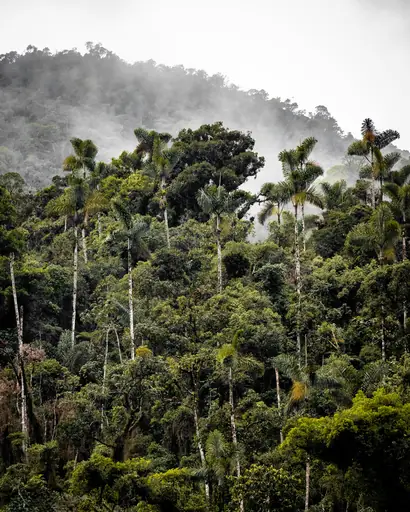
| Other: | Peru is known for its ancient culture, including Inca ruins and the Amazon rainforest, making it a popular destination for nature lovers and history enthusiasts. |
The best times to travel section shows how the months compare for a visit, so you can find the time of year that fits what you want to do.
Background colours of the months:
The colour shows the typical temperature: yellow (hot), green (mild) and blue (cold). How strong the colour is shows the travel season: full colour means high season, soft colour means shoulder season and soft-striped means off season.
Weather symbols:
Each month has one symbol showing what the weather is typically like, such as hot and sunny, freezing or a rainy or snowy season. Use them to quickly spot months that match the weather you want, or to avoid the ones that don't.
Crowdedness:
The people icon shows how busy the place usually is. The more people, the more crowded it gets.
Additional notes:
The grey info boxes point out special things worth knowing, like recurring weather issues or seasonal events.
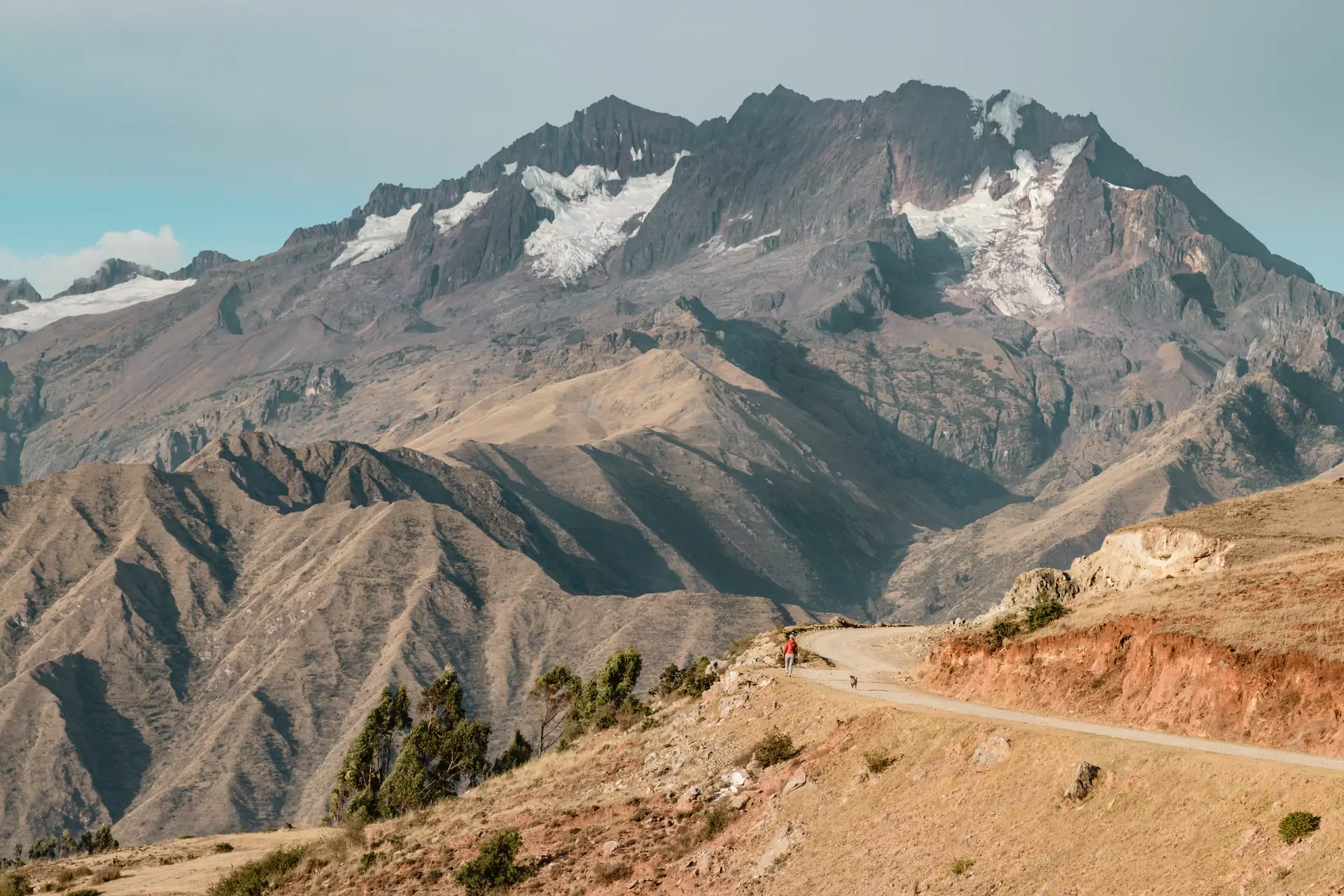
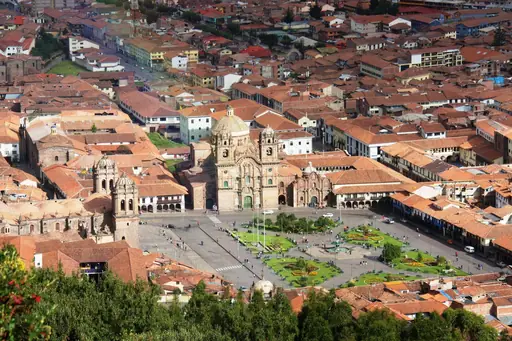
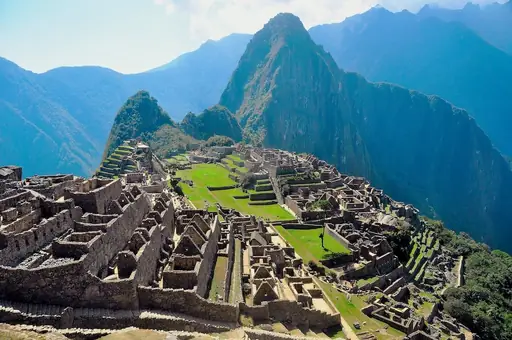
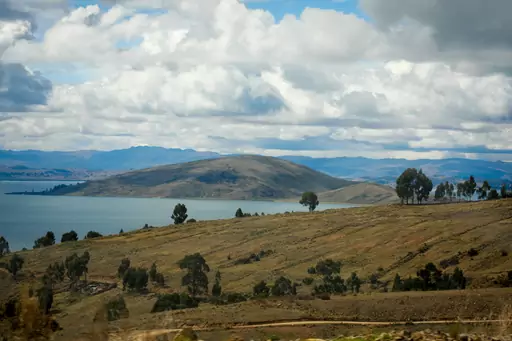
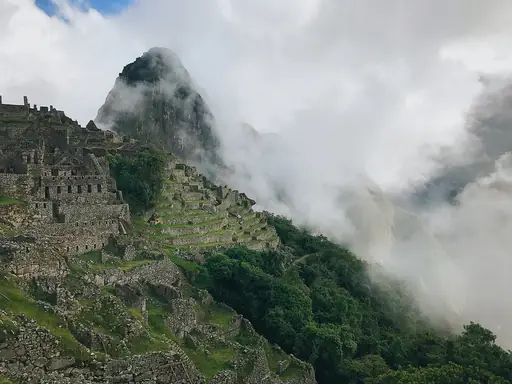
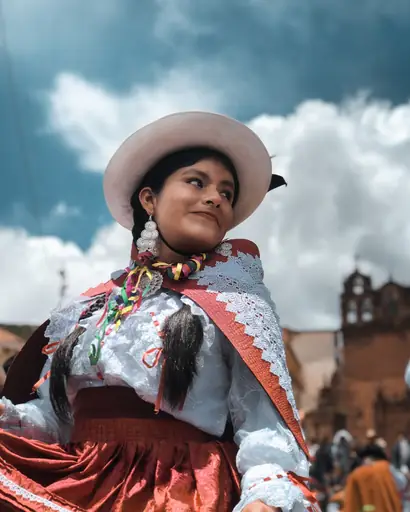
The Sacred Valley of the Incas offers a quiet yet profound glimpse into one of South America’s most significant cultural landscapes. Nestled between the high peaks of the Andes and the fertile plains that feed the city of Cusco, the valley is home to well-preserved Inca ruins such as Pisac, Ollantaytambo and Chinchero. These sites provide tangible evidence of advanced agricultural terraces, stone masonry and astronomical alignments that continue to intrigue archaeologists and visitors alike. Beyond its archaeological treasures, the valley’s everyday life reflects a blend of tradition and modernity. Local markets in Pisac showcase vibrant textiles, handmade pottery and regional foods like quinoa and corn tortillas. Visitors can observe farmers still cultivating crops on terraces using techniques passed down through generations, offering insight into sustainable agriculture practices that have endured for centuries. The landscape itself is varied: lush green valleys give way to dramatic cliff faces and high-altitude plateaus. Hiking routes such as the trail from Ollantaytambo to Machu Picchu provide moderate physical activity while rewarding travelers with panoramic views of the surrounding mountains and river valleys. The climate, typically mild in spring and autumn, allows comfortable exploration without extreme temperatures. Travelers seeking a balanced experience – combining cultural immersion, historical study and natural beauty – will find the Sacred Valley an accessible yet enriching destination that invites reflection rather than spectacle.
The Sacred Valley in Peru is accessible primarily by road from Cusco, the main gateway city. Travelers can reach Cusco via train or bus from Lima or directly by air through Alejandro Velasco Astete International Airport. From Cusco, local transportation such as taxis, colectivos (shared vans) or private tours provide access to towns like Ollantaytambo and Pisac along the valley route. The region is connected by a network of roads that wind through mountainous terrain, with some sections requiring 4x4 vehicles due to elevation changes. Seasonal considerations, such as weather conditions during the rainy season (December–March), may affect road accessibility.
The Sacred Valley offers a wide range of lodging styles to suit every traveler’s taste and budget. Budget-friendly hostels and family-run pensions line the main roads, providing clean rooms with basic amenities and often spectacular mountain views. Mid‑range boutique hotels combine traditional Andean architecture with modern comforts, featuring terraces overlooking terraced fields and local markets. For those seeking luxury, upscale resorts offer spa services, infinity pools and guided tours of nearby archaeological sites. Many accommodations emphasize sustainability, using solar power and locally sourced materials. Whether you prefer a rustic adobe inn or a contemporary eco‑hotel, the valley’s hospitality sector is well developed to accommodate solo trekkers, families and cultural enthusiasts alike.
We calculate the average costs when travelling to destinations and compare those with the living costs at your home. With this you can get an estimate of how expensive or cheap the destination is for you.
To customise this, you can set up which location and price level are used for the calculations in your account settings.
The exchange rate price factor shows how expensive or cheap a currency currently is compared to its historical average. It's a quick way to see if a country is currently more or less affordable due to exchange rate changes.
To help you plan your trip, we provide estimated daily costs per person (when travelling as a pair) for different travel styles. These numbers give you an idea of what you might spend each day at this destination, including accommodation, food, transport and activities.
Additionally, we also provide average hotel costs for different travel styles to give you an estimate for the accommodation only.
Please note that these are only estimates. The real costs depend on booking times, season and other factors.
Travel style categories explained:
Backpacker:
Staying in hostels or budget hotels, cooking your own meals or eating cheap and choosing low-cost activities.
Mid-range:
Staying in mid-range hotels, eating at a mix of restaurants and casual spots and enjoying a variety of activities.
Luxury:
Staying in luxury hotels, dining out at high-end restaurants and enjoying premium experiences without worrying about the price.
| Backpacker | Mid-range | Luxury | |
|---|---|---|---|
| 💵 Total costs per day, including accommodation | |||
| 🏨 Accommodation per night, per person | |||
| 🍝 Food per day | |||
| 🚕 Transportation per day |
| 🍽️ Restaurant Dinner, per person | |
|---|---|
| 🍛 Lunch Set, per person | |
| 🍟 Fast food combo | |
| 🍝 Preparing your own food, per day | |
| ☕ Cappuccino | |
| 🍺 Beer in a restaurant, 0.5 l |
| 🚌 Public transport ticket | |
|---|---|
| 🚕 Taxi Ride, 10 km / 6 mi | |
| ⛽ Petrol, 1 l |
| 🎞️ Cinema ticket | |
|---|---|
| 👩⚕️ Doctor's consult | |
| 🤧 Cold medication | |
| 💇 Basic haircut |
Log in to add this place to a travel list and get a summary of all recommended items for your whole trip.
