












Was this page helpful?

The best times to travel section shows how the months compare for a visit, so you can find the time of year that fits what you want to do.
Background colours of the months:
The colour shows the typical temperature: yellow (hot), green (mild) and blue (cold). How strong the colour is shows the travel season: full colour means high season, soft colour means shoulder season and soft-striped means off season.
Weather symbols:
Each month has one symbol showing what the weather is typically like, such as hot and sunny, freezing or a rainy or snowy season. Use them to quickly spot months that match the weather you want, or to avoid the ones that don't.
Crowdedness:
The people icon shows how busy the place usually is. The more people, the more crowded it gets.
Additional notes:
The grey info boxes point out special things worth knowing, like recurring weather issues or seasonal events.
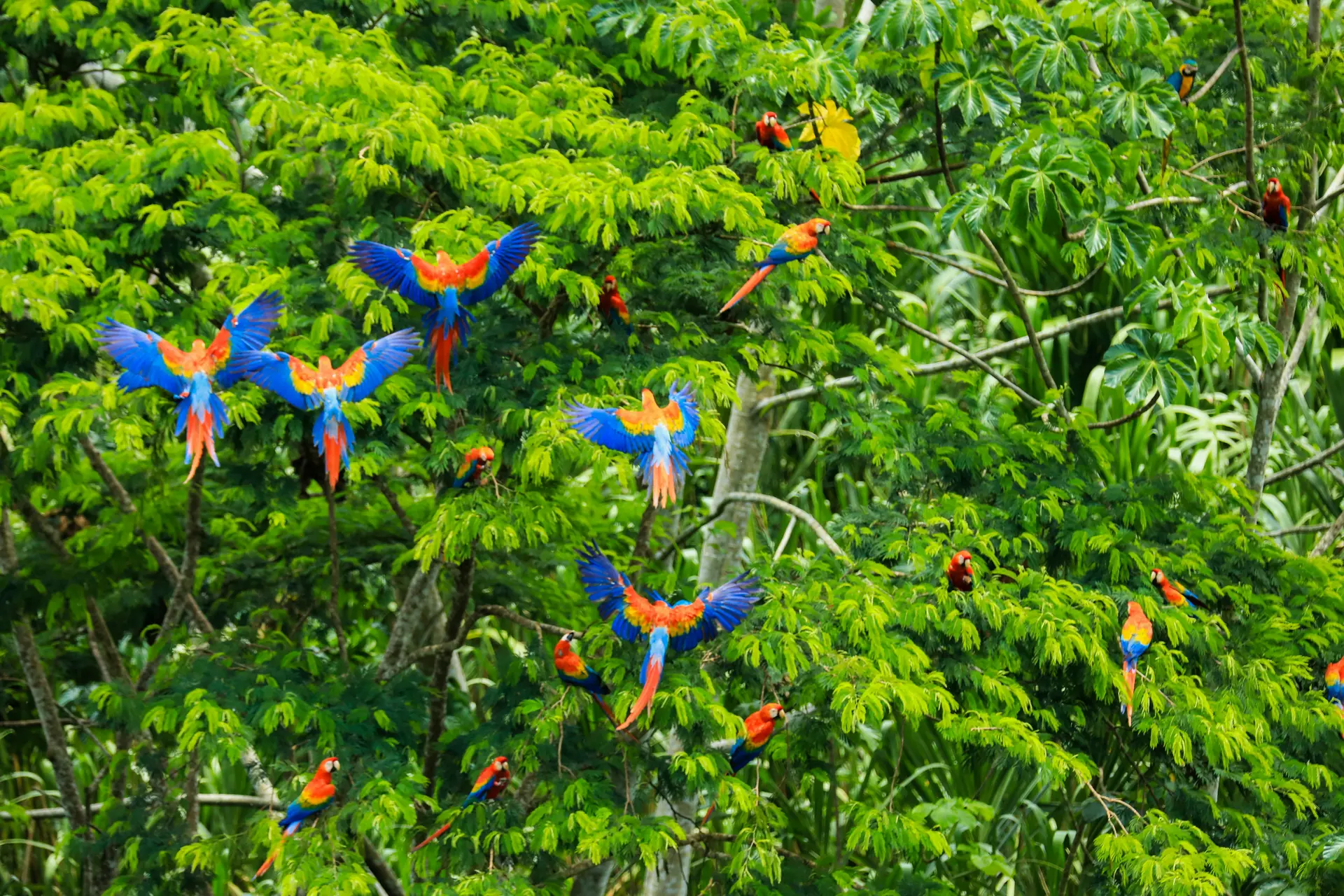
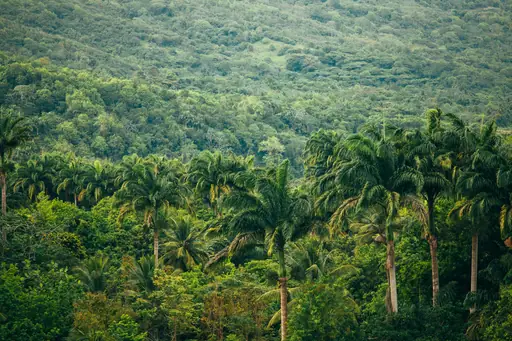
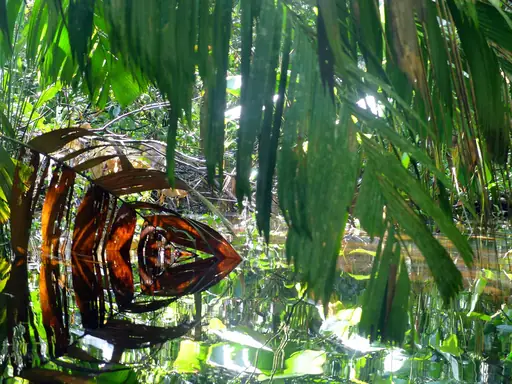
The Amazon Rainforest spans multiple countries including Brazil Peru Colombia Bolivia Venezuela Ecuador Suriname. This vast area holds immense biodiversity with countless plant and animal species found nowhere else on Earth. Trees stretch high forming a dense canopy while rivers weave through the landscape creating habitats for fish birds and mammals.
Travelers encounter indigenous communities preserving ancient traditions alongside modern influences. Canoe journeys reveal hidden waterfalls while guided hikes show medicinal plants used by local healers. The forest floor teems with insects frogs and small creatures thriving in humid conditions. Seasonal changes affect river levels impacting access to certain regions throughout the year.
Climate varies across elevations from hot lowlands to cooler mountain zones. Heavy rainfall sustains lush growth supporting complex ecosystems. Deforestation poses challenges requiring careful management to protect resources for future generations. Sustainable tourism initiatives promote responsible interactions with nature and local people.
Exploring this region demands preparation for remote conditions including insects strong sun and limited infrastructure in some areas. Packing appropriate gear respecting cultural norms and supporting conservation efforts enhances the experience while minimizing negative impacts on fragile environments. Every visit highlights the importance of preserving these irreplaceable landscapes for global health.
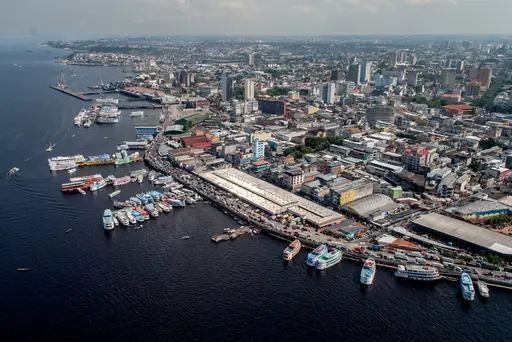
The Amazon Rainforest spans multiple countries, requiring regional travel arrangements. Access typically involves flying into major hubs like Manaus (Brazil), Iquitos (Peru) or Leticia (Colombia). From these cities, river cruises or guided tours navigate the dense jungle via tributaries such as the Rio Negro or Madeira River. Overland routes are limited due to remote terrain; most visitors use air or water transport. Border crossings between countries may require advance permits and documentation. Smaller towns like Puerto Maldonado (Peru) or Santa Cruz de la Sierra (Bolivia) serve as entry points for specific regions. Travelers must plan logistics carefully, prioritizing eco-friendly operators to minimize environmental impact while exploring this vast, biodiverse ecosystem.
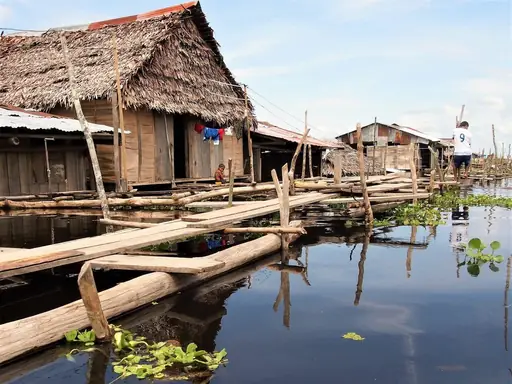
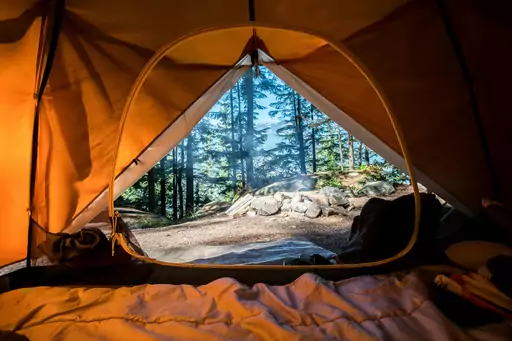
In the Amazon basin, accommodation ranges from rustic lodges perched on stilts to eco‑camps that blend seamlessly with the jungle. Most lodges offer basic but comfortable rooms, often with hammocks or simple cabins and provide guided tours, river excursions and wildlife spotting. The region is renowned for its “river house” style – wooden structures built over water, offering panoramic views of the canopy and easy access to fishing and canoeing. Prices vary widely: budget camps start around R$150 (£22.39) per night, while mid‑range lodges charge between R$350 – 600 (£52.23 – 89.54), reflecting amenities such as guided treks, local cuisine and sustainable practices. Luxury eco‑resorts, though fewer, provide private villas with plunge pools and personalized wildlife experiences, typically ranging from R$1,000 – 2,000 (£149.24 – 298.47) per night.
Log in to add this place to a travel list and get a summary of all recommended items for your whole trip.
We calculate the average costs when travelling to destinations and compare those with the living costs at your home. With this you can get an estimate of how expensive or cheap the destination is for you.
To customise this, you can set up which location and price level are used for the calculations in your account settings.
