







South America › Ecuador › Cuyabeno Wildlife Reserve

Cuyabeno Wildlife Reserve

Scroll
Amazon wilderness teeming with life

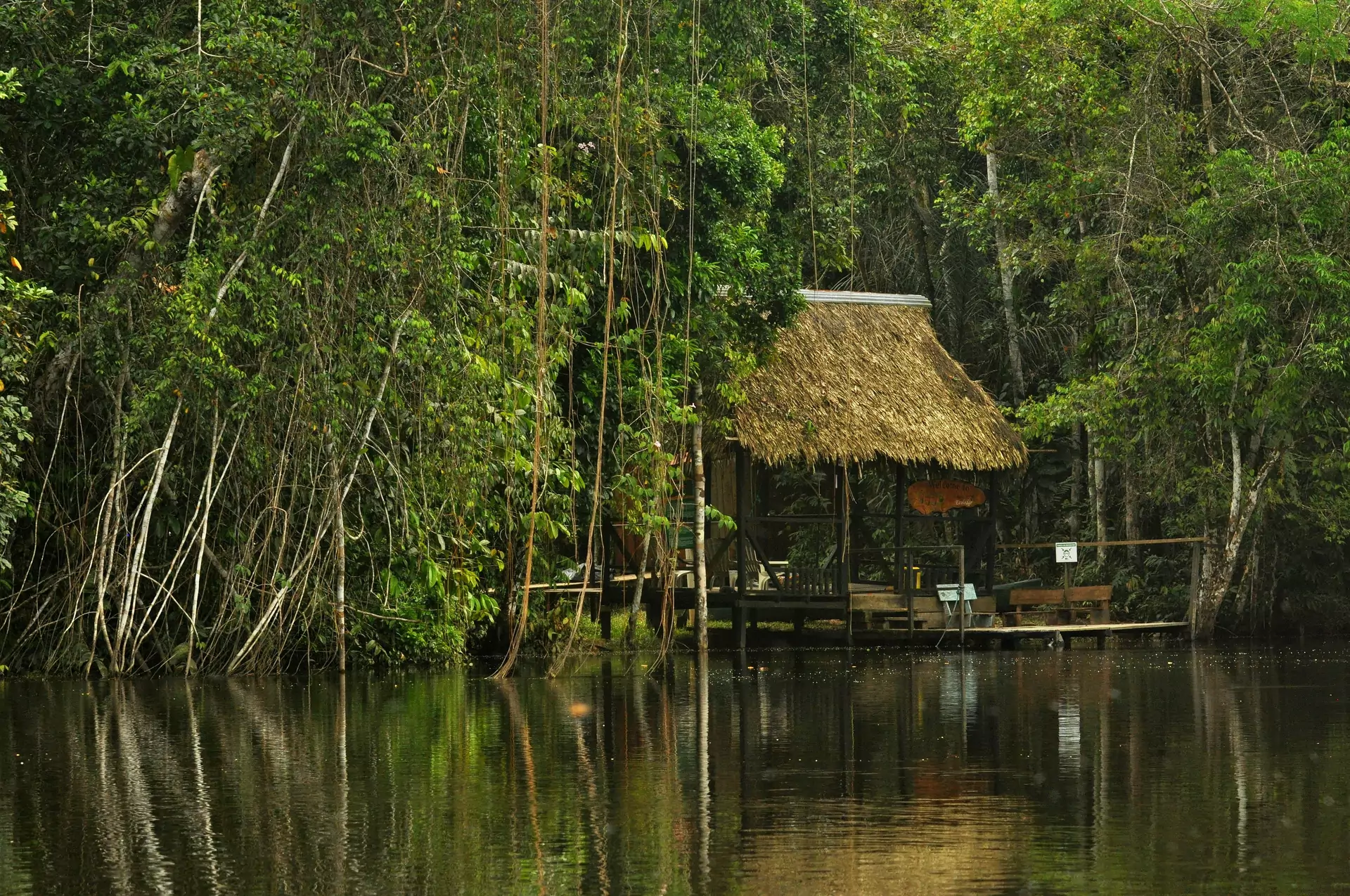
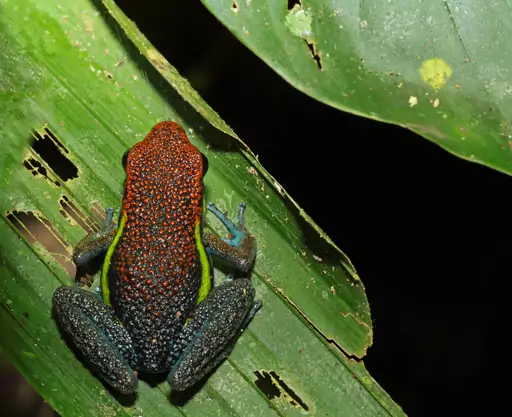
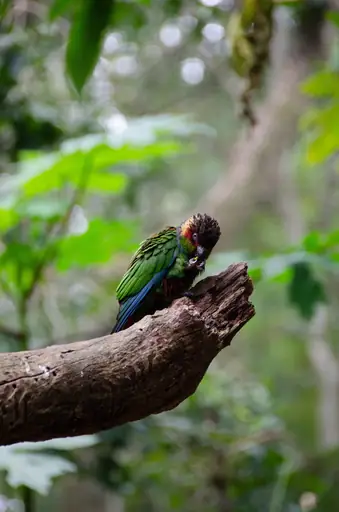
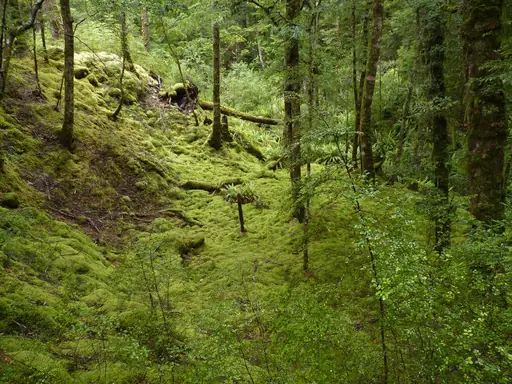
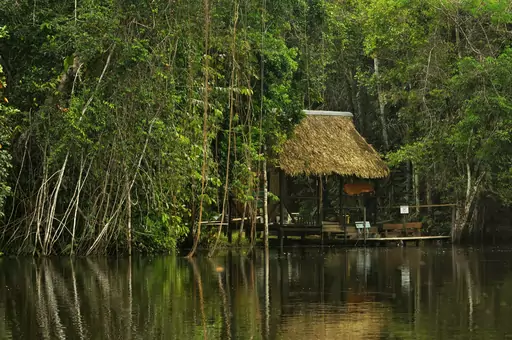
Cuyabeno Wildlife Reserve in Ecuador protects a large area of rainforest and wetlands along the Napo River. The reserve is home to many kinds of animals, including pink river dolphins, caimans, monkeys and colorful birds. Visitors can explore by boat or on foot, seeing plants and trees that grow only in tropical regions. Local guides share knowledge about animal habits and plant uses. The area remains relatively quiet compared to busier tourist spots, making it a place for those who want calm observation of nature without crowds.

Nature Reserve in Ecuador
Climate zone: Tropical rainforest

Tropical rainforest: Equatorial climates with year-round high temperatures and heavy rainfall, supporting dense evergreen forests and rich biodiversity.

See climate table
Price level: $$$
$Cheap
$$Medium
$$$Expensive, upscale
$$$+Very expensive, luxury
See price details
Safety: 5.8
General Safety:7
Health & medical:4
Accessibility:2
Tap water:7
Read details
Tourist English: 3/5
English proficiency varies widely in Cuyabeno. Tour guides and lodge staff generally speak functional to good English, while indigenous community members may have limited English skills. Basic Spanish phrases are helpful for deeper cultural interactions.
Last update: 12 Oct 2026
* We earn a commission from some links on this page.
Cuyabeno Wildlife Reserve Summary

These place ratings give you a quick overview of how well a destination matches different types of trips.

‘Best for’ scores:
The specific interest scores show where this place really shines – whether it's ideal for hiking, food & drink experiences, museums or other activities. These highlights help you understand what makes the destination special at a glance.

‘Your personal’ scores:
This reflects how well a place matches your personal preferences. You can adjust the importances of travel topics or other personal requirements categories in your account settings.

‘Suited for’ badges:
These give you a quick overview of how well a destination suits specific types of travellers, to help you find the places that match your lifestyle, preferences or travel situation.

Read how our scores work
Excellent for Amazon wildlife and river exploration. Paddle rainforest waterways, watch monkeys and birds, explore jungle trails and experience indigenous culture.
Place score
8.1
Best at:
Natural sites
10
Wildlife
10
Birdwatching
10
Forests
9
Rivers
9
Personal score
?
Log in to see how this place matches your personal travel interests.
Suited for
👶 6
Families
🧓 3
Seniors
♻️ 9
Sustainability
❤️ 8
Couples
Ecuador – Quick facts
Power Grid: 120 V, 60 Hz
Plug: Type A , Type B
Type A:
Diagram of a Type A power plug
Type B:
Diagram of a Type B power plug

Read about power adapters
Currency: US Dollar (USD)
£1 ≈ US$1.33
Cashless info: Rating 4/5
Cashless payments are becoming more common in Ecuador, especially in urban areas. However, cash is still widely used, particularly in rural regions. Credit cards are accepted in larger establishments.

Save with a travel credit card
eSIM providers: Best value: Saily
Flexibility: Airalo
Read our in-depth comparison
Tipping: Tipping is appreciated in Ecuador, though not mandatory. A 10% tip in restaurants is common, and small tips are also welcome for taxi drivers and hotel staff.
Public drinking: Public drinking is generally not allowed in Ecuador, and alcohol consumption is confined to licensed establishments like bars and restaurants.
Public smoking: Smoking is prohibited in indoor public places, including restaurants and public transport. Smoking is allowed in designated outdoor areas.
Independence Day
(10 August)
National holiday celebrating Ecuador’s independence
Christmas
(25 December)
Celebrated with family gatherings, festive meals, and fireworks
Emergency contact: Emergency Number: 911
Taxi apps: Uber
Other: Ecuador is known for its diverse landscapes, including the Amazon rainforest, the Andes mountains, and the Galapagos Islands. It offers a mix of nature, culture, and adventure for travellers.
Best times to travel

The best times to travel section shows how the months compare for a visit, so you can find the time of year that fits what you want to do.

Background colours of the months:
The colour shows the typical temperature: yellow (hot), green (mild) and blue (cold). How strong the colour is shows the travel season: full colour means high season, soft colour means shoulder season and soft-striped means off season.

Weather symbols:
Each month has one symbol showing what the weather is typically like, such as hot and sunny, freezing or a rainy or snowy season. Use them to quickly spot months that match the weather you want, or to avoid the ones that don't.

Crowdedness:
The people icon shows how busy the place usually is. The more people, the more crowded it gets.

Additional notes:
The grey info boxes point out special things worth knowing, like recurring weather issues or seasonal events.

for Cuyabeno Wildlife Reserve, Ecuador
🌧️
Jan
🌧️
Feb
🌧️
Mar
🌧️
Apr
🌧️
May
🌧️
Jun
🌧️
Jul
🔥
Aug
🔥
Sep
🌧️
Oct
🌧️
Nov
🔥
Dec
High season: Jan., July - Aug., Dec.
Shoulder season: Feb., June, Sep. - Nov.
Crowdedness: 3 (Few tourists)
Tap on a month for more info Hover over a month for more info
Reachable only on guided lodge tours, usually 3 to 5 days, with a road transfer from Lago Agrio followed by a canoe ride
High water June to August allows canoeing through flooded forest, low water December to February favours jungle walks

Why travel to Cuyabeno Wildlife Reserve?

Cuyabeno captivates visitors with its extraordinary biodiversity and immersive jungle experience. Unlike more commercialized parts of the Amazon, here you can paddle silently through flooded forests in traditional dugout canoes, spotting creatures like caimans, anacondas and the adorable pocket monkey (just 10cm in size). The reserve's system of rivers and lagoons creates perfect viewing opportunities, with Laguna Grande offering spectacular sunsets and chances to swim in the same waters where pink river dolphins surface. What makes Cuyabeno truly special is how accessible authentic wildlife encounters are. With knowledgeable guides (many from local indigenous communities), you'll learn about medicinal plants like the Sangre de Drago tree whose sap heals wounds, spot diverse bird species and perhaps even meet a local shaman from the Siona tribe. Just be prepared for the physical realities of jungle life – the high humidity, persistent insects including the itchy 'coloradilla' tick and basic accommodations that put you right in the heart of nature's symphony of sounds.

🎡Places for activities
  • 1 AGUAS NEGRAS RIVER LODGE
🏞️Natural landmarks
  • 1 Río Aguarico
  • 2 Laguna Grande
  • 3 Río San Miguel
🎈Events
  • Indigenous Cultural Celebrations
  • Seasonal Wildlife Migrations
  • Breeding Season Observations
  • Conservation Awareness Days
  • Ecological Research Expeditions
  • Community Tourism Festivals
  • Shamanic Ceremonies
  • Traditional Harvest Celebrations
  • River Dolphin Monitoring Events
  • Rainforest Conservation Workshops

Knowledge before you go

  • Book multi-day lodge tour; independent entry prohibited.
  • Pack rubber boots, rain gear, binoculars for jungle hikes and canoe wildlife spotting.
  • Spot pink river dolphins at Laguna Grande; best May-October dry season visibility.
  • Night canoe trips reveal caimans' glowing eyes and nocturnal monkeys; bring powerful flashlight.

How to travel to Cuyabeno Wildlife Reserve

To reach Cuyabeno, most visitors first travel to the jungle town of Lago Agrio (also called Nueva Loja). From Quito, you can take an 8-10 hour night bus (US$10 (£7.48) for public bus, US$22 (£16.45) for more secure tourist bus). Unfortunately, flights from Quito to Lago Agrio are currently unavailable (as of 2025), though you can fly to Coca and take a 2-hour bus to Lago Agrio. From Lago Agrio, lodges typically arrange transportation to Cuyabeno Bridge (about 2 hours by road), where you'll continue by boat to your accommodation.

Access summary

  • From Lago Agrio Airport: Lodge shuttle to Cuyabeno Bridge, then canoe, 3–4 hours.
  • From Quito: Overnight bus or shuttle to Lago Agrio, about 8–10 hours.
  • From Cuyabeno Bridge: Mandatory motorized canoe with lodge, usually 2–3 hours upriver.

Where to stay in Cuyabeno Wildlife Reserve

Accommodation in Cuyabeno consists primarily of eco-lodges scattered along the riverbanks, offering an immersive jungle experience. Options range from basic shared bungalows (around US$280 (£209.32) for a 4-day package) to private cabins (approximately US$310 (£231.75) for the same duration). Most lodges are built in traditional style with screened rooms, mosquito nets and limited electricity. Packages typically include all meals, guided activities and transportation from Lago Agrio, making them good value despite the remote location.

How to get around Cuyabeno Wildlife Reserve

Getting around Cuyabeno is primarily by motorized canoe and dugout canoes along the river systems. Most lodges provide transportation from the Cuyabeno Bridge entrance point via a 2-hour boat journey that doubles as your first wildlife spotting opportunity. For exploring the forest interior, guided hikes are the way to go, with rubber boots essential for navigating the often muddy terrain. All transportation within the reserve is typically arranged by your lodge as part of tour packages.
Budget snapshot
Costs compared to home

We calculate the average costs when travelling to destinations and compare those with the living costs at your home. With this you can get an estimate of how expensive or cheap the destination is for you.

To customise this, you can set up which location and price level are used for the calculations in your account settings.

-72 %
Daily expenses in the region are around 72% lower than the average across United States. That means you'll spend a lot less on meals and getting around.
Exchange rate trend

The exchange rate price factor shows how expensive or cheap a currency currently is compared to its historical average. It's a quick way to see if a country is currently more or less affordable due to exchange rate changes.

-4 %
Your exchange rate (GBP to USD) is 4% better than in recent years. That means travelling now costs around the same compared to the past.

Travel costs (Data for Florencia, Colombia - 194 km away)

To help you plan your trip, we provide estimated daily costs per person (when travelling as a pair) for different travel styles. These numbers give you an idea of what you might spend each day at this destination, including accommodation, food, transport and activities.

Additionally, we also provide average hotel costs for different travel styles to give you an estimate for the accommodation only.

Please note that these are only estimates. The real costs depend on booking times, season and other factors.

Daily cost summary

Travel style categories explained:

Backpacker:
Staying in hostels or budget hotels, cooking your own meals or eating cheap and choosing low-cost activities.

Mid-range:
Staying in mid-range hotels, eating at a mix of restaurants and casual spots and enjoying a variety of activities.

Luxury:
Staying in luxury hotels, dining out at high-end restaurants and enjoying premium experiences without worrying about the price.

Backpacker Mid-range Luxury
💵 Total costs per day, including accommodation
£46
£72
£176
🏨 Accommodation per night, per person
£30
£49
£113
🍝 Food per day
£13
£19
£50
🚕 Transportation per day
£3
£4
£14
Food & Drink
🍽️ Restaurant Dinner, per person
£3
🍛 Lunch Set, per person
£4.70
🍟 Fast food combo
£4.20
🍝 Preparing your own food, per day
£4.10
☕ Cappuccino
£4.40
🍺 Beer in a restaurant, 0.5 l
£0.70
Transportation
🚌 Public transport ticket
£0.55
🚕 Taxi Ride, 10 km / 6 mi
£8
⛽ Petrol, 1 l
£0.90
Other
🎞️ Cinema ticket
£3
👩‍⚕️ Doctor's consult
£20
🤧 Cold medication
£2.80
💇 Basic haircut
£3.50

Safety information overview

General safety
7
Cuyabeno is generally safe for tourists. The main concerns are natural hazards rather than crime. Always follow guide instructions, especially around water where caimans and anacondas live. Swimming is safe in designated areas with others present.
Health & Medical
4
Medical facilities are extremely limited within the reserve. The nearest hospitals are in Lago Agrio. While malaria is not present in Cuyabeno, other insect-borne discomforts exist. Bring basic medications, especially for stomach issues and check for ticks after jungle walks.
Accessi­bility
2
Cuyabeno presents significant challenges for those with mobility issues. Getting to lodges requires long canoe rides and activities involve uneven terrain, muddy paths and basic facilities. The reserve is not suitable for wheelchair users or those who cannot manage moderate physical activity.
Tap water
7
Tap water is not safe for drinking in Cuyabeno. Lodges typically provide filtered or bottled water for guests. Always confirm water safety before consumption and carry water during excursions, especially in the humid conditions where dehydration can occur quickly.

Packing recommendations for Cuyabeno Wildlife Reserve

Log in to add this place to a travel list and get a summary of all recommended items for your whole trip.

Looking for inspiration?

Discover
Stunning national parks and wilderness areas
National parks exist because someone decided that certain landscapes were too important to lose. The best of them protect ecosystems, wildlife and natural processes that would…
Read more
Discover
Top adventure destinations and outdoor activities
Adventure travel covers an enormous range of activities and risk tolerances, from multi-day wilderness trekking and white water rafting to technical climbing, polar expeditions and…
Read more
Discover
Best travel destinations for food allergies
Travelling with a food allergy adds a layer of planning most people never have to think about and the right destination can make that planning a lot easier. Some travellers…
Read more
Discover
Stunning national parks and wilderness areas in South America
Read more
Discover
Best rainforest destinations in South America
South America has the largest rainforest on the planet, and even a few days in the Amazon feel very different from any other trip. Most trips start in a river town like Manaus…
Read more
Discover
Best travel destinations for food allergies in South America
South America takes more preparation for allergy conscious travelers than some other regions, since formal allergen labeling laws are less consistent from country to country.…
Read more
Discover
Best birdwatching destinations in South America
South America is the undisputed capital of global birdwatching. The continent holds more bird species than any other, with over 3,400 recorded, and the levels of endemism in…
Read more
Discover
Best wildlife destinations in South America
South America's wildlife is as extraordinary as its landscapes, shaped by an unmatched range of ecosystems and some of the highest levels of biodiversity on earth. From vast river…
Read more
Discover
Top forest destinations and woodland landscapes
Forest travel encompasses some of the world's most biodiverse and ecologically significant environments, with the great tropical rainforests, temperate old growth systems and…
Read more
Discover
Top birdwatching destinations and avian hotspots
Birdwatching has a way of changing how you travel. Once you start paying attention to what's flying, perching and calling overhead, a destination opens up in ways that a standard…
Read more
Discover
Best stargazing destinations in South America
South America's dark sky destinations are among the finest in the world, with high-altitude Andean deserts producing atmospheric conditions that have attracted major international…
Read more
Discover
Best couple holiday destinations
Travelling as a couple sounds simple enough, yet the best couple holiday destinations mean something different to almost every pair. What feels romantic to one couple can feel like…
Read more
Discover
Best rural retreat destinations in South America
South America's rural retreat offer is shaped by the continent's extraordinary landscape diversity, with Andean valley farmsteads, Patagonian estancias, cloud forest lodges and…
Read more
Discover
Best eco-tourism destinations in South America
One remote island archipelago operates under some of the strictest visitor regulations anywhere in the world, deliberately limiting tourism to protect endemic species found nowhere…
Read more
Discover
Top stargazing destinations and dark sky reserves
The best dark sky destinations are found far from urban light pollution, typically in high-altitude deserts, remote island locations and vast uninhabited interior regions.…
Read more
Was this page helpful?
Feedback