














Was this page helpful?

These place ratings give you a quick overview of how well a destination matches different types of trips.
‘Best for’ scores:
The specific interest scores show where this place really shines – whether it's ideal for hiking, food & drink experiences, museums or other activities. These highlights help you understand what makes the destination special at a glance.
‘Your personal’ scores:
This reflects how well a place matches your personal preferences. You can adjust the importances of travel topics or other personal requirements categories in your account settings.
‘Suited for’ badges:
These give you a quick overview of how well a destination suits specific types of travellers, to help you find the places that match your lifestyle, preferences or travel situation.
| Power Grid: |
120 V, 60 Hz Plug: Type A , Type B
Type A:
  Read about power adapters |
|---|---|
| Currency: |
US Dollar (USD) £1 ≈ US$1.33 |
| Cashless info: |
Rating 4/5
Cashless payments are becoming more common in Ecuador, especially in urban areas. However, cash is still widely used, particularly in rural regions. Credit cards are accepted in larger establishments.
Save with a travel credit card |
| eSIM providers: |
Best value: Saily Flexibility: Airalo Read our in-depth comparison |
| Tipping: | Tipping is appreciated in Ecuador, though not mandatory. A 10% tip in restaurants is common, and small tips are also welcome for taxi drivers and hotel staff. |
|---|---|
| Public drinking: | Public drinking is generally not allowed in Ecuador, and alcohol consumption is confined to licensed establishments like bars and restaurants. |
| Public smoking: | Smoking is prohibited in indoor public places, including restaurants and public transport. Smoking is allowed in designated outdoor areas. |
| Independence Day (10 August) |
National holiday celebrating Ecuador’s independence |
|---|---|
| Christmas (25 December) |
Celebrated with family gatherings, festive meals, and fireworks |
| Emergency contact: | Emergency Number: 911 |
|---|---|
| Taxi apps: | Uber |
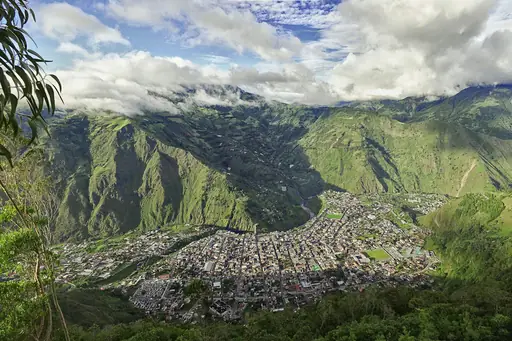
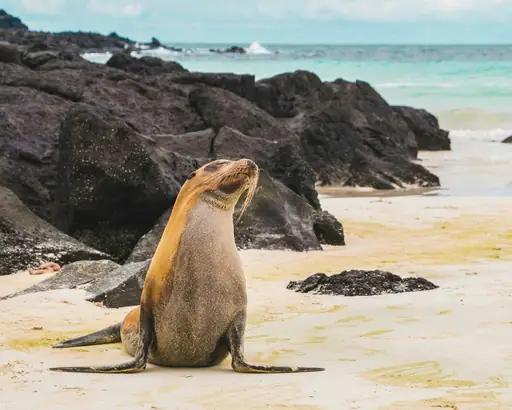
| Other: | Ecuador is known for its diverse landscapes, including the Amazon rainforest, the Andes mountains, and the Galapagos Islands. It offers a mix of nature, culture, and adventure for travellers. |
The best times to travel section shows how the months compare for a visit, so you can find the time of year that fits what you want to do.
Background colours of the months:
The colour shows the typical temperature: yellow (hot), green (mild) and blue (cold). How strong the colour is shows the travel season: full colour means high season, soft colour means shoulder season and soft-striped means off season.
Weather symbols:
Each month has one symbol showing what the weather is typically like, such as hot and sunny, freezing or a rainy or snowy season. Use them to quickly spot months that match the weather you want, or to avoid the ones that don't.
Crowdedness:
The people icon shows how busy the place usually is. The more people, the more crowded it gets.
Additional notes:
The grey info boxes point out special things worth knowing, like recurring weather issues or seasonal events.
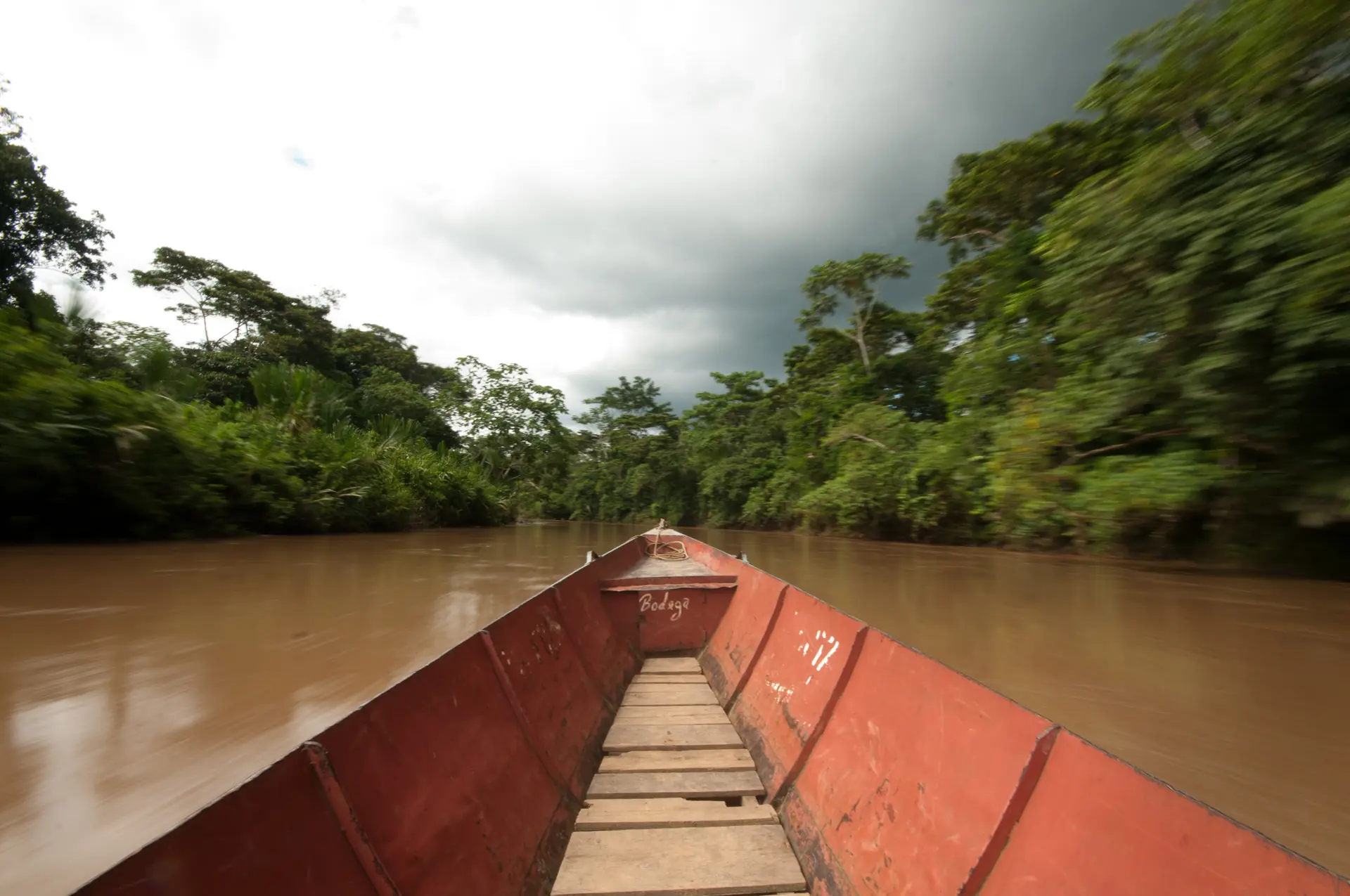
Yasuni National Park, located in Ecuador’s Amazon basin, offers a unique opportunity to experience one of the world’s most biodiverse ecosystems without the excess of tourist crowds found in more popular destinations. The park’s dense rainforest is home to thousands of plant species, including rare orchids and medicinal trees, as well as an impressive array of wildlife such as jaguars, tapirs, giant otters and countless bird species – many of which are endemic or endangered. For visitors interested in nature observation, the park provides guided walks and boat tours that allow close encounters with these animals while respecting their habitats. Beyond its ecological significance, Yasuni is a living laboratory for scientific research. The park’s protected status has enabled long-term studies on climate change impacts, forest dynamics and biodiversity conservation. Visitors can learn about these efforts through interpretive centers and talks by local scientists and indigenous community members who have lived in harmony with the forest for generations. Traveling to Yasuni also supports sustainable tourism initiatives that benefit both the environment and local communities. By choosing responsible tour operators, travelers help fund conservation projects and provide economic opportunities for nearby villages. The park’s remote location ensures a tranquil setting where one can reflect on the interconnectedness of ecosystems while enjoying the natural beauty of Ecuador’s Amazon.
Yasuní National Park, located in eastern Ecuador within the Amazon rainforest, is accessible primarily by air or river. The nearest major airport is in Puerto López, from which travelers can take a domestic flight to Puerto Francisco de Orellana (Cofán), approximately 100 kilometers away. Alternatively, visitors may reach the park via river routes starting from Coca or Lago Agrio, requiring a combination of road and water travel. Road access involves navigating unpaved routes through remote jungle terrain, often necessitating guided tours due to environmental conditions. The park’s remoteness limits large-scale infrastructure development, preserving its ecological integrity while offering limited but direct entry points for eco-tourism and research activities.
Yasuni National Park offers a range of eco‑lodging options that blend comfort with conservation. Visitors can stay in the park’s well‑maintained visitor center cabins, which provide basic amenities and panoramic views of the Amazon basin. For those seeking more immersive experiences, jungle lodges scattered along the Napo River offer rustic cabins or canvas tents equipped with solar power, rainwater harvesting and guided wildlife tours. The area is renowned for its sustainable eco‑resorts that use locally sourced materials and support community projects. Prices vary from modest US$30 – 50 (£22.43 – 37.38) per night for shared accommodations to US$80 – 120 (£59.81 – 89.71) for private jungle suites, all designed to minimize environmental impact while offering a unique rainforest stay.
We calculate the average costs when travelling to destinations and compare those with the living costs at your home. With this you can get an estimate of how expensive or cheap the destination is for you.
To customise this, you can set up which location and price level are used for the calculations in your account settings.
The exchange rate price factor shows how expensive or cheap a currency currently is compared to its historical average. It's a quick way to see if a country is currently more or less affordable due to exchange rate changes.
Log in to add this place to a travel list and get a summary of all recommended items for your whole trip.
