Back to grid

Best eco-tourism destinations in South America

Galapagos Islands
The Wildlife Paradise of Ecuador
8.5
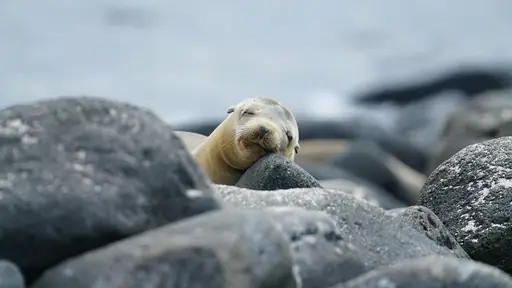
HMS Beagle reached the islands on September 15, 1835. Ecuador declared 97.5% of the land a national park in 1959. The islands joined the UNESCO list in 1978. Visitors reach 116 sites in small groups for two to four hours with licensed guides. The archipelago has 127 islands including 18 major islands.
Highlights:
  • 🦩 Walk among blue-footed boobies on North Seymour Island
  • 🐢 Spot giant tortoises roaming freely in the highlands
  • 🐢 Snorkel with sea lions and turtles at Isla Lobos
El Chalten
Hiking Capital of Argentina
7.7
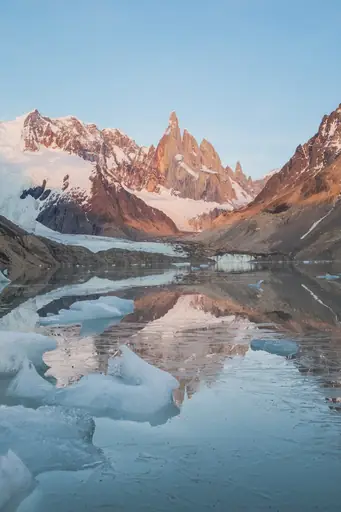
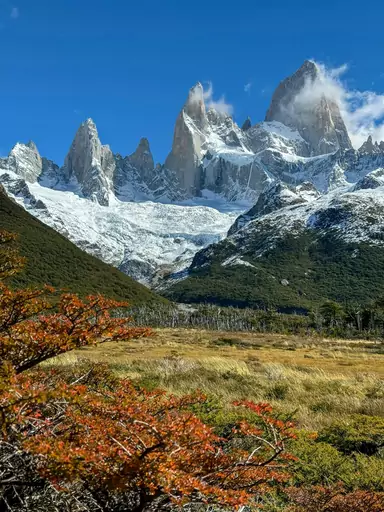
The village lies about 140 miles north of El Calafate inside Los Glaciares National Park. Argentina named it its national trekking capital. Laguna de los Tres is a hike near the base of Fitz Roy. Summer brings long daylight, strong winds and cool temperatures. Winter daytime highs average about 37°F.
Highlights:
  • ⛰️ Climb steep trail sections for breathtaking mountain panoramas
  • 🌊 Explore Laguna Capri’s peaceful turquoise waters
  • 🏞️ Hike to Laguna de Los Tres for Mount Fitz Roy views
Torres del Paine National Park
Epic Landscapes and Untamed Wilderness
8.1
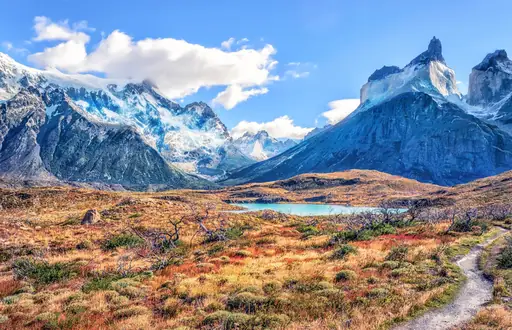
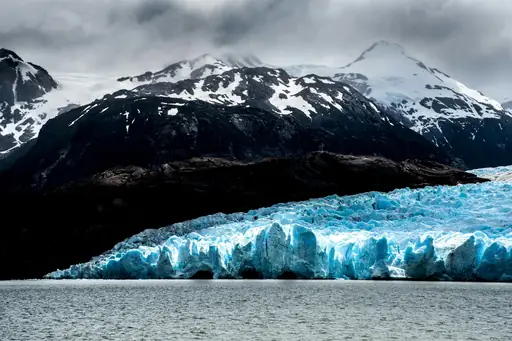
The park became a UNESCO World Biosphere Reserve in 1978. It covers about 700 square miles. Grey Glacier is about 9 miles long. Guanacos are among the most common mammals and pumas live there too. The W trek covers about 50 miles in three to five days.
Highlights:
  • ⛰️ Trek the scenic French Valley with mountain views
  • 🛶 Take a boat tour to see stunning Grey Glacier
  • 🥾 Hike to the iconic Mirador Las Torres viewpoint
Patagonia
Untamed Beauty at the End of the World
8.3
UNESCO inscribed Península Valdés in 1999. Southern right whales arrive between May and December to mate and give birth in the sheltered gulfs. Orcas hunt off the coast and sometimes beach themselves to catch sea lions and elephant seals. The peninsula supports about 150,000 breeding pairs of Magellanic penguins.
Highlights:
  • 🐧 Explore the diverse wildlife on Peninsula Valdés
  • ❄️ Witness the massive Perito Moreno Glacier up close
  • 🥾 Hike the legendary trails of Torres del Paine National Park
Canaima National Park
Tepui Peaks and Angel Falls Wonder
7.7
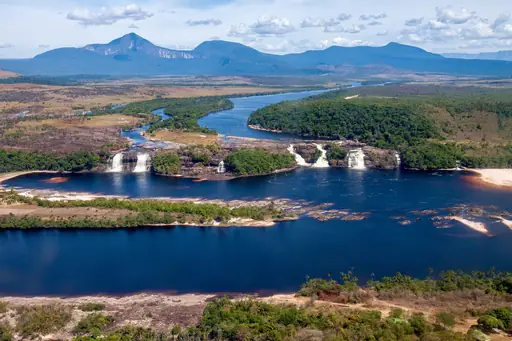
Angel Falls drops 3,212 feet from Auyantepui and is the highest waterfall in the world. The park earned UNESCO status in 1994. Tepuis cover about 65% of its area. Pemon people live inside it. The U.S. advises travellers to reconsider travel to Venezuela because of crime and kidnapping.
Highlights:
  • 🗻 Explore the unique tabletop mountains called tepuis
  • ⛰️ Hike the summit of Auyantepuy tepui for breathtaking views
  • 🌊 See Angel Falls, the world’s highest uninterrupted waterfall
Cuyabeno Wildlife Reserve
Amazon wilderness teeming with life
8.1
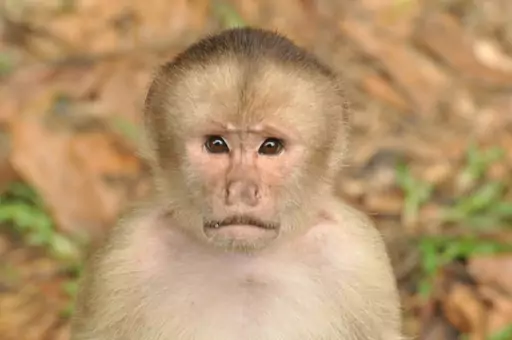
Ecuador established the reserve on 26 July 1979. It covers about 2,300 square miles of black-water rivers and lakes. Cuyabeno Lodge, built in 1988, gave the Siona access to ecotourism. Siona, Secoya and Cofán peoples live in the reserve. Ten monkey species and more than 500 bird species have been recorded.
Highlights:
  • 🐬 Spot pink dolphins swimming in the lagoons
  • 🛶 Take a canoe ride on serene waterways
  • 🌳 Explore dense jungle trails with expert guides
Los Glaciares National Park
Where glaciers meet towering peaks
8.4
Argentina's largest national park covers 2,807 square miles. About 30% lies under ice. The ice cap feeds 47 large glaciers and 13 flow towards the Pacific Ocean. Lago Argentino covers about 566 square miles and is the largest lake in Argentina. Excursion boats reach Upsala Glacier. The park joined the UNESCO list in 1981.
Highlights:
  • 🛥️ Take a boat tour on Lago Argentino to glaciers
  • 🥾 Trek Mount Fitz Roy and Cerro Torre trails
  • 🚶‍♀️ Walk along the Perito Moreno Glacier boardwalks
Manú National Park
Pristine Amazon biodiversity wonderland
7.3
The park has four zones. Nature tourism is allowed in the cultural zone, while the restricted zone is open to researchers. The park covers 6,626 square miles and rises to nearly 13,100 feet. More than 1,000 bird species are estimated to live there. About 160 mammal species have been reported.
Highlights:
  • 🚤 Cruise down the Madre de Dios River at sunrise
  • 🦜 Spot macaws and toucans at a clay lick hide
  • 🌿 Take a guided jungle trek through the Amazon rainforest
Pantanal Matogrossense National Park
World's largest tropical wetland paradise
7.6
Researchers estimated about 10 million caimans here in 1996. The wetland supports 463 bird species. Jaguar numbers are among the largest and healthiest on Earth. Seasonal rains submerge about 80% of the floodplains between November and March. June is the driest month. The site gained UNESCO status in 2000.
Highlights:
  • 🐎 Experience horseback riding across flooded plains and trails
  • 🛶 Take a boat tour through the Pantanal’s winding waterways
  • 🐆 Join a guided wildlife safari to spot elusive jaguars
Feedback