
Best eco-tourism destinations in Africa
Best eco-tourism destinations in Africa
Protected wildlife reserves and pristine desert territories in Africa
High-fee, deliberately low-volume conservation programmes in East Africa fund protection directly through visitor fees, a model credited with helping endangered species populations recover significantly over recent decades. Community-owned conservancies elsewhere on the continent offer a different, locally controlled version of the same principle.
The destinations on this list range from high-fee, low-volume conservation programmes built around a single endangered species to community conservancies where local landowners directly benefit from protecting wildlife habitat. Both have become genuine models studied elsewhere in the world.
Booking permits well ahead matters considerably for the most in-demand programmes, since numbers are deliberately and strictly limited each day. Community conservancies in particular have shown durable conservation outcomes over time. Asking detailed questions about how visitor fees fund conservation also tends to separate genuine programmes from marketing alone.
Lists by region
National Park in South Africa
Kruger National Park
Where Africa's Big Five Roam Free
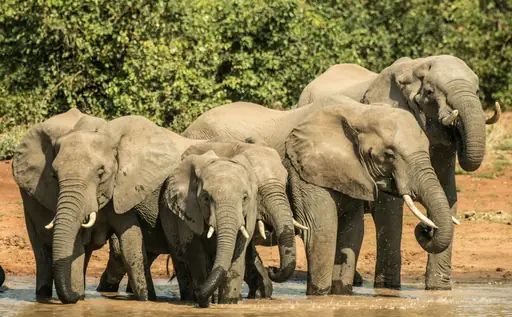
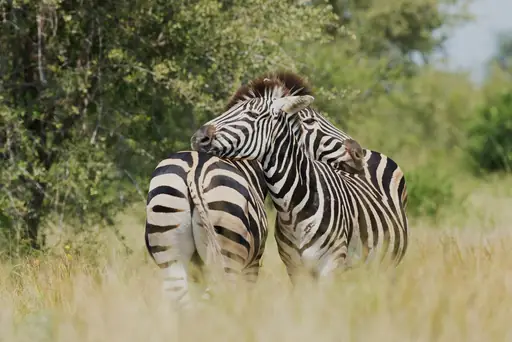
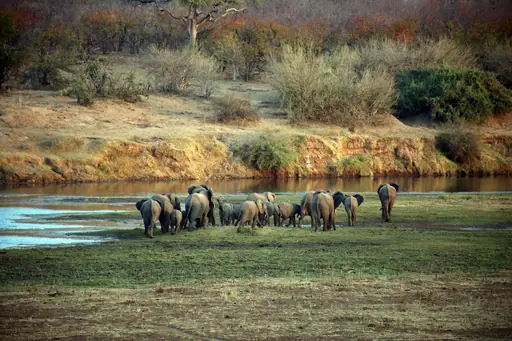
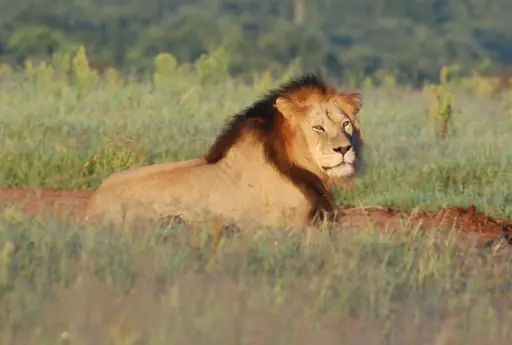
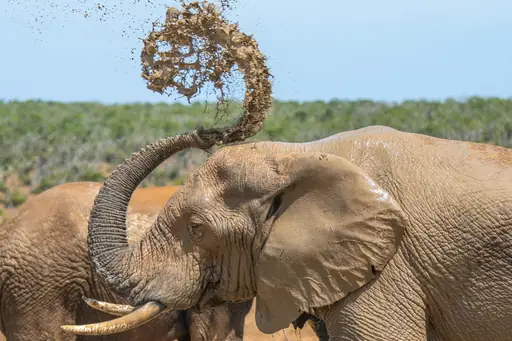
Compared with many African parks, this one is easy to explore by self drive, with paved roads and rest camps. It covers nearly 20,000 square kilometres, which is close to the size of Wales. Lions, leopards, elephants, buffalo and rhinos all live in the park. Visitor fees support anti poaching work and park management.
National Park in South Africa
Addo Elephant National Park
Big Five Safari in Malaria-Free Wilds
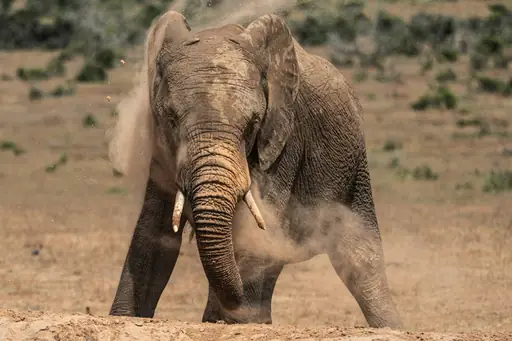
Located in the Eastern Cape about an hour from Gqeberha, this national park has a very large elephant population. It was created in 1931 when only 11 elephants remained in the area. A marine section protects islands and waters in Algoa Bay with seabirds and whales. Road signs warn drivers about dung beetles.
National Park in South Africa
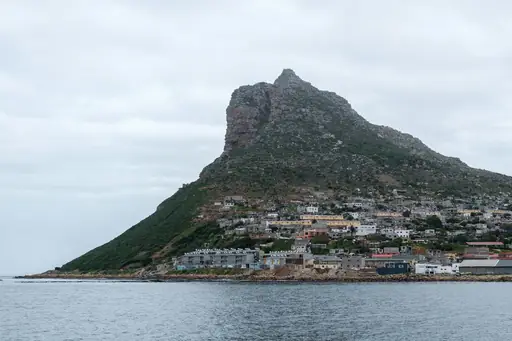
Table Mountain National Park
Epic views and wild landscapes
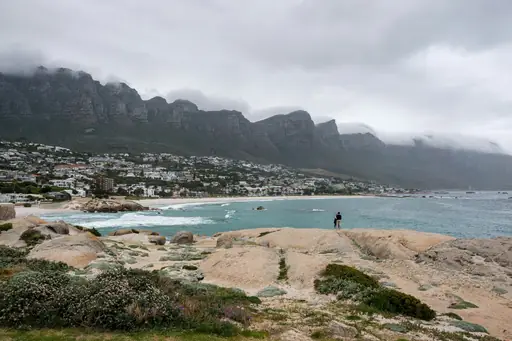
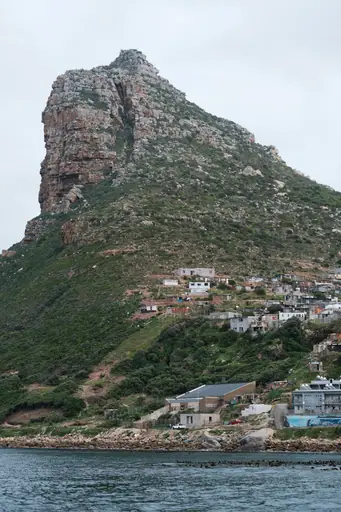
Summers are dry and warm on this mountain, while winters are cool and wet with frequent cloud. A white cloud called the tablecloth is often seen on the flat top in summer. The park has about 2,200 plant species, many of them fynbos. Hikers should start early and carry water.
National Park in Kenya
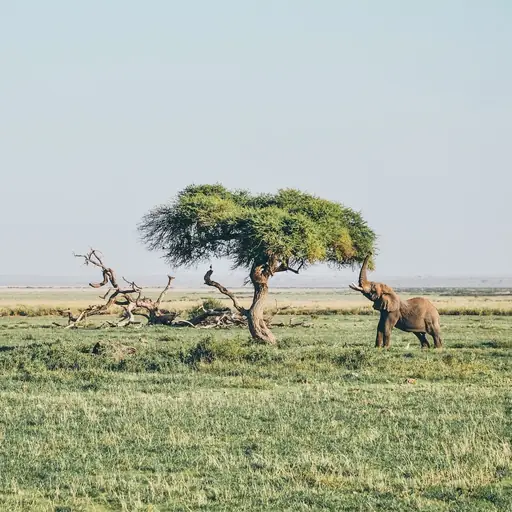
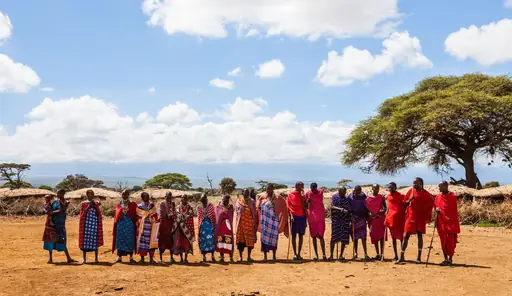
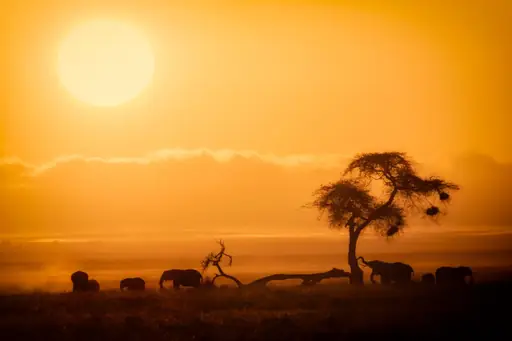
Amboseli National Park
Elephants Against Kilimanjaro's Backdrop
Maasai herders have used this area for generations and it became a national park in 1974. Scientists have tracked the park's elephant families since 1972. Swamps fed by water from Mount Kilimanjaro attract elephants, hippos and birds. Morning drives offer the clearest views of Kilimanjaro. Community owned lodges share income with local Maasai families.
Nature Reserve in Botswana
Okavango Delta
Africa’s Uncharted Water Wilderness
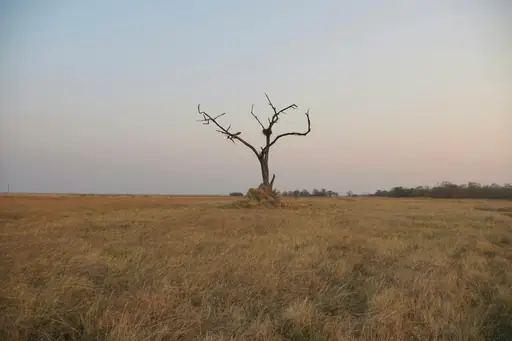
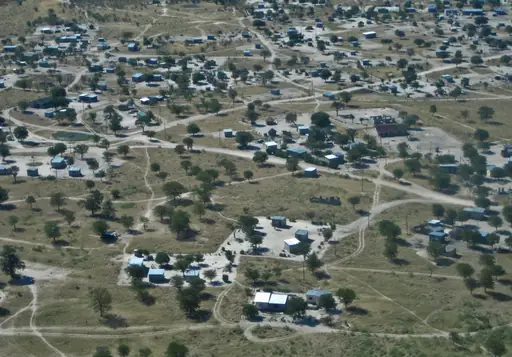
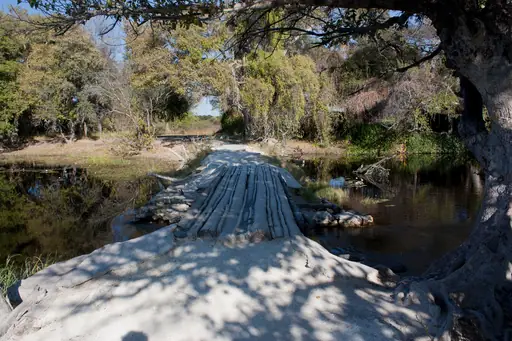
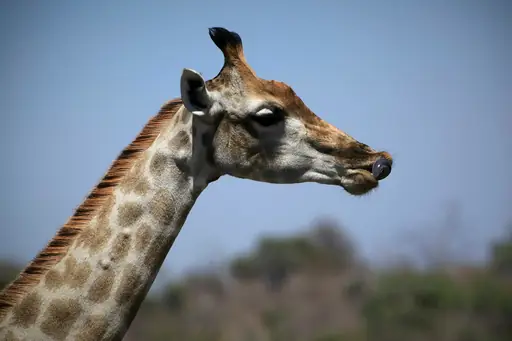
Quiet and watery, this inland delta in northern Botswana follows a tourism policy of few visitors and higher prices. Camps are small and often have solar power, which keeps noise and pollution low. Local polers glide mokoro canoes through reed channels so visitors can watch birds and hippos quietly.
National Park in Botswana
Chobe National Park
Elephant Haven in Botswana
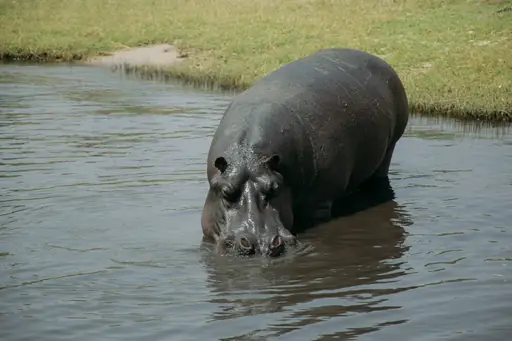
Created in 1967 as Botswana's first national park, this park shelters tens of thousands of elephants. Boat safaris on the Chobe River offer close views of elephants, buffalo and hippos. Elephants gather along the river in the dry season from June to October. Park fees help pay for anti poaching patrols and local projects.
National Park in Uganda
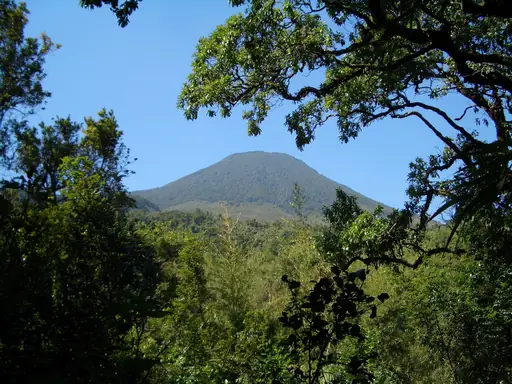
Bwindi Impenetrable National Park
Gorilla Encounters in Ancient Forest
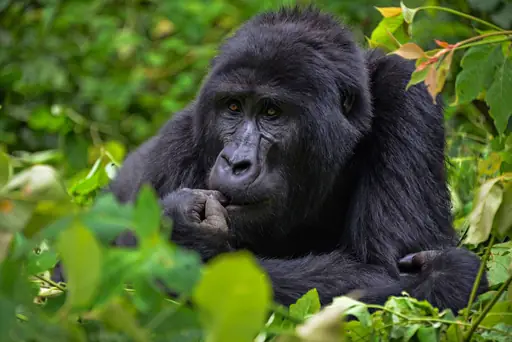
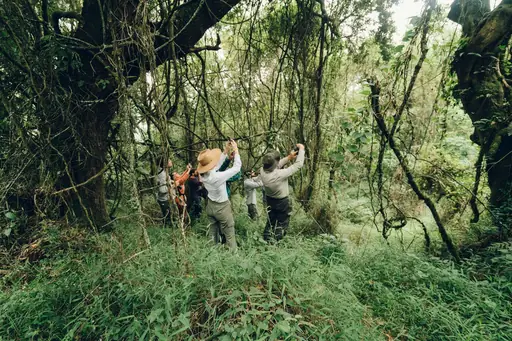
Misty and dense, this ancient forest in southwest Uganda protects about half of the world's mountain gorillas. Gorilla permits cost several hundred dollars and the fees support conservation and local villages. Groups are limited to eight visitors per gorilla family each day. Visitors stay at least seven metres from the gorillas.
National Park in Tanzania
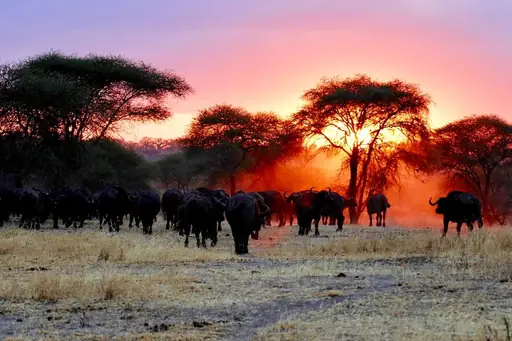
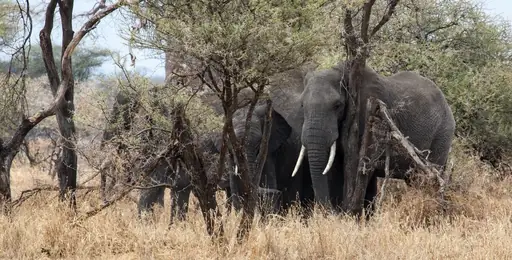
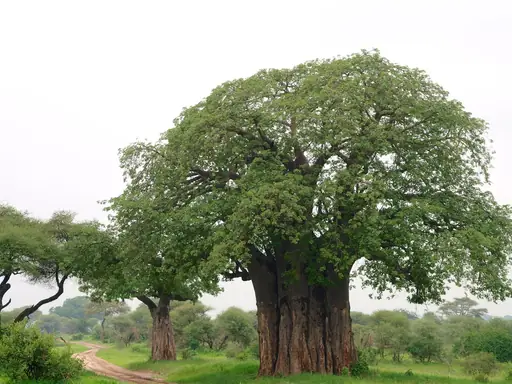
Tarangire National Park
Elephant Paradise with Baobab Backdrops
Maasai herders graze cattle on village lands around this park and wildlife moves across the same areas. Villages in the Burunge Wildlife Management Area earn income from tourism and manage land for animals. Large baobab trees are common and some are hundreds of years old. Elephants gather along the Tarangire River in the dry season.
Nature Reserve in Tanzania
Ngorongoro Conservation Area
Nature's Untamed Sanctuary
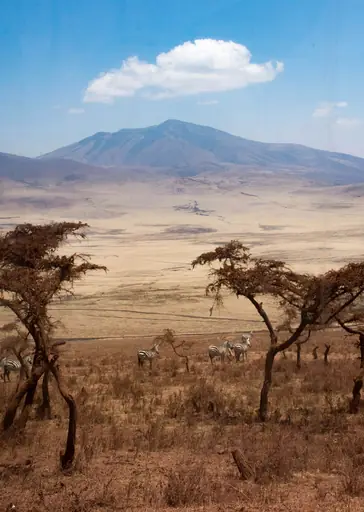
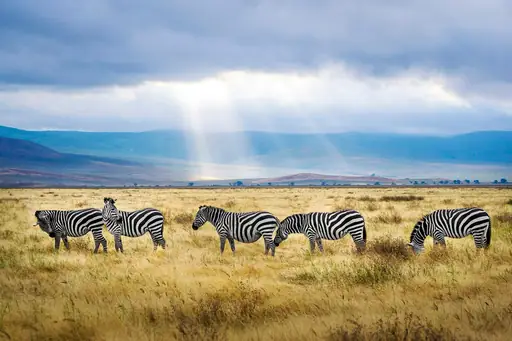
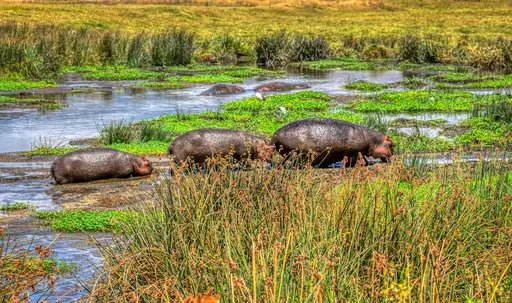
A large volcano collapsed about 2.5 million years ago and left a crater about 600 metres deep. The conservation area was set up in 1959 so that Maasai herders and wildlife could share the land. Olduvai Gorge, a site where early human fossils were found, is also within the area.
National Park
Kgalagadi Transfrontier Park
Where predators rule the Kalahari
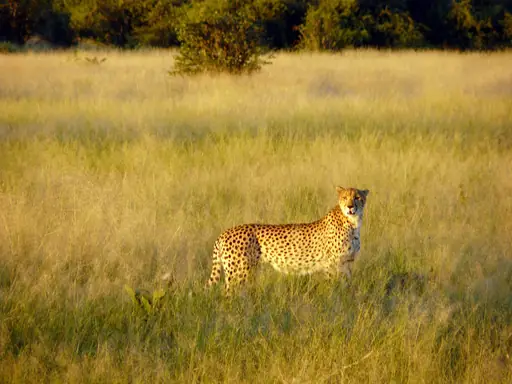
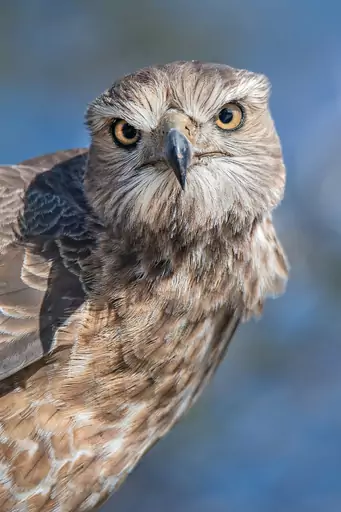
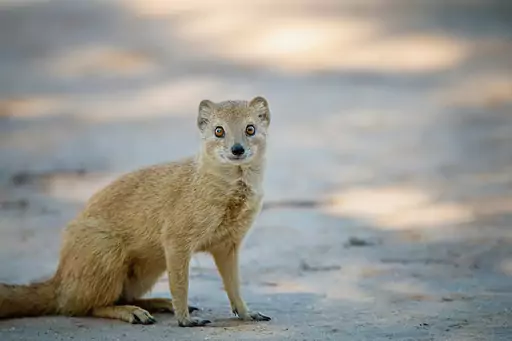
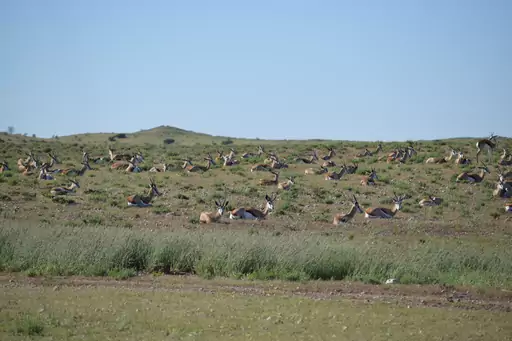
In this park, Khomani San guides share traditional tracking skills and knowledge of desert plants. The park joins South Africa and Botswana with no fence between the two sides. Black maned Kalahari lions, cheetahs and raptors are often seen along dry riverbeds. Camps are simple and remote so visitors should bring fuel and supplies.
National Park in Namibia
Namib-Naukluft National Park
Endless Dunes and Desert Drama
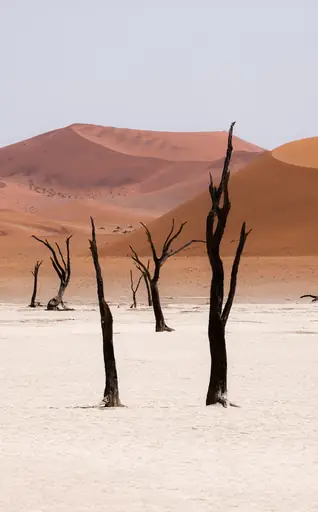
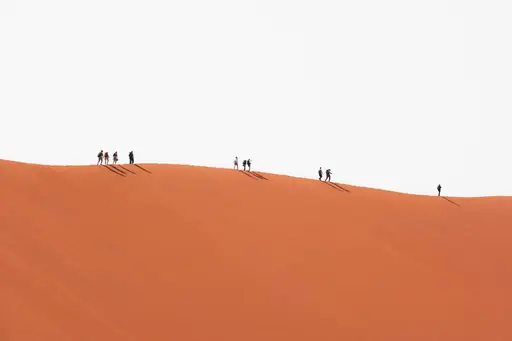
Stretching from the Atlantic coast inland across southwestern Namibia, this park covers nearly 50,000 square kilometres. The Namib is one of the oldest deserts in the world, with red dunes, dry riverbeds and mountains. Wildlife includes oryx, springbok and mountain zebra, which survive on fog and rare rain. Visitors stay at small camps near Sossusvlei.
National Park in Zimbabwe
Hwange National Park
Elephant Herds and Wild Horizons
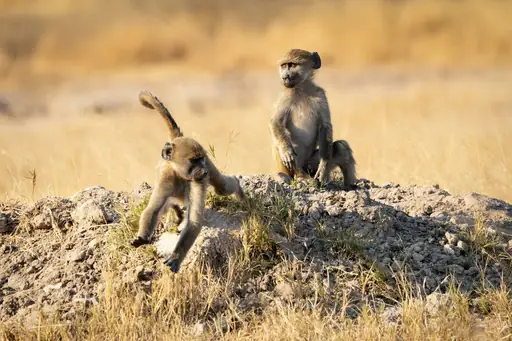
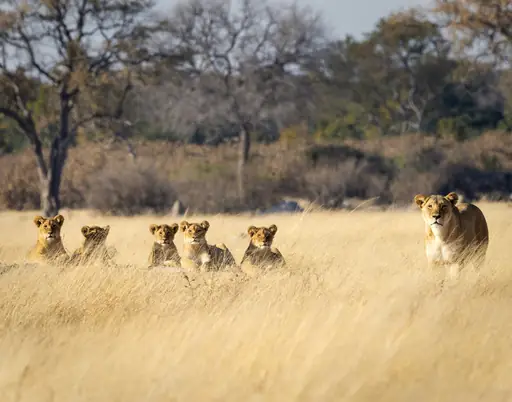
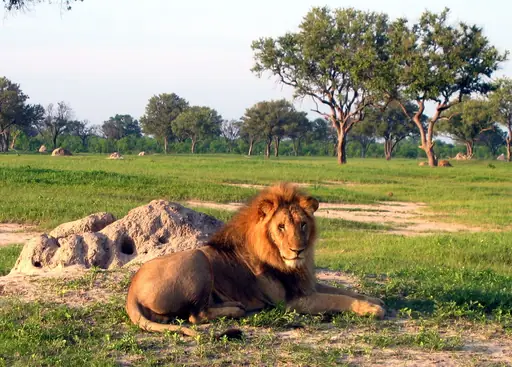
Unlike most African parks, this one depends on pumped waterholes to keep animals through the dry season. Hwange is the largest park in Zimbabwe, covering about 14,600 square kilometres. Tens of thousands of elephants gather at waterholes in the dry season. Painted dogs, also called African wild dogs, are an endangered species seen here.
National Park in Namibia
Etosha National Park
Namibia's Wildlife Sanctuary
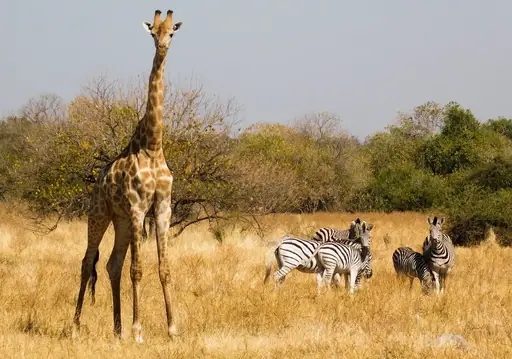
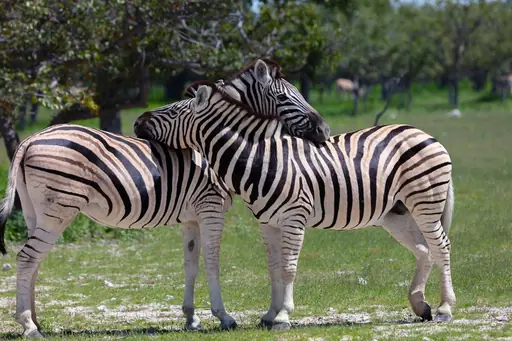
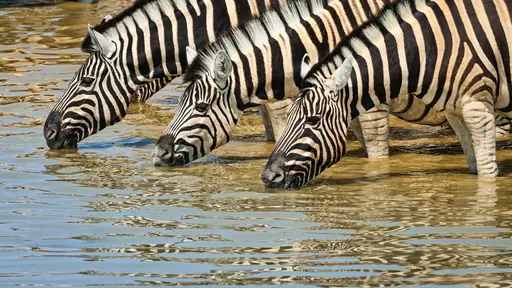
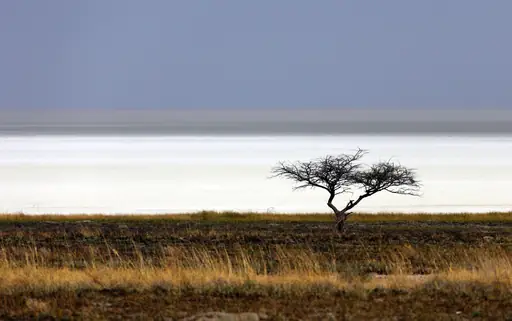
Animals gather at waterholes in the dry season from May to October. Rain falls from November to April, when the park is green and birds are plentiful. Camps have floodlit waterholes where visitors watch animals after dark. Etosha Pan is a huge dry salt pan that can be seen from space.
National Park in Tanzania
Serengeti National Park
The Ultimate Safari Adventure
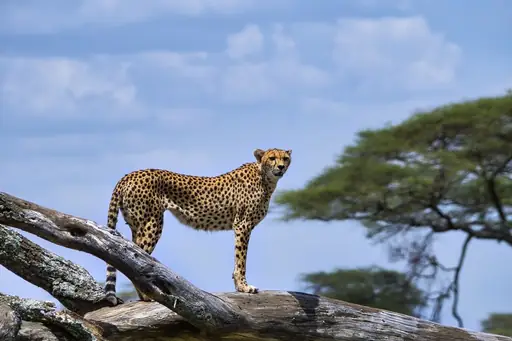
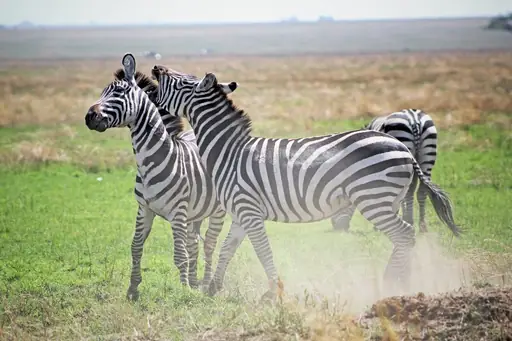
Covering nearly 15,000 square kilometres in northern Tanzania, this park is the setting for the Great Migration. More than a million wildebeest and many zebras follow the rains in a yearly loop. Calving takes place on the southern plains from January to March. River crossings in the north occur from July to October.
Other lists you may like

Discover
Top ecotourism destinations and sustainable travel hubs
Travel and conservation do not always go hand in hand, but eco tourism is built on the idea that a trip can truly support the places it visits rather than just pass through them.…
Read more
Discover
Best eco-tourism destinations in Asia
One Himalayan kingdom's deliberately restrictive, high-value tourism policy funds conservation and limits environmental impact by design, a model considerably different from…
Read more
Discover
Best eco-tourism destinations in Europe
One Central European country has built a national reputation around sustainable, low-impact tourism, with strict protections across much of its forest and lake landscape. Rewilding…
Read more
Discover
Best eco-tourism destinations in North America
One Central American country remains one of the world's most cited ecotourism success stories, having reversed significant deforestation through tourism revenue tied directly to…
Read more
Discover
Best eco-tourism destinations in Oceania
A national conservation agency manages an extensive network of huts and trails funded partly through tourism, built around genuine habitat and species protection rather than…
Read more
Discover
Best eco-tourism destinations in South America
One remote island archipelago operates under some of the strictest visitor regulations anywhere in the world, deliberately limiting tourism to protect endemic species found nowhere…
Read more
What other users say about travelfilters
“travelfilters made it easy for me to find ski areas and compare what else they offer, so that I could find the best place for my personal travel style.”

Chris
Snowboarding & Onsen trip to Japan
“I love how transparent the data feels. There is no pushy upsell, just honest information and settings I can tune to my own travel style.”

Maria
After booking her 2027 winter escape
“The level of detail for each destination and how well those are displayed, make planning feel confident instead of overwhelming.”

Mina
Planned a week in New York City
“We used travelfilters for our planning from start to end. The trip turned out even better than expected, thanks to all their tools and customisation options.”

Allan & Etienne
Trip to Japan to see autumn foliage
“Thanks to travelfilters, I found some hidden gems to see. Being able to filter for exactly your interests is a game changer for my travel planning.”

Michael
Tour through the old cities of Northern Italy
“The customizable filters helped me find a quiet beach town with good wifi and low season crowds in under five minutes.”

Diego
Weekend Escape to Llanes, Spain
“The airport connection map saved me hours by showing good flight options from my home airport to lesser-known cities.”

Nguyen
Planning a 2027 trip to France
“The website is clean, fast and focused on the search itself, which makes travelfilters feel more like a professional tool than an ad-heavy booking site.”

Hassan
Christmas Market trip, Germany
