Back to grid

Best eco-tourism destinations in Africa

Kruger National Park
Where Africa's Big Five Roam Free
7.6
Compared with many African parks, this one is easy to explore by self drive, with paved roads and rest camps. It covers nearly 20,000 square kilometres, which is close to the size of Wales. Lions, leopards, elephants, buffalo and rhinos all live in the park. Visitor fees support anti poaching work and park management.
Highlights:
  • 🌅 Experience a sunset safari and watch wildlife at dusk
  • 🌿 Take a guided bush walk and learn about the ecosystem
  • 🦁 Spot Africa’s Big Five on classic game drives
Etosha National Park
Namibia's Wildlife Sanctuary
7.7
Animals gather at waterholes in the dry season from May to October. Rain falls from November to April, when the park is green and birds are plentiful. Camps have floodlit waterholes where visitors watch animals after dark. Etosha Pan is a huge dry salt pan that can be seen from space.
Highlights:
  • 🌅 Drive the Etosha Pan’s vast salt flats at sunrise
  • 🦁 Join a guided safari to spot lions and rhinos
  • 🐘 Watch elephants gathering at the Okaukuejo waterhole
Chobe National Park
Elephant Haven in Botswana
7.9
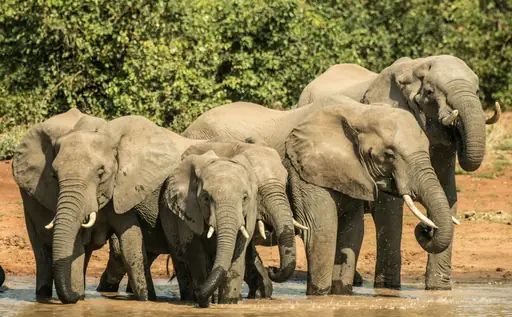
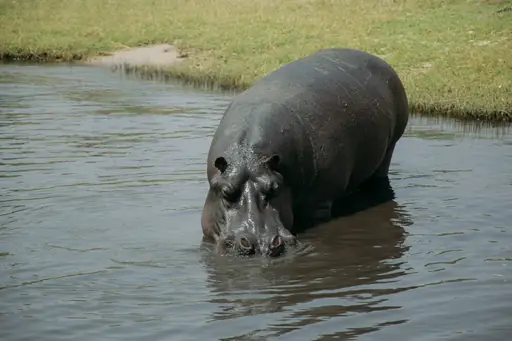
Created in 1967 as Botswana's first national park, this park shelters tens of thousands of elephants. Boat safaris on the Chobe River offer close views of elephants, buffalo and hippos. Elephants gather along the river in the dry season from June to October. Park fees help pay for anti poaching patrols and local projects.
Highlights:
  • 🐘 Watch massive elephant herds at Chobe Riverfront
  • 🚤 Take a boat cruise on the scenic Chobe River
  • 🦁 Join thrilling game drives for wildlife spotting
Ngorongoro Conservation Area
Nature's Untamed Sanctuary
7.1
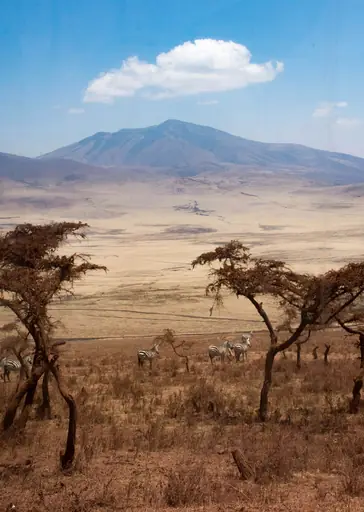
A large volcano collapsed about 2.5 million years ago and left a crater about 600 metres deep. The conservation area was set up in 1959 so that Maasai herders and wildlife could share the land. Olduvai Gorge, a site where early human fossils were found, is also within the area.
Highlights:
  • 🛖 Visit a Maasai village and learn their traditions
  • 🐘 Spot the Big Five in one morning safari
  • 🦁 Descend into Ngorongoro Crater for a game drive
Bwindi Impenetrable National Park
Gorilla Encounters in Ancient Forest
8.3
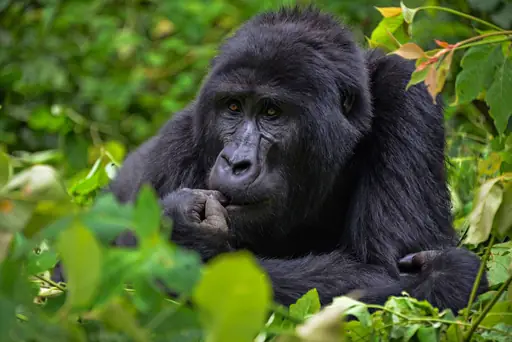
Misty and dense, this ancient forest in southwest Uganda protects about half of the world's mountain gorillas. Gorilla permits cost several hundred dollars and the fees support conservation and local villages. Groups are limited to eight visitors per gorilla family each day. Visitors stay at least seven metres from the gorillas.
Highlights:
  • 🐦 Birdwatch over 350 species including rare Albertine endemics
  • 🥾 Join guided nature walks on scenic forest hiking trails
  • 🦍 Trek with endangered mountain gorillas in their habitat
Table Mountain National Park
Epic views and wild landscapes
7.7
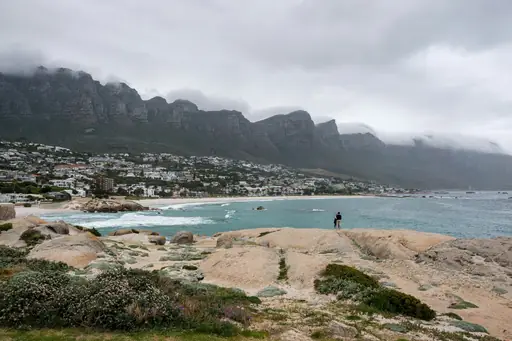
Summers are dry and warm on this mountain, while winters are cool and wet with frequent cloud. A white cloud called the tablecloth is often seen on the flat top in summer. The park has about 2,200 plant species, many of them fynbos. Hikers should start early and carry water.
Highlights:
  • 🌊 Visit the Cape of Good Hope for rugged scenery
  • 🥾 Hike Lion’s Head for breathtaking city views
  • 🚠 Take the cable car to Table Mountain’s summit
Namib-Naukluft National Park
Endless Dunes and Desert Drama
8.2
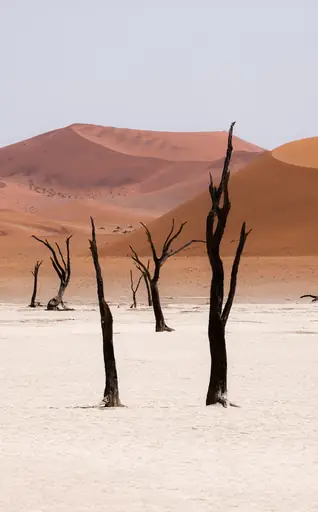
Stretching from the Atlantic coast inland across southwestern Namibia, this park covers nearly 50,000 square kilometres. The Namib is one of the oldest deserts in the world, with red dunes, dry riverbeds and mountains. Wildlife includes oryx, springbok and mountain zebra, which survive on fog and rare rain. Visitors stay at small camps near Sossusvlei.
Highlights:
  • 🧗 Hike Sesriem Canyon’s narrow rock walls and riverbed
  • 🌵 Explore the eerie Dead Vlei clay pan and ancient trees
  • 🌅 Climb Big Daddy dune for sunrise and desert views
Addo Elephant National Park
Big Five Safari in Malaria-Free Wilds
7.1
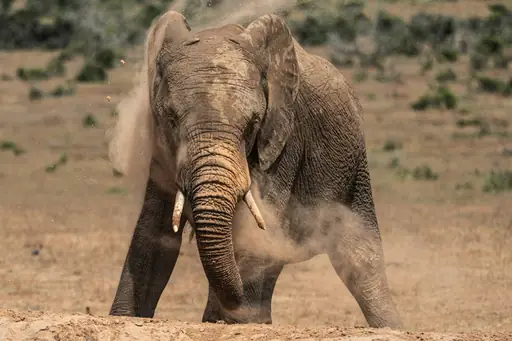
Located in the Eastern Cape about an hour from Gqeberha, this national park has a very large elephant population. It was created in 1931 when only 11 elephants remained in the area. A marine section protects islands and waters in Algoa Bay with seabirds and whales. Road signs warn drivers about dung beetles.
Highlights:
  • 🥾 Explore hiking trails with panoramic views of the park
  • 🐘 Observe the famous large elephant herds roaming freely
  • 🦁 Go on guided game drives to see the Big Five
Tarangire National Park
Elephant Paradise with Baobab Backdrops
8.0
Maasai herders graze cattle on village lands around this park and wildlife moves across the same areas. Villages in the Burunge Wildlife Management Area earn income from tourism and manage land for animals. Large baobab trees are common and some are hundreds of years old. Elephants gather along the Tarangire River in the dry season.
Highlights:
  • 🌳 Watch baobab trees glow under golden evening light
  • 🦁 Take a guided safari to witness the Big Five
  • 🐘 Spot herds of majestic elephants near the Tarangire River
Hwange National Park
Elephant Herds and Wild Horizons
7.6
Unlike most African parks, this one depends on pumped waterholes to keep animals through the dry season. Hwange is the largest park in Zimbabwe, covering about 14,600 square kilometres. Tens of thousands of elephants gather at waterholes in the dry season. Painted dogs, also called African wild dogs, are an endangered species seen here.
Highlights:
  • 🐘 Watch elephants gather at the popular waterholes
  • 🚶‍♂️ Join guided walking safaris for close wildlife encounters
  • 🚙 Go on thrilling game drives to spot the Big Five
Amboseli National Park
Elephants Against Kilimanjaro's Backdrop
7.9
Maasai herders have used this area for generations and it became a national park in 1974. Scientists have tracked the park's elephant families since 1972. Swamps fed by water from Mount Kilimanjaro attract elephants, hippos and birds. Morning drives offer the clearest views of Kilimanjaro. Community owned lodges share income with local Maasai families.
Highlights:
  • 📸 Photograph flamingos and pelicans at Amboseli’s shimmering lakes
  • 🌅 Take a sunrise safari and spot lions, zebras, and giraffes
  • 🐘 Watch herds of elephants roam with Mount Kilimanjaro as backdrop
Okavango Delta
Africa’s Uncharted Water Wilderness
8.0
Quiet and watery, this inland delta in northern Botswana follows a tourism policy of few visitors and higher prices. Camps are small and often have solar power, which keeps noise and pollution low. Local polers glide mokoro canoes through reed channels so visitors can watch birds and hippos quietly.
Highlights:
  • 🦜 Spot diverse bird species during dedicated birding tours
  • 🛶 Glide silently through waterways in a traditional mokoro
  • 🦁 Explore the wildlife on guided 4x4 safari drives
Kgalagadi Transfrontier Park
Where predators rule the Kalahari
6.9
In this park, Khomani San guides share traditional tracking skills and knowledge of desert plants. The park joins South Africa and Botswana with no fence between the two sides. Black maned Kalahari lions, cheetahs and raptors are often seen along dry riverbeds. Camps are simple and remote so visitors should bring fuel and supplies.
Highlights:
  • 📸 Capture dramatic desert landscapes bursting with life after rain
  • 🦌 Spot springboks and gemsboks on sunset game drives
  • 🦁 Watch black-maned lions roam the red dunes at sunrise
Serengeti National Park
The Ultimate Safari Adventure
7.9
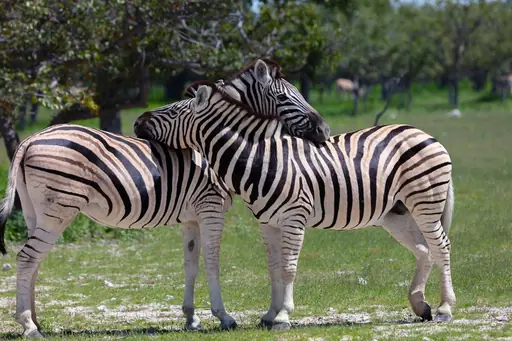
Covering nearly 15,000 square kilometres in northern Tanzania, this park is the setting for the Great Migration. More than a million wildebeest and many zebras follow the rains in a yearly loop. Calving takes place on the southern plains from January to March. River crossings in the north occur from July to October.
Highlights:
  • 🎈 Enjoy a sunrise hot air balloon safari over plains
  • 🚙 Take a thrilling game drive to spot the Big Five
  • 🦓 Witness the incredible Great Wildebeest Migration spectacle
Feedback