








Was this page helpful?

| Opening hours: |
|
|---|
| Power Grid: |
230 V, 50 Hz Plug: Type D , Type M
Type D:
  Read about power adapters |
|---|---|
| Currency: |
Sri Lankan Rupee (LKR) £1 ≈ LKR 442.31 |
| Cashless info: |
Rating 3/5
Cashless payments are becoming more common in Sri Lanka, especially in larger cities, but cash is still widely used in rural areas.
Save with a travel credit card |
| eSIM providers: |
Best value: Saily Flexibility: Airalo Read our in-depth comparison |
| Tipping: | Tipping is not mandatory in Sri Lanka, but small tips are appreciated for good service in restaurants, hotels, and taxis. |
|---|---|
| Public drinking: | Public drinking is generally not allowed in Sri Lanka. Alcohol is typically consumed in licensed venues such as bars and restaurants. |
| Public smoking: | Smoking is prohibited in indoor public spaces, including restaurants, bars, and public transport. |
| Sinhala and Tamil New Year (13–14 April) |
Celebrated with family gatherings |
|---|---|
| Independence Day (4 February) |
Commemorates Sri Lanka's independence from British rule |
| Emergency contact: | Emergency Numbers: 119 (Police), 1990 (Ambulance), 110 (Fire) |
|---|---|
| Taxi apps: | PickMe, Uber |
| Other: | Sri Lanka is known for its stunning beaches, ancient temples, and rich cultural heritage. It is a popular destination for nature lovers and history enthusiasts. |
The best times to travel section shows how the months compare for a visit, so you can find the time of year that fits what you want to do.
Background colours of the months:
The colour shows the typical temperature: yellow (hot), green (mild) and blue (cold). How strong the colour is shows the travel season: full colour means high season, soft colour means shoulder season and soft-striped means off season.
Weather symbols:
Each month has one symbol showing what the weather is typically like, such as hot and sunny, freezing or a rainy or snowy season. Use them to quickly spot months that match the weather you want, or to avoid the ones that don't.
Crowdedness:
The people icon shows how busy the place usually is. The more people, the more crowded it gets.
Additional notes:
The grey info boxes point out special things worth knowing, like recurring weather issues or seasonal events.
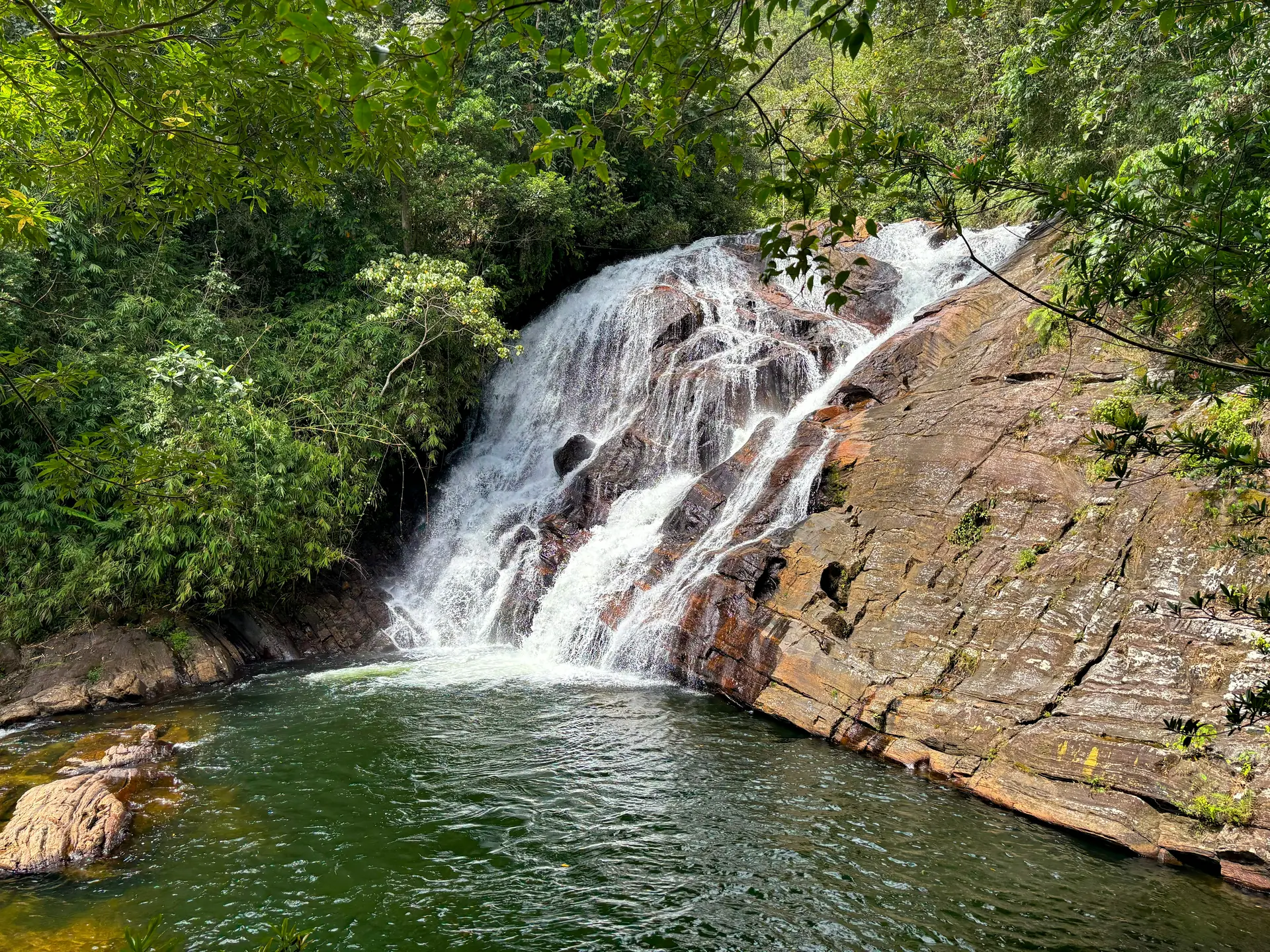
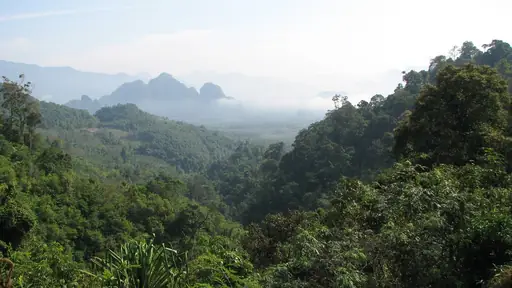
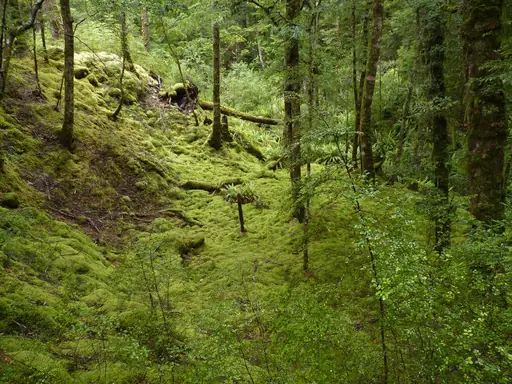
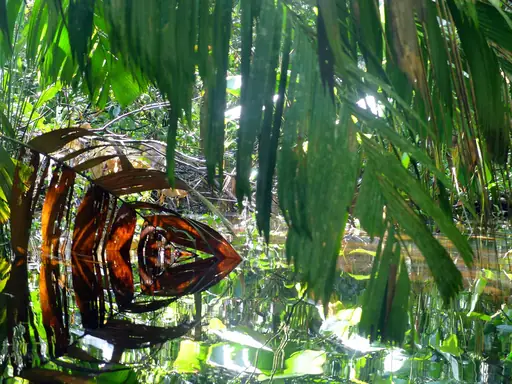
Sinharaja Forest Reserve stands as one of Sri Lanka’s most significant natural spaces. Located in the southwestern part of the island this rainforest covers over 88 square kilometers of land. It is recognized globally for its ecological value and serves as a home to many plant and animal species found nowhere else on Earth. The forest’s dense canopy creates a cool environment where moisture clings to leaves creating a constant sense of freshness.
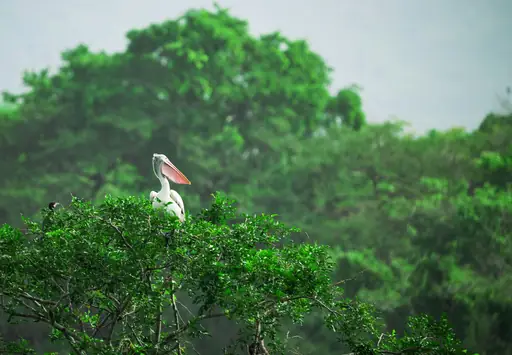
The area supports an impressive range of biodiversity. Over 60% of the trees here are endemic meaning they grow only in this region. Wildlife enthusiasts may spot rare birds like the Sri Lanka blue magpie or hear the calls of endemic frogs during the rainy season. The forest floor hosts a variety of ferns mosses and climbing plants that thrive in high humidity. Several streams cut through the landscape adding to the rich habitat.
Visitors can explore Sinharaja through guided walks designed to protect both people and nature. Trails vary from easy paths to more challenging routes allowing different levels of fitness to enjoy the scenery. The best time to visit is during the dry season when trails stay clear and wildlife sightings become more common. Local guides share knowledge about medicinal plants and traditional uses of forest resources making each trip informative.
Conservation efforts play a central role in maintaining this ecosystem. Strict rules limit large-scale human impact while research projects continue to uncover new species. Community involvement ensures that local people benefit from protecting the forest through sustainable practices. The reserve’s status as a UNESCO World Heritage Site reflects its importance not only to Sri Lanka but also to global biodiversity.
The Sinharaja Forest Reserve is accessible primarily by road from major cities in Sri Lanka, such as Colombo and Kandy. The nearest entry point is via the Ratnapura Road or the Kegalle Road, both of which connect to the forest’s main gates. Travelers can reach Sinharaja by private vehicle, taxi or through organized tour groups that often depart from urban centers. Public buses also operate between Colombo and nearby towns like Ratnapura, with transfers possible at certain points en route. The final stretch to the reserve typically requires a short drive on maintained roads leading into the protected area. Visitors should ensure their vehicles are suitable for rural terrain, as some routes may be unpaved or subject to weather‑related conditions.
Near Sinharaja Forest Reserve, accommodation ranges from rustic eco‑lodges to comfortable guesthouses, catering to both budget travelers and those seeking a more immersive experience. Eco‑lodge options typically feature bamboo or thatch structures with basic amenities, priced between LKR 8,000 – 12,000 (£18.03 – 27.05) per night (≈USD 45–70). Guesthouses in nearby villages offer simple rooms with shared bathrooms for about LKR 4,000 – 6,000 (£9.02 – 13.53) (≈USD 20–30) and often include local meals. For a more secluded stay, several homestays provide authentic Sri Lankan hospitality; rates hover around LKR 5,500 – 8,500 (£12.40 – 19.16) (≈USD 25–40). Camping is permitted in designated areas, with minimal fees of LKR 1,000 – 2,000 (£2.25 – 4.51) (≈USD 5–10) per night. All options emphasize low‑impact stays that support conservation efforts while giving visitors a chance to experience the forest’s natural beauty up close.
Log in to add this place to a travel list and get a summary of all recommended items for your whole trip.
We calculate the average costs when travelling to destinations and compare those with the living costs at your home. With this you can get an estimate of how expensive or cheap the destination is for you.
To customise this, you can set up which location and price level are used for the calculations in your account settings.
The exchange rate price factor shows how expensive or cheap a currency currently is compared to its historical average. It's a quick way to see if a country is currently more or less affordable due to exchange rate changes.
