
Back to grid

Best forest destinations in Asia

Gunung Leuser National Park
Breathtaking peaks and ancient rainforests
8.5
Covering about 7,900 square kilometres in northern Sumatra, this national park is part of a World Heritage rainforest area. Sumatran orangutans, tigers, elephants and rhinos all live in the forest. Bukit Lawang is a popular base for guided jungle treks to see orangutans. Guides are required for all treks.
Highlights:
  • 🚣‍♂️ Kayak through limestone karst caves along rivers
  • 🐒 Spot orangutans in their natural rainforest habitat
  • 🌄 Hike to the summit of Gunung Leuser for sunrise
Yakushima
Ancient cedars, mossy forest and waterfalls
8.8
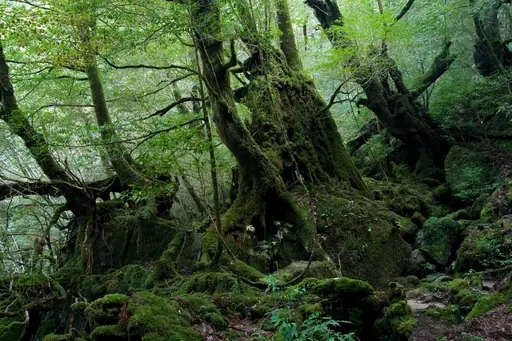
The Jomon Sugi cedar has stood on this island for at least 2,000 years. Trees older than 1,000 years are called yakusugi and many were logged in the Edo period. The island became a World Heritage site in 1993 for its ancient forest. Shiratani Unsuikyo is a mossy forest valley with walking trails.
Highlights:
  • 🐒 Spot Yakushima macaques and deer along forest trails
  • 🌳 See Jomon Sugi, Japan’s legendary 7,000-year-old cedar tree
  • 🌲 Hike through the ancient cedar forests of Shiratani Unsuikyo
Sundarbans National Park
Whispers of mangrove giants and elusive tigers
6.9
Set where rivers meet the Bay of Bengal, this park is part of a vast mangrove forest shared with Bangladesh. The Indian side is a national park and a World Heritage site. Boat trips along narrow tidal channels are the main way to see the forest. Royal Bengal tigers live here and swim between islands.
Highlights:
  • 🌅 Hike through saltwater forests at sunrise
  • 🐅 Spot Bengal tigers nesting near the riverbanks
  • 🚤 Explore mangrove labyrinths aboard a guided boat tour
Mulu National Park
Lush limestone canyons echo ancient wildlife
8.7
Local guides from Penan and Berawan communities lead many treks in this park. The park is a World Heritage site known for caves, limestone pinnacles and rainforest. Millions of bats fly out of Deer Cave at dusk in a daily spiral. Sarawak Chamber is one of the largest cave chambers in the world.
Highlights:
  • 💦 Swim beneath Paku Waterfall's cascading spray
  • 🌄 Trek to Sarawak Panorama for sunrise vistas
  • 🏊‍♂️ Explore Clearwater Cave's crystal clear waters
Khao Sok National Park
Ancient Jungle and Emerald Lake Paradise
7.8
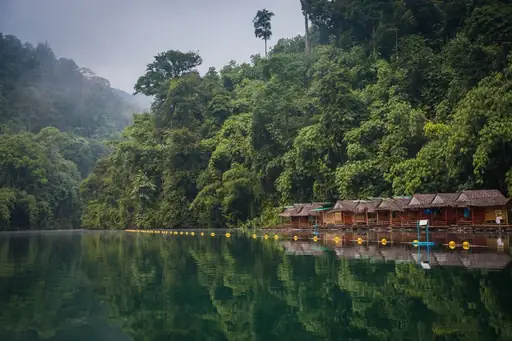
Many visitors in this park sleep in floating bungalows on Cheow Lan Lake, surrounded by limestone cliffs and forest. A dam created the lake in 1982 and long tail boats now carry guests across it. The rainforest has hiking trails, waterfalls and caves with guided tours. Rafflesia flowers can bloom from November to January.
Highlights:
  • 🐘 Trek into the jungle to spot wild elephants and gibbons
  • 🛶 Kayak through emerald waters surrounded by limestone cliffs
  • 🏞️ Stay overnight in floating bungalows on Cheow Lan Lake
Tanjung Puting National Park
Orangutan paradise in Borneo jungle
7.3
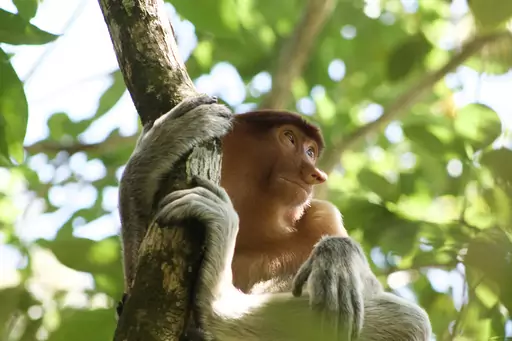
Covering about 4,000 square kilometres of swamp and rainforest in Central Kalimantan, this park is a major orangutan reserve. Visitors travel upriver on klotok, small wooden houseboats with beds and a cook. Camp Leakey, founded in 1971, is a research station and feeding site for orangutans. Proboscis monkeys are often seen from the river.
Highlights:
  • 🌳 Explore the lush rainforest on guided jungle treks
  • 🛶 Take a traditional klotok boat tour along Sekonyer River
  • 🦧 Observe wild orangutans at Camp Leakey feeding stations
Borneo
Wild rainforests meet unique wildlife
7.9
The rainforest on this island is about 130 million years old and among the oldest in the world. Dayak communities have lived in the forest for centuries and many still live in traditional longhouses. The island is shared by Indonesia, Malaysia and Brunei. Orangutans, proboscis monkeys and hornbills live in its forests.
Highlights:
  • 🦇 Explore unique limestone caves in Gunung Mulu National Park
  • 🦧 See orangutans up close at Sepilok Orangutan Sanctuary
  • 🏔️ Climb Mount Kinabalu for unforgettable summit views
Aomori
Apples, giant lantern floats and beech forests
7.9
Located at the northern end of Honshu, this prefecture has the Shirakami Sanchi beech forest, a World Heritage site. It was listed in 1993 for its large area of untouched beech forest. Oirase Gorge has a 14 kilometre walking trail beside a clear stream with moss covered rocks. Autumn leaves are colourful in October.
Highlights:
  • 🍎 Taste fresh apples and local seafood at Aomori markets
  • ♨️ Relax in a hot spring overlooking snow-capped mountains
  • 🎆 Experience the vibrant Nebuta Matsuri summer festival floats
Shiretoko National Park
Brown bears and drift ice in Hokkaido
8.3
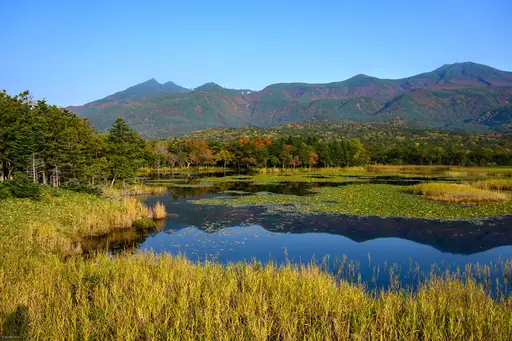
Unlike most Japanese forests, this peninsula has a large brown bear population and a wild, remote coastline. It is a World Heritage site because forest and sea ecosystems are closely linked. Drift ice floats off the coast in winter and attracts sea eagles. Visits to the Five Lakes have bear safety rules.
Highlights:
  • ♨️ Hike to Kamuiwakka Hot Falls and soak feet
  • 🛥️ Take a wildlife boat cruise to see bears
  • 🌲 Walk the scenic Shiretoko Five Lakes boardwalk
Fuji-Hakone-Izu National Park
Fuji, Hakone, Izu and volcanic islands
8.8
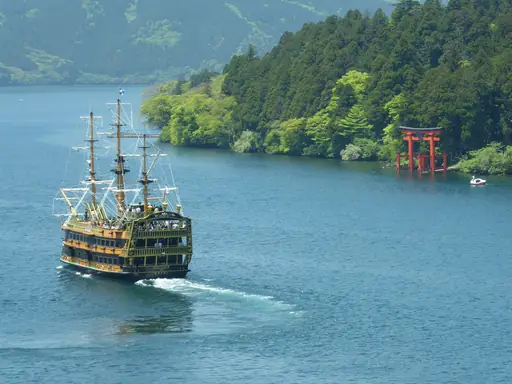
Calm and green, this national park has cedar, beech and pine forests around Mount Fuji. Old cedar trees stand beside part of the historic Tokaido road near Hakone. Forest trails near the Fuji Five Lakes pass lava caves and quiet lakes. The Amagi mountains on the Izu Peninsula have evergreen forests and waterfalls.
Highlights:
  • 🥚 Explore volcanic vents and black eggs at Owakudani
  • ♨️ Relax in Hakone’s renowned hot spring baths
  • 🗻 Climb iconic Mount Fuji for sunrise views
Kanha National Park
Tiger paradise in magical wilderness
7.6
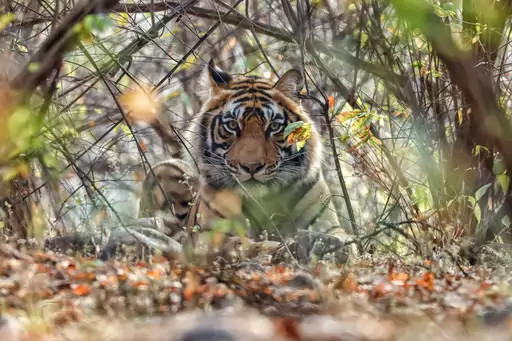
The park is closed from July to September because of monsoon rain. Winter mornings are cold from November to February, so bring warm layers for open jeep safaris. Summer from April to June is hot but animals are easier to find at waterholes. Tigers and barasingha, a rare swamp deer, are the main species seen.
Highlights:
  • 🦜 Join a guided birdwatching tour through the sal forest
  • 🦌 Observe barasingha deer grazing in open meadows
  • 🐅 Spot Bengal tigers on an early morning jungle safari
Sinharaja Forest Reserve
Ancient rainforest teeming with elusive wildlife
Damp and dense, this rainforest in southwest Sri Lanka is a World Heritage site with many species found nowhere else. Many of Sri Lanka's endemic birds, such as the Sri Lanka blue magpie, live here. Rain falls in all seasons, so waterproof gear and leech socks are useful. Local guides are required for all walks.
Highlights:
  • 🏛️ Discover ancient rock temples nestled in jungle ruins
  • 🐦 Spot rare Sri Lankan birds during early‑morning dawn patrols
  • 🌲 Explore the canopy walkway through dense rainforest
Sundarbans
Whispers of mangrove giants and hidden wildlife
Winter from November to February is dry and pleasant in this forest, with highs near 26 degrees Celsius. Heavy monsoon rain falls from June to September, when channels are high and travel is harder. Cyclone risk is higher in spring and autumn, so check forecasts before booking. Permits and a guide are required.
Highlights:
  • 🍤 Visit local fishing village to taste fresh seafood
  • 🐅 Spot Bengal tigers during dawn patrols
  • 🌿 Explore mangrove labyrinth on guided boat tour
Feedback