
Top volunteering destinations and ethical travel programmes
Top volunteering destinations and ethical travel programmes
Ethical travel programmes and community volunteering spots
The best volunteer travel destinations are the ones where the programme actually meets a need the community has identified, rather than one built mainly around the experience for visitors. Ethical volunteering takes more research than booking a standard trip, but it tends to reward that effort with something more substantial.
The destinations on this list range from conservation programmes protecting specific habitats or species to community-based projects in education, construction or healthcare. Some require specific skills. Others welcome general volunteers willing to commit real time. Speaking directly with past volunteers, rather than relying solely on a programme's own marketing material, tends to give a far more honest picture of what to expect.
Vetting the organisation carefully matters more than almost anything else here. The most responsible programmes are transparent about where money goes and measure impact honestly.
Lists by region
Country
Mexico
Land of diverse wonders
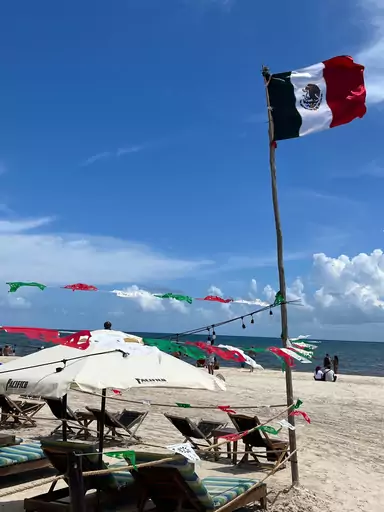
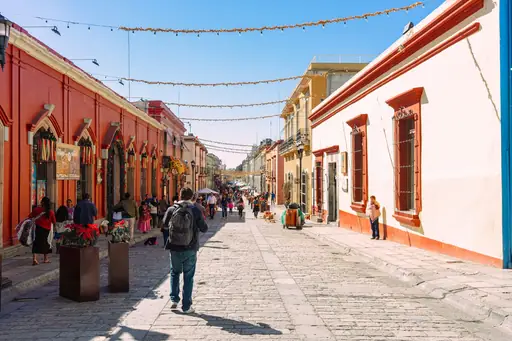
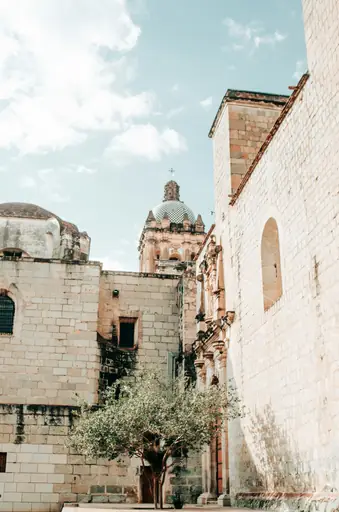
Mexico's Pacific coast hosts sea turtle conservation camps in states like Oaxaca and Michoacan. Volunteers patrol nesting beaches at night and help relocate eggs to protected hatcheries. Visitors can join a placement during nesting season, peaking between summer and early winter. Several species, including the olive ridley, nest along this coastline in large numbers.
Country
Thailand
Land of smiles and contrasts
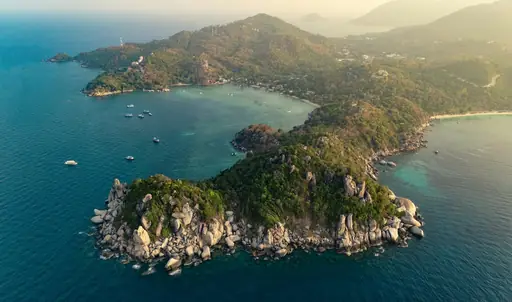
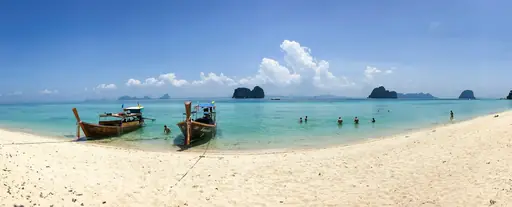
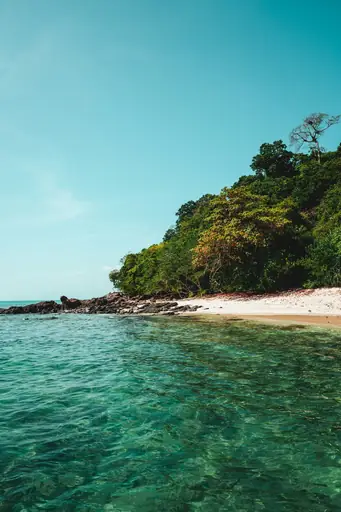
Thailand's Elephant Nature Park near Chiang Mai rehabilitates elephants rescued from logging and riding camps. Volunteers prepare food, clean shelters and observe elephants without direct contact, following the park's ethical guidelines. Visitors can join a day visit or a longer placement staying on-site. The park's founder has become a prominent advocate against exploitative elephant tourism.

Country
Greece
Ancient history meets island paradise
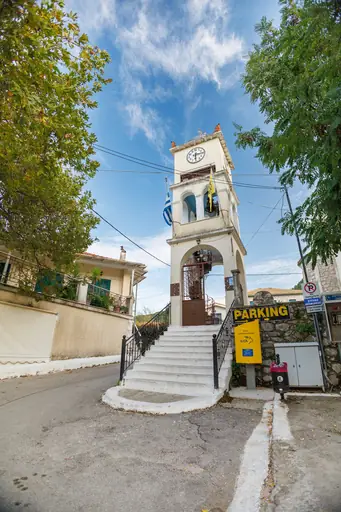
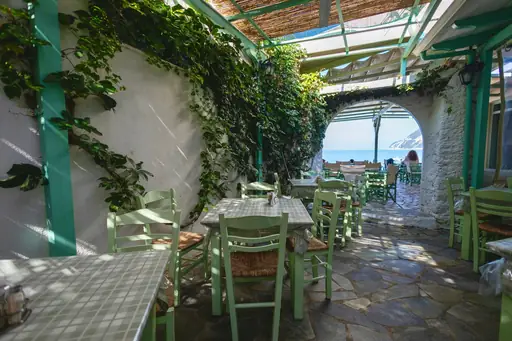
Greece's island of Lesbos became a centre for refugee support volunteering during the 2015 migration crisis. Organisations there still coordinate volunteers assisting with food distribution and language classes. Visitors can join a placement supporting new arrivals at reception facilities on the island. Lesbos remains one of the closest Greek islands to the Turkish coast.
Country
Canada
Vast wilderness meets urban charm
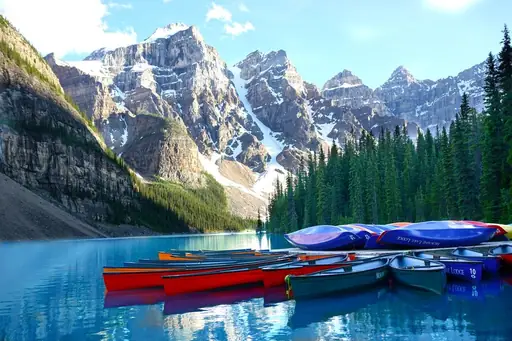
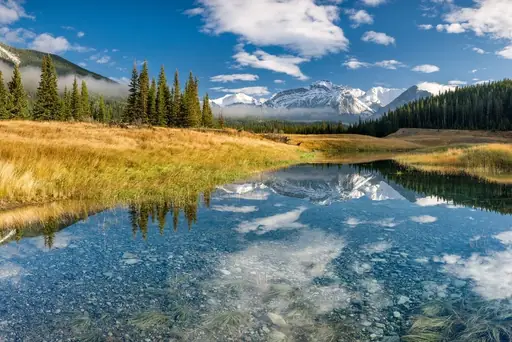
Canada's Katimavik programme has sent young volunteers across the country on community service placements since 1977. Participants live together while working on projects ranging from environmental cleanup to elder care. Visitors can apply for a multi-month placement that rotates between different provinces. The programme remains one of Canada's longest-running national volunteer initiatives.
Country
Vietnam
Ancient charm meets natural wonder
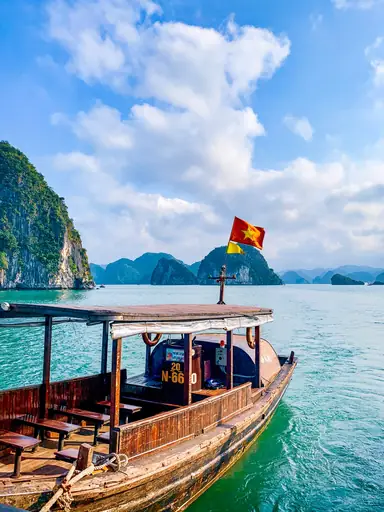
Vietnam's Mekong Delta region hosts community-based volunteer placements in schools and small farming villages. Volunteers often teach English or assist with construction projects alongside local residents. Visitors can arrange a placement through organisations based in nearby Can Tho. The delta's canal-based transport system remains central to daily life across the region.
Country
India
Palaces, temples, backwaters and Himalayan peaks
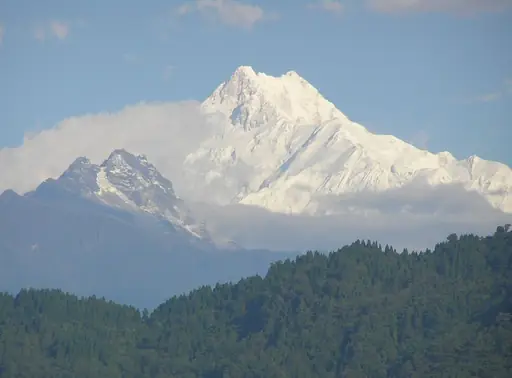
India's Himalayan foothills host volunteer teaching placements in towns like Dharamshala, home to a Tibetan refugee community. Volunteers often teach English or conversational skills to monks and community members. Visitors can arrange a placement through schools and community centres based in the town. Dharamshala also serves as the seat of the Tibetan government in exile.
Country
Romania
Where history meets natural beauty
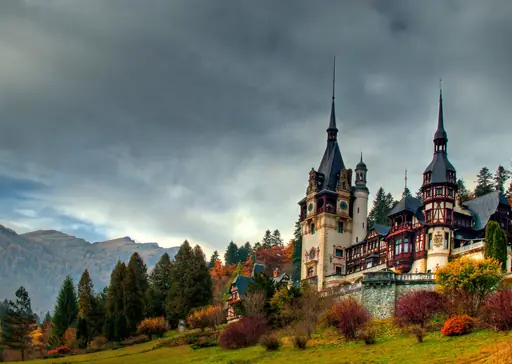
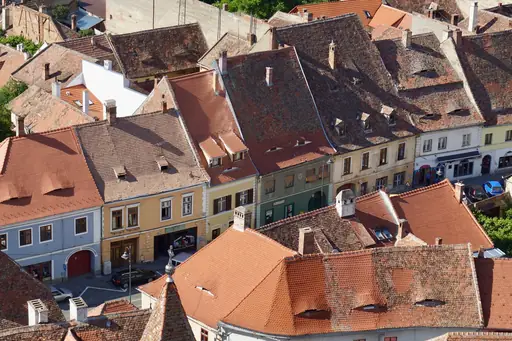
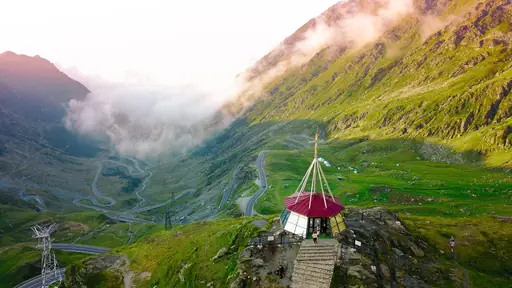
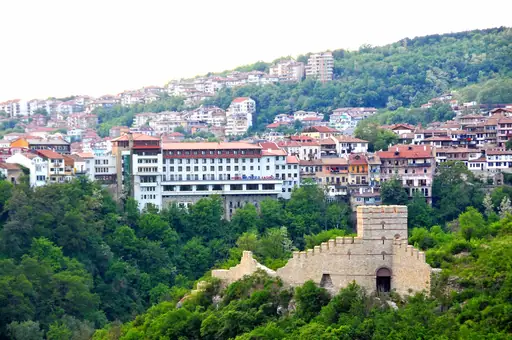
Romania's stray dog population has driven the growth of shelters relying heavily on volunteers. Groups in cities like Bucharest and Cluj-Napoca accept short-term volunteers to walk, feed and socialise rescued dogs. Visitors can arrange a placement through shelters that also coordinate international adoptions. The shelters' work has drawn attention from animal welfare groups across Europe.
Country
Bulgaria
Ancient history meets Black Sea
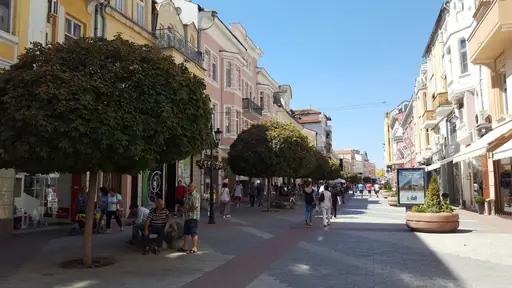
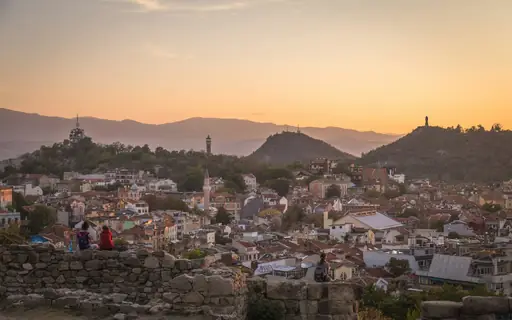
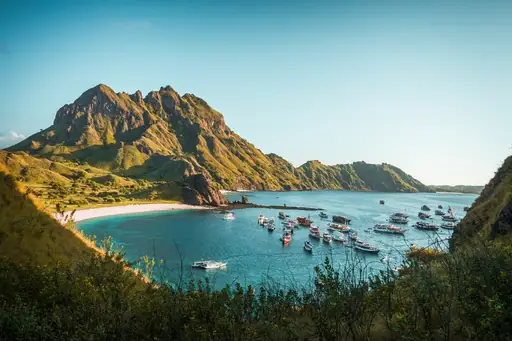
Bulgaria's Dancing Bears Park in Belitsa rehabilitates bears rescued from the country's former street entertainment trade. The sanctuary, run by the charity Four Paws, gives these bears space to roam freely. Visitors can volunteer with daily care tasks under staff supervision. The park has become a model for ending exploitative wildlife entertainment in the region.
Country
Indonesia
Volcanoes, temples, rice terraces and coral reefs
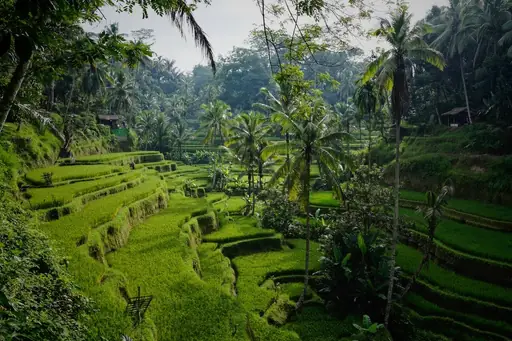
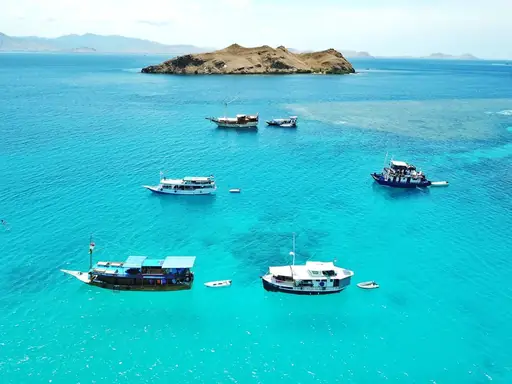
Indonesia's Borneo rainforests host orangutan rehabilitation centres caring for animals rescued from the pet trade. Volunteers help prepare food, clean enclosures and support staff at facilities near Pangkalan Bun. Visitors can join a placement lasting one to several weeks at these centres. Borneo remains one of the last strongholds for wild orangutan populations.

Region in United Kingdom
Scotland
Mystic Highlands and Historic Castles
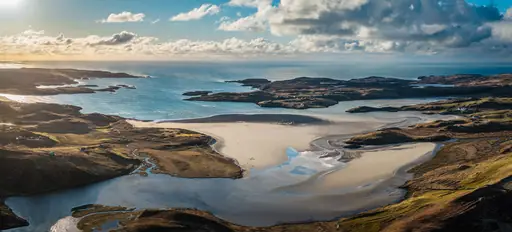
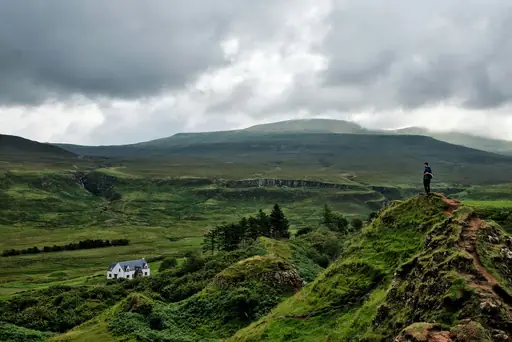
Scotland's National Trust runs volunteer weeks combining conservation work with stays at historic properties. Projects range from dry stone wall repair to rhododendron clearance in the Highlands. Visitors can apply for a placement lasting a week at one of the trust's rural sites. Accommodation and meals are typically included as part of the work exchange.

State/Prefecture in United States
Hawaii
Tropical Vibes and Volcanic Wonders
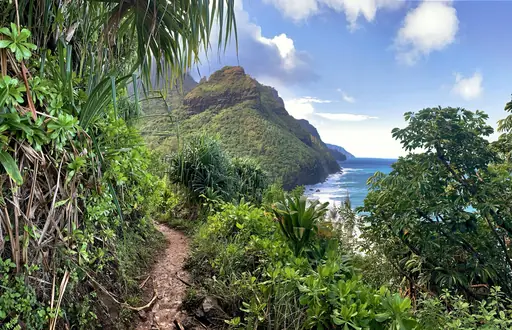
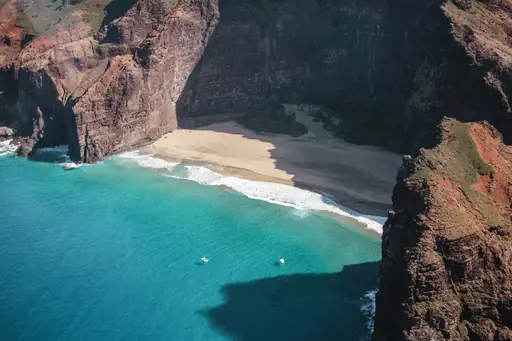
Hawaii's Malama Hawaii programme pairs visitors with conservation projects in exchange for discounted hotel stays. Volunteers restore native forests, clear invasive species or help maintain traditional fishponds. Visitors can book a half-day project through participating hotels before continuing their holiday. The programme aims to give tourism a more direct connection to the islands it visits.
Country
South Africa
Where wildlife meets diverse landscapes
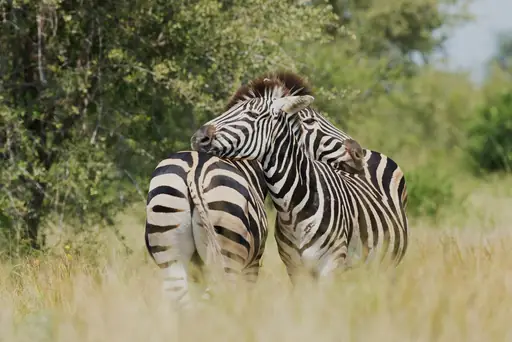
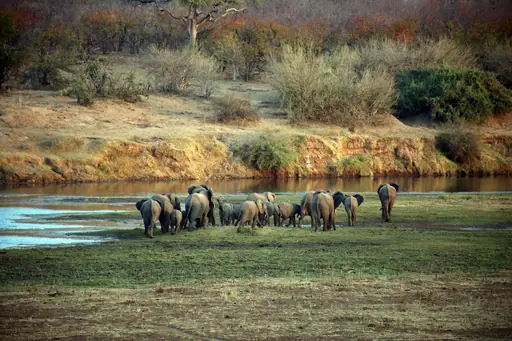
South Africa's Kruger region hosts rhino anti-poaching volunteer programmes supporting rangers on private reserves. Volunteers help with animal monitoring, fence patrols and habitat maintenance under ranger supervision. Visitors can join a placement lasting one to several weeks at reserves bordering the national park. Rhino poaching remains a significant threat driving demand for these conservation programmes.
Country
Philippines
7,641 islands of tropical wonder
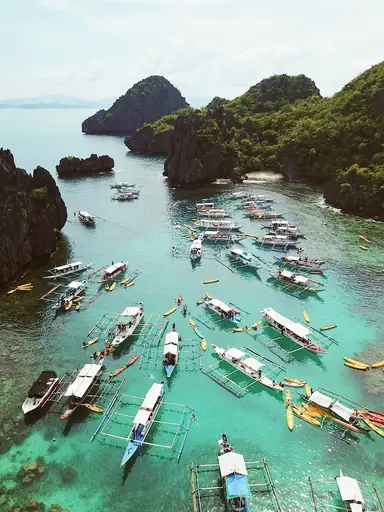
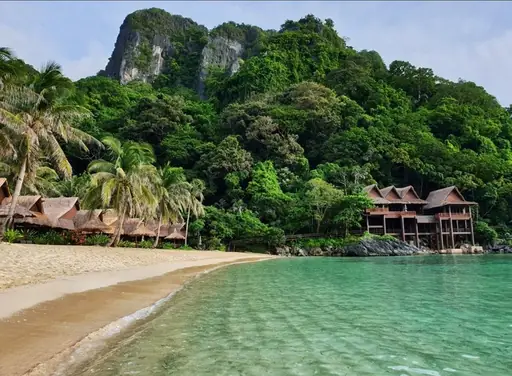
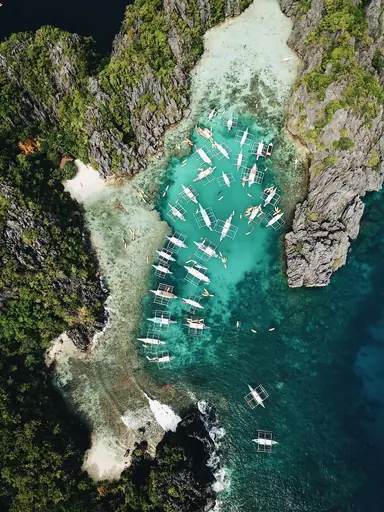
The Philippines' Apo Island hosts a marine sanctuary where volunteer divers help monitor reef health. Fishing communities co-manage the area alongside conservation groups and researchers. Visitors can join reef surveys or beach cleanups through dive shops on the island. The sanctuary is often cited as an early example of community-led marine conservation in the region.

Country
Australia
Land of savage beauty
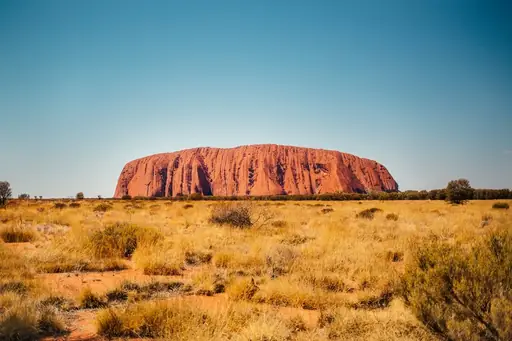
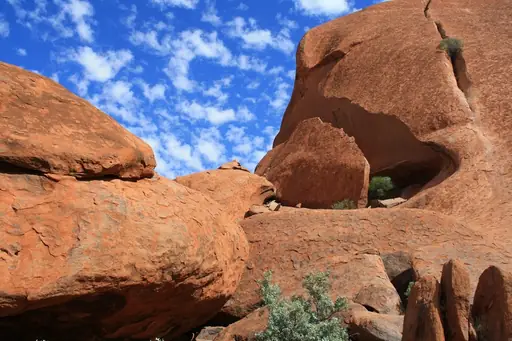
Conservation Volunteers Australia has organised environmental projects nationwide since 1982, among the oldest of its kind. Volunteers join tree planting, invasive species removal and wildlife monitoring across various states. Visitors can sign up for a single day or a multi-week placement. The organisation pairs travellers with projects in both outback and coastal regions.

Country
Brazil
Vibrant diversity meets natural wonder
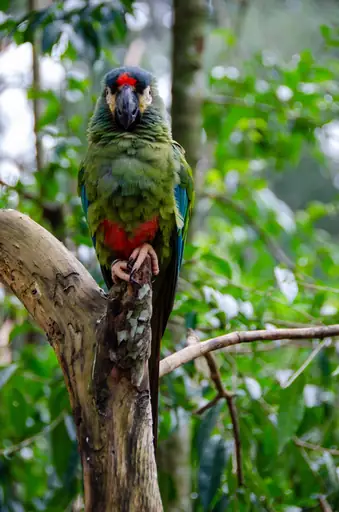
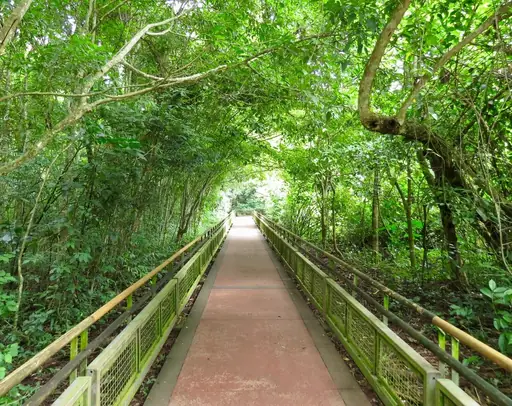
Brazil's Iracambi centre in Minas Gerais runs reforestation and research projects in the Atlantic Forest. Volunteers plant native tree seedlings and assist researchers tracking local wildlife populations. Visitors can join a multi-week placement living on-site at the research station. The Atlantic Forest ranks among the most biodiverse and threatened ecosystems on Earth.

Outer Territory in United States
Puerto Rico
Caribbean rhythms, rainforests and beaches
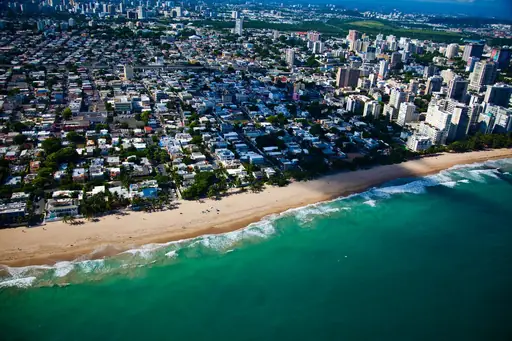
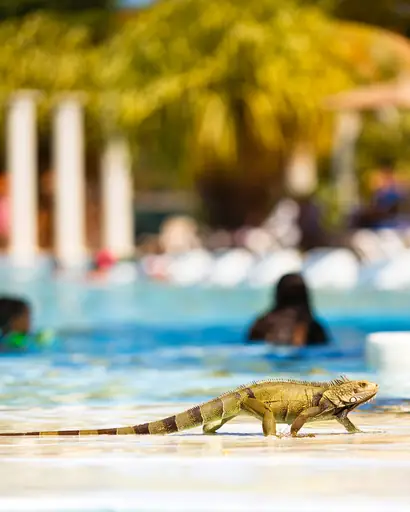
Puerto Rico's reforestation efforts expanded after Hurricane Maria destroyed forest sections in 2017. Volunteer groups plant native trees and restore trails across the mountainous interior. Visitors can join a one-day planting event or a longer placement through nonprofits. El Yunque, a tropical rainforest in the US National Forest System, remains a focus of these efforts.

Country
Peru
Ancient wonders meet diverse landscapes
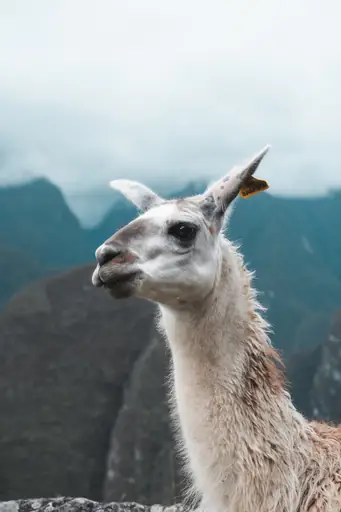
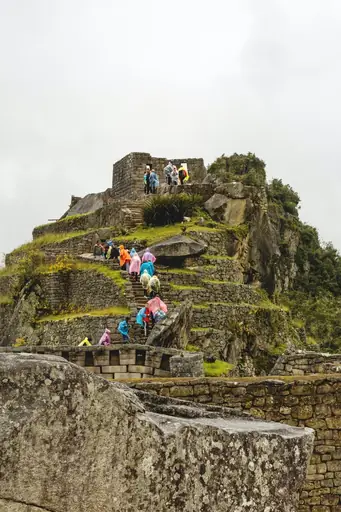
Peru's Manu National Park protects a stretch of Amazon rainforest ranked among the most biodiverse on Earth. Research stations inside the park accept volunteers to assist with wildlife surveys and trail maintenance. Visitors can join a placement lasting several weeks alongside resident researchers. The park spans elevations from Andean cloud forest down to lowland jungle.
Country
Chile
Land of dramatic climate contrasts
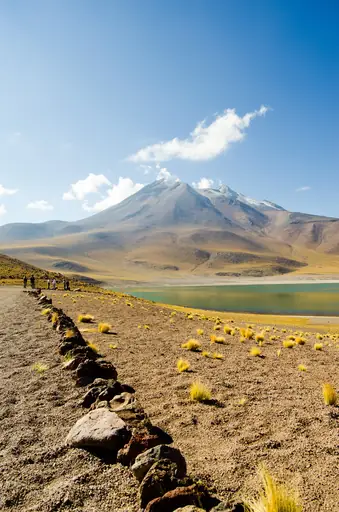
Chile's Patagonia National Park grew out of a large-scale rewilding project backed by the Tompkins Conservation foundation. Volunteers help maintain trails and monitor reintroduced species like the huemul deer. Visitors can join a work placement based at the park's visitor centre in the Aysen region. The park now protects land once used for sheep ranching.
Country
New Zealand
Land of the long cloud
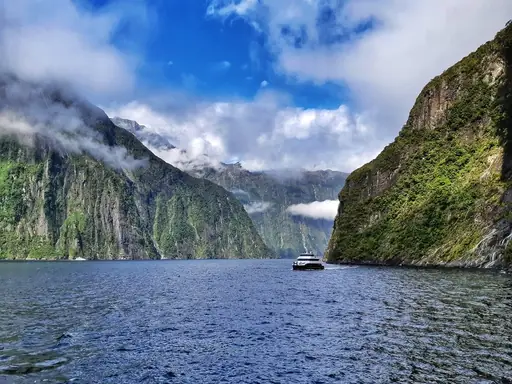
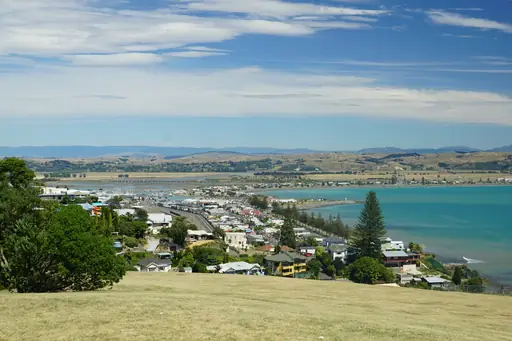
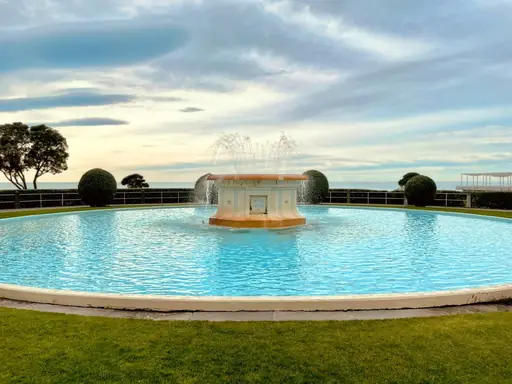
New Zealand's Department of Conservation runs an official volunteer programme open to both residents and visitors. Placements include pest control, native planting and monitoring endangered birds like the kiwi. Visitors can find listings for short-term projects posted directly on the department's website. The programme gives travellers a direct role in protecting the country's unique wildlife.


Country
Costa Rica
Lush rainforests, stunning beaches, pure adventure
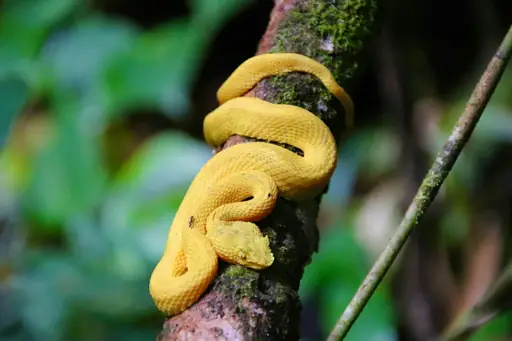
Costa Rica's Caribbean coast hosts sea turtle conservation projects centred on Tortuguero. Volunteers patrol beaches at night to protect nesting turtles and relocate eggs from risk areas. Visitors can join a placement during nesting season, which runs roughly March to October. Tortuguero remains one of the most important green turtle nesting sites in the hemisphere.

State/Prefecture in United States
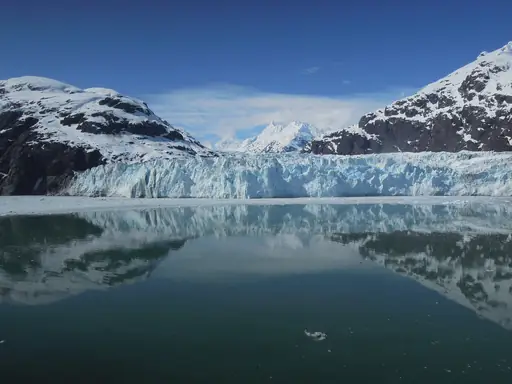
Alaska
Land of superlatives and adventure
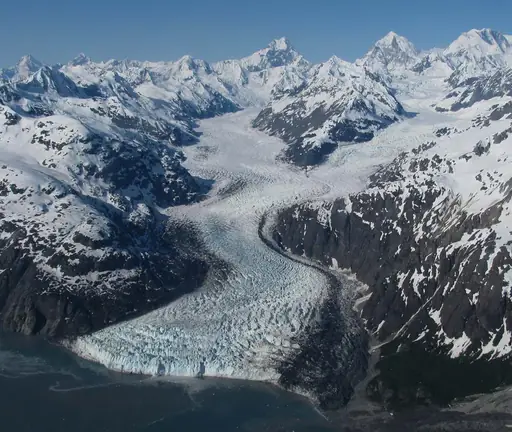
Alaska's national parks run volunteer programmes pairing visitors with rangers on trail crews and wildlife surveys. Denali and Kenai Fjords both accept short-term volunteers through the National Park Service. Visitors can spend a week clearing trails or monitoring salmon runs alongside park staff. Housing is often provided on-site in exchange for the volunteer labour.

Country
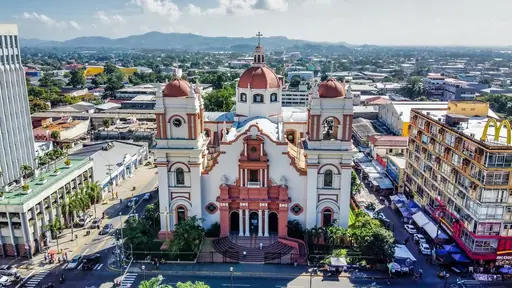
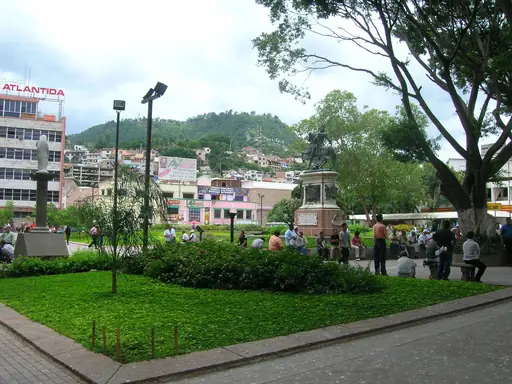
Honduras
Tropical diversity with ancient heritage
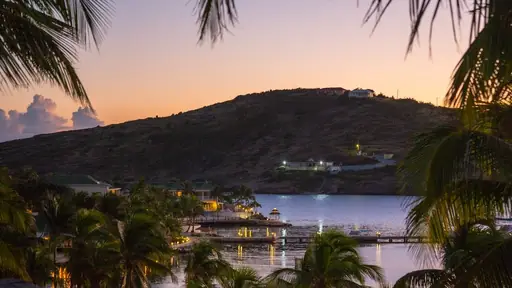
Honduras' island of Utila has built a reputation around affordable dive training tied to marine conservation. Dive shops there run volunteer programmes monitoring reef health and whale shark sightings. Visitors can combine a dive certification course with citizen science data collection. Utila sits along the same barrier reef system that runs past Belize.
Country
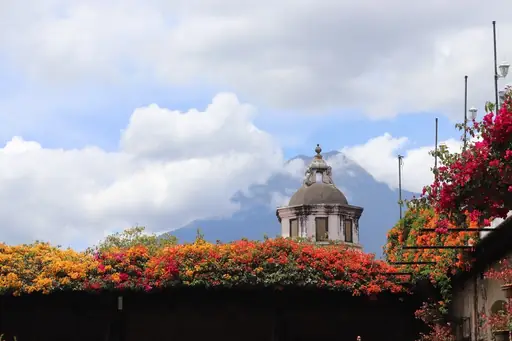
Guatemala
Land of diverse climates, volcanoes
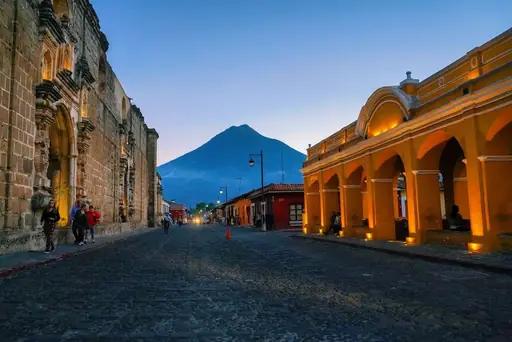
Guatemala's Lake Atitlan region combines Spanish language schools with volunteer placements in nearby villages. Students often split mornings in class with afternoons teaching or building alongside residents. Visitors can arrange a placement through schools based in towns like San Pedro La Laguna. The lake's volcanic backdrop draws many volunteers to stay longer than planned.
Country
Iceland
Land of fire and ice
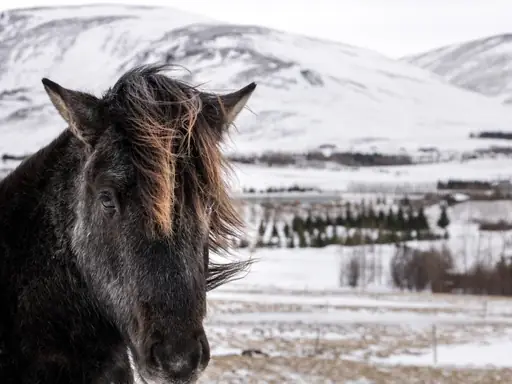
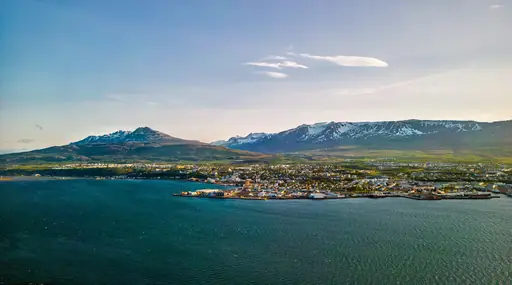
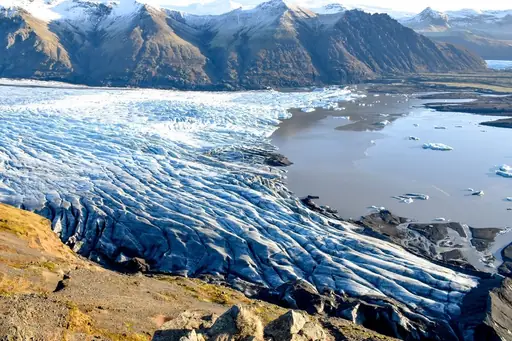
Iceland's SEEDS organisation places international volunteers with local environmental and cultural projects nationwide. Placements range from trail maintenance in national parks to helping run community festivals. Visitors can apply for a placement lasting anywhere from a few days to several weeks. Volunteers typically receive housing and meals in exchange for their work.
Country
Ecuador
Compact country, immense biodiversity
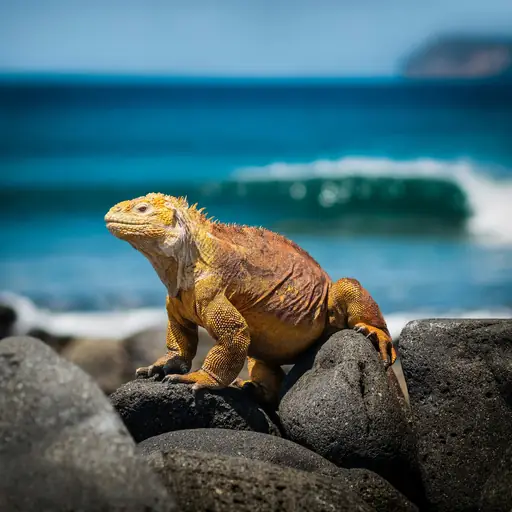
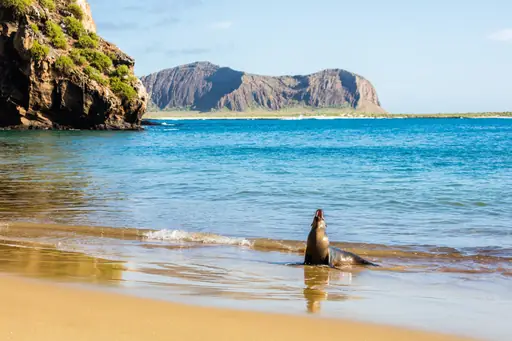
Ecuador's Galapagos Islands run conservation programmes protecting native species found nowhere else on Earth. Volunteers assist researchers monitoring giant tortoises, marine iguanas and seabird colonies. Visitors can join a placement based on one of the archipelago's inhabited islands. Strict permit rules limit how many volunteers the islands can host at any time.
Country
Kenya
Safari paradise meets coastal charm
Kenya's David Sheldrick Wildlife Trust runs an elephant orphanage on the edge of Nairobi National Park. Keepers hand-raise calves rescued after losing their mothers to poaching or drought. Visitors can watch daily public feedings, though hands-on volunteering stays limited to trained staff. The trust has released hundreds of rehabilitated elephants back into the wild.
Country
Sri Lanka
Ancient cities, tea hills and surf beaches
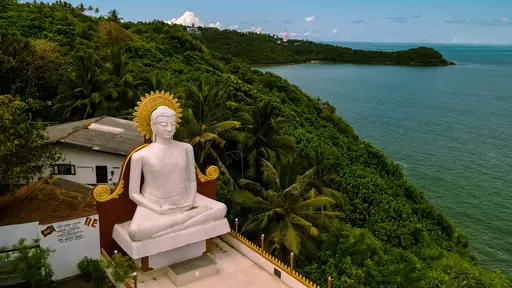
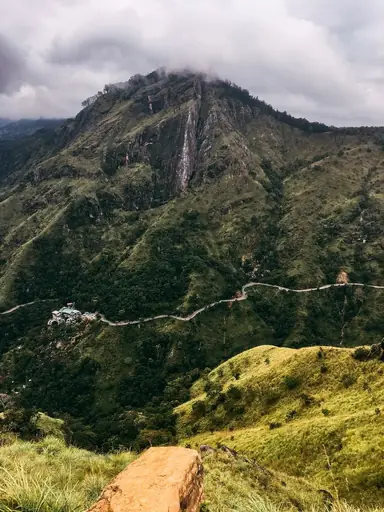
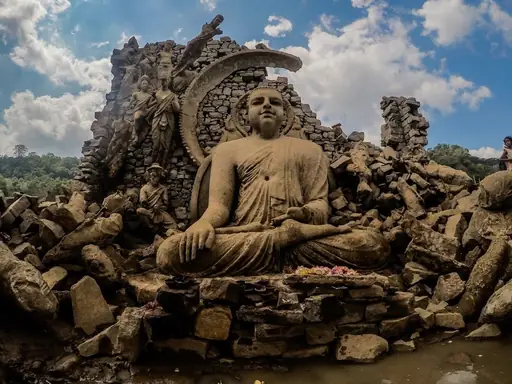
Sri Lanka's southern coast runs sea turtle hatcheries that raise eggs collected from at-risk beaches. Volunteers maintain hatchery tanks and release baby turtles into the ocean at scheduled times. Visitors can join a placement in towns like Kosgoda, where several hatcheries operate. Five of the world's seven sea turtle species nest along this coastline.
Country
Tanzania
Wild safaris meet tropical beaches
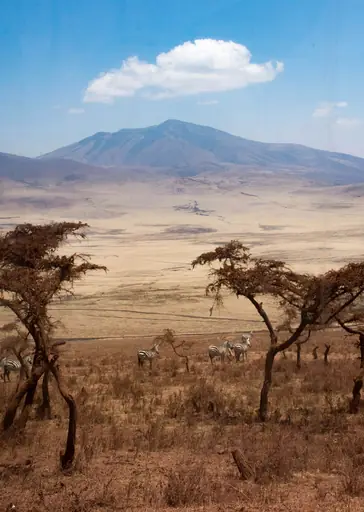
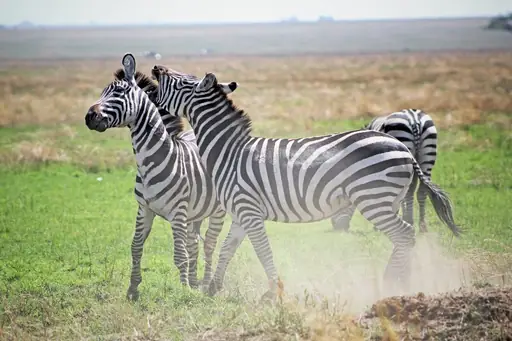
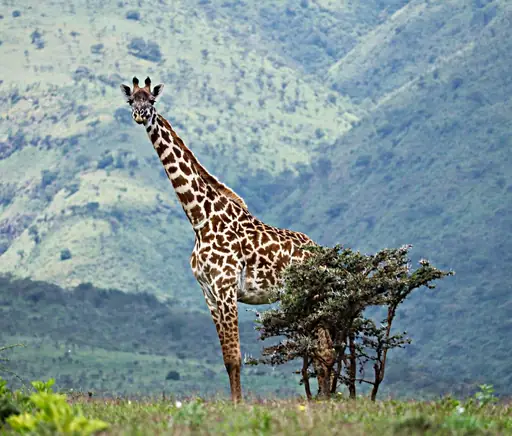
Tanzania's Serengeti hosts wildlife research camps accepting volunteers to assist with surveys. Teams track lion prides, monitor migration patterns and gather data used in conservation planning. Visitors can join a placement based at a camp inside or near the national park. The Serengeti's annual wildebeest migration ranks among the largest land mammal movements on Earth.
Country
Bolivia
Land of dramatic climate contrasts
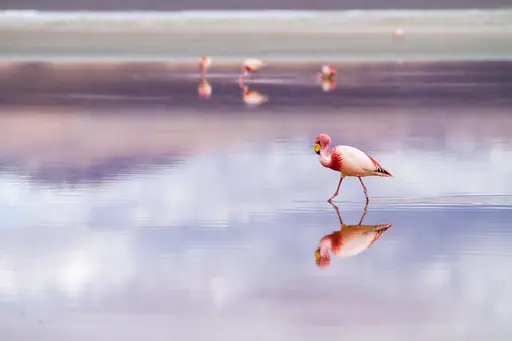
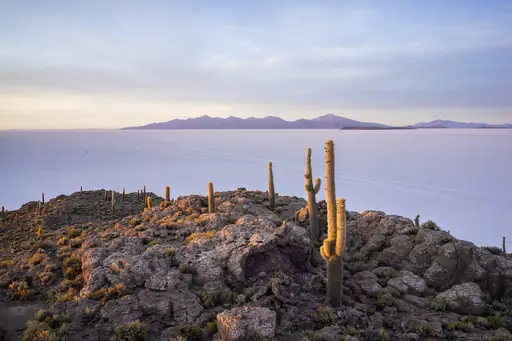
Bolivia's Inti Wara Yassi sanctuary rescues wildlife confiscated from the illegal pet trade. Volunteers care for monkeys, birds and wild cats across several park locations in the country. Visitors can commit to a minimum multi-week stay feeding and rehabilitating rescued animals. The sanctuary relies heavily on volunteer labour to keep its facilities running.
Country
Namibia
Desert wilderness meets wildlife wonders
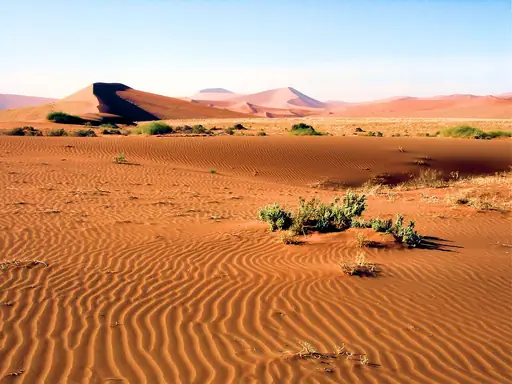
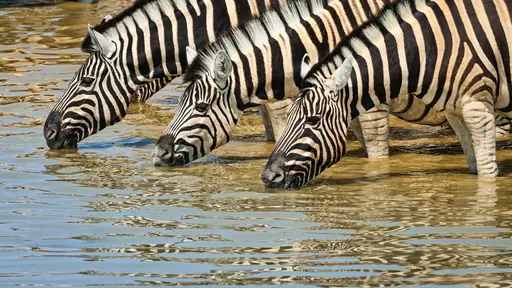
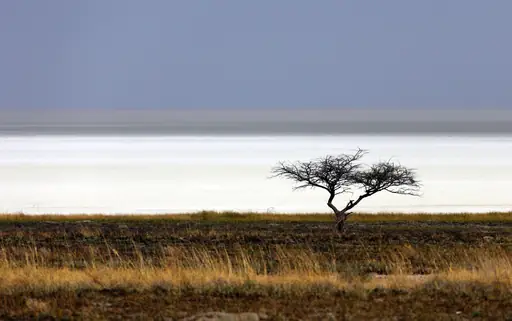
Namibia hosts the Cheetah Conservation Fund, a leading research and rehabilitation centre for the species. Volunteers assist with feeding, habitat maintenance and educational programmes at the centre near Otjiwarongo. Visitors can tour the facility or apply for longer placements supporting the research team. Namibia holds the largest wild cheetah population of any country.
Country
Nepal
Land of Himalayan wonders
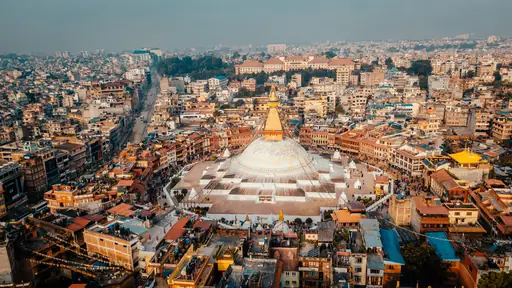
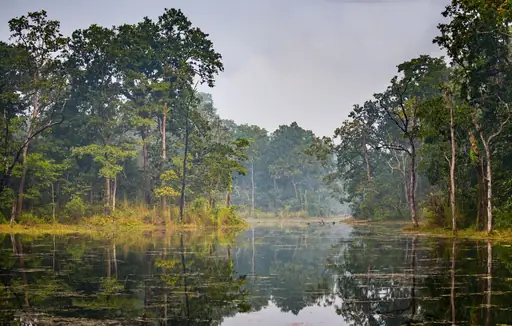
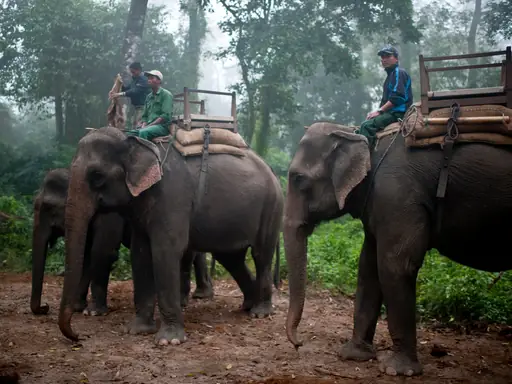
Nepal's mountain villages hosted volunteer teachers well before the country became a popular trekking spot. Many placements combine classroom teaching with a multi-day trek to remote schools. Visitors can arrange a placement through organisations based in Kathmandu before heading into the hills. Some schools still bear damage from the 2015 earthquake that volunteers help repair.

Country
Rwanda
Land of a thousand hills
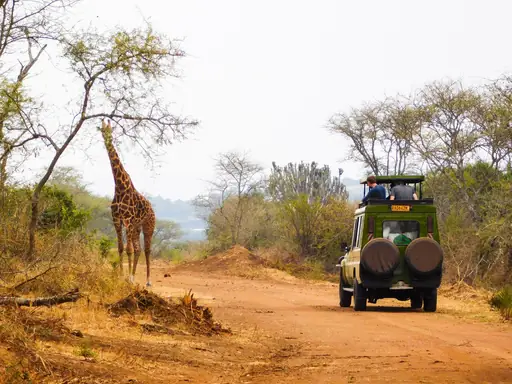
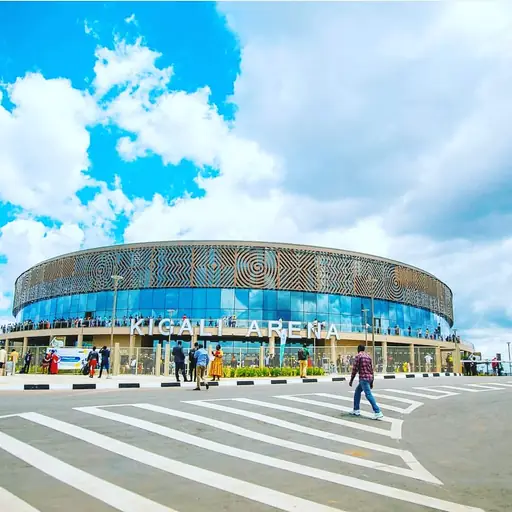
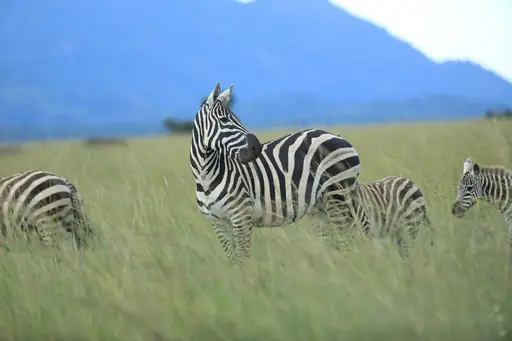
Rwanda hosts the Dian Fossey Gorilla Fund, founded by the researcher who pioneered gorilla study there. The fund's Karisoke Research Center continues tracking mountain gorilla families in the Virunga Mountains. Visitors can tour the centre or apply for research-support placements depending on availability. Rwanda's gorilla population has grown steadily since conservation efforts began decades ago.
Country
Uganda
Pearl of Africa's diverse landscapes
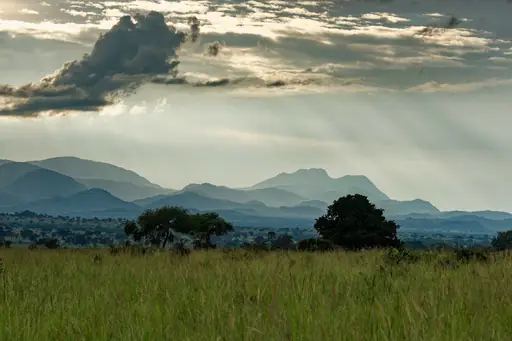
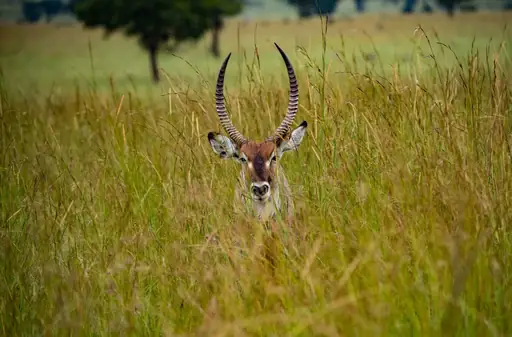
Uganda's Bwindi Impenetrable Forest protects roughly half of the world's remaining mountain gorilla population. Conservation groups based near the park accept volunteers for community education and habitat monitoring projects. Visitors can combine a volunteer placement with a permitted gorilla trek deeper into the forest. Bwindi's dense, ancient forest gives the park its name.
Country
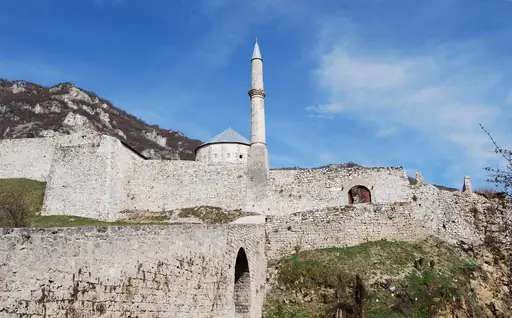
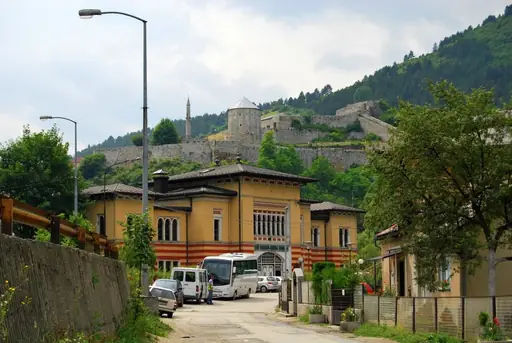
Bosnia and Herzegovina
Where waterfalls meet ancient history
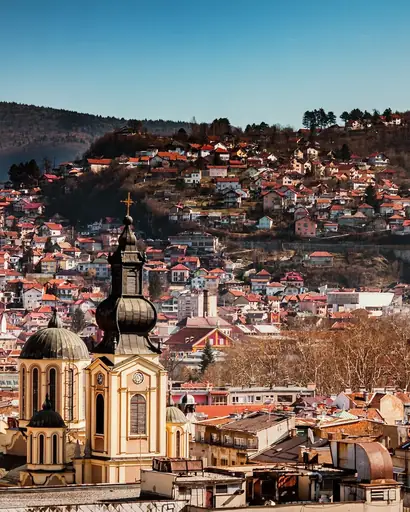
Sarajevo's War Childhood Museum collects oral histories from people who lived through the 1990s siege. Volunteers help translate testimonies and assist with programming for visiting school groups. Visitors can contribute research or language skills during a museum placement. The collection has grown into one of the country's most visited cultural institutions.

Country
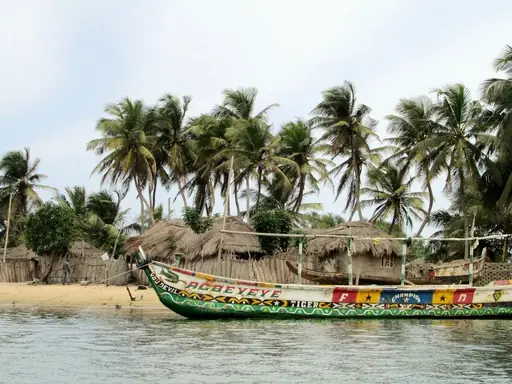
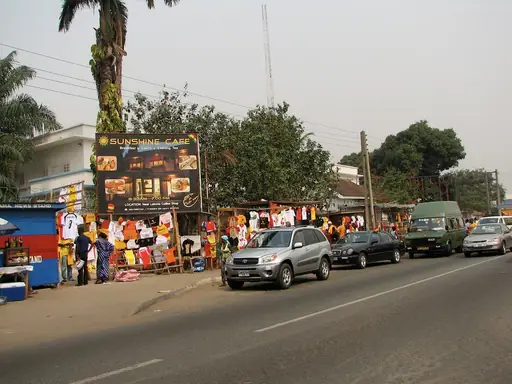
Ghana
Gateway to vibrant African culture
Ghana's Cape Coast region hosts community-based volunteer placements in local schools and clinics. Volunteers often teach English or assist clinic staff with basic health screenings. Visitors can arrange a placement through local organisations based in Cape Coast or Elmina. The region's historic slave castles draw many volunteers to combine service with reflection on that history.

Country
Fiji
Tropical paradise with diverse landscapes
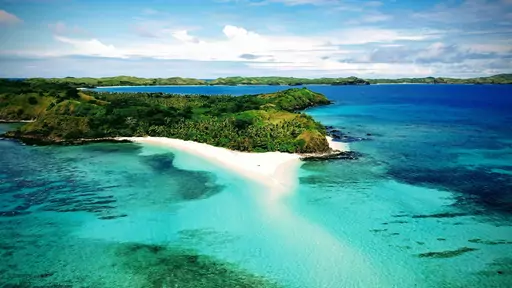
Fiji's coral reefs host restoration projects where volunteer divers help replant damaged reef sections. Teams grow coral fragments on underwater nurseries before transplanting them onto degraded reef. Visitors can train for reef surveys alongside marine biologists based at coastal research stations. Fiji's reefs remain vulnerable to warming ocean temperatures and coral bleaching events.
Country
Belize
Tropical paradise with diverse ecosystems
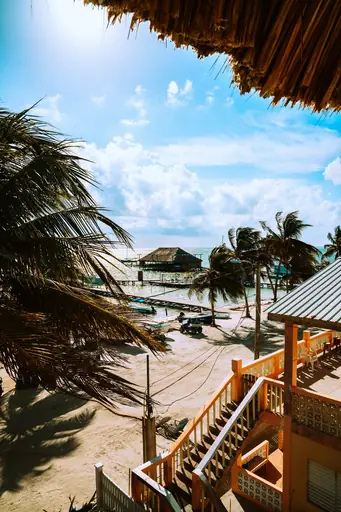
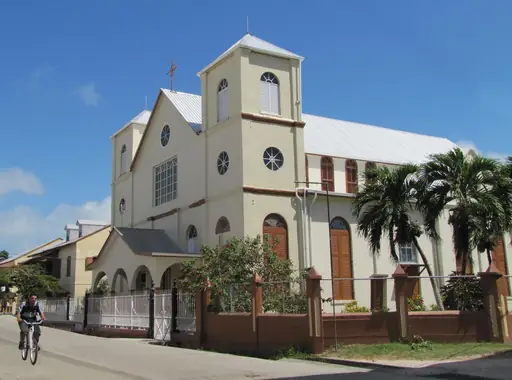
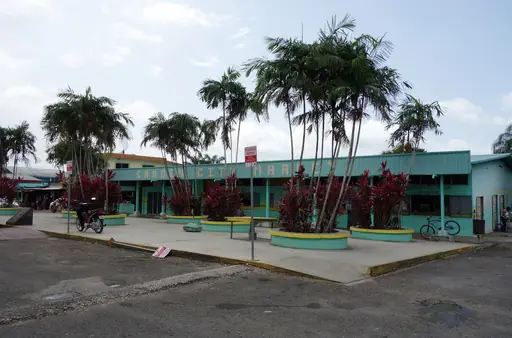
Belize's Turneffe Atoll hosts reef monitoring programmes where volunteer divers help survey coral health. Groups like ReefCI train participants to identify fish species and coral bleaching patterns. Visitors can join a week-long placement combining dive training with citizen science data collection. The atoll's barrier reef ranks among the largest in the Western Hemisphere.
Other lists you may like
Discover
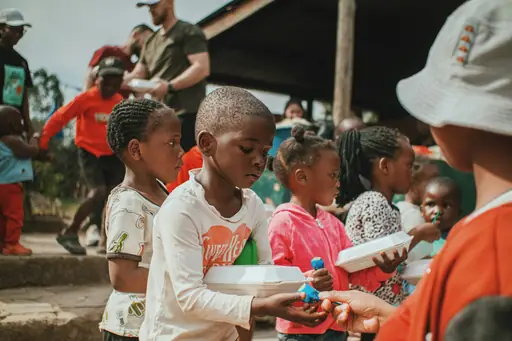
Best volunteer travel destinations in Africa
East and southern Africa anchor much of the continent's volunteer travel scene, built around wildlife conservation projects that fund anti-poaching efforts and habitat protection…
Read more
Discover
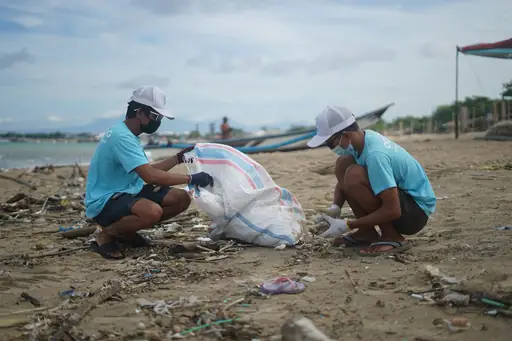
Best volunteer travel destinations in Asia
Wildlife rehabilitation centres and community education projects across parts of South and Southeast Asia anchor much of the region's volunteer travel scene, built around…
Read more
Discover
Best volunteer travel destinations in Europe
Conservation and rewilding projects across parts of Europe offer a different model of volunteer travel than the wildlife programmes common elsewhere, built around habitat…
Read more
Discover
Best volunteer travel destinations in North America
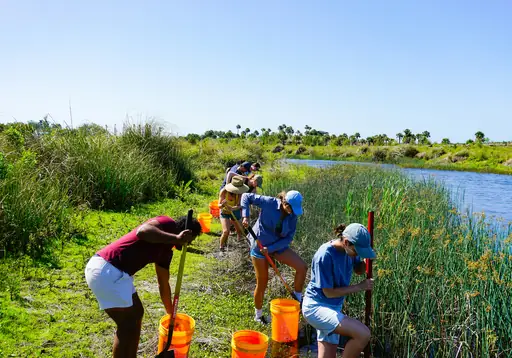
Coastal countries in Central America anchor much of the wider region's volunteer travel reputation, built around sea turtle conservation and rainforest protection programmes with…
Read more

Discover
Best volunteer travel destinations in Oceania
Volunteer travel in Oceania tends to center on the natural world, which makes sense given how much of the region's identity is tied to its coastline and wildlife. Australia and…
Read more
Discover
Best volunteer travel destinations in South America
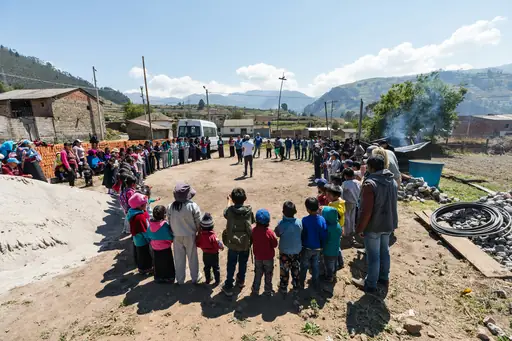
Volunteer travel in South America leans heavily toward the Amazon, though conservation and community projects show up across the rest of the continent too. Wildlife…
Read more
What other users say about travelfilters
“travelfilters made it easy for me to find ski areas and compare what else they offer, so that I could find the best place for my personal travel style.”

Chris
Snowboarding & Onsen trip to Japan
“I love how transparent the data feels. There is no pushy upsell, just honest information and settings I can tune to my own travel style.”

Maria
After booking her 2027 winter escape
“The level of detail for each destination and how well those are displayed, make planning feel confident instead of overwhelming.”

Mina
Planned a week in New York City
“We used travelfilters for our planning from start to end. The trip turned out even better than expected, thanks to all their tools and customisation options.”

Allan & Etienne
Trip to Japan to see autumn foliage
“Thanks to travelfilters, I found some hidden gems to see. Being able to filter for exactly your interests is a game changer for my travel planning.”

Michael
Tour through the old cities of Northern Italy
“The customizable filters helped me find a quiet beach town with good wifi and low season crowds in under five minutes.”

Diego
Weekend Escape to Llanes, Spain
“The airport connection map saved me hours by showing good flight options from my home airport to lesser-known cities.”

Nguyen
Planning a 2027 trip to France
“The website is clean, fast and focused on the search itself, which makes travelfilters feel more like a professional tool than an ad-heavy booking site.”

Hassan
Christmas Market trip, Germany
