
Best volunteer travel destinations in Asia
Best volunteer travel destinations in Asia
Rural school build areas and marine preservation programs across Asia
Wildlife rehabilitation centres and community education projects across parts of South and Southeast Asia anchor much of the region's volunteer travel scene, built around conservation and development needs identified well before tourism became part of the funding model.
The destinations on this list range from wildlife rehabilitation programmes working with endangered species in their natural habitat to education and construction projects in rural communities. Both require a genuine time commitment to be useful rather than symbolic.
Checking whether a programme employs local staff long-term tends to indicate a more genuinely sustainable project than one built purely around rotating volunteers. Speaking directly with previous volunteers tends to reveal far more about the actual day-to-day reality. Asking detailed questions about daily expectations also tends to reveal far more than a programme's promotional material.
Lists by region
Country
Thailand
Land of smiles and contrasts
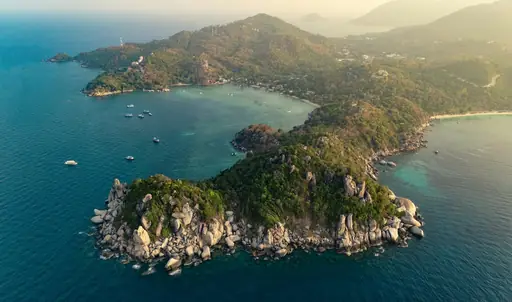
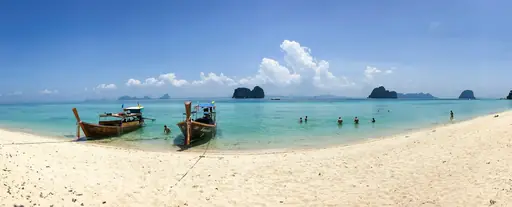
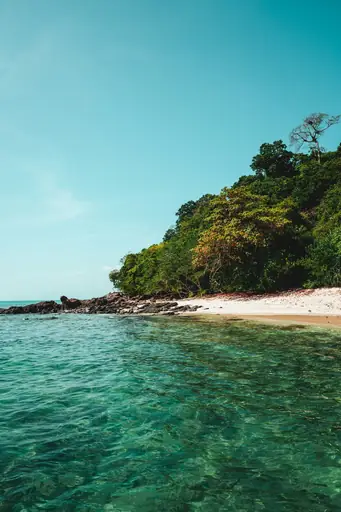
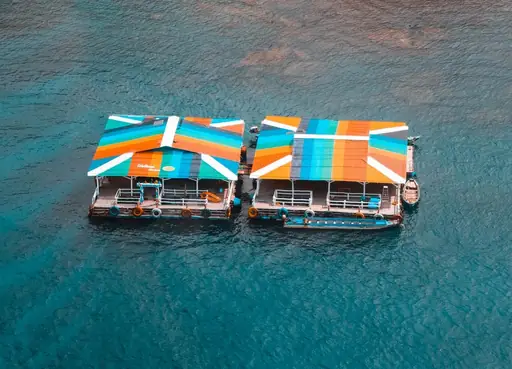
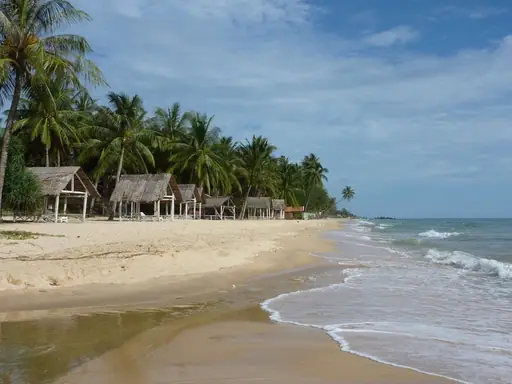
Elephant Nature Park near Chiang Mai was founded in 1998 by Lek Chailert and Adam Flinn. The 250 acre sanctuary lies about 37 miles from the city. Chailert had rescued around 200 distressed elephants by 2016. Visitors and volunteers help care for them. Extended stays are possible.
Country
Vietnam
Ancient charm meets natural wonder
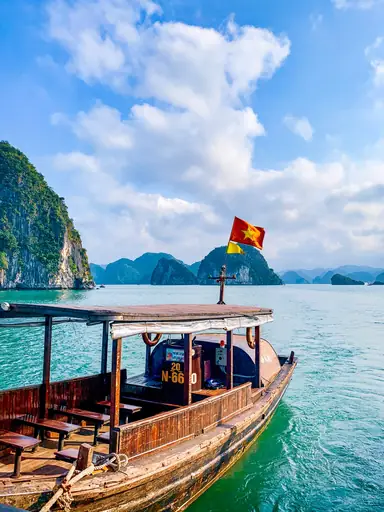
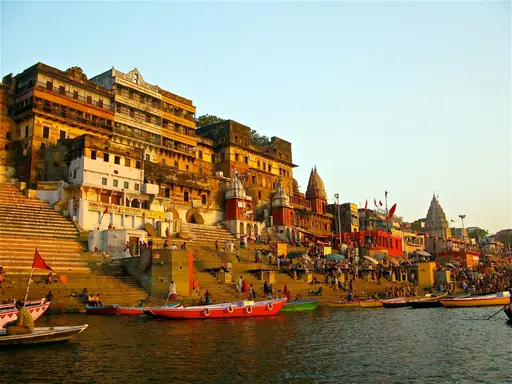
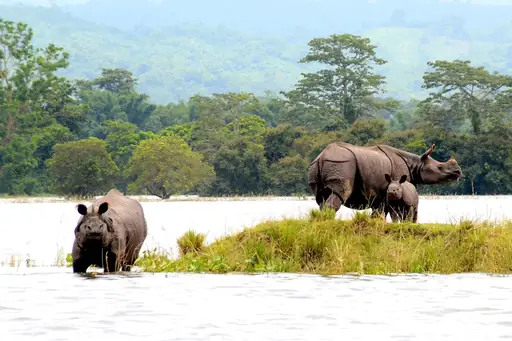
The United States sprayed Agent Orange over parts of Vietnam between 1961 and 1971. Volunteer projects now support affected families and disability childcare centres in Hanoi. Teaching English is also common. In the Mekong Delta, home to about 19 million people, rice farming dominates. The land lies low and is vulnerable to rising seas.
Country
India
Palaces, temples, backwaters and Himalayan peaks
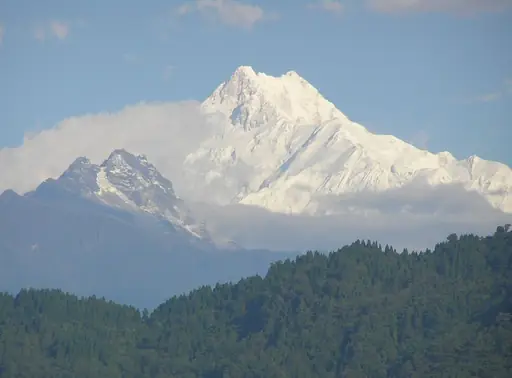
Mother Teresa founded the Missionaries of Charity in Kolkata in 1950. Its Nirmal Hriday home for the dying opened in 1952 in a former Hindu temple. She won the Nobel Peace Prize in 1979 and was canonized in 2016. Volunteer rules vary, so contact the order or the host organisation before you travel.
Country
Indonesia
Volcanoes, temples, rice terraces and coral reefs
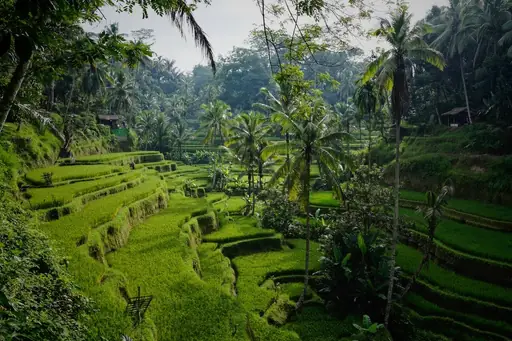
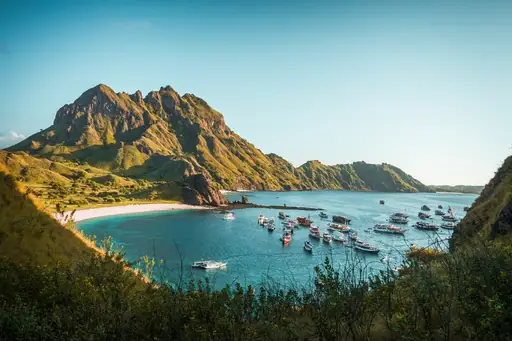
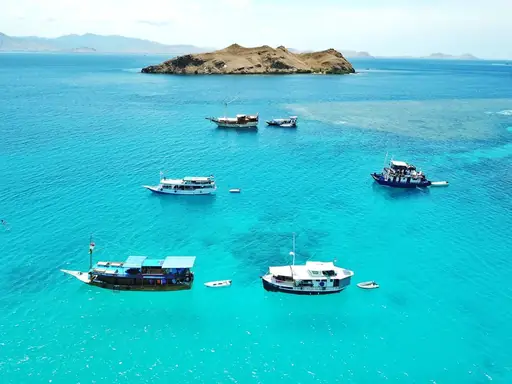
Rainforest calls and rustling canopy surround orangutan rescue work on Borneo and Sumatra. All three orangutan species are critically endangered because of palm oil plantations, logging and the pet trade. Groups such as the Borneo Orangutan Survival Foundation run rehabilitation programmes. Tanjung Puting National Park has hosted orangutan research since 1971.
Country
Philippines
7,641 islands of tropical wonder
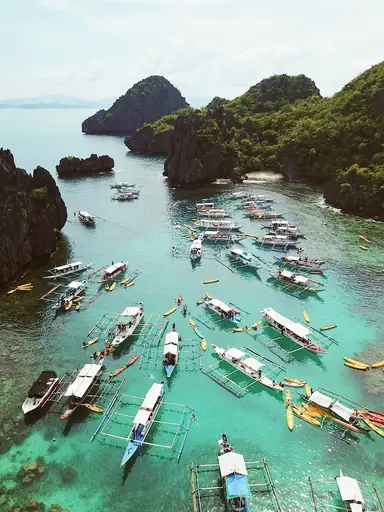
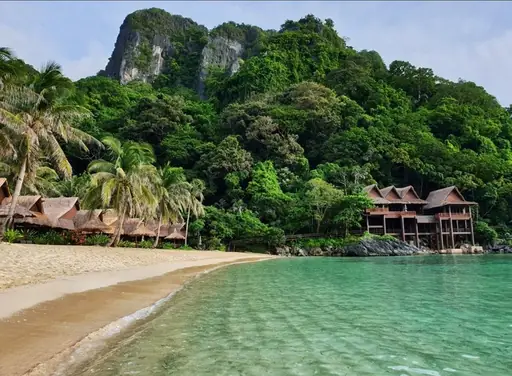
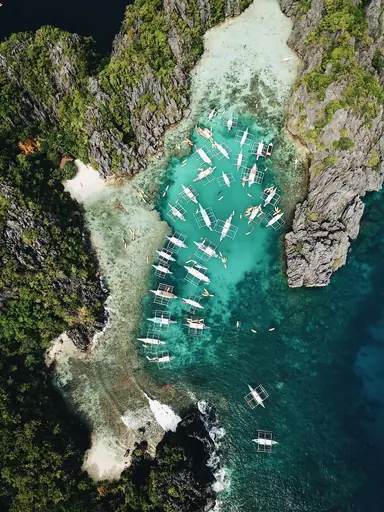
Bayanihan, the Filipino spirit of neighbours helping neighbours, shaped the response to Typhoon Haiyan in November 2013. The storm killed about 6,300 people and destroyed roughly 90 percent of Tacloban. By 2021 about 148,000 of 204,000 planned homes for survivors were complete. Volunteers still join rebuilding and community work.
Country
Cambodia
Angkor temples, riverside cities and quiet coast
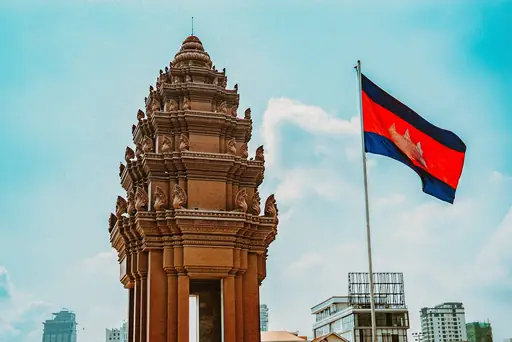
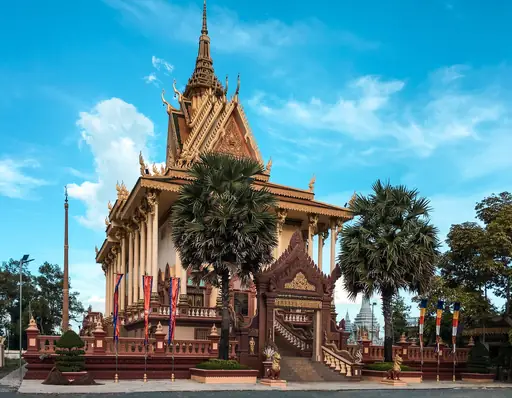
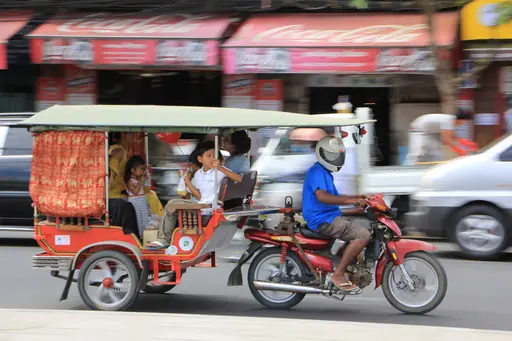
Tonlé Sap lake swells from about 1,000 square miles in the dry season to about 9,500 in the rainy season. Its fish feed much of the country. Volunteers help with education and community projects. Child protection groups advise against orphanage volunteering. They favour screened long-term programmes where children return home each day.
Country
Sri Lanka
Ancient cities, tea hills and surf beaches
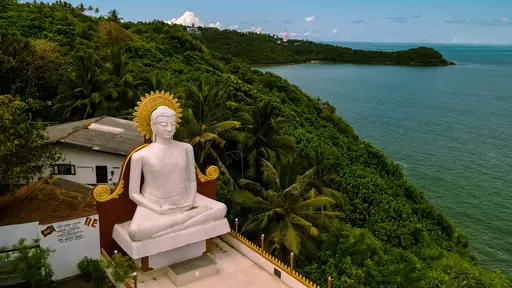
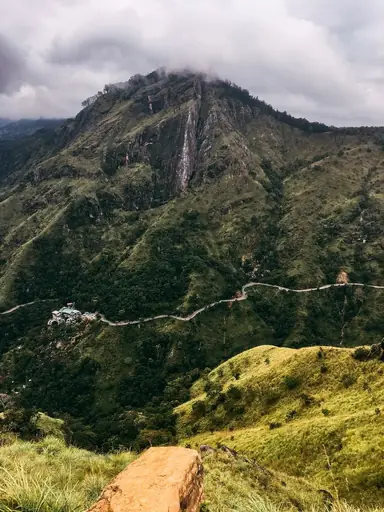
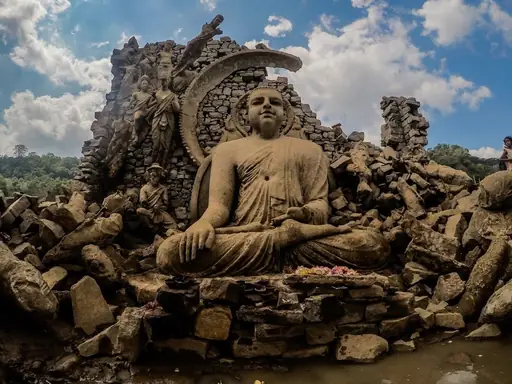
Wild elephants now number about 7,500, down from around 19,500 in the early 1800s. Habitat loss and conflict with farmers are the main threats. Udawalawe National Park runs a transit centre that keeps orphaned calves until they can be released. Conservation volunteers help with research and community work around the parks.
Country
Nepal
Land of Himalayan wonders
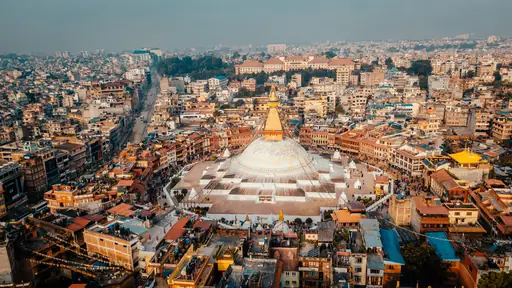
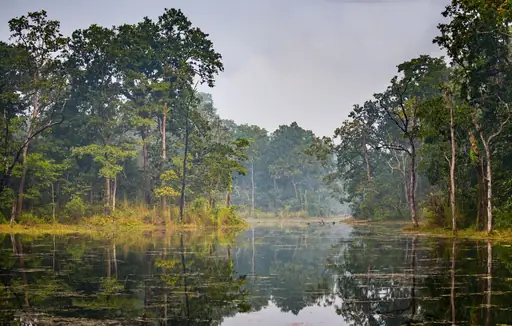
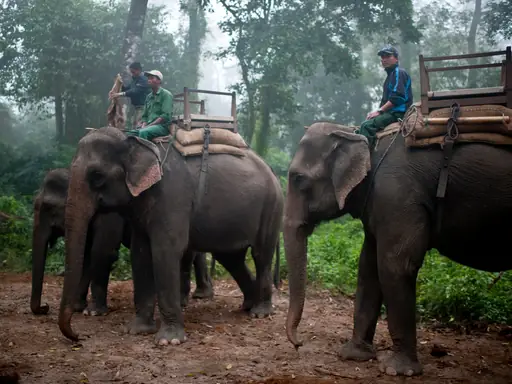
The earthquake of 25 April 2015 killed at least 8,857 people and damaged monuments in Kathmandu, Patan and Bhaktapur. Recovery has been slow. A survey about 30 months later found only 12 percent of reconstruction money distributed. Volunteers still support teaching and community projects in villages and towns.
Country
Mongolia
Land of endless steppes
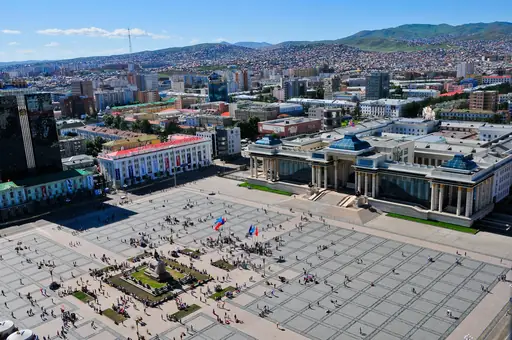
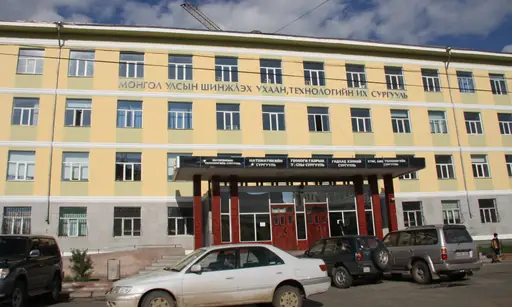
Between Russia and China, Mongolia spans 604,000 square miles with only about 3.5 million people. Roughly 30 percent are nomadic or semi-nomadic. Volunteer programmes place travellers with herding families and in schools and conservation projects. About half the population lives in the capital, Ulaanbaatar, so rural placements feel remote.
Other lists you may like
Discover
Top volunteering destinations and ethical travel programmes
The best volunteer travel destinations are the ones where the programme actually meets a need the community has identified, rather than one built mainly around the experience for…
Read more
Discover
Best volunteer travel destinations in Africa
East and southern Africa anchor much of the continent's volunteer travel scene, built around wildlife conservation projects that fund anti-poaching efforts and habitat protection…
Read more
Discover
Best volunteer travel destinations in Europe
Conservation and rewilding projects across parts of Europe offer a different model of volunteer travel than the wildlife programmes common elsewhere, built around habitat…
Read more
Discover
Best volunteer travel destinations in North America
Coastal countries in Central America anchor much of the wider region's volunteer travel reputation, built around sea turtle conservation and rainforest protection programmes with…
Read more

Discover
Best volunteer travel destinations in Oceania
Volunteer travel in Oceania tends to center on the natural world, which makes sense given how much of the region's identity is tied to its coastline and wildlife. Australia and…
Read more
Discover
Best volunteer travel destinations in South America
Volunteer travel in South America leans heavily toward the Amazon, though conservation and community projects show up across the rest of the continent too. Wildlife…
Read more
What other users say about travelfilters
“travelfilters made it easy for me to find ski areas and compare what else they offer, so that I could find the best place for my personal travel style.”

Chris
Snowboarding & Onsen trip to Japan
“I love how transparent the data feels. There is no pushy upsell, just honest information and settings I can tune to my own travel style.”

Maria
After booking her 2027 winter escape
“The level of detail for each destination and how well those are displayed, make planning feel confident instead of overwhelming.”

Mina
Planned a week in New York City
“We used travelfilters for our planning from start to end. The trip turned out even better than expected, thanks to all their tools and customisation options.”

Allan & Etienne
Trip to Japan to see autumn foliage
“Thanks to travelfilters, I found some hidden gems to see. Being able to filter for exactly your interests is a game changer for my travel planning.”

Michael
Tour through the old cities of Northern Italy
“The customizable filters helped me find a quiet beach town with good wifi and low season crowds in under five minutes.”

Diego
Weekend Escape to Llanes, Spain
“The airport connection map saved me hours by showing good flight options from my home airport to lesser-known cities.”

Nguyen
Planning a 2027 trip to France
“The website is clean, fast and focused on the search itself, which makes travelfilters feel more like a professional tool than an ad-heavy booking site.”

Hassan
Christmas Market trip, Germany
