
Best volunteer travel destinations in Africa
Best volunteer travel destinations in Africa
Community conservation territories and wildlife protection zones in Africa
East and southern Africa anchor much of the continent's volunteer travel scene, built around wildlife conservation projects that fund anti-poaching efforts and habitat protection directly through volunteer participation. Community-based education and construction projects add a different, more locally embedded option elsewhere.
The destinations on this list range from wildlife conservation programmes working alongside rangers and researchers to community development projects built around local need rather than visitor experience. Vetting organisations carefully matters more here than almost anywhere else.
Checking how directly volunteer fees fund the work itself remains the most reliable way to separate genuinely impactful programmes from those built mainly around the visitor experience. Speaking with previous volunteers gives a far more honest picture. Asking detailed questions about how fees are used also tends to reveal far more than a programme's promotional material.
Lists by region
Country
South Africa
Where wildlife meets diverse landscapes
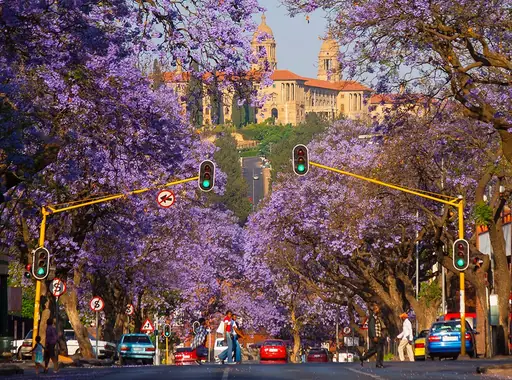
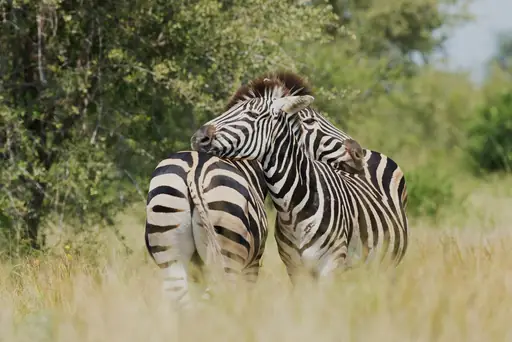
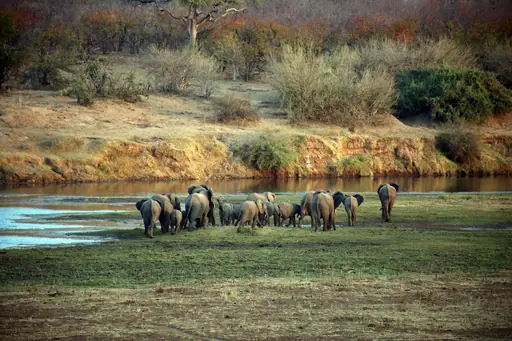
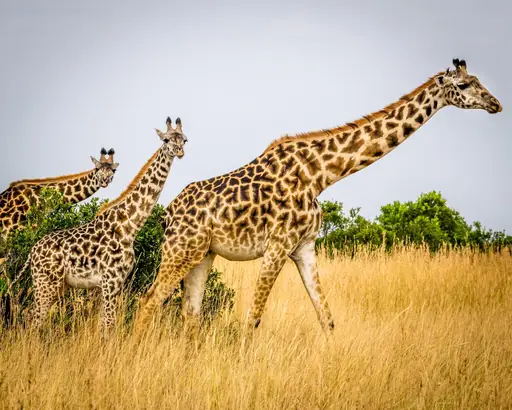
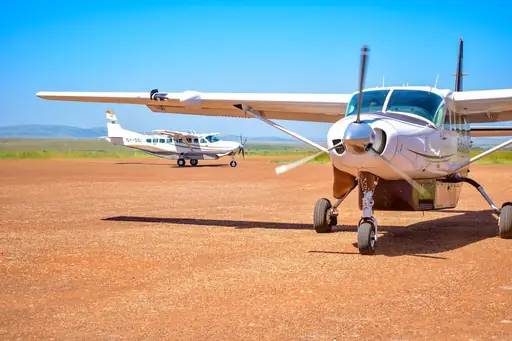
Kruger National Park covers 7,580 square miles in Limpopo and Mpumalanga. About 32 percent of people were unemployed in 2024. The country ranks among the most economically unequal in the world, which shapes community education and development projects. Twelve official languages are recognised. Cape Town is the seat of Parliament.
Country
Kenya
Safari paradise meets coastal charm
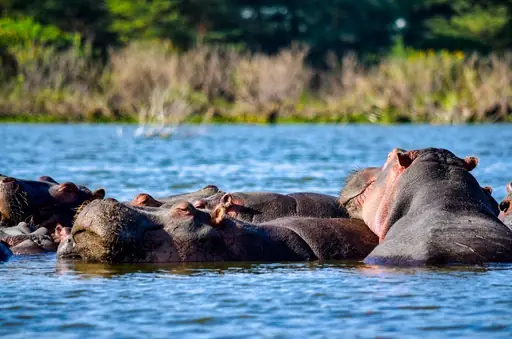
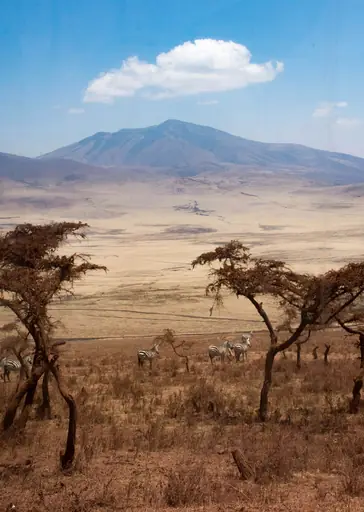
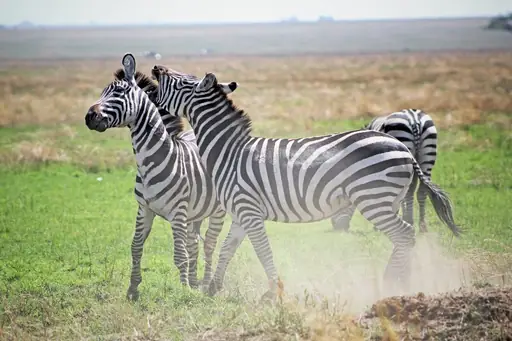
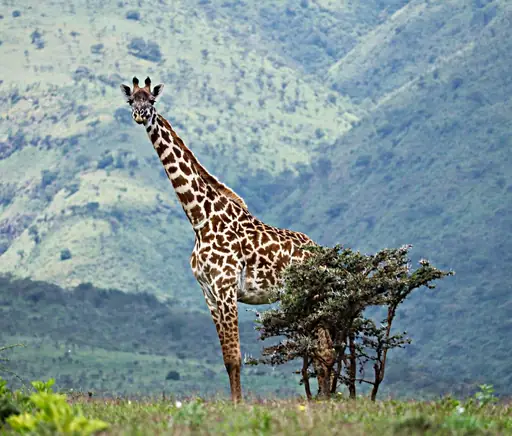
Hooves thunder and dust rises as over one million wildebeest and 200,000 zebras cross the Mara River. Between June and September the herds travel about 1,800 miles from the Serengeti. Swahili and English are both official languages. Mount Kenya reaches 17,057 feet and gives the country its name.
Country
Tanzania
Wild safaris meet tropical beaches
Tanganyika and Zanzibar merged on 26 April 1964. The country took the name Tanzania that October. About 120 ethnic and language groups live there and Swahili is the national language. Kilimanjaro rises 19,341 feet. Dodoma is the capital but Dar es Salaam remains the largest city.
Country
Namibia
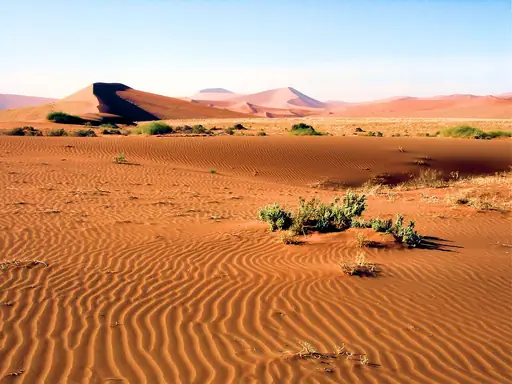
Desert wilderness meets wildlife wonders
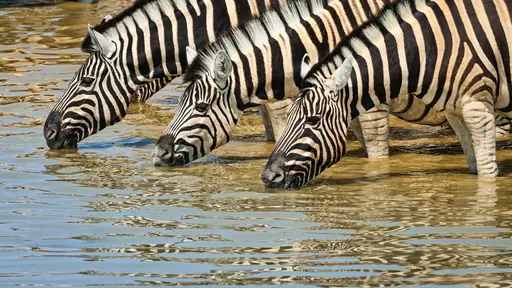
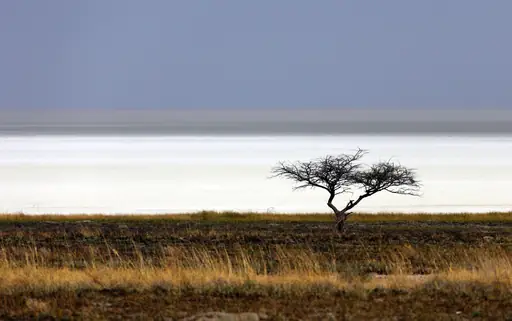
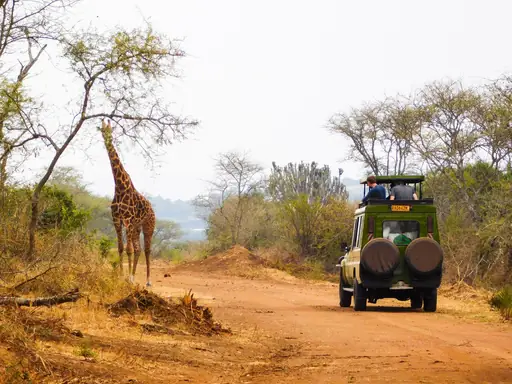
Community conservancies give local people rights to manage wildlife and tourism. They are among the country's fastest-growing areas of economic development. Only Mongolia is more sparsely populated among sovereign countries. About 3 million people share 318,772 square miles. Etosha Pan and Sossusvlei are the most visited sites.
Country
Rwanda
Land of a thousand hills
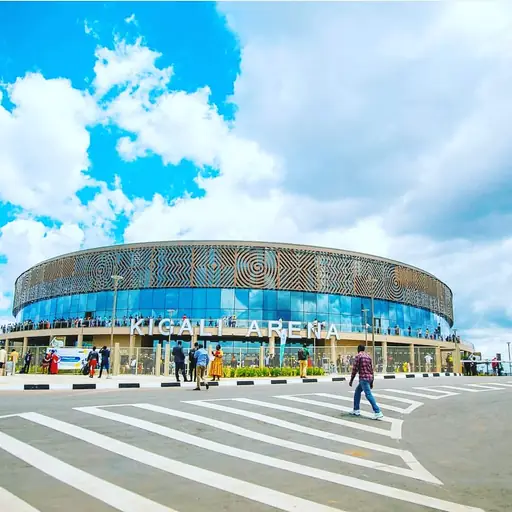
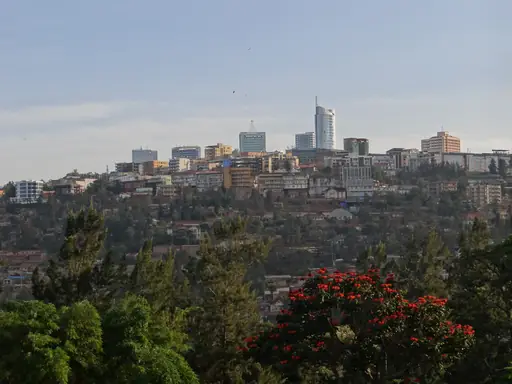
Smaller than Maryland, this country holds more than 14 million people. That makes about 1,500 per square mile. The 1994 genocide killed between 500,000 and 1,000,000 people in roughly 100 days. Today Kigali is recognised as one of Africa's cleanest cities, at 5,141 feet above sea level.
Country
Uganda
Pearl of Africa's diverse landscapes
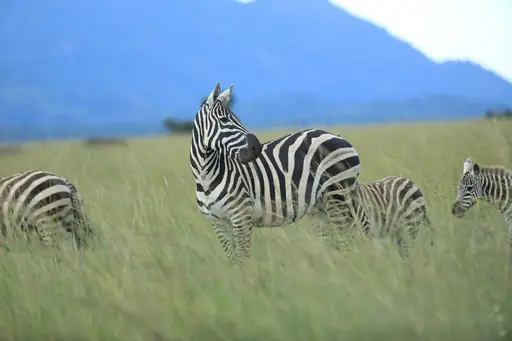
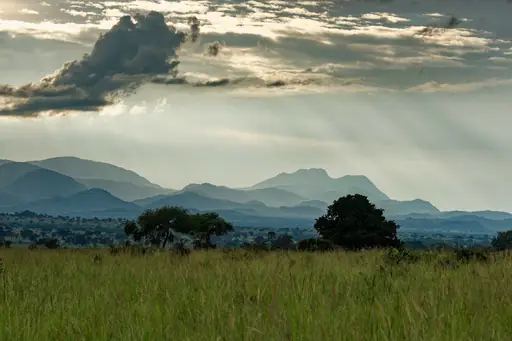
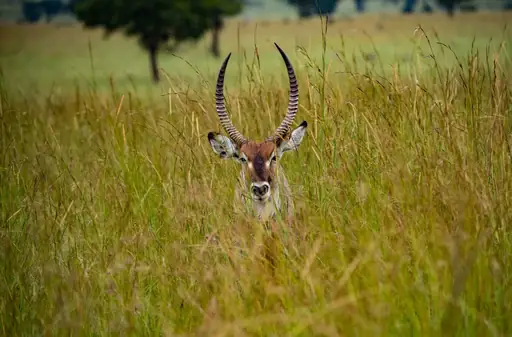
Dense forest closes in around gorilla trails in Bwindi Impenetrable National Park, a UNESCO site. Uganda hosted about 1.95 million refugees by October 2025. That is more than any other African country, so aid and education groups are active. Avoid orphanage placements. Mount Stanley in the Rwenzori range reaches 16,762 feet.

Country
Ghana
Gateway to vibrant African culture
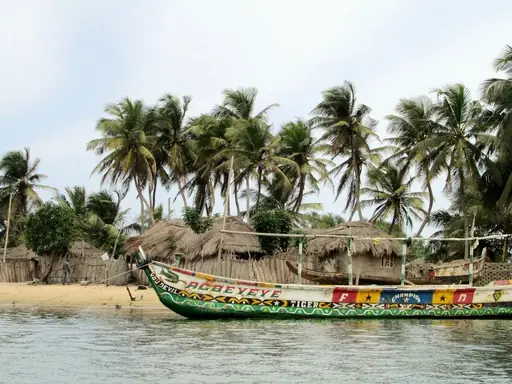
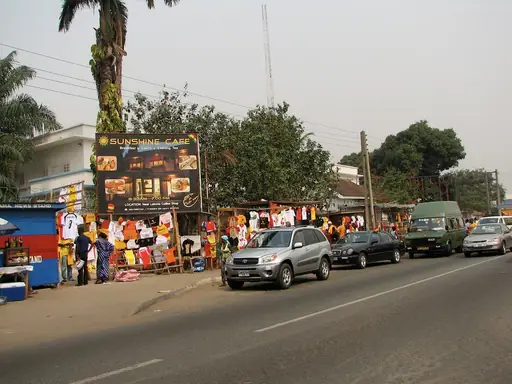
The first colony in Sub-Saharan Africa to gain sovereignty did so on 6 March 1957. English is the official language. The Akosombo Dam finished in 1965 created Lake Volta. Cape Coast Castle recalls the gold and slave trades. Choose programmes that avoid orphanage placements, which child protection groups discourage.
Country
Ethiopia
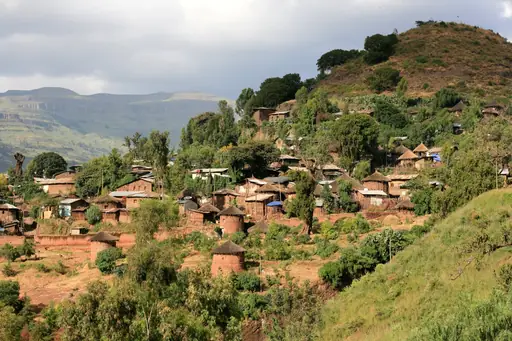
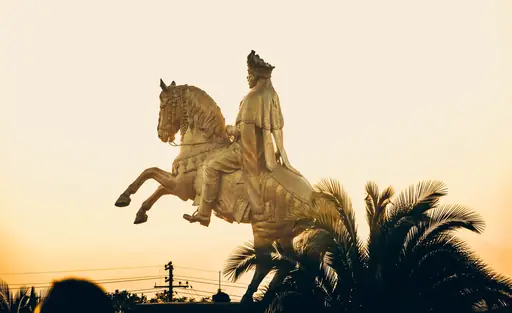
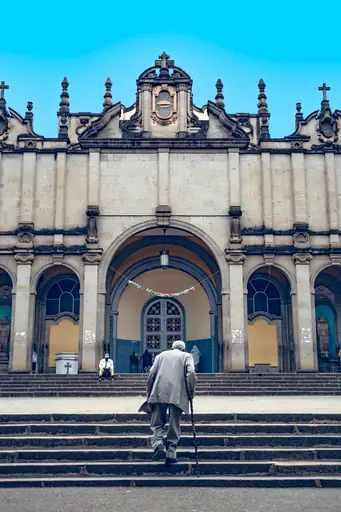
Ancient cultures meet diverse landscapes
Coffee is often thought to have originated in Ethiopia and is its largest foreign exchange earner. About 139 million people live in the country, the second most in Africa. Addis Ababa lies at about 7,900 feet. Conflict continues in the Amhara Region, so check government travel advice before choosing a placement.
Country
Mozambique
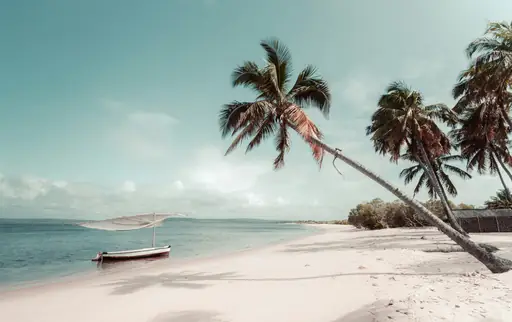
Pristine beaches meet vibrant culture
Independence from Portugal came on 25 June 1975. A civil war from 1977 to 1992 ended with the Rome peace accords. Portuguese is the only official language. The Bazaruto archipelago is a beach destination. Islamist insurgents have attacked the northern province of Cabo Delgado since October 2017, so avoid placements there.
Country
Malawi
Africa's warm heart with lakes
Landlocked between Zambia, Tanzania and Mozambique, the country is about 20.6 percent water. Lake Malawi runs 365 miles and holds one of the richest fish faunas of any lake. Lake Malawi National Park has been a UNESCO site since 1984. People call the nation the Warm Heart of Africa.
Other lists you may like
Discover
Top volunteering destinations and ethical travel programmes
The best volunteer travel destinations are the ones where the programme actually meets a need the community has identified, rather than one built mainly around the experience for…
Read more
Discover
Best volunteer travel destinations in Asia
Wildlife rehabilitation centres and community education projects across parts of South and Southeast Asia anchor much of the region's volunteer travel scene, built around…
Read more
Discover
Best volunteer travel destinations in Europe
Conservation and rewilding projects across parts of Europe offer a different model of volunteer travel than the wildlife programmes common elsewhere, built around habitat…
Read more
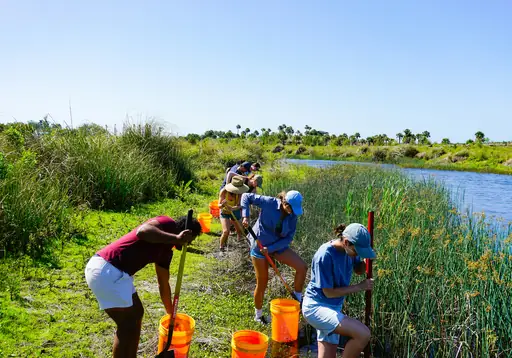
Discover
Best volunteer travel destinations in North America
Coastal countries in Central America anchor much of the wider region's volunteer travel reputation, built around sea turtle conservation and rainforest protection programmes with…
Read more

Discover
Best volunteer travel destinations in Oceania
Volunteer travel in Oceania tends to center on the natural world, which makes sense given how much of the region's identity is tied to its coastline and wildlife. Australia and…
Read more
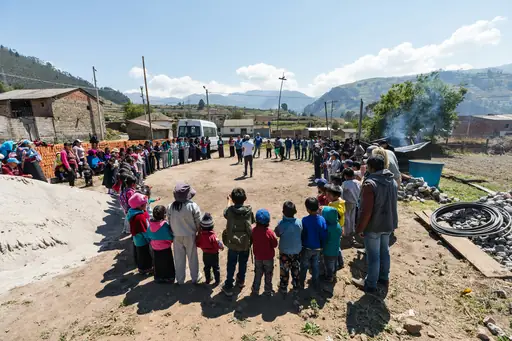
Discover
Best volunteer travel destinations in South America
Volunteer travel in South America leans heavily toward the Amazon, though conservation and community projects show up across the rest of the continent too. Wildlife…
Read more
What other users say about travelfilters
“travelfilters made it easy for me to find ski areas and compare what else they offer, so that I could find the best place for my personal travel style.”

Chris
Snowboarding & Onsen trip to Japan
“I love how transparent the data feels. There is no pushy upsell, just honest information and settings I can tune to my own travel style.”

Maria
After booking her 2027 winter escape
“The level of detail for each destination and how well those are displayed, make planning feel confident instead of overwhelming.”

Mina
Planned a week in New York City
“We used travelfilters for our planning from start to end. The trip turned out even better than expected, thanks to all their tools and customisation options.”

Allan & Etienne
Trip to Japan to see autumn foliage
“Thanks to travelfilters, I found some hidden gems to see. Being able to filter for exactly your interests is a game changer for my travel planning.”

Michael
Tour through the old cities of Northern Italy
“The customizable filters helped me find a quiet beach town with good wifi and low season crowds in under five minutes.”

Diego
Weekend Escape to Llanes, Spain
“The airport connection map saved me hours by showing good flight options from my home airport to lesser-known cities.”

Nguyen
Planning a 2027 trip to France
“The website is clean, fast and focused on the search itself, which makes travelfilters feel more like a professional tool than an ad-heavy booking site.”

Hassan
Christmas Market trip, Germany
