
Last update: 20 Oct 2026
* We earn a commission from some links on this page.
Cambodia Summary
These place ratings give you a quick overview of how well a destination matches different types of trips.
‘Best for’ scores:
The specific interest scores show where this place really shines – whether it's ideal for hiking, food & drink experiences, museums or other activities. These highlights help you understand what makes the destination special at a glance.
‘Your personal’ scores:
This reflects how well a place matches your personal preferences. You can adjust the importances of travel topics or other personal requirements categories in your account settings.
‘Suited for’ badges:
These give you a quick overview of how well a destination suits specific types of travellers, to help you find the places that match your lifestyle, preferences or travel situation.
Suited for
Cambodia – Quick facts
| Power Grid: |
230 V, 50 Hz Plug: Type A , Type C
Type A:
  Read about power adapters |
|---|---|
| Currency: |
Cambodian Riel (KHR) £1 ≈ KHR 5,432.97 |
| Cashless info: |
Rating 3/5
Cashless payment options are available in larger cities, particularly in tourist areas. Credit cards are accepted in many establishments, but cash is still preferred.
Save with a travel credit card |
| eSIM providers: |
Best value: Saily Flexibility: Airalo Read our in-depth comparison |
| Tipping: | Tipping is appreciated in Cambodia but not mandatory. In restaurants, a 5-10% tip is common. Taxi drivers and hotel staff also appreciate small tips. |
|---|---|
| Public drinking: | Public drinking is generally permitted, especially in designated areas. However, excessive drinking in public places may be frowned upon. |
| Public smoking: | Smoking is prohibited in indoor public places, such as restaurants, bars, and public transport. |
| Khmer New Year (April) |
A major festival with national celebrations and events |
|---|---|
| Pchum Ben (Sept-Oct) |
A festival for honouring ancestors, with cultural events and ceremonies |
| Emergency contact: | Emergency Numbers: 117 (Police), 119 (Ambulance), 118 (Fire) |
|---|---|
| Taxi apps: | Grab |
| Other: | Cambodia is famous for the ancient temples of Angkor Wat, vibrant markets, and rich cultural heritage. It is a popular destination for history and adventure enthusiasts. |
Best times to travel
The best times to travel section shows how the months compare for a visit, so you can find the time of year that fits what you want to do.
Background colours of the months:
The colour shows the typical temperature: yellow (hot), green (mild) and blue (cold). How strong the colour is shows the travel season: full colour means high season, soft colour means shoulder season and soft-striped means off season.
Weather symbols:
Each month has one symbol showing what the weather is typically like, such as hot and sunny, freezing or a rainy or snowy season. Use them to quickly spot months that match the weather you want, or to avoid the ones that don't.
Crowdedness:
The people icon shows how busy the place usually is. The more people, the more crowded it gets.
Additional notes:
The grey info boxes point out special things worth knowing, like recurring weather issues or seasonal events.
for Cambodia, Cambodia
Angkor and the interior are best November to February, the coast and islands (Kep, Koh Rong) November to April, rough seas and closed island resorts May to October
Khmer New Year (14 to 16 April): many shops and restaurants close, roads and buses are packed
Flooding September to October can cut rural roads and flood areas around Tonle Sap lake
Don't miss
- 🌅 Watch sunrise over the ancient temples of Angkor Wat
- 🌿 Explore the jungle-covered ruins of Ta Prohm Temple
- 🚤 Cruise along Tonlé Sap Lake and visit floating villages
- 🏛️ Learn Cambodia’s history at Phnom Penh’s Tuol Sleng Museum
- 🏖️ Relax on the white sands of Koh Rong Island
- 🪶 Admire ornate carvings at the pink sandstone Banteay Srei Temple
You've been here?
Log in to manage your own bucket list! Why travel to Cambodia?
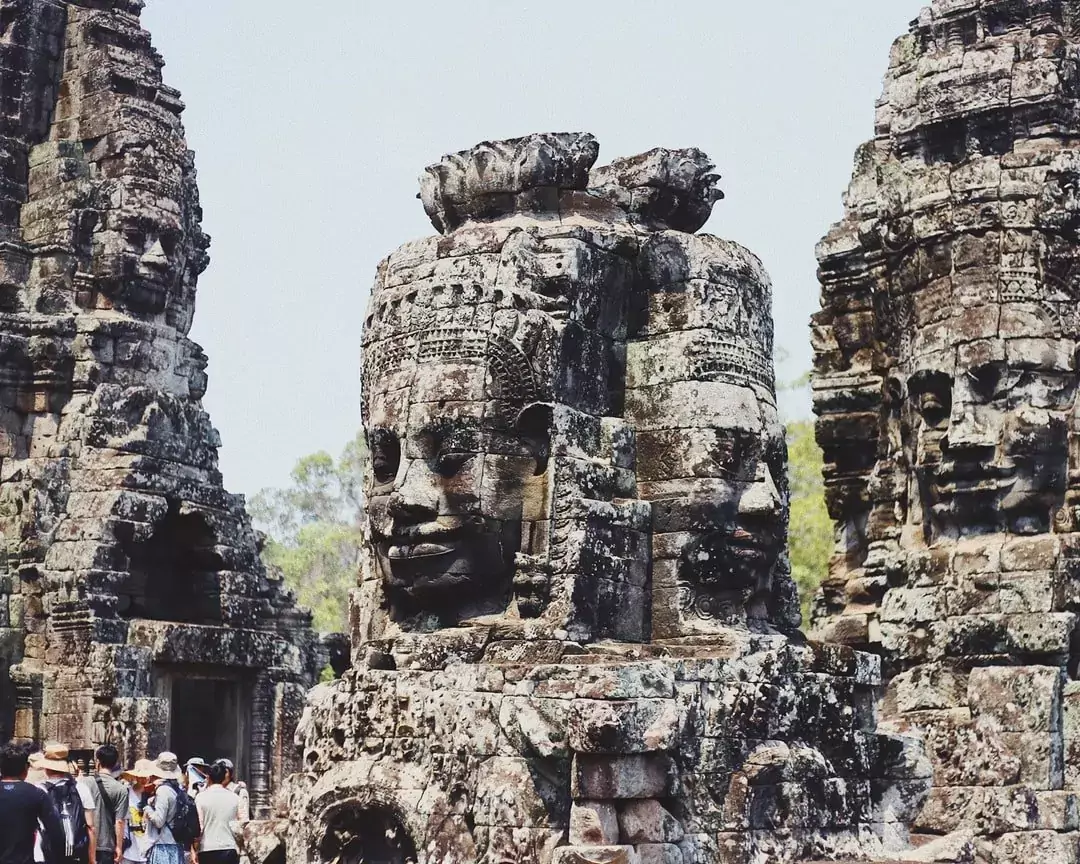
Angkor is a huge area of Khmer Empire temples near Siem Reap. It includes Angkor Wat, the walled city of Angkor Thom with its carved faces at the Bayon and Ta Prohm, where tree roots grow over the stone. Two full days is a good minimum. An early start helps beat the heat and the crowds. Cambodia has five UNESCO World Heritage properties. Angkor is one. The others are the temple of Preah Vihear, the ancient city of Sambor Prei Kuk, the Koh Ker temple site and a group of memorial sites tied to the Khmer Rouge period. Phnom Penh is the other usual stop. The city is where the Mekong and Tonle Sap rivers meet and has a riverside promenade, French colonial buildings, busy markets and museums that cover the recent past. The mood is lively and the food and bar scene is good. Beyond these two, Battambang has well-kept colonial streets and an arts scene. Kampot and Kep have a slow river-and-sea feel with pepper plantations nearby. The islands off the south coast have sandy beaches and clear water. The wet months from June to October bring heavy storms and flooded roads, while the drier months make sightseeing easier. Seven to ten days covers Siem Reap, Phnom Penh and one more region.
🏙️Cities & Regions
-
1
Siem Reap
This city in Cambodia’s northeast is famed for Angkor Wat and the bustling night markets, drawing history lovers. Beyond sunrise temple tours, explore local crafts in the Old Market and savor street food at Pub Street, avoiding peak crowds. -
2
Phnom Penh
Capital city of Cambodia, Phnom Penh offers a mix of historic temples, bustling markets and modern infrastructure. Visitors can explore Angkor Wat’s nearby ruins, sample street food and experience vibrant nightlife along the Mekong River. -
3
Kampot
A quiet river town in southern Cambodia, Kampot offers a relaxed atmosphere and historic French colonial architecture. The Mekong River provides scenic views, while nearby pepper plantations and the Bokor National Park attract nature lovers and culinary enthusiasts alike. -
4
Koh Rong
A tranquil island in the Gulf of Thailand, Koh Rong features pristine beaches and crystal-clear waters. The landscape is lush green with dramatic limestone cliffs along the northern coast, offering a peaceful escape from the bustling city life nearby.
🏯Places worth seeing
-
1
Angkor Wat
The ancient temple complex of Angkor Wat stands as Cambodia's most iconic landmark, featuring a massive central tower surrounded by extensive moats and intricate stone carvings that define its historical grandeur. -
2
Royal Palace
-
3
Koh Ker Temple Complex
-
4
Bayon Temple
-
5
Visitor flow at Ta Prohm temple
-
6
Choeung Ek Genocidal Center
-
7
Tuol Sleng Genocide Museum
-
8
Prasat Preah Vihear
-
9
Silver Pagoda
-
10
Banteay Srei Temple
🎡Places for activities
🏞️Natural landmarks
🛍️Shopping
🎈Events
-
Khmer New Year (April)
-
Water Festival (November)
-
Pchum Ben (Ancestors' Day)
-
Royal Plowing Ceremony
-
Angkor Photo Festival
-
Cambodia International Film Festival
-
Siem Reap Bike Race
-
Angkor Wat International Half Marathon
-
Cambodian Independence Day (November)
-
King's Birthday Celebrations
Knowledge before you go
- Apply for your e-visa at least four days before you fly.
- Cover shoulders and knees for Angkor Wat since staff can refuse entry for shorts and bare shoulders.
- Carry small US dollar bills and check change closely because fake notes have been passed to visitors.
- Stay on marked paths around rural temples because unmarked areas can still hold landmines and unexploded weapons.
How to travel to Cambodia
Most visitors arrive by air at one of three international airports. These are Phnom Penh International, Siem Reap-Angkor International for the temples and Sihanoukville International for the south coast. Flights come from regional hubs across Asia and many travellers connect through Bangkok, Singapore, Kuala Lumpur or Ho Chi Minh City. Taxis and tuk-tuks take you from the airport to the city centre. By land, Cambodia shares borders with Vietnam, Thailand and Laos. Crossings with Vietnam are popular for Mekong trips between Phnom Penh and Ho Chi Minh City. Check the status of any land border before you plan an overland route, because crossings can change at short notice. Officials and agents sometimes demand unofficial fees or overcharge for visas. You need a visa. A tourist visa is valid for 30 days and you can apply for an e-visa at least four days ahead. You can also buy a visa on arrival with a photo and payment in US dollars. If you arrive by air at the main airports, submit the free e-Arrival Card within seven days before landing. Your passport should be valid for six months.
Access summary
- Siem Reap/Angkor: Fly to SAI from Bangkok, Singapore, Kuala Lumpur, regional hubs.
- Phnom Penh: Fly to Techo International (KTI) from major Asian hubs, Doha.
- Sihanoukville coast/islands: Connect via Phnom Penh or Siem Reap; buses from Vietnam/Thailand.
Check your route from anywhere
Where to stay in Cambodia
Siem Reap is the base for Angkor and has the widest range of rooms, from hostels and guesthouses to boutique hotels and large resorts. Staying near the centre or Pub Street puts you close to restaurants and markets while quieter areas away from the centre suit people who want a pool and a garden. A tuk-tuk gets you to the temples in about 15 to 30 minutes. Phnom Penh has hotels near the riverfront, around the Royal Palace and in the quieter BKK neighbourhood. Riverfront rooms are convenient but bag snatching happens there, so keep valuables in the safe. Battambang has small boutique hotels in restored buildings. Kampot and Kep have riverside guesthouses and quiet bungalows. The islands have beach huts and resorts. Book ahead for the dry-season months and around major holidays. Many places will arrange tuk-tuk drivers, bus tickets and tours. Hotels usually register your stay for you, which matters if you later want to extend your visa. Rates are low by regional standards.
Hotel recommendations
*by rating and popularity. Commissions have no influence on the rankings.


How to get around Cambodia
Getting around Cambodia is cheap but slow. The main stops are Siem Reap in the northwest and Phnom Penh in the south, with Battambang, Kampot and the coast reached by road. Roads have a high accident rate and night travel adds risk, so plan to arrive before dark.
Tuk-tuks and motorbike taxis:
In towns, tuk-tuks are the usual way to get around and the ones with metal grills give some protection against bag snatching. Motorbike taxis are common but the FCDO describes them as dangerous because of poor maintenance and low driving standards.
Buses:
Between cities, buses and minibuses are the main choice. Phnom Penh to Siem Reap by bus takes about 5.5 to 6 hours and a private taxi takes four to six hours depending on traffic.
Flights and boats:
Air Cambodia runs flights on the Phnom Penh to Siem Reap route in about 50 minutes but schedules change at short notice. A riverboat runs only in the wet season and takes around 7 hours. Boats elsewhere can be overloaded, so check for life jackets.
Car:
If you want to hire a car you may need an International Driving Permit (1949 version) and a licence from home. Many visitors hire a car with a driver instead for temple days and longer transfers.
Food in Cambodia
Khmer food is gentle and balanced compared with its neighbours, with fish, rice, herbs and lemongrass at its base. Markets in Phnom Penh and Siem Reap are good for trying many things at once. Both cities also have a wide choice of international food from cafes to fine dining. Vegetarians can find meat-free dishes, though fish sauce is common. Don't leave drinks unattended in bars because spiking and bad alcohol have been reported.
Signature dishes:
Fish amok is the national dish, a steamed curry in banana leaf with coconut cream. Lok lak is stir-fried beef with a lime and pepper dip. Kampot pepper is famous across the region. Num banh chok is a rice noodle dish with a green fish curry sauce, often eaten for breakfast.
Street food:
Street food is cheap and fun. Look for grilled meat skewers, noodle soups such as kuy teav and sweet snacks made with coconut and palm sugar. Fresh fruit shakes and iced coffee are found everywhere.
Budget snapshot
Costs compared to home
We calculate the average costs when travelling to destinations and compare those with the living costs at your home. With this you can get an estimate of how expensive or cheap the destination is for you.
To customise this, you can set up which location and price level are used for the calculations in your account settings.
Daily expenses in Cambodia are around 65% lower than the average across United States. That means you'll spend a lot less on meals and getting around.
Exchange rate trend
The exchange rate price factor shows how expensive or cheap a currency currently is compared to its historical average. It's a quick way to see if a country is currently more or less affordable due to exchange rate changes.
Your exchange rate (GBP to KHR) is 4% better than in recent years. That means travelling now costs around the same compared to the past.
Travel costs
To help you plan your trip, we provide estimated daily costs per person (when travelling as a pair) for different travel styles. These numbers give you an idea of what you might spend each day at this destination, including accommodation, food, transport and activities.
Additionally, we also provide average hotel costs for different travel styles to give you an estimate for the accommodation only.
Please note that these are only estimates. The real costs depend on booking times, season and other factors.
Daily cost summary
Travel style categories explained:
Backpacker:
Staying in hostels or budget hotels, cooking your own meals or eating cheap and choosing low-cost activities.
Mid-range:
Staying in mid-range hotels, eating at a mix of restaurants and casual spots and enjoying a variety of activities.
Luxury:
Staying in luxury hotels, dining out at high-end restaurants and enjoying premium experiences without worrying about the price.
| Backpacker | Mid-range | Luxury | |
|---|---|---|---|
| 💵 Total costs per day, including accommodation | |||
| 🏨 Accommodation per night, per person | |||
| 🍝 Food per day | |||
| 🚕 Transportation per day |
Food & Drink
| 🍽️ Restaurant Dinner, per person | |
|---|---|
| 🍛 Lunch Set, per person | |
| 🍟 Fast food combo | |
| 🍝 Preparing your own food, per day | |
| ☕ Cappuccino | |
| 🍺 Beer in a restaurant, 0.5 l |
Transportation
| 🚌 Public transport ticket | |
|---|---|
| 🚕 Taxi Ride, 10 km / 6 mi | |
| ⛽ Petrol, 1 l |
Other
| 🎞️ Cinema ticket | |
|---|---|
| 👩⚕️ Doctor's consult | |
| 🤧 Cold medication | |
| 💇 Basic haircut |
Safety information overview
General safety
Cambodia is generally welcoming but petty crime is common. Bag snatching from motorbikes is the main risk in Phnom Penh and Sihanoukville. Roads are dangerous and rural areas hold mines. Drug penalties are severe. Check government advice on areas near the Thai border.
Health & Medical
Care is good in private clinics in Phnom Penh and Siem Reap but basic elsewhere. Serious cases may need evacuation abroad. Dengue is a risk and malaria occurs in some areas. Travel insurance with evacuation cover is essential. Call 119 for an ambulance.
Accessibility
Accessibility is poor. Pavements are often broken or blocked by parked motorbikes. Angkor temples have steep stone stairs and uneven ground and many buildings lack ramps. A private car or tuk-tuk with a driver is the practical choice for sightseeing.
Tap water
Tap water isn't generally recommended for drinking, so use bottled or filtered water. Bottled water is cheap and sold everywhere. Be cautious with ice at street stalls and use bottled water to brush your teeth if you have a sensitive stomach.
Packing recommendations for Cambodia
Log in to add this place to a travel list and get a summary of all recommended items for your whole trip.
📷
Camera
👟
Comfortable walking shoes
🌞
Sun cream
hat, sunglasses, sun cream
🚰
Reusable water bottle
👕
Light, breathable clothing
🧥
Waterproof jacket
especially during the monsoon season
🕶️
Sunglasses
hat, sunglasses, sun cream
🪰
Insect repellent
🧼
Hand sanitiser
🧕
Modest clothing covering shoulders and knees
for temple visits
🔋
Power bank
💊
Anti-diarrhoeal / stomach medication
🩹
Basic first aid kit
👒
Sun hat
hat, sunglasses, sun cream
📃
Travel insurance
🪪
Copies of passport and important documents
📱
Travel eSIM
🔌
Universal travel adaptor
🩺
Prescription medicines
💳
Credit card with no foreign transaction fees
🛂
Passport
Related articles & guides for Cambodia



Nearby recommended places



Looking for inspiration?

Discover
Top digital nomad destinations and remote work hubs in 2026
Working from anywhere in the world sounds simple until you actually try it and the best digital nomad destinations look different depending on what kind of remote worker you are.…
Read more

Discover
Best destinations for first-time travellers
A first trip abroad works best somewhere that eases you in, rather than throwing every possible culture shock and logistical headache at you at once. Some first-time travellers…
Read more
Discover
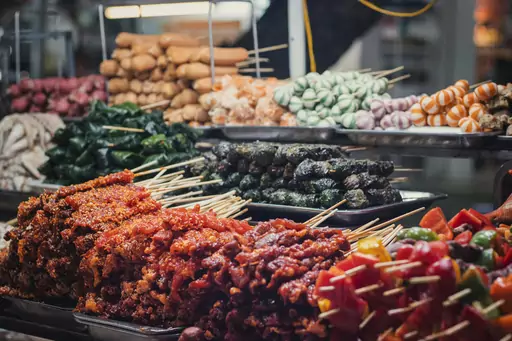
Top budget destinations and affordable travel hubs
The most rewarding budget travel destinations are rarely the cheapest in absolute terms but those where the gap between cost and experience is widest. Affordable accommodation,…
Read more

Discover
Best couple holiday destinations
Travelling as a couple sounds simple enough, yet the best couple holiday destinations mean something different to almost every pair. What feels romantic to one couple can feel like…
Read more

Discover
Top street food cities and local culinary markets
The best street food destinations treat the cart, stall or hawker counter as a serious culinary format rather than a budget substitute for a real meal. In cities with strong street…
Read more
Discover
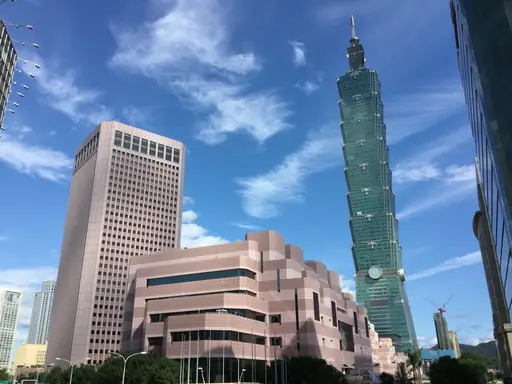
Best destinations for first-time travelers in Asia
Asia has one of the best established beginner travel routes anywhere, largely because so many first time travelers have worn the path before you. Southeast Asia in particular…
Read more

Discover
Top digital nomad destinations and remote work hubs in Asia
Asia has quietly become one of the most popular continents for remote work, and it is easy to see why once you look past the obvious hubs. Some remote workers gravitate toward…
Read more
Discover
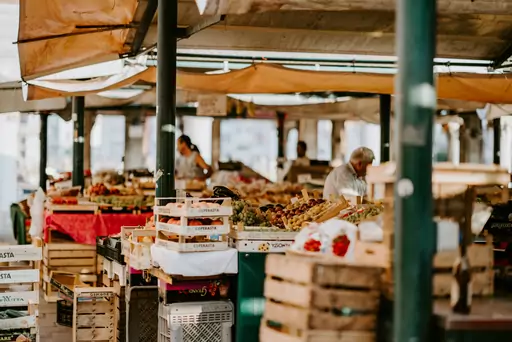
Best market destinations and street shopping
Markets are one of the most direct ways into the everyday life of a place. Where supermarkets and shopping centres smooth over local difference, a good market reflects the climate,…
Read more

Discover
Most beautiful beaches and coastal escapes
For a lot of people, a beach is the whole point of a holiday, but what makes a beach day perfect really depends on personal taste. Some travellers want isolation and the feeling…
Read more
Discover
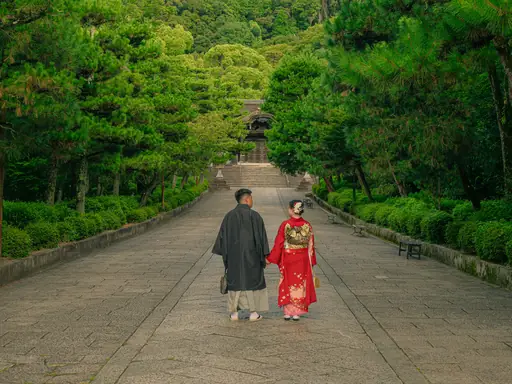
Best couple vacation destinations in Asia
Asia is perfect for couples who want their holiday to feel like a shared adventure rather than just a change of scenery. Few continents offer so many ways to be amazed together.…
Read more
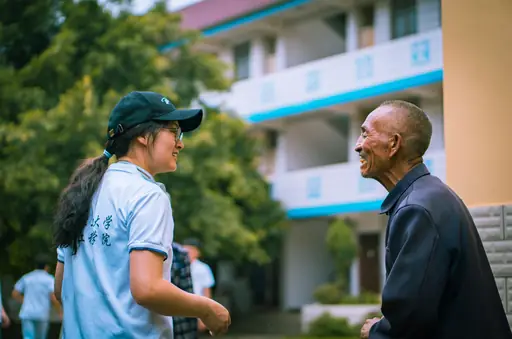
Discover
Top volunteering destinations and ethical travel programmes
The best volunteer travel destinations are the ones where the programme actually meets a need the community has identified, rather than one built mainly around the experience for…
Read more

Discover
Best destinations to visit in January
For a lot of travellers, January comes down to one choice, escape the cold with a warm trip or lean into winter with a proper snow trip instead. Some travellers want to chase…
Read more
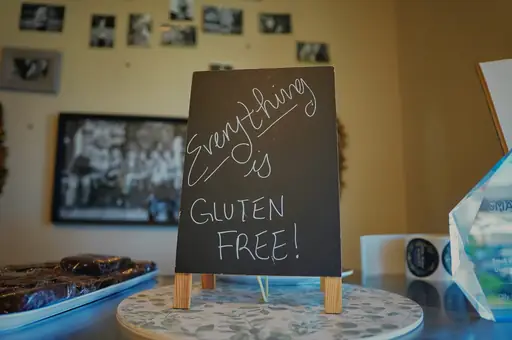
Discover
Best travel destinations for food allergies
Travelling with a food allergy adds a layer of planning most people never have to think about and the right destination can make that planning a lot easier. Some travellers…
Read more
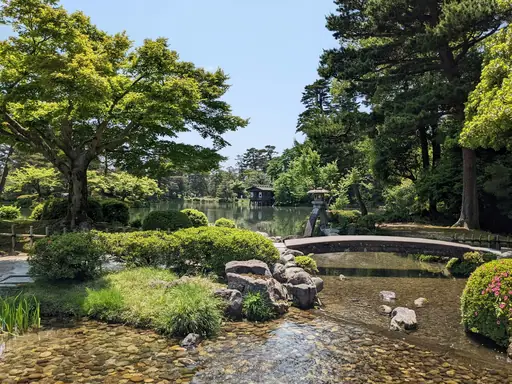
Discover
Top slow travel destinations and immersive experiences
Slow travel works against the instinct to see as much as possible in the shortest time, favouring depth over distance covered. The destinations best suited to it tend to reward…
Read more

Discover
Top island destinations and tropical getaways
Island travel offers a self-contained quality that few other destination types match, with defined geography, distinct local culture and the particular atmosphere that comes from…
Read more
What other users say about travelfilters
“travelfilters made it easy for me to find ski areas and compare what else they offer, so that I could find the best place for my personal travel style.”

Chris
Snowboarding & Onsen trip to Japan
“I love how transparent the data feels. There is no pushy upsell, just honest information and settings I can tune to my own travel style.”

Maria
After booking her 2027 winter escape
“The level of detail for each destination and how well those are displayed, make planning feel confident instead of overwhelming.”

Mina
Planned a week in New York City
“We used travelfilters for our planning from start to end. The trip turned out even better than expected, thanks to all their tools and customisation options.”

Allan & Etienne
Trip to Japan to see autumn foliage
“Thanks to travelfilters, I found some hidden gems to see. Being able to filter for exactly your interests is a game changer for my travel planning.”

Michael
Tour through the old cities of Northern Italy
“The customizable filters helped me find a quiet beach town with good wifi and low season crowds in under five minutes.”

Diego
Weekend Escape to Llanes, Spain
“The airport connection map saved me hours by showing good flight options from my home airport to lesser-known cities.”

Nguyen
Planning a 2027 trip to France
“The website is clean, fast and focused on the search itself, which makes travelfilters feel more like a professional tool than an ad-heavy booking site.”

Hassan
Christmas Market trip, Germany
