

Europe › Alps

Alps

Scroll
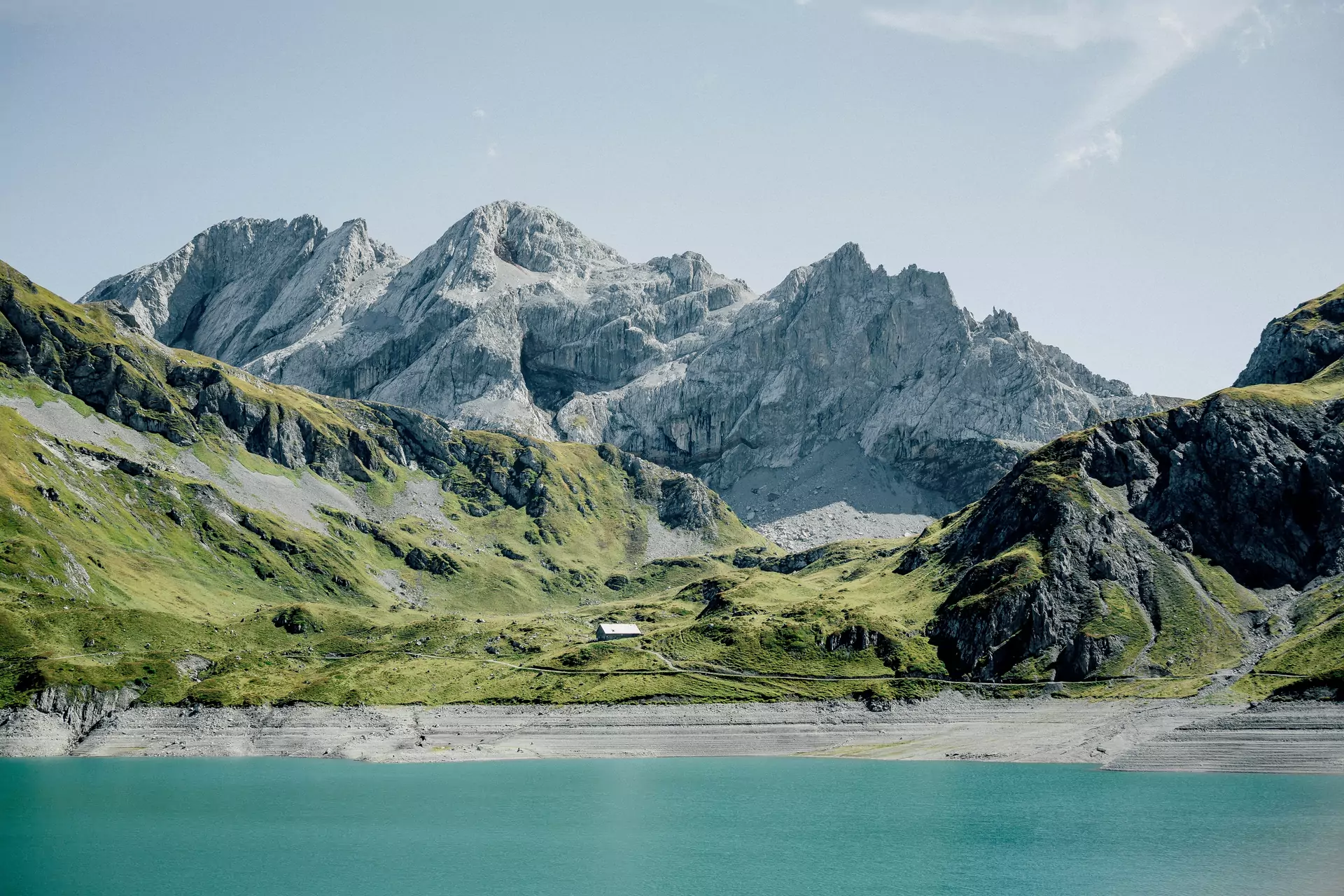
Majestic peaks echoing alpine serenity

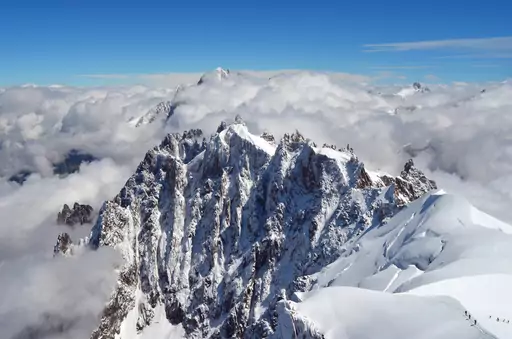
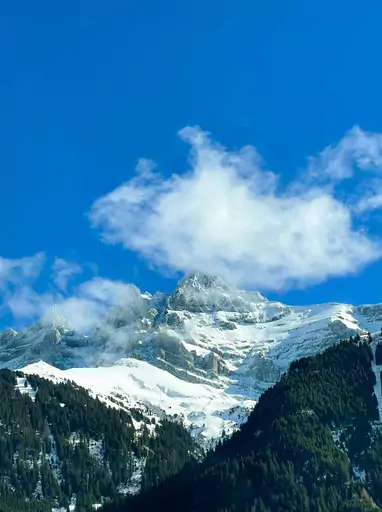
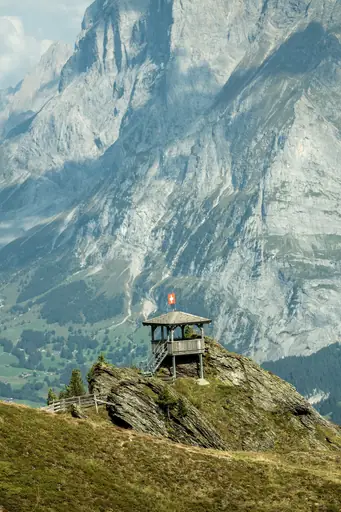
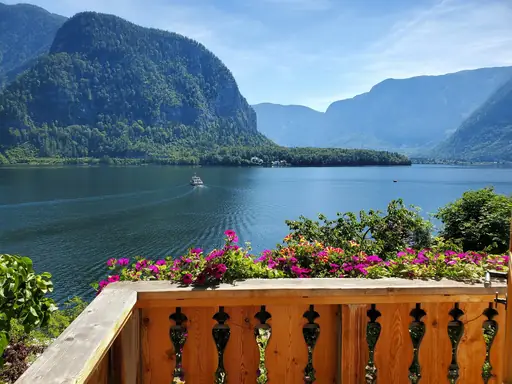
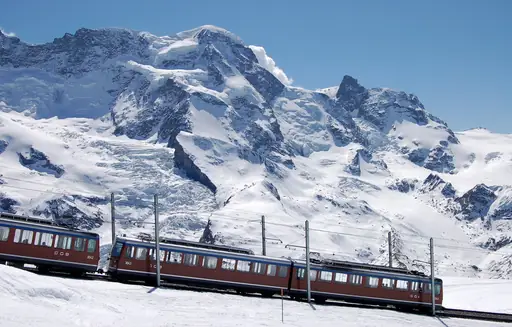
The Alps stretch across northern Italy, forming a rugged spine of snow-capped peaks and deep valleys. Hikers find trails that lead through pine forests and past crystal lakes while mountain goats move quietly along rocky paths. In winter, slopes fill with skiers and snowboarders seeking steep runs and wide open spaces. The region’s villages preserve old stone buildings and local traditions like cheese making and woodworking. From quiet valleys to busy ski resorts, the Alps provide varied experiences for travelers who want both adventure and calm in natural surroundings.

Mountain Range
Climate zone: Tundra

Tundra: Polar climates where warmest month remains cool, allowing only low-growing vegetation above permafrost or seasonally frozen ground.

See climate table
Price level: $$$
$Cheap
$$Medium
$$$Expensive, upscale
$$$+Very expensive, luxury
See price details
Safety: 8.8
General Safety:9
Health & medical:9
Accessibility:7
Tap water:9
Read details
Tourist English: 3/5
In the Italian Alps, English is widely understood among hotel staff, guides and shopkeepers, especially in popular ski resorts. Most locals speak basic English, making everyday communication smooth for visitors.
Last update: 12 Oct 2026
* We earn a commission from some links on this page.
Alps Summary

These place ratings give you a quick overview of how well a destination matches different types of trips.

‘Best for’ scores:
The specific interest scores show where this place really shines – whether it's ideal for hiking, food & drink experiences, museums or other activities. These highlights help you understand what makes the destination special at a glance.

‘Your personal’ scores:
This reflects how well a place matches your personal preferences. You can adjust the importances of travel topics or other personal requirements categories in your account settings.

‘Suited for’ badges:
These give you a quick overview of how well a destination suits specific types of travellers, to help you find the places that match your lifestyle, preferences or travel situation.

Read how our scores work
World-class for mountain sports and alpine scenery. Ski famous resorts, hike panoramic trails, cycle mountain passes and relax in traditional alpine villages.
Place score
9.7
Best at:
Mountains
10
Snow
10
Natural sites
10
Skiing
10
Hiking
10
Personal score
?
Log in to see how this place matches your personal travel interests.
Suited for
👶 7
Families
🧓 7
Seniors
🛡️ 8
Travel Beginners
❤️ 8
Couples
Best times to travel

The best times to travel section shows how the months compare for a visit, so you can find the time of year that fits what you want to do.

Background colours of the months:
The colour shows the typical temperature: yellow (hot), green (mild) and blue (cold). How strong the colour is shows the travel season: full colour means high season, soft colour means shoulder season and soft-striped means off season.

Weather symbols:
Each month has one symbol showing what the weather is typically like, such as hot and sunny, freezing or a rainy or snowy season. Use them to quickly spot months that match the weather you want, or to avoid the ones that don't.

Crowdedness:
The people icon shows how busy the place usually is. The more people, the more crowded it gets.

Additional notes:
The grey info boxes point out special things worth knowing, like recurring weather issues or seasonal events.

for Alps
🌨️
Jan
🌨️
Feb
🌨️
Mar
🌨️
Apr
🌨️
May
🌦️
Jun
🌦️
Jul
🌦️
Aug
🌤️
Sep
🌨️
Oct
🌨️
Nov
🌨️
Dec
High season: Jan. - March, July - Sep., Dec.
Shoulder season: June, Oct.
Crowdedness: 6 (Many tourists)
Tap on a month for more info Hover over a month for more info
Ski season late November to April, glacier skiing year-round; hiking season June to September
Many lifts, huts and hotels close mid April to early June and again in November
High alpine passes usually only open June to October; mountain huts mostly open mid June to late September

Why travel to Alps?

The Italian Alps offer a blend of natural beauty and cultural richness that appeals to travelers seeking both adventure and relaxation. Stretching from the Aosta Valley in the north to the Dolomites near Trentino, this mountain range presents diverse landscapes – from jagged peaks and glacial lakes to lush valleys dotted with alpine villages. For outdoor enthusiasts, the region provides well-marked hiking trails suitable for all skill levels. In summer, paths wind through wildflower meadows and past pristine tarns, while winter transforms the area into a network of ski resorts that cater to beginners and seasoned skiers alike. The Dolomites, recognized as a UNESCO World Heritage Site, are especially popular for their dramatic rock formations and panoramic vistas. Cultural experiences abound in towns such as Cortina d’Ampezzo, Bormio and Livigno. Here visitors can sample regional cuisine – think hearty polenta, speck and local cheeses – while exploring historic churches and museums that chronicle the area's alpine heritage. The region’s well-preserved wooden chalets and traditional festivals offer insight into centuries-old mountain life. Accessibility is another advantage: major cities like Milan and Turin are connected by efficient train services, making day trips or longer stays convenient. Whether you’re drawn to the thrill of mountaineering, the serenity of high‑altitude lakes or the charm of alpine villages, the Italian Alps provide a balanced itinerary that satisfies both the adventurous spirit and the desire for cultural immersion.

🏙️Cities & Regions
  • 1 Mont Blanc
    High in the French Alps, this iconic mountain offers year‑round skiing, alpine hiking and breathtaking panoramic views. Its glaciers, rugged peaks and nearby ski resorts attract adventure seekers and nature lovers alike and challenging mountaineering routes for photographers.
  • 2 Portes du Soleil
    A majestic mountain range in Switzerland's Valais, featuring dramatic peaks and deep valleys. The landscape is rugged and alpine, with steep slopes, glacial lakes and high passes that define this remote and breathtaking natural wonder.
🏯Places worth seeing
  • 1 Matterhorn
    Iconic peak rising above the Aosta Valley, the Matterhorn offers dramatic granite faces and challenging climbs. Its distinctive pyramid shape attracts mountaineers, photographers and visitors seeking alpine scenery and winter sports.
  • 2 Aosta
  • 3 Mont Blanc / Monte Bianco
  • 4 Sankt Moritz
  • 5 Lake Como
  • 6 Matterhorn Glacier Paradise
  • 7 Dolomites
🎡Places for activities
  • 1 Cinque Terre
  • 2 Mont Blanc / Monte Bianco
  • 3 Sankt Moritz
  • 4 Venice
  • 5 Lake Como
  • 6 Zermatt
  • 7 Matterhorn Glacier Paradise
  • 8 Dolomites
🏞️Natural landmarks
  • 1 Lake Como
  • 2 Lake St. Moritz
  • 3 Venice Lagoon House B&B
  • 4 Liegewiese Alpine Family Resort Seetal
🛍️Shopping
  • 1 Rialto Market
  • 2 La Porta del Chianti

Knowledge before you go

  • Pack layered clothing; alpine temperatures vary widely during day and night.
  • Carry a valid ID, as border checkpoints between Italy and Switzerland require proof of citizenship or residency.
  • Reserve mountain huts in advance, especially during peak ski season, to secure accommodation and avoid last‑minute shortages.
  • Explore lesser‑known passes like the Passo del Tonale for quieter trails and authentic local cuisine beyond popular resorts.

How to travel to Alps

Access to the Alps in Europe, specifically the mountain range spanning Italy’s northern regions, involves several transportation methods. The area is reachable by train via major Italian cities like Milan and Turin, with regional services connecting to alpine towns such as Courmayeur and Bolzano. For international travelers, airports in Milan (Malpensa), Venice (Marco Polo) and Zurich (Switzerland) offer flights to nearby hubs, followed by bus or car transfers. Road access is feasible via the A32 and A4 highways from Milan toward the Italian Alps. Winter travel may require vehicles with winter tires due to snow conditions on higher passes like the Great St. Bernard.

Access summary

  • From Milan Malpensa (MXP): Train to Aosta (2h30m); bus 3h.
  • From Turin (TRN): Train to Courmayeur (2h15m); car 2h.
  • By ferry from Genoa to Portofino, then drive 1h to the Alps.

Where to stay in Alps

In the Italian Alps, lodging ranges from rustic agriturismi perched on terraced vineyards to luxury ski chalets with panoramic views. Small family‑run inns offer authentic alpine cuisine and cozy rooms, while larger resorts provide modern amenities such as indoor pools, spa facilities and guided mountain activities. The region is renowned for its traditional stone‑walled lodges that blend historic charm with contemporary comfort. For budget travelers, hostels and self‑catering apartments in towns like Ortisei or Bormio offer affordable stays without sacrificing scenic beauty. High‑end options include five‑star hotels featuring Michelin‑grade restaurants and personalized concierge services, catering to discerning guests seeking indulgence amid rugged peaks.

How to get around Alps

The Alps in Europe offer diverse transportation options, ideal for exploring its rugged terrain. The primary method is rail, with extensive networks like Italy’s Trenitalia and Austria’s ÖBB connecting major cities such as Milan, Innsbruck and Zurich to alpine towns. Regional trains provide access to remote villages and ski resorts. For flexibility, renting a car or campervan allows independent travel through scenic routes like the Great St. Bernard Pass or the Col de la Seigne. Buses serve smaller communities, while cable cars and funiculars link mountain valleys to peaks. Cyclists can use dedicated trails such as the Alta Via Val di Fassa. Always check seasonal schedules for snow-affected services in winter.
Budget snapshot
Costs compared to home

We calculate the average costs when travelling to destinations and compare those with the living costs at your home. With this you can get an estimate of how expensive or cheap the destination is for you.

To customise this, you can set up which location and price level are used for the calculations in your account settings.

+2 %
Daily expenses in the region are around 2% higher than the average across United States. That means you'll spend around the same on meals and getting around.
Exchange rate trend

The exchange rate price factor shows how expensive or cheap a currency currently is compared to its historical average. It's a quick way to see if a country is currently more or less affordable due to exchange rate changes.

---
We currently don't have exchange rates for this place

Travel costs

To help you plan your trip, we provide estimated daily costs per person (when travelling as a pair) for different travel styles. These numbers give you an idea of what you might spend each day at this destination, including accommodation, food, transport and activities.

Additionally, we also provide average hotel costs for different travel styles to give you an estimate for the accommodation only.

Please note that these are only estimates. The real costs depend on booking times, season and other factors.

Daily cost summary

Travel style categories explained:

Backpacker:
Staying in hostels or budget hotels, cooking your own meals or eating cheap and choosing low-cost activities.

Mid-range:
Staying in mid-range hotels, eating at a mix of restaurants and casual spots and enjoying a variety of activities.

Luxury:
Staying in luxury hotels, dining out at high-end restaurants and enjoying premium experiences without worrying about the price.

Backpacker Mid-range Luxury
💵 Total costs per day, including accommodation
£56
£138
£385
🏨 Accommodation per night, per person
£21
£56
£135
🍝 Food per day
£28
£72
£205
🚕 Transportation per day
£7
£10
£45
Food & Drink
🍽️ Restaurant Dinner, per person
£33
🍛 Lunch Set, per person
£13
🍟 Fast food combo
£9
🍝 Preparing your own food, per day
£10
☕ Cappuccino
£1.60
🍺 Beer in a restaurant, 0.5 l
£4.50
Transportation
🚌 Public transport ticket
£1.50
🚕 Taxi Ride, 10 km / 6 mi
£28
⛽ Petrol, 1 l
£1.60
Other
🎞️ Cinema ticket
£9
👩‍⚕️ Doctor's consult
£70
🤧 Cold medication
£9.50
💇 Basic haircut
£14

Safety information overview

General safety
9
The Italian Alps are generally safe for travelers, with low crime rates and well‑maintained infrastructure. Tourists should stay on marked trails, heed weather alerts, avoid isolated areas after dark and keep valuables secure in hotel safes to ensure a worry‑free visit.
Health & Medical
9
Italy’s Alpine region offers top‑tier medical care, with well‑equipped hospitals and highly trained specialists in nearby cities like Milan and Turin. The clean mountain air supports respiratory health, though altitude sickness and winter road hazards remain risks for unprepared travelers.
Accessi­bility
7
Italy’s Alps offer mixed accessibility: many ski resorts have modern lifts and wheelchair‑friendly slopes, while some remote peaks remain steep and uneven. Public transport links are reliable in major towns, but trail signage can be sparse; plan ahead for mobility aids.
Tap water
9
Tap water in Italy’s Alpine region is excellent – clean, mineral‑rich and freely available at most cafés, restaurants and public fountains. Hydration stations are common along trails, ensuring hikers stay refreshed without needing bottled water.

Looking for inspiration?

Discover
Intimate escapes and romantic getaways
The most memorable trips for couples tend to have less to do with luxury and more to do with the quality of shared experience. A place that slows you down, removes the usual…
Read more
Discover
Best destinations to visit in July in Europe
July is peak season almost everywhere in Europe, with warm weather, long days and the year's biggest crowds all arriving at once. Southern Europe hits its hottest stretch of the…
Read more
Discover
Best van travel destinations
Van travel rewards destinations with genuinely good road networks, scenic variety within reasonable driving distance and enough infrastructure, such as campsites, fuel and…
Read more
Discover
Best destinations to visit in February in Europe
Europe stays firmly in winter through February, though the month also brings its own set of traditions that set it apart from January. Alpine regions remain deep into ski…
Read more
Discover
Pilgrimage destinations and sacred sites
Pilgrimage travel is among the oldest forms of purposeful journey, with sacred routes, shrine destinations and holy cities drawing millions of travellers annually across every…
Read more
Discover
Top castle destinations and historic fortresses
Castle travel spans an enormous range of surviving structures, from the intact hilltop fortresses and walled palace complexes that have been continuously inhabited or maintained to…
Read more
Discover
Top hiking destinations and famous trails
Hiking at its best is one of the most direct ways to engage with a landscape. The pace forces a relationship with terrain, weather and distance that faster forms of travel rarely…
Read more
Discover
Top ancient ruins destinations and archaeological sites
The world's most significant ancient ruin destinations range from the ceremonial complexes of early river civilisations and the monumental remains of classical empires to the less…
Read more
Discover
Top digital nomad destinations and remote work hubs in 2026
Working from anywhere in the world sounds simple until you actually try it and the best digital nomad destinations look different depending on what kind of remote worker you are.…
Read more
Discover
Best couple holiday destinations
Travelling as a couple sounds simple enough, yet the best couple holiday destinations mean something different to almost every pair. What feels romantic to one couple can feel like…
Read more
Discover
Top historical destinations and historic sites
The most compelling history destinations are places where the past is still physically present and legible in the landscape, the architecture and the daily life of the people who…
Read more
Discover
Top snow destinations and winter wonderlands
Snow has a way of making even a familiar place feel new and for a lot of travellers a winter trip is about much more than skiing. Some people chase fresh powder in places like…
Read more
Discover
Top religious sites and sacred destinations
For a lot of people, visiting a famous religious site is one of the most memorable parts of a trip, whether they are believers or just curious about how other people live and pray.…
Read more
Discover
Best destinations for first-time travellers
A first trip abroad works best somewhere that eases you in, rather than throwing every possible culture shock and logistical headache at you at once. Some first-time travellers…
Read more
Discover
Top wine destinations and famous vineyards
Wine travel has developed a well-established infrastructure of its own, with dedicated tasting rooms, cellar door visits and harvest experiences now standard across most major…
Read more
Was this page helpful?
Feedback